
Expert Support
Available 24/7 via chat
Available 24/7 via chat
Mehndi, known as henna or Myrtus communis (also called heena), holds a special place in Indian culture and homes. For centuries, it has been treasured not just for the beautiful reddish-brown dye extracted from its leaves—used in weddings, festivals, and daily adornment—but also for its medicinal and cosmetic properties. If you've ever wondered how to grow this remarkable plant yourself, you're in for a pleasant surprise: mehndi is remarkably easy to cultivate, making it perfect for home gardeners of all experience levels. Whether you're growing it on your terrace, in a container on your balcony, or in a sunny garden corner, this guide will walk you through everything you need to know to grow a thriving mehndi plant in the Indian climate.
Mehndi is a small, slow-growing perennial shrub that reaches 4 to 6 feet at maturity, though young plants from nurseries typically start around 14 inches tall with a spread of about 4 inches. The plant produces lovely white flowers with yellow-tipped stamens, which bloom from May to July—a delight for gardeners and a signal that the growing season is in full swing. What makes mehndi special is its versatility: it thrives equally well in large containers as in garden beds, making it ideal for Indian urban gardeners with limited space. Beyond its ornamental appeal, mehndi is valued as a medicinal cosmetic herb, and home-grown plants provide fresh, organic leaves for natural henna use whenever needed.
| Factor | Requirement |
|---|---|
| Light | More than 6 hours of direct bright sunlight daily |
| Water | Water when top 1-2 inches of soil feel dry to touch |
| Soil | Well-drained, fertile, organic-rich; pH 6.5 to 7 |
| Temperature | Prefers warm conditions; sensitive to harsh frosts |
Mehndi loves sunlight and requires more than 6 hours of direct bright sunlight every day for optimal growth and flowering. In the Indian context, this is generally straightforward: a south-facing or west-facing terrace works wonderfully. During the intense heat of May and June, if you're in a region with extremely harsh afternoon sun (like Delhi or Rajasthan), you can position your plant where it gets bright, indirect light in the late afternoon, but ensure it still receives at least 6 hours of direct sunlight overall. If your mehndi plant receives insufficient light, you'll notice slower growth and fewer flowers during the May-July bloom season. For balcony gardeners, a spot that catches morning and midday sun is ideal. In regions with dense monsoon cloud cover, maximize light by placing plants in the brightest available location, as reduced light during rainy months can slow growth temporarily.
Proper watering is key to growing mehndi successfully. Before watering, use your finger or a small stick to poke into the soil about 1-2 inches deep. If it feels dry to the touch, it's time to water; if still moist, wait another day or two. Overwatering is a common mistake—mehndi prefers slightly drier conditions and tolerates drought better than soggy soil. During India's monsoon season (June-September), reduce watering frequency significantly since rainfall provides ample moisture. If growing in containers, ensure excellent drainage so excess rainwater doesn't accumulate. Hard water, common in many Indian regions, isn't ideal for the plant's pH balance, so use rainwater or collected water when possible. If tap water is your only option, let it sit overnight before watering. Early morning watering is best, as it reduces fungal issues and allows the plant to absorb moisture during the day's warmth.
Mehndi grows well in soil that is well-drained, fertile, and rich in organic content, with an ideal pH range of 6.5 to 7. If preparing potting mix for container plants, combine garden soil, compost, and coarse sand in roughly equal parts to ensure excellent drainage while maintaining fertility. In Indian gardens with clay-heavy soil, amend generously with organic matter—compost, aged cow manure, or leaf mold—to improve soil structure and prevent waterlogging. During the main growing season (June-July), feed your mehndi with organic fertilizer. This could be well-decomposed cow manure, neem cake-based fertilizer, or a balanced organic formulation. Apply once or twice during this period, following package instructions. Mehndi doesn't need heavy fertilization and thrives with minimal feeding if grown in organic-rich soil. Outside the growing season, the plant requires little additional nutrition.
Mehndi is a tropical and subtropical plant that thrives in warm conditions throughout most of India. The plant prefers warmth and shouldn't be exposed to harsh frosts or freezing temperatures. In regions with cooler winters—such as high-altitude areas or parts of northern India—protect mehndi during the coldest months by moving containers indoors to a warm, bright location or providing frost cloth to outdoor plants. The plant handles India's monsoon humidity well, though good air circulation around foliage helps prevent fungal infections. High summer heat doesn't stress mehndi as long as consistent (but not excessive) watering is maintained. If growing mehndi indoors in air-conditioned spaces, ensure it still receives at least 6 hours of bright light daily—position it near a south-facing window or use supplementary grow lights to maintain healthy growth.
Expand your mehndi collection by propagating from semi-hardwood cuttings during the growing season (May-July). Select healthy, young stems about 4-6 inches long, cutting just below a leaf node, and remove lower leaves. Dip the cut end in rooting hormone if available, then plant in moist, well-draining potting mix made from perlite mixed with peat or coco-peat. Keep the medium consistently moist but not waterlogged, maintain high humidity (a plastic bag tent works well), and place in bright, indirect light. Roots typically develop within 4-6 weeks. Once established with visible new growth, gradually acclimate the young plant to regular light and watering. Mehndi is also grown from seed, though cuttings are faster and more reliable for obtaining mature plants sooner.
Mehndi is robust and rarely troubled by serious pests or diseases when grown correctly. The most common issue is overwatering, which leads to root rot—always check soil moisture before watering. Spider mites may appear in very dry conditions; spray with neem oil solution to manage them. Mealybugs and scale insects occasionally infest mehndi; remove manually with a soft brush and follow with neem oil spray. Fungal leaf spot may develop if humidity is excessive and air circulation poor—prune lower leaves, improve ventilation, and avoid overhead watering. Yellow leaves typically indicate overwatering (most common) or nutrient deficiency; adjust watering practices and add compost if needed. With proper care, mehndi has very few serious problems.
Ready to grow your own? Shop Mehndi at Nurserylive →
Mehndi (Mehandi) - The Natural Body Art Plant Mehndi, scientifically known as Lawsonia inermis, is a flowering plant renowned for its leav...
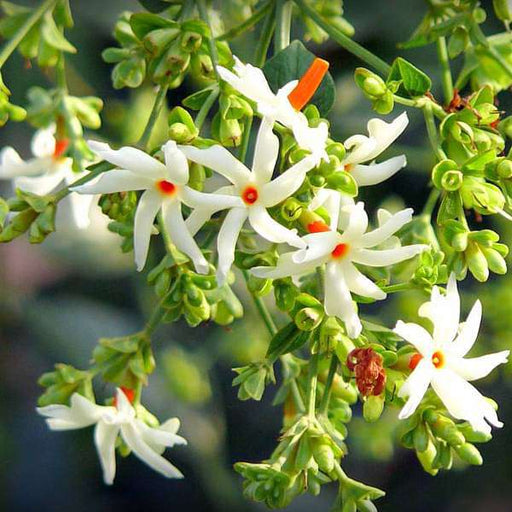
View full detailsCombo Constituents Includes the Parijat Tree (Night-Flowering Jasmine), a culturally significant plant with fragrant flowers. Description The Pari...
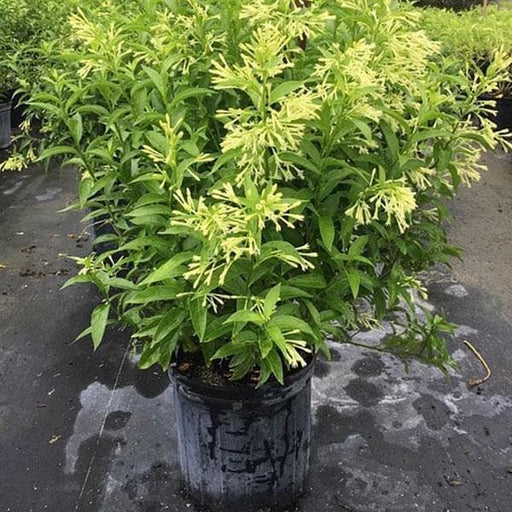
View full detailsDescription Raat Ki Rani (*Cestrum nocturnum*), also known as Night Blooming Jasmine, is a fragrant shrub native to the Caribbean and Central Ameri...
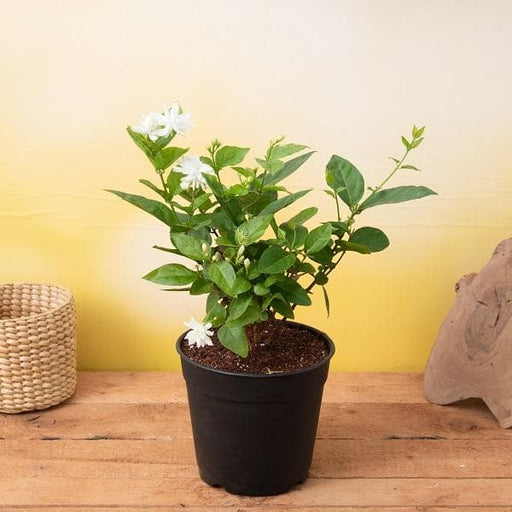
View full detailsJasminum sambac, Mogra, Arabian Jasmine - Plant Jasminum sambac, commonly known as Mogra or Arabian Jasmine, is a fragrant flowering plant...
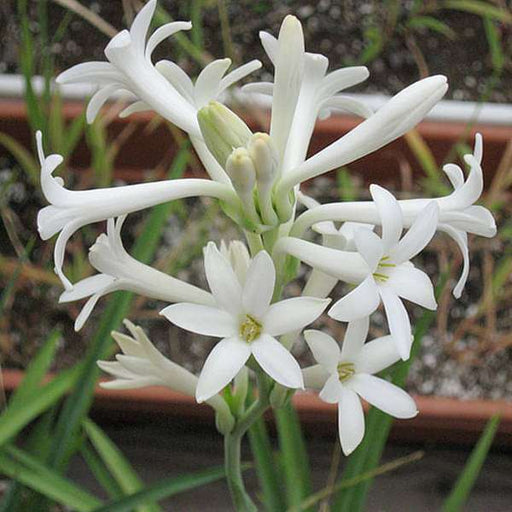
View full detailsRajnigandha, Tuberose - Plant The Rajnigandha, scientifically known as Polianthes tuberosa, is a captivating perennial plant renowned for ...
View full detailsCitronella, Odomas - Plant The Citronella plant, scientifically known as Cymbopogon nardus, is a tropical grass renowned for its aromatic ...
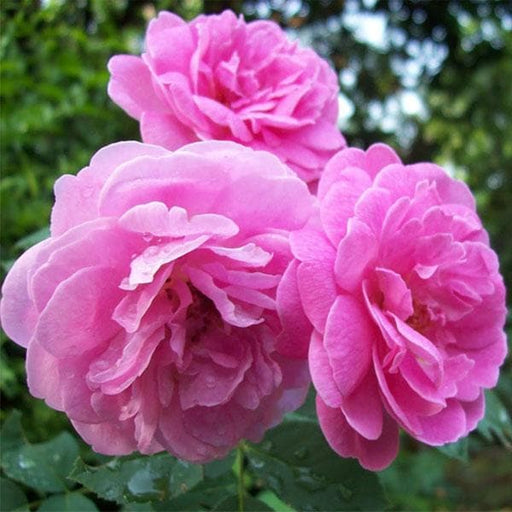
View full detailsDamascus Rose, Scented Rose (Any Color) - Plant The Damascus Rose, also known as Rosa damascena, is a timeless symbol of beauty and romanc...
View full detailsMiniature Rose, Button Rose (Any Color) - Plant The Miniature Rose, also known as the Button Rose, is a charming and compact flowering plant that ...
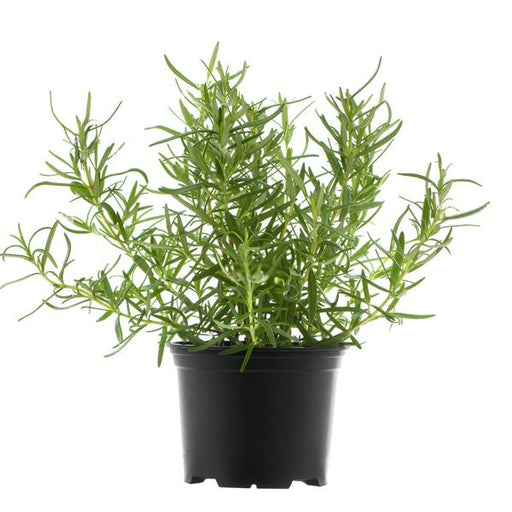
View full detailsRosemary - Plant Rosemary (Rosmarinus officinalis) is a fragrant evergreen herb native to the Mediterranean region. Known for its needle-like leav...
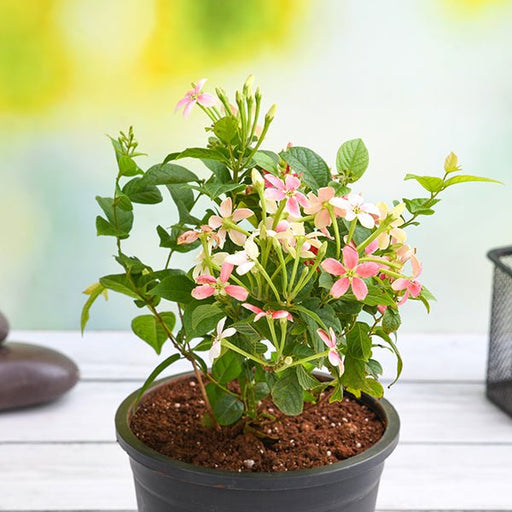
View full detailsMadhumalti Dwarf, Rangoon Creeper - Plant The Madhumalti Dwarf, also known as the Rangoon Creeper (Quisqualis indica), is a stunning perennial vin...
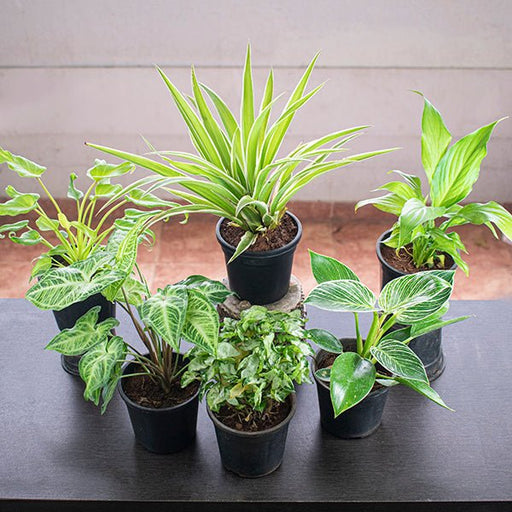
View full detailsBest 6 Plants for Perfect Indoor Garden Transform your living space into a lush oasis with our curated collection of the Best 6 Plants for a...
View full detailsBest 6 Plants for Perfect Indoor Garden Transform your living space into a lush oasis with our curated collection of the Best 6 Plants for a...
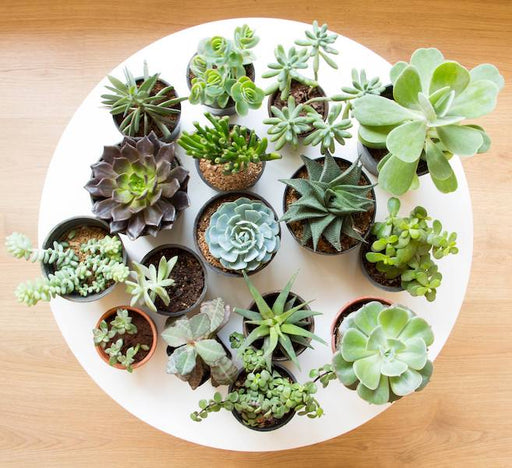
View full detailsMini Succulent Garden Pack Transform your space with our Mini Succulent Garden Pack, featuring a delightful collection of 4 any variety beautiful s...
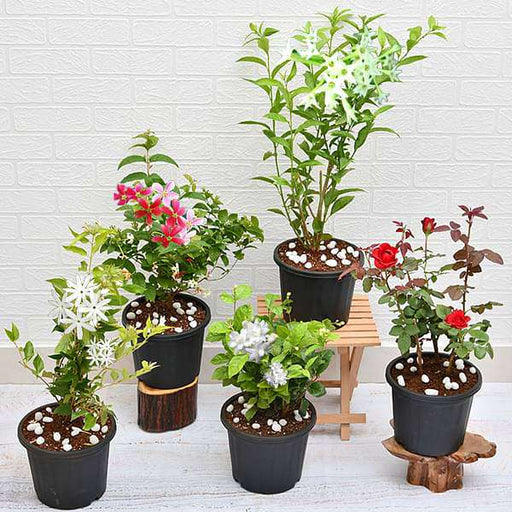
View full details5 Best Fragrant Plants Transform your garden or indoor space into a fragrant paradise with our curated selection of the 5 Best Fragrant Plants. Th...
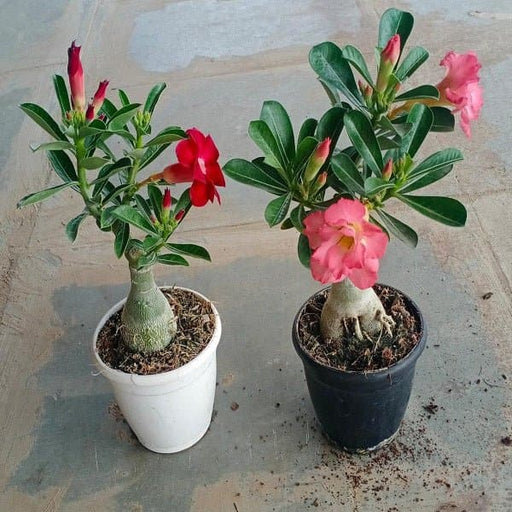
View full detailsSet of 2 Bonsai Looking Grafted Adeniums Transform your indoor or outdoor space with our exquisite Set of 2 Bonsai Looking Grafted Adenium...
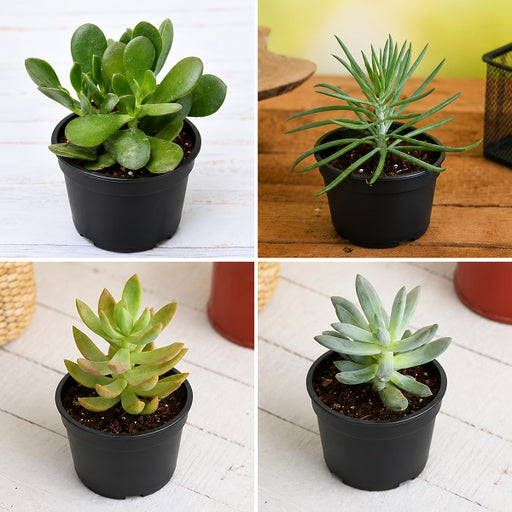
View full detailsTop 4 Die Hard Succulents Pack Note: Plants included in this pack will be delivered in a 3-inch nursery pot (any color). Transform your indoor or ...
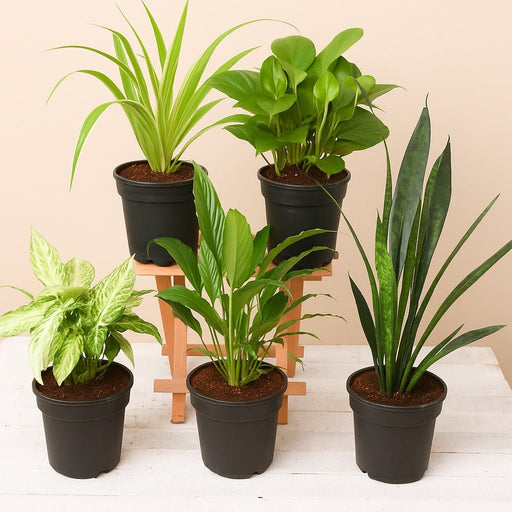
View full details5 Best Indoor Plants Pack Transform your living space into a lush oasis with our '5 Best Indoor Plants Pack.' This carefully curated collection fe...
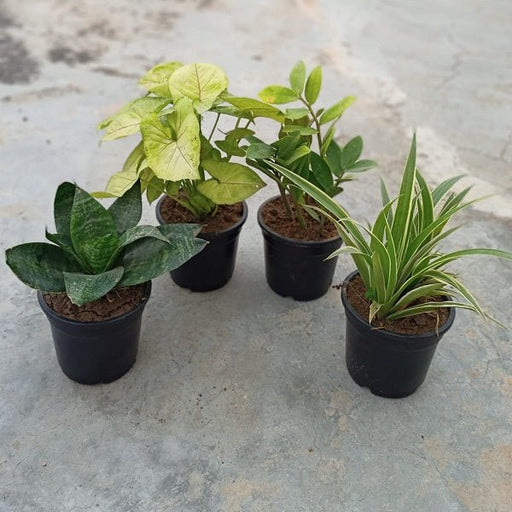
View full detailsSet of 4 Evergreen Air Purifier Plant Pack Transform your indoor space into a lush, green oasis with our Set of 4 Evergreen Air Purifier Pla...
View full detailsTop 5 Pollution Killer Plants Pack Transform your living space into a breath of fresh air with our 'Top 5 Pollution Killer Plants Pack'. This care...
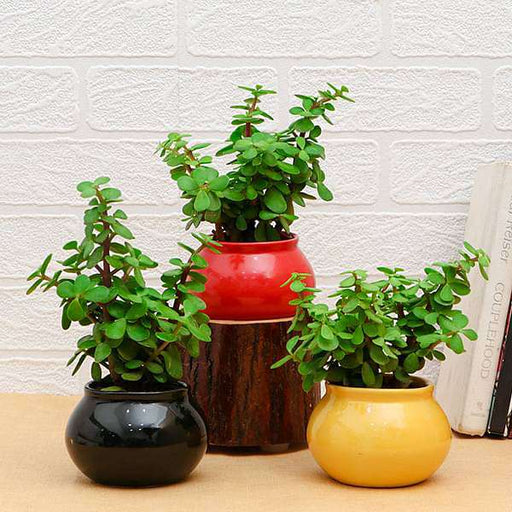
View full detailsPack of 3 Good Luck Jade Plants in Ceramic Pots Bring a touch of nature into your home with our Pack of 3 Good Luck Jade Plants, featuring...
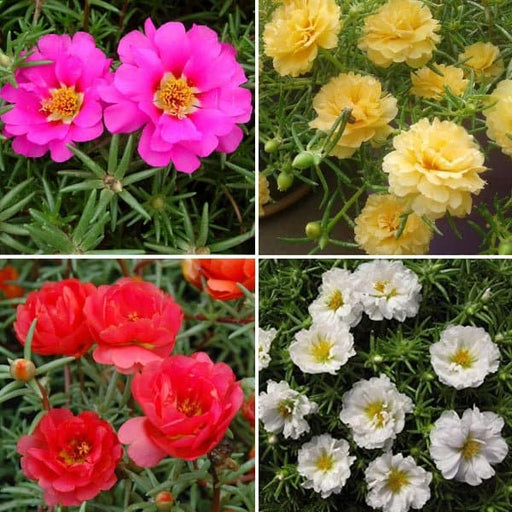
View full detailsPortulaca Garden Pack (4 Plants + 4 Black Pots) Note- You will get any color (Assorted) potted Porulaca plant with this pack. Transform your garde...
View full details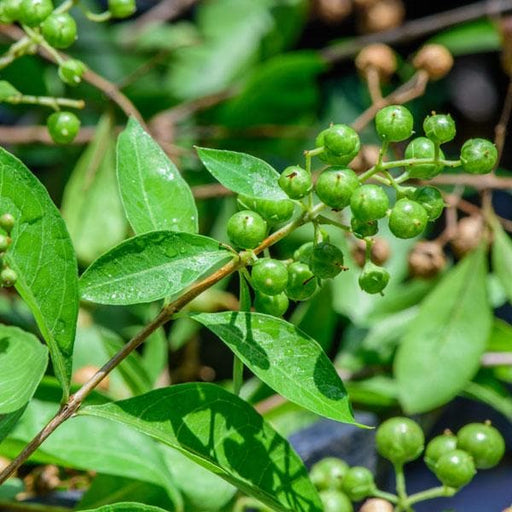






Leave a comment