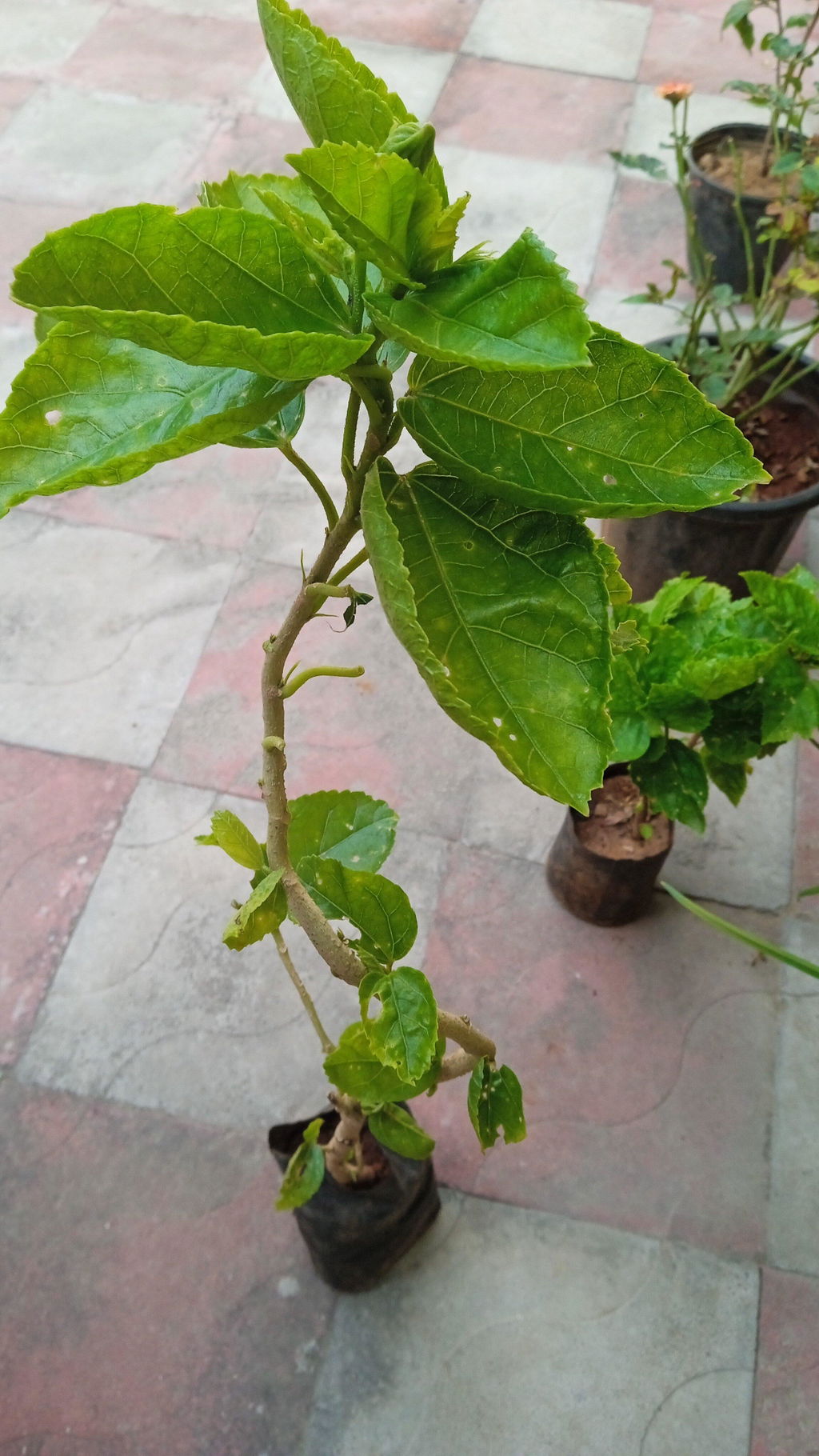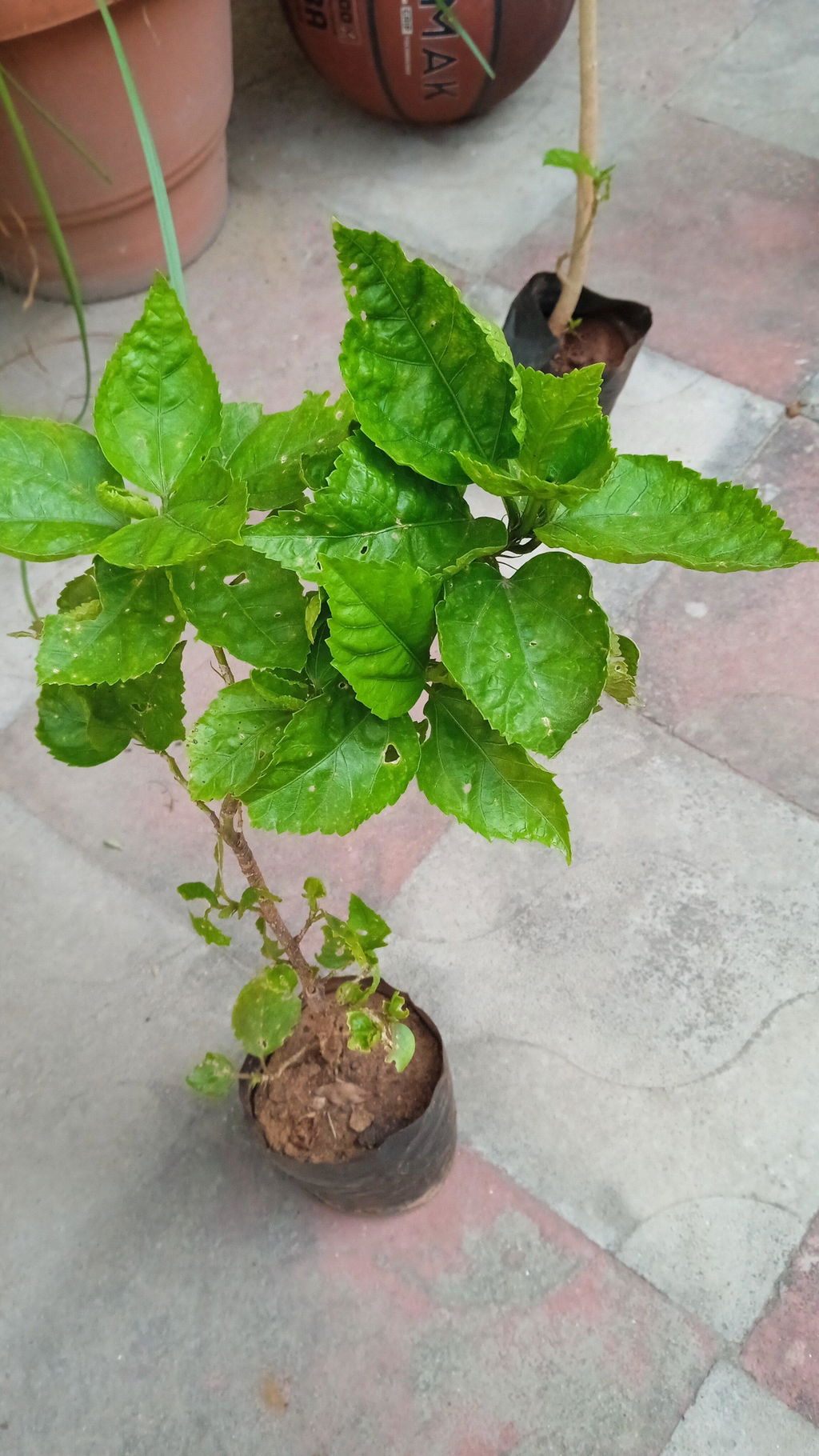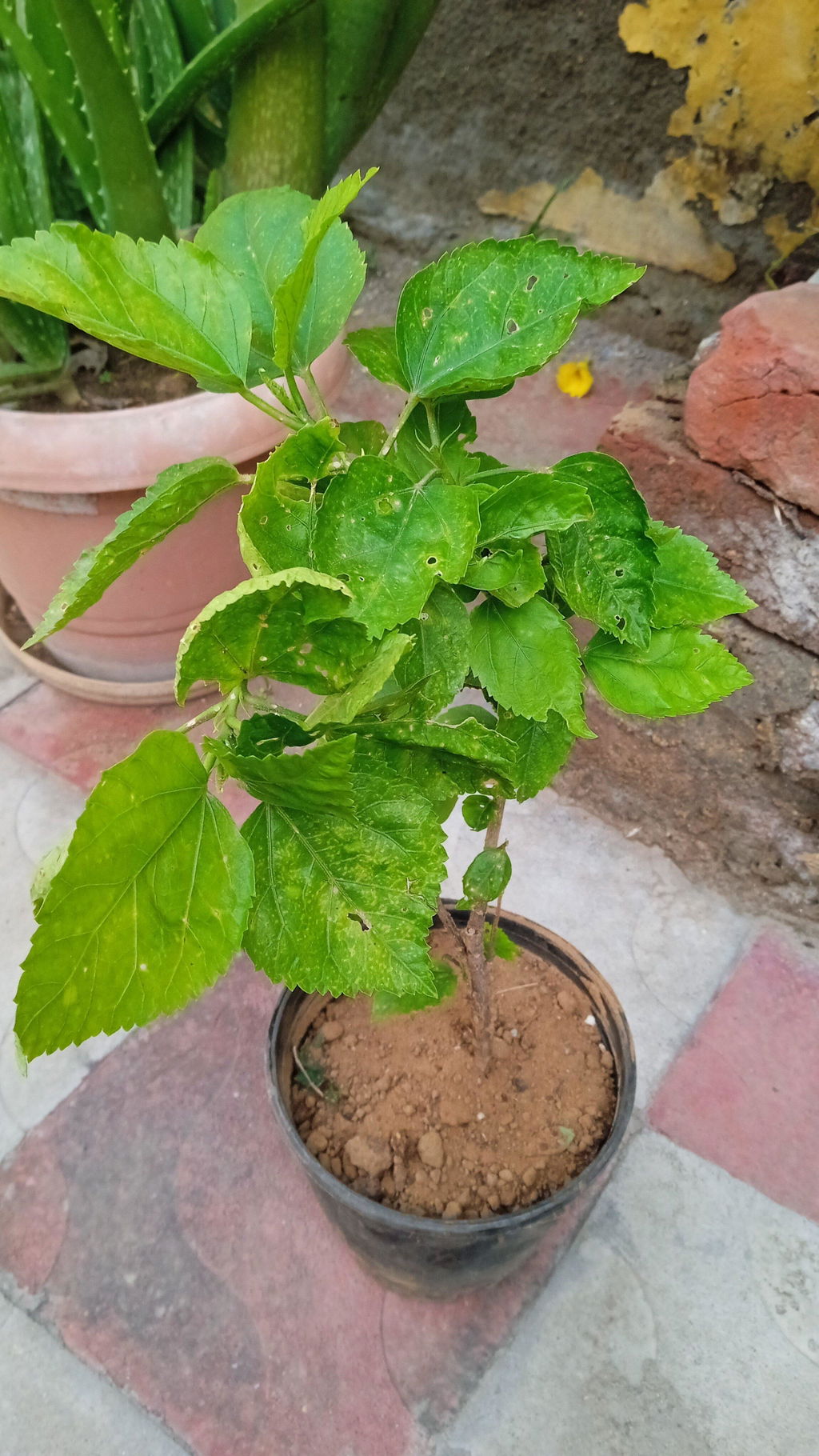







Not recd as per Picture on Website
Available 24/7
Available 24/7
Save 25%
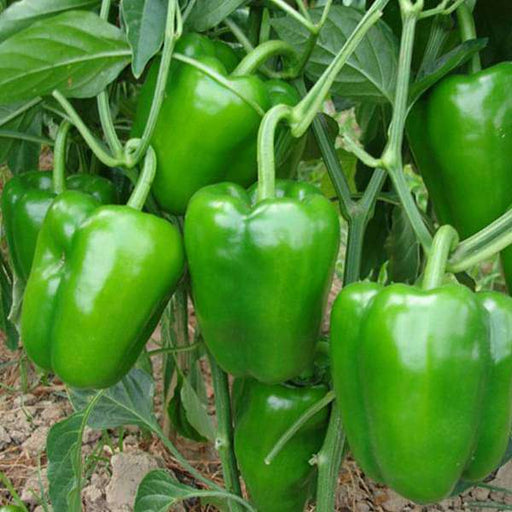
Capsicum Green - Desi Vegetable Seeds Capsicum Green, also known as bell pepper, is a vibrant and nutritious addition to your garden. Thes...
View full details
Save 25%
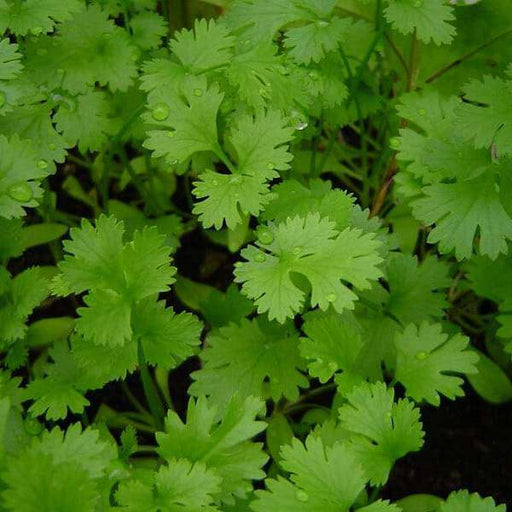
Coriander Panipat - Desi Vegetable Seeds Coriander Panipat is a premium variety of coriander seeds, cherished for its aromatic leaves and ...
View full details
Save 25%
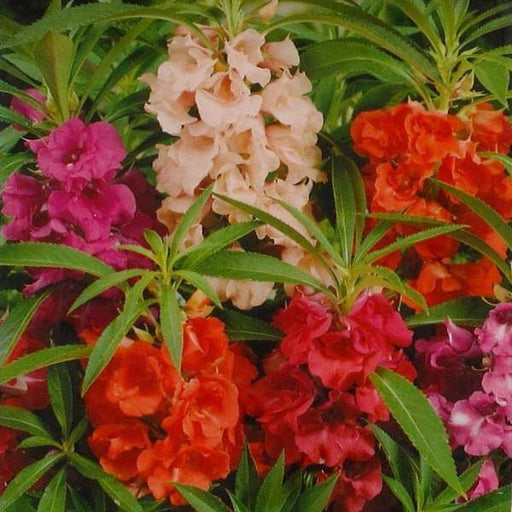
Balsam Double Mixed Color - Desi Flower Seeds Discover the vibrant beauty of Balsam Double Mixed Color - Desi Flower Seeds, a delightful a...
View full details
Save 25%
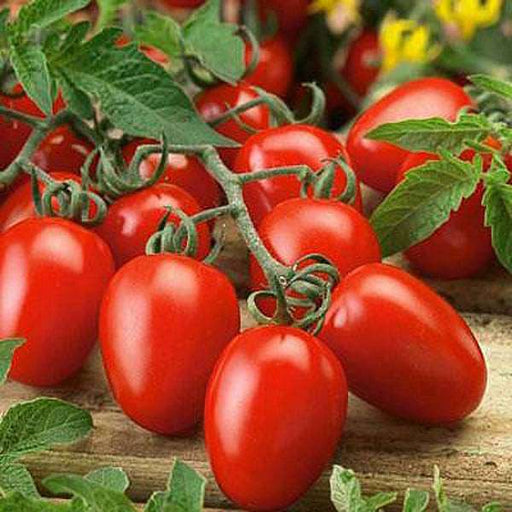
Tomato Pusa Ruby - Desi Vegetable Seeds The Tomato Pusa Ruby is a premium variety of tomato seeds, renowned for its vibrant red color, jui...
View full details
Save 25%
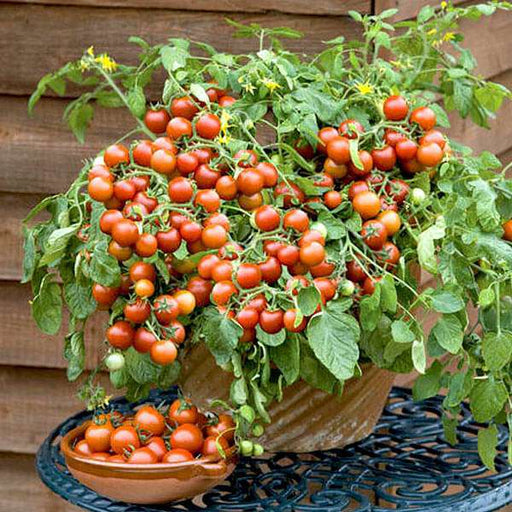
Cherry Tomato, Cherry Tomato Honey - Vegetable Seeds Discover the delightful world of Cherry Tomato Honey seeds, perfect for home gardener...
View full details
Save 25%
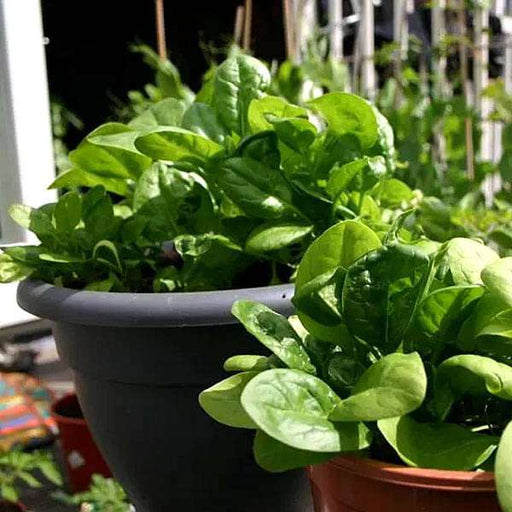
Spinach All Green - Desi Vegetable Seeds Introducing the Spinach All Green - Desi Vegetable Seeds, a premium variety of spinach that thriv...
View full details
Save 25%
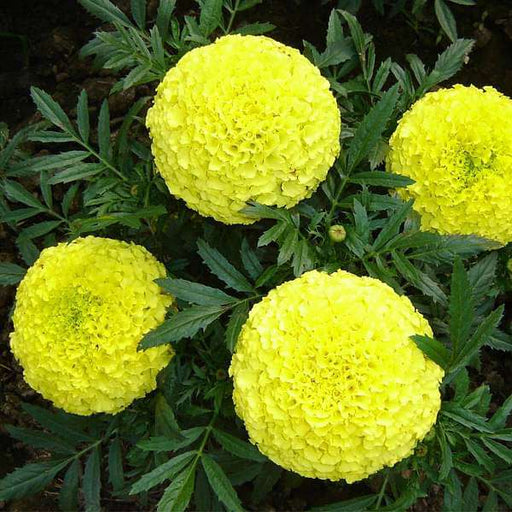
Marigold Pusa Basanti - Desi Flower Seeds Discover the vibrant beauty of Marigold Pusa Basanti, a cherished flower in Indian gardens. Know...
View full details
Save 35%
Best 6 Plants for Perfect Indoor Garden Transform your living space into a lush oasis with our curated collection of the Best 6 Plants for a...
View full details
Save up to 50%
Mini Succulent Garden Pack Transform your space with our Mini Succulent Garden Pack, featuring a delightful collection of 4 any variety beautiful s...
View full details
Save 30%
5 Best Fragrant Plants Transform your garden or indoor space into a fragrant paradise with our curated selection of the 5 Best Fragrant Plants. Th...
View full details
Save 24%
Set of 2 Bonsai Looking Grafted Adeniums Transform your indoor or outdoor space with our exquisite Set of 2 Bonsai Looking Grafted Adenium...
View full details
Save 45%
Top 4 Die Hard Succulents Pack Transform your indoor or outdoor space with our Top 4 Die Hard Succulents Pack, featuring a curated selecti...
View full details
Save 30%
5 Best Indoor Plants Pack Transform your living space into a lush oasis with our '5 Best Indoor Plants Pack.' This carefully curated collection fe...
View full details
Save 25%
Set of 4 Evergreen Air Purifier Plant Pack Transform your indoor space into a lush, green oasis with our Set of 4 Evergreen Air Purifier Pla...
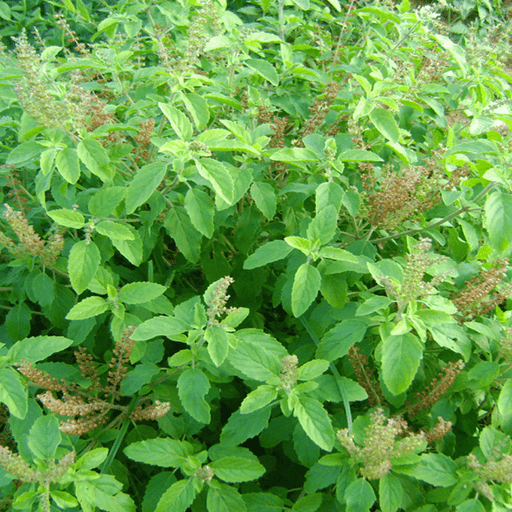
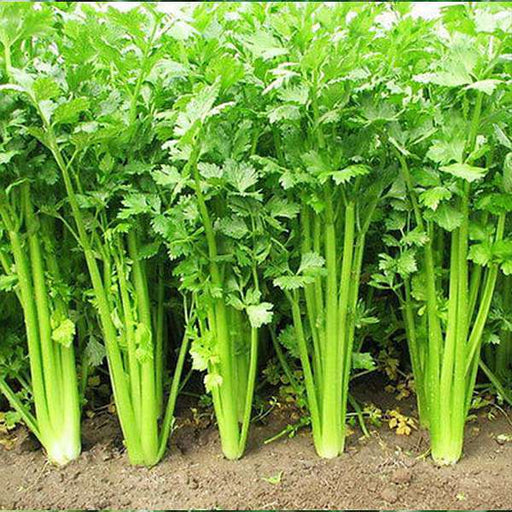
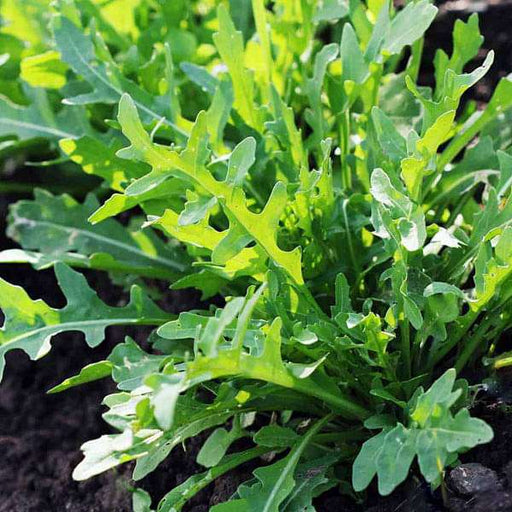
View full detailsDiscover the magic of winter sowing with our exclusive collection of herb seeds, perfect for gardeners looking to get a head start on their herb garden. This collection includes a variety of popular herbs such as Basil, Parsley, Chives, and Oregano, all chosen for their resilience and flavor. Winter sowing allows you to plant seeds in a controlled environment, ensuring robust growth come springtime. Embrace the beauty of nature and enjoy fresh herbs right from your garden!
What makes our Winter Sowing Herb Seeds special is their ability to germinate naturally in the cold, mimicking the seeds' natural life cycle. This method not only saves time but also enhances the flavor and nutritional value of the herbs. Each seed variety in our collection is carefully selected for its adaptability and ease of growth, making it perfect for both novice and experienced gardeners alike.
Growing your own herbs has never been easier! With our Winter Sowing Herb Seeds, you can enjoy the satisfaction of nurturing your plants from seed to harvest. These herbs can be used in a variety of culinary dishes, adding fresh flavors to your meals. Plus, growing herbs at home reduces your carbon footprint and promotes biodiversity in your garden.
Historically, herbs have played a vital role in human culture, from ancient Egyptian rituals to modern culinary practices. Many herbs were once considered sacred and were used in religious ceremonies. The use of herbs for medicinal purposes dates back thousands of years, with records found in ancient texts from civilizations such as the Greeks and Romans. Today, the resurgence of interest in herbal remedies highlights their enduring significance in our lives.
From an environmental perspective, growing herbs at home contributes to a healthier ecosystem. Herbs can improve soil quality, attract pollinators, and provide habitats for beneficial insects. By choosing to grow your own herbs, you reduce reliance on commercially grown produce, which often involves harmful pesticides and extensive transportation. Embrace sustainable gardening practices and enjoy the benefits of homegrown herbs!
This aromatic herb thrives in chilly weather, adding a fragrant touch to your garden and warmth to your dishes. Whether roasted with potatoes or infused in tea, homegrown rosemary brings winter comfort to every meal.
Hardy and resilient, thyme laughs in the face of frost. Its tiny leaves pack a punch of flavor, making soups, stews, and roasted meats taste richer while keeping your garden fresh all season long.
it also repels pests, making it a gardener’s best friend.
Don’t let the cold stop your herb garden! Chives endure low temperatures while adding a mild oniony zing to salads, soups, and dips. Plus, their pretty purple flowers make gardens look lively even in winter.
As its name suggests, winter savory is made for the cold. This spicy, peppery herb enhances beans, meats, and warm dishes while acting as a natural antibacterial powerhouse in your kitchen.
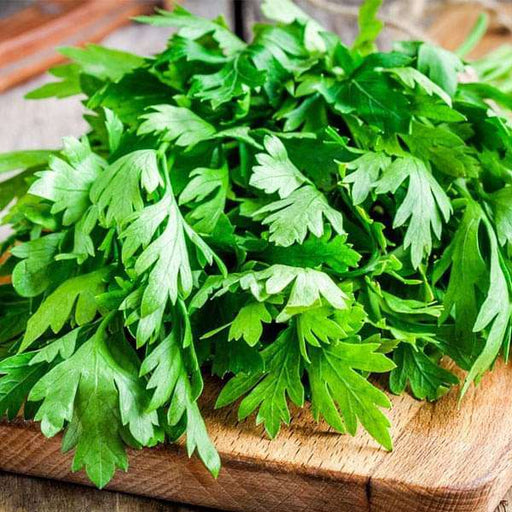
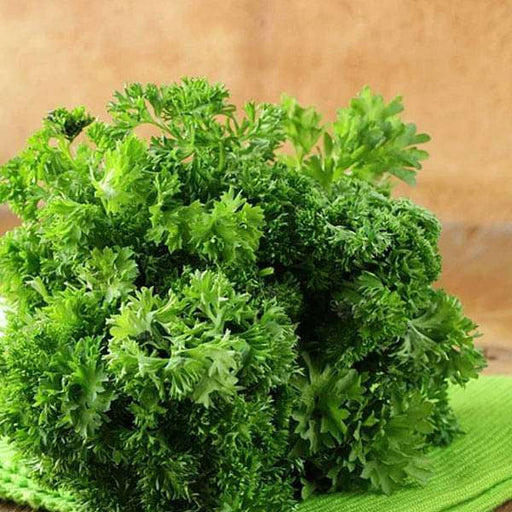
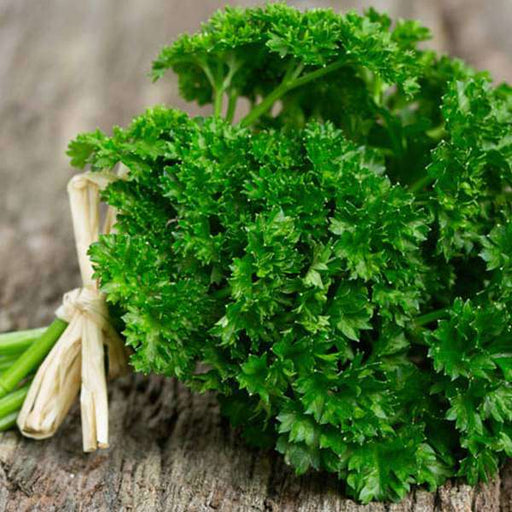
Frost-resistant and endlessly useful, parsley keeps growing through winter, offering fresh, vibrant greens for garnishing dishes, blending into smoothies, and adding a nutritional boost to meals.
This Mediterranean favorite remains strong even in cooler months, bringing its signature earthy, slightly minty flavor to pizzas, pastas, and warm winter broths.
Cilantro actually loves chilly weather, growing faster and more vibrantly in winter. Perfect for garnishing curries, tacos, and salsas, its fresh citrusy punch brightens up even the heaviest winter dishes.
With feathery fronds and a sweet, licorice-like flavor, fennel thrives in winter gardens. Its seeds, leaves, and bulbs add depth to soups, seafood, and even teas, making it a versatile must-have.
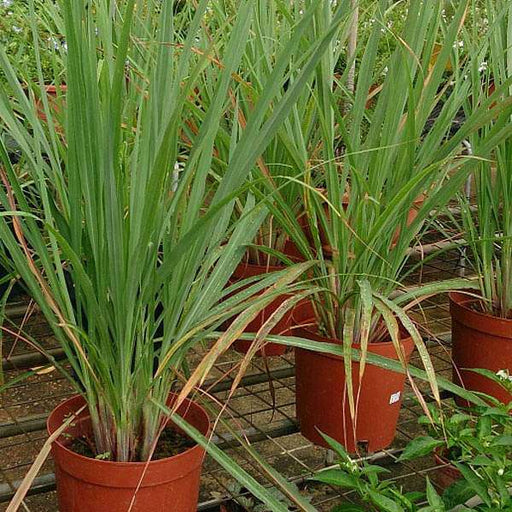
This citrus-scented herb loves the cold and makes the perfect addition to winter teas, soothing nerves and aiding digestion while adding a refreshing zing to drinks and desserts.
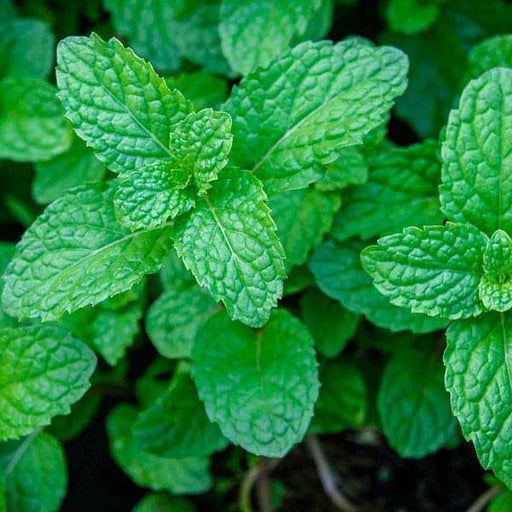
Mint may remind you of summer mojitos, but it’s actually tough enough to handle winter. It stays green through cold months, offering fresh leaves for teas, cocktails, and desserts year-round.
This slightly anise-flavored herb thrives in winter, lending a gourmet touch to creamy sauces, roasted chicken, and seafood dishes. It’s a sophisticated, cold-hardy herb that elevates any home garden.
Winter sowing refers to the practice of sowing herb seeds during the winter season. This is done to take advantage of the natural stratification process that occurs during the cold winter months, which helps to break down the seed coat and prepare the seeds for germination in the spring.
Many different types of herb seeds can be winter sown, including basil, coriander, thyme, oregano, parsley, mint, sage, chives, lavender, rosemary, cilantro, dill, lemon balm, fennel, chamomile, lemon grass, catnip, stevia, lemon verbena, and tarragon.
Winter sowing of herb seeds can be started anytime between late fall and early spring, depending on your location and the specific herb you are planting. It's best to research the optimal planting time for each herb and adjust accordingly.
Winter sowing herb seeds allows for natural stratification, which can increase germination rates and yield healthier plants. It also allows for an earlier start to the growing season, which can lead to a longer harvest period.
The best soil for winter sowing herb seeds is a well-draining potting mix with added perlite or vermiculite for improved drainage. It's important to avoid soil that is too dense or heavy, as this can lead to waterlogging and root rot.
Watering winter sown herb seeds should be done gently and sparingly, as the seeds are more susceptible to rotting or drying out during the colder months. It's best to use a spray bottle or watering can with a fine nozzle to water the seeds.
The ideal temperature for winter sowing herb seeds is between 40-50°F (4-10°C). This temperature range allows for the natural stratification process to occur without freezing the seeds.
It's not necessary to fertilize winter sown herb seeds immediately after planting, as the soil nutrients should be sufficient. However, as the plants grow, a slow-release fertilizer can be added to the soil to promote healthy growth.
Yes, winter sowing herb seeds in a greenhouse can be a great way to maintain a consistent temperature and protect the seeds from extreme cold or heat.
The germination time for winter sown herb seeds can vary depending on the specific herb and growing conditions. Some herbs may germinate within a few weeks, while others may take several months.
Yes, winter sown herb seeds can be transplanted once they have reached a suitable size and the weather has warmed up. It's important to handle the plants gently and avoid disturbing the roots.
Yes, winter sown herb seeds can be grown in pots. In fact, growing herbs in pots allows for greater flexibility in terms of placement and allows for the plants to be brought indoors during extreme weather.
Common mistakes to avoid when winter sowing herb seeds include overwatering, using soil that is too dense or heavy, planting too deep, and exposing the seeds to extreme temperatures or weather conditions.
Yes, winter sown herb seeds can be grown indoors in a sunny window or under grow lights. This is a great option for those who do not have access to an outdoor growing space or live in areas with extreme weather conditions.
The harvesting time for winter sown herbs can vary depending on the specific herb and its growing conditions. It's important to research the optimal harvesting time for each herb and adjust accordingly.
Harvested winter sown herbs can be stored in a cool, dry place in an airtight container. Some herbs can also be frozen or dried for longer-term storage.
Common pests and diseases to watch out for when winter sowing herb seeds include aphids, spider mites, powdery mildew, and damping-off disease. It's important to monitor the plants regularly and take action if any issues arise.
Yes, winter sowing herb seeds in a raised bed can be a great option for those with limited space or poor soil quality. Make sure to use a well-draining soil mix and amend with compost or fertilizer as needed.
Some companion plants for winter sown herbs include marigolds, nasturtiums, and calendula. These plants can help to repel pests and attract beneficial insects.
Yes, winter sown herbs can be used in cooking, herbal remedies, and other applications. Fresh herbs are a great way to add flavor and nutrition to meals, while dried herbs can be used in teas, tinctures, and other remedies.