




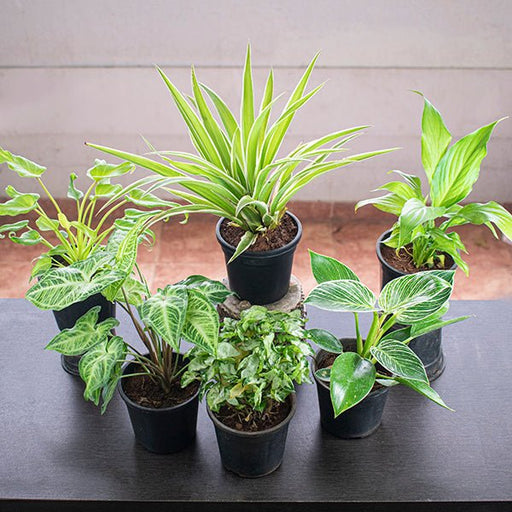
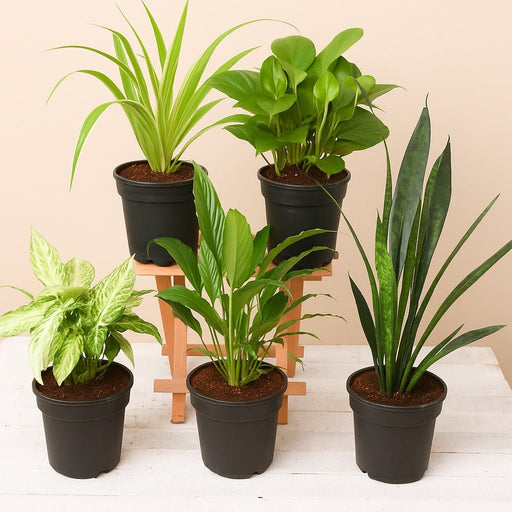
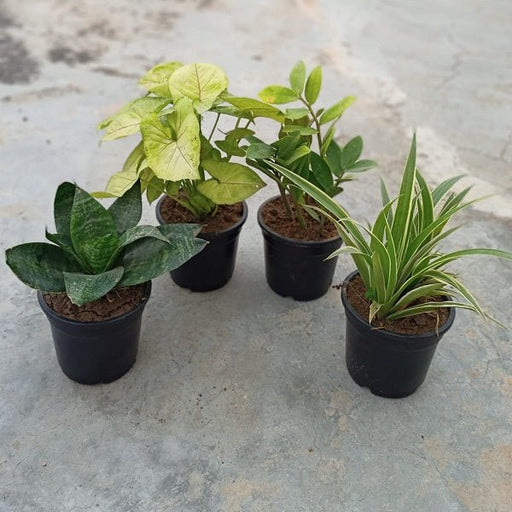

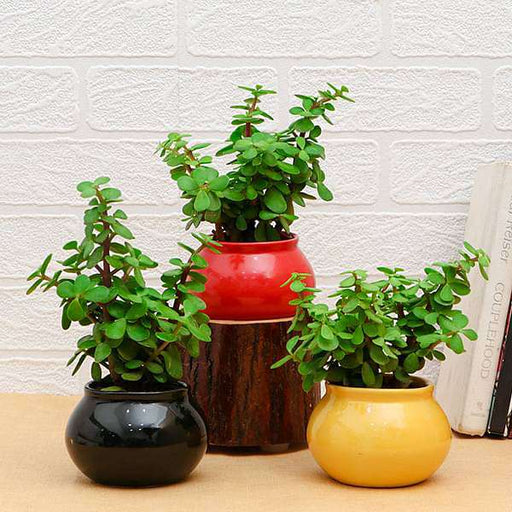
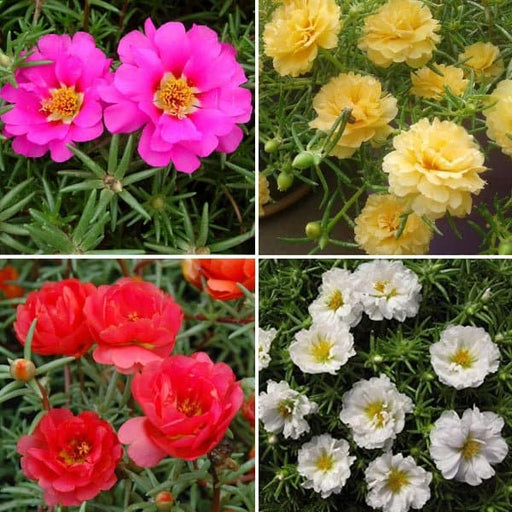


I am still waiting for specific confirmation regarding the replacement of the remaining damaged/unsatisfactory plants from Order NLV1411876022.
Please provide a clear confirmation of the replacement/coupon resolution and the applicable coupon details without any further delay, so that I can proceed with my new order.
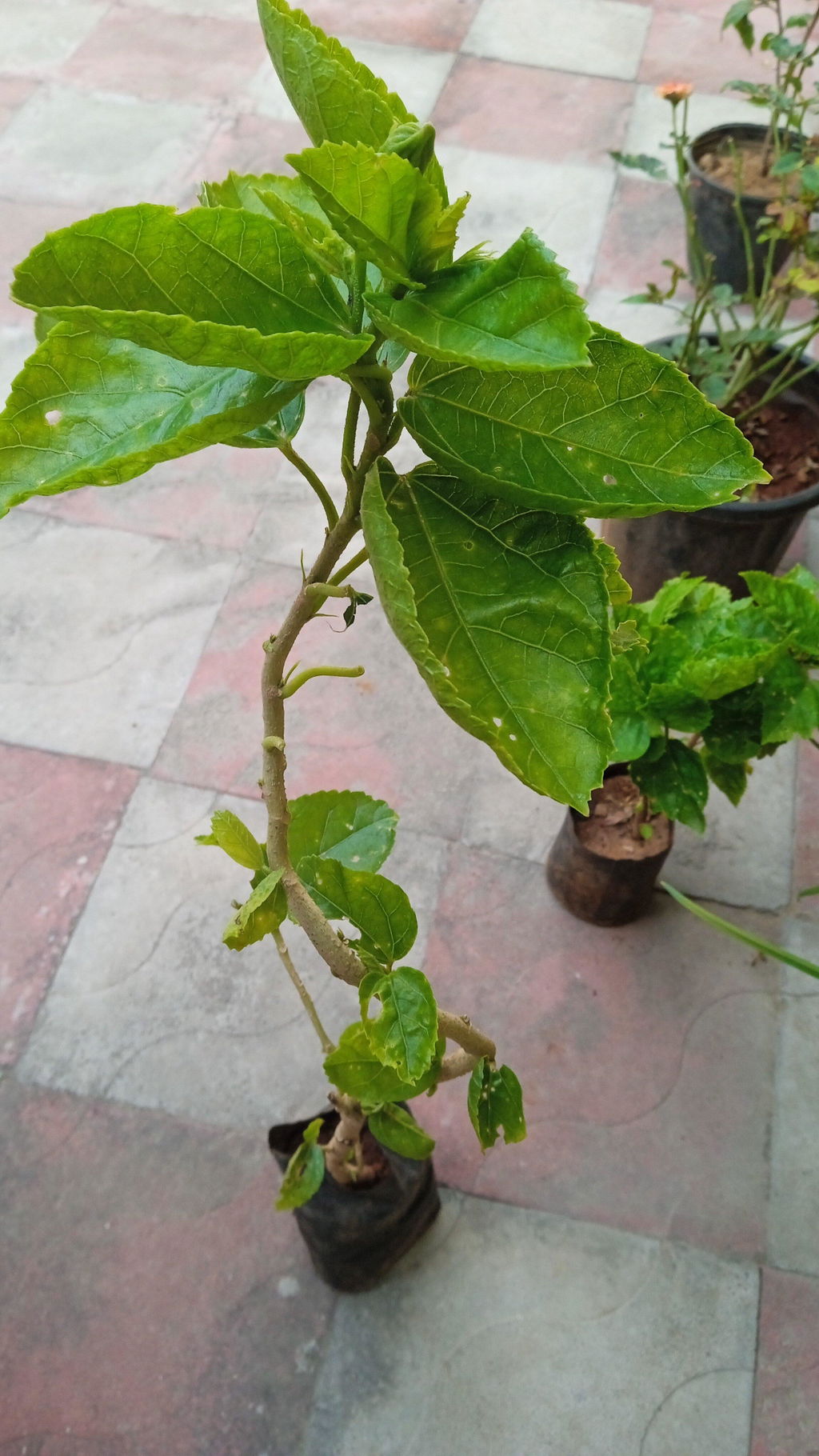
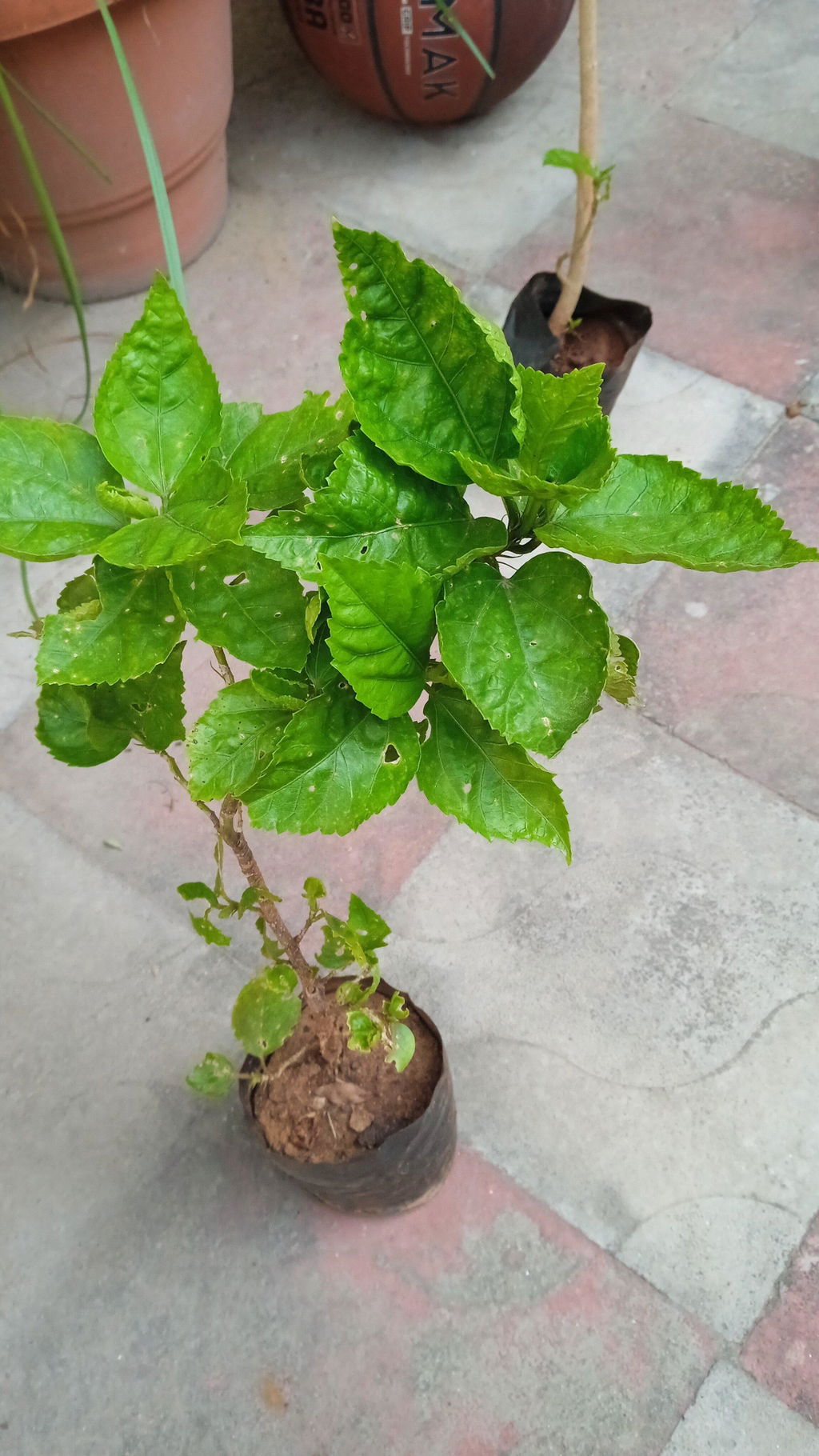
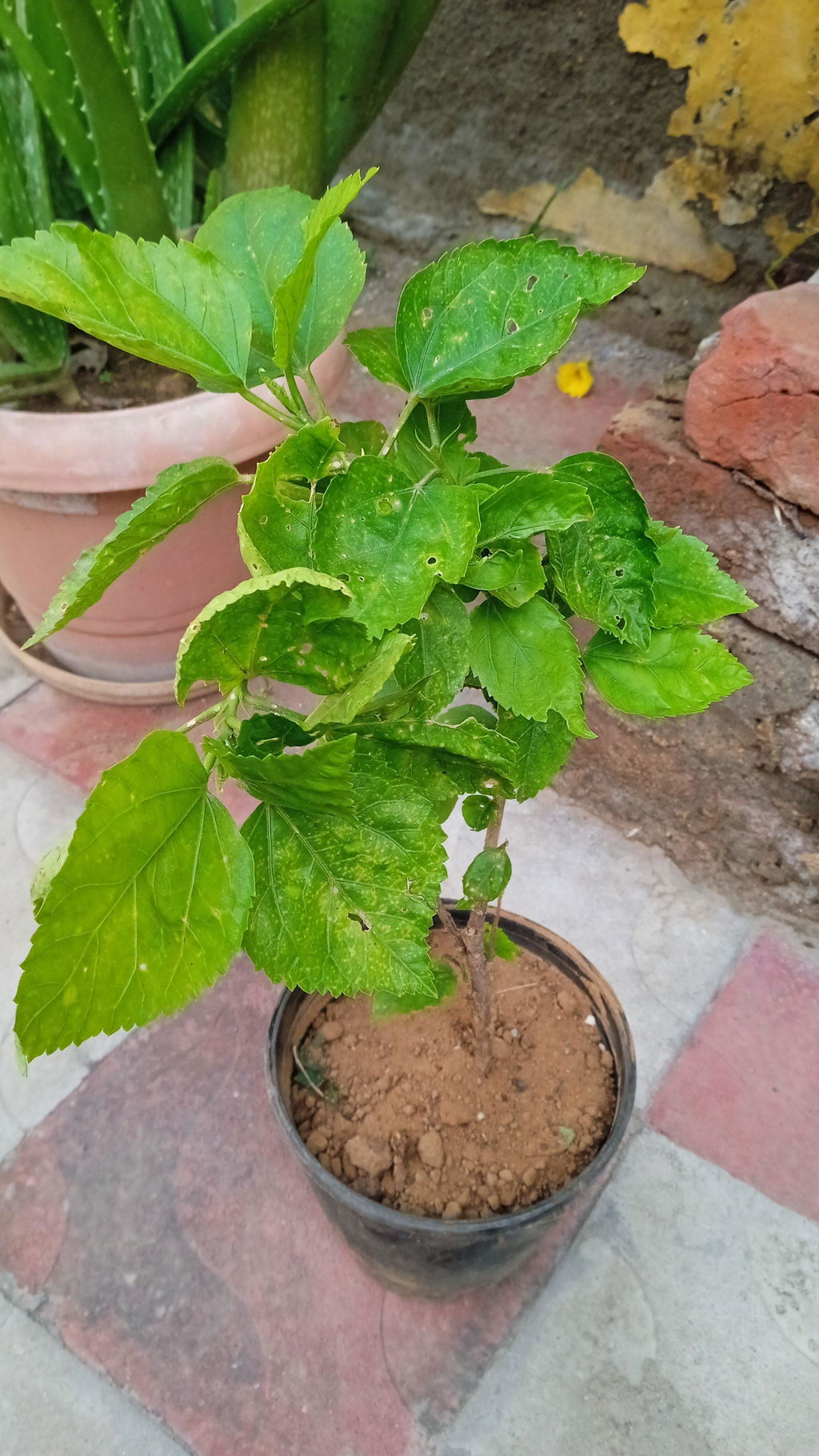
Every time I received computer generated responce that our senior manager is reviewing the matter and will get back with a solution or replace the dead plant soon।
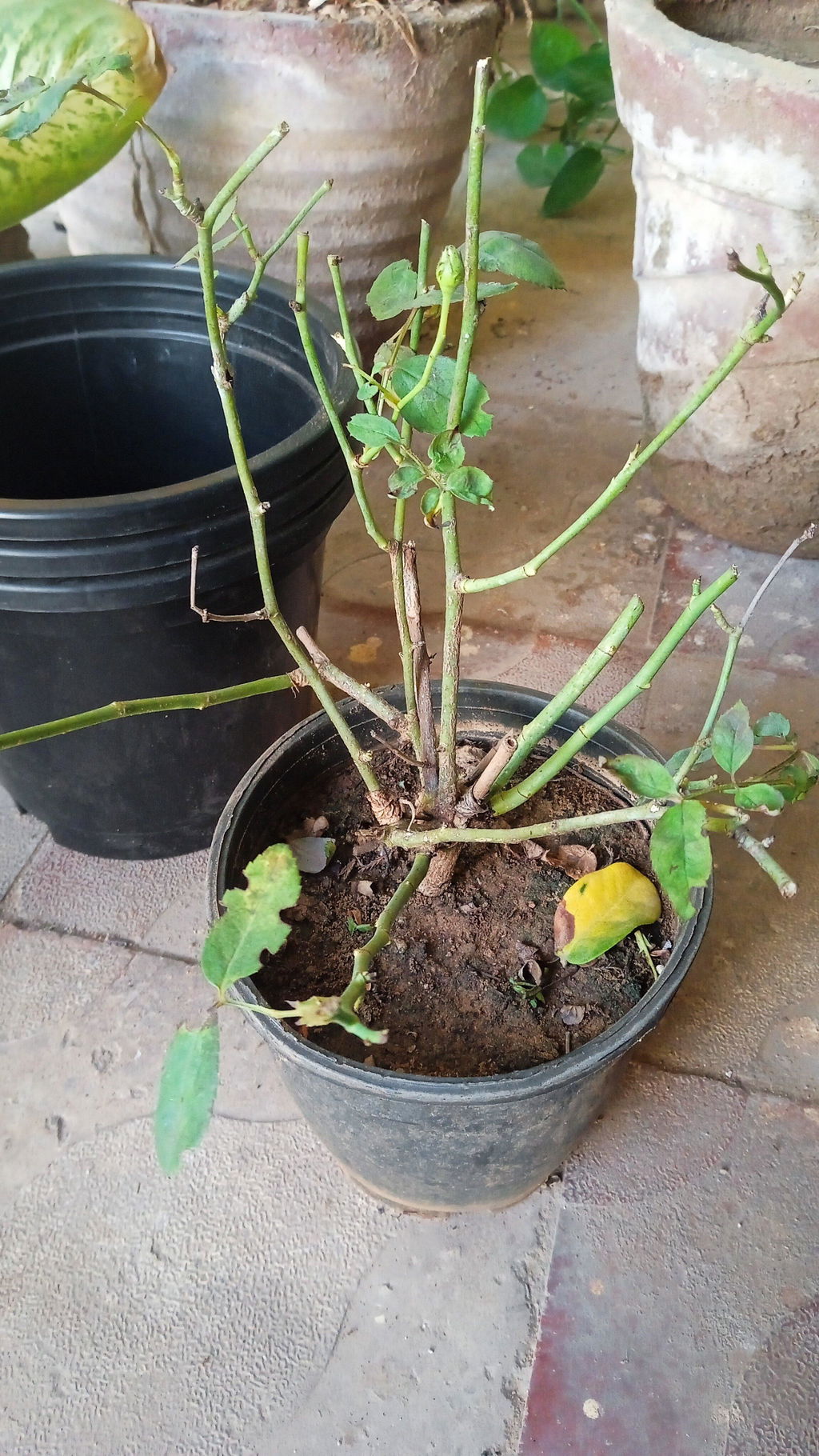
Still haven't received any solution।
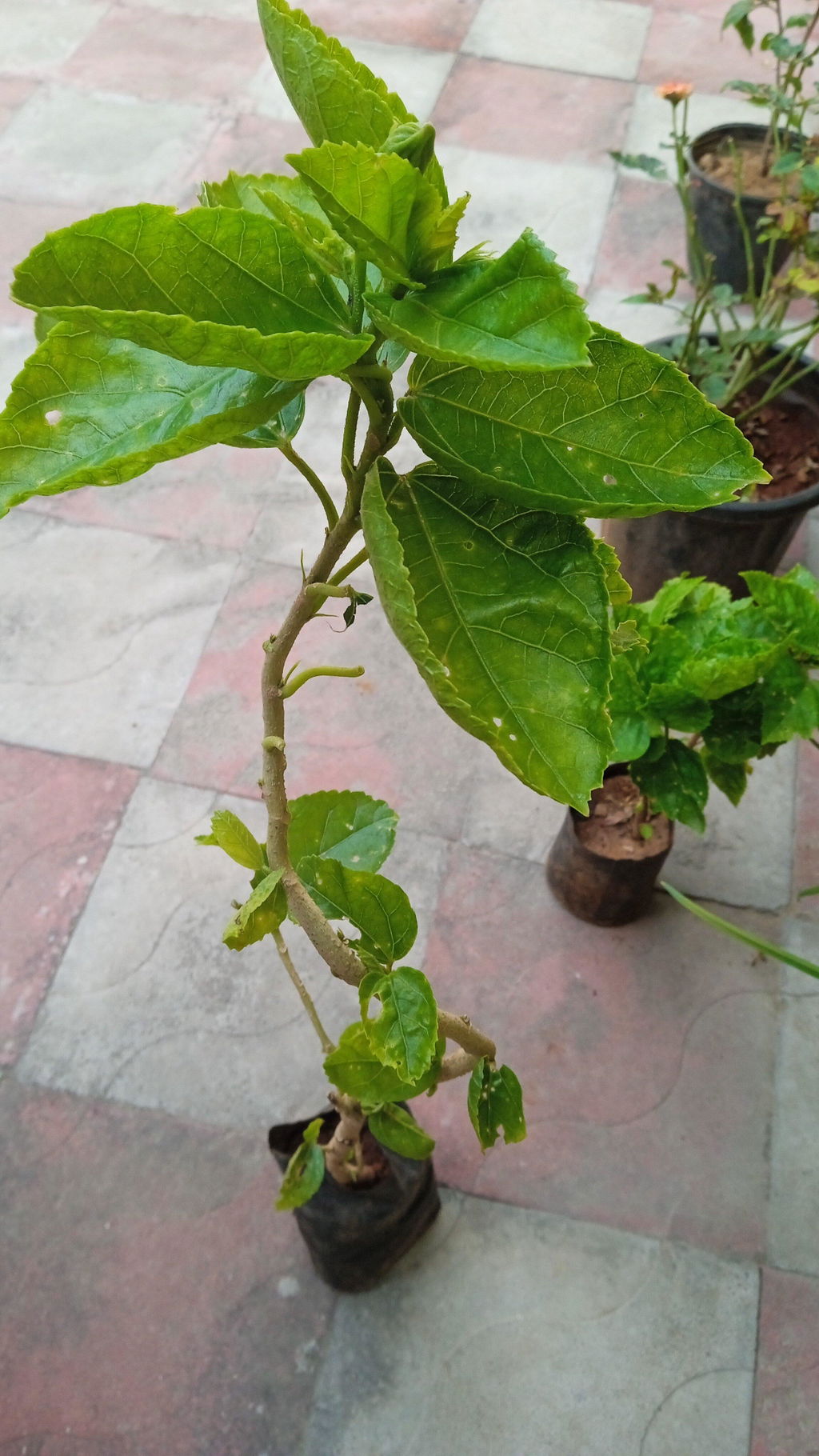
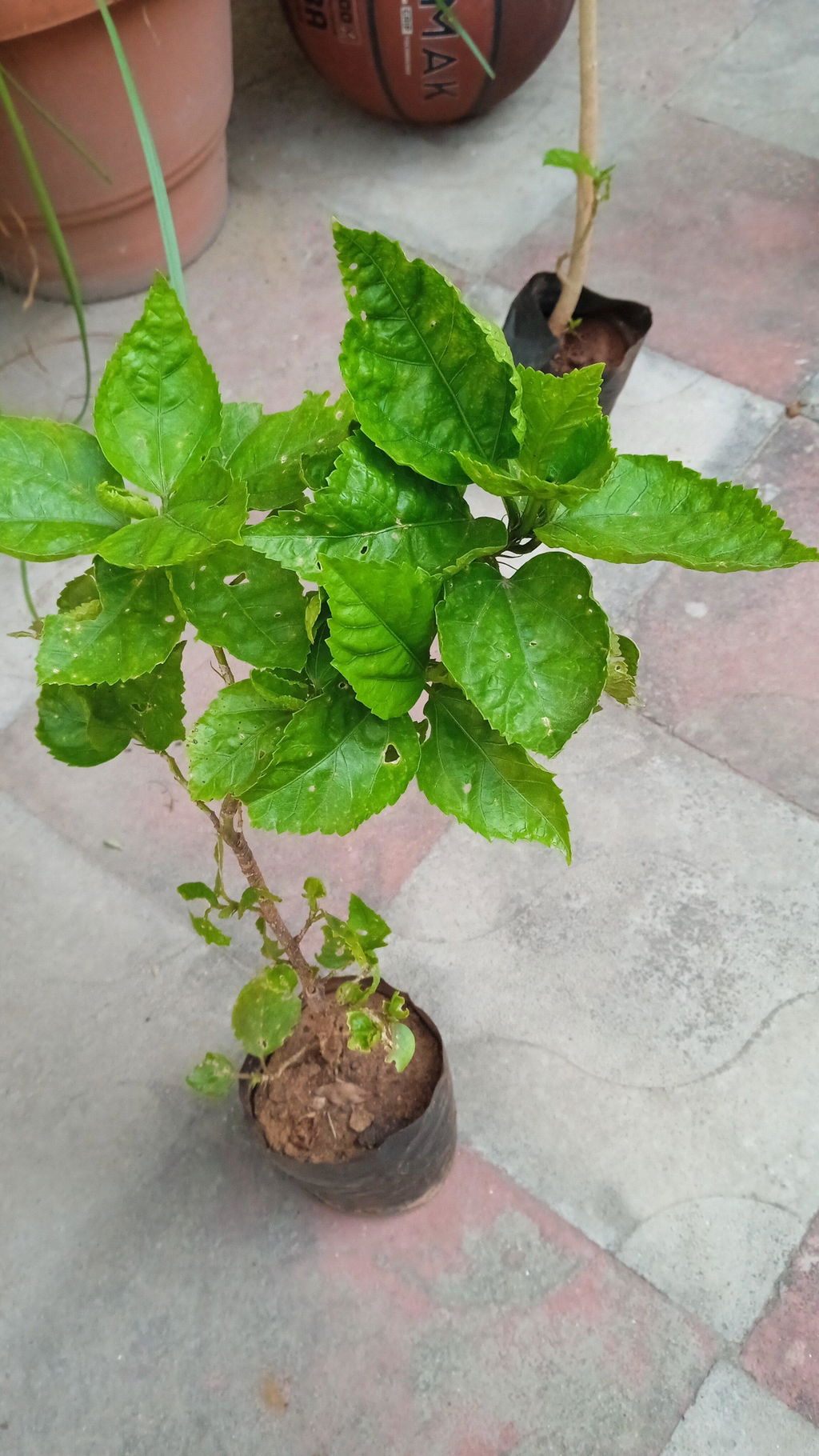
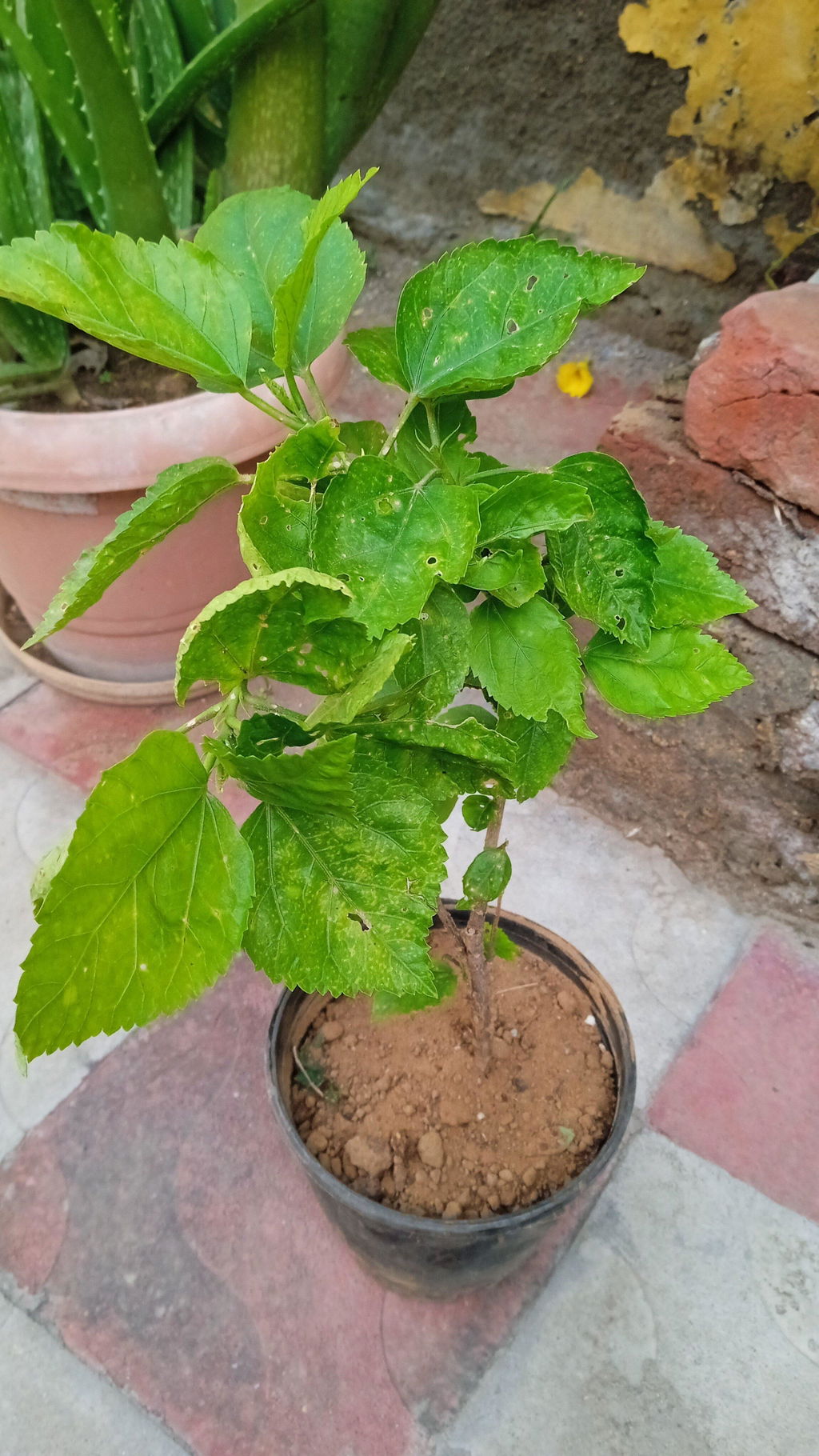
NOT SO GOOD, QUANTITY ALSO VERY SMALL
Horrible experience.
Don't ask me to review without sending me the plant first call me back
No one's calling me the WhatsApp support is useless. Order was shipped in two deliveries and one came with two plants half dead and one completely rotten. The second package never arrived yet they say it's delivered and keep sending emails for reviews worst-case experience ever.
If you want a plant walk over to a nursery and buy it but don't use your service
a wrong plant was sent , despite coplaint same day (29 sep26) till date no reply , replacement or refund .very dissapointig
I will now not order from nursury live,they do not focus on quality.
This plant died in first week itself despite of giving water and fertilizer
The Plant was not in a good condition.
Plant is not delivered and when complained after a point started avoiding calls and mails.
i received good quality, thriving plants and seems they are happy in the new home. thanks a lot
A plant nursery is an ideal place for anyone who wants to start gardening or add more greenery to their home. From flowering plants and indoor varieties to fruit trees, herbs, and ornamental shrubs, nurseries offer plenty of options for different spaces and gardening needs.
One of the biggest advantages of visiting a nursery is being able to check the health of plants before choosing them. Healthy leaves, strong stems, and well-developed roots are good signs to look for. Many nurseries also provide pots, potting soil, compost, and useful advice on plant care.
For beginners, starting with low-maintenance plants can make gardening easier and more enjoyable. It's important to select plants according to the available sunlight, local climate, and space. Regular watering, suitable soil, and proper drainage also help plants grow well.
Whether you're planning a balcony garden, a small kitchen garden, or a green outdoor space, a nursery can help you find suitable plants and gardening essentials. Overall, plant nurseries encourage people to develop a gardening habit and bring more nature into everyday life.
A plant nursery is a great place for anyone who loves gardening and wants to bring more greenery into their home or surroundings. Nurseries offer a wide variety of plants, including flowering plants, indoor plants, fruit trees, ornamental shrubs, and medicinal plants. They also provide essential gardening supplies such as pots, soil, compost, and fertilizers.
One of the best things about visiting a nursery is getting the opportunity to choose healthy plants and learn about their care requirements. Beginners can find easy-to-maintain plants, while experienced gardeners can explore different varieties to enhance their gardens. Many nurseries also offer useful advice on watering, sunlight, repotting, and pest management.
Choosing a good nursery involves checking plant health, soil quality, and the availability of suitable plants for your local climate. Whether you want to decorate a balcony, create a home garden, or grow vegetables, a nursery can help you get started.
Overall, plant nurseries play an important role in promoting gardening, improving green spaces, and encouraging people to connect with nature.