
Expert Support
Available 24/7 via chat
Available 24/7 via chat
If you're looking for a flowering shrub that delivers abundant blooms without demanding constant attention, Ixora Long is your answer. This tropical beauty produces stunning orange flower clusters throughout the summer months and adapts beautifully to Indian gardens, from coastal regions to dry inland areas. Whether you call it Jungle Geranium, Flame of the Woods, or by its regional names—rangan, santan, kheme, or techi—this plant has earned its reputation as an easy, generous bloomer that rewards simple care with spectacular results.
Ixora Long is a compact flowering shrub native to tropical regions, now a beloved garden staple across India. The Singapuri Ixora variety produces characteristic long, dense clusters of small orange flowers—a signature that sets it apart from other Ixora varieties. At maturity, it typically reaches around 18 inches (46 cm) in height with an 8-inch (20 cm) spread, though with proper care and light pruning, it can be shaped into a fuller, bushier specimen. The plant's evergreen foliage remains attractive year-round, and its heavy, continuous blooming during summer makes it ideal for mixed borders, hedges, or container gardening. Ixora Long earns its "easy" difficulty rating—it forgives minor neglect and responds enthusiastically to good growing conditions.
| Care Factor | Requirement |
|---|---|
| Light | Bright light; avoid direct afternoon sun in summer |
| Water | Keep soil continuously moist; reduce in winter |
| Soil | Acidic soil (pH below 7) |
| Temperature | Above 60°F (15°C); avoid cold drafts |
Ixora Long flourishes in bright, indirect light. The ideal spot receives several hours of morning or evening sun, with filtered light during the rest of the day. While the plant loves sunshine, India's intense afternoon sun—especially during May through July—can scorch new leaves and stress the plant. If growing indoors or in a sheltered courtyard, place it near a bright window. Outdoors, a location that gets morning sun but is shaded during the harshest afternoon hours (2 to 4 PM) is perfect. Insufficient light leads to sparse blooming, so even partial shade is better than a dark corner. If your plant stops flowering mid-season, inadequate light is usually the culprit.
Ixora Long likes moisture but despises waterlogging. The key is consistency: keep the soil continuously moist during the growing and blooming seasons (March through October). Water deeply until it drains from the pot's bottom, then let the top inch of soil dry slightly before the next watering. During winter (November through February), reduce watering significantly—the plant's growth slows and it needs less moisture. In Indian gardens with hard water or during the monsoon season, be cautious of excessive wetness around the roots, which can invite fungal issues. A well-draining pot with drainage holes is non-negotiable. If your region experiences summer heat waves, you may need to water every day or every other day. The plant's drought tolerance means it can handle occasional dry spells, but consistent moisture during the blooming season yields the most flowers.
Never underestimate the importance of acidic soil for Ixora Long. Alkaline soil—common in many Indian regions due to hard water and limestone-rich earth—causes severe yellowing of leaves and poor flowering. Prepare a potting mix using cocopeat, peat moss, or composted leaves to lower the pH naturally. If planting in garden soil, amend it heavily with leaf mold or sulfur to acidify it. Ideally, soil pH should be below 7; a reading of 6.0 to 6.5 is optimal. During the growing season (March to September), feed your plant with slow-release fertilizer pellets applied in spring, or use a balanced liquid fertilizer (like a 10-10-10 NPK formula) weekly during active growth. Reduce feeding after the monsoon; no fertilizer is needed in winter. A nutrient boost encourages heavier, more vibrant blooming.
Ixora Long is a tropical plant and thrives in warm conditions. Temperatures above 60°F (15°C) are essential—even in winter, protect it from cold drafts and temperatures below 60°F, which can stunt growth and reduce flowering. In most of India, this is not an issue, but if you live in a hilly or northern region with cold winters, move potted plants indoors or provide frost protection. The plant adapts well to India's humidity, especially during the monsoon season, though it appreciates moderate humidity year-round. In dry climates or during peak summer, occasional misting of the foliage helps prevent spider mites and keeps the leaves fresh. Good air circulation is equally important—ensure the plant is not crowded by other plants, as stagnant air invites pests and fungal diseases.
Propagating Ixora Long is straightforward, making it easy to expand your collection or share cuttings with friends. Take 4 to 6-inch semi-hardwood cuttings from healthy stems during the growing season (March to June). Remove the lower leaves and dip the cut end in a rooting hormone powder to speed up root development. Insert the cutting into a moist, acidic potting mix (same as for adult plants) and cover with a clear plastic bag to maintain humidity. Place it in bright, indirect light. Roots typically develop within 3 to 4 weeks. Once new growth appears, gradually remove the plastic cover and begin treating it as a young plant. Alternatively, you can propagate from layering: bend a low branch to the soil, wound it slightly, keep it moist, and separate once roots form.
Yellowing Leaves: The most common issue is alkaline soil. Test your soil pH and amend with sulfur or acidic materials if needed. Hard water can also cause this; consider using collected rainwater for watering.
Poor Flowering: Insufficient light is the primary cause. Ensure the plant gets at least 4 to 6 hours of bright light daily. Inadequate fertilizer, cold temperatures, or over-pruning can also suppress blooms.
Spider Mites and Scales: Hot, dry conditions invite these pests. Spray the plant with a water jet or use a mild neem oil solution if infestations occur.
Root Rot: Overwatering or poor drainage causes this. Always use a well-draining pot and reduce watering in winter.
Ready to grow your own? Shop Ixora Long at Nurserylive →
Ixora Long, Singapuri Ixora (Orange) - Plant The Ixora Long, also known as Singapuri Ixora, is a stunning flowering plant native to tropic...
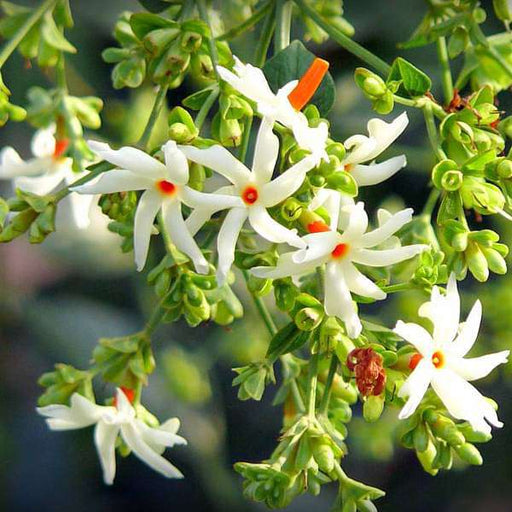
View full detailsCombo Constituents Includes the Parijat Tree (Night-Flowering Jasmine), a culturally significant plant with fragrant flowers. Description The Pari...
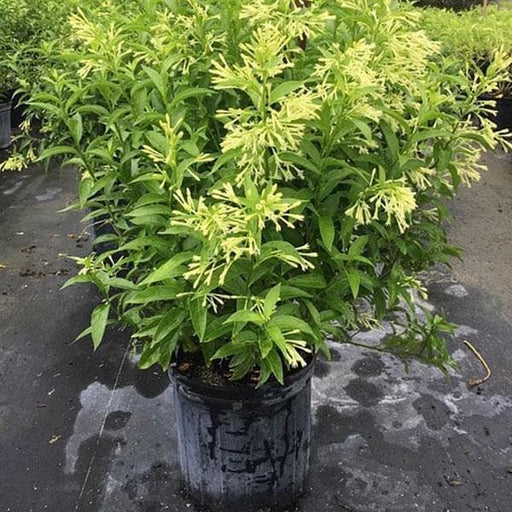
View full detailsDescription Raat Ki Rani (*Cestrum nocturnum*), also known as Night Blooming Jasmine, is a fragrant shrub native to the Caribbean and Central Ameri...
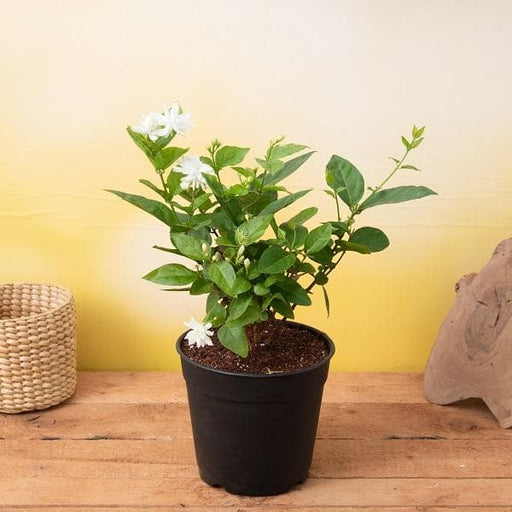
View full detailsJasminum sambac, Mogra, Arabian Jasmine - Plant Jasminum sambac, commonly known as Mogra or Arabian Jasmine, is a fragrant flowering plant...
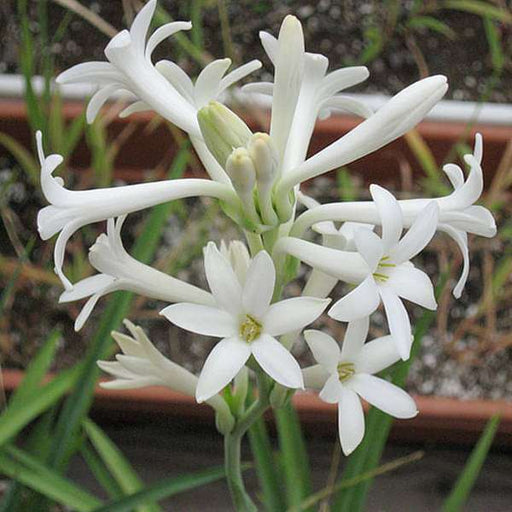
View full detailsRajnigandha, Tuberose - Plant The Rajnigandha, scientifically known as Polianthes tuberosa, is a captivating perennial plant renowned for ...
View full detailsCitronella, Odomas - Plant The Citronella plant, scientifically known as Cymbopogon nardus, is a tropical grass renowned for its aromatic ...
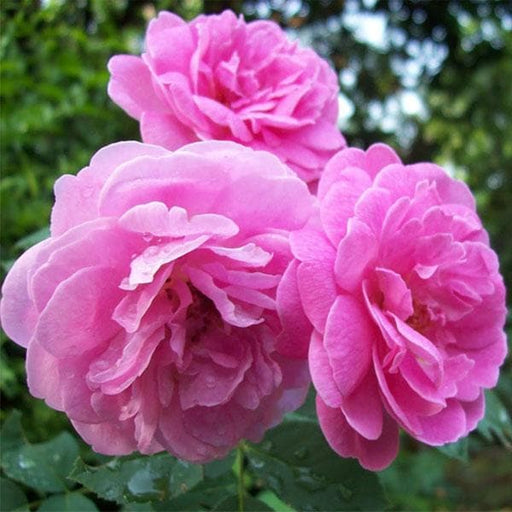
View full detailsDamascus Rose, Scented Rose (Any Color) - Plant The Damascus Rose, also known as Rosa damascena, is a timeless symbol of beauty and romanc...
View full detailsMiniature Rose, Button Rose (Any Color) - Plant The Miniature Rose, also known as the Button Rose, is a charming and compact flowering plant that ...
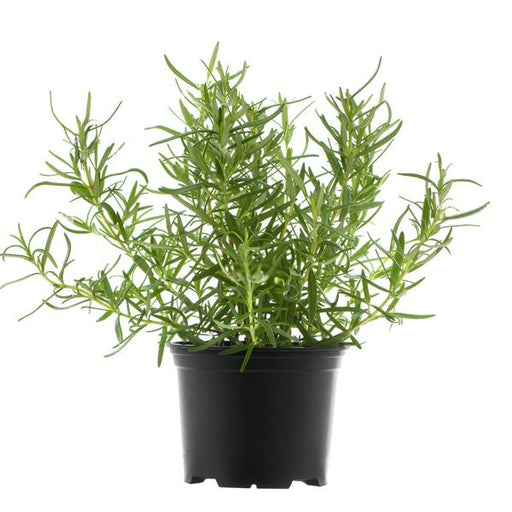
View full detailsRosemary - Plant Rosemary (Rosmarinus officinalis) is a fragrant evergreen herb native to the Mediterranean region. Known for its needle-like leav...
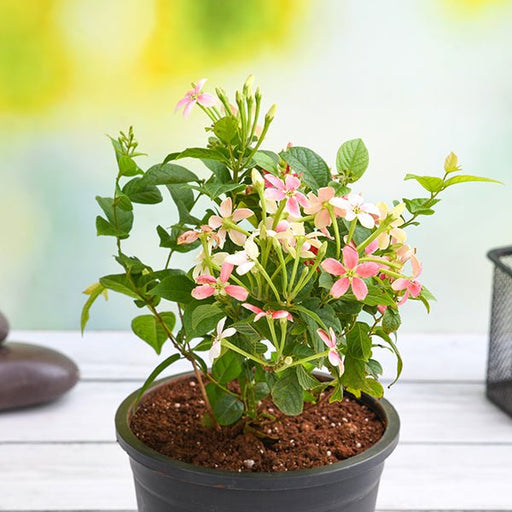
View full detailsMadhumalti Dwarf, Rangoon Creeper - Plant The Madhumalti Dwarf, also known as the Rangoon Creeper (Quisqualis indica), is a stunning perennial vin...
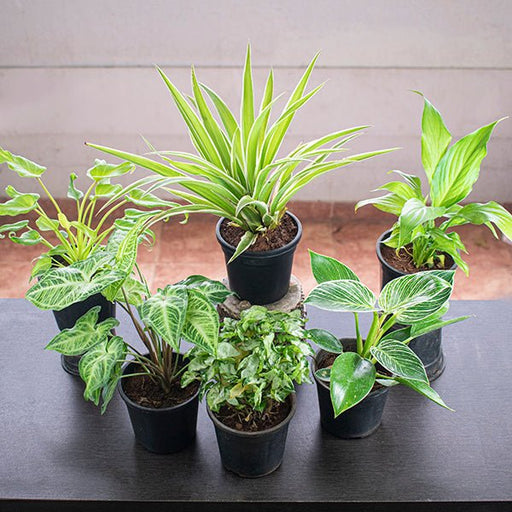
View full detailsBest 6 Plants for Perfect Indoor Garden Transform your living space into a lush oasis with our curated collection of the Best 6 Plants for a...
View full detailsBest 6 Plants for Perfect Indoor Garden Transform your living space into a lush oasis with our curated collection of the Best 6 Plants for a...
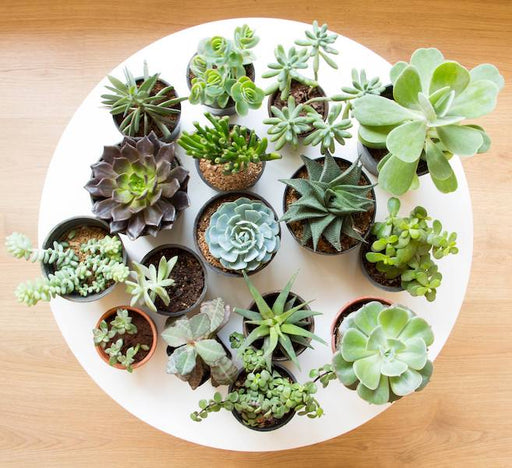
View full detailsMini Succulent Garden Pack Transform your space with our Mini Succulent Garden Pack, featuring a delightful collection of 4 any variety beautiful s...
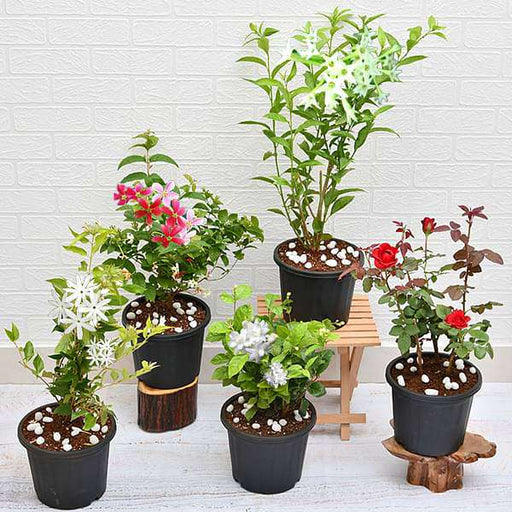
View full details5 Best Fragrant Plants Transform your garden or indoor space into a fragrant paradise with our curated selection of the 5 Best Fragrant Plants. Th...
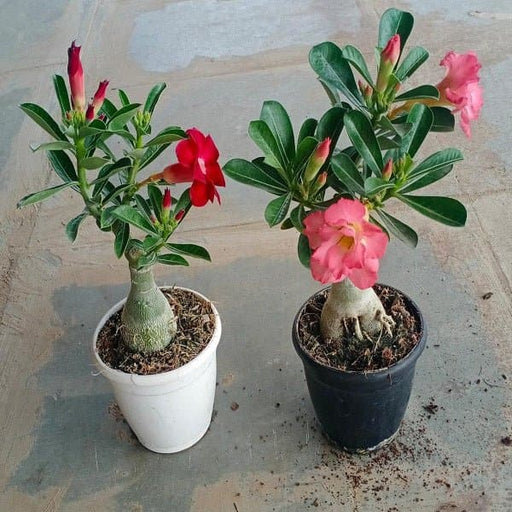
View full detailsSet of 2 Bonsai Looking Grafted Adeniums Transform your indoor or outdoor space with our exquisite Set of 2 Bonsai Looking Grafted Adenium...
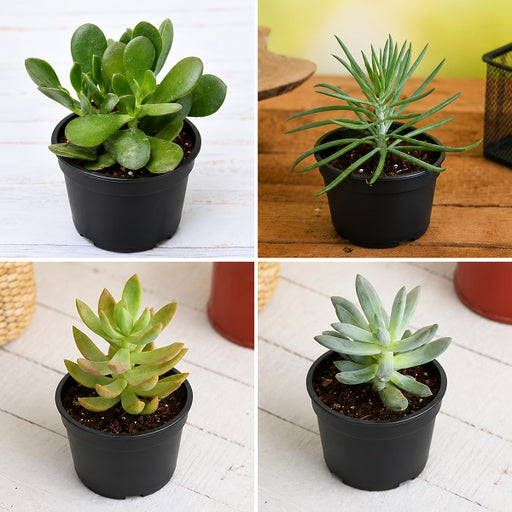
View full detailsTop 4 Die Hard Succulents Pack Note: Plants included in this pack will be delivered in a 3-inch nursery pot (any color). Transform your indoor or ...
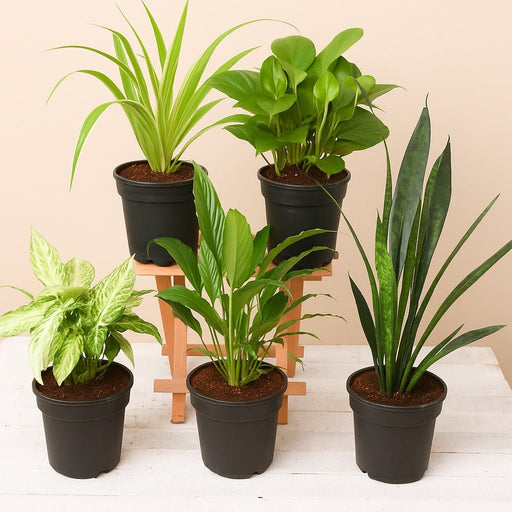
View full details5 Best Indoor Plants Pack Transform your living space into a lush oasis with our '5 Best Indoor Plants Pack.' This carefully curated collection fe...
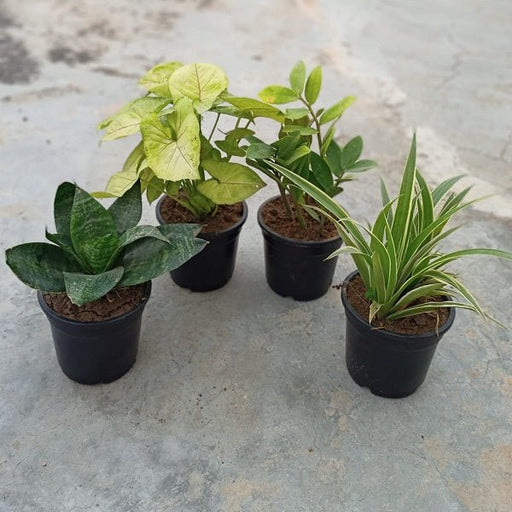
View full detailsSet of 4 Evergreen Air Purifier Plant Pack Transform your indoor space into a lush, green oasis with our Set of 4 Evergreen Air Purifier Pla...
View full detailsTop 5 Pollution Killer Plants Pack Transform your living space into a breath of fresh air with our 'Top 5 Pollution Killer Plants Pack'. This care...
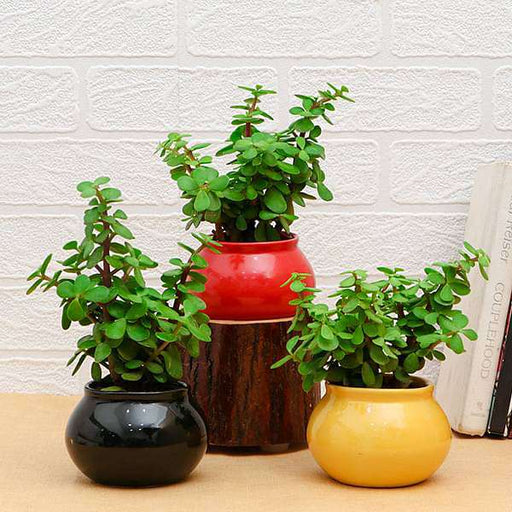
View full detailsPack of 3 Good Luck Jade Plants in Ceramic Pots Bring a touch of nature into your home with our Pack of 3 Good Luck Jade Plants, featuring...
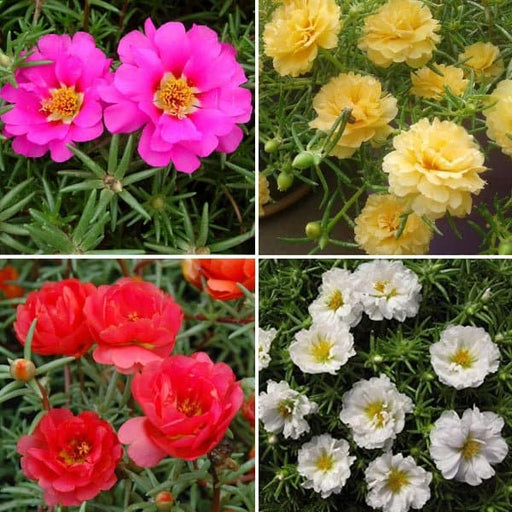
View full detailsPortulaca Garden Pack (4 Plants + 4 Black Pots) Note- You will get any color (Assorted) potted Porulaca plant with this pack. Transform your garde...
View full details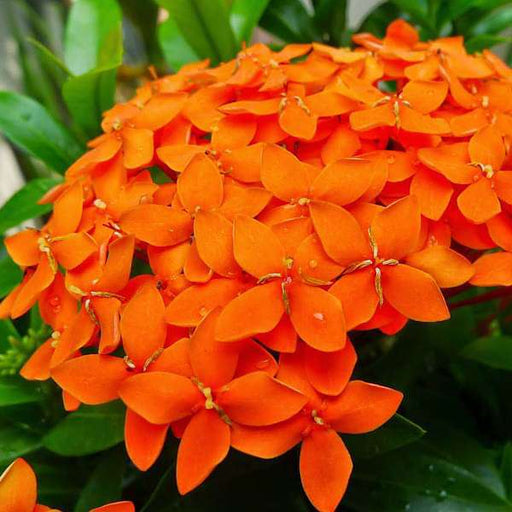





Leave a comment