What are butterflies attracting plant seeds?
Butterflies attracting plant seeds are plant seeds that have been specifically selected for their ability to attract butterflies to your garden. These seeds are often from plants that produce nectar or provide a suitable environment for butterfly eggs and caterpillars to develop.
How can I attract butterflies to my garden?
To attract butterflies to your garden, you can plant a variety of nectar-rich plants, host plants, and other plants that provide a suitable environment for butterflies to thrive. You can also provide a source of water, such as a birdbath or small pond, and avoid using pesticides that can harm butterfly populations.
What are some nectar-rich plant seeds that attract butterflies?
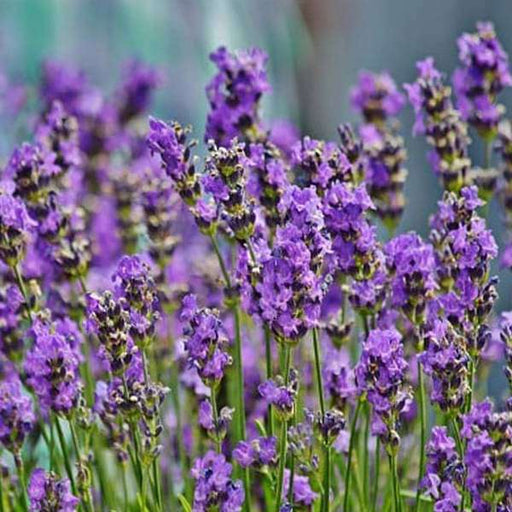
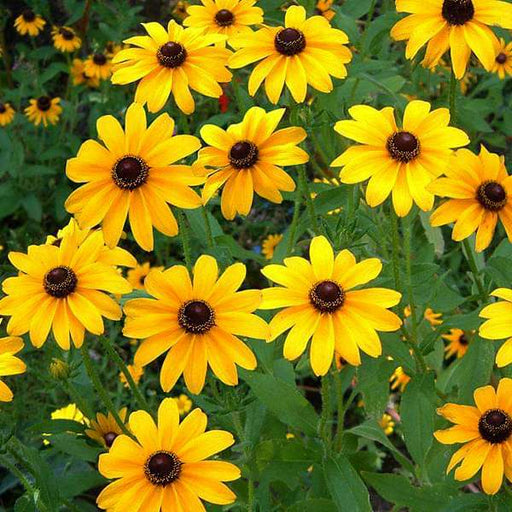
Some nectar-rich plant seeds that attract butterflies include milkweed, butterfly weed, echinacea, black-eyed Susan, and lavender. These plants produce an abundance of nectar and are highly attractive to butterflies.
What are host plant seeds and why are they important?
Host plant seeds are plant seeds from specific species that provide a suitable environment for butterflies to lay their eggs and for caterpillars to feed and develop. These seeds are important because they provide the necessary resources for butterfly populations to thrive.
What are some common host plant seeds that attract butterflies?
Common host plant seeds that attract butterflies include milkweed, parsley, dill, fennel, and passionflower. These plants are essential for the survival of many butterfly species, as they provide food and shelter for caterpillars.
What are some other ways to attract butterflies besides planting specific seeds?
In addition to planting specific seeds, you can also provide a source of water, avoid using pesticides, and plant a variety of plants that bloom at different times throughout the year to ensure a constant food source for butterflies.
Can planting butterfly attracting plant seeds harm other wildlife?
No, planting butterfly attracting plant seeds should not harm other wildlife. In fact, these plants can benefit other pollinators, such as bees and hummingbirds, as well as provide habitat for other small animals.
When is the best time to plant butterfly attracting plant seeds?
The best time to plant butterfly attracting plant seeds depends on the specific plant species, but generally, spring and fall are the best times to plant most seeds. You should also consider your local climate and planting zone when deciding on the best time to plant.
How long does it take for butterfly attracting plant seeds to grow?
The time it takes for butterfly attracting plant seeds to grow depends on the specific plant species and environmental conditions. Generally, it can take anywhere from a few weeks to several months for seeds to germinate and grow into mature plants.
Can I grow butterfly attracting plants in containers?
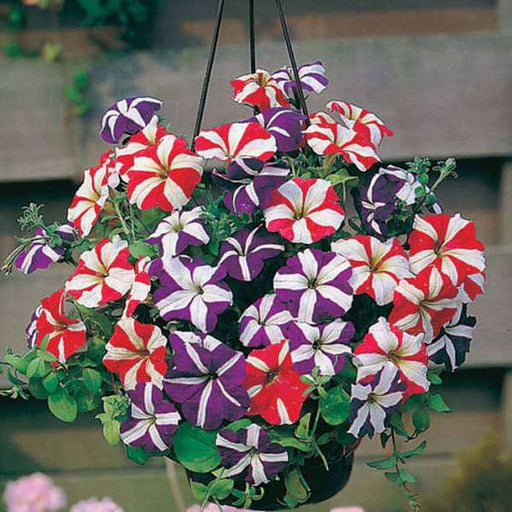
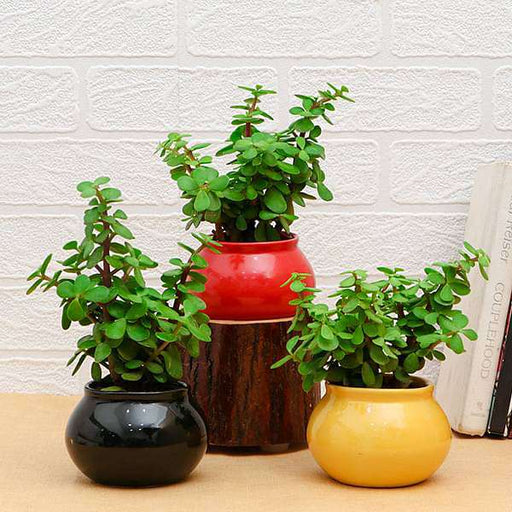
Yes, many butterfly attracting plants can be grown in containers. This can be a great option for those with limited outdoor space or for those who want to add some color and interest to their patio or balcony.
How do I care for butterfly attracting plants once they are established?
Caring for butterfly attracting plants varies depending on the specific plant species. Generally, these plants require regular watering, fertilizing, and pruning to promote healthy growth and abundant blooms.
What are some common pests or diseases that can affect butterfly attracting plants?
Some common pests and diseases that can affect butterfly attracting plants include aphids, spider mites, powdery mildew, and fungal infections. Regular monitoring and treatment can help prevent or control these issues.
Can I use chemical pesticides on butterfly attracting plants?
Using chemical pesticides on butterfly attracting plants is not recommended, as these pesticides can harm butterfly populations and other beneficial insects. Instead, consider using natural pest control methods, such as companion planting or handpicking pests.
What are the benefits of growing butterflies attracting plants?
The benefits of growing butterflies attracting plants are numerous. These plants help to pollinate flowers, which is essential for the reproduction of many plants. They also provide a food source for adult butterflies, which in turn help to pollinate flowers. Additionally, they help to create a habitat for butterflies, which can increase the biodiversity of your garden.
What are some examples of butterflies attracting plant seeds?
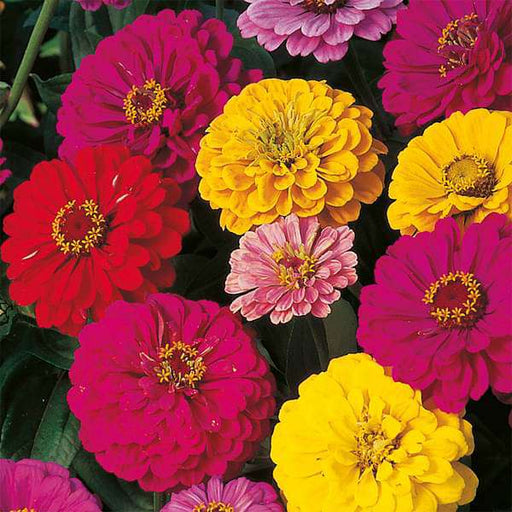
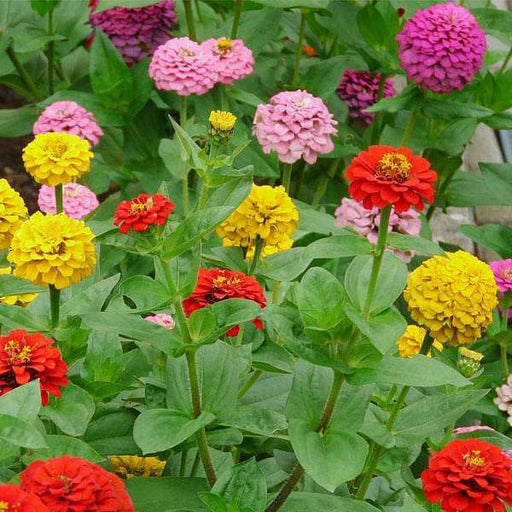
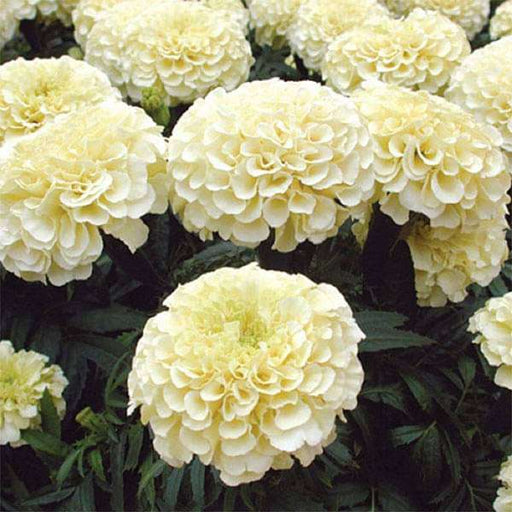
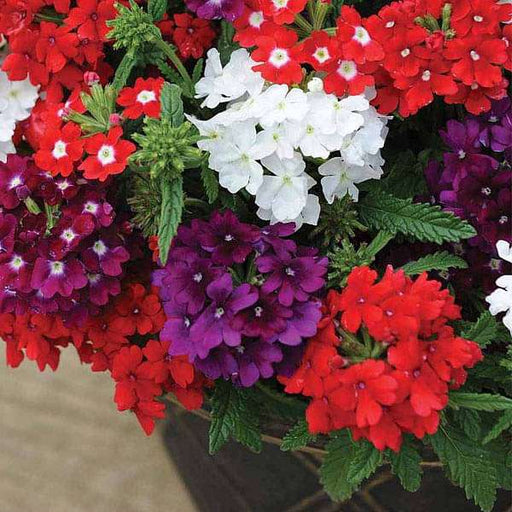
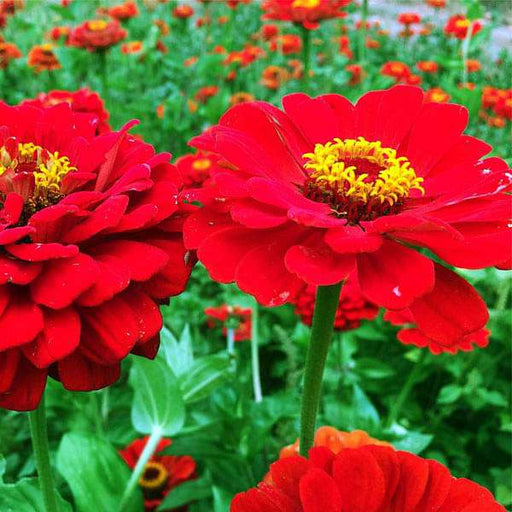
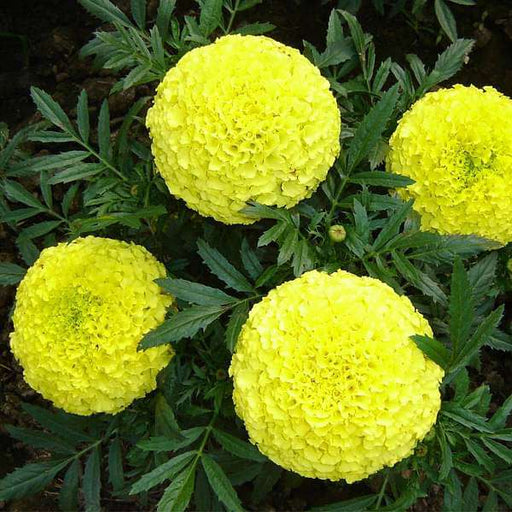
Some examples of butterflies attracting plant seeds include milkweed, lantana, verbena, marigold, zinnia, butterfly bush, and many others.
How should I plant butterflies attracting plant seeds?
Butterflies attracting plant seeds should be planted in well-draining soil with plenty of sunlight. It's important to follow the planting instructions on the seed packet to ensure the best possible growth.
When is the best time to plant butterflies attracting plant seeds?
The best time to plant butterflies attracting plant seeds varies depending on the specific plant. In general, spring and fall are good times to plant many of these seeds, but it's important to check the instructions on the seed packet.
How do I care for butterflies attracting plants once they are planted?
Butterflies attracting plants require regular watering and fertilization to promote healthy growth. It's important to remove any dead flowers or foliage to prevent disease and promote new growth. Additionally, it's important to be aware of any pests or diseases that may affect the specific plant and take appropriate measures to control them.
Can I grow butterflies attracting plants in containers?
Yes, many butterflies attracting plants can be grown in containers as long as the container is large enough to accommodate the plant and has proper drainage. Container-grown plants require more frequent watering and fertilization than those grown in the ground.
How do I attract butterflies to my garden?
In addition to planting butterflies attracting plant seeds, there are several other ways to attract butterflies to your garden. Providing a shallow dish of water for drinking, providing a mud puddle for drinking and minerals, and avoiding the use of pesticides are all ways to encourage butterflies to visit your garden.