
Expert Support
Available 24/7 via chat
Available 24/7 via chat
The Kadam tree holds a special place in Indian hearts—sacred in ancient texts, celebrated in classical poetry, and beloved for its intoxicating fragrance that fills monsoon gardens. Yet many gardeners assume these magnificent trees require expert care. The truth is refreshingly simple: the Kadam is an easy-care grower that flourishes in Indian climates, particularly during the rains. Whether you're planting an avenue tree or nurturing one in a large container, this guide will walk you through everything you need to know to succeed.
The Kadam (Neolamarckia cadamba, commonly known as Kadamb) is a large deciduous to semi-evergreen tree native to South and Southeast Asia. In its full glory, it can reach up to 45 meters tall, making it a beloved choice for avenue plantings and large estates across India. What makes it equally wonderful for home gardeners is that young plants respond beautifully to container cultivation, allowing you to enjoy this cultural icon even in modest spaces.
The Kadam is instantly recognizable by its distinctive flower heads—dense, spherical clusters of tiny florets that bloom in shades of yellow to orange. These fragrant flower balls appear from August to October, releasing a sweet fragrance that's most pronounced in early morning and evening. The tree's cultural significance runs deep: it's mentioned in Sanskrit texts, considered sacred in Hindu tradition, and associated with Lord Krishna. Beyond its spiritual importance, it's also valued for its hardwood, medicinal bark, and beautiful form.
What truly sets the Kadam apart for Indian gardeners is its natural affinity for monsoon seasons. It thrives when rainfall is abundant, making it an ideal choice for regions that experience heavy July-September rains.
| Care Aspect | Requirement |
|---|---|
| Light | More than 6 hours direct sunlight daily; bright light for remainder of day |
| Water | 4 cups (200 ml) when top 1-2 inches of soil feel dry |
| Soil | Well-draining, fertile, rich in organic matter |
| Temperature | 25-35°C (optimal range); frost-sensitive |
| Feeding | Organic fertilizer monthly, June to January |
| Difficulty | Easy |
The Kadam is a sun-loving tree that performs best with abundant light. Aim for more than 6 hours of direct sunlight daily—this isn't a guideline to bend. In India's strong sun, even plants in partial shade that receives 6+ hours of direct rays will flourish. The intensity of afternoon sun in May-June won't harm established plants; in fact, strong light promotes denser branching and more prolific flowering come monsoon season.
If you're growing your Kadam in a pot on a balcony or terrace, position it where it catches morning and mid-day sun. A north-facing location in extreme heat regions (like Delhi or Rajasthan interior) is acceptable, provided the plant still receives 6+ hours of direct light. South and west-facing placements are ideal in cooler hill stations or coastal areas.
Watch for signs of insufficient light: sparse foliage, weak growth, or a lack of flower buds forming in late summer. These signal your Kadam needs to move to a sunnier spot.
This is where the Kadam's monsoon-adapted nature shines. During the rainy season (July-September), your tree will thrive on rainfall alone—minimal supplemental watering is needed unless your region experiences unusual dry spells. The key is preventing waterlogging: ensure your pot has drainage holes and your garden soil drains freely.
Outside the monsoon, water when the top 1-2 inches of soil feel dry to touch. For a container plant, this typically means 4 cups (approximately 200 ml) every 3-7 days, depending on pot size, ambient temperature, and season. In winter (December-February), reduce frequency significantly—the tree enters partial dormancy and needs less water.
In gardens, mature trees are drought-tolerant once established, but young plants (first year) benefit from consistent moisture during hot months. Mulch the base with 2-3 inches of organic matter to retain moisture and keep roots cool during April-June heat.
A practical tip for Indian gardeners dealing with hard water: if your tap water is high in minerals (common in northern and western India), consider collecting monsoon rainwater for irrigation. This reduces salt buildup in pots over time.
The Kadam is not fussy about soil type but demands good drainage and fertility. Use a well-draining, fertile potting mix rich in organic content—a blend of equal parts garden soil, compost, and coarse sand or perlite works well for container plants. For garden beds, amend the planting hole with aged compost or well-rotted manure, then backfill with garden soil mixed with organic matter.
Feed your Kadam with organic fertilizer once monthly from June through January. This timing aligns perfectly with the tree's growth phase: it builds strength through monsoon (July-September) and continues establishing before winter dormancy. Avoid feeding during February-May, when growth naturally slows in response to heat and reduced moisture.
Organic options are ideal: neem-based fertilizers (which also help manage pests), vermicompost, or well-decomposed cow manure. Apply around the base, keeping the fertilizer 3-4 inches away from the trunk. Water thoroughly after feeding to distribute nutrients.
The Kadam thrives in warm, humid conditions typical of India's tropical and subtropical zones. The optimal temperature range is 25-35°C. This makes it perfect for most of India, though it may struggle in regions that drop below 10°C regularly—it's frost-sensitive and won't tolerate freezing temperatures.
Humidity is a natural friend to Kadam. During monsoons, the combination of warmth and moisture creates ideal growing conditions—expect vigorous growth and prolific flowering. In drier regions (like parts of Rajasthan or Punjab), increase watering frequency during hot months and use mulch to retain soil moisture, which helps moderate root-zone humidity.
If you're in a very dry climate, grouping your Kadam with other plants can create a microclimate with slightly higher humidity. Container plants benefit from misting during April-June heat waves, though this should supplement rather than replace proper watering.
Kadam trees are typically propagated from seeds, which germinate readily. Collect seeds from mature flower heads in October-November—they look like tiny brown, winged structures. Soak seeds in water for 24 hours, then sow in a seed tray filled with a moist mix of coco peat and compost. Keep the tray in bright, indirect light and maintain consistent moisture. Germination occurs within 2-4 weeks. Seedlings develop quickly; transplant to individual pots once they've grown their first true leaves.
Air layering is possible but slower and less commonly used for home gardeners. If you're keen to try it, select a healthy branch in June (start of monsoon), score the bark gently, wrap with moist sphagnum moss in plastic, and wait for roots to form—this typically takes 6-8 weeks. Once rooted, cut the branch and pot it up.
The Kadam is remarkably resilient, but watch for these occasional issues:
Ready to grow your own? Shop Kadam Tree at Nurserylive →
Kadam Tree (Kadamb) - Plant The Kadam Tree, scientifically known as *Neolamarckia cadamba*, is a majestic tropical tree native to Southeas...
View full detailsCombo Constituents Includes the Parijat Tree (Night-Flowering Jasmine), a culturally significant plant with fragrant flowers. Description The Pari...
View full detailsDescription Raat Ki Rani (*Cestrum nocturnum*), also known as Night Blooming Jasmine, is a fragrant shrub native to the Caribbean and Central Ameri...
View full detailsJasminum sambac, Mogra, Arabian Jasmine - Plant Jasminum sambac, commonly known as Mogra or Arabian Jasmine, is a fragrant flowering plant...
View full detailsRajnigandha, Tuberose - Plant The Rajnigandha, scientifically known as Polianthes tuberosa, is a captivating perennial plant renowned for ...
View full detailsCitronella, Odomas - Plant The Citronella plant, scientifically known as Cymbopogon nardus, is a tropical grass renowned for its aromatic ...
View full detailsDamascus Rose, Scented Rose (Any Color) - Plant The Damascus Rose, also known as Rosa damascena, is a timeless symbol of beauty and romanc...
View full detailsMiniature Rose, Button Rose (Any Color) - Plant The Miniature Rose, also known as the Button Rose, is a charming and compact flowering plant that ...
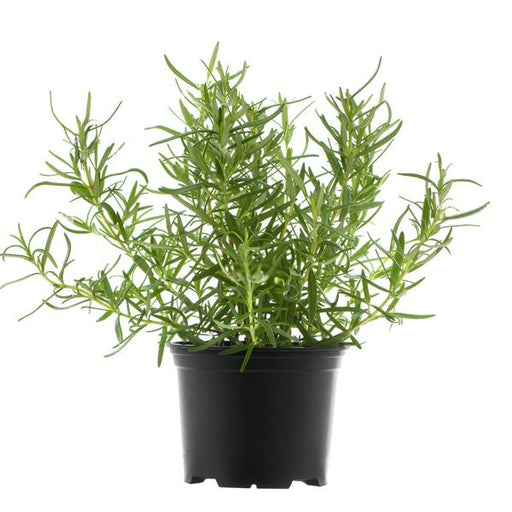
View full detailsRosemary - Plant Rosemary (Rosmarinus officinalis) is a fragrant evergreen herb native to the Mediterranean region. Known for its needle-like leav...
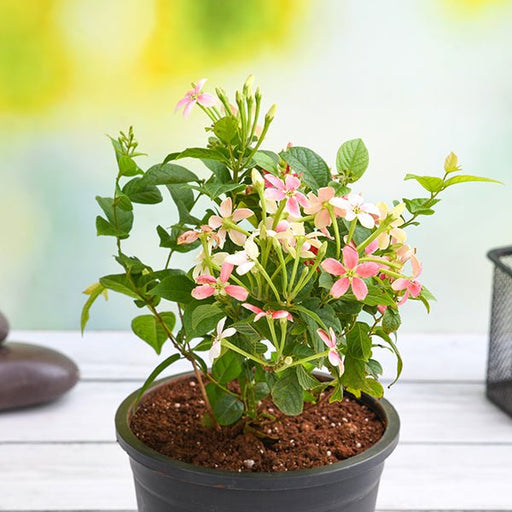
View full detailsMadhumalti Dwarf, Rangoon Creeper - Plant The Madhumalti Dwarf, also known as the Rangoon Creeper (Quisqualis indica), is a stunning perennial vin...
View full detailsBest 6 Plants for Perfect Indoor Garden Transform your living space into a lush oasis with our curated collection of the Best 6 Plants for a...
View full detailsBest 6 Plants for Perfect Indoor Garden Transform your living space into a lush oasis with our curated collection of the Best 6 Plants for a...
View full detailsMini Succulent Garden Pack Transform your space with our Mini Succulent Garden Pack, featuring a delightful collection of 4 any variety beautiful s...
View full details5 Best Fragrant Plants Transform your garden or indoor space into a fragrant paradise with our curated selection of the 5 Best Fragrant Plants. Th...
View full detailsSet of 2 Bonsai Looking Grafted Adeniums Transform your indoor or outdoor space with our exquisite Set of 2 Bonsai Looking Grafted Adenium...
View full detailsTop 4 Die Hard Succulents Pack Note: Plants included in this pack will be delivered in a 3-inch nursery pot (any color). Transform your indoor or ...
View full details5 Best Indoor Plants Pack Transform your living space into a lush oasis with our '5 Best Indoor Plants Pack.' This carefully curated collection fe...
View full detailsSet of 4 Evergreen Air Purifier Plant Pack Transform your indoor space into a lush, green oasis with our Set of 4 Evergreen Air Purifier Pla...
View full detailsTop 5 Pollution Killer Plants Pack Transform your living space into a breath of fresh air with our 'Top 5 Pollution Killer Plants Pack'. This care...
View full detailsPack of 3 Good Luck Jade Plants in Ceramic Pots Bring a touch of nature into your home with our Pack of 3 Good Luck Jade Plants, featuring...
View full detailsPortulaca Garden Pack (4 Plants + 4 Black Pots) Note- You will get any color (Assorted) potted Porulaca plant with this pack. Transform your garde...
View full details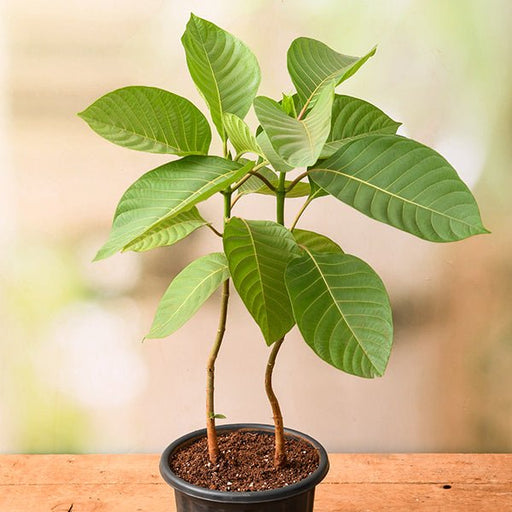





















Leave a comment