What is included in the Trending Flower Bulbs collection?
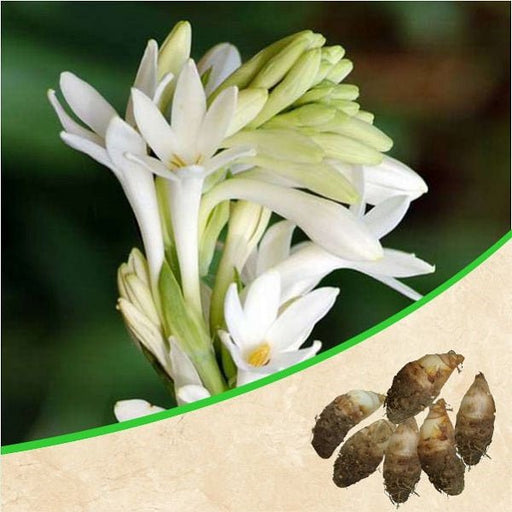
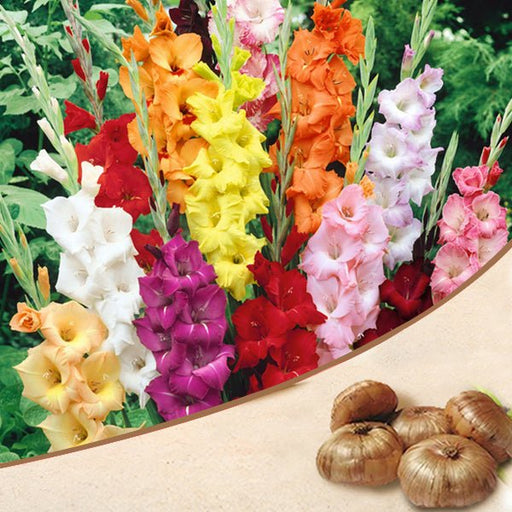
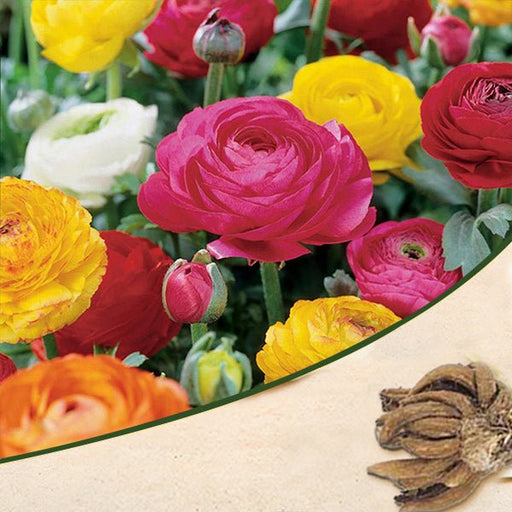
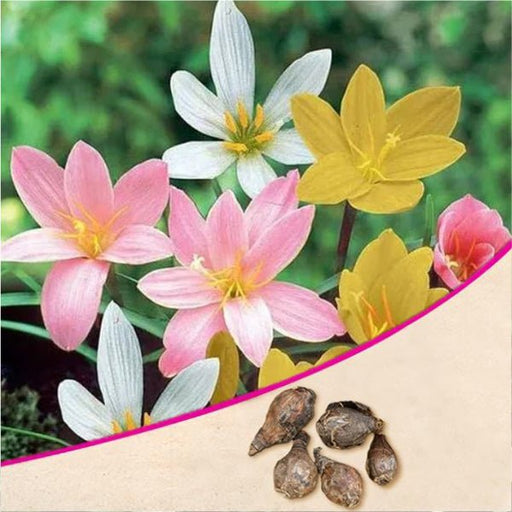
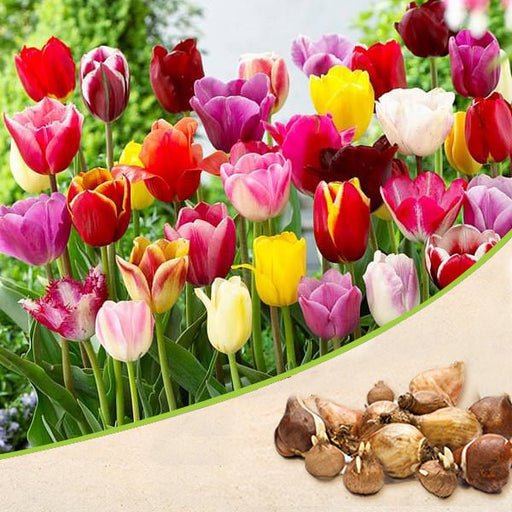
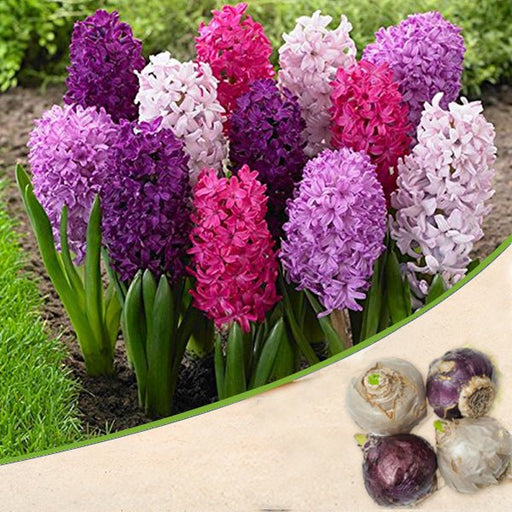
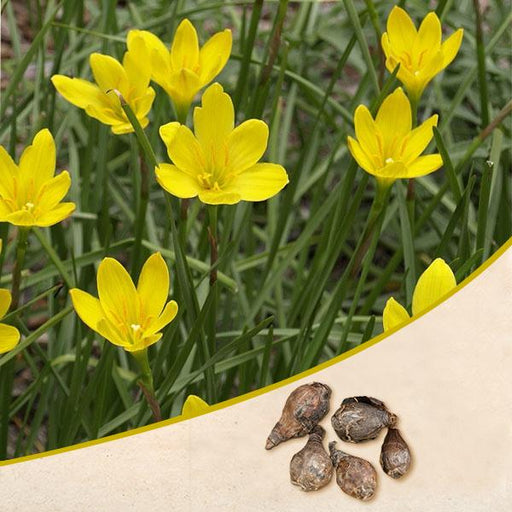
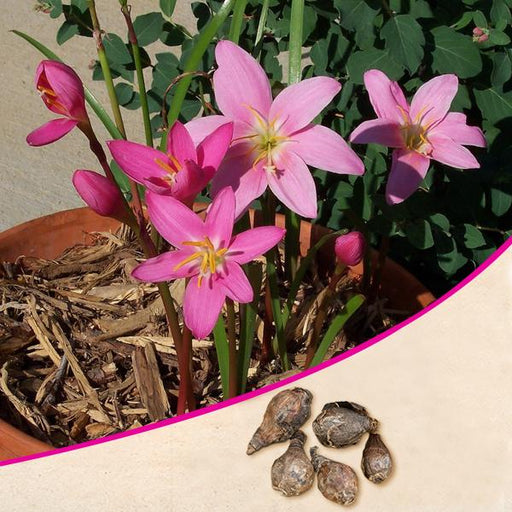
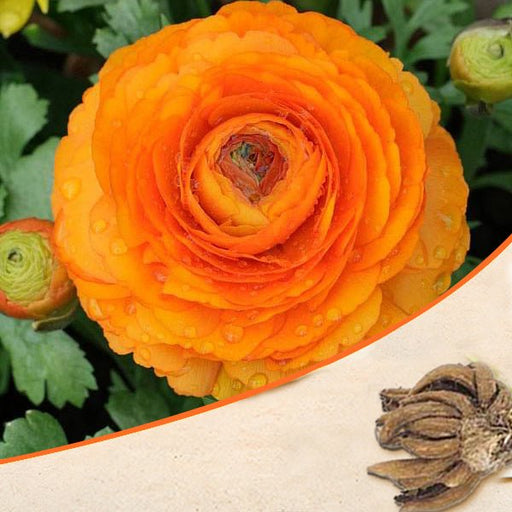
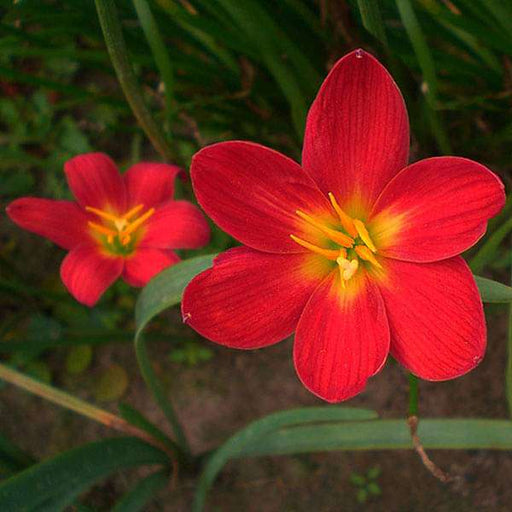
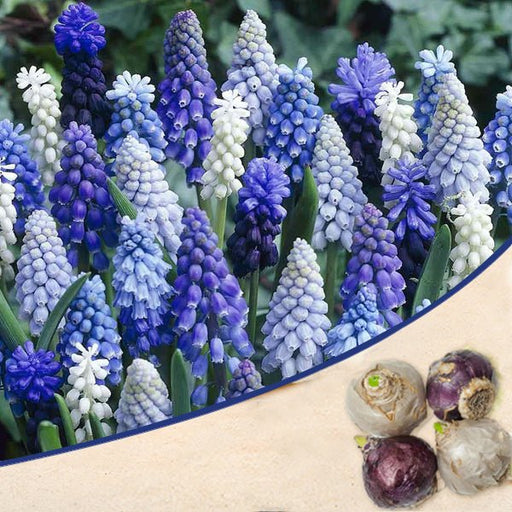
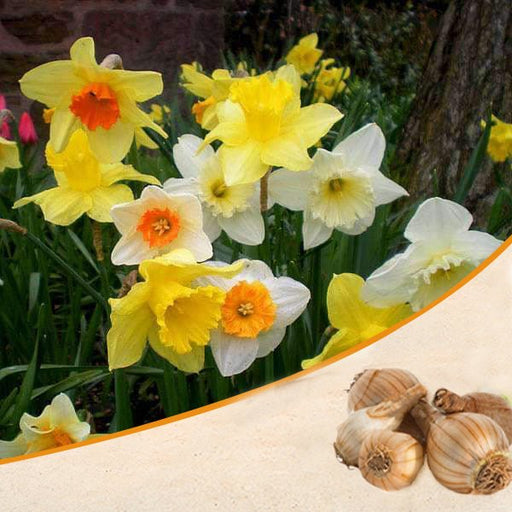
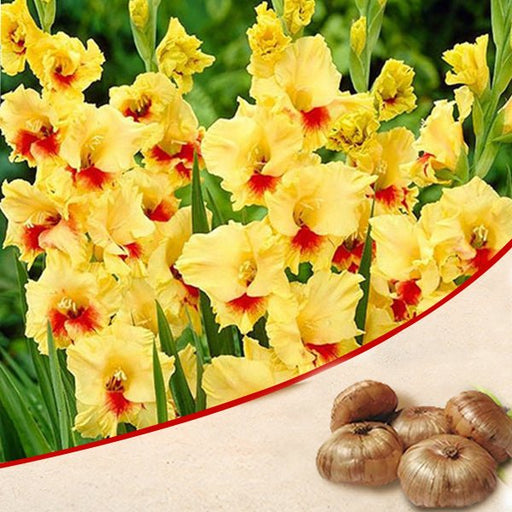
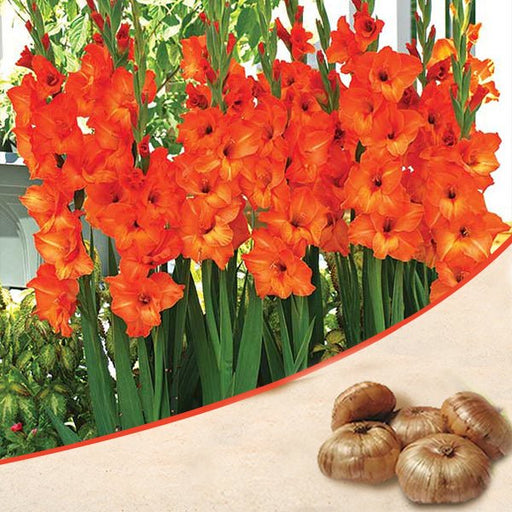
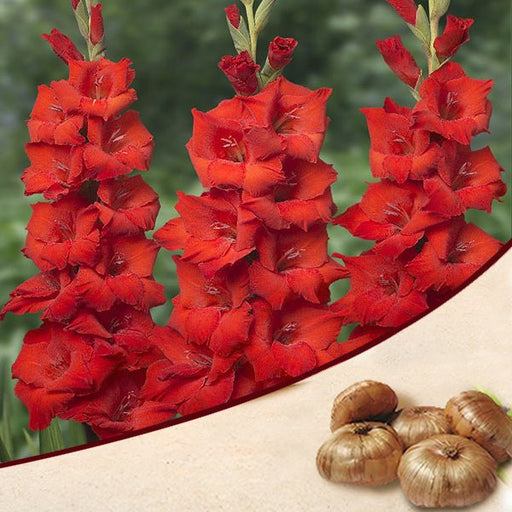
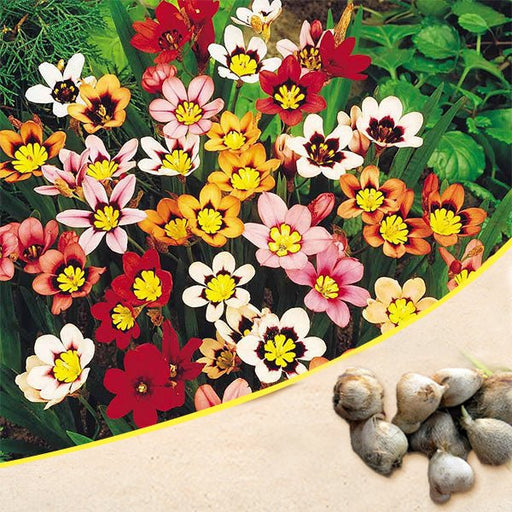
This collection features nearly 400 popular flowering bulbs, corms, and tubers, including tulips, dahlias, lilies, gladiolus, and other seasonal favorites. Each is selected for reliable blooming and ease of growing in Indian gardens and pots.
Are flower bulbs suitable for beginners?
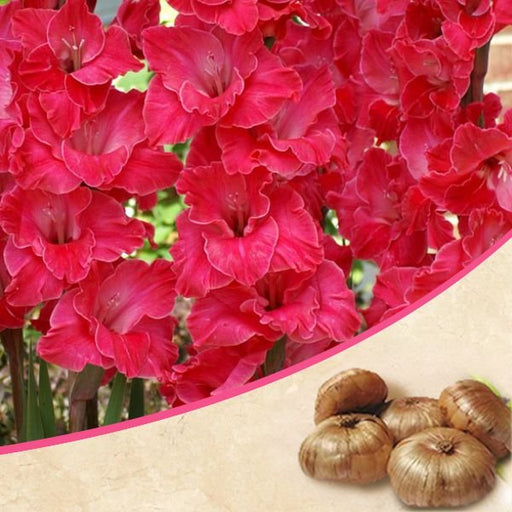
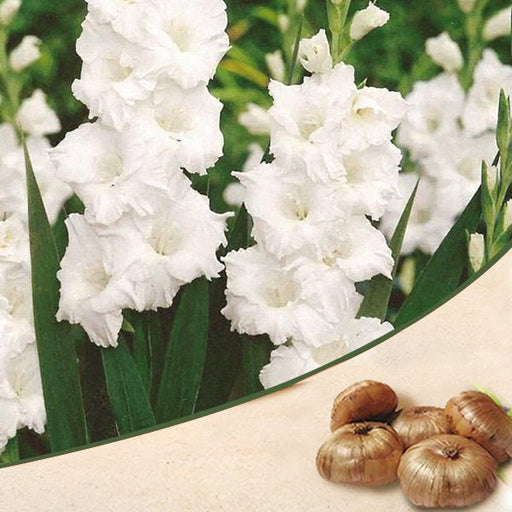
Yes, bulbs are among the easiest ways to grow flowers because the plant's energy is already stored inside. Beginners can start with gladiolus, dahlia, or lily, which need only well-drained soil and regular watering to bloom.
Which bulbs grow well in the Indian climate?
Warm-climate bulbs like dahlia, gladiolus, lily, and tuberose thrive across most of India, while tulips and hyacinths need a cool period and suit winters in the north or hill stations. Check each bulb's climate note before planting.
When is the best time to plant flower bulbs in India?
Most winter-flowering bulbs like tulips and hyacinths are planted in October-November, while summer bloomers like dahlia and gladiolus go in during spring. Planting in the right season is the single biggest factor in getting good blooms.
Can I grow these bulbs in pots and containers?
Absolutely, most bulbs in this collection grow well in pots at least 6-8 inches deep with drainage holes. Container growing is ideal for balconies and terraces and lets you move the pots to catch the right amount of sun.
How deep and how far apart should I plant bulbs?
A general rule is to plant a bulb two to three times as deep as its height, with the pointed side up. Spacing varies by type, but leaving a few centimeters between bulbs gives roots and shoots room to develop.
How much watering and light do flower bulbs need?
Bulbs need consistent moisture but not waterlogging, so water when the topsoil dries and ensure good drainage to prevent rot. Most flowering bulbs bloom best in full sun to bright light, ideally 5-6 hours daily.
Do bulbs come back and bloom again next year?
Many like dahlia, lily, and gladiolus are perennial and can be lifted, stored, and replanted the next season. Tulips and hyacinths often bloom best in their first year in Indian plains and may not reliably repeat without a cold winter.
Which bulbs attract bees and butterflies?
Single-flowered dahlias, lilies, and other open blooms in this collection draw pollinators like bees and butterflies. Planting a mix supports local garden ecosystems and improves fruiting in nearby vegetable and fruit plants.
How are bulbs packaged and shipped?
Bulbs are shipped dry and dormant in protective packaging, which is their natural resting state, so they travel well. On arrival, store them in a cool, dry place until you're ready to plant them in the correct season.
Why isn't my bulb sprouting after planting?
Bulbs can take a few weeks to sprout and need the right season, depth, and warmth to break dormancy. The most common causes of failure are planting upside down, waterlogged soil causing rot, or planting a cool-season bulb during hot weather.
Which bulbs give the fastest or showiest results?
Gladiolus and dahlia are among the quickest and most dramatic bloomers, flowering within a couple of months of planting. For fragrance, tuberose and lilies are excellent choices that fill a garden or balcony with scent.
Can I buy a mix of bulbs for a colorful display?
Yes, buying a variety or combo of bulbs is a cost-effective way to create a multi-colored, staggered blooming display. Mixing early and late bloomers keeps your garden in flower over a longer period.
Do bulbs need fertilizer?
A balanced or bloom-boosting fertilizer applied at planting and again as buds form helps produce bigger, brighter flowers. Bulbs also benefit from compost worked into well-drained soil before planting.
Are flower bulbs a good gift for gardeners?
Yes, a set of quality bulbs makes a thoughtful, lasting gift that gives the recipient the joy of watching flowers grow. They are compact, easy to pack, and suit gifting to both beginner and experienced gardeners.