What are some popular bulb names available at Nurserylive?
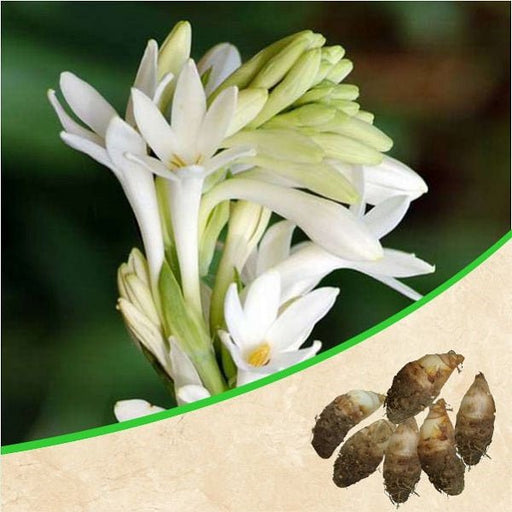
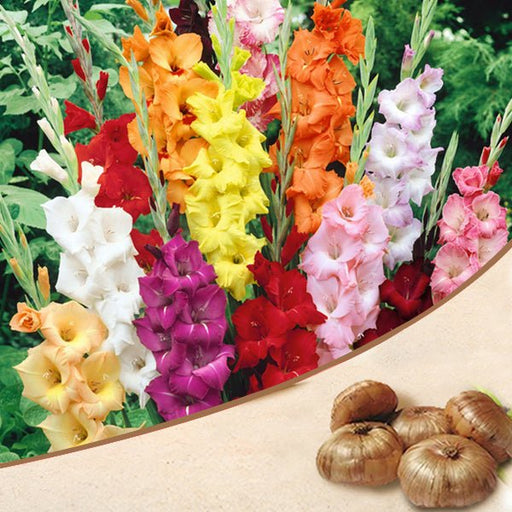
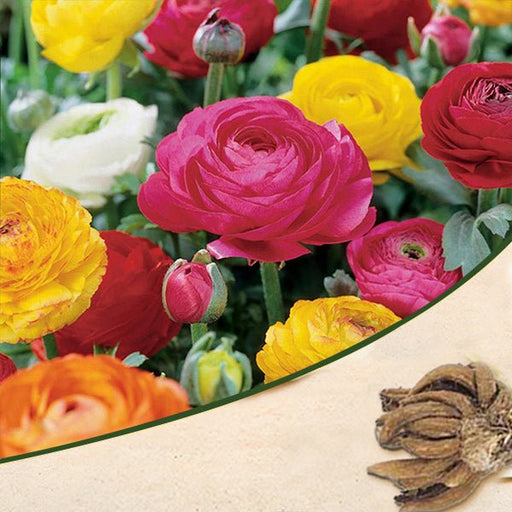
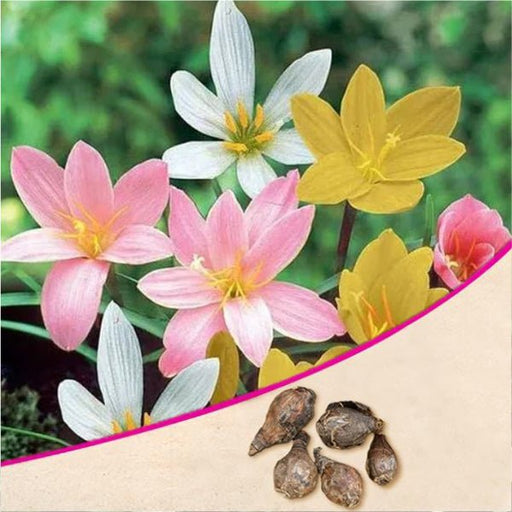
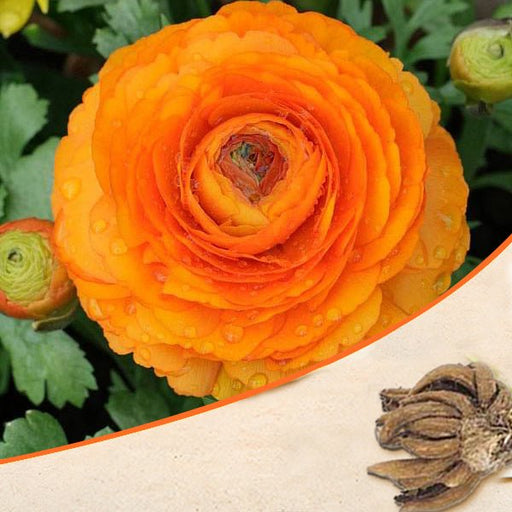
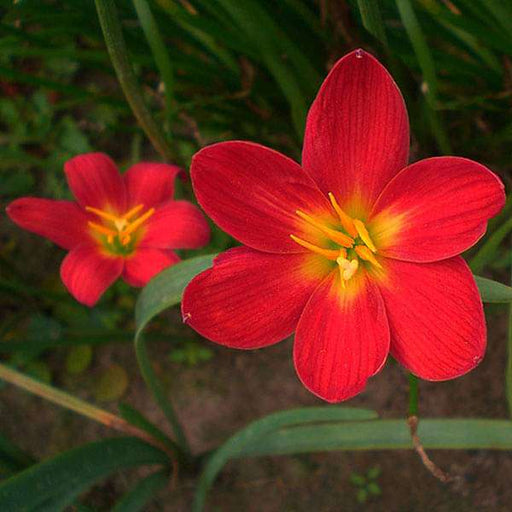
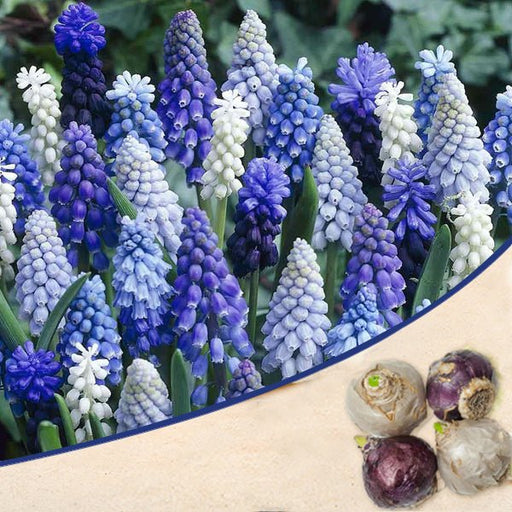
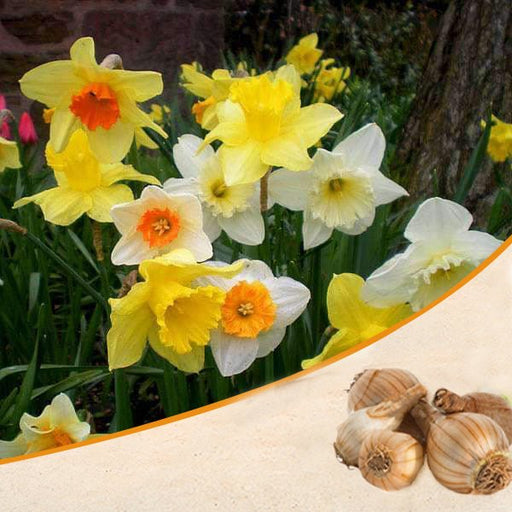
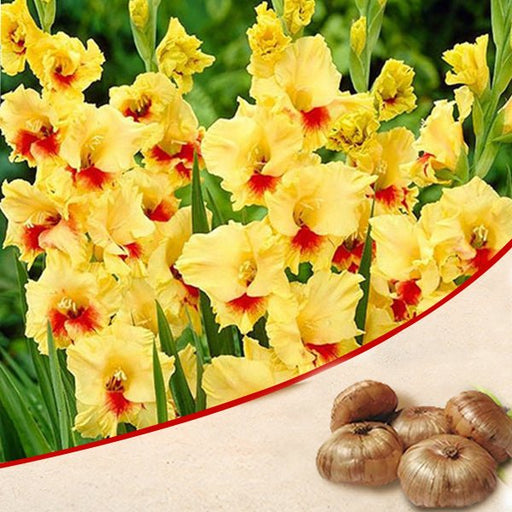
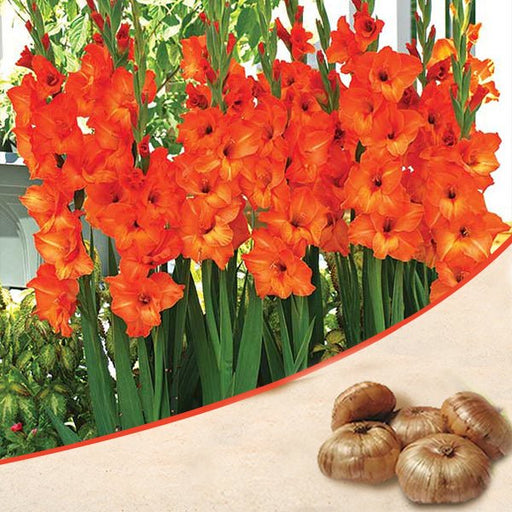
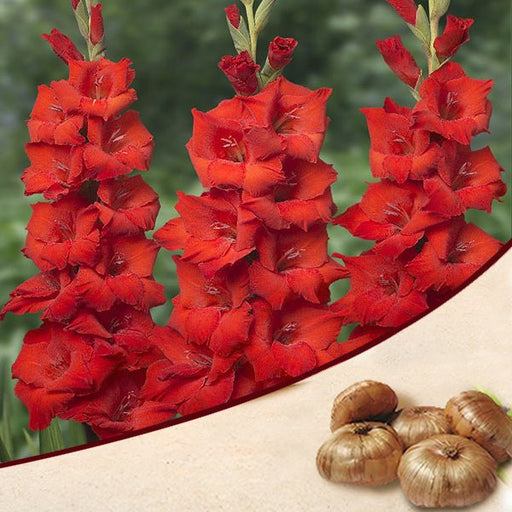
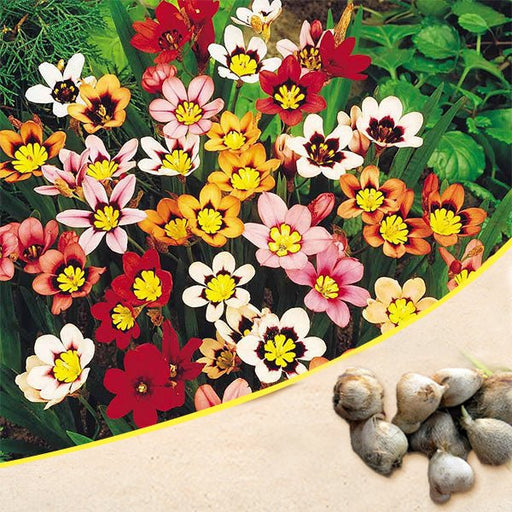
At Nurserylive, we offer a wide variety of popular bulb names such as Gladiolus, Daffodils, Tulips, Hyacinths, Crocus, and many more. Each bulb has unique characteristics and requirements for successful growth.
Can bulbs be grown in containers?
Yes, bulbs can be grown in containers. In fact, container gardening is a great option for those with limited garden space or who want to create a focal point on a balcony or terrace.
When should I plant my bulbs?
The timing for planting bulbs varies depending on the type of bulb and the region you live in. Generally, bulbs should be planted in the fall before the first frost. This allows the bulb to establish roots before winter and will result in beautiful blooms in the spring.
How deep should I plant my bulbs?
The depth of planting also varies depending on the type of bulb. As a general rule, bulbs should be planted at a depth of 2-3 times their height. This allows for proper root development and protects the bulb from frost damage.
Do bulbs need a specific type of soil?
Bulbs do not require a specific type of soil, but they do require good drainage. Soil that is too heavy or compacted can prevent bulbs from establishing roots and growing properly.
Can I fertilize my bulbs?
Yes, bulbs can be fertilized to promote healthy growth and blooming. However, it is important to use a fertilizer specifically designed for bulbs and to follow the manufacturer's instructions for application.
How often should I water my bulbs?
Bulbs require regular watering, but it is important not to overwater them. The soil should be moist but not waterlogged. In general, bulbs should be watered once a week.
Can I store bulbs for later use?
Yes, bulbs can be stored for later use. After the blooms have died back, the bulbs can be dug up, cleaned, and stored in a cool, dry place until the next planting season.
What is the best way to plant bulbs in a garden bed?
Bulbs should be planted in groups or clusters for maximum impact. Dig a hole large enough to accommodate the bulbs and plant them at the recommended depth, spacing them according to the specific bulb's requirements.
What is the difference between spring-blooming and summer-blooming bulbs?
Spring-blooming bulbs, such as tulips and daffodils, bloom in the spring and then go dormant during the summer. Summer-blooming bulbs, such as lilies and gladiolus, bloom in the summer and then go dormant in the fall.
How long do bulbs bloom for?
The blooming period for bulbs varies depending on the type of bulb and growing conditions. Some bulbs, like crocuses, bloom for only a few weeks, while others, like daffodils, can bloom for up to six weeks.
How do I know when my bulbs are ready to be dug up?
Bulbs are ready to be dug up after the foliage has died back. This usually occurs in the late spring or early summer. Once the foliage has withered, dig up the bulbs and store them for later use.
Can I transplant bulbs once they have already been planted?
Transplanting bulbs can be tricky, as they do not like to be disturbed once they have established roots. However, if you must transplant bulbs, do so carefully, taking care not to damage the roots.
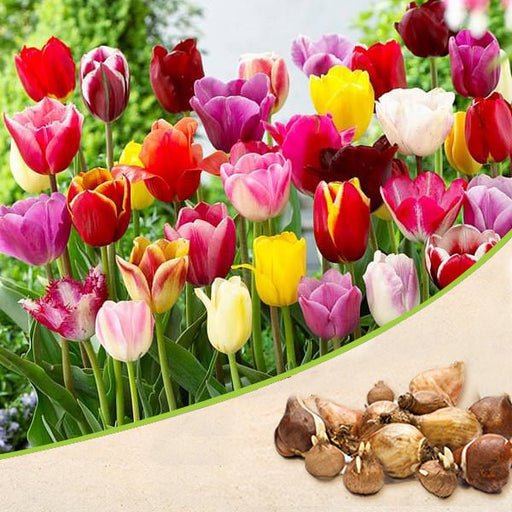
What is a tulip bulb and how do I plant it?
Tulip bulbs are the underground storage structures of the tulip plant, and they are planted in the fall for spring blooms. To plant a tulip bulb, first choose a location with well-draining soil and plenty of sunlight. Dig a hole that is two to three times the depth of the bulb and place the bulb in the hole, pointy end up. Cover the bulb with soil and water thoroughly. Tulip bulbs require a period of cold dormancy to stimulate growth, so be sure to plant them in the fall so they can experience the necessary winter temperatures.
What is an amaryllis bulb and how do I care for it?
Amaryllis bulbs are large, showy bulbs that produce stunning flowers in shades of red, pink, white, and more. To care for an amaryllis bulb, plant it in a container with well-draining soil and place it in a location with bright, indirect sunlight. Water the bulb sparingly at first, and then increase the frequency as the bulb begins to grow. After the flowers have faded, continue to care for the bulb by providing it with adequate water and sunlight. You can also fertilize the bulb with a balanced fertilizer every two to four weeks during the growing season.
What is a daffodil bulb and when should I plant it?
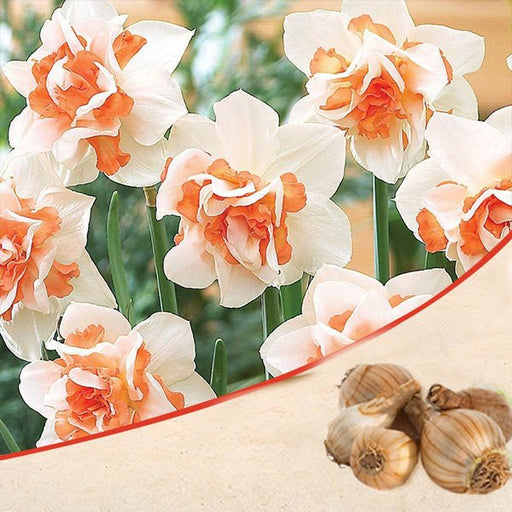
Daffodil bulbs are bulbous perennials that produce clusters of fragrant, trumpet-shaped flowers in the spring. They should be planted in the fall, about six weeks before the ground freezes. Choose a location with well-draining soil and full to partial sunlight. Dig a hole that is two to three times the depth of the bulb and place the bulb in the hole, pointy end up. Cover the bulb with soil and water thoroughly. Daffodil bulbs require a period of cold dormancy to stimulate growth, so be sure to plant them in the fall so they can experience the necessary winter temperatures.
What is a gladiolus bulb and how do I plant it?
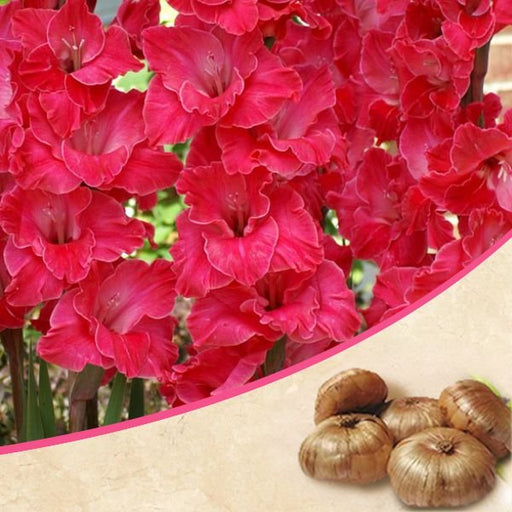
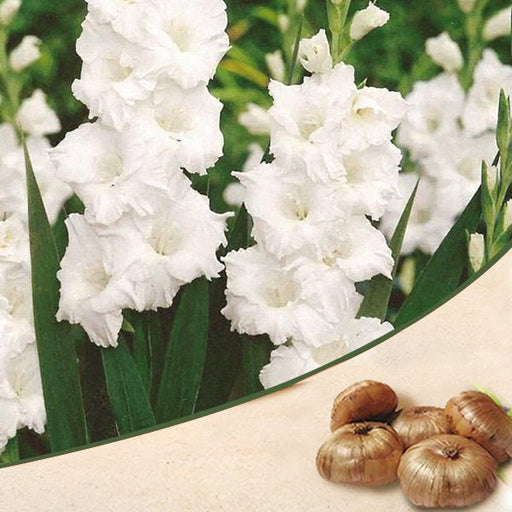
Gladiolus bulbs are corms that produce tall spikes of colorful flowers in the summer. To plant a gladiolus bulb, choose a location with well-draining soil and full sunlight. Dig a hole that is two to three times the depth of the bulb and place the bulb in the hole, pointed end up. Cover the bulb with soil and water thoroughly. Gladiolus bulbs require regular watering and feeding throughout the growing season, and the flower spikes may need to be staked to prevent them from toppling over in windy conditions.
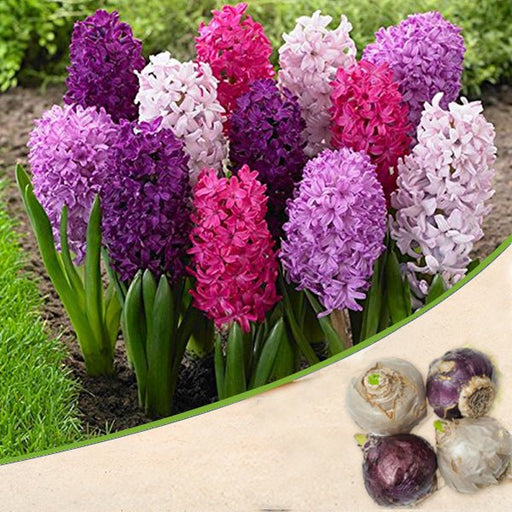
What is a hyacinth bulb and when should I plant it?
Hyacinth bulbs are bulbous perennials that produce clusters of fragrant, bell-shaped flowers in the spring. They should be planted in the fall, about six weeks before the ground freezes. Choose a location with well-draining soil and full to partial sunlight. Dig a hole that is two to three times the depth of the bulb and place the bulb in the hole, pointed end up. Cover the bulb with soil and water thoroughly. Hyacinth bulbs require a period of cold dormancy to stimulate growth, so be sure to plant them in the fall so they can experience the necessary winter temperatures.
What is a crocus bulb and how do I care for it?
Crocus bulbs are small, cormous perennials that produce delicate, cup-shaped flowers in the spring. To care for a crocus bulb, plant it in well-draining soil and a location with full to partial sunlight. Water the bulb regularly during the growing season, but be sure to avoid overwatering or allowing the soil to become waterlogged. Crocus bulbs can be left in the ground over the winter, but be sure to protect them from harsh weather conditions with a layer of mulch or other protective covering.
What is an iris bulb and how do I plant it?
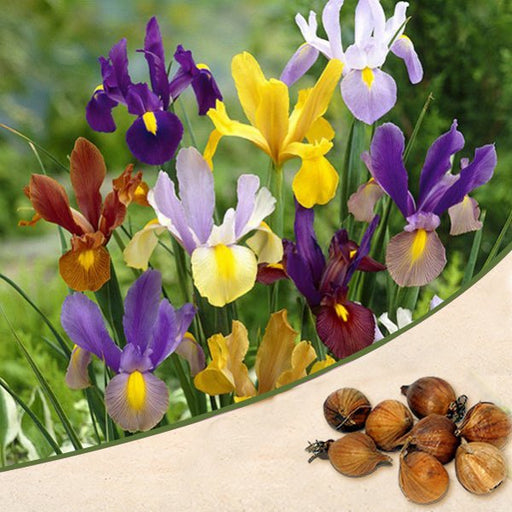
Iris bulbs are rhizomatous perennials that produce showy, colorful flowers in the spring and summer. To plant an iris bulb, choose a location with well-draining soil and full to partial sunlight. Dig a hole that is wide enough to accommodate the bulb and its roots, and place the bulb in the hole with the roots facing downward. Cover the bulb with soil and water thoroughly. Iris bulbs should be planted in the fall for best results, and they require regular watering and fertilizing throughout the growing season.