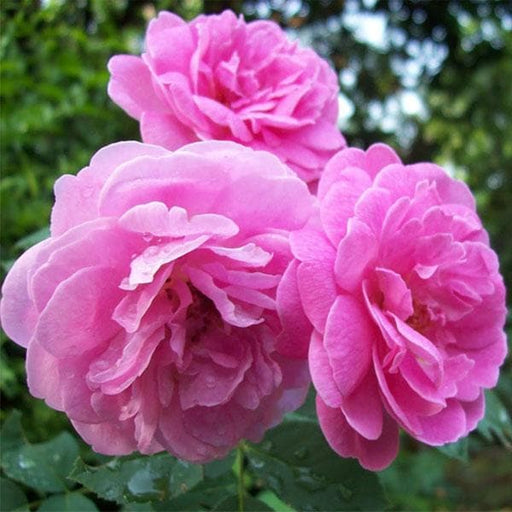
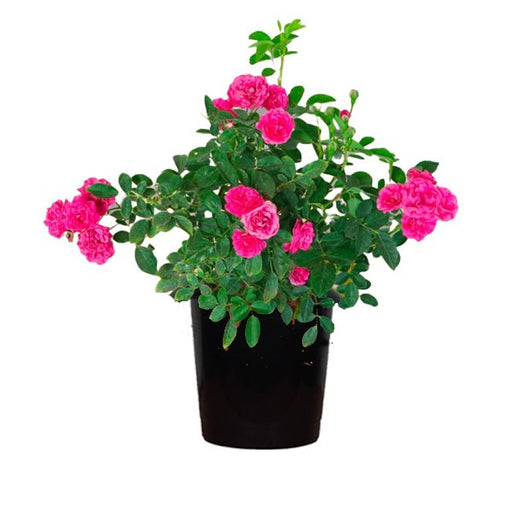
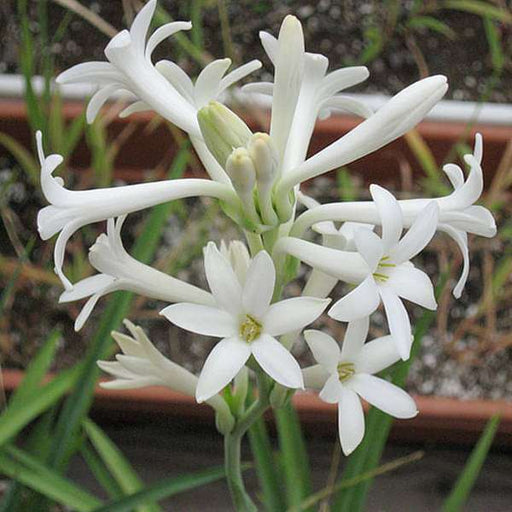
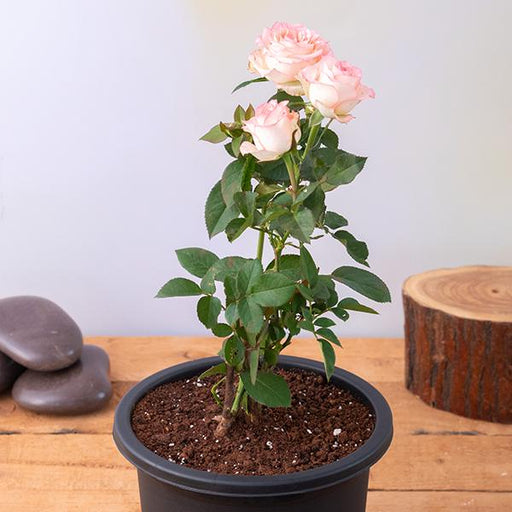
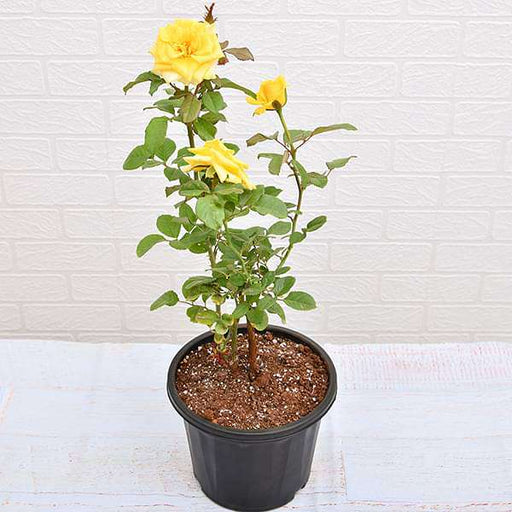
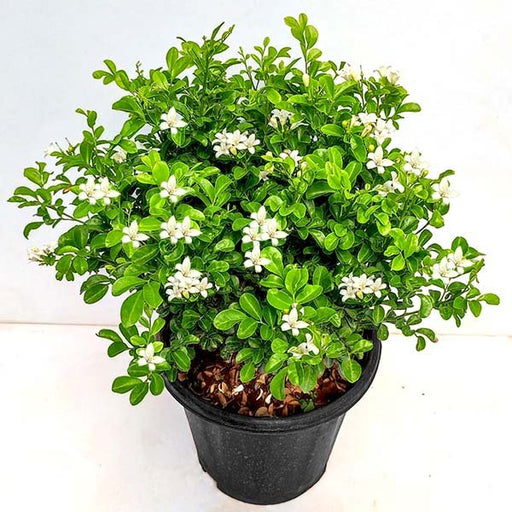
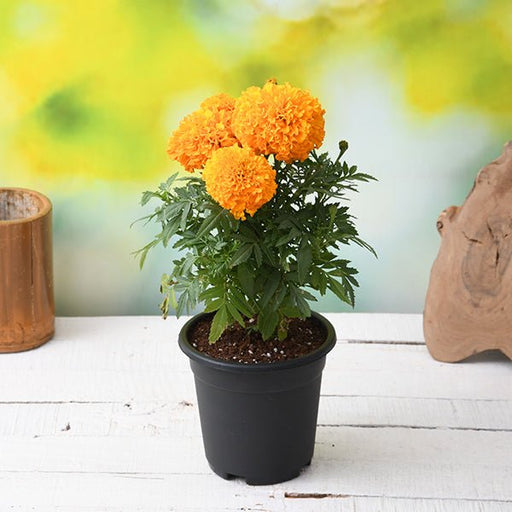
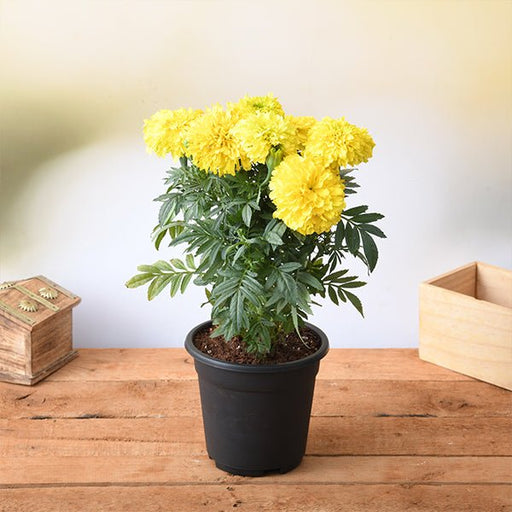
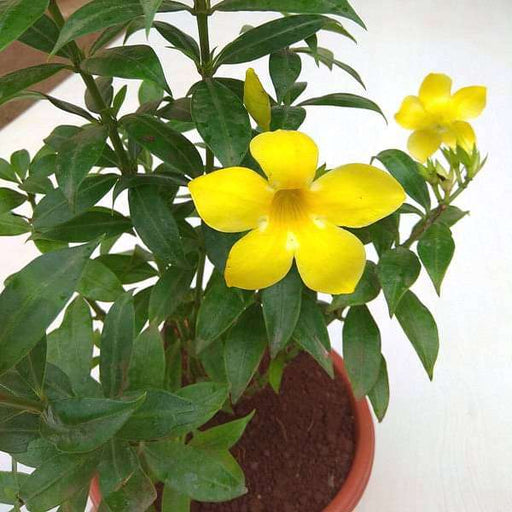
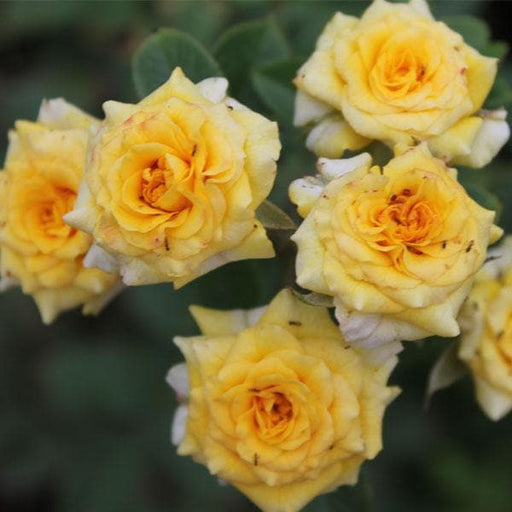
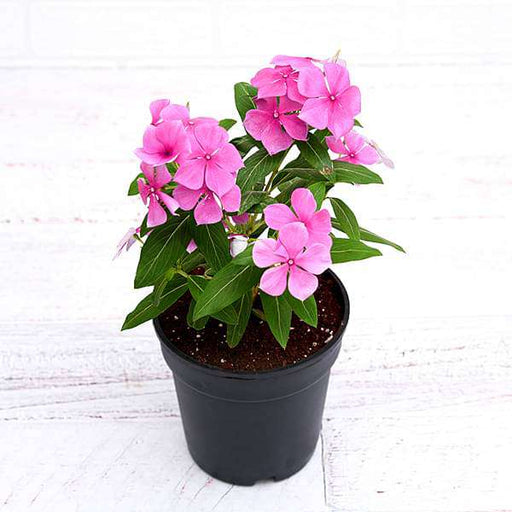
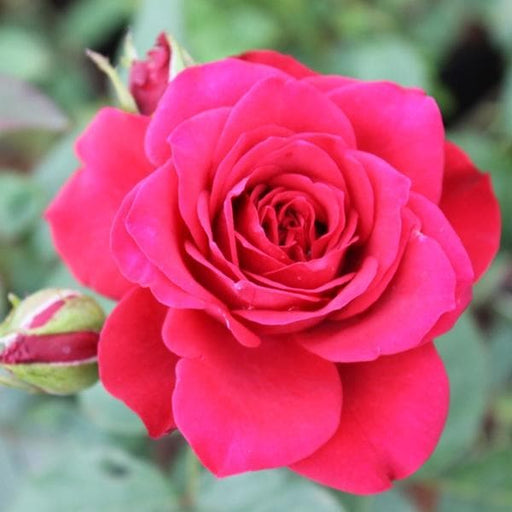
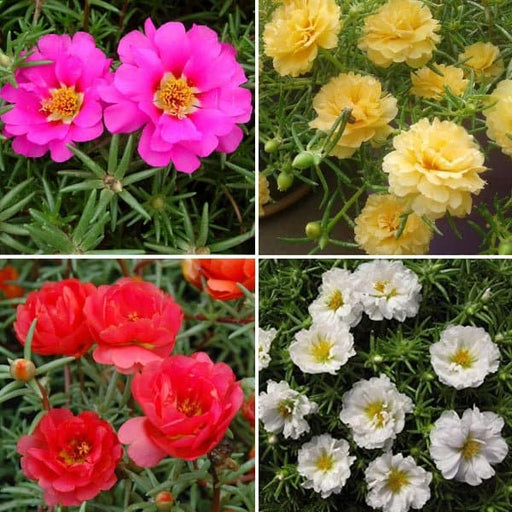
What does the All Season Flowering Plants collection offer?
This large collection of 136 flowering plants is curated to give colour across different times of the year and varied climates. It spans easy favourites like daisies to showy hibiscus, so you can keep your garden blooming through the seasons.
How do I choose from such a large collection?
Start by narrowing down your available sunlight, space and preferred bloom season, then filter for plants that match. Combining a few varieties with staggered flowering times is the best way to ensure year-round colour.
Are these flowering plants beginner-friendly?
The collection includes many resilient, adaptable varieties well suited to first-time gardeners alongside some that need more attention. Beginners should start with the hardier, low-maintenance options noted in each product's care details.
How much sunlight do these plants need?
Most flowering plants in this collection want plenty of sun, typically 5-6 hours of direct light for the best blooms. Check individual listings, as a few tolerate partial shade, and place each plant where it gets the light it prefers.
Which plants suit a sunny balcony or terrace?
Many compact and container-friendly flowering plants here thrive on sunny balconies and terraces. Choose varieties rated for pots, use well-draining mix and ensure the spot gets several hours of direct sun for continuous flowering.
Can I really have flowers all year round?
Yes, by combining varieties that bloom in different seasons you can keep colour going throughout the year. Plan a mix of summer, monsoon and winter bloomers so that as one fades another comes into flower.
How often should I water flowering plants from this group?
As a general rule, water when the top inch of soil feels dry, adjusting for season and plant type. Increase frequency in summer heat and reduce it during monsoon and winter to avoid waterlogging the roots.
Do these plants attract pollinators?
Many flowering plants in this collection attract bees, butterflies and other pollinators, supporting a healthier garden ecosystem. Planting a diverse mix boosts biodiversity and improves pollination across your whole garden.
What is the best season to start planting these in India?
The cooler months from October to February are ideal for establishing most flowering plants, though summer bloomers go in as the weather warms. Match each plant's blooming season to your planting time for the strongest results.
Which of these work as indoor flowering plants?
Most in this collection are sun-loving and flower best outdoors, but a few tolerate very bright indoor spots near windows. If you want indoor blooms, choose the varieties specifically noted for indirect light and rotate them to the balcony periodically.
How are these plants packaged and delivered?
Plants ship with the root ball secured and blooms protected against transit damage. On arrival, unbox promptly, water lightly and let each plant acclimatise in bright light for a day or two before planting into its final position.
Is it better value to buy several plants together?
Buying a mix of flowering plants lets you build a layered, all-season display that a single plant can't achieve, which many gardeners find better value. Combining early, mid and late bloomers spreads colour and cost across the year.
What soil and fertiliser do these flowering plants need?
Most prefer well-drained soil enriched with compost, and benefit from a flowering-plant fertiliser during their active growing season. Feed lightly and regularly rather than heavily, and always ensure the containers or beds drain freely.
How do I keep them blooming continuously?
Deadhead faded flowers regularly, feed during the growing season and give each plant the light it needs to encourage repeat flowering. Timely pruning and removing spent blooms redirect the plant's energy into producing more flowers.
Do these plants tolerate the Indian monsoon and heat?
The collection includes heat-tolerant and monsoon-hardy varieties, but individual needs differ, so check each listing. During heavy rain ensure good drainage to prevent root rot, and in peak heat provide extra water and some afternoon shade for sensitive plants.