
Expert Support
Available 24/7 via chat
Available 24/7 via chat
Kadamba holds a special place in the hearts of Indian gardeners—both for its cultural reverence and its spectacular fragrant flowers. As the sacred tree of the Satabisha Nakshatra and tree of Aquarius, it carries spiritual significance for those born under these signs. Whether you're drawn to its auspicious qualities or its aromatic blooms, growing Kadamba rewards you with a magnificent shade tree that connects you to centuries of Indian tradition.
Kadamba is a large, deciduous to semi-evergreen tree native to the Indian subcontinent and Southeast Asia. In Hindu and Buddhist traditions, it is deeply venerated—Lord Krishna is famously associated with the Kadamba tree of Mathura. The tree produces distinctive fragrant flower clusters that are highly aromatic, especially during the blooming season, filling gardens with their sweet fragrance.
As the tree of Aquarius (Kumbha Rashi) and the sacred nakshatra tree of Satabisha, planting Kadamba is considered spiritually auspicious for those born under these signs. Beyond its spiritual importance, it's a practical addition to Indian gardens—it provides good shade, supports local wildlife, and adapts well to Indian climate conditions.
| Care Aspect | Requirement |
|---|---|
| Light | Full sun (6-8 hours daily) |
| Water | Regular; more frequent in summer and monsoon |
| Soil | Well-draining, loamy; tolerates hard water |
| Temperature | Tropical; thrives in Indian heat |
Kadamba is a sun-loving tree and requires full sunlight to flourish. Plant it in a location that receives 6-8 hours of direct sunlight daily for optimal growth and blooming. In Indian gardens, especially in plains and subtropical regions, it adapts well to the intense midday sun once established. Young saplings benefit from partial afternoon shade during their first year to prevent sun stress, but mature trees thrive in open, unshaded positions.
Water requirements for Kadamba vary with the season and stage of growth:
Hard water commonly used in Indian households is generally tolerated by Kadamba, but ensure adequate drainage to prevent salt accumulation in the soil.
Kadamba adapts to various Indian soils but performs best in well-draining, loamy soil. If your garden has heavy clay soil, amend it with sand and organic compost to improve drainage. The tree is not highly demanding regarding fertility, but feeding enhances growth and blooming:
Kadamba is inherently suited to Indian tropical and subtropical climates. It thrives in the heat and is cold-sensitive below 10°C, making it ideal for most Indian regions except high-altitude areas. The tree benefits from the monsoon humidity typical of India and actually produces its best fragrant flowers during or just after the monsoon season when moisture and warmth combine. In dry regions, occasional misting during extreme heat can help, though it's not essential for established trees.
Kadamba is most easily propagated from seeds:
Air layering is also possible but more labor-intensive; seed propagation is the preferred method for home gardeners.
Ready to grow your own? Shop Kadamba at Nurserylive →
Kadamba - Tree of Satabisha Nakshatra (Aquarius/Kumbha Rashi) The Kadamba tree (Neolamarckia cadamba) is a revered plant associated with t...
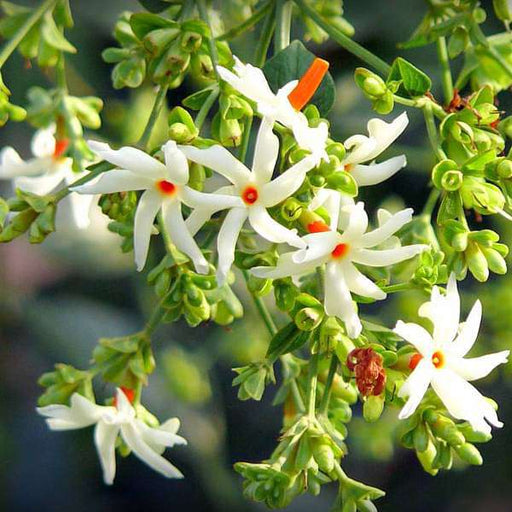
View full detailsCombo Constituents Includes the Parijat Tree (Night-Flowering Jasmine), a culturally significant plant with fragrant flowers. Description The Pari...
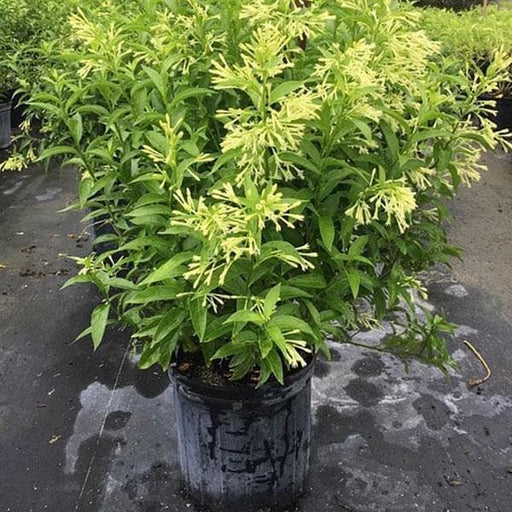
View full detailsDescription Raat Ki Rani (*Cestrum nocturnum*), also known as Night Blooming Jasmine, is a fragrant shrub native to the Caribbean and Central Ameri...
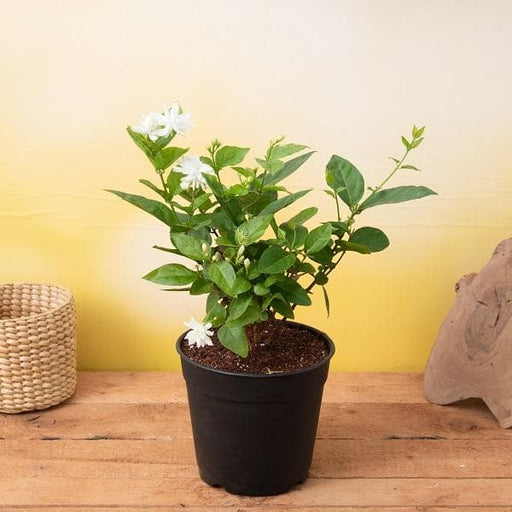
View full detailsJasminum sambac, Mogra, Arabian Jasmine - Plant Jasminum sambac, commonly known as Mogra or Arabian Jasmine, is a fragrant flowering plant...
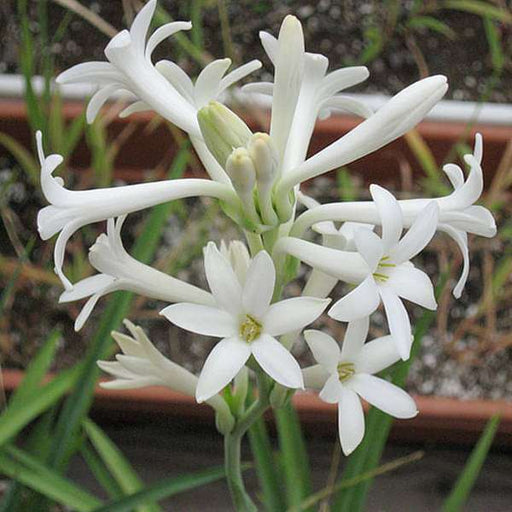
View full detailsRajnigandha, Tuberose - Plant The Rajnigandha, scientifically known as Polianthes tuberosa, is a captivating perennial plant renowned for ...
View full detailsCitronella, Odomas - Plant The Citronella plant, scientifically known as Cymbopogon nardus, is a tropical grass renowned for its aromatic ...
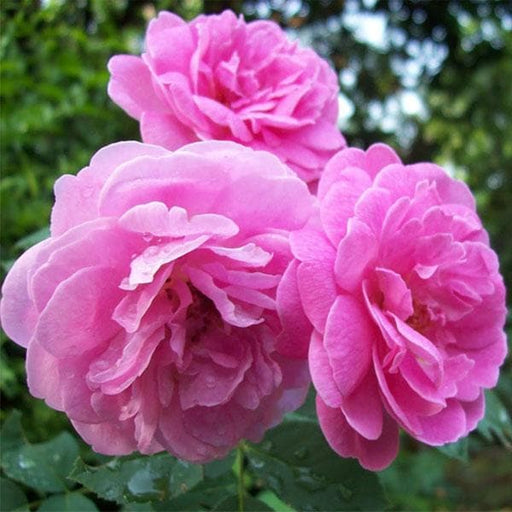
View full detailsDamascus Rose, Scented Rose (Any Color) - Plant The Damascus Rose, also known as Rosa damascena, is a timeless symbol of beauty and romanc...
View full detailsMiniature Rose, Button Rose (Any Color) - Plant The Miniature Rose, also known as the Button Rose, is a charming and compact flowering plant that ...
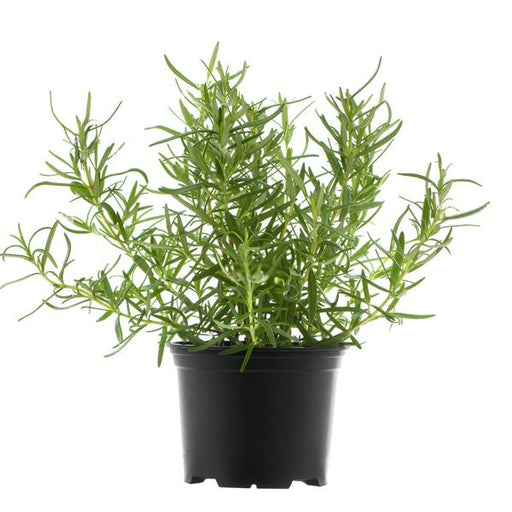
View full detailsRosemary - Plant Rosemary (Rosmarinus officinalis) is a fragrant evergreen herb native to the Mediterranean region. Known for its needle-like leav...
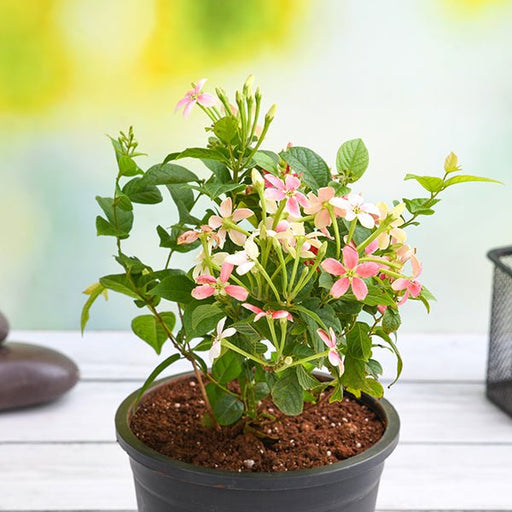
View full detailsMadhumalti Dwarf, Rangoon Creeper - Plant The Madhumalti Dwarf, also known as the Rangoon Creeper (Quisqualis indica), is a stunning perennial vin...
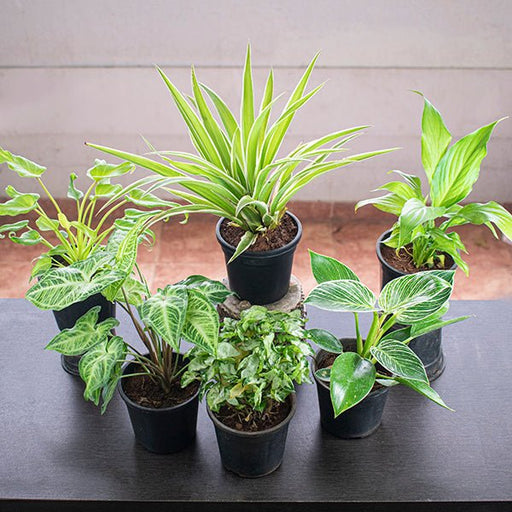
View full detailsBest 6 Plants for Perfect Indoor Garden Transform your living space into a lush oasis with our curated collection of the Best 6 Plants for a...
View full detailsBest 6 Plants for Perfect Indoor Garden Transform your living space into a lush oasis with our curated collection of the Best 6 Plants for a...
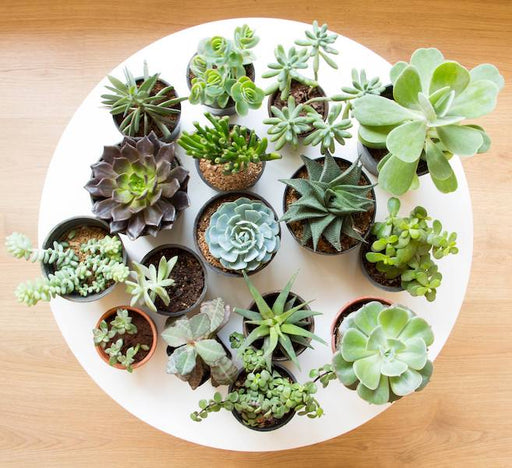
View full detailsMini Succulent Garden Pack Transform your space with our Mini Succulent Garden Pack, featuring a delightful collection of 4 any variety beautiful s...
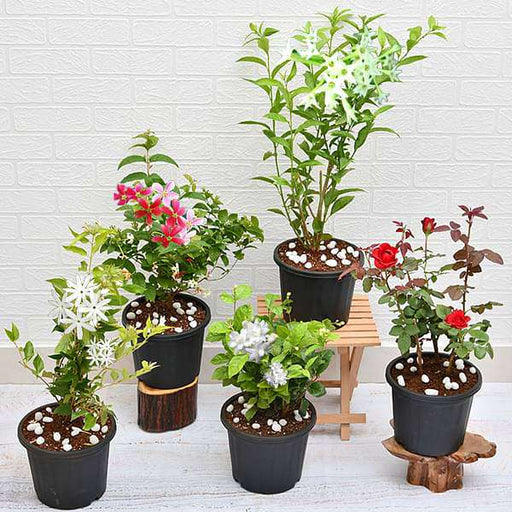
View full details5 Best Fragrant Plants Transform your garden or indoor space into a fragrant paradise with our curated selection of the 5 Best Fragrant Plants. Th...
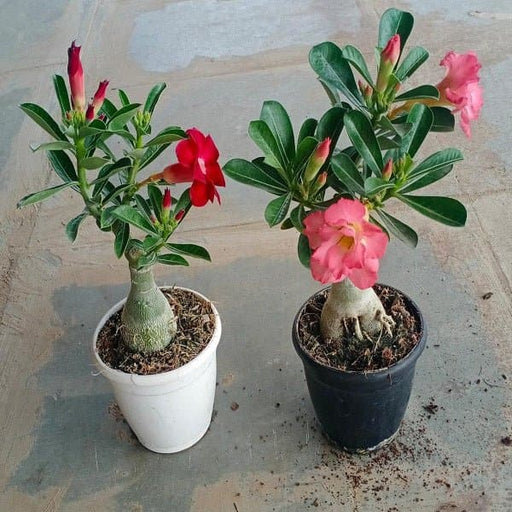
View full detailsSet of 2 Bonsai Looking Grafted Adeniums Transform your indoor or outdoor space with our exquisite Set of 2 Bonsai Looking Grafted Adenium...
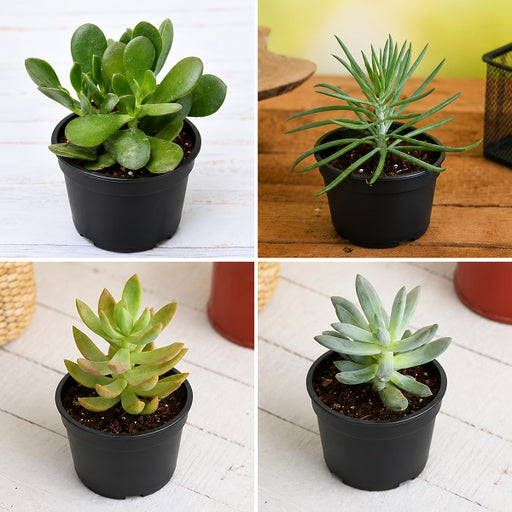
View full detailsTop 4 Die Hard Succulents Pack Note: Plants included in this pack will be delivered in a 3-inch nursery pot (any color). Transform your indoor or ...
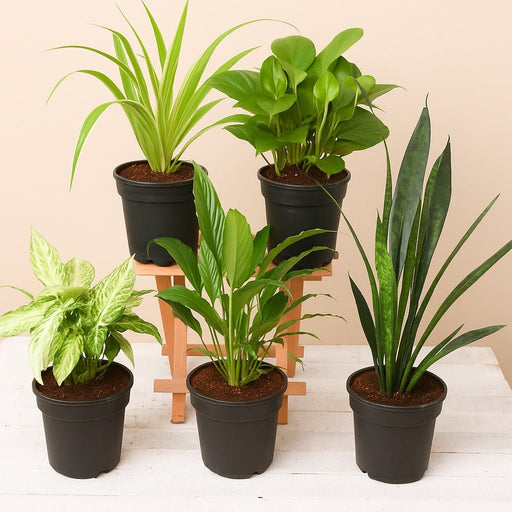
View full details5 Best Indoor Plants Pack Transform your living space into a lush oasis with our '5 Best Indoor Plants Pack.' This carefully curated collection fe...
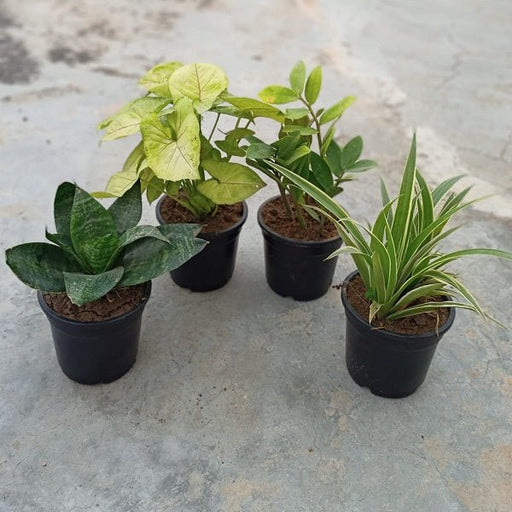
View full detailsSet of 4 Evergreen Air Purifier Plant Pack Transform your indoor space into a lush, green oasis with our Set of 4 Evergreen Air Purifier Pla...
View full detailsTop 5 Pollution Killer Plants Pack Transform your living space into a breath of fresh air with our 'Top 5 Pollution Killer Plants Pack'. This care...
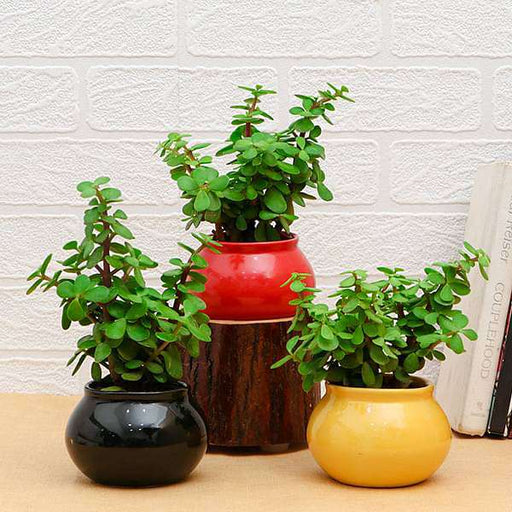
View full detailsPack of 3 Good Luck Jade Plants in Ceramic Pots Bring a touch of nature into your home with our Pack of 3 Good Luck Jade Plants, featuring...
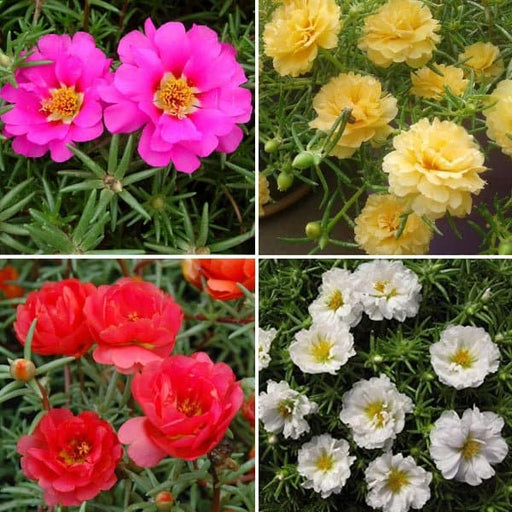
View full detailsPortulaca Garden Pack (4 Plants + 4 Black Pots) Note- You will get any color (Assorted) potted Porulaca plant with this pack. Transform your garde...
View full details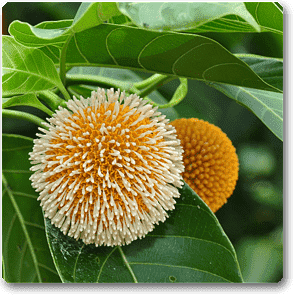






Leave a comment