Skip to content

Pandanus Plants

Result: 7 products. Pandanus Plants Collection Pandanus plants, commonly known as screw pines, are a unique and versatile addition to any garden or indoor space. With their striking foliag . . read more ›
Original price ₹ 439
Original price ₹ 439 - Original price ₹ 439
Original price ₹ 439
Current price ₹ 359
₹ 359 - ₹ 359
Current price ₹ 359

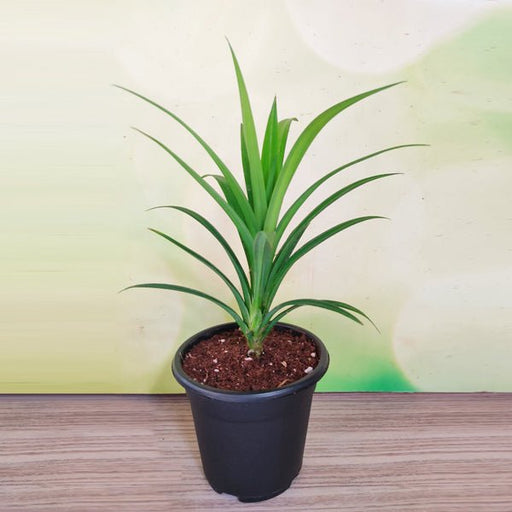
Pandanus amaryllifolius - Plant

Pandanus amaryllifolius - The Fragrant Pandan Plant Pandanus amaryllifolius, commonly known as the Pandan plant, is a tropical perennial r...

View full details
Original price ₹ 439
Original price ₹ 439 - Original price ₹ 439
Original price ₹ 439
Current price ₹ 359
₹ 359 - ₹ 359
Current price ₹ 359
Save 18% Save %
Original price ₹ 349
Original price ₹ 349 - Original price ₹ 349
Original price ₹ 349
Current price ₹ 259
₹ 259 - ₹ 259
Current price ₹ 259

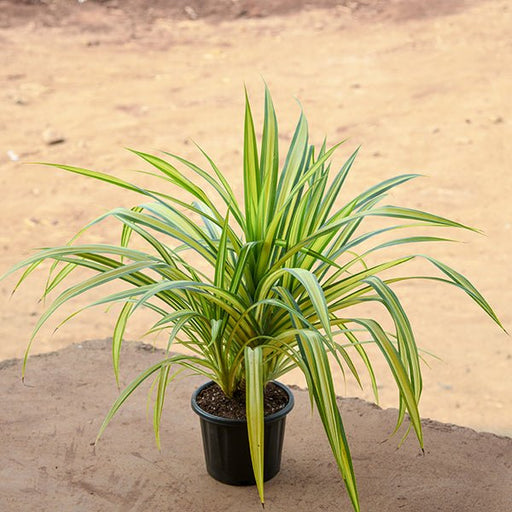
Pandanus Variegated (Golden) - Plant

Pandanus Variegated (Golden) - Plant The Pandanus Variegated, commonly known as the Golden Screw Pine, is a stunning tropical plant that c...

View full details
Original price ₹ 349
Original price ₹ 349 - Original price ₹ 349
Original price ₹ 349
Current price ₹ 259
₹ 259 - ₹ 259
Current price ₹ 259
Save 26% Save %
Original price ₹ 349
Original price ₹ 349 - Original price ₹ 349
Original price ₹ 349
Current price ₹ 249
₹ 249 - ₹ 249
Current price ₹ 249

Pandanus Variegated (Golden) Plant in 5 inch Pot

Pandanus Variegated (Golden) Plant in 5 inch (13 cm) Pot The Pandanus Variegated, commonly known as the Golden Screw Pine, is a stunning t...

View full details
Original price ₹ 349
Original price ₹ 349 - Original price ₹ 349
Original price ₹ 349
Current price ₹ 249
₹ 249 - ₹ 249
Current price ₹ 249
Save 29% Save %
Original price ₹ 7,999
Original price ₹ 7,999 - Original price ₹ 7,999
Original price ₹ 7,999
Current price ₹ 7,699
₹ 7,699 - ₹ 7,699
Current price ₹ 7,699

Attractive Foliage Plants for a Sunny Balcony Garden

Attractive Foliage Plants for a Sunny Balcony Garden Transform your sunny balcony into a vibrant oasis with our collection of Attractive F...

View full details
Original price ₹ 7,999
Original price ₹ 7,999 - Original price ₹ 7,999
Original price ₹ 7,999
Current price ₹ 7,699
₹ 7,699 - ₹ 7,699
Current price ₹ 7,699
Save 4% Save %
Original price ₹ 279 - Original price ₹ 279
Original price ₹ 279
₹ 279
₹ 279 - ₹ 279
Current price ₹ 279

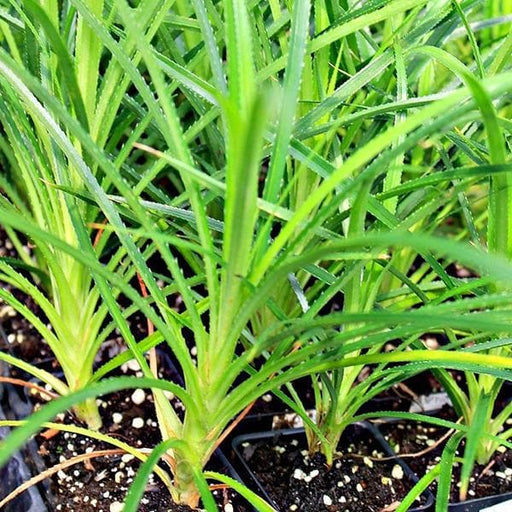
Kewda, Pandanus Pygmaeus - Plant

Kewda, Pandanus Pygmaeus - Plant The Kewda plant, scientifically known as Pandanus pygmaeus, is a tropical marvel renowned for its aromati...

View full details
Original price ₹ 279 - Original price ₹ 279
Original price ₹ 279
₹ 279
₹ 279 - ₹ 279
Current price ₹ 279
Sold out
Original price ₹ 1,745
Original price ₹ 1,745 - Original price ₹ 1,745
Original price ₹ 1,745
Current price ₹ 1,222
₹ 1,222 - ₹ 1,222
Current price ₹ 1,222

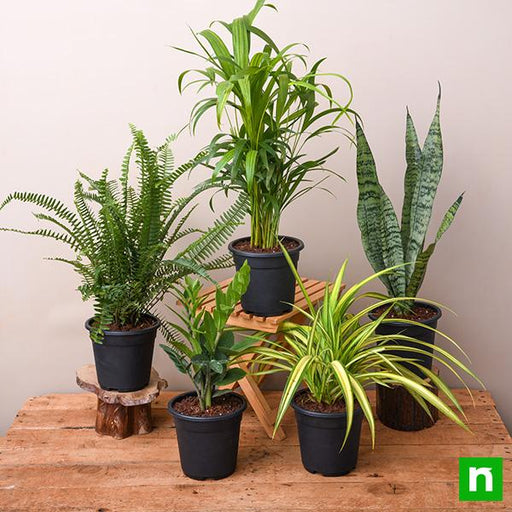
Top 5 Plants for Decoration on Auspicious Occasion

Top 5 Plants for Decoration on Auspicious Occasions Transform your space into a serene sanctuary with our carefully curated collection of th...

View full details
Original price ₹ 1,745
Original price ₹ 1,745 - Original price ₹ 1,745
Original price ₹ 1,745
Current price ₹ 1,222
₹ 1,222 - ₹ 1,222
Current price ₹ 1,222
Save 30% Save %
Original price ₹ 314 - Original price ₹ 314
Original price ₹ 314
₹ 314
₹ 314 - ₹ 314
Current price ₹ 314

Pandanus tectorius

Description Pandanus tectorius, commonly known as the screw pine, is a tropical plant native to coastal regions of the Pacific and Indian ...

View full details
Original price ₹ 314 - Original price ₹ 314
Original price ₹ 314
₹ 314
₹ 314 - ₹ 314
Current price ₹ 314
Sold out

Pandanus Plants Collection

Pandanus plants, commonly known as screw pines, are a unique and versatile addition to any garden or indoor space. With their striking foliage and distinctive growth patterns, these tropical plants are not only visually appealing but also serve various practical purposes. From culinary uses to natural air purifiers, Pandanus plants are a must-have for plant enthusiasts and eco-conscious individuals alike.

What makes Pandanus plants special is their adaptability to different environments. They thrive in both coastal and inland areas, making them suitable for a range of climates. Their long, sword-like leaves can grow up to 10 feet long, creating a dramatic focal point in any landscape. Additionally, these plants are known for their fragrant flowers and edible fruit, which are used in various culinary dishes across Southeast Asia.

Growing Pandanus plants is relatively easy, making them perfect for both novice and experienced gardeners. They prefer well-drained soil and can tolerate drought conditions once established. With proper care, these resilient plants can live for many years, providing beauty and utility to your home or garden.

Growing Instructions

  • Plant in well-drained soil with a pH of 6.0 to 7.5.
  • Water regularly, allowing the soil to dry out between waterings.
  • Provide full sun to partial shade for optimal growth.
  • Fertilize every 4-6 weeks during the growing season with a balanced fertilizer.

Care Instructions

  • Prune dead or damaged leaves to encourage new growth.
  • Monitor for pests such as spider mites and treat as necessary.
  • Protect from frost; bring indoors in colder climates.
  • Repot every 2-3 years to refresh soil and promote healthy growth.

Uses

  • Leaves are used in cooking for flavoring rice and desserts.
  • Fragrant flowers are often used in traditional ceremonies.
  • Can be used as a natural air purifier.
  • Provides shelter and habitat for wildlife.

Fun Facts

  • Pandanus plants can grow in a variety of soil types, including sandy and saline soils.
  • Some species can reach heights of up to 30 feet in their natural habitat.
  • The leaves are often used in traditional crafts, such as weaving mats and baskets.

Scientific Data and Historical Facts

Pandanus belongs to the family Pandanaceae and includes over 600 species, primarily found in tropical and subtropical regions. The most well-known species, Pandanus amaryllifolius, is celebrated for its culinary uses, particularly in Southeast Asian cuisine. Historically, these plants have been utilized for centuries in traditional medicine and as a source of food, showcasing their importance in various cultures.

Environmentally, Pandanus plants play a crucial role in coastal ecosystems. Their extensive root systems help stabilize sandy soils, preventing erosion and providing habitat for various marine and terrestrial species. By incorporating Pandanus plants into your garden, you contribute to biodiversity and support local wildlife, making them an eco-friendly choice for sustainable gardening.

Trending Collections

Pandanus plant care

Pandanus plants are a beautiful and unique addition to any garden or indoor space. Understanding the basics of pandanus plant care, including watering, fertilizing, and pruning, can help you keep your plants healthy and thriving.

Pandanus plant varieties

Pandanus plants come in a variety of shapes and sizes, making them a popular choice for adding some tropical flair to your space. Understanding the different types of pandanus plant varieties and how to choose the right one for your space can help you create a stunning and unique display.

Pandanus plant propagation

Pandanus plants can be propagated through cuttings or air layering, making them a great option for expanding your plant collection or sharing with friends. Understanding the different methods of pandanus plant propagation can help you create new plants and keep your collection growing.

Pandanus plant pests

Like all plants, pandanus plants can be susceptible to pests and diseases. Understanding the common pests that affect pandanus plants, including spider mites and mealybugs, and how to prevent and treat them can help you keep your plants healthy and thriving.

Pandanus plant uses

Pandanus plants have been used for centuries in traditional medicine and culinary practices. Understanding the different ways that pandanus plants can be used for medicinal or culinary purposes can help you appreciate the full value of this unique plant.

Pandanus plant size

Pandanus plants come in a range of sizes, from small and compact to large and bushy. Understanding the different sizes of pandanus plants and how to choose the right one for your space can help you create a balanced and visually appealing display.

Pandanus plant colors

Pandanus plants have a unique and striking appearance, with leaves that come in a range of colors, from green to yellow and even red. Understanding the different colors of pandanus plants and how to combine them in a visually appealing way can help you create a stunning and vibrant display.

Pandanus plant containers

Pandanus plants can be grown in containers, making them a great option for adding some tropical flair to your patio or balcony. Understanding the different types of pandanus plant containers and how to choose the right one for your space can help you create a beautiful and functional display.

Pandanus plant light requirements

Pandanus plants require bright, indirect light to thrive. Understanding the light requirements of pandanus plants and how to provide them with the right amount of light can help you keep your plants healthy and happy.

Pandanus plant soil requirements

Pandanus plants prefer well-draining soil that is rich in organic matter. Understanding the soil requirements of pandanus plants and how to choose the right soil for your plants can help you create a healthy and nutrient-rich growing environment.

Pandanus plant pruning

Pruning pandanus plants is important for maintaining their shape and promoting healthy growth. Understanding the proper way to prune pandanus plants and when to do so can help you keep your plants looking their best.

Pandanus plant companion planting

Pandanus plants can be grown alongside other plants in a technique called companion planting. Understanding the different plants that pair well with pandanus and how to create a beautiful and functional companion planting display can help you create a stunning and diverse garden.

Pandanus plant fertilizer

Pandanus plants benefit from regular fertilization to promote healthy growth and vibrant colors. Understanding the different types of fertilizer that are appropriate for pandanus plants and how to apply them can help you keep your plants looking their best.

Pandanus plant water requirements

Pandanus plants prefer consistent moisture but can be susceptible to root rot if overwatered. Understanding the water requirements of pandanus plants and how to provide them with the right amount of water can help you keep your plants healthy and thriving.

Pandanus plant temperature requirements

Pandanus plants prefer warm temperatures and can be damaged by frost. Understanding the temperature requirements of pandanus plants and how to protect them from extreme temperatures can help you keep your plants healthy and thriving.

Pandanus plant indoor care

Pandanus plants can be grown indoors, making them a great option for adding some tropical flair to your home or office space. Understanding the indoor care requirements of pandanus plants, including light, temperature, and humidity, can help you keep your plants healthy and thriving.

Pandanus plant outdoor care

Pandanus plants can also be grown outdoors, adding some vibrant tropical colors to your garden or landscape. Understanding the outdoor care requirements of pandanus plants, including soil, water, and light, can help you create a beautiful and thriving outdoor display.

Pandanus plant medicinal benefits

In addition to their ornamental value, pandanus plants have a long history of medicinal use in traditional medicine. Understanding the medicinal benefits of pandanus plants, including their potential to improve digestion and alleviate skin conditions, can help you appreciate the full value of this unique plant.

Pandanus plant symbolism

Like many plants, pandanus plants have cultural and symbolic significance. Understanding the different cultural and symbolic meanings of pandanus plants can help you appreciate their value beyond their ornamental beauty.

Pandanus plant history

Pandanus plants have a rich history that spans many cultures and traditions. Understanding the history of pandanus plants and their significance in different parts of the world can help you appreciate their unique beauty and cultural importance.

Save 40% with Gardening Solutions

Growing & care guide

Pandanus (screw pines) are dramatic architectural plants with strap-like, spirally-arranged leaves that create striking focal points; they adapt well to Indian heat and require moderate care once established.

Light
Bright light is necessary; variegated varieties especially need 4-6 hours of bright light daily to maintain color. They tolerate some direct morning sun but prefer filtered afternoon light in intense Indian climates.
Water
Water moderately when soil surface dries slightly; overwatering is the primary cause of failure. In monsoon or high-humidity regions, reduce frequency significantly to prevent root rot.
Soil & Feeding
Well-draining soil is essential—mix regular potting soil with extra perlite or sand. Feed monthly during growing season (March–September) with a balanced, diluted fertilizer.
Temperature & Humidity
Pandanus prefer warmth (18-28°C) and tolerate the heat well. They enjoy moderate to high humidity but are more forgiving than Aralias; occasional misting helps but is not critical.
Common Problems
Root rot from overwatering is the most common issue. Brown leaf tips often result from hard water, low humidity, or inconsistent watering. Spider mites may appear in very dry conditions.
Pro Tips
Pandanus grows slowly and takes years to reach full size—patience is required. Once established, they're low-maintenance and excellent for outdoor patio containers in protected spots. Avoid moving the plant frequently, as it resents disturbance.

Frequently asked questions

What are Pandanus plants?
Pandanus plants, also known as screw pine plants, are a type of tropical plant that produces long, spiky leaves and is often used for ornamental purposes.
What are the different types of Pandanus plants?
There are several species of Pandanus plants, including the Pandanus tectorius, Pandanus utilis, and Pandanus amaryllifolius.
How do I care for my Pandanus plant?
Pandanus plants require regular watering and fertilization, as well as protection from harsh sunlight and frost.
Can Pandanus plants be grown indoors?
Yes, Pandanus plants can be grown indoors as long as they are placed in a well-lit area away from direct sunlight.
How do I propagate my Pandanus plant?
Pandanus plants can be propagated from stem cuttings or by dividing the plant at the root system.
Can Pandanus plants be used for medicinal purposes?
Some traditional medicine practitioners use Pandanus plants for treating ailments such as fever, cough, and indigestion, but it is important to consult a medical professional before using any herbal remedies.
Can Pandanus plants be used for landscaping?
Yes, Pandanus plants can be used for landscaping and can be a great way to add a tropical touch to your outdoor space.
How do I choose the right variety of Pandanus plant for my garden?
Choose a variety of Pandanus plant that complements the existing plants in your garden and matches the style of your outdoor space.
Can Pandanus plants be grown from seeds?
Yes, Pandanus plants can be grown from seeds, but it is important to start the seeds indoors and transplant the seedlings when they are large enough.
How do I fertilize my Pandanus plant?
Fertilize your Pandanus plant with a balanced fertilizer once a month during the growing season.
How do I prune my Pandanus plant?
To prune your Pandanus plant, remove any dead or damaged leaves and trim back any overgrown stems.
Can Pandanus plants be used for container gardening?
Yes, Pandanus plants can be used for container gardening and can be a great way to add a tropical touch to your patio or balcony.
How do I prevent pests from damaging my Pandanus plant?
To prevent pests from damaging your Pandanus plant, use natural pest repellents or spray the plant with a mild soap solution.
How do I transplant my Pandanus plant?
To transplant your Pandanus plant, carefully remove the plant from its container or location and replant it in a larger pot or in the ground.
Can Pandanus plants be used for shade gardening?
Yes, Pandanus plants can be used for shade gardening and can be a great way to add a tropical touch to areas of your garden that receive little direct sunlight.
How do I overwinter my Pandanus plant?
To overwinter your Pandanus plant, move it indoors to a well-lit area and reduce watering frequency.
How do I train my Pandanus plant?
To train your Pandanus plant, gently tie the stems to a trellis or stake and prune any overly long or tangled stems.
How do I choose the right pot for my Pandanus plant?
Choose a pot that is large enough to accommodate the root system of your Pandanus plant and has drainage holes to prevent waterlogging.
Can Pandanus plants be used for indoor air purification?
Yes, Pandanus plants have been shown to have air-purifying properties and can be a great addition to indoor spaces.
How do I protect my Pandanus plant from cold weather?
Protect your Pandanus plant from cold weather by moving it indoors or covering it with a frost cloth.
How do I water my Pandanus plant?
Water your Pandanus plant regularly, but do not overwater as this can lead to root rot.
How do I propagate my Pandanus plant from cuttings?
To propagate your Pandanus plant from cuttings, take a stem cutting and place it in a jar of water until roots form. Then, transplant the cutting into soil.
Can Pandanus plants be used for cooking?
Yes, the leaves of the Pandanus amaryllifolius plant are used in Southeast Asian cooking as a flavoring agent.
How do I choose the right soil for my Pandanus plant?
Choose a well-draining soil that is rich in organic matter and has a pH level between 5.5 and 6.5.
How do I fertilize my Pandanus plant in a container?
Fertilize your Pandanus plant in a container with a balanced fertilizer once a month during the growing season.
How do I know when my Pandanus plant needs water?
Check the soil moisture level regularly and water your Pandanus plant when the soil feels dry to the touch.
How do I protect my Pandanus plant from pests and diseases?
To protect your Pandanus plant from pests and diseases, practice good hygiene, avoid overwatering, and use natural pest repellents when necessary.
Can Pandanus plants be used for mixed container gardens?
Yes, Pandanus plants can be used in mixed container gardens and can be a great way to add a tropical touch to your outdoor space.
How do I choose the right location for my Pandanus plant?
Choose a location that provides partial shade and is protected from harsh winds and frost.
Can Pandanus plants be used for water gardens?
Yes, some species of Pandanus plants can be used in water gardens and can be a great way to add a tropical touch to your aquatic environment.
Fully-Grown Plants

Nursery-mature, not 4-inch saplings

Next-Day Delivery

At your door tomorrow — not a 4–7 day wait

Nursery-Fresh

Ready to flourish, no growing-in

Lowest Prices

Straight from local growers