What are Vinca seeds, and why are they popular in India?
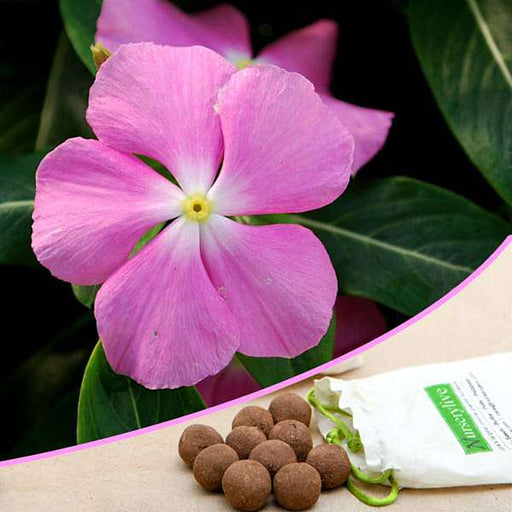
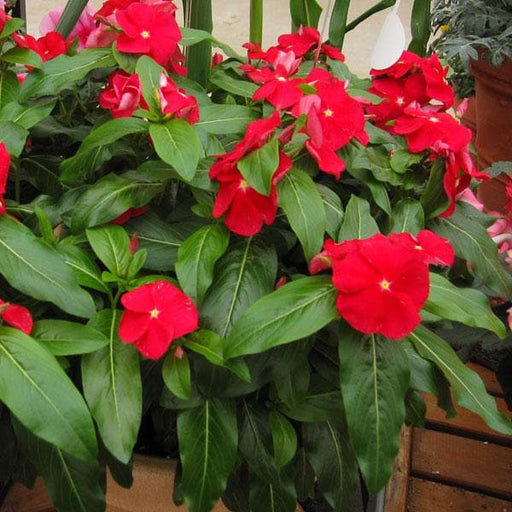
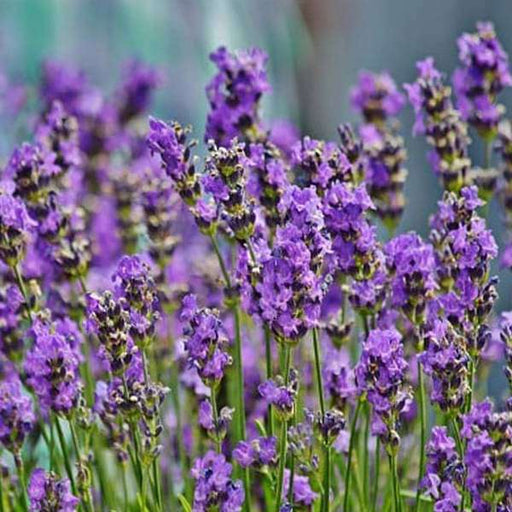
Vinca seeds are the seeds of flowering plants belonging to the genus Catharanthus. They are popular in India due to their heat and drought tolerance, easy cultivation, and low maintenance requirements. The plants produce vibrant, colorful blooms throughout the year, making them a favorite choice for gardens, balconies, and landscapes in India.
What are the different types of Vinca plants available in India?
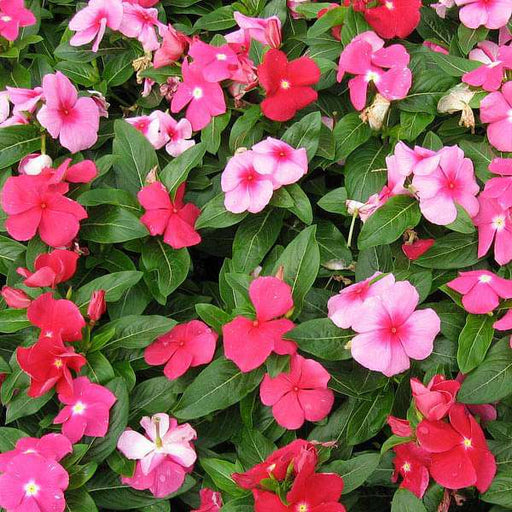
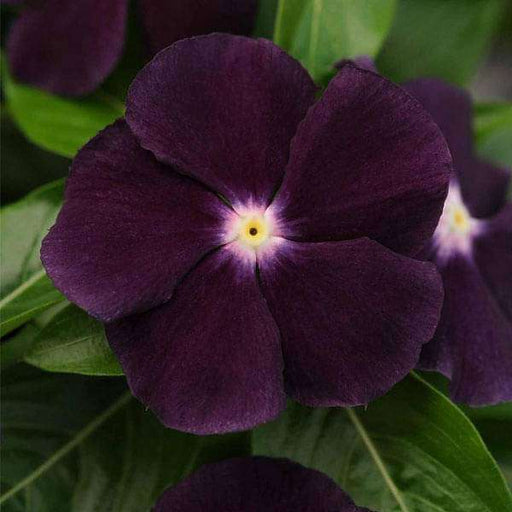
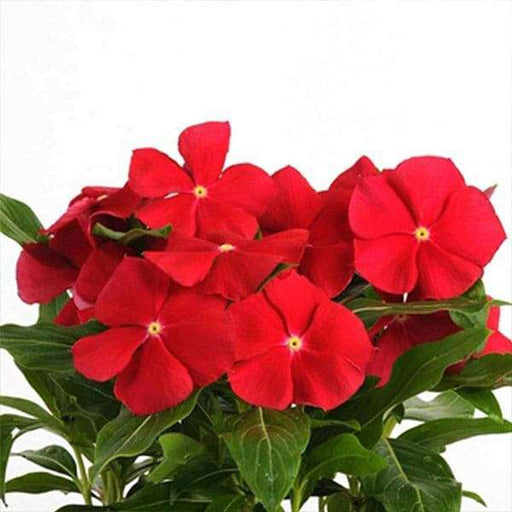
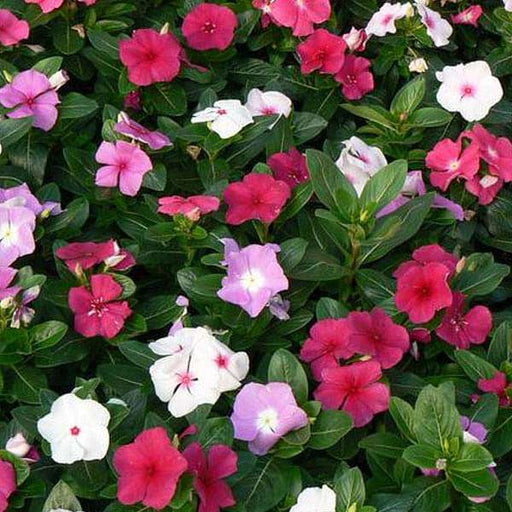
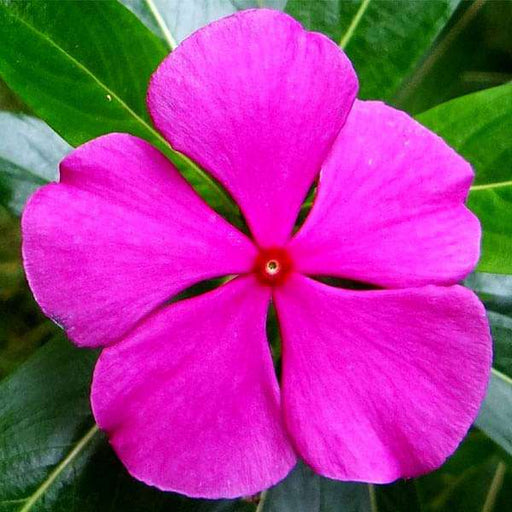
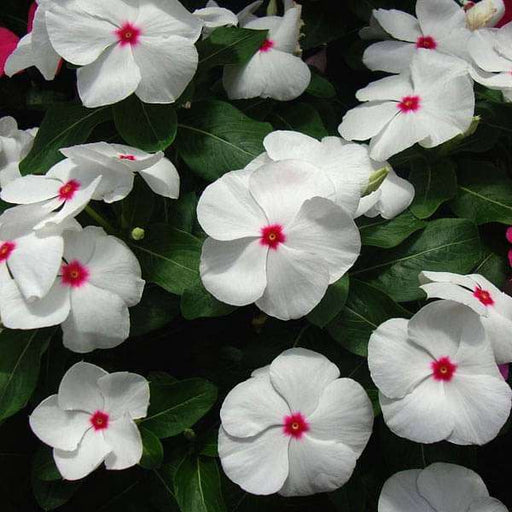
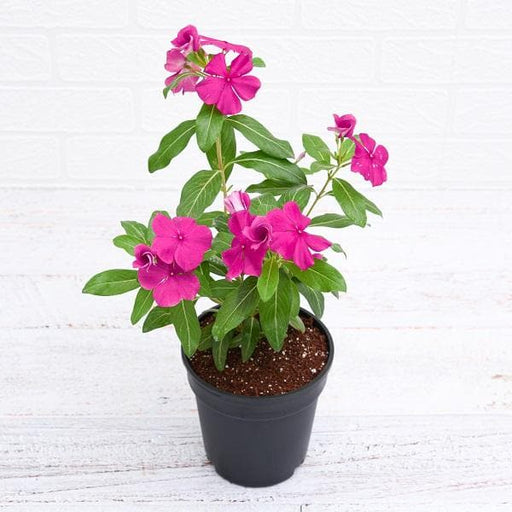
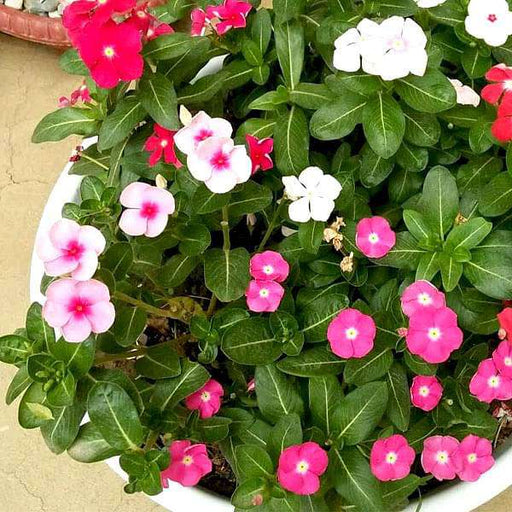
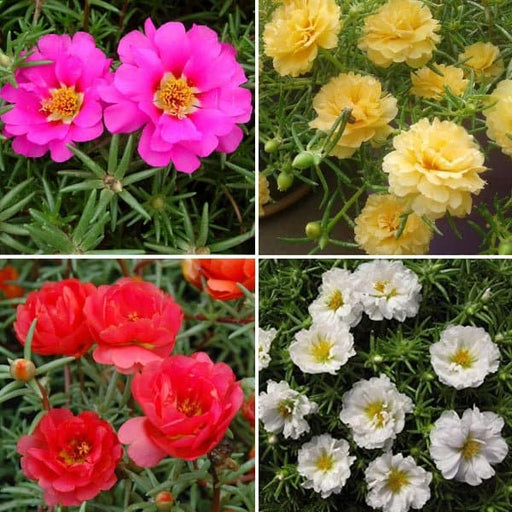
India boasts a wide variety of Vinca plants, including annual and perennial species. Popular varieties include Vinca rosea (Catharanthus roseus), Vinca major, and Vinca minor. These plants produce blooms in colors such as pink, white, purple, and red, making them a versatile choice for Indian gardens.
How do I sow Vinca seeds in my garden?
To sow Vinca seeds, choose a well-draining soil mix, and sow them 1/8 inch deep in seed trays or pots. Place the containers in a warm, bright location and keep the soil consistently moist but not waterlogged. Germination should occur within 10-14 days. After the seedlings develop 2-3 sets of leaves, you can transplant them outdoors, spacing them 8-12 inches apart.
When is the best time to sow Vinca seeds in India?
The ideal time to sow Vinca seeds in India is during the winter months, from October to December. This allows the seedlings to establish themselves and be ready for transplanting during the early spring months when temperatures are mild, ensuring a healthy and robust growth period.
What are the ideal growing conditions for Vinca plants in India?
Vinca plants thrive in well-draining, fertile soil with a pH range of 6.0 to 6.5. They prefer full sun to light shade, and consistent watering to keep the soil evenly moist. Vinca plants are heat and drought-tolerant, making them well-suited for the Indian climate.
How do I care for my Vinca plants after they've been transplanted outdoors?
Vinca plant care includes regular watering to keep the soil moist, but not waterlogged, as well as the application of a balanced liquid fertilizer every 4-6 weeks. Prune and pinch back the plants to encourage bushy growth and more blooms. Regularly remove spent flowers to promote continuous blooming.
Are Vinca plants susceptible to any diseases or pests in India?
Vinca plants may occasionally encounter pests such as aphids, spider mites, and whiteflies. You can control these pests with organic insecticidal soap or neem oil sprays. Diseases affecting Vinca plants include root rot, fungal leaf spots, and blight. Proper plant spacing, good air circulation, and careful watering can help prevent these issues.
Can Vinca plants be grown in containers?
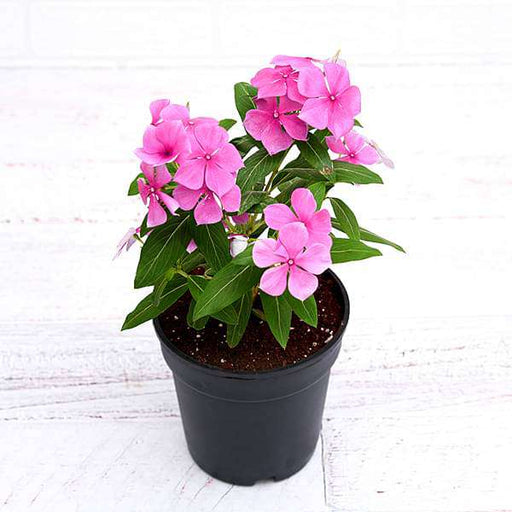
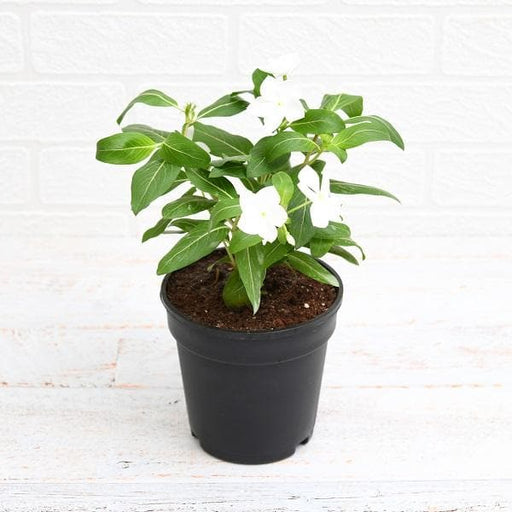
Absolutely! Vinca plants are well-suited for container gardening. Use a well-draining soil mix and select a container with drainage holes. Ensure the pot is large enough to accommodate the mature plant size, and provide regular care and maintenance, just as you would for in-ground plantings.
Are Vinca plants toxic to pets or humans?
Yes, Vinca plants contain alkaloids that can be toxic if ingested by pets or humans. While the risk of poisoning is low, it's essential to keep children and pets away from these plants and to handle them with care.
How can I save Vinca seeds for future planting?
To save Vinca seeds for future planting, allow a few flowers to mature and fade on the plant. Once the seed pods turn brown and dry, carefully collect them, taking care not to crush the pods. Open the pods and remove the seeds, then store them in a cool, dry, and dark place in a labeled, airtight container. Vinca seeds can remain viable for up to 3 years when stored properly.
Do Vinca plants attract pollinators to the garden?
Yes, Vinca plants produce nectar-rich blooms that attract pollinators like butterflies, bees, and hummingbirds. Their vibrant colors and continuous blooming make them an excellent addition to any pollinator-friendly garden.
Can Vinca plants be used for ground cover?
Vinca minor and Vinca major are both excellent choices for ground cover in India. They form dense mats of evergreen foliage, effectively suppressing weeds and helping to prevent soil erosion. Vinca ground covers are especially useful in shady areas where other plants may struggle to grow.
What is the average height and spread of Vinca plants?
Vinca plants can vary in size depending on the species and variety. Vinca rosea (Catharanthus roseus) typically grows 12-24 inches tall and spreads 8-12 inches wide. Vinca minor and Vinca major, commonly used as ground covers, generally reach heights of 6-8 inches and can spread several feet.
How do I propagate Vinca plants from cuttings?
To propagate Vinca plants from cuttings, take 4-6 inch stem cuttings from healthy, non-flowering shoots. Remove the lower leaves and dip the cut end in rooting hormone. Plant the cuttings in a moist, well-draining soil mix, and keep them in a warm, bright location. Keep the soil consistently moist, and roots should develop within 4-6 weeks.
Can Vinca plants be grown indoors as houseplants?
Vinca plants can be grown indoors as houseplants, provided they receive adequate light and proper care. Place them in a bright location, preferably near a south or west-facing window, and maintain consistent watering and fertilizing routines. Monitor for pests and diseases, as indoor conditions can sometimes lead to infestations or fungal problems.
What is the lifespan of a Vinca plant?
The lifespan of a Vinca plant depends on the species and growing conditions. Annual Vinca species, like Vinca rosea (Catharanthus roseus), complete their life cycle within one growing season. Perennial species like Vinca minor and Vinca major can live for several years, providing long-lasting ground cover and foliage interest in the garden.
Do Vinca plants require fertilization?
Vinca plants benefit from regular fertilization to support healthy growth and abundant blooming. Apply a balanced, slow-release granular fertilizer at planting time, and then use a liquid fertilizer every 4-6 weeks throughout the growing season.
Can Vinca plants tolerate drought conditions?
Vinca plants are known for their drought tolerance, making them an excellent choice for low-water gardens and xeriscaping. While they prefer consistent moisture, they can withstand periods of dryness once established. However, extended drought conditions may reduce blooming and overall plant vigor.
Can Vinca plants be used in hanging baskets?
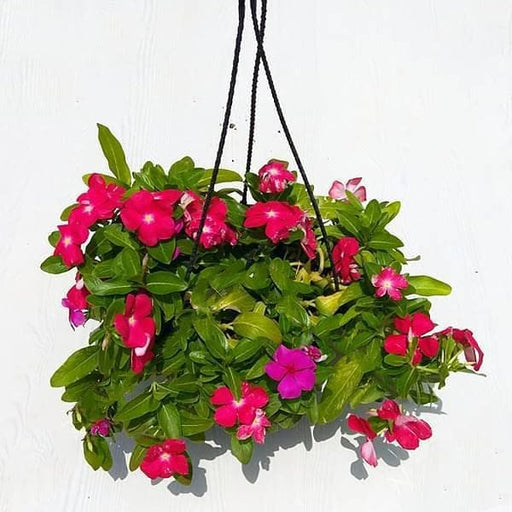
Vinca plants can make a lovely addition to hanging baskets, thanks to their colorful blooms and trailing growth habit. Choose a well-draining soil mix and a basket with drainage holes to ensure proper moisture management. Provide regular watering, fertilization, and maintenance to keep your hanging Vinca plants healthy and vibrant. Vinca major and trailing varieties of Vinca rosea (Catharanthus roseus) are particularly well-suited for hanging basket culture.
What is the best way to purchase Vinca seeds in India?
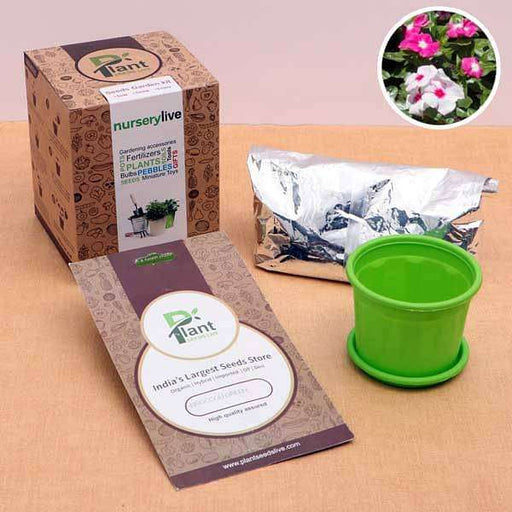
The most convenient way to purchase Vinca seeds in India is through online retailers like NurseryLive. We offer a wide selection of Vinca seeds, including different varieties and colors to suit your gardening needs. Shopping with NurseryLive ensures high-quality seeds, reliable customer support, and secure shipping, so you can confidently grow your Vinca plants and create a stunning garden display.