
Expert Support
Available 24/7 via chat
Available 24/7 via chat
Passion fruit, or Krishna Fal as it's known in India, is a spectacular vining plant that rewards gardeners with beautiful fragrant flowers and delicious, nutrient-rich fruits. Whether you're a seasoned gardener or just starting out, this easy-to-cultivate climber is perfect for Indian homes—it grows year-round, adapts well to containers, and produces abundant fruit with minimal fuss. The sweet-tart flavor of ripe passion fruit is addictive, and there's nothing quite like harvesting fruit you've grown yourself on your own terrace or balcony.
Passion fruit is a vigorous perennial climber that produces stunning, sweetly scented flowers followed by wrinkled, egg-shaped fruits bursting with juicy seeds. In India, it thrives in warm climates and is increasingly popular among home gardeners who want to maximize their growing space with productive fruit vines. Our seed-grown plants start at just 12 inches (30 cm) tall with a 5-inch (13 cm) spread, making them easy to establish and train as they mature. The plant is incredibly adaptable—it grows beautifully in pots, can be trained on trellises or walls, and will fruit reliably if given the basics it needs: light, water, and warmth.
| Care Factor | Requirements |
|---|---|
| Light | Bright, indirect light; 6+ hours of direct sun daily |
| Water | Keep soil consistently moist during growing season; reduce in winter |
| Soil | Well-draining, fertile loam; pH 6.5-7.5 |
| Temperature | Warm tropical climate; protect from frost |
Passion fruit is a sun-lover and needs at least 6 hours of direct sunlight daily to flower and fruit prolifically. In India's intense summer sun, this is rarely a challenge—most gardens and terraces receive plenty of bright light. The key is consistency: ensure your plant gets steady daylight year-round. If you're growing in containers, position them on an east or west-facing balcony or terrace where they'll catch good morning or afternoon sun. Even during India's monsoon season when cloud cover increases, passion fruit will continue to grow and eventually flower. If your plant looks leggy or produces few flowers, it's likely not getting enough light—moving it to a sunnier spot is usually the quickest fix.
Passion fruit prefers consistently moist soil during its active growing season, which in India is most of the year thanks to your warm climate. Water deeply when the top inch of soil feels dry to the touch, typically every 2-3 days in summer and slightly less frequently as temperatures cool. During the monsoon, reduce watering since rainfall will keep soil moist—overwatering is the most common cause of root rot in passion fruit, especially if drainage isn't perfect. If you're growing in containers, use pots with drainage holes and add a saucer to catch excess water. Hard water (high mineral content) is common in many Indian regions and rarely bothers passion fruit, but if you notice salt crusts building up on the soil surface, occasionally water with collected rainwater to flush minerals through. Never let soil dry out completely, but equally, don't waterlog it.
Passion fruit thrives in well-draining, fertile soil rich in organic matter. Use a loam-based potting mix amended with compost or aged manure—this gives the vine the nutrition and structure it needs to establish quickly and fruit heavily. For container plants, a soil mix of equal parts loam, compost, and coarse sand works beautifully. The plant prefers a slightly acidic to neutral soil pH (6.5-7.5). During the growing season, feed every 2-3 weeks with a balanced, diluted fertilizer or switch to a fruiting formula higher in potassium and phosphorus once flowering begins. Potassium especially boosts fruit quality and sweetness. In India's warm climate, passion fruit grows year-round, so continue light feeding through autumn and winter—just reduce frequency. A layer of mulch around the base helps retain moisture and adds organic matter as it breaks down, improving soil fertility over time.
Passion fruit is a tropical fruit and loves warmth. It thrives in India's hot season and grows vigorously through summer, monsoon, and autumn. The plant tolerates a wide range of humidity levels, making it ideal for both humid coastal regions and drier inland areas. In most of India, frost is not a concern—passion fruit is sensitive to cold and won't survive freezing temperatures, but outside extreme northern zones during winter, this rarely matters. High humidity, especially during monsoon, can occasionally encourage fungal issues, so ensure good air circulation by pruning away crowded growth and avoiding overhead watering in humid weather. If you're in a very dry region, misting foliage occasionally helps, though this plant is quite drought-tolerant once established.
Passion fruit is most easily propagated from seed. Extract fresh seeds from ripe fruits, wash away the pulp thoroughly, and dry them for a few days. Soak seeds in warm water for a few hours to soften the seed coat, then sow them into a seed-starting mix kept warm and moist. Seeds typically germinate within 2-3 weeks in warm conditions. Our seed-grown plants get a head start in the nursery—you'll receive vigorous young plants ready to establish quickly in your garden or container. You can also propagate from semi-ripe cuttings taken in spring or summer; use rooting hormone and a humid propagation box for best results. Once established, passion fruit plants often self-seed if ripe fruits fall and split on moist soil, giving you bonus baby plants to share or relocate.
Yellow leaves and slow growth: Usually indicate overwatering or poor drainage. Check that your pot drains freely and water only when the top soil is dry to the touch. Ensure the root zone isn't permanently soggy.
Few or no flowers: The plant isn't receiving enough light. Move it to a brighter spot and be patient—flowering typically begins within a few months of improved conditions.
Leaf spots or powdery coating: These fungal issues are more common in high humidity. Improve air circulation, reduce overhead watering, and remove affected leaves promptly. A light sulfur spray (readily available in India and organic-safe) can help if the problem persists.
Pests: Passion fruit occasionally attracts spider mites or scale insects. Regular misting with water or organic neem oil spray keeps pest pressure low. Heavy infestations are rare but respond well to horticultural oil.
Poor fruit set: This usually means flowers aren't being pollinated. In containers, manually pollinate flowers with a small brush, or place the plant where bees and butterflies can visit—they're excellent natural pollinators.
Train and support: Passion fruit is a climber and benefits greatly from structure. Tie young stems to a bamboo stick or small trellis as they grow. As the vine matures, it'll need sturdier support—a wall-mounted frame or sturdy trellis keeps fruit off the ground and improves air circulation.
Prune after fruiting: Once you've harvested the season's fruit, cut back overlong or tangled stems. This encourages bushy regrowth and sets up the plant for heavier flowering the following season.
Harvest when ripe: Passion fruit is ready to eat when the skin is deeply wrinkled and it yields slightly to gentle pressure. The flavor intensifies as the fruit darkens. Let fruits ripen on the vine if possible for maximum sweetness.
Use rainwater when possible: In regions with hard water, collecting and using rainwater reduces mineral buildup in the soil and keeps your plant thriving long-term. It's especially useful for container plants where salt accumulation can become an issue.
Year-round fruiting: Unlike many fruit plants, passion fruit grows and produces year-round in India. Your plant will flower and fruit multiple times, especially with regular feeding. You'll enjoy several harvests throughout the year from a single, productive vine.
Ready to grow your own? Shop Passion Fruit at Nurserylive →
Passion Fruit Plant, Krishna Fal (Grown through Seeds) The Passion Fruit Plant, also known as Krishna Fal, is a tropical vine renowned for...
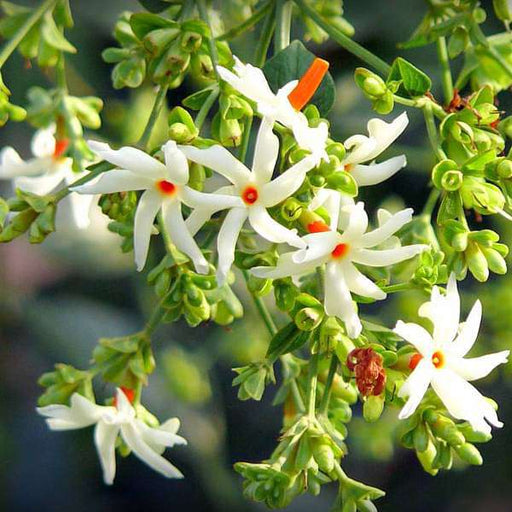
View full detailsCombo Constituents Includes the Parijat Tree (Night-Flowering Jasmine), a culturally significant plant with fragrant flowers. Description The Pari...
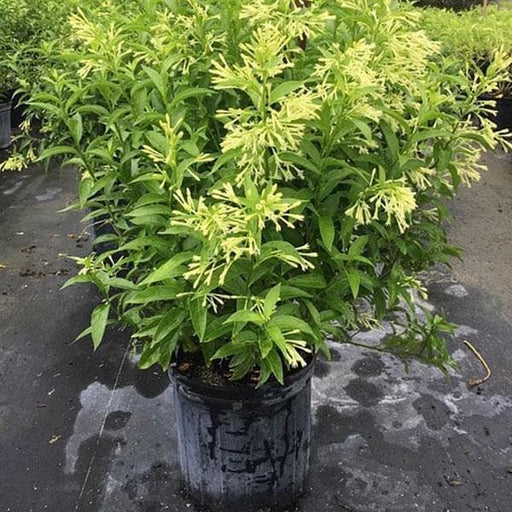
View full detailsDescription Raat Ki Rani (*Cestrum nocturnum*), also known as Night Blooming Jasmine, is a fragrant shrub native to the Caribbean and Central Ameri...
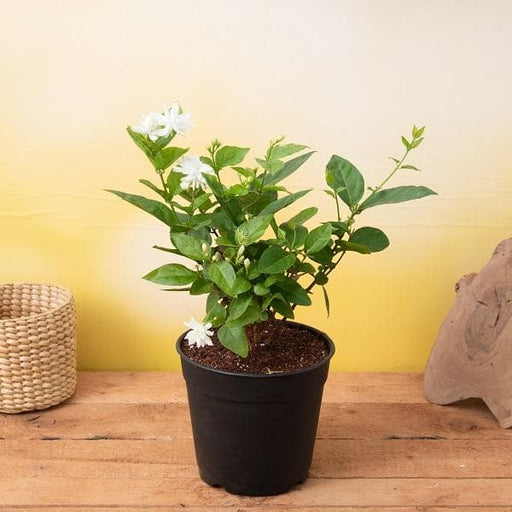
View full detailsJasminum sambac, Mogra, Arabian Jasmine - Plant Jasminum sambac, commonly known as Mogra or Arabian Jasmine, is a fragrant flowering plant...
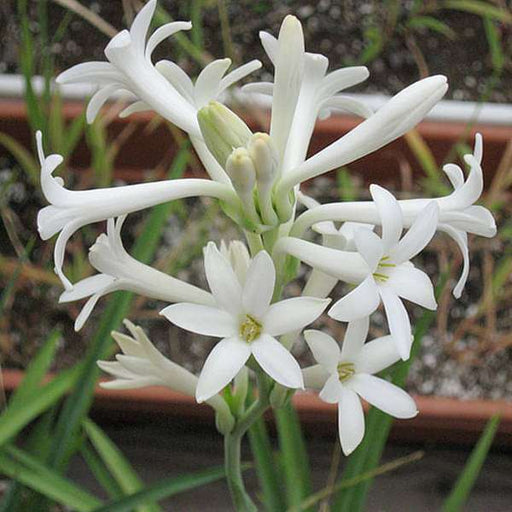
View full detailsRajnigandha, Tuberose - Plant The Rajnigandha, scientifically known as Polianthes tuberosa, is a captivating perennial plant renowned for ...
View full detailsCitronella, Odomas - Plant The Citronella plant, scientifically known as Cymbopogon nardus, is a tropical grass renowned for its aromatic ...
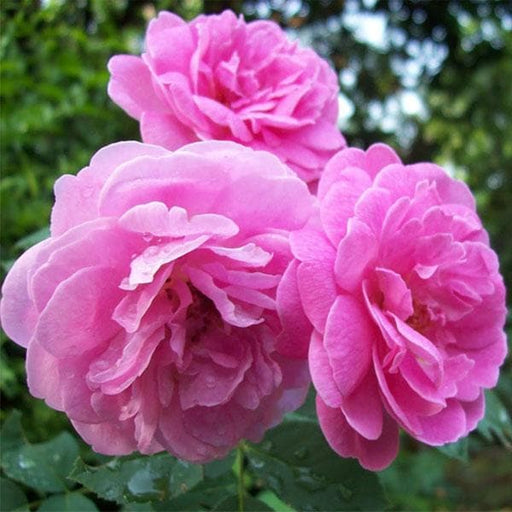
View full detailsDamascus Rose, Scented Rose (Any Color) - Plant The Damascus Rose, also known as Rosa damascena, is a timeless symbol of beauty and romanc...
View full detailsMiniature Rose, Button Rose (Any Color) - Plant The Miniature Rose, also known as the Button Rose, is a charming and compact flowering plant that ...
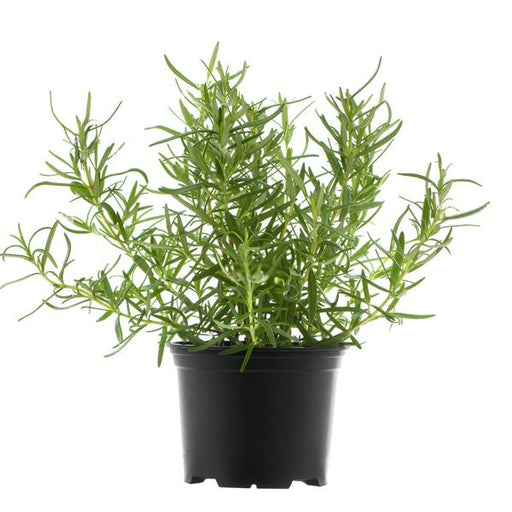
View full detailsRosemary - Plant Rosemary (Rosmarinus officinalis) is a fragrant evergreen herb native to the Mediterranean region. Known for its needle-like leav...
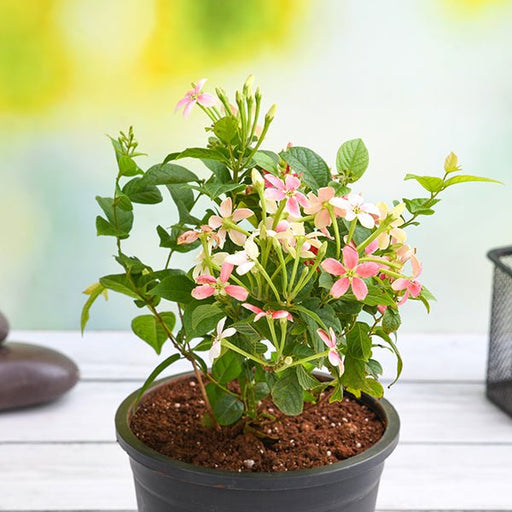
View full detailsMadhumalti Dwarf, Rangoon Creeper - Plant The Madhumalti Dwarf, also known as the Rangoon Creeper (Quisqualis indica), is a stunning perennial vin...
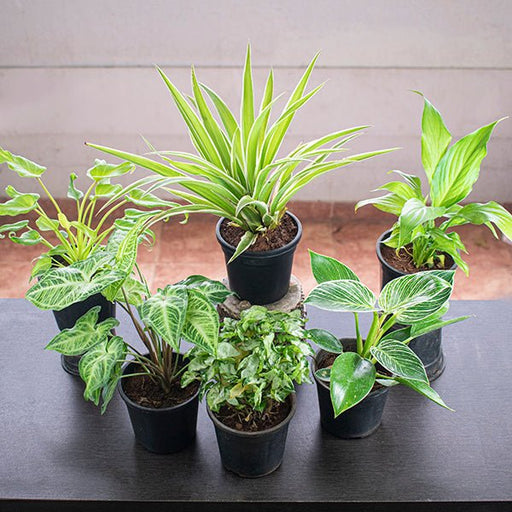
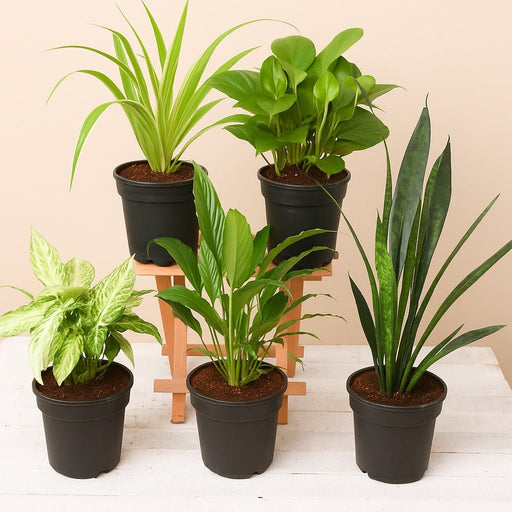
View full detailsBest 6 Plants for Perfect Indoor Garden Transform your living space into a lush oasis with our curated collection of the Best 6 Plants for a...
View full detailsBest 6 Plants for Perfect Indoor Garden Transform your living space into a lush oasis with our curated collection of the Best 6 Plants for a...
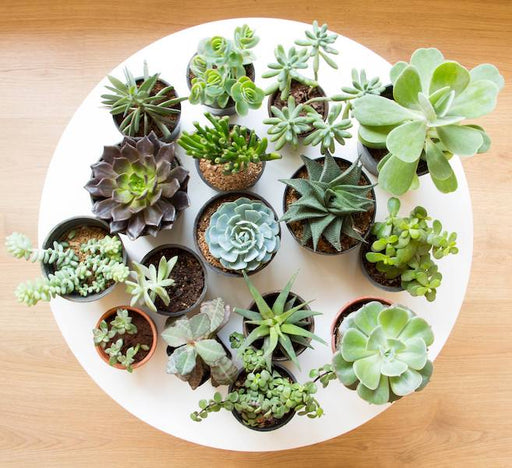
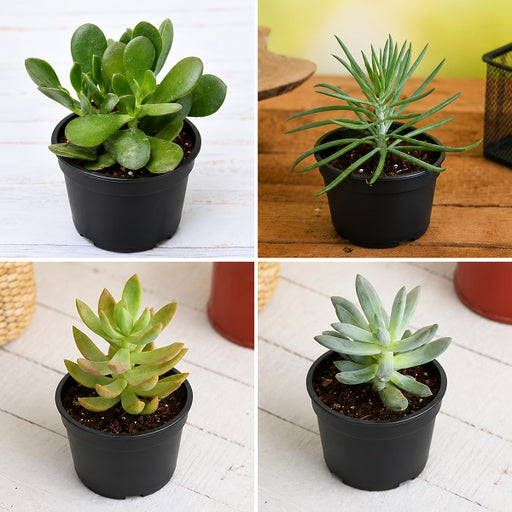
View full detailsMini Succulent Garden Pack Transform your space with our Mini Succulent Garden Pack, featuring a delightful collection of 4 any variety beautiful s...
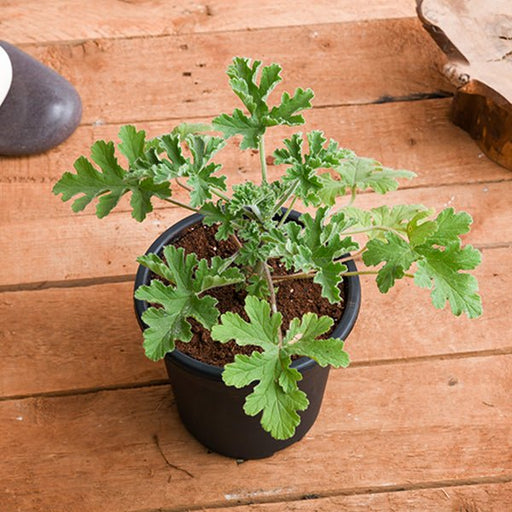
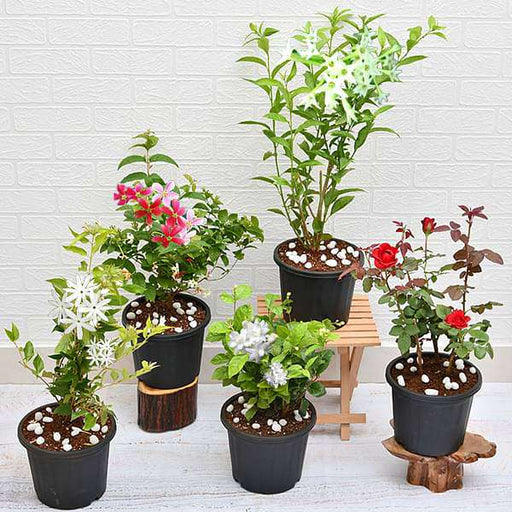
View full details5 Best Fragrant Plants Transform your garden or indoor space into a fragrant paradise with our curated selection of the 5 Best Fragrant Plants. Th...
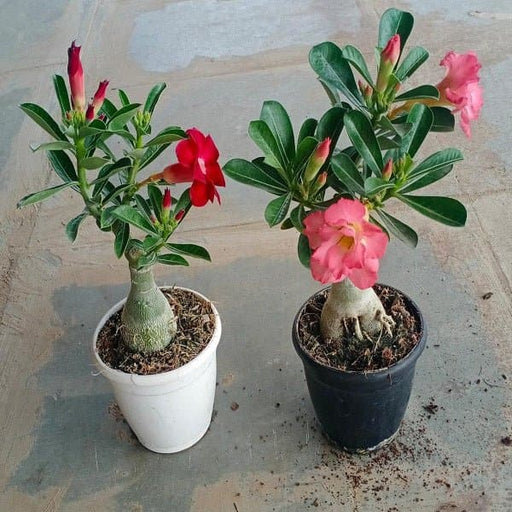
View full detailsSet of 2 Bonsai Looking Grafted Adeniums Transform your indoor or outdoor space with our exquisite Set of 2 Bonsai Looking Grafted Adenium...
View full detailsTop 4 Die Hard Succulents Pack Note: Plants included in this pack will be delivered in a 3-inch nursery pot (any color). Transform your indoor or ...
View full details5 Best Indoor Plants Pack Transform your living space into a lush oasis with our '5 Best Indoor Plants Pack.' This carefully curated collection fe...
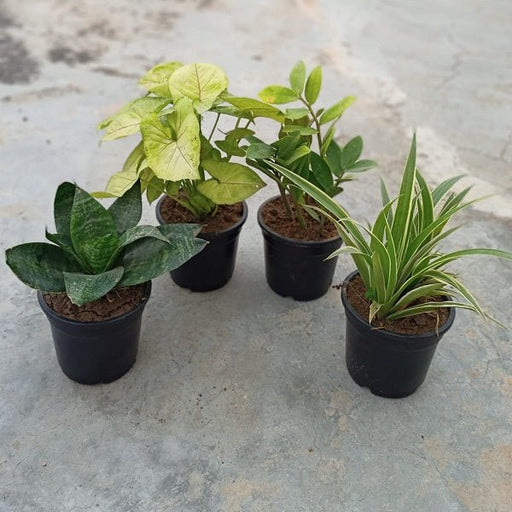
View full detailsSet of 4 Evergreen Air Purifier Plant Pack Transform your indoor space into a lush, green oasis with our Set of 4 Evergreen Air Purifier Pla...
View full detailsTop 5 Pollution Killer Plants Pack Transform your living space into a breath of fresh air with our 'Top 5 Pollution Killer Plants Pack'. This care...
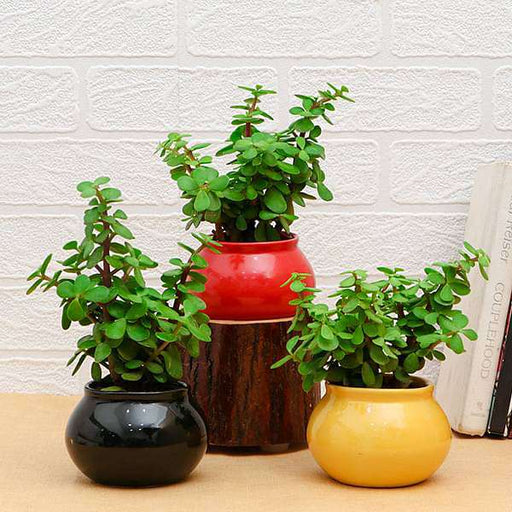
View full detailsPack of 3 Good Luck Jade Plants in Ceramic Pots Bring a touch of nature into your home with our Pack of 3 Good Luck Jade Plants, featuring...
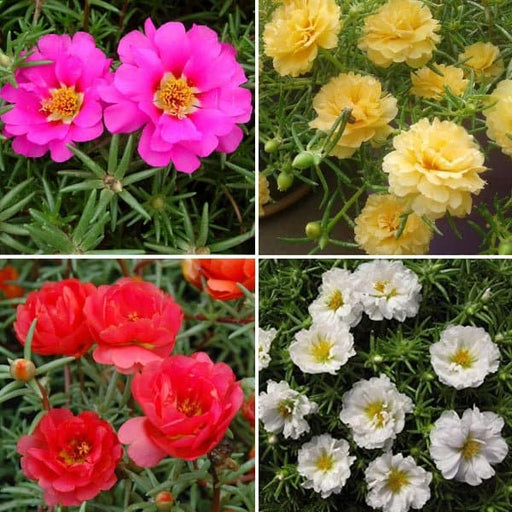
View full detailsPortulaca Garden Pack (4 Plants + 4 Black Pots) Note- You will get any color (Assorted) potted Porulaca plant with this pack. Transform your garde...
View full details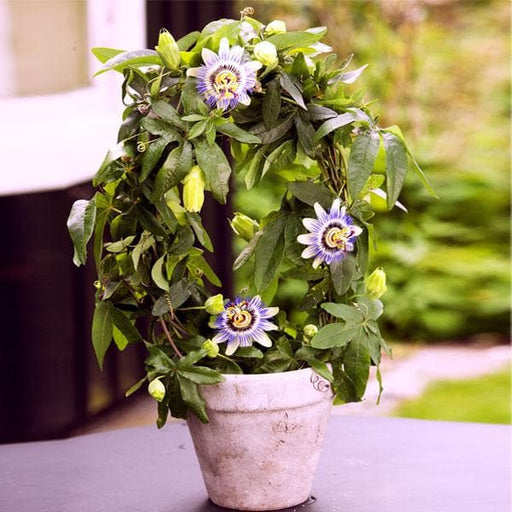





Leave a comment