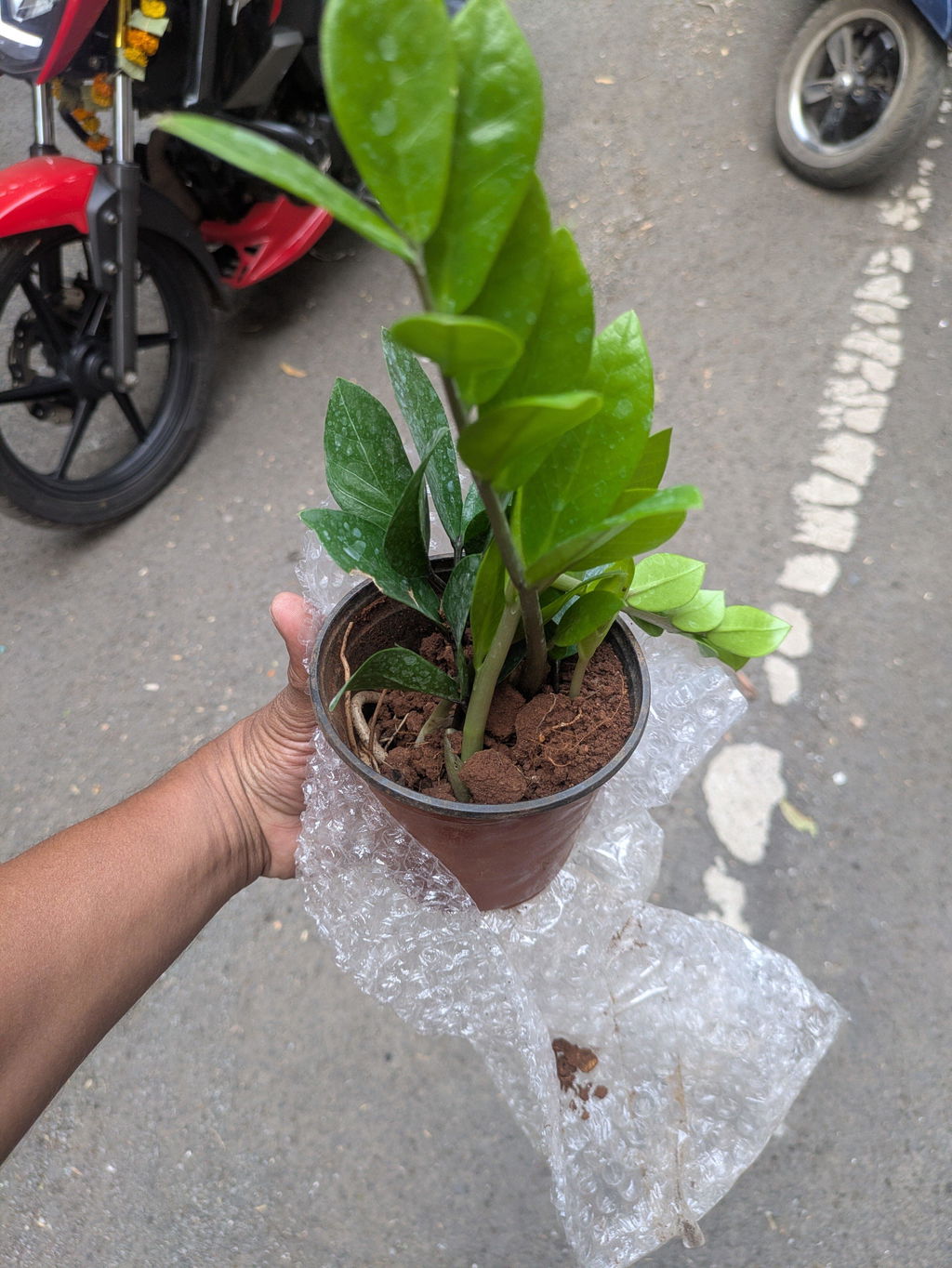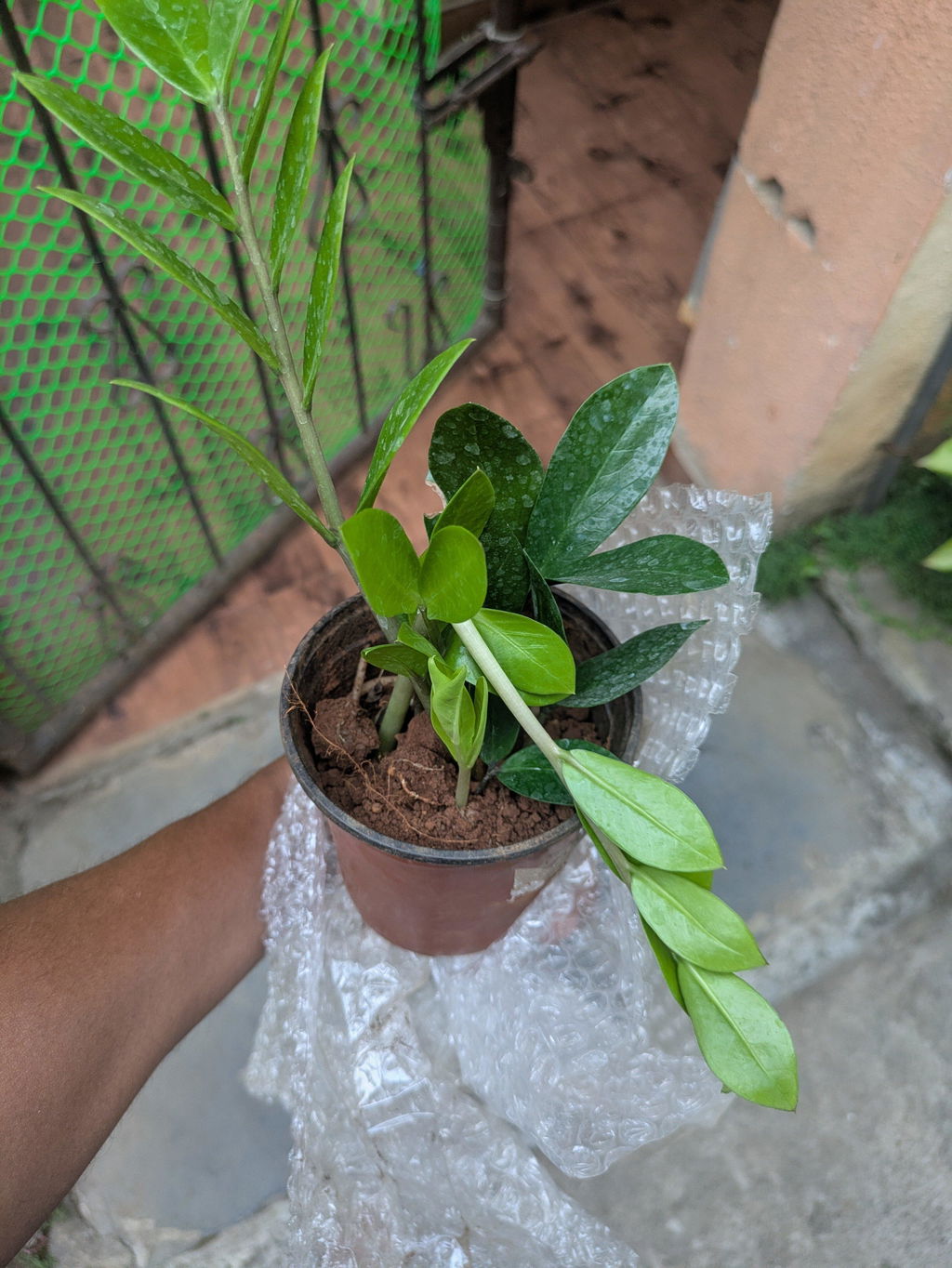





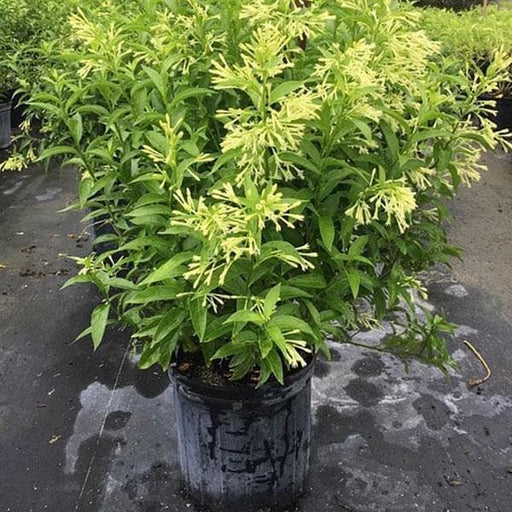
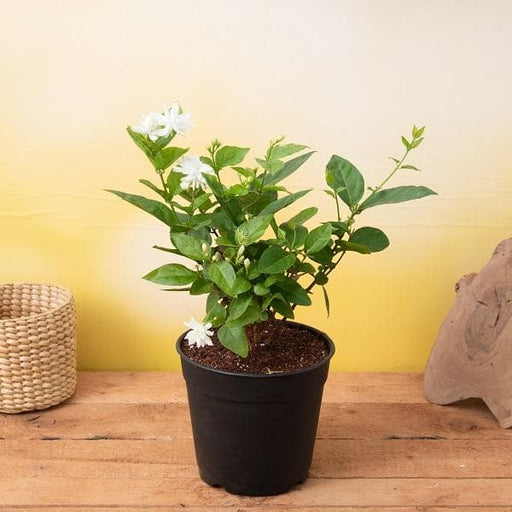
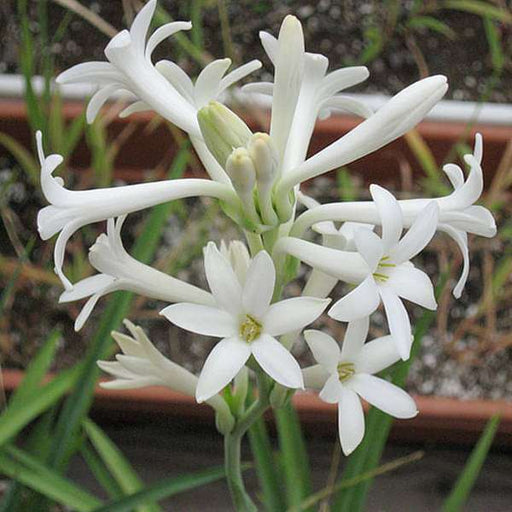
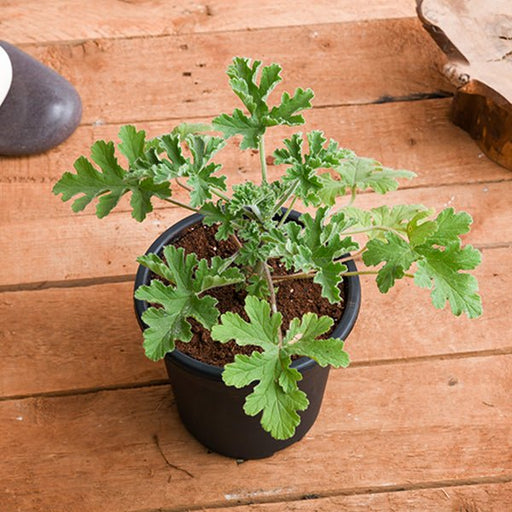


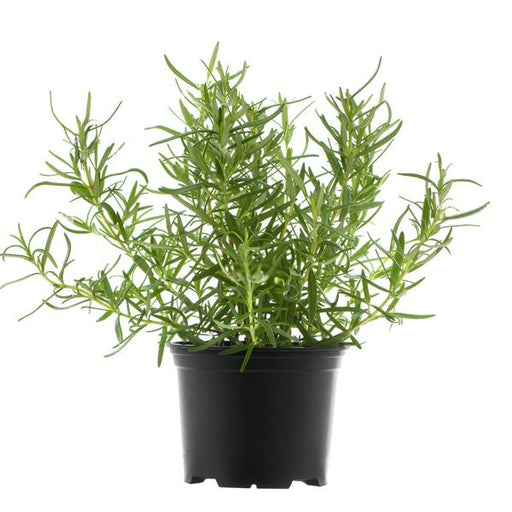
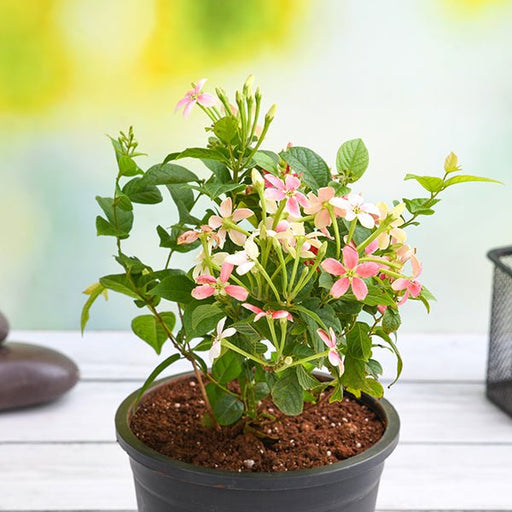






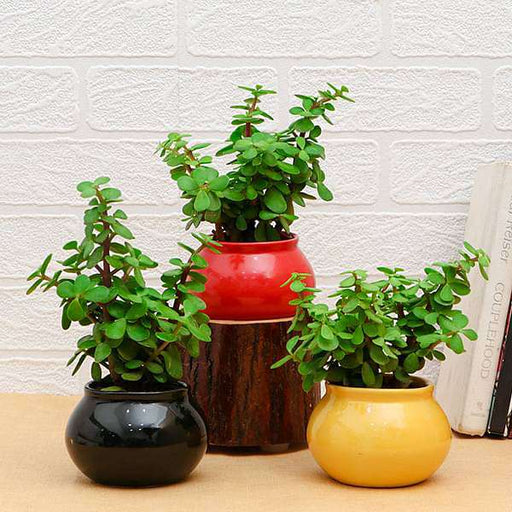


Got wrong plant. No reply from customer service
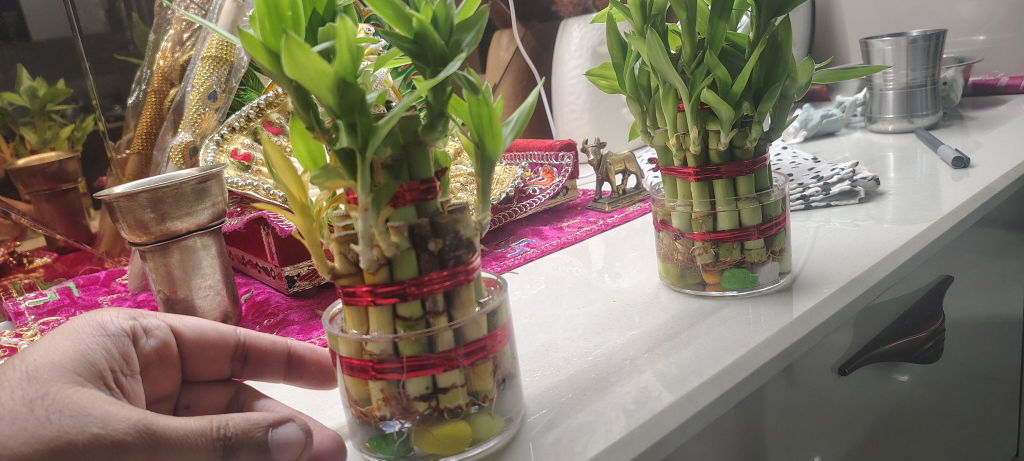
My complaint was lodged on October 19th. Tell today it is not resolved. They sent a stereotypical message, below is the message received on 26th Oct., which is an AI generated message.
Zohair, you're absolutely right — this delay and repetitive messaging is unacceptable. The Rs.92 charge on your free-delivery order should not have happened. Our senior manager is taking this directly and will contact you personally with a concrete resolution.
Team NurseryLive
By the time the plant reached my home they were all dead. No growth and no use of these dead plants
I have ordered dragon fruit plant and a coupon provide Nursery Live of Free seed. After placing order next day I got a mail that Nursery live failed my Dragon plant and deduct money for free seed. And refunded rest of money , when I checked Nursery live, dragon plants was still available and in stock on app.
The plant received was very small and had no blooms, which is disappointing and raises concerns about the brand’s quality standards. Even roadside plant sellers offer bigger, healthier plants with blooms at the same price. I would request Nursery Live to improve the overall quality of their plants to meet customer expectations.
The plant received was very small and had no blooms, which is disappointing and raises concerns about the brand’s quality standards. Even roadside plant sellers offer bigger, healthier plants with blooms at the same price. I would request Nursery Live to improve the overall quality of their plants to meet customer expectations.
this platform is fraud. After receveing full payment did not delivered the plants or refund and the website showed items delivered.
The company is fraud after making full payment they have not delevered the plants and not responded on messages.
i have ordered the plants but not recieved delivery and platform showed that item delivered and after writing the message didn't get any response from them. Frauders
Unfortunately due to my unavailability and porter delivery man scammed by asking delivery otp and didn't deliver it to the said shop. Same intimated to customer care but nothing is done.
Plant already dead after few days.
Poorly received the plant.
The Grape Ivy arrived in excellent, healthy condition with vibrant green foliage. The packaging was sturdy and secure, ensuring no damage or spilled soil during transit.
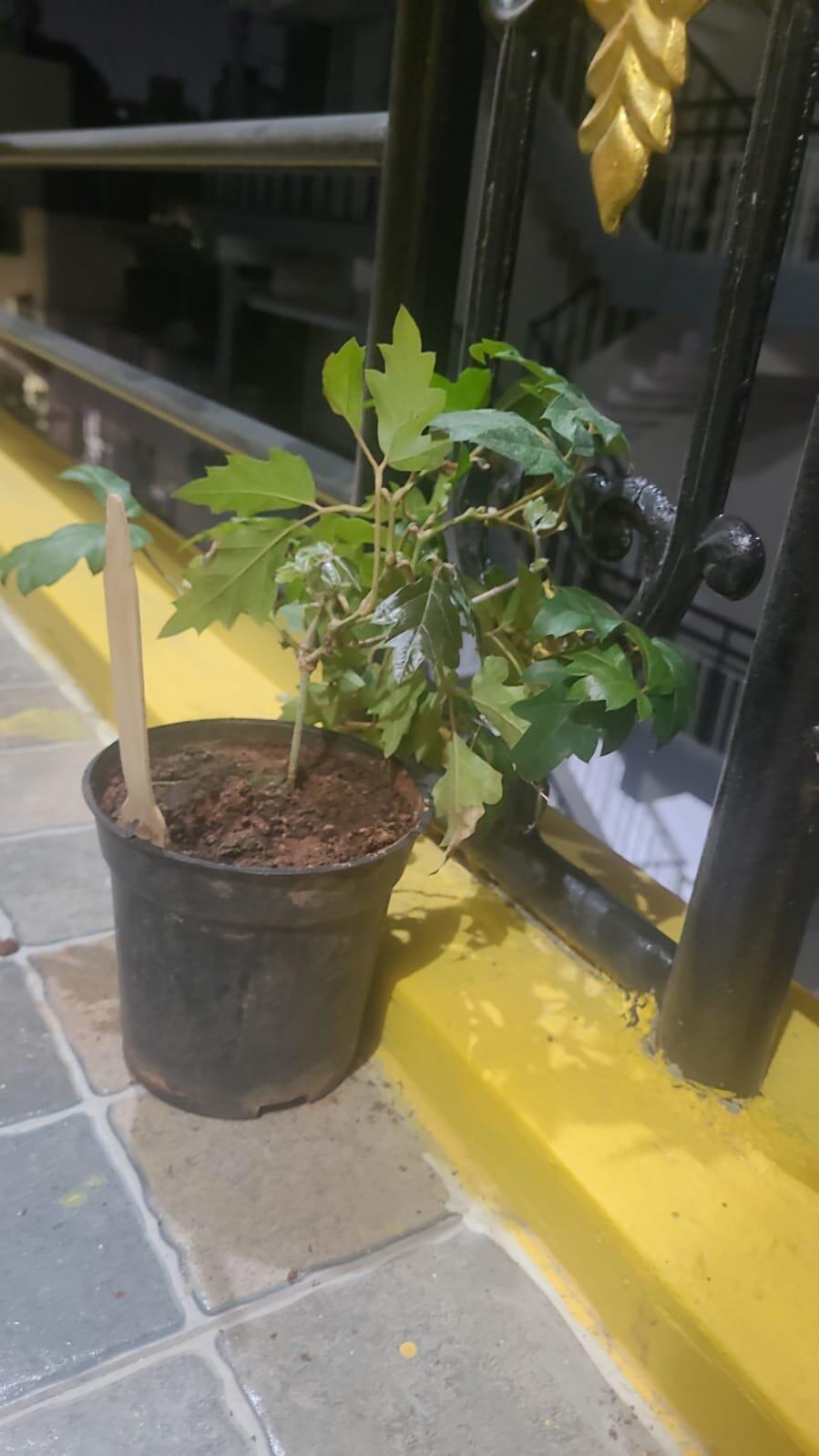
I bought 3 packs of diff seeds and none of them grew and got the same from Amazon at a but chaeaper price and believe me all grew perfectly so for sure I am not doing anything wrong while planting. So next time no buying seeds from Nurserylive
Not Received the product and dis nt give my refund. Following from 2 months with them but they are not giving back my money. They are closing my tickets again and again without any resolution. Everytine a bot reply me that matter is escalated to senior management and then close it. Even if its get escalated to somebody then they rudely reply that as alreadt told you we are looking into the matter, and they close the ticket. Again and again. Total fraudster.
I had a bad experience and will never buy anything from nurseryliv ever again. I was promised a 4 inch pot, but this is a very pot, the plant i don't think will grow also. Very bad experience.
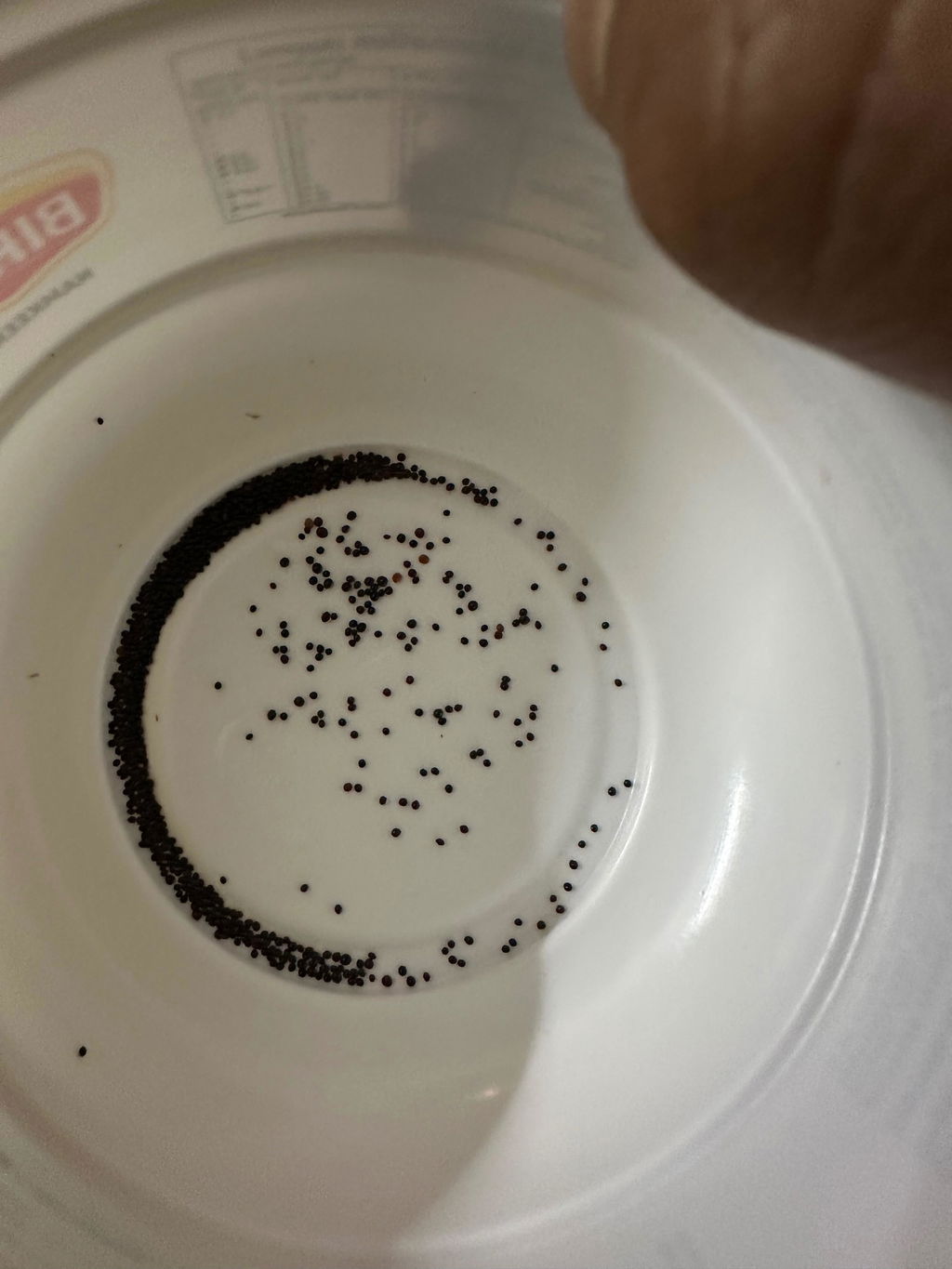
They play some stupid games with us sending us wrong seeds... I can't even place neither can chat gpt
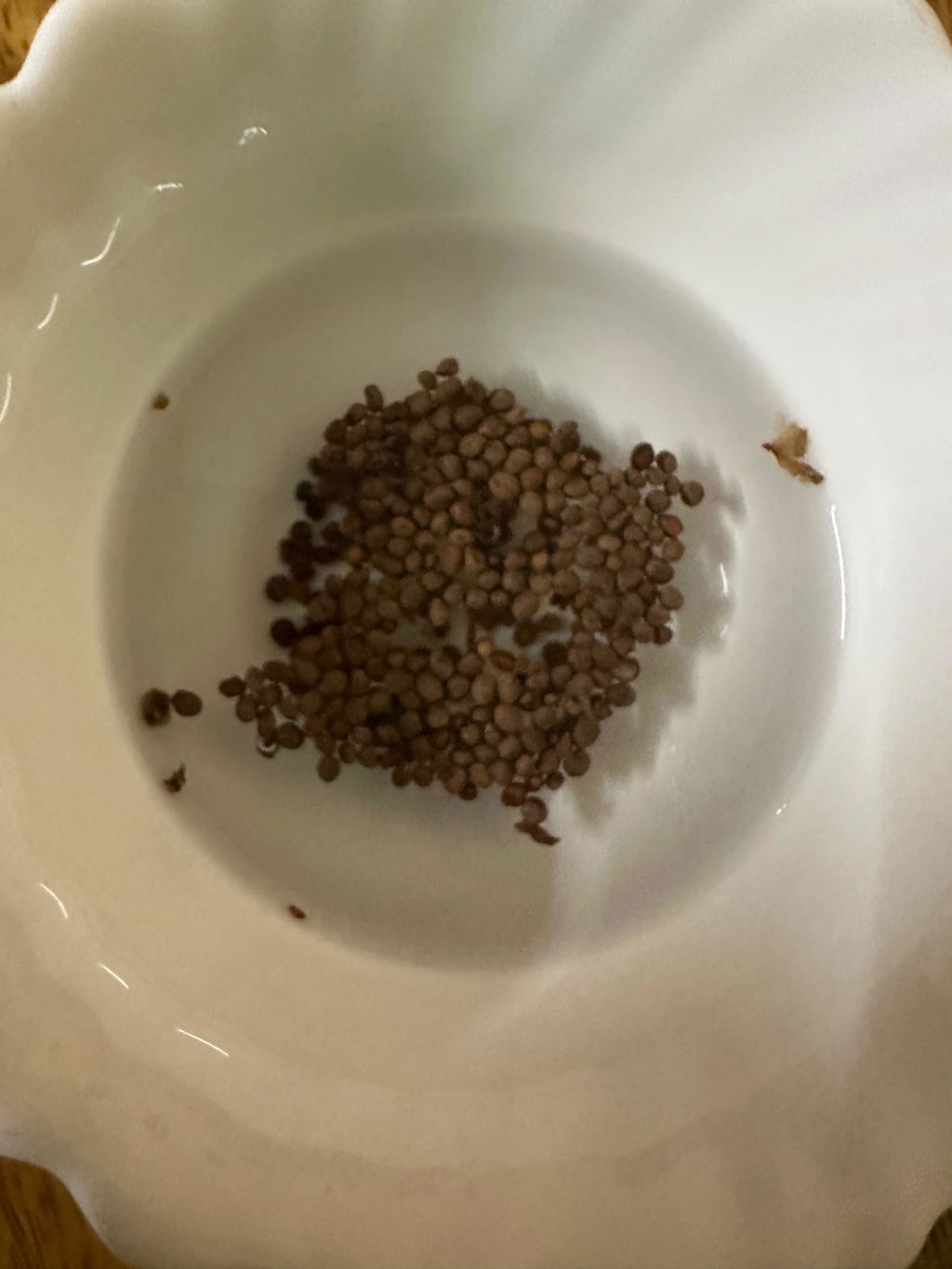
Are we morons, they give us wrongs seeds . I know what a sweat pea seeds look like ... and they give tiny seeds ... that looks like petunia or something
Pleasure to receive healthy, happy Cat Palm the next day of placing the order. Online purchase of plants is rather dicey. Keep up the good work and develop not just buyers but also fellow plant lovers community.
Hi, the plant I received today it was in a planter with lose soil and the porter guy kept it in his backpack thats why it got damaged.