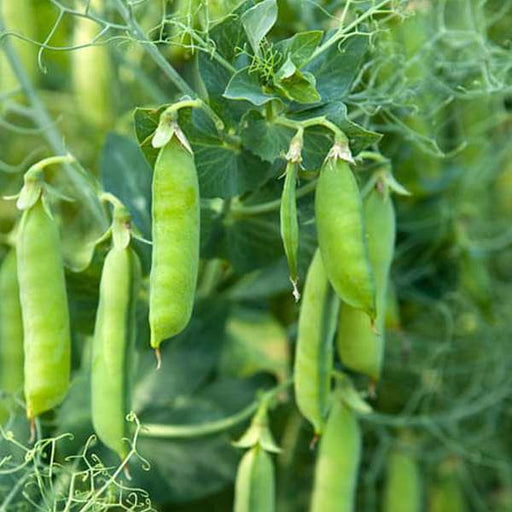
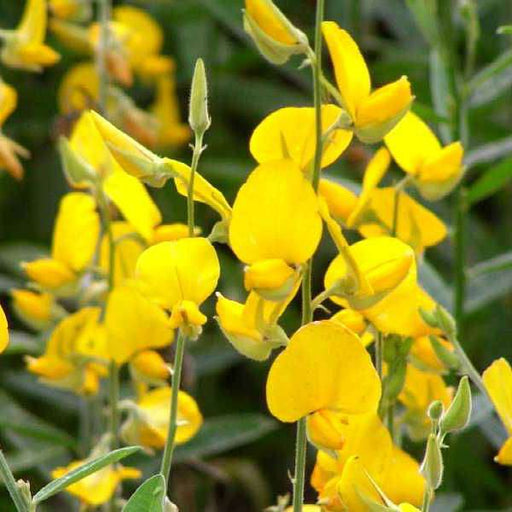
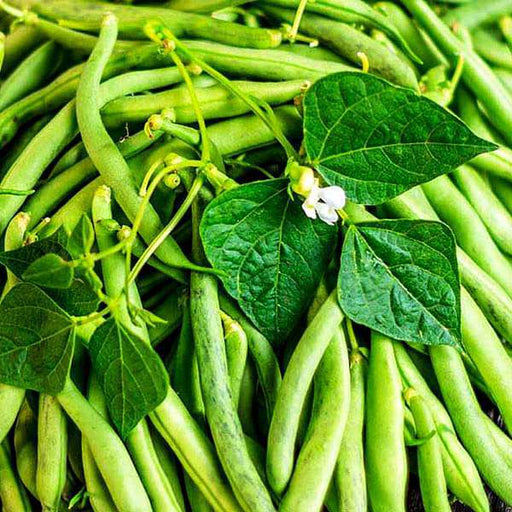
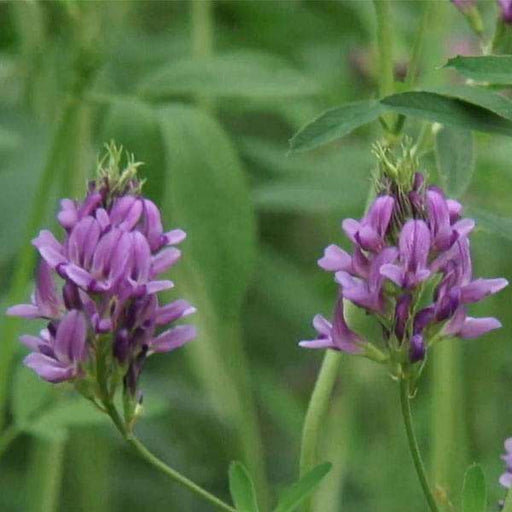
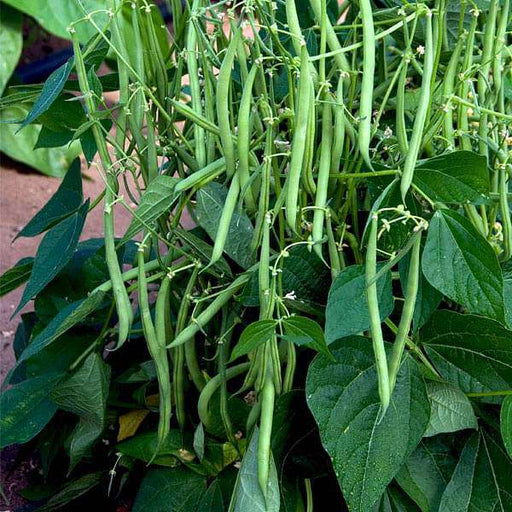
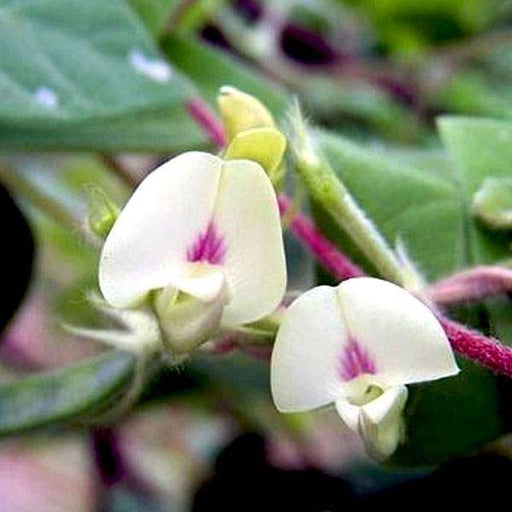
What are green manuring seeds?
Green manuring seeds are seeds that are specifically grown for the purpose of improving soil health and promoting plant growth. These seeds are planted in the soil and then incorporated into the soil before planting the main crop, providing the soil with essential nutrients and organic matter.
What are the benefits of using green manuring seeds?
Using green manuring seeds can help to improve soil fertility, prevent erosion, suppress weeds, and promote plant growth. These seeds also help to increase organic matter in the soil, which can improve soil structure and water-holding capacity.
What types of plants are used as green manuring seeds?
A wide variety of plants can be used as green manuring seeds, including legumes, grasses, cover crops, and more. The specific type of plant used will depend on the specific needs of the soil and the main crop being planted.
How do I choose the right green manuring seeds for my soil?
Choosing the right green manuring seeds for your soil involves considering the specific needs of your soil, including its nutrient content, pH level, and water-holding capacity. At Nurserylive, our experts can help you choose the right green manuring seeds for your specific soil type and growing conditions.
When should I plant green manuring seeds?
Green manuring seeds should be planted before the main crop, allowing them to grow and incorporate into the soil before planting. The specific timing of planting will depend on the specific type of seed being used and the growing conditions in your area.
How do I incorporate green manuring seeds into the soil?
Green manuring seeds can be incorporated into the soil by tilling them under or using a specialized tool called a roller crimper. This helps to break down the plant material and incorporate it into the soil, providing essential nutrients and organic matter for the main crop.
How long does it take for green manuring seeds to improve soil health?
The time it takes for green manuring seeds to improve soil health will depend on the specific type of seed being used and the growing conditions in your area. In general, however, you can expect to see improvements in soil health within a few months to a year after planting.
Can green manuring seeds be used in organic gardening?
Yes, green manuring seeds are commonly used in organic gardening as they provide essential nutrients and organic matter to the soil without the use of synthetic fertilizers or pesticides.
Can green manuring seeds be used in container gardening?
While green manuring seeds are typically used in traditional garden beds, they can also be used in container gardening. Be sure to choose the appropriate type of seed for your container and follow the specific planting and care instructions.
Are green manuring seeds easy to grow?
Green manuring seeds can be relatively easy to grow, especially when following the specific planting and care instructions. However, some plants may require specific growing conditions or may be more challenging to grow, so be sure to research the specific plant before planting.
Can green manuring seeds be used in all types of soil?
While green manuring seeds can be used in a variety of soil types, the specific type of seed used will depend on the specific needs of the soil. At Nurserylive, our experts can help you choose the right green manuring seeds for your specific soil type and growing conditions.
How much green manuring seed should I plant per acre?
The amount of green manuring seed needed per acre will depend on the specific type of seed being used and the desired level of soil improvement. At Nurserylive, our experts can help you determine the appropriate amount of seed needed for your specific needs.
How often should I use green manuring seeds?
Green manuring seeds can be used annually or as needed to improve soil health and promote plant growth. The specific frequency of use will depend on the specific needs of your soil and the main crop being planted.
Can green manuring seeds help to control pests and diseases?
While green manuring seeds may not directly control pests and diseases, they can help to improve soil health and promote plant growth, which can make plants more resistant to pests and diseases.
Are green manuring seeds expensive?
The cost of green manuring seeds will depend on the specific type of seed being used and the quantity needed. At Nurserylive, we offer a wide range of green manuring seeds at competitive prices to help you improve soil health without breaking the bank.
How can I tell if my soil needs green manuring seeds?
If your soil is depleted of nutrients or has poor structure, it may benefit from the use of green manuring seeds. Our experts at Nurserylive can help you assess the specific needs of your soil and recommend the appropriate green manuring seeds for your needs.
Can I use green manuring seeds in conjunction with other soil amendments?
Yes, green manuring seeds can be used in conjunction with other soil amendments, such as compost or organic fertilizers, to further improve soil health and promote plant growth.
How long do green manuring seeds last?
The lifespan of green manuring seeds will depend on the specific type of seed being used and the storage conditions. At Nurserylive, we offer high-quality green manuring seeds that have a long shelf life when stored properly.
Can green manuring seeds be used in commercial agriculture?
Yes, green manuring seeds are commonly used in commercial agriculture to improve soil health and promote plant growth. At Nurserylive, we offer bulk quantities of green manuring seeds for commercial use.
How can I learn more about using green manuring seeds?
At Nurserylive, we offer expert advice and support to help you get the most out of your green manuring efforts. Our experts can help you choose the right seeds for your specific needs and provide guidance on planting, care, and maintenance. Additionally, we offer a wide range of resources, including articles, videos, and tutorials, to help you learn more about using green manuring seeds to improve soil health and promote plant growth.