
Expert Support
Available 24/7 via chat
Available 24/7 via chat
The Ashoka tree is one of India's most beloved and culturally significant landscape plants. Known locally as the Ashoka, Buddha Tree, Indian mast tree, or Indian Fir tree, this evergreen powerhouse thrives in Indian gardens, from coastal regions to inland valleys. Whether you're planning a living boundary for your home or seeking a striking specimen plant for your courtyard, the Ashoka tree delivers beauty, shade, and spiritual significance with minimal fuss. This guide walks you through everything you need to know to grow and nurture a thriving Ashoka tree in your Indian garden.
Polyalthia longifolia, commonly known as the Ashoka tree, is a tall, columnar evergreen that brings vertical elegance to any landscape. Young specimens supplied as 19-inch (48 cm) tall plants with a 6-inch (15 cm) spread will mature into magnificent trees reaching up to 20 meters in height—perfect for creating striking avenue plantings or serving as a focal point in larger gardens.
The Ashoka tree is celebrated not just for its architectural form but also for its deep roots in Indian culture and Vastu philosophy, where it is considered an auspicious tree that brings prosperity and well-being to homes. Beyond its spiritual significance, this is a tree that actually performs: drought-resistant, pot-friendly for smaller spaces, and low-maintenance once established. It blooms in spring with delicate green flowers, adding subtle charm during the season.
What makes the Ashoka truly special for Indian gardeners is its resilience to our climate extremes—from scorching summer heat to monsoon rains to hard water conditions in many regions. This is a tree that grows where others struggle, making it an ideal choice for both experienced gardeners and beginners.
| Care Parameter | Requirement |
|---|---|
| Light | Full sun to partial shade |
| Water | Moderate; drought-resistant once established |
| Soil | Well-drained, organic soil |
| Temperature | 20–35°C (optimal growth range) |
The Ashoka tree thrives in full sun, making it ideal for Indian gardens where sunlight is abundant year-round. However, it also tolerates partial shade reasonably well, giving you flexibility in placement. In regions with intense summer heat (parts of central India, the Deccan plateau), afternoon shade during peak May–June heat spikes can reduce stress on young trees, but full sun exposure is generally preferred for robust growth and denser foliage.
Plant your Ashoka in a location that receives at least 4–6 hours of direct sunlight daily for optimal results. If you're growing it in a pot on your balcony or terrace, position it where it gets morning and afternoon light without being blocked by buildings or tall trees for extended periods.
One of the Ashoka's greatest strengths is its drought resilience. Once established, it requires only moderate watering—a trait that makes it perfect for Indian gardens where water conservation is increasingly important.
Well-drained, organic soil is the foundation for a healthy Ashoka tree. Heavy clay soils are problematic—they retain too much moisture and can lead to root rot. If your garden has clay-heavy soil, amend it generously with organic matter before planting.
The Ashoka tree is perfectly suited to India's climate. It thrives in temperatures between 20–35°C, which covers most of mainland India's year-round range. The tree is hardy to the hot, dry conditions of the Deccan, the humid subtropical climates of coastal regions, and the warm temperate zones of the foothills.
Ashoka trees tolerate humidity well and are equally at home in dry, inland regions and high-rainfall coastal areas (provided drainage is good). They handle the intense dry heat of peak summer without issues, though young plants benefit from mulching to keep roots cooler. In frost-prone regions (high-altitude or Himalayan foothills), the Ashoka should be protected during winter months.
Ashoka trees are traditionally propagated from seeds, which should be sown in well-draining seed-raising mix during the warm months (March–May in most regions). Keep the soil warm and consistently moist until germination occurs. Air layering is also used by experienced gardeners for faster results.
For most home gardeners, purchasing a healthy nursery-grown sapling (like the 19-inch specimens available through Nurserylive) is the practical choice, as it skips the propagation phase and gets your tree established quickly with minimal risk.
Ready to grow your own? Shop Ashoka Tree at Nurserylive →
Ashoka Tree, Polyalthia longifolia - Plant The Ashoka Tree, scientifically known as Polyalthia longifolia, is a majestic evergreen tree na...
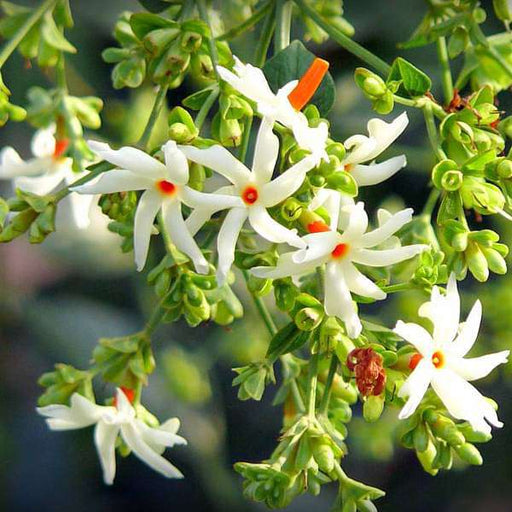
View full detailsCombo Constituents Includes the Parijat Tree (Night-Flowering Jasmine), a culturally significant plant with fragrant flowers. Description The Pari...
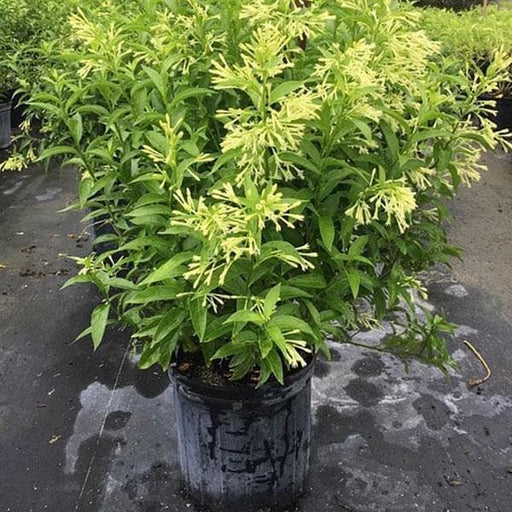
View full detailsDescription Raat Ki Rani (*Cestrum nocturnum*), also known as Night Blooming Jasmine, is a fragrant shrub native to the Caribbean and Central Ameri...
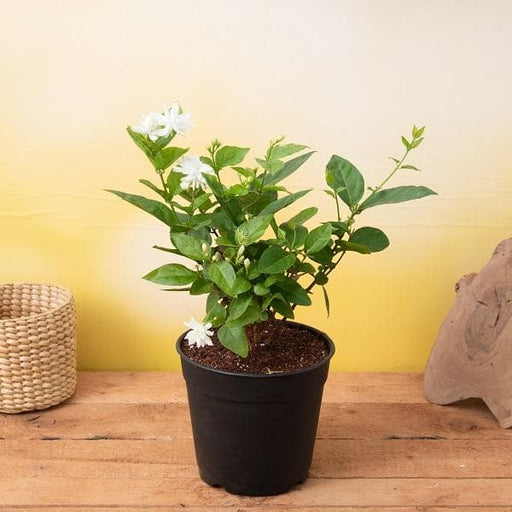
View full detailsJasminum sambac, Mogra, Arabian Jasmine - Plant Jasminum sambac, commonly known as Mogra or Arabian Jasmine, is a fragrant flowering plant...
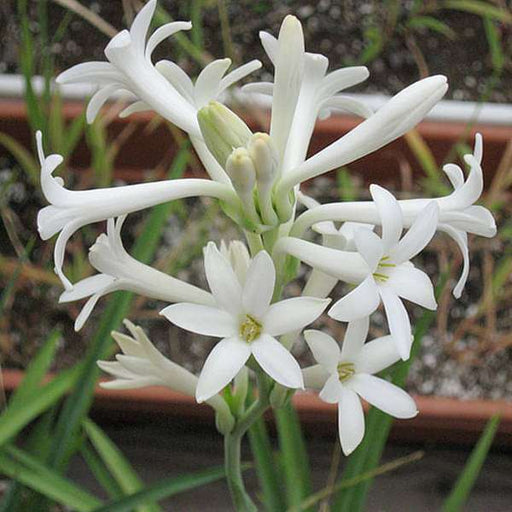
View full detailsRajnigandha, Tuberose - Plant The Rajnigandha, scientifically known as Polianthes tuberosa, is a captivating perennial plant renowned for ...
View full detailsCitronella, Odomas - Plant The Citronella plant, scientifically known as Cymbopogon nardus, is a tropical grass renowned for its aromatic ...
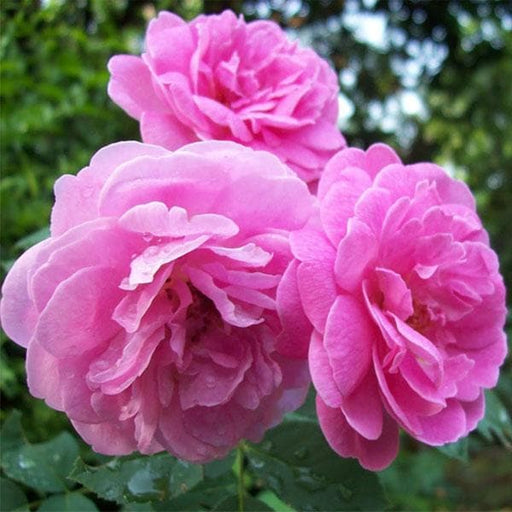
View full detailsDamascus Rose, Scented Rose (Any Color) - Plant The Damascus Rose, also known as Rosa damascena, is a timeless symbol of beauty and romanc...
View full detailsMiniature Rose, Button Rose (Any Color) - Plant The Miniature Rose, also known as the Button Rose, is a charming and compact flowering plant that ...
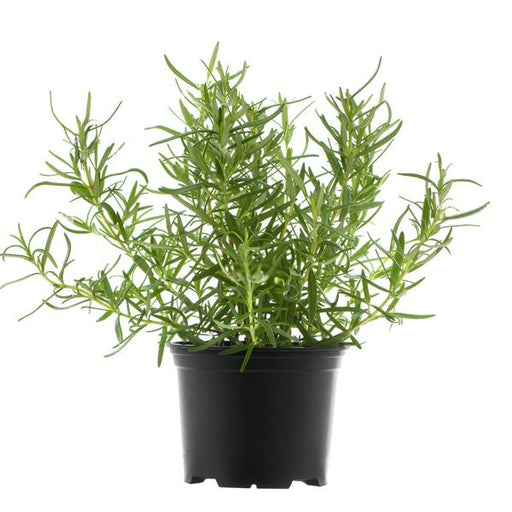
View full detailsRosemary - Plant Rosemary (Rosmarinus officinalis) is a fragrant evergreen herb native to the Mediterranean region. Known for its needle-like leav...
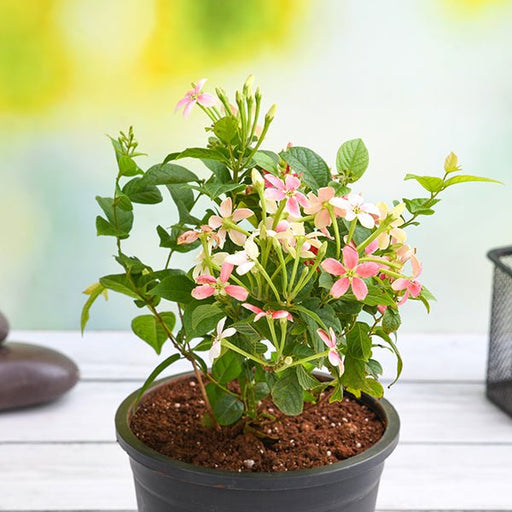
View full detailsMadhumalti Dwarf, Rangoon Creeper - Plant The Madhumalti Dwarf, also known as the Rangoon Creeper (Quisqualis indica), is a stunning perennial vin...
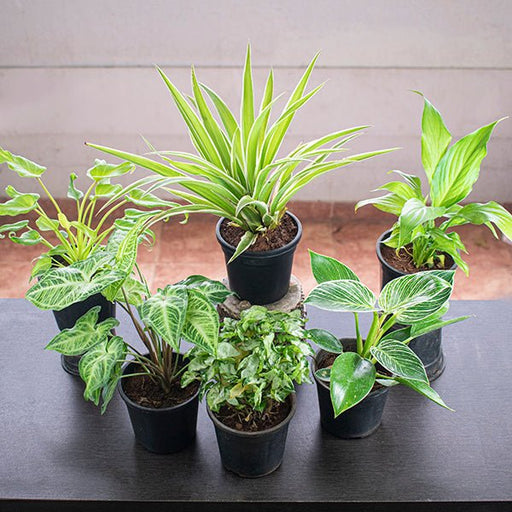
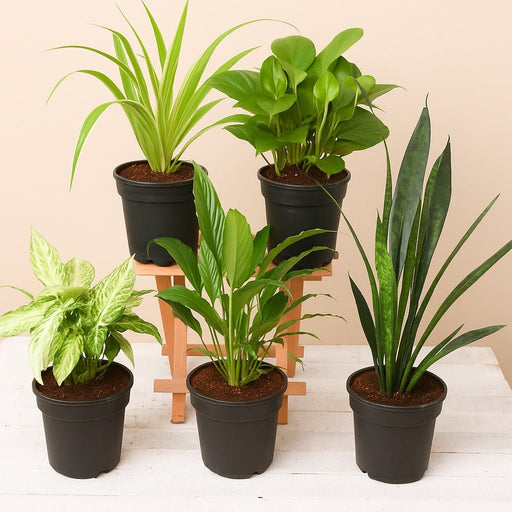
View full detailsBest 6 Plants for Perfect Indoor Garden Transform your living space into a lush oasis with our curated collection of the Best 6 Plants for a...
View full detailsBest 6 Plants for Perfect Indoor Garden Transform your living space into a lush oasis with our curated collection of the Best 6 Plants for a...
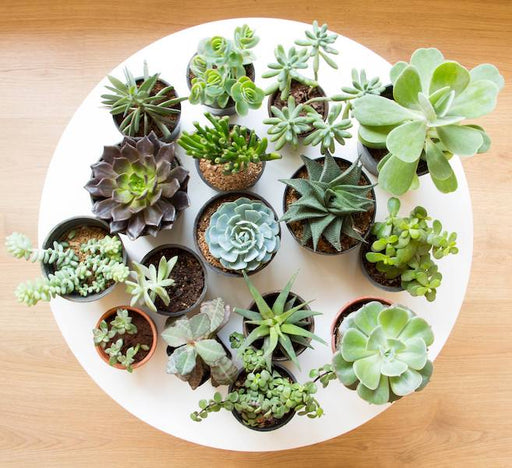
View full detailsMini Succulent Garden Pack Transform your space with our Mini Succulent Garden Pack, featuring a delightful collection of 4 any variety beautiful s...
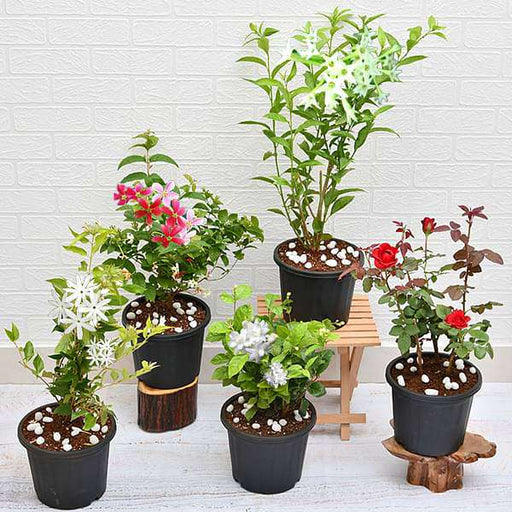
View full details5 Best Fragrant Plants Transform your garden or indoor space into a fragrant paradise with our curated selection of the 5 Best Fragrant Plants. Th...
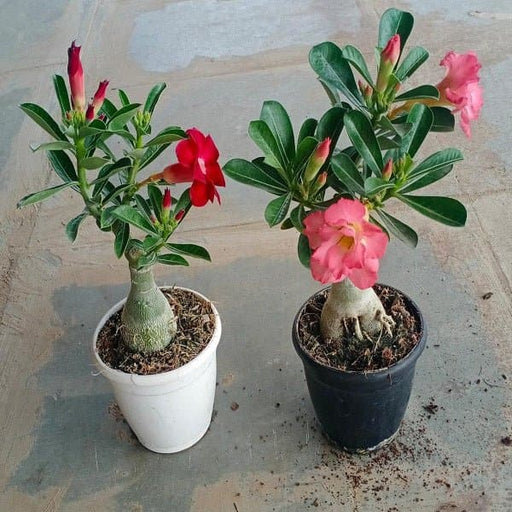
View full detailsSet of 2 Bonsai Looking Grafted Adeniums Transform your indoor or outdoor space with our exquisite Set of 2 Bonsai Looking Grafted Adenium...
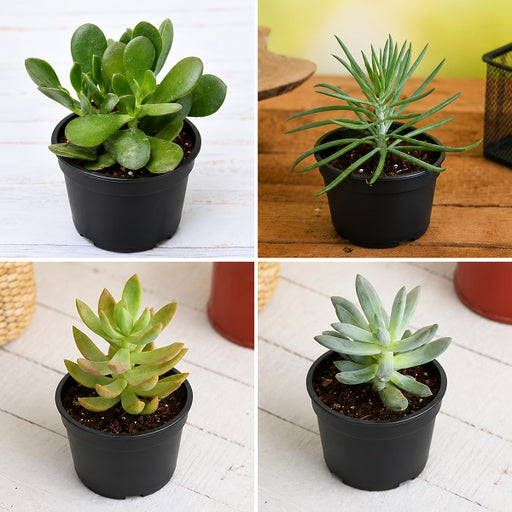
View full detailsTop 4 Die Hard Succulents Pack Note: Plants included in this pack will be delivered in a 3-inch nursery pot (any color). Transform your indoor or ...
View full details5 Best Indoor Plants Pack Transform your living space into a lush oasis with our '5 Best Indoor Plants Pack.' This carefully curated collection fe...
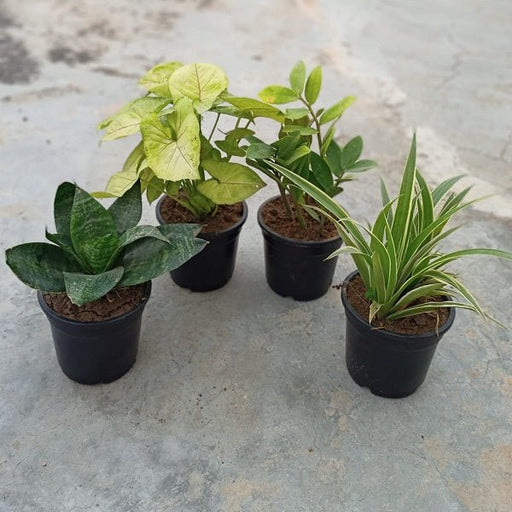
View full detailsSet of 4 Evergreen Air Purifier Plant Pack Transform your indoor space into a lush, green oasis with our Set of 4 Evergreen Air Purifier Pla...
View full detailsTop 5 Pollution Killer Plants Pack Transform your living space into a breath of fresh air with our 'Top 5 Pollution Killer Plants Pack'. This care...
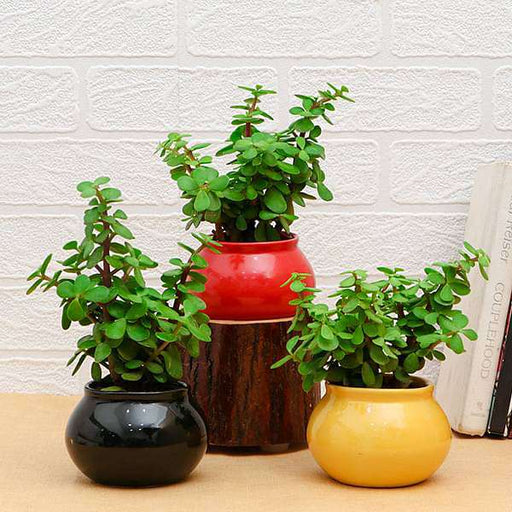
View full detailsPack of 3 Good Luck Jade Plants in Ceramic Pots Bring a touch of nature into your home with our Pack of 3 Good Luck Jade Plants, featuring...
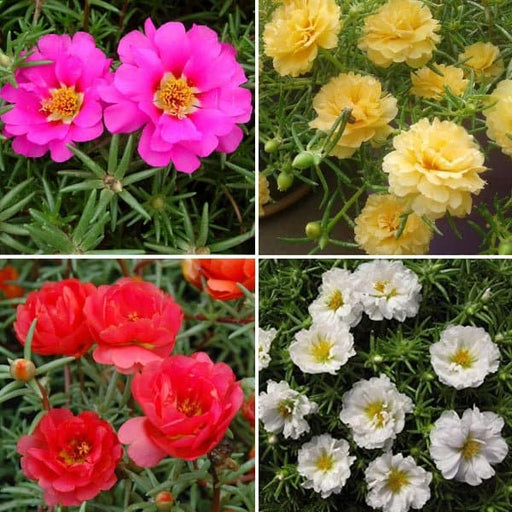
View full detailsPortulaca Garden Pack (4 Plants + 4 Black Pots) Note- You will get any color (Assorted) potted Porulaca plant with this pack. Transform your garde...
View full details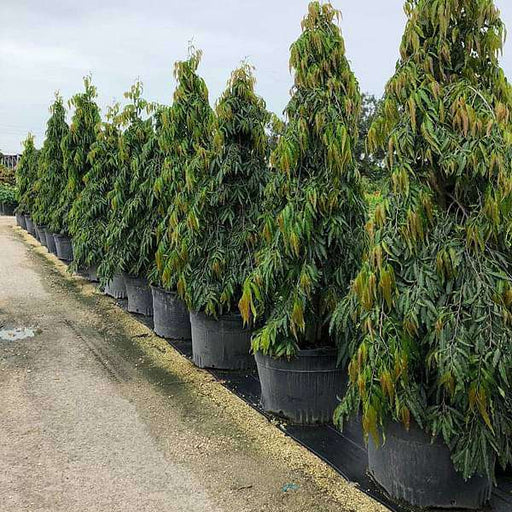






Leave a comment