
Expert Support
Available 24/7 via chat
Available 24/7 via chat
Gardenia Dwarf (Gandhraj) is one of India's best-kept gardening secrets. This compact, fragrant shrub brings the elegance of white flowers and intoxicating fragrance to balconies, patios, and small gardens—all without demanding much space. Known locally as Gandhraj, and also called Cape Jasmine or Miniature Gardenia, the dwarf variety is hardy, easy to grow, and absolutely rewarding when you get the basics right. If you've wanted to grow the classic creamy-white Gardenia but worried about space, this miniature version blooms mid-spring through mid-summer with all the charm of its larger cousins.
Gardenia Dwarf (Ananta Dwarf) is a compact evergreen shrub bred for container and balcony gardening in Indian homes. At 12 inches (30 cm) tall when supplied, it spreads just 7 inches (18 cm) and can eventually reach up to 1.5 meters with age and care—but remains manageable compared to full-size varieties. The plant blooms mid-spring to mid-summer, producing glossy, dark green foliage crowned with creamy-white, highly fragrant flowers. Each bloom carries the signature Gardenia scent that fills an entire balcony or room. It's an easy-growing perennial, rated as simple to cultivate even for gardeners new to fragrant shrubs. The dwarf variety is perfectly suited to pot gardening, making it ideal for Indian urban homes with limited space.
| Care Aspect | Requirement |
|---|---|
| Light | Natural bright sunlight |
| Water | Water when topsoil (1–2 inches) feels dry; check with your finger |
| Soil | Loam or sandy, well-drained |
| Temperature | 20–30°C (ideal range for Indian climates) |
Gardenia Dwarf thrives in natural bright sunlight. In Indian gardens, aim for at least 4–6 hours of direct morning or afternoon sunlight daily. Morning sun is gentler and especially beneficial during peak summer heat (May–June), when intense afternoon sun can sometimes stress the plant, particularly in regions like Delhi or Mumbai.
If you're growing on a balcony, position the pot on an east or north-facing side during summer months to get bright light without the harshest rays between 2–4 pm. In cooler months (winter), full sunlight exposure is excellent. Insufficient light will delay flowering and weaken the plant, so avoid deep shade. However, in extremely hot regions (above 35°C), partial afternoon shade is beneficial.
Watering is where many gardeners stumble with Gardenias, so let's get it right. Use the finger-poke test: insert your finger or a thin wooden stick into the soil to 1–2 inches depth. If the soil feels dry, water thoroughly. If it's still moist, wait another day or two before watering again. In India's warm climate, this typically means watering every 2–3 days during summer, but during monsoon, check more carefully since rainfall adds moisture.
Water from below or around the base of the plant, avoiding the leaves, to reduce fungal issues in humid monsoon conditions. Ensure the pot has drainage holes. Overwatering causes root rot—the most common killer of Gardenias in India. During winter (December–February), when temperatures drop and growth slows, reduce watering frequency to once or twice a week.
In regions with hard water (common in northern India), let tap water sit overnight before using, or collect rainwater during monsoon. Gardenias are sensitive to hard water, which can cause yellowing leaves (chlorosis). If hard water is unavoidable, use distilled water occasionally.
Gardenia Dwarf prefers loam or sandy, well-drained soil rich in organic matter. Use a potting mix of equal parts garden soil, cocopeat, and well-aged compost with added perlite or sand (roughly 1 part perlite per 4 parts mix) to ensure fast drainage. Gardenias dislike waterlogged roots.
Feed with organic fertilizers every 3–4 weeks during the growing season (March–September). Use vermicompost, neem cake, fish emulsion, or a balanced organic fertilizer (6-6-6 NPK). Skip feeding during winter (October–February). Organic feeding avoids the mineral buildup from chemical fertilizers that hardens water and stresses the plant in Indian conditions. If yellowing occurs despite good care, add a chelated iron supplement, which helps plants in hard-water regions.
Gardenia Dwarf prefers temperatures between 20–30°C, which aligns perfectly with India's tropical and subtropical regions. The plant tolerates the warmth of Indian summers but appreciates some protection during extreme heat (above 35°C) through afternoon shade or misting.
Humidity is essential. Gardenias love moisture in the air—during dry seasons (April–June), mist the foliage lightly with water in early mornings to boost humidity and cool the leaves. This also helps deter spider mites, which thrive in very dry conditions. Monsoon naturally provides high humidity, which Gardenias enjoy, but ensure air circulation to prevent fungal issues. If the plant drops flower buds despite good care, it's often due to sudden temperature swings or dry air—keep conditions consistent and mist regularly.
Propagate Gardenia Dwarf from semi-hardwood cuttings taken in late spring (April–May). Select a healthy 4–6 inch length from new growth, cutting just below a leaf node. Remove lower leaves, dip the cutting in rooting hormone, and plant in moist cocopeat or a cuttings mix. Keep in a warm, humid, shaded spot with bright indirect light. Roots typically form in 3–4 weeks. Once rooted, transfer to small pots with the recommended soil mix and care for as a young plant. Propagation from seed is slower and may not yield true-to-type dwarf varieties, so cuttings are preferred.
Yellow leaves (Chlorosis): Usually caused by hard water or poor drainage. Use rainwater or let tap water sit overnight. Ensure excellent drainage and add chelated iron if the plant is otherwise healthy.
Flower bud drop: Results from temperature fluctuations, dry air, or erratic watering. Maintain consistent moisture, mist regularly, and avoid moving the plant during bloom season.
Spider mites and scale insects: Common in India's dry season. Spray the foliage with neem oil or a mild soap solution every 7–10 days until controlled. Misting foliage regularly prevents mite infestations.
Root rot: Caused by overwatering or poor drainage. Repot into fresh, well-drained soil if the plant smells sour or base softens. Remove any black, mushy roots.
Ready to grow your own? Shop Gardenia Dwarf at Nurserylive →
Gardenia Dwarf, Ananta Dwarf - Plant The Gardenia Dwarf, also known as Ananta Dwarf, is a compact, evergreen shrub that enchants with its glossy, ...
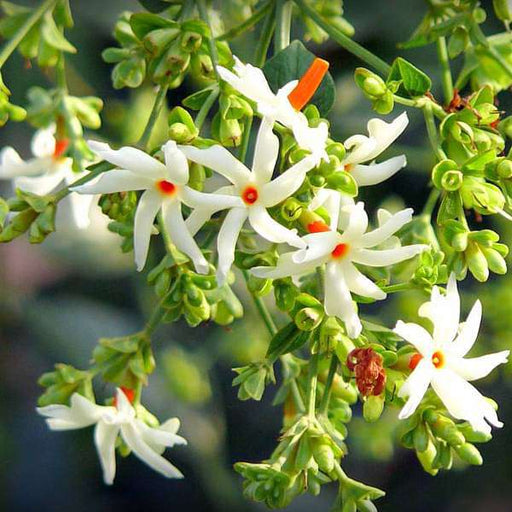
View full detailsCombo Constituents Includes the Parijat Tree (Night-Flowering Jasmine), a culturally significant plant with fragrant flowers. Description The Pari...
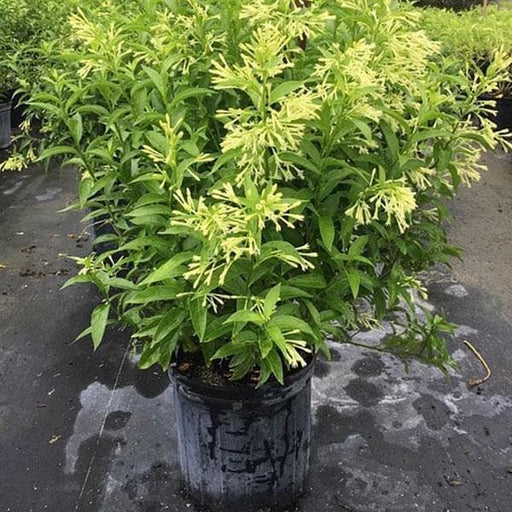
View full detailsDescription Raat Ki Rani (*Cestrum nocturnum*), also known as Night Blooming Jasmine, is a fragrant shrub native to the Caribbean and Central Ameri...
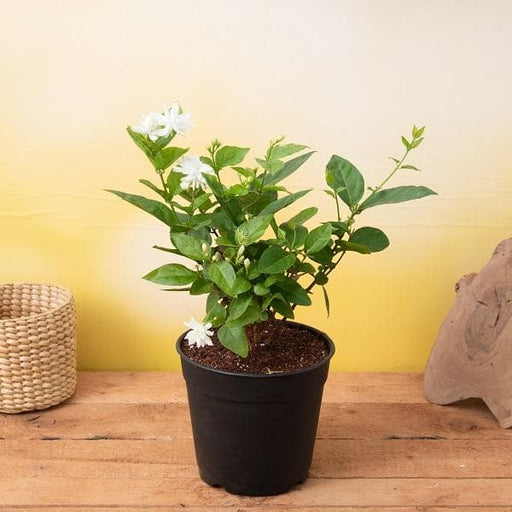
View full detailsJasminum sambac, Mogra, Arabian Jasmine - Plant Jasminum sambac, commonly known as Mogra or Arabian Jasmine, is a fragrant flowering plant...
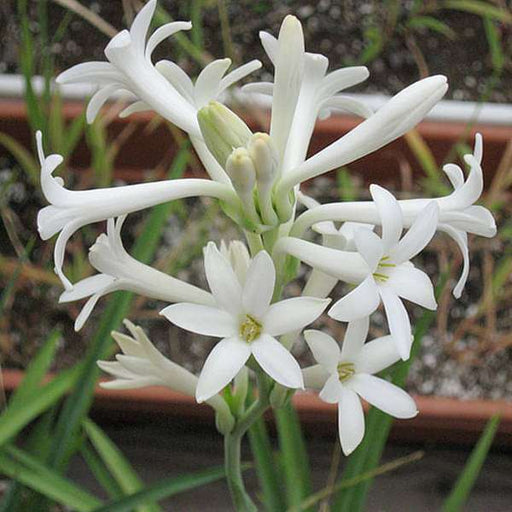
View full detailsRajnigandha, Tuberose - Plant The Rajnigandha, scientifically known as Polianthes tuberosa, is a captivating perennial plant renowned for ...
View full detailsCitronella, Odomas - Plant The Citronella plant, scientifically known as Cymbopogon nardus, is a tropical grass renowned for its aromatic ...
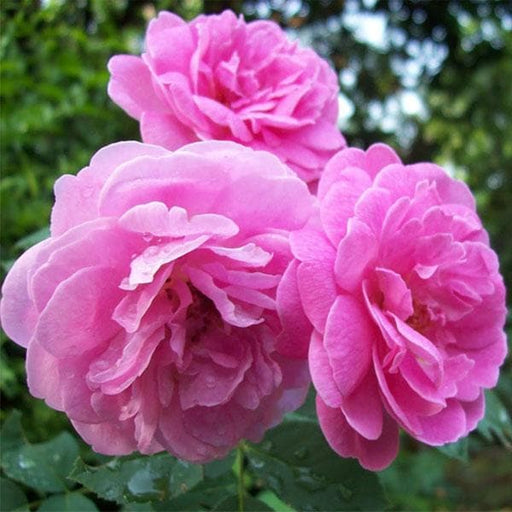
View full detailsDamascus Rose, Scented Rose (Any Color) - Plant The Damascus Rose, also known as Rosa damascena, is a timeless symbol of beauty and romanc...
View full detailsMiniature Rose, Button Rose (Any Color) - Plant The Miniature Rose, also known as the Button Rose, is a charming and compact flowering plant that ...
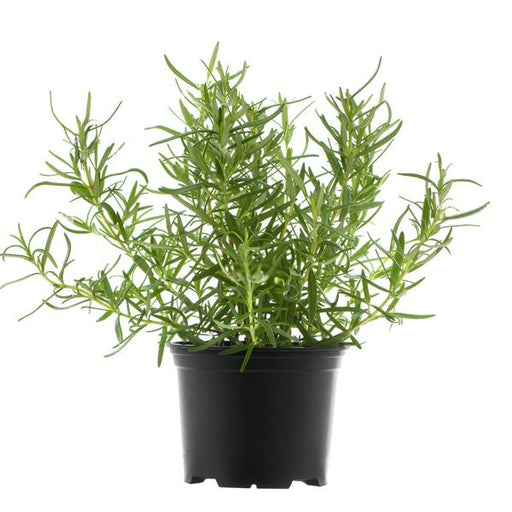
View full detailsRosemary - Plant Rosemary (Rosmarinus officinalis) is a fragrant evergreen herb native to the Mediterranean region. Known for its needle-like leav...
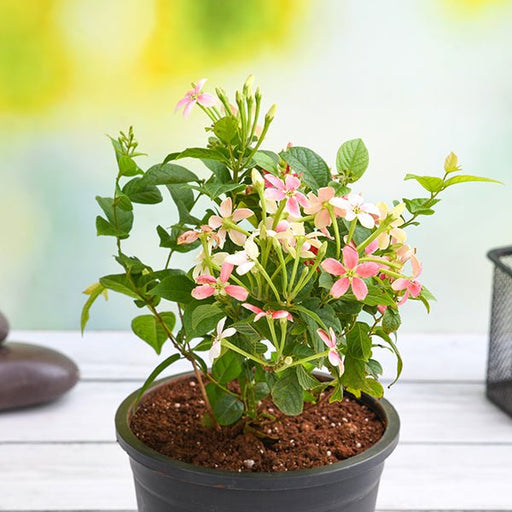
View full detailsMadhumalti Dwarf, Rangoon Creeper - Plant The Madhumalti Dwarf, also known as the Rangoon Creeper (Quisqualis indica), is a stunning perennial vin...
View full detailsBest 6 Plants for Perfect Indoor Garden Transform your living space into a lush oasis with our curated collection of the Best 6 Plants for a...
View full detailsBest 6 Plants for Perfect Indoor Garden Transform your living space into a lush oasis with our curated collection of the Best 6 Plants for a...
View full detailsMini Succulent Garden Pack Transform your space with our Mini Succulent Garden Pack, featuring a delightful collection of 4 any variety beautiful s...
View full details5 Best Fragrant Plants Transform your garden or indoor space into a fragrant paradise with our curated selection of the 5 Best Fragrant Plants. Th...
View full detailsSet of 2 Bonsai Looking Grafted Adeniums Transform your indoor or outdoor space with our exquisite Set of 2 Bonsai Looking Grafted Adenium...
View full detailsTop 4 Die Hard Succulents Pack Note: Plants included in this pack will be delivered in a 3-inch nursery pot (any color). Transform your indoor or ...
View full details5 Best Indoor Plants Pack Transform your living space into a lush oasis with our '5 Best Indoor Plants Pack.' This carefully curated collection fe...
View full detailsSet of 4 Evergreen Air Purifier Plant Pack Transform your indoor space into a lush, green oasis with our Set of 4 Evergreen Air Purifier Pla...
View full detailsTop 5 Pollution Killer Plants Pack Transform your living space into a breath of fresh air with our 'Top 5 Pollution Killer Plants Pack'. This care...
View full detailsPack of 3 Good Luck Jade Plants in Ceramic Pots Bring a touch of nature into your home with our Pack of 3 Good Luck Jade Plants, featuring...
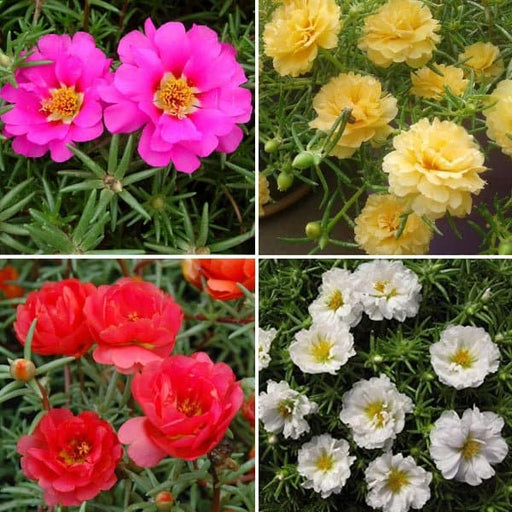
View full detailsPortulaca Garden Pack (4 Plants + 4 Black Pots) Note- You will get any color (Assorted) potted Porulaca plant with this pack. Transform your garde...
View full details














Leave a comment