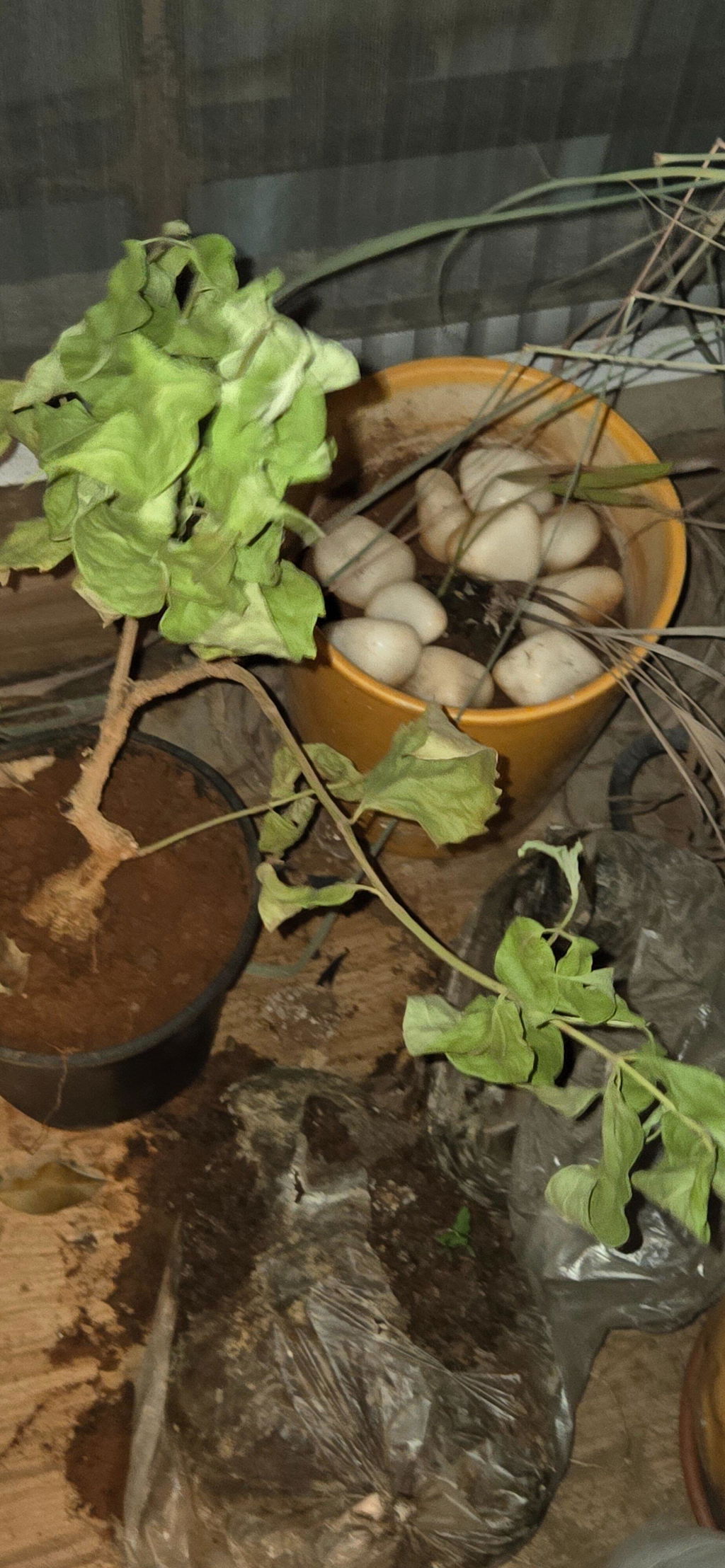

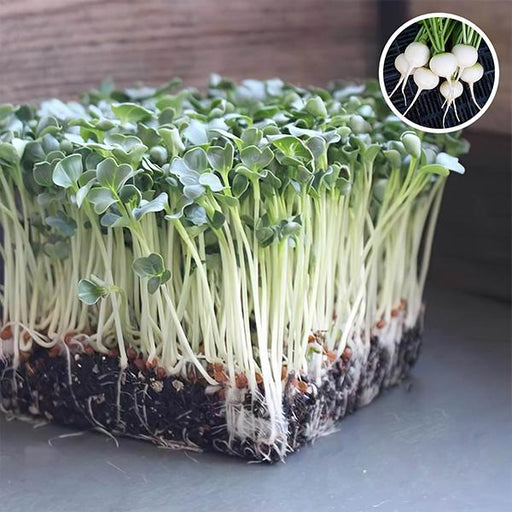


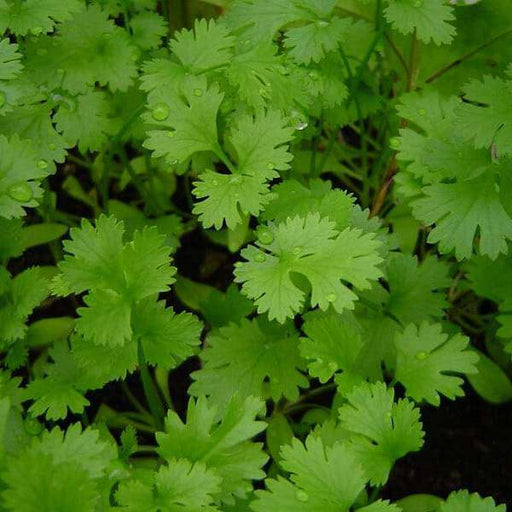


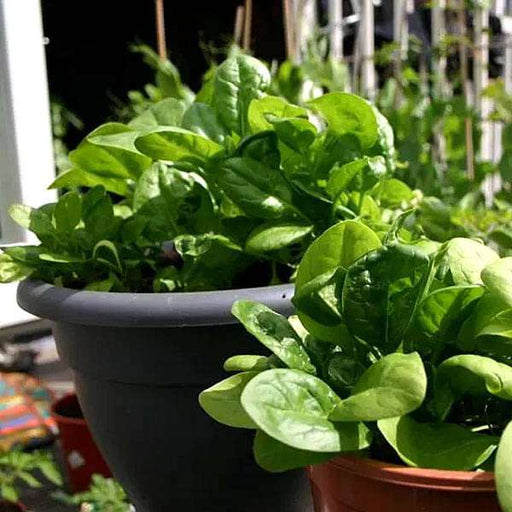
















very bad quality. All plants are very badly delivered and few already died in few days
worst packaging , no contact after sending mail
kindly buy the plants from a trusted side , its a totally fraud side
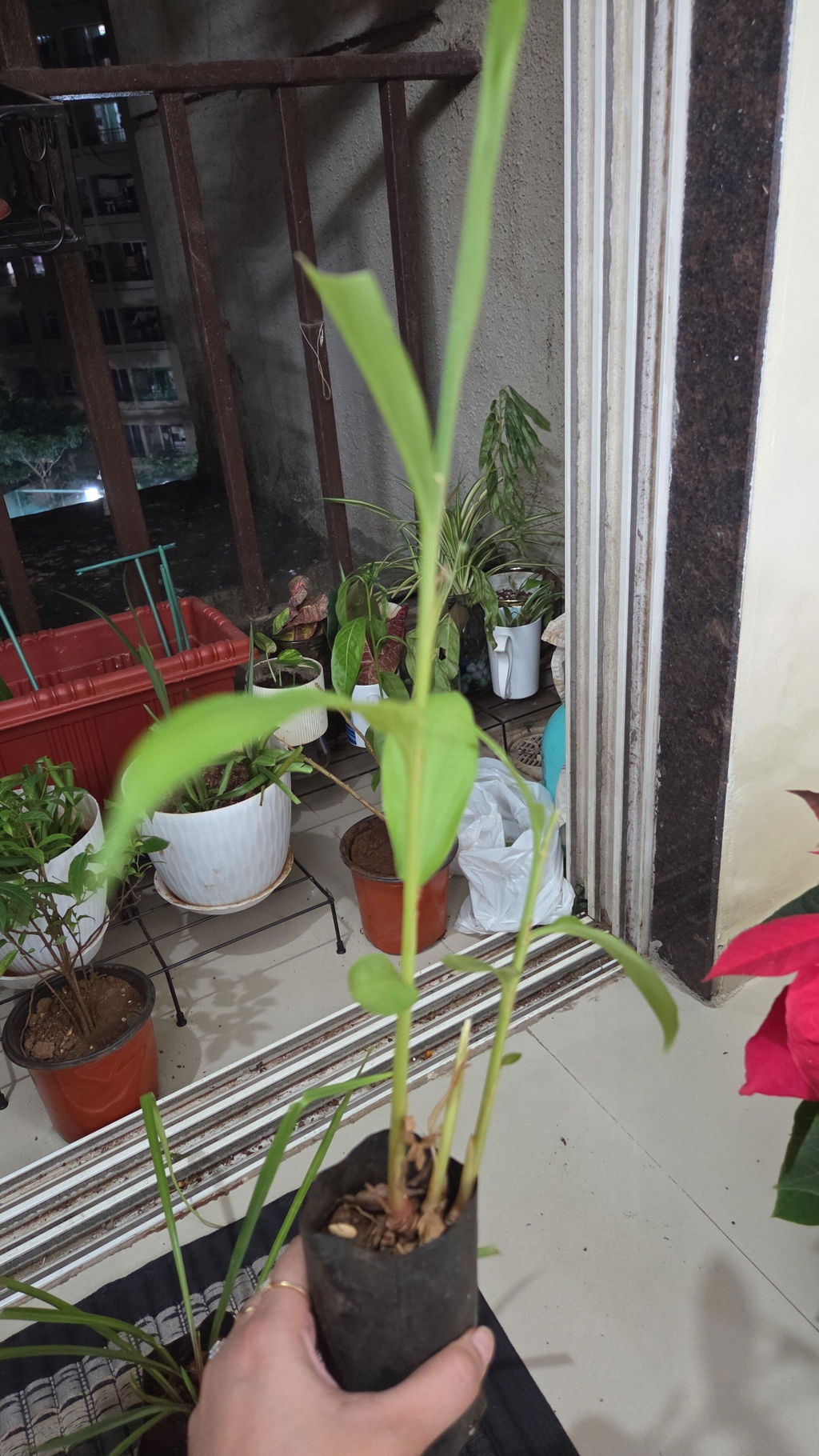
None of the plants have survived. They don't even respond to the complaint
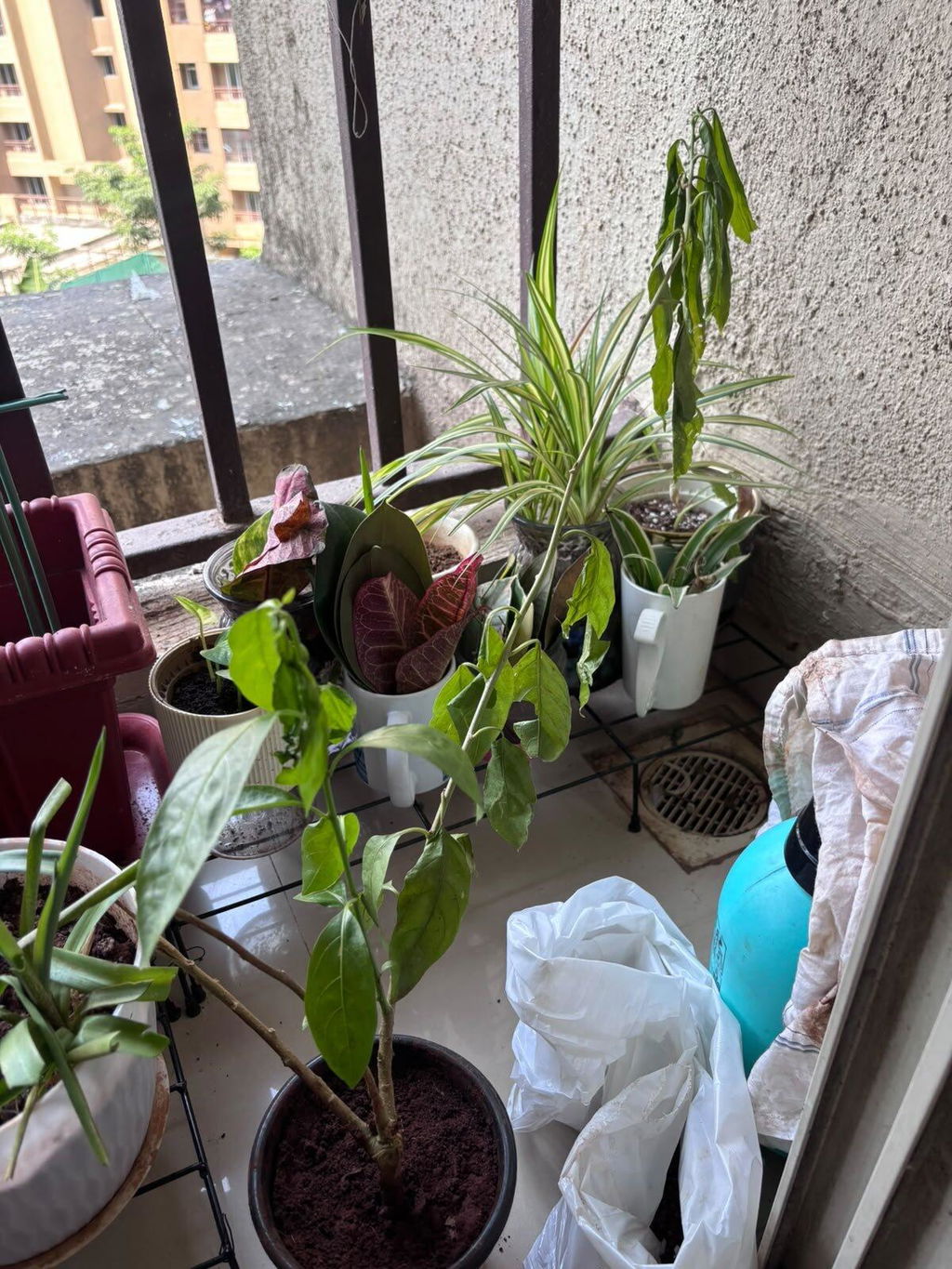
I am not happy with the support team. I had ordered a plant but not satisfied with the quality and product. Tried to create support tickets but I was dealing with an AI agent.
I have sown 50% of the pocket seeds, but not a single seed has germinated so far
Got an unhealthy plant with just 7-8 leaves and long naked stem, and now only 3-4 leaves left. Have used vermicompost as top soil and used cow manure. Have kept in a well light place with no direct harsh sun but still the plant is dying.
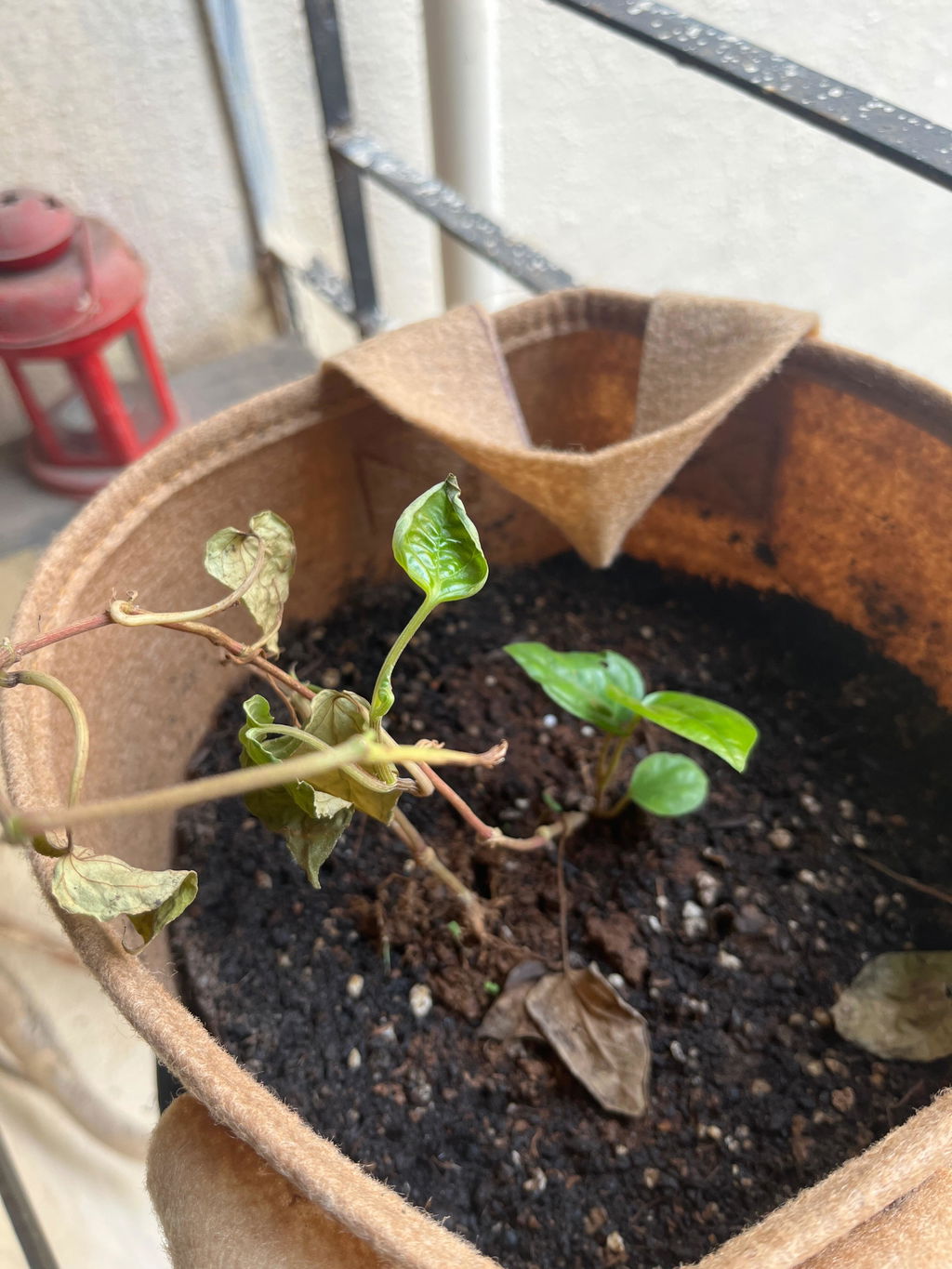
The areca palm Plant Not Survived after week। It's almost dead now।
I received rose plant in very bad condition. I tried to contact but no one replied. I sent what’s up messages along with photos of plant but no reply at all.
Please do not go by the pictures. You will receive something that you cannot use with broken stems and infected leaves.
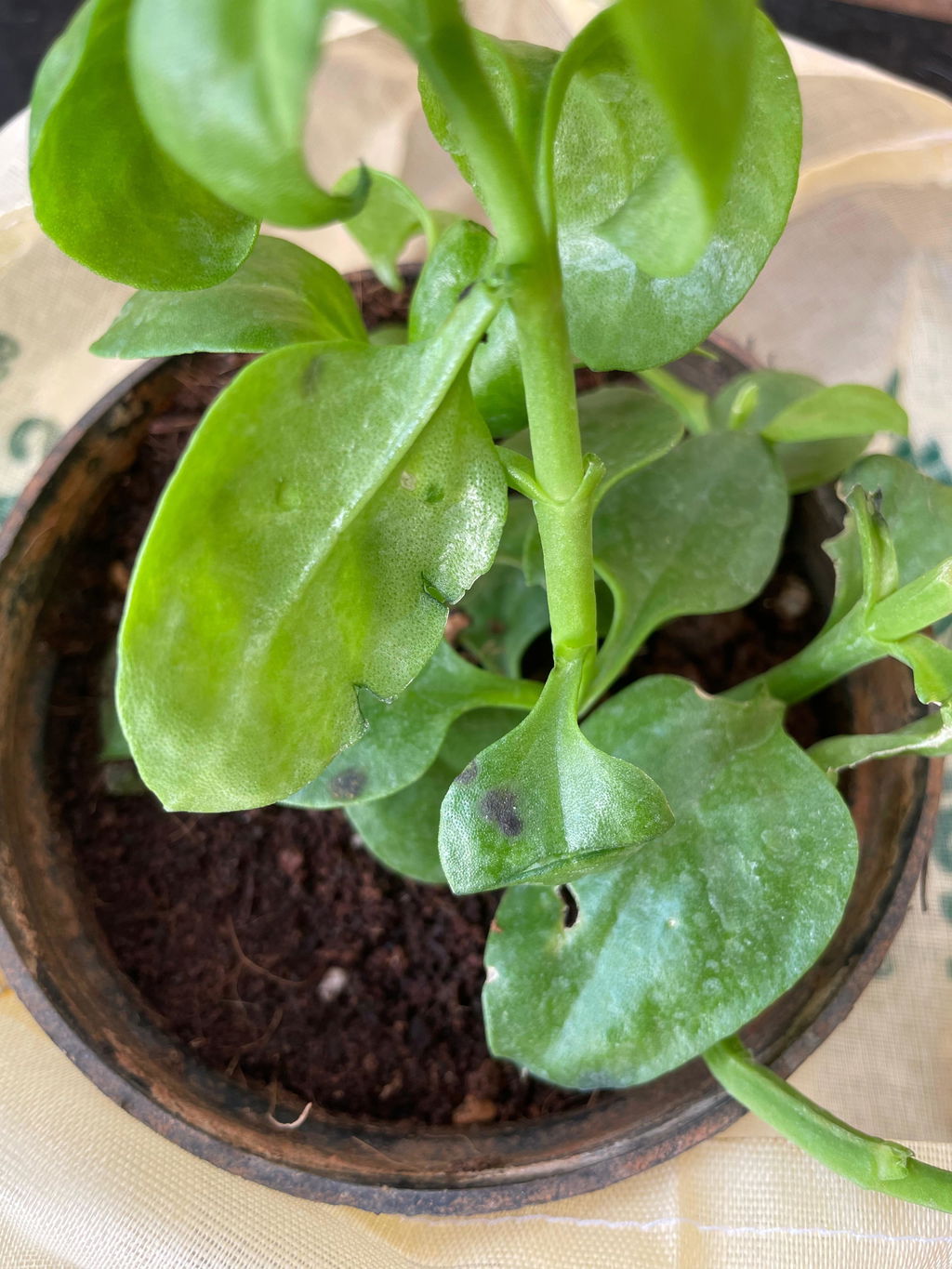
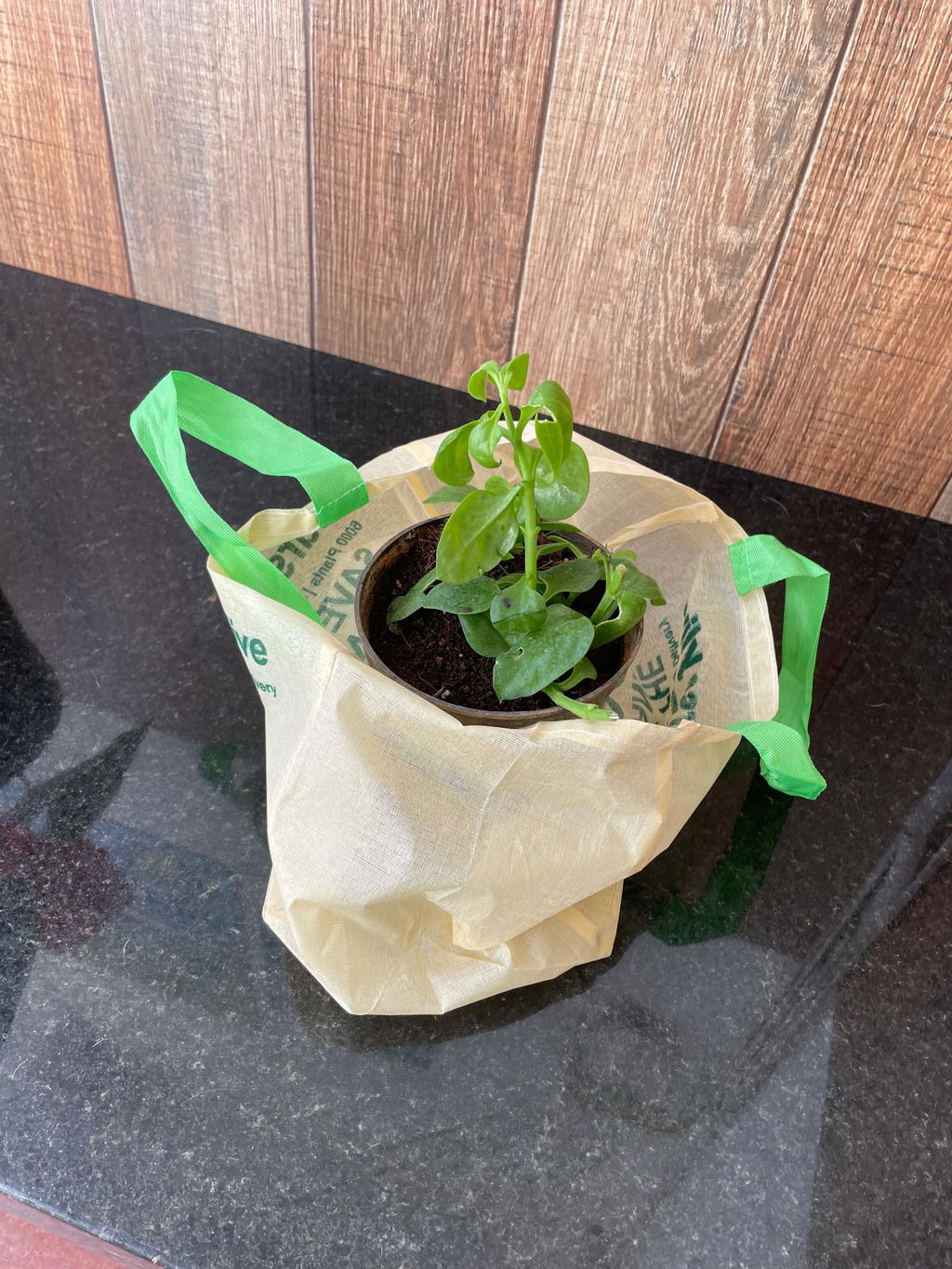
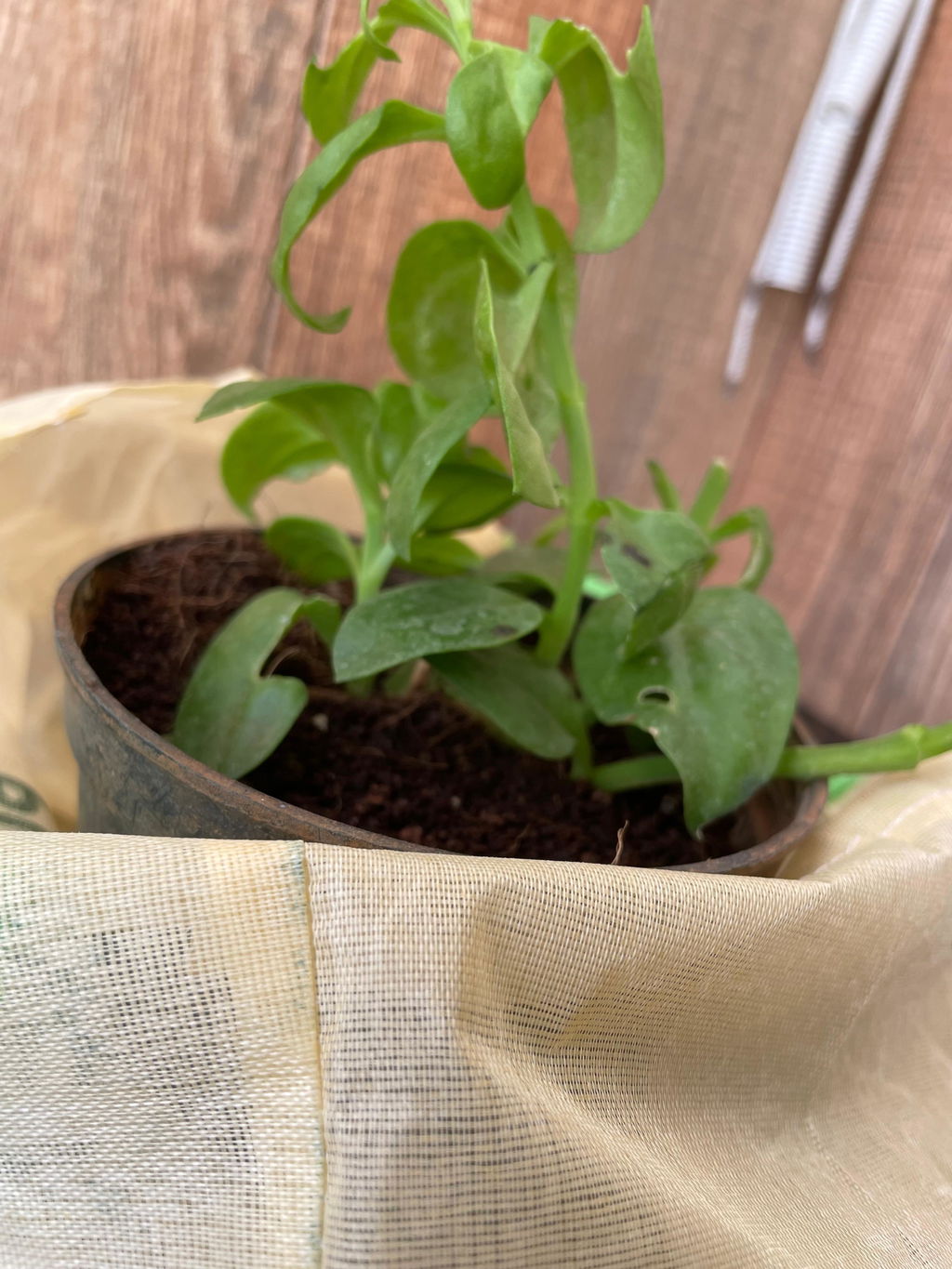
I have ordered Red rose They delivered Orange rose..tried to connect with them but no answer from nurserylive..
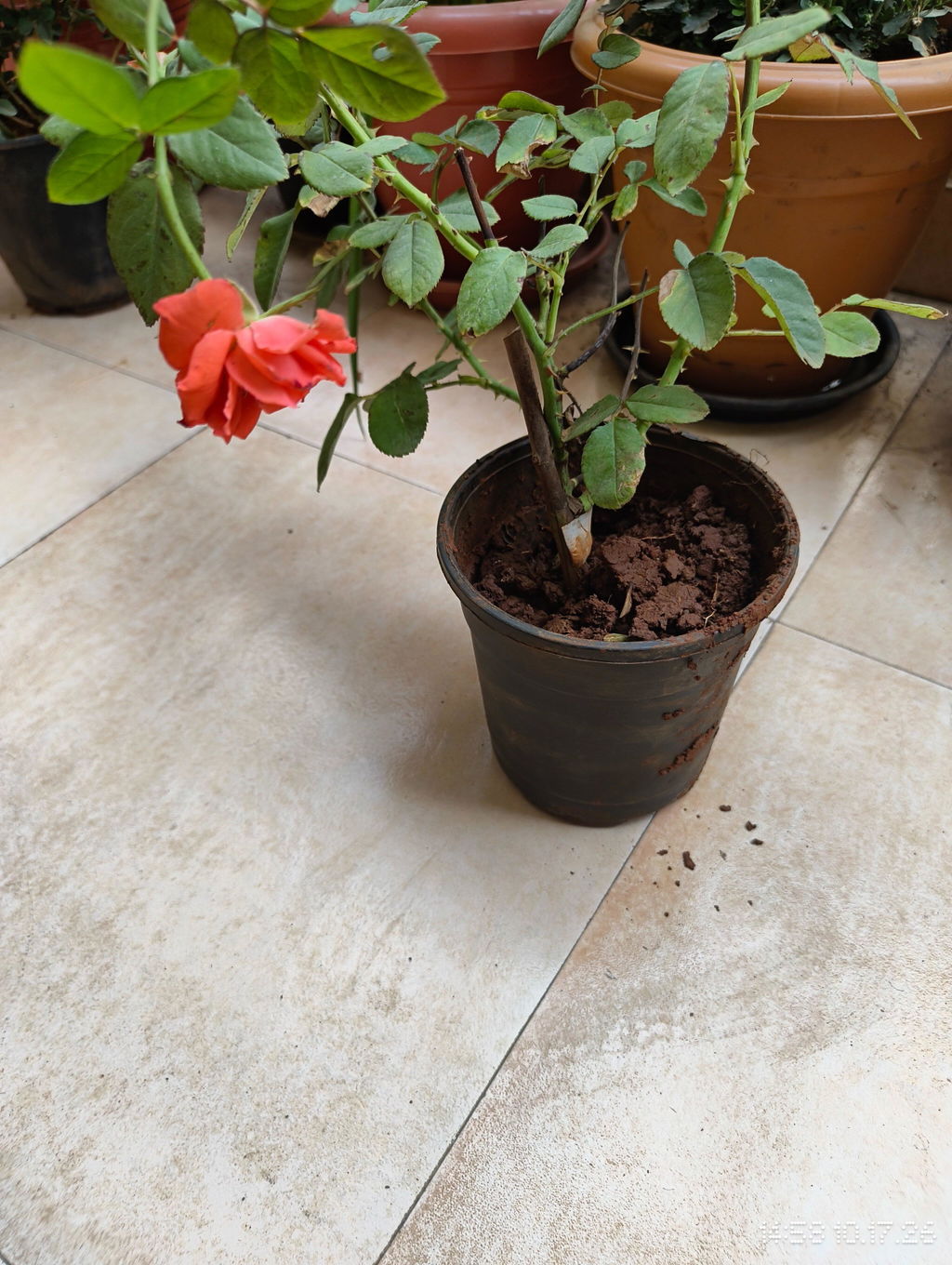
I have ordered Maroon rose.They delivered maroon rose..this happened two times..
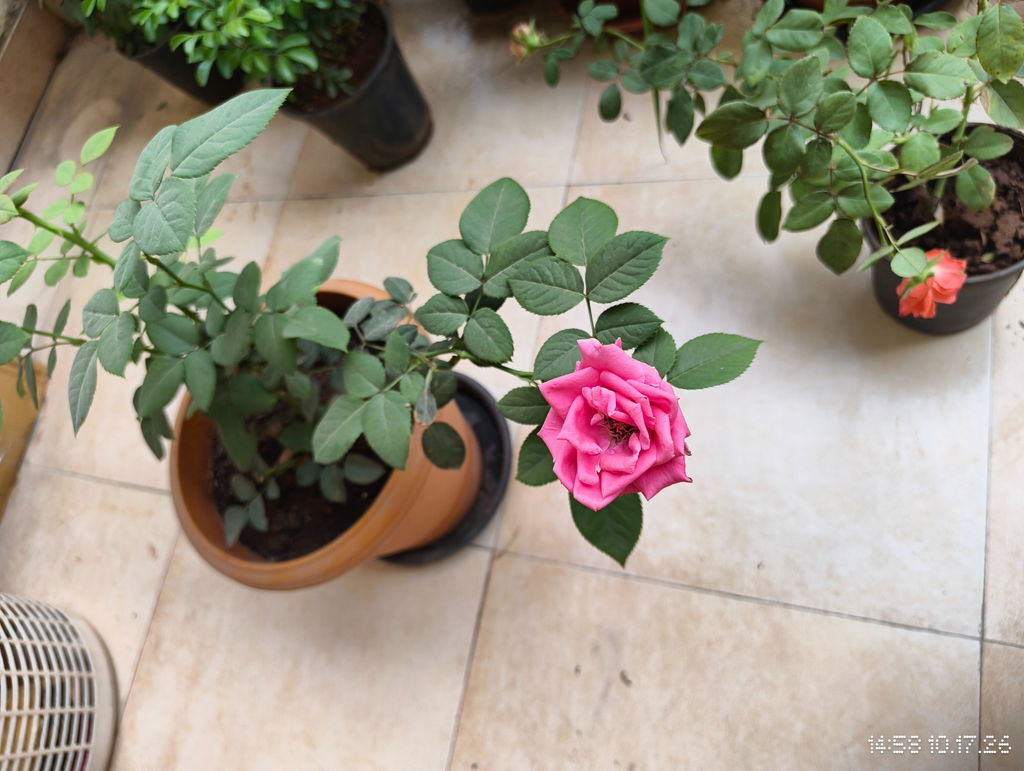
Bought 3 Plants for First Time,
At straight was pretty much impressed with the careful packaging of the plants, they were delivered lush and not a single stem broken.
Recomenned to all that are trying to liven up their balconies
Snake plant and thyme are doing well. The seeds have not germinated as yet. The seeds trays are horrible. No depth at all.
Received dead plant. Wrote to customer care, yet to get a response. I threw the plant due to the callous and indifferent attitude of nurserylive.
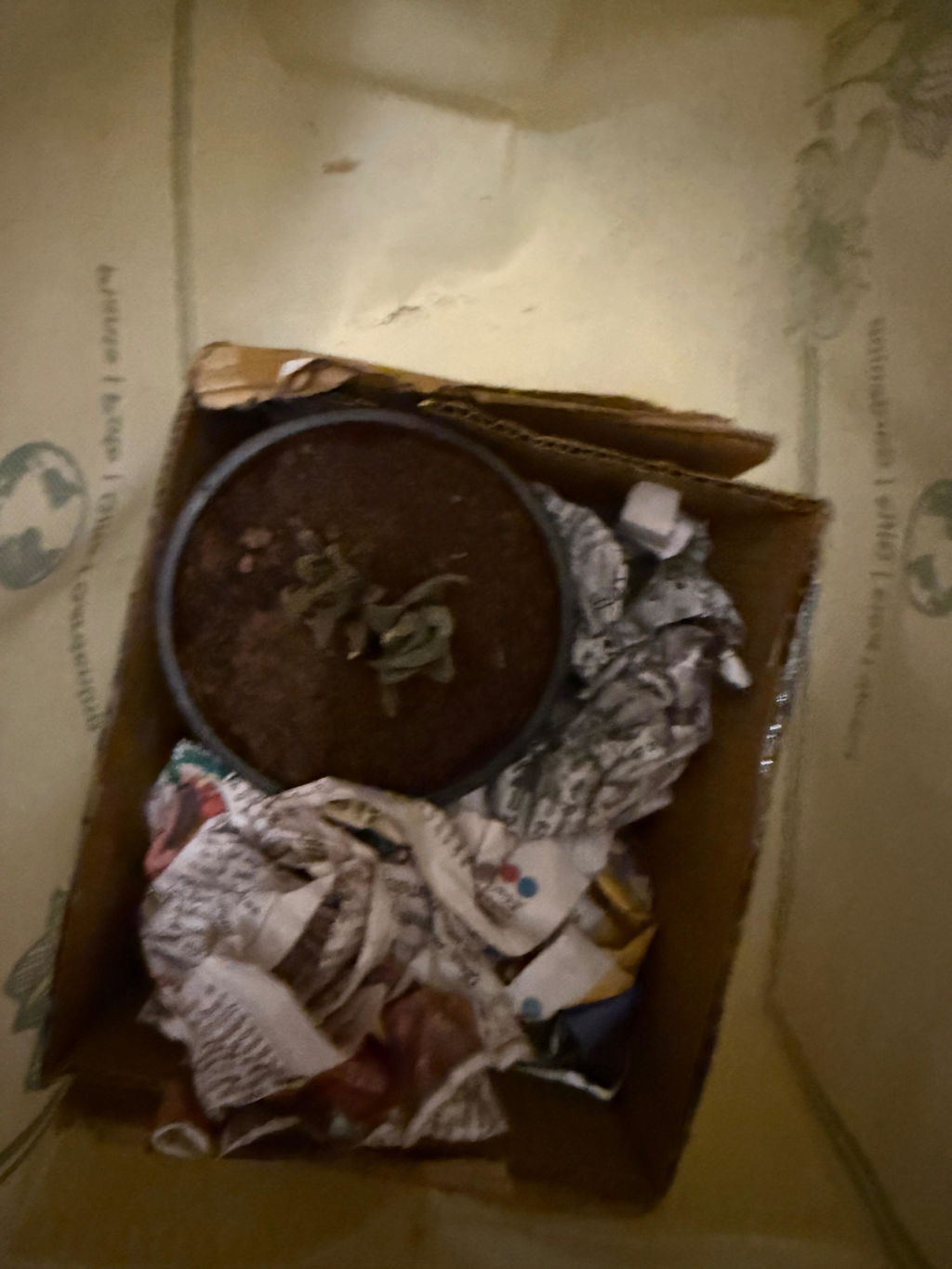
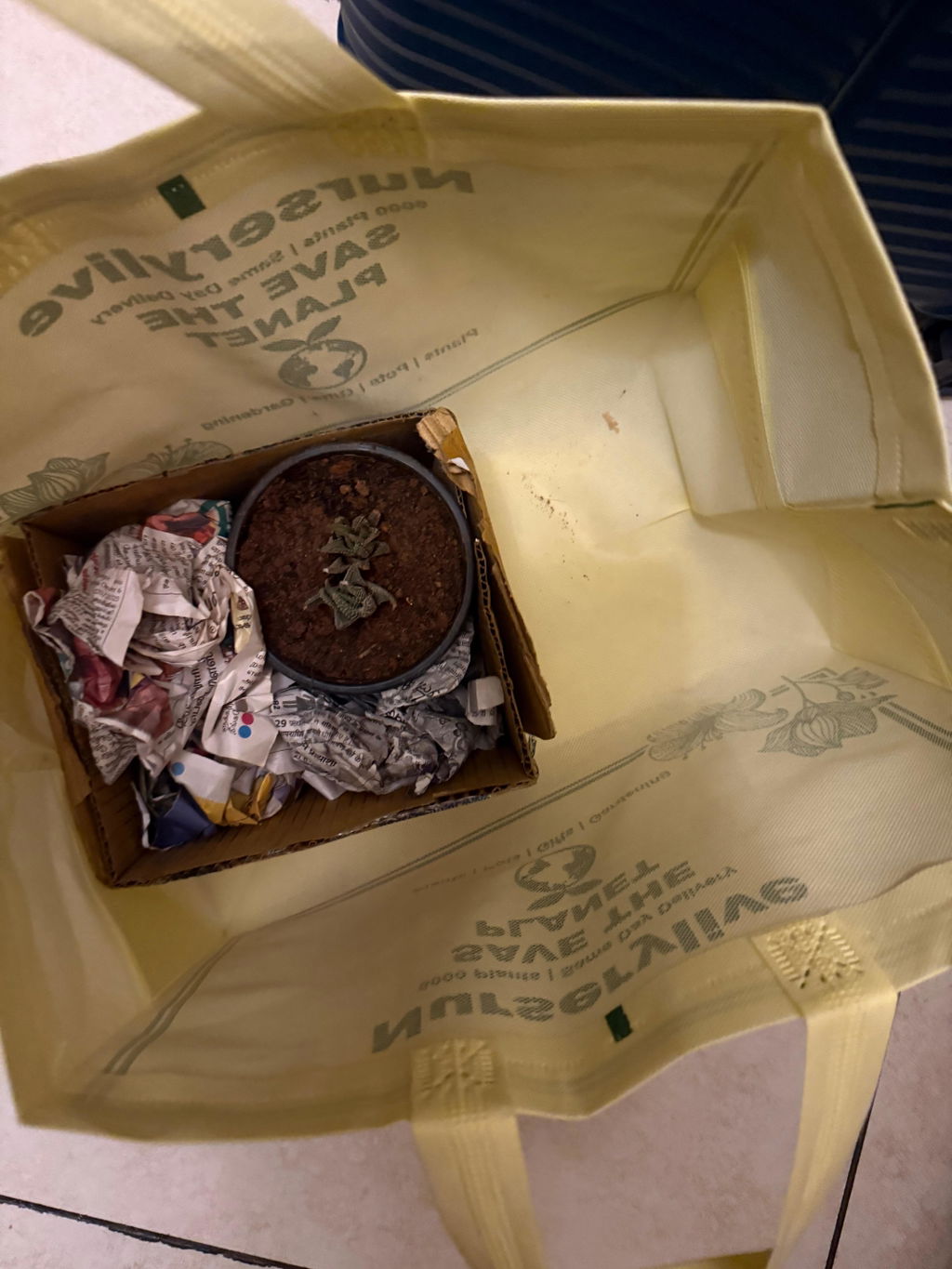
They don’t deliver anything, they only collect money!! don’t buy anything from here
Received a message that the product was delivered, but in fact, I did not receive it at all.. then I started checking on social media to find out more about Nurserylive & realised that this application is a fraud. They do not deliver anything. They just collect money and I think they’ve done it from thousands of people. They’re basically fraudsters. I want to lodge a complaint with the consumer court about this fraud.
Product not delivered but marked as delivered
The plumeria had no roots it was just an unrooted stump. This rotted. Poor poor quality and expensive waste of money . Will you replace with a rooted plant?
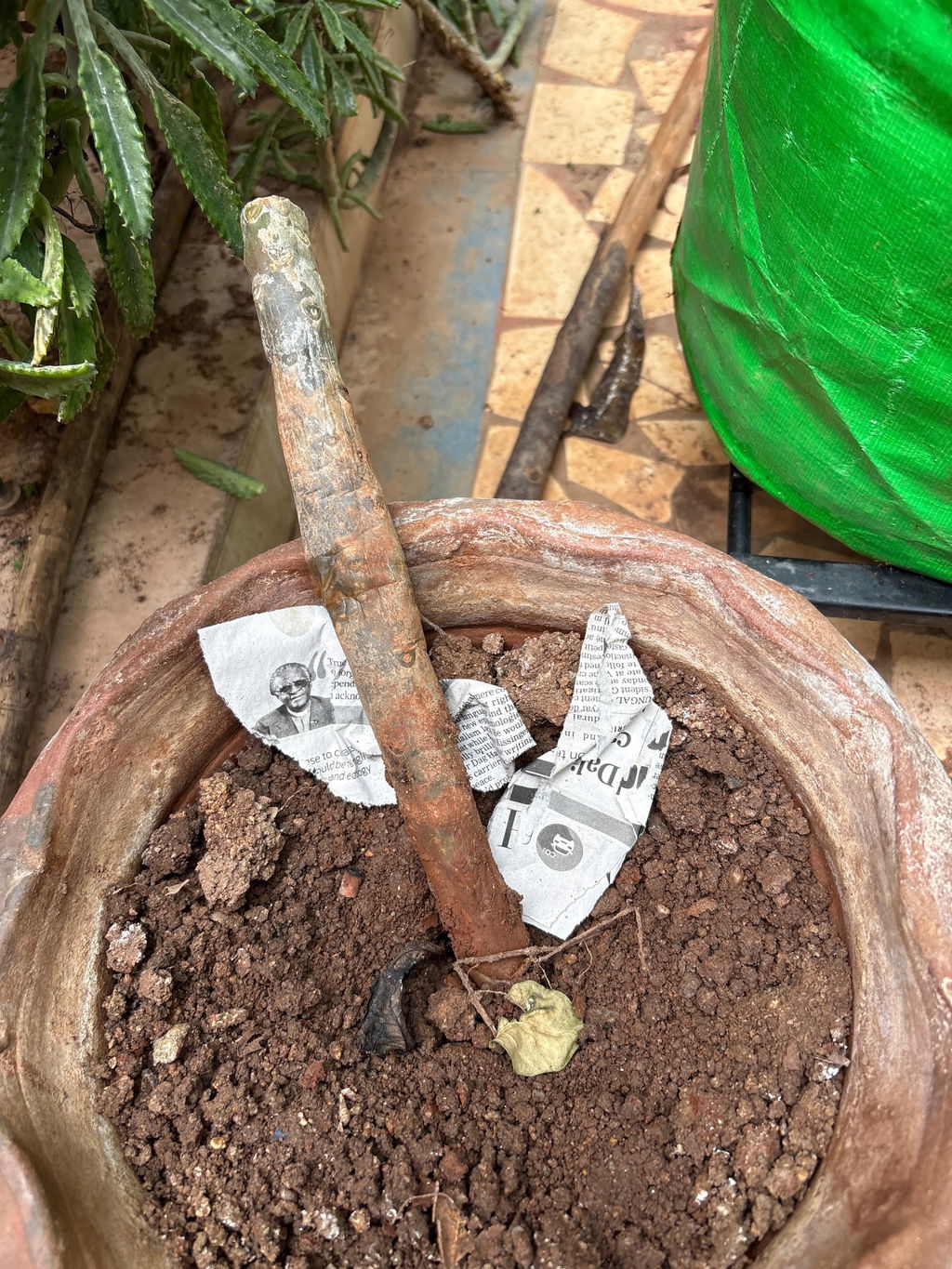
Instead of Red bunny cactus, I received Roadkill cactus.
Plant was delivered in a plastic bag and seemed transferred recently into the pot. Mud was rough and plant was half dead and next day almost dead. Terrible waste of money. Need a refund.