
Expert Support
Available 24/7 via chat
Available 24/7 via chat
Bryophyllum, locally known as Pan-Futi, is a remarkable medicinal perennial that has been treasured in Indian gardens for generations. Known by many names—air plant, cathedral bells, life plant, miracle leaf, and Goethe plant—this drought-tolerant succulent is prized for both its ornamental value and traditional wellness benefits. Whether you're a seasoned gardener or just starting out, Bryophyllum is an exceptionally easy plant to cultivate, thriving on neglect while delivering consistent, low-maintenance beauty. Its ability to flourish in India's heat, grow readily on terraces, and require minimal water makes it an ideal choice for water-conscious gardeners and busy plant parents alike.
Bryophyllum is a succulent perennial that grows as a compact plant, typically reaching 14 inches (36 cm) in height with a spread of 7 inches (18 cm) under normal cultivation. However, in ideal conditions, it can eventually grow to 30–120 cm, and in exceptional cases, may reach up to 2 meters in height. The plant produces delicate flowers in shades of greenish-yellow to pinkish-red, which bloom during the peak winter months of January and February—a spectacular sight in Indian gardens during the cool season.
Beyond its ornamental appeal, Bryophyllum holds significant importance in traditional Indian wellness practices. Known affectionately as the "miracle leaf" and "life plant," it has been used for centuries in Ayurvedic and folk medicine. Its leaves are believed to possess various medicinal properties, making it not just a decorative plant but a functional addition to any household garden.
| Aspect | Requirement |
|---|---|
| Light | Full Sun |
| Watering | Medium (Drought tolerant) |
| Soil | Well-drained |
| Temperature | 25–30°C |
Bryophyllum is a sun-loving plant that thrives in full sunlight. Position your plant in a location that receives direct sunlight for most of the day—ideally, 6–8 hours or more. In India's intense summer climate, this plant actually benefits from abundant light and will reward you with more vibrant growth and better flowering. On terraces, south or west-facing positions work particularly well. The full sun requirement also means the plant is less susceptible to fungal issues that plague moisture-loving shade plants, making it an excellent choice for open garden spaces.
One of Bryophyllum's most appealing characteristics is its ability to thrive with minimal watering. This is a genuinely drought-tolerant plant, which means it stores water in its leaves and can go extended periods without supplemental irrigation. Water moderately—allow the soil to dry out completely between waterings before watering again. During India's monsoon season (June–September), reduce watering frequency significantly, as the high humidity and rainfall mean the plant receives ample moisture. In winter, watering needs are minimal.
The key risk with Bryophyllum is overwatering, not underwatering. Excessive moisture, particularly combined with poor drainage, can lead to root rot. Err on the side of caution: when in doubt, wait another week before watering. This drought tolerance makes it perfect for gardeners who travel, busy professionals, and those looking to conserve water during India's dry seasons.
Bryophyllum demands well-drained soil to thrive. Use a standard potting mix amended with additional perlite, coarse sand, or peat to improve drainage—you want moisture to drain quickly after watering. Avoid heavy clay soils that retain moisture excessively. In garden beds, ensure soil is not waterlogged during the monsoon. A good ratio is 50% regular potting soil + 50% drainage material for container cultivation.
Fertilizer requirements are minimal. Apply any organic fertilizer during the growing season (spring and early summer) once every 4–6 weeks. Compost, well-rotted manure, or balanced organic fertilizers work well. Avoid over-fertilizing, as this encourages soft growth and may reduce hardiness. Bryophyllum is not a heavy feeder and will do perfectly fine with minimal nutrition.
Bryophyllum is perfectly adapted to Indian climate conditions. The optimal temperature range is 25–30°C, which aligns closely with India's summer months and average indoor conditions in most regions. The plant tolerates heat exceptionally well and actually prefers warm conditions. During winter, when temperatures drop, the plant enters a semi-dormant phase, particularly in northern India where temperatures may fall below 20°C. This is when flowering occurs, as the cool winter stimulates blooming.
Humidity is not a major concern for this succulent. It tolerates both dry and humid conditions, though high humidity combined with poor air circulation increases fungal risk. On terraces or in well-ventilated garden spaces, this is rarely an issue. If growing indoors in humid conditions (such as kitchens or bathrooms), ensure good air movement around the plant.
Bryophyllum is an exceptionally easy plant to propagate, which is why it carries the affectionate common names "life plant" and "miracle leaf." The plant naturally produces tiny plantlets along its leaf margins that can be gently removed and placed directly on moist, well-drained soil. These will root readily and develop into new plants within a few weeks. Alternatively, individual leaves can be removed from the plant and laid on moist soil, where they will eventually produce roots and shoots.
Propagation can be done year-round, though spring and early summer offer the fastest results. This ease of propagation makes Bryophyllum an excellent plant for sharing with friends and family—a single mature plant can produce dozens of new plants with minimal effort. Perfect for gardeners who want to expand their collection or gift plants to fellow enthusiasts.
Overwatering and Root Rot: The most common issue is overwatering. If your plant's leaves become soft, mushy, or translucent, it's likely receiving too much water. Reduce watering immediately and ensure drainage is adequate. If root rot has set in, repot the plant in fresh, dry soil and discontinue watering until new growth appears.
Poor Drainage: Always use well-draining soil. Waterlogged soil is the enemy of succulent health. If planted in garden beds, avoid low-lying areas prone to water accumulation during the monsoon season. Raised beds or containers are ideal solutions.
Pest Issues: Bryophyllum is generally pest-resistant, particularly outdoors. Indoor plants may occasionally attract mealybugs or scale insects; spray affected areas with neem oil if needed. Outdoor plants growing in full sun with good air circulation rarely face pest problems.
Lack of Flowering: If your plant isn't flowering, ensure it's receiving full sunlight and that winter temperatures are cool enough (below 20°C) to trigger blooming. Ensure the plant is mature enough—younger plants may not flower immediately. Patience is key with first-season plants.
Ready to grow your own? Shop Bryophyllum at Nurserylive →
Bryophyllum, Panfuti - Plant Bryophyllum, commonly known as Panfuti, is a succulent plant renowned for its unique ability to propagate fro...
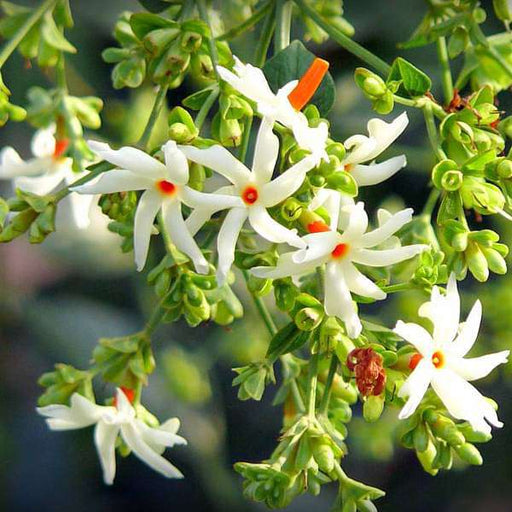
View full detailsCombo Constituents Includes the Parijat Tree (Night-Flowering Jasmine), a culturally significant plant with fragrant flowers. Description The Pari...
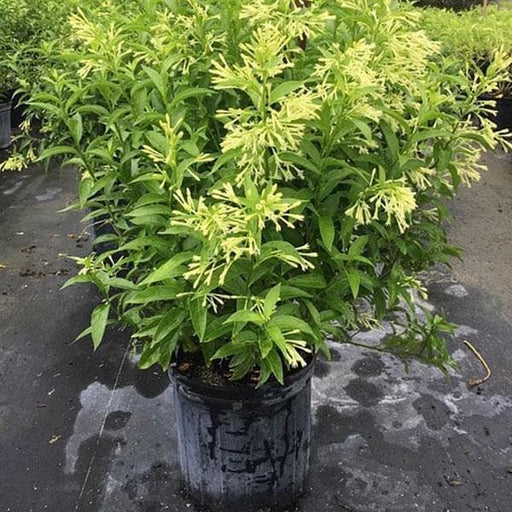
View full detailsDescription Raat Ki Rani (*Cestrum nocturnum*), also known as Night Blooming Jasmine, is a fragrant shrub native to the Caribbean and Central Ameri...
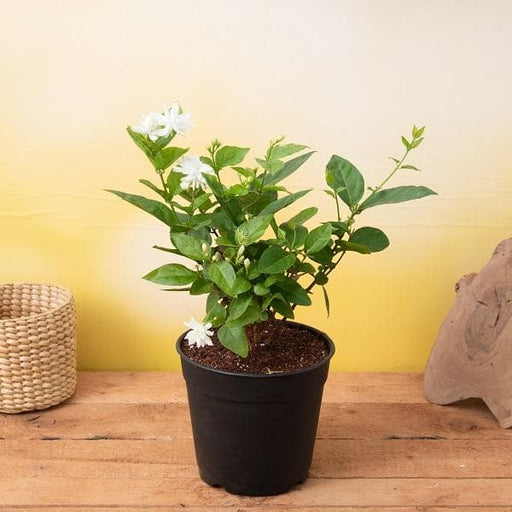
View full detailsJasminum sambac, Mogra, Arabian Jasmine - Plant Jasminum sambac, commonly known as Mogra or Arabian Jasmine, is a fragrant flowering plant...
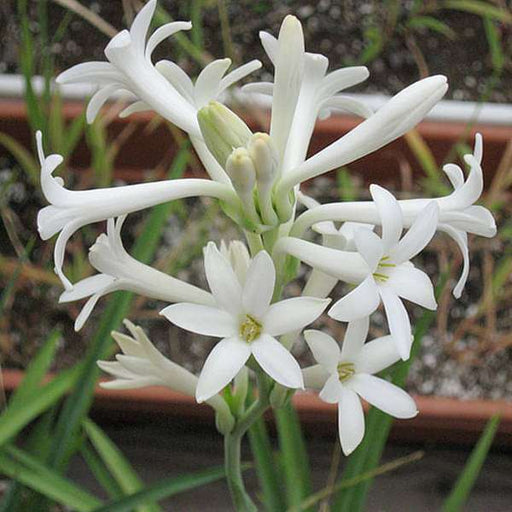
View full detailsRajnigandha, Tuberose - Plant The Rajnigandha, scientifically known as Polianthes tuberosa, is a captivating perennial plant renowned for ...
View full detailsCitronella, Odomas - Plant The Citronella plant, scientifically known as Cymbopogon nardus, is a tropical grass renowned for its aromatic ...
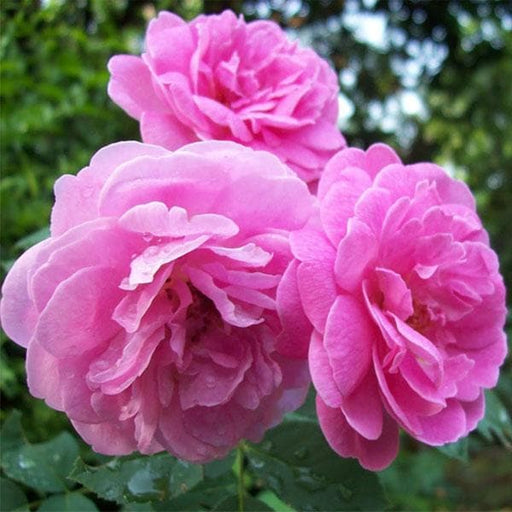
View full detailsDamascus Rose, Scented Rose (Any Color) - Plant The Damascus Rose, also known as Rosa damascena, is a timeless symbol of beauty and romanc...
View full detailsMiniature Rose, Button Rose (Any Color) - Plant The Miniature Rose, also known as the Button Rose, is a charming and compact flowering plant that ...
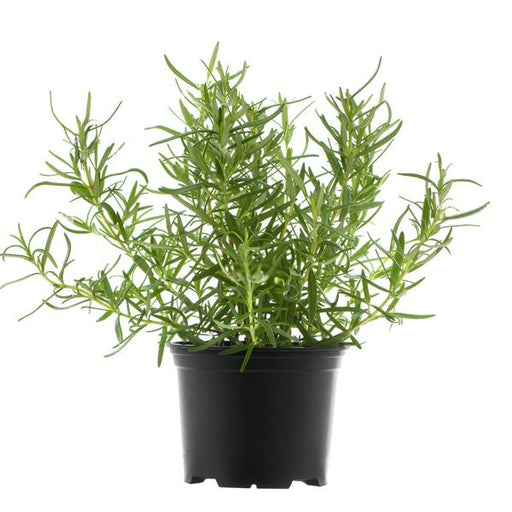
View full detailsRosemary - Plant Rosemary (Rosmarinus officinalis) is a fragrant evergreen herb native to the Mediterranean region. Known for its needle-like leav...
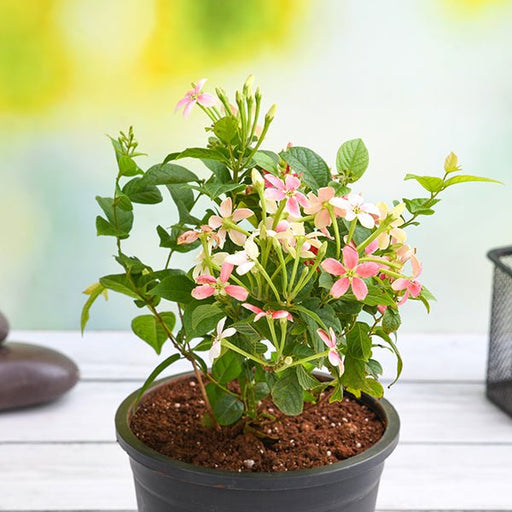
View full detailsMadhumalti Dwarf, Rangoon Creeper - Plant The Madhumalti Dwarf, also known as the Rangoon Creeper (Quisqualis indica), is a stunning perennial vin...
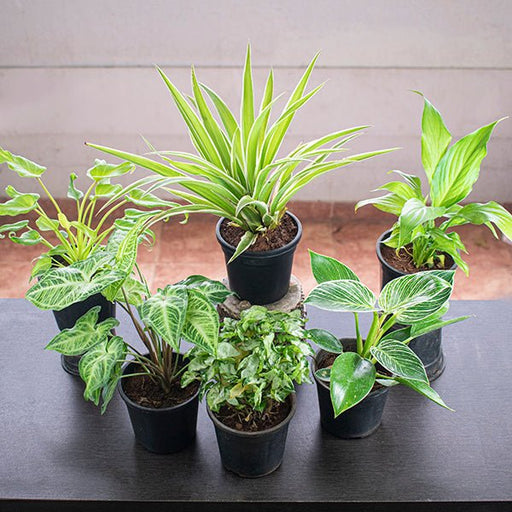
View full detailsBest 6 Plants for Perfect Indoor Garden Transform your living space into a lush oasis with our curated collection of the Best 6 Plants for a...
View full detailsBest 6 Plants for Perfect Indoor Garden Transform your living space into a lush oasis with our curated collection of the Best 6 Plants for a...
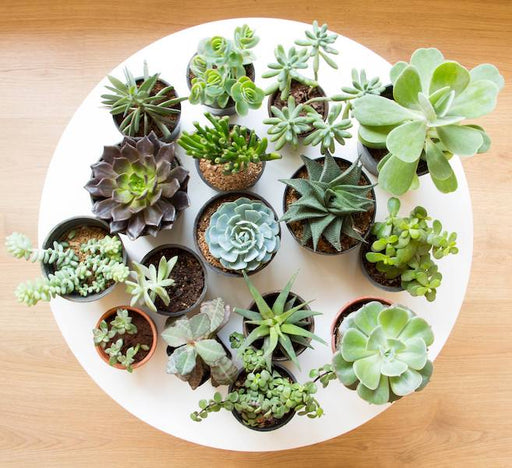
View full detailsMini Succulent Garden Pack Transform your space with our Mini Succulent Garden Pack, featuring a delightful collection of 4 any variety beautiful s...
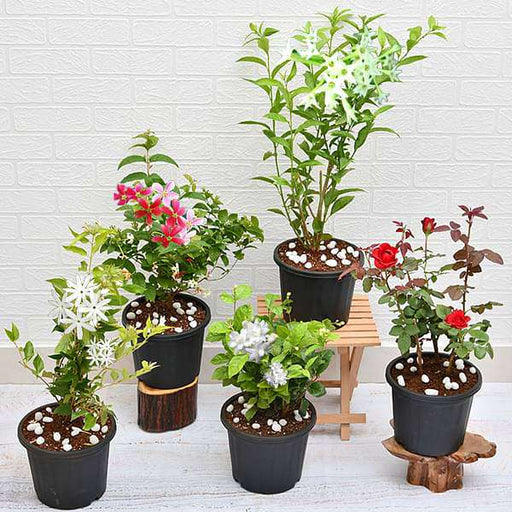
View full details5 Best Fragrant Plants Transform your garden or indoor space into a fragrant paradise with our curated selection of the 5 Best Fragrant Plants. Th...
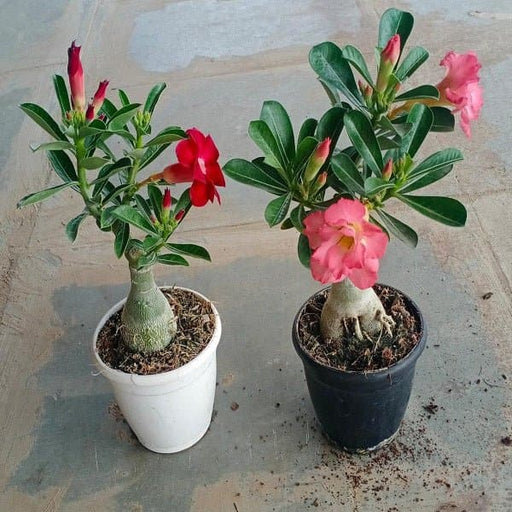
View full detailsSet of 2 Bonsai Looking Grafted Adeniums Transform your indoor or outdoor space with our exquisite Set of 2 Bonsai Looking Grafted Adenium...
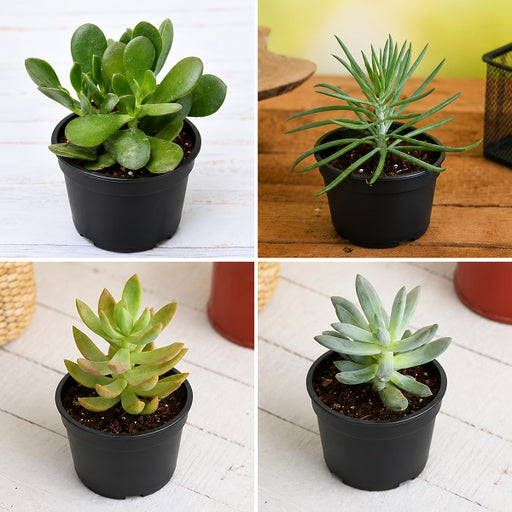
View full detailsTop 4 Die Hard Succulents Pack Note: Plants included in this pack will be delivered in a 3-inch nursery pot (any color). Transform your indoor or ...
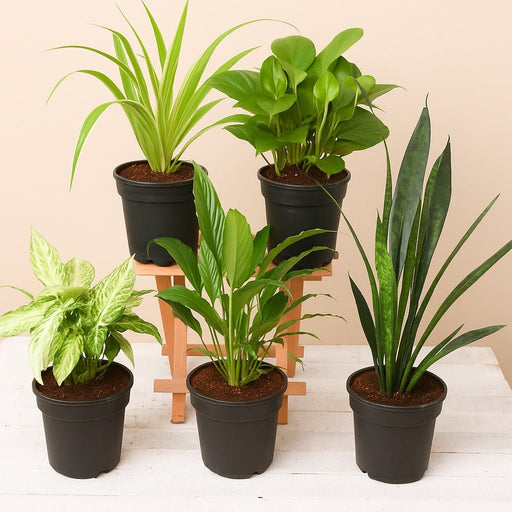
View full details5 Best Indoor Plants Pack Transform your living space into a lush oasis with our '5 Best Indoor Plants Pack.' This carefully curated collection fe...
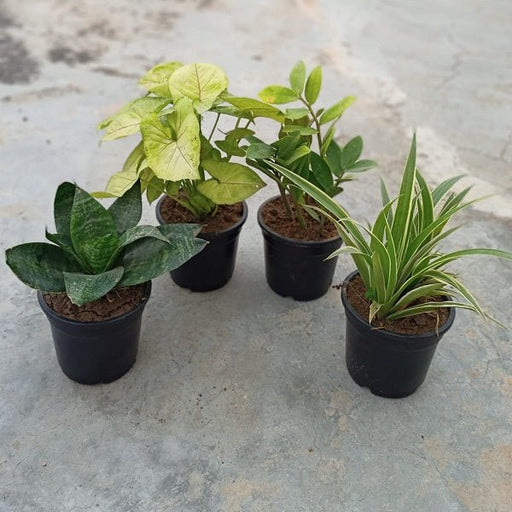
View full detailsSet of 4 Evergreen Air Purifier Plant Pack Transform your indoor space into a lush, green oasis with our Set of 4 Evergreen Air Purifier Pla...
View full detailsTop 5 Pollution Killer Plants Pack Transform your living space into a breath of fresh air with our 'Top 5 Pollution Killer Plants Pack'. This care...
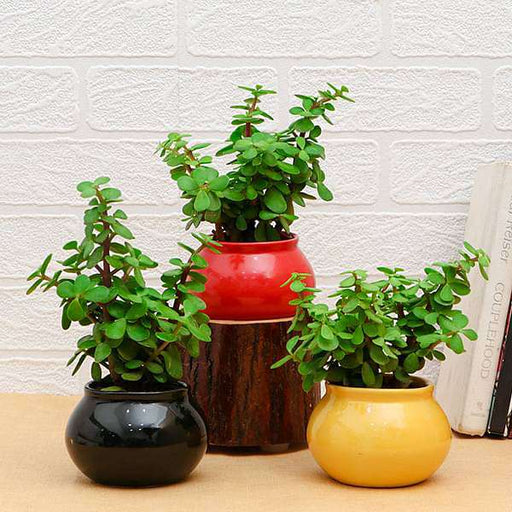
View full detailsPack of 3 Good Luck Jade Plants in Ceramic Pots Bring a touch of nature into your home with our Pack of 3 Good Luck Jade Plants, featuring...
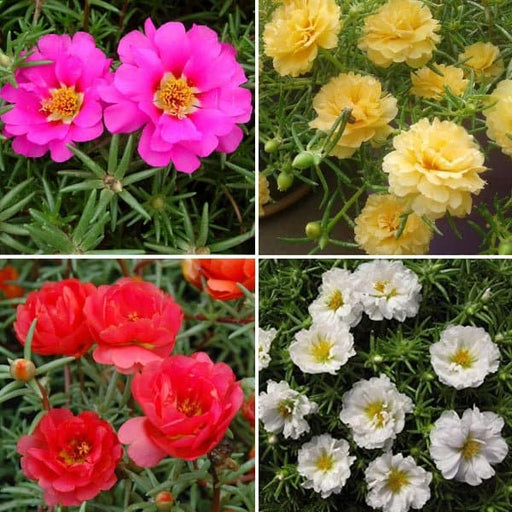
View full detailsPortulaca Garden Pack (4 Plants + 4 Black Pots) Note- You will get any color (Assorted) potted Porulaca plant with this pack. Transform your garde...
View full details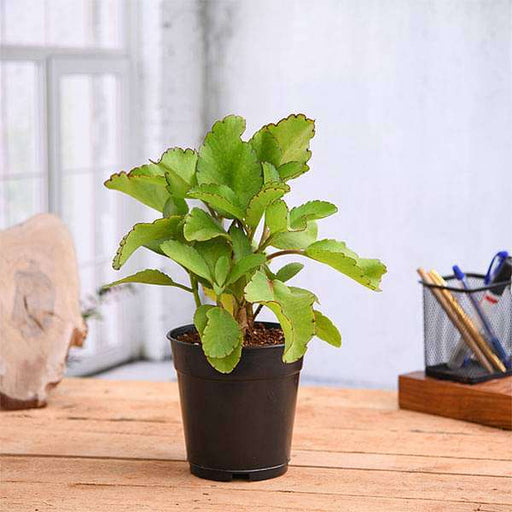






Leave a comment