You may also like
-
Save up to 15%
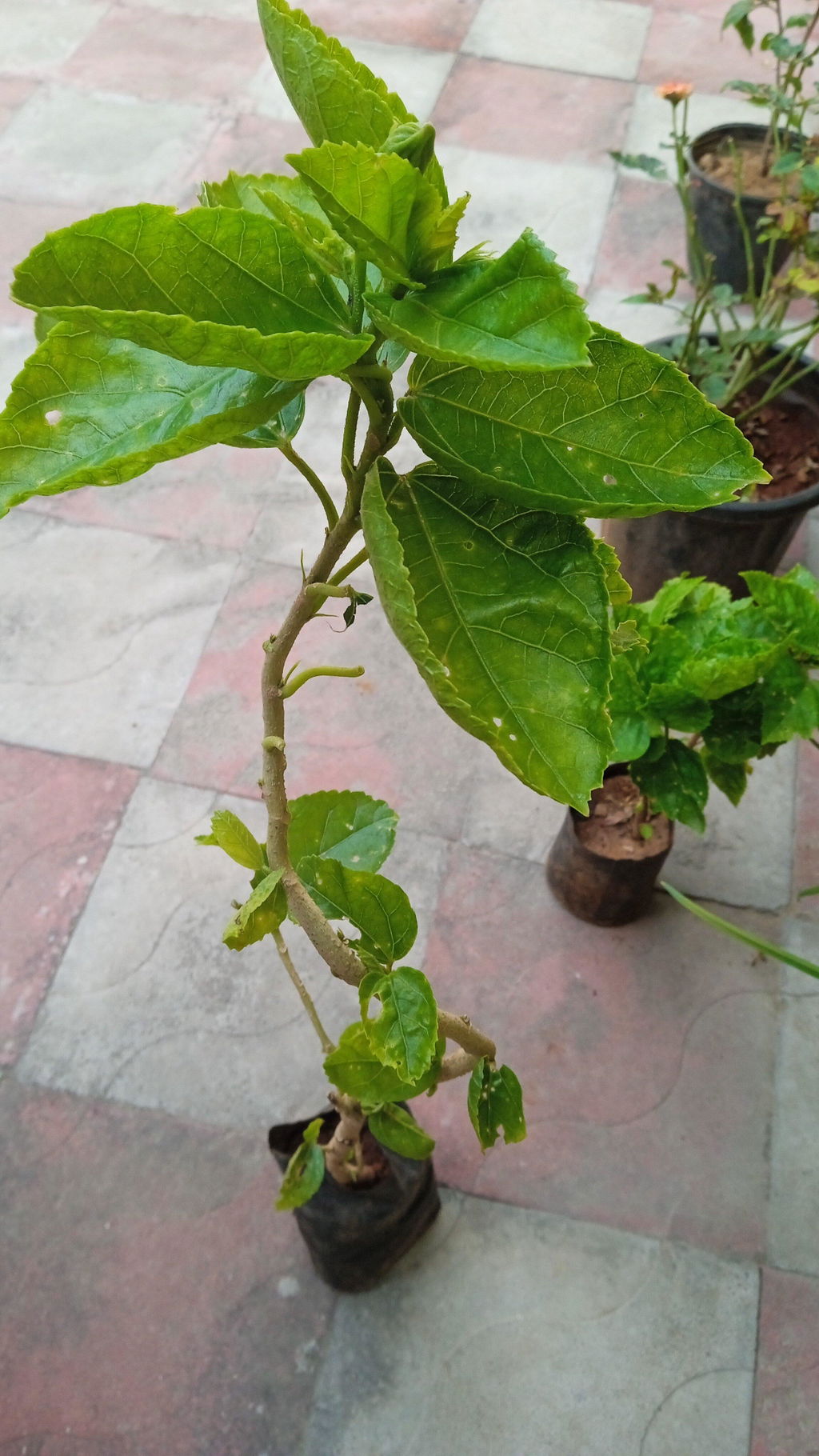
Original price ₹ 249Original price ₹ 249Original price ₹ 249₹ 199₹ 199Current price ₹ 199Peace Lily, Spathiphyllum - Plant
Peace Lily, Spathiphyllum - Plant The Peace Lily, scientifically known as Spathiphyllum, is a stunning houseplant celebrated for its elegant white...
View full detailsOriginal price ₹ 249Original price ₹ 249Original price ₹ 249₹ 199₹ 199Current price ₹ 199Save up to 15% -
Save 18%
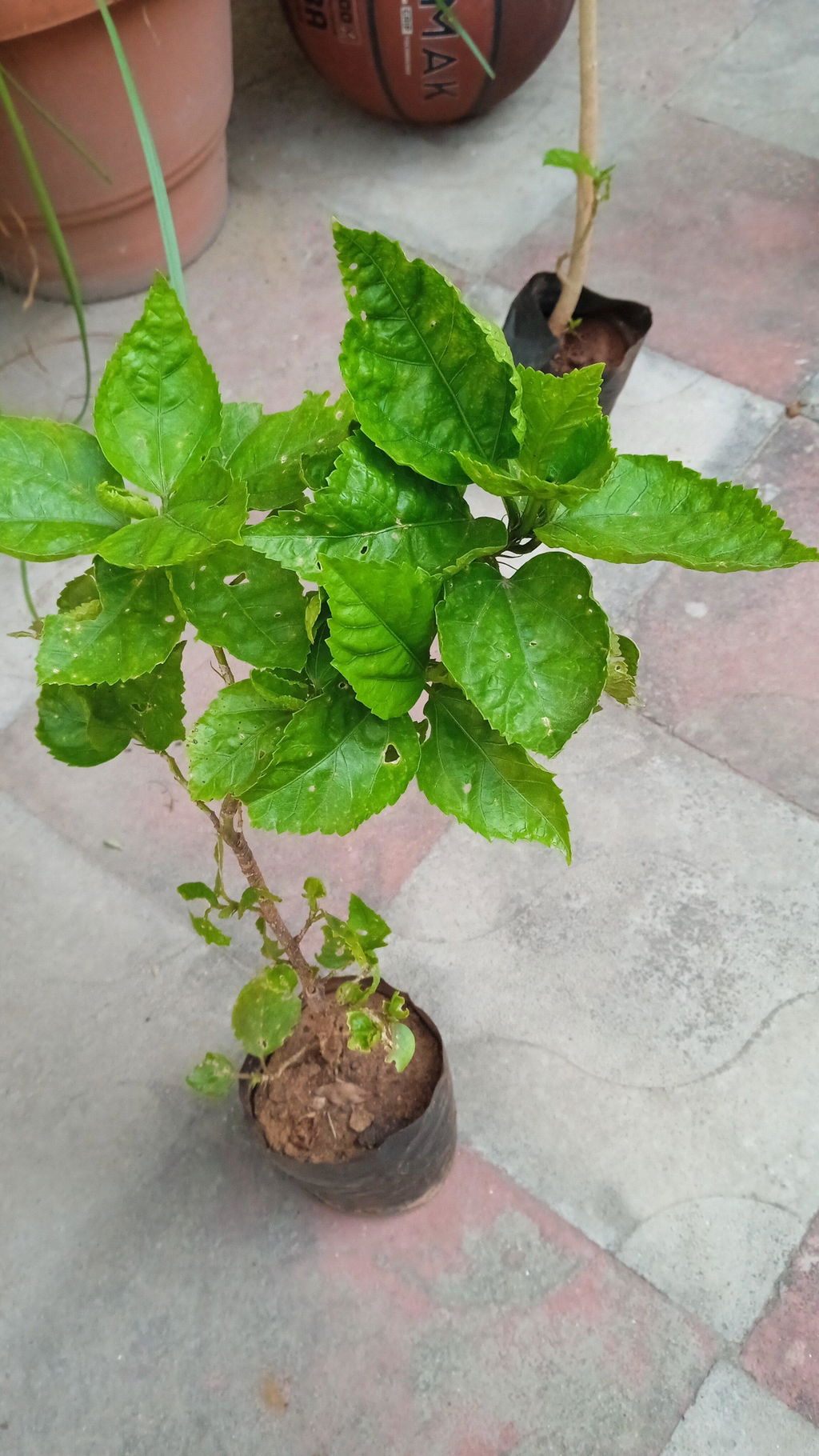
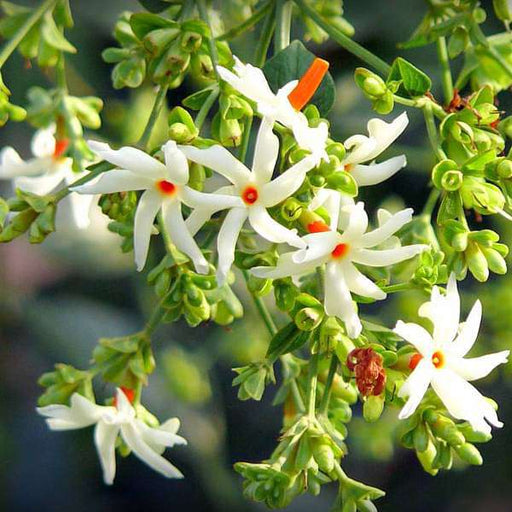
Original price ₹ 439Original price ₹ 439Original price ₹ 439Current price ₹ 359₹ 359Current price ₹ 359Parijat Tree, Parijatak, Night Flowering Jasmine - Plant
Combo Constituents Includes the Parijat Tree (Night-Flowering Jasmine), a culturally significant plant with fragrant flowers. Description The Pari...
View full detailsOriginal price ₹ 439Original price ₹ 439Original price ₹ 439Current price ₹ 359₹ 359Current price ₹ 359Save 18% -
Save 25%
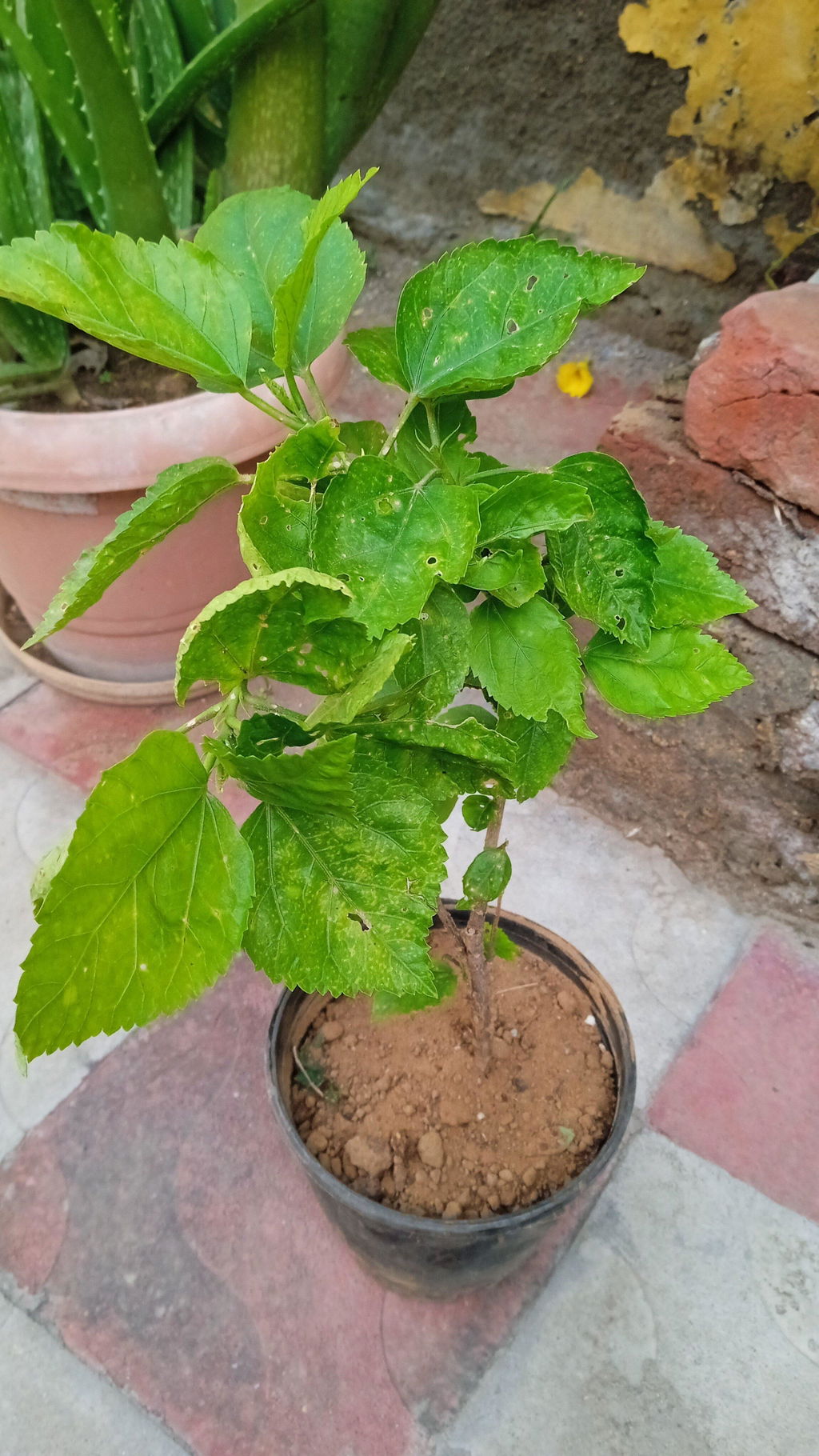
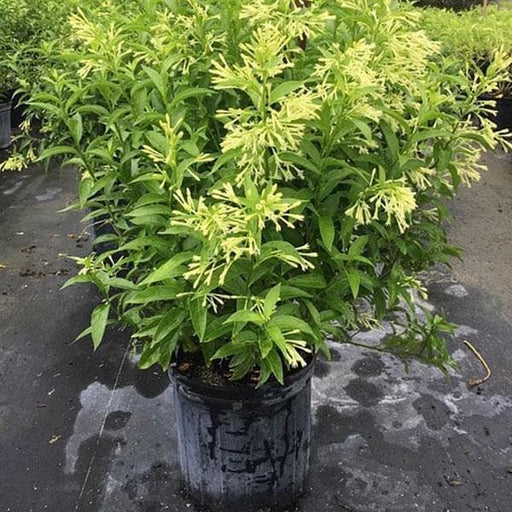
Original price ₹ 399Original price ₹ 399Original price ₹ 399Current price ₹ 299₹ 299Current price ₹ 299Raat Ki Rani, Raat Rani, Night Blooming Jasmine - Plant
Description Raat Ki Rani (*Cestrum nocturnum*), also known as Night Blooming Jasmine, is a fragrant shrub native to the Caribbean and Central Ameri...
View full detailsOriginal price ₹ 399Original price ₹ 399Original price ₹ 399Current price ₹ 299₹ 299Current price ₹ 299Save 25% -
Save 25%
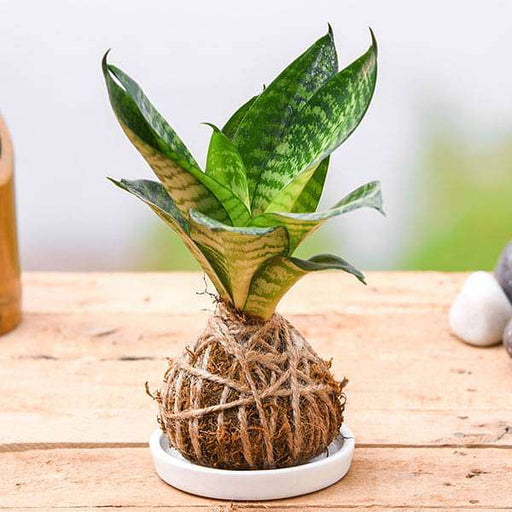
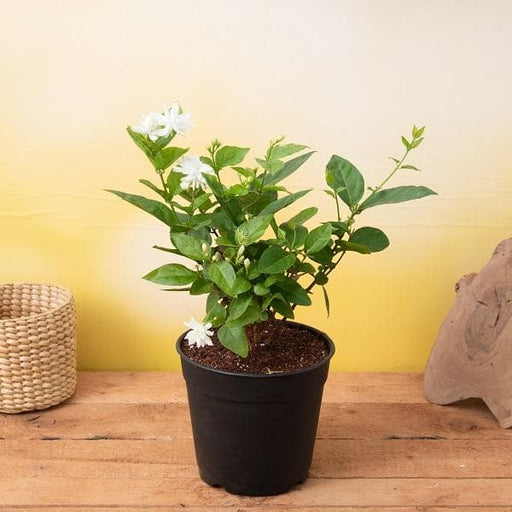
Original price ₹ 399Original price ₹ 399Original price ₹ 399Current price ₹ 299₹ 299Current price ₹ 299Jasminum sambac, Mogra, Arabian Jasmine - Plant
Jasminum sambac, Mogra, Arabian Jasmine - Plant Jasminum sambac, commonly known as Mogra or Arabian Jasmine, is a fragrant flowering plant...
View full detailsOriginal price ₹ 399Original price ₹ 399Original price ₹ 399Current price ₹ 299₹ 299Current price ₹ 299Save 25% -
Save 17%
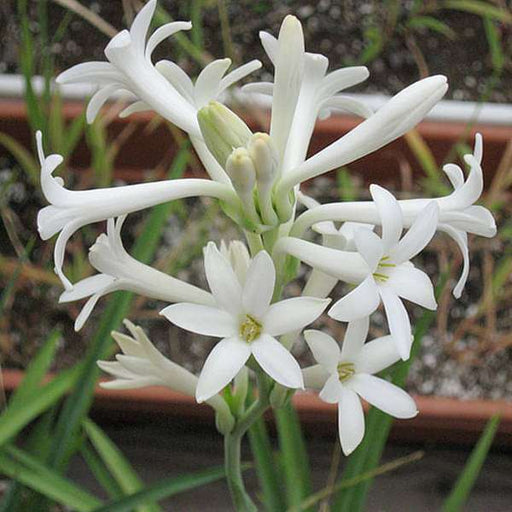
Original price ₹ 299Original price ₹ 299Original price ₹ 299Current price ₹ 249₹ 249Current price ₹ 249Rajnigandha, Tuberose - Plant
Rajnigandha, Tuberose - Plant The Rajnigandha, scientifically known as Polianthes tuberosa, is a captivating perennial plant renowned for ...
View full detailsOriginal price ₹ 299Original price ₹ 299Original price ₹ 299Current price ₹ 249₹ 249Current price ₹ 249Save 17% -
Sold out
Original price ₹ 298Original price ₹ 298Original price ₹ 298Current price ₹ 259₹ 259Current price ₹ 259Citronella, Odomas - Plant
Citronella, Odomas - Plant The Citronella plant, scientifically known as Cymbopogon nardus, is a tropical grass renowned for its aromatic ...
View full detailsOriginal price ₹ 298Original price ₹ 298Original price ₹ 298Current price ₹ 259₹ 259Current price ₹ 259Sold out -
Save 25%
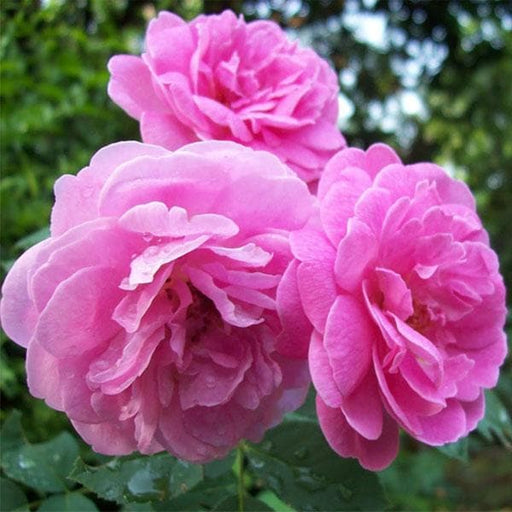
Original price ₹ 399Original price ₹ 399Original price ₹ 399Current price ₹ 299₹ 299Current price ₹ 299Damascus Rose, Scented Rose (Any Color) - Plant
Damascus Rose, Scented Rose (Any Color) - Plant The Damascus Rose, also known as Rosa damascena, is a timeless symbol of beauty and romanc...
View full detailsOriginal price ₹ 399Original price ₹ 399Original price ₹ 399Current price ₹ 299₹ 299Current price ₹ 299Save 25% -
View all Collection
Best Sellers
-
Save 35%
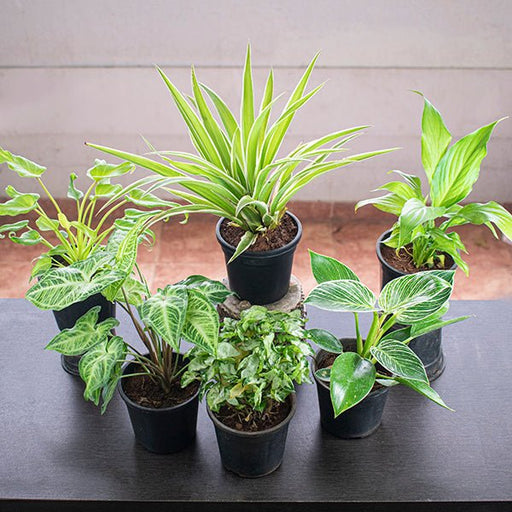
Original price ₹ 1,739Original price ₹ 1,739Original price ₹ 1,739Current price ₹ 1,130₹ 1,130Current price ₹ 1,130Best 6 Plants for Perfect Indoor Garden
Best 6 Plants for Perfect Indoor Garden Transform your living space into a lush oasis with our curated collection of the Best 6 Plants for a...
View full detailsOriginal price ₹ 1,739Original price ₹ 1,739Original price ₹ 1,739Current price ₹ 1,130₹ 1,130Current price ₹ 1,130Save 35% -
Save up to 50%
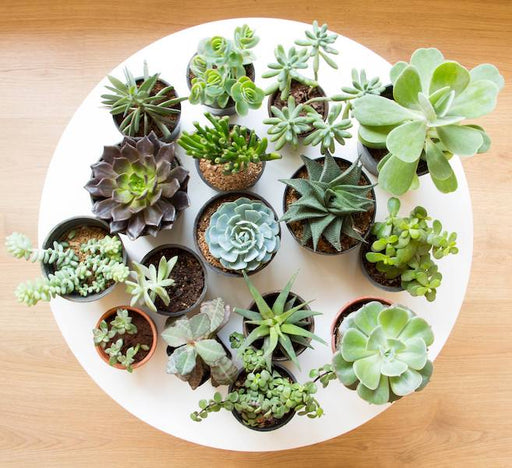
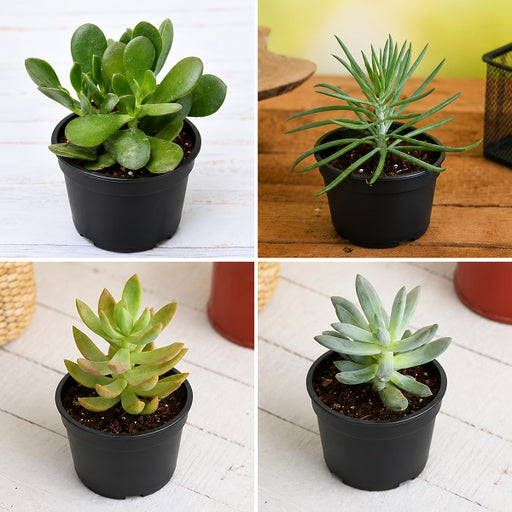
Original price ₹ 829Original price ₹ 829Original price ₹ 829₹ 499₹ 499Current price ₹ 499Mini Succulent Garden Pack
Mini Succulent Garden Pack Transform your space with our Mini Succulent Garden Pack, featuring a delightful collection of 4 any variety beautiful s...
View full detailsOriginal price ₹ 829Original price ₹ 829Original price ₹ 829₹ 499₹ 499Current price ₹ 499Save up to 50% -
Save 30%
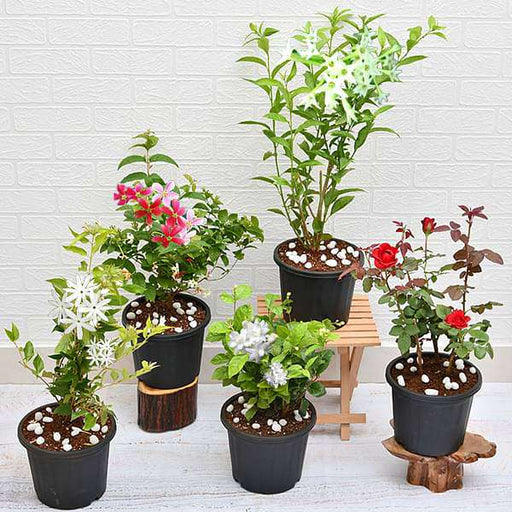
Original price ₹ 2,142Original price ₹ 2,142Original price ₹ 2,142Current price ₹ 1,499₹ 1,499Current price ₹ 1,4995 Best Fragrant Plants
5 Best Fragrant Plants Transform your garden or indoor space into a fragrant paradise with our curated selection of the 5 Best Fragrant Plants. Th...
View full detailsOriginal price ₹ 2,142Original price ₹ 2,142Original price ₹ 2,142Current price ₹ 1,499₹ 1,499Current price ₹ 1,499Save 30% -
Save 24%
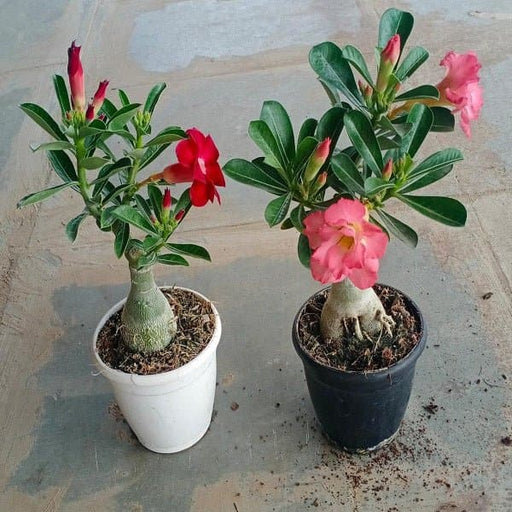
Original price ₹ 998Original price ₹ 998Original price ₹ 998Current price ₹ 759₹ 759Current price ₹ 759Set of 2 Bonsai Looking Grafted Adeniums
Set of 2 Bonsai Looking Grafted Adeniums Transform your indoor or outdoor space with our exquisite Set of 2 Bonsai Looking Grafted Adenium...
View full detailsOriginal price ₹ 998Original price ₹ 998Original price ₹ 998Current price ₹ 759₹ 759Current price ₹ 759Save 24% -
Save 45%
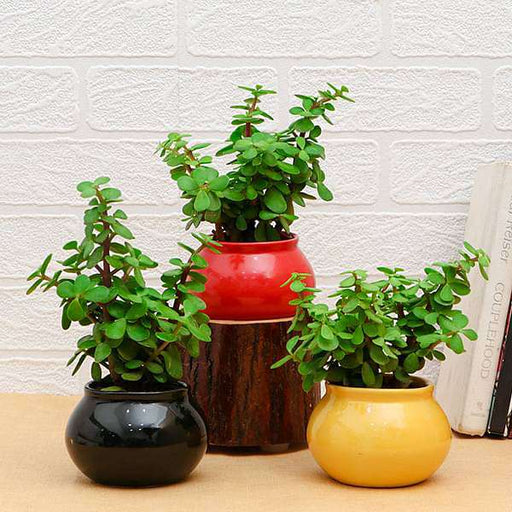
Original price ₹ 1,014Original price ₹ 1,014Original price ₹ 1,014Current price ₹ 559₹ 559Current price ₹ 559Top 4 Die Hard Succulents Pack
Top 4 Die Hard Succulents Pack Transform your indoor or outdoor space with our Top 4 Die Hard Succulents Pack, featuring a curated selecti...
View full detailsOriginal price ₹ 1,014Original price ₹ 1,014Original price ₹ 1,014Current price ₹ 559₹ 559Current price ₹ 559Save 45% -
Save 30%
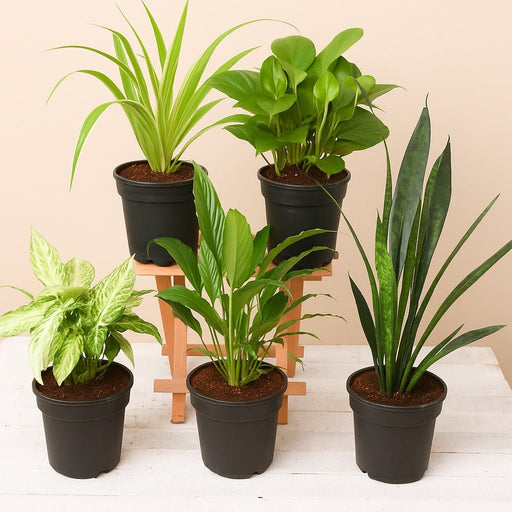
Original price ₹ 1,905Original price ₹ 1,905Original price ₹ 1,905Current price ₹ 1,334₹ 1,334Current price ₹ 1,3345 Best Indoor Plants Pack
5 Best Indoor Plants Pack Transform your living space into a lush oasis with our '5 Best Indoor Plants Pack.' This carefully curated collection fe...
View full detailsOriginal price ₹ 1,905Original price ₹ 1,905Original price ₹ 1,905Current price ₹ 1,334₹ 1,334Current price ₹ 1,334Save 30% -
Save 25%
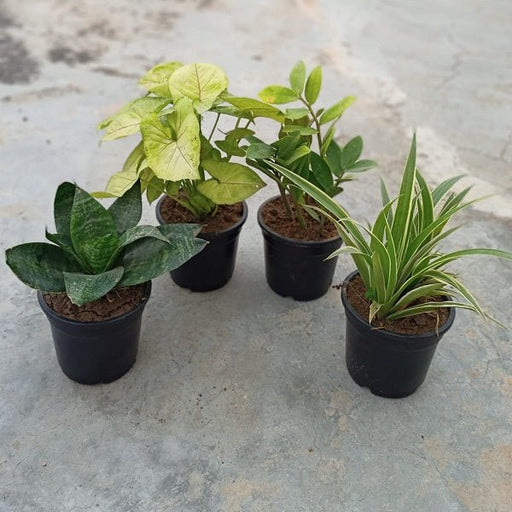
Original price ₹ 1,296Original price ₹ 1,296Original price ₹ 1,296Current price ₹ 972₹ 972Current price ₹ 972Set of 4 Evergreen Air Purifier Plant Pack
Set of 4 Evergreen Air Purifier Plant Pack Transform your indoor space into a lush, green oasis with our Set of 4 Evergreen Air Purifier Pla...
View full detailsOriginal price ₹ 1,296Original price ₹ 1,296Original price ₹ 1,296Current price ₹ 972₹ 972Current price ₹ 972Save 25% -
View all Collection
Trending Collections
Save 40% with Gardening Solutions
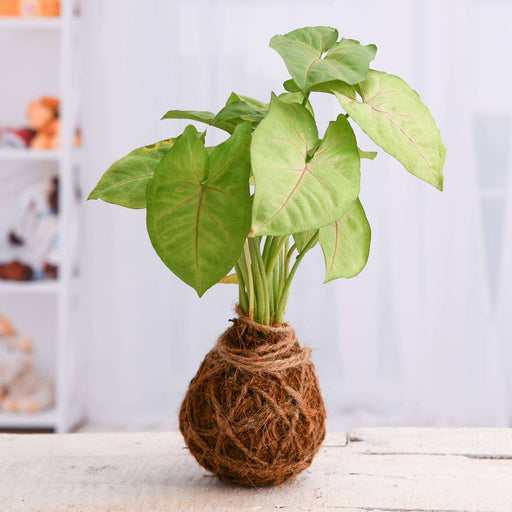
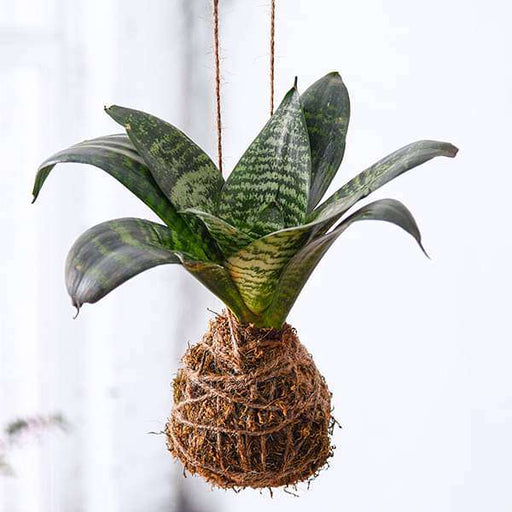
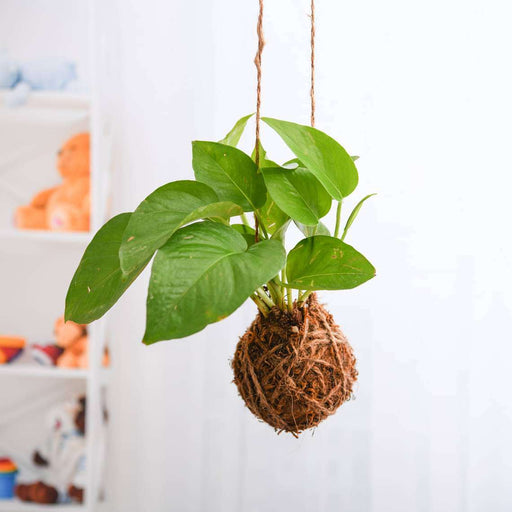
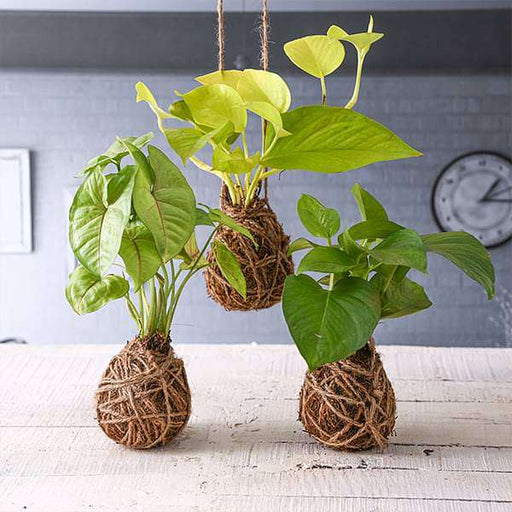
Discover the Art of Kokedama
Kokedama, a traditional Japanese gardening technique, transforms plants into living sculptures by encasing their roots in a moss-covered ball. This unique method not only enhances the aesthetic appeal of your indoor or outdoor space but also promotes healthy plant growth. With a variety of plants suitable for Kokedama, you can create a stunning display that brings nature closer to your home.
What makes Kokedama special is its blend of artistry and functionality. Each Kokedama is a self-contained ecosystem, allowing for easy maintenance and a striking visual impact. This innovative gardening style is perfect for those looking to add a touch of greenery to their living spaces without the need for traditional pots. Embrace the beauty of Kokedama and elevate your gardening experience.
Growing Kokedama is not only a rewarding hobby but also an eco-friendly choice. By using natural materials and reducing the need for plastic pots, Kokedama contributes to a more sustainable gardening practice. Whether you're a seasoned gardener or a beginner, Kokedama offers a unique way to connect with nature and express your creativity.
Growing Instructions
- Choose a plant that thrives in a Kokedama setting, such as ferns, succulents, or small flowering plants.
- Prepare a soil mixture of equal parts potting soil, peat moss, and akadama (or similar soil).
- Moisten the soil and form it into a ball around the plant's roots, ensuring it is compact.
- Wrap the soil ball with moss and secure it with twine or string.
Care Instructions
- Water your Kokedama by soaking it in a bowl of water until the moss is saturated.
- Place in indirect sunlight to prevent the moss from drying out too quickly.
- Fertilize every 4-6 weeks during the growing season with a diluted liquid fertilizer.
- Monitor humidity levels, especially in dry environments, to keep your Kokedama healthy.
Uses and Fun Facts
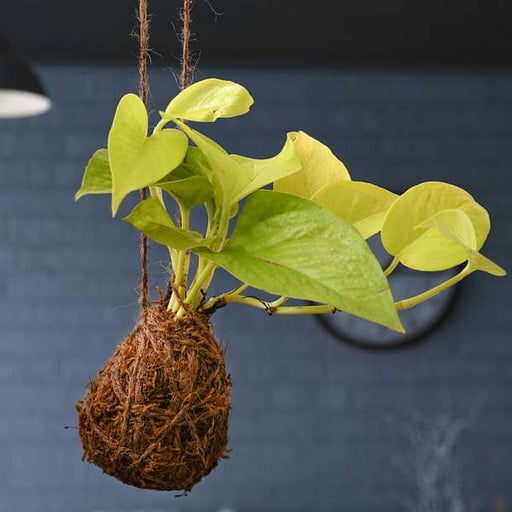
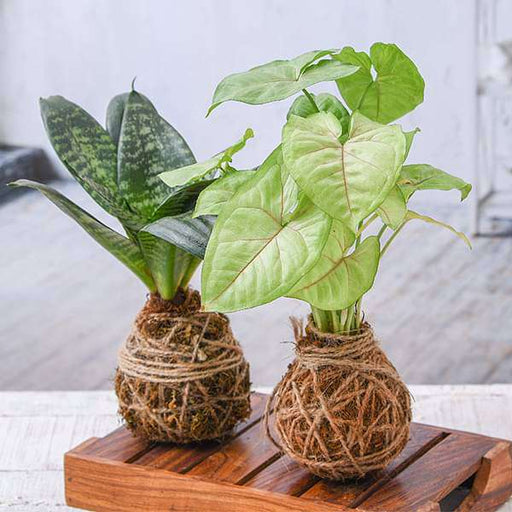
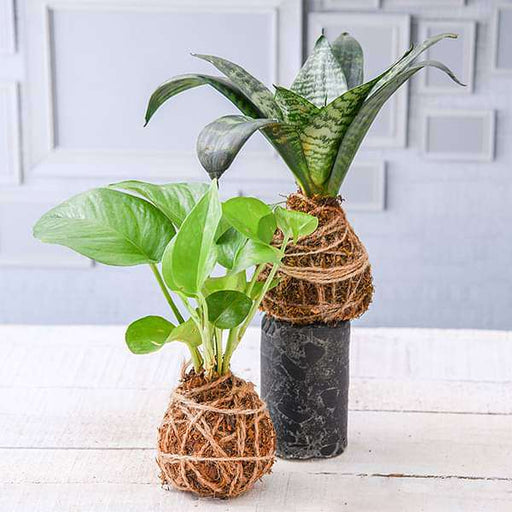
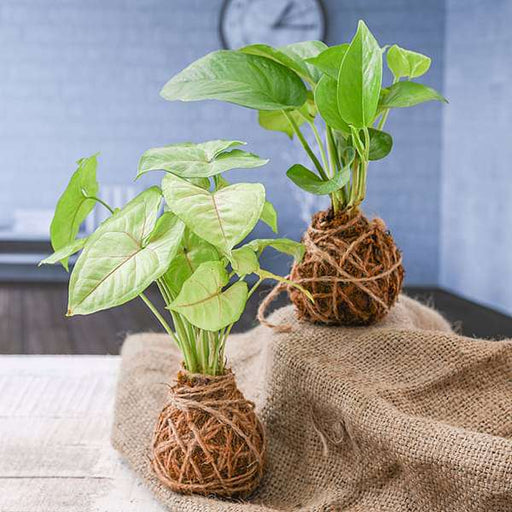
- Kokedama can be hung as a decorative piece or placed on a tray for a stunning centerpiece.
- They are perfect for small spaces, adding greenery without taking up much room.
- In Japanese culture, Kokedama symbolizes harmony and balance with nature.
- Fun fact: Kokedama translates to "moss ball" in Japanese, highlighting its unique structure.
The Science and History Behind Kokedama
Kokedama has its roots in Japan, where it has been practiced for centuries. This technique not only showcases the beauty of plants but also emphasizes the importance of nurturing the environment. Scientifically, Kokedama promotes healthy root growth by allowing plants to absorb moisture and nutrients directly from the moss, creating a symbiotic relationship between the plant and its surroundings.
From an environmental perspective, Kokedama encourages sustainable gardening practices. By using natural materials and minimizing waste, this method supports biodiversity and reduces the carbon footprint associated with traditional gardening. As more people embrace Kokedama, it fosters a deeper appreciation for nature and encourages eco-conscious living.
Kokedama plants
These are plants that have been specifically chosen for the kokedama technique. Some popular choices include ferns, succulents, and small flowering plants.
How to make a kokedama
This is a tutorial on how to create your own kokedama, including materials needed and step-by-step instructions.
Kokedama care
Once you've created your kokedama, it's important to know how to take care of it. This includes proper watering techniques and ensuring the plant receives adequate light.
Kokedama string
The string used to wrap the moss around the plant is an important aspect of the kokedama technique. Different types of string can create different effects and textures.
Kokedama display ideas
Once you've created your kokedama, you'll need to decide how to display it. Some ideas include hanging them from the ceiling, arranging them on a tabletop, or displaying them on a living wall.
Kokedama history
Learn about the origins and cultural significance of the kokedama technique in Japan.
Kokedama for beginners
If you're new to gardening or the kokedama technique, this article can provide helpful tips and advice to get started.
Kokedama as gifts
Kokedama plants make unique and thoughtful gifts for any occasion. Discover different ideas and inspiration for gifting kokedama plants.
Kokedama workshops
Join a kokedama workshop to learn the technique firsthand and create your own kokedama plant.
Kokedama alternatives
While kokedama is a beautiful and unique way to display plants, there are other creative techniques and ideas to explore, such as terrariums or hydroponics.
FAQ
What is kokedama?
Kokedama is a Japanese gardening technique where the plant's root system is wrapped in moss and string, creating a ball-shaped form.
What type of plants can be used for kokedama?
Any plant with a small root system can be used for kokedama, including ferns, succulents, and small flowering plants.
How do I make a kokedama?
To make a kokedama, you'll need soil, peat moss, and string. You'll wrap the plant's root system in peat moss and then cover it with soil. Finally, wrap the entire ball in string, tying it off at the top to create a hanging loop.
How do I water a kokedama?
To water a kokedama, you can either mist it with a spray bottle or submerge the ball in water for a few minutes. Make sure to let the excess water drain off before hanging it back up.
Can kokedama plants be kept indoors?
Yes, kokedama plants can be kept indoors as long as they receive adequate light and humidity.
How often should I water my kokedama plant?
The frequency of watering will depend on the plant species, the size of the kokedama, and the environmental conditions. Generally, once or twice a week is sufficient.
How long do kokedama plants last?
With proper care, kokedama plants can last for several months to a few years.
Can kokedama plants be fertilized?
Yes, you can fertilize kokedama plants with a liquid fertilizer diluted in water, following the manufacturer's instructions.
Can kokedama plants be hung outside?
Yes, kokedama plants can be hung outside as long as they're protected from harsh sunlight and extreme temperatures.
What is the best location to hang a kokedama plant?
Kokedama plants can be hung in a variety of locations, such as near a window or from a ceiling hook, as long as they receive adequate light and humidity.
Can kokedama plants be repotted?
It's not recommended to repot kokedama plants as the moss and string are part of the plant's root system. However, you can create new kokedama plants by propagating the original plant.
How do I know if my kokedama plant needs more water?
If the moss ball feels light and dry, it's time to water the kokedama plant.
What type of soil is best for making kokedama?
A soil mixture of equal parts peat moss and bonsai soil is ideal for making kokedama.
Can kokedama plants be propagated?
Yes, kokedama plants can be propagated by dividing the root system or by taking stem cuttings.
Can I make my own kokedama plant at home?
Yes, you can make your own kokedama plant at home with the right materials and instructions.
How do I hang a kokedama plant?
To hang a kokedama plant, tie a string around the top of the moss ball and hang it from a ceiling hook or a plant hanger.
How long does it take to make a kokedama plant?
Making a kokedama plant can take anywhere from 30 minutes to an hour, depending on the size and complexity of the plant.
How do I know if my kokedama plant is healthy?
Healthy kokedama plants will have vibrant foliage, strong roots, and will be able to retain moisture.
Can kokedama plants be displayed on a tabletop?
Yes, kokedama plants can be displayed on a tabletop or other flat surface, as long as they're placed on a tray or dish to catch any excess water.
Can kokedama plants be used for outdoor landscaping?
Yes, kokedama plants can be used for outdoor landscaping, as long as they're protected from harsh sunlight and extreme temperatures.
How do I know if my kokedama plant is getting enough light?
If the leaves of the plant begin to turn yellow or brown, it may be a sign that the kokedama plant isn't getting enough light.
Can kokedama plants be hung in a bathroom?
Yes, kokedama plants can be hung in a bathroom as the humidity can help keep the moss ball moist.
Can I use different types of moss for kokedama plants?
Yes, you can use different types of moss for kokedama plants, such as sphagnum moss or sheet moss.
What type of string is best for making kokedama?
Jute string or fishing line are ideal choices for making kokedama as they're strong and durable.
Can kokedama plants be used for bonsai?
Yes, kokedama plants can be used for bonsai as the moss ball provides a unique and natural way to display the plant's root system.
How do I prune a kokedama plant?
To prune a kokedama plant, use sharp, sterile scissors or pruning shears to cut back any dead or damaged foliage.
Can kokedama plants be used for interior design?
Yes, kokedama plants can be used for interior design as they provide a unique and natural way to add greenery to any space.
How do I store a kokedama plant if I need to transport it?
To transport a kokedama plant, wrap it in damp paper towels and plastic wrap to keep the moss ball moist.
How do I know if my kokedama plant is overwatered?
If the leaves of the plant begin to turn yellow and mushy, it may be a sign that the kokedama plant is overwatered.
Can kokedama plants be used for outdoor events?
Yes, kokedama plants can be used for outdoor events, such as weddings or garden parties, as they provide a unique and natural way to decorate any space.
How do I propagate a kokedama plant?
Propagation of a kokedama plant can be done by separating the moss ball and dividing the plant at the roots.
Can kokedama plants be hung upside down?
Yes, kokedama plants can be hung upside down, which provides a unique and creative way to display them.
How do I know when to fertilize my kokedama plant?
A kokedama plant should be fertilized during its growing season, which is typically from spring to fall.
How often should I water my kokedama plant?
The frequency of watering a kokedama plant depends on the type of plant and the environment, but generally, they need to be watered every 7-10 days.
Can I use tap water to water my kokedama plant?
It's best to use filtered or distilled water to water a kokedama plant as tap water may contain chemicals or minerals that can harm the plant.
How do I know if my kokedama plant needs to be repotted?
If the plant is outgrowing the moss ball or the roots are visible on the surface, it may be time to repot the kokedama plant.
Can I use a decorative pot to display my kokedama plant?
Yes, a decorative pot can be used to display a kokedama plant, but make sure there's drainage and the moss ball fits inside the pot.
Can kokedama plants be used for terrariums?
Yes, kokedama plants can be used for terrariums as they provide a unique and natural way to add greenery to any enclosed space.
Can I hang multiple kokedama plants together?
Yes, multiple kokedama plants can be hung together to create a unique and natural display.
How do I know if my kokedama plant is getting enough humidity?
If the moss ball feels dry, it may be a sign that the kokedama plant isn't getting enough humidity. Adding a humidifier or misting the plant regularly can help.