
Expert Support
Available 24/7 via chat
Available 24/7 via chat
If you've been dreaming of biting into fresh, warm mulberries straight from your garden, Shahtoot (also called Tuti or simply mulberry) is your answer. This large-leafed perennial fruit tree is one of India's most forgiving plants—it grows vigorously with minimal fussing, produces abundant sweet fruit year after year, and handles our variable monsoons and scorching summers with grace. Whether you're a seasoned gardener or picking up your first fruit tree, Shahtoot rewards you with both edible abundance and striking ornamental foliage.
Shahtoot is a deciduous to semi-evergreen fruit tree native to tropical and subtropical regions, thriving across India from coastal areas to high-altitude gardens. The variety you receive is bred for large, distinctive leaves that catch light beautifully and provide dappled shade to seating areas. Young plants arrive at around 48 cm tall with a spread of 10 cm, but don't let that fool you—under good care, Shahtoot grows into a substantial tree reaching 10 metres or more, becoming a landscape anchor over time.
The plant bears delicate white flowers during early autumn or May, followed by abundant harvests of sweet mulberries in late spring and summer. Each season brings fresh fruit, making it a highly productive investment for any Indian home garden. Its ease of cultivation—combined with low maintenance needs and winter specialty status—makes it especially popular among gardeners seeking reliable fruit production without constant intervention.
| Care Aspect | Requirements |
|---|---|
| Light | More than 6 hours of direct bright sunlight daily |
| Water | When top 1–2 inches of soil feel dry to touch |
| Soil | Well-drained, fertile, rich in organic matter; pH 6.5–7 |
| Temperature | 20–28°C (optimal range) |
Shahtoot is a sun-loving plant that demands more than 6 hours of direct bright sunlight each day to thrive. In India's variable climate, place your tree where it receives unobstructed morning and afternoon sun—this ensures vigorous growth, robust flowering, and maximum fruit set. If your garden has a southern or western-facing wall, that's ideal territory for Shahtoot.
In very hot regions (like parts of Rajasthan or the Deccan plateau), afternoon shade during peak summer months (May–June) can prevent excessive leaf stress, but never compromise on overall daylight hours. Even container-grown plants on balconies or terraces benefit from the brightest spot you can offer.
Watering Shahtoot is straightforward once you master the finger test. Before reaching for the watering can, poke your finger or a small stick into the soil around the root zone. If the top 1–2 inches feel dry to the touch, it's time to water. This simple check prevents both overwatering (which invites root rot) and underwatering (which stresses fruit production).
During the monsoon, your rainfall likely provides most of the moisture Shahtoot needs, so reduce manual watering or hold back entirely if the soil remains consistently moist. Conversely, in dry months or during container cultivation, water more frequently—perhaps every 2–3 days, depending on heat and drainage. Hard water common in many Indian regions is fine; Shahtoot tolerates mineral-rich water without complaint.
Mulberries flourish in well-drained, fertile soil rich in organic content. Aim for a pH range of 6.5–7, which supports nutrient availability and root health. If your garden soil is heavy clay, amend it generously with compost or aged cowdung before planting to improve drainage and add organic matter.
Feed Shahtoot during the main growing season—June and July in most of India—using organic fertiliser. This could be neem cake, vermicompost, or certified organic granules. A spring top-dressing of well-rotted manure also gives the tree sustained nutrition throughout the growing season. Container-grown plants benefit from monthly feeding during June–July for peak productivity.
Shahtoot thrives in temperatures between 20–28°C, the typical range across much of India outside extreme seasons. The plant adapts well to both coastal humidity and dry continental climates, showing particular resilience through monsoons and hot summers once established. Young plants may appreciate some afternoon protection during intense heat waves in their first year, but mature specimens are remarkably hardy.
Humidity during the monsoon supports leaf growth and flowering, though Shahtoot is equally at home in lower-humidity regions if watered consistently. The key is avoiding waterlogged conditions—excellent drainage matters more than high humidity.
While Shahtoot is typically grown from nursery stock (like the plant you've received), propagating new trees is possible for dedicated gardeners. Hardwood cuttings taken in winter root reliably in well-prepared sandy compost kept moderately moist. If you're interested in multiplying your tree, take 20–25 cm cuttings from one-year-old stems, treat them with rooting hormone, and pot them in a humid propagation chamber for 6–8 weeks.
For most home gardeners, however, purchasing young trees from a reputable nursery (ensuring healthy, disease-free stock) is the faster, more reliable route to a productive Shahtoot.
Fruit flies and beetles: As harvest time approaches, fruit flies and beetles are attracted to ripening berries. Thin fruit clusters and harvest ripe berries promptly to reduce pest pressure. Organic pest sprays (neem oil) applied early can help, but consistent harvesting is your best defence.
Leaf spotting: In humid monsoon climates, fungal leaf spots may appear. Improve air circulation by pruning lower branches, reduce overhead watering, and apply sulphur-based fungicides if needed. Most spotting is cosmetic and doesn't affect fruit quality.
Poor fruiting: Insufficient sunlight (less than 6 hours daily) or neglected feeding during the June–July growing season will reduce berry production. Ensure your tree sits in a bright location and receives organic fertiliser during the active season.
Ready to grow your own? Shop Shahtoot at Nurserylive →
Shahtoot, Mulberry, Tuti (Big Leaves) - Plant The Shahtoot, also known as Mulberry or Tuti, is a remarkable deciduous tree renowned for it...
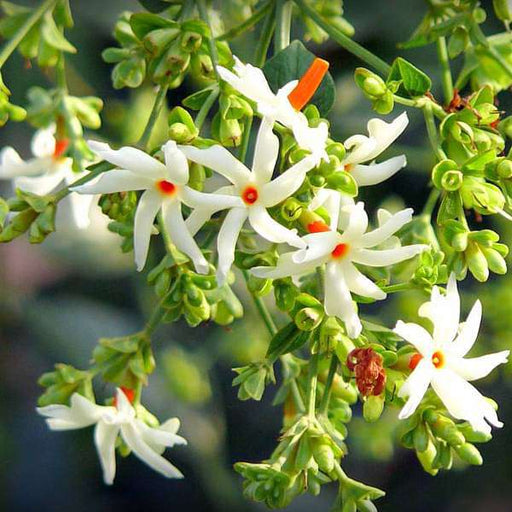
View full detailsCombo Constituents Includes the Parijat Tree (Night-Flowering Jasmine), a culturally significant plant with fragrant flowers. Description The Pari...
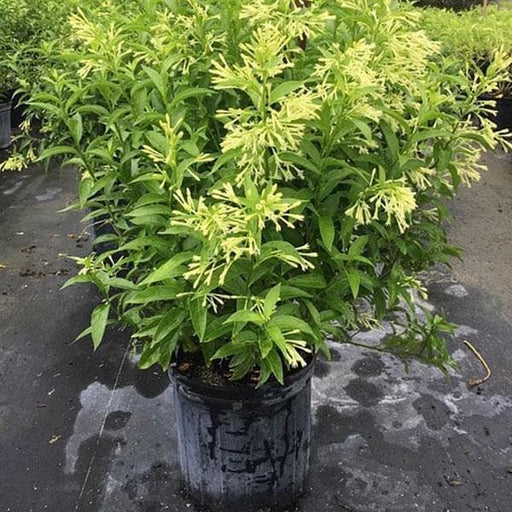
View full detailsDescription Raat Ki Rani (*Cestrum nocturnum*), also known as Night Blooming Jasmine, is a fragrant shrub native to the Caribbean and Central Ameri...
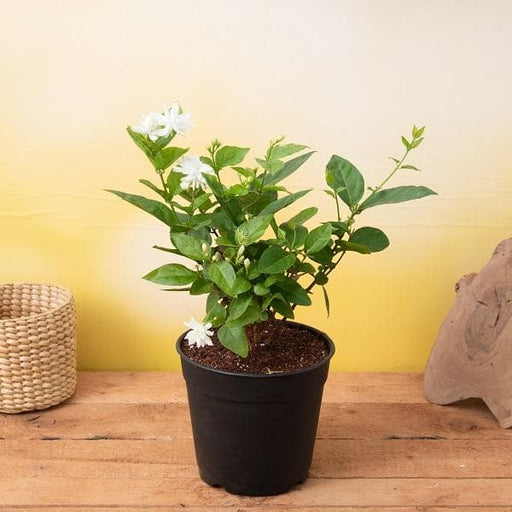
View full detailsJasminum sambac, Mogra, Arabian Jasmine - Plant Jasminum sambac, commonly known as Mogra or Arabian Jasmine, is a fragrant flowering plant...
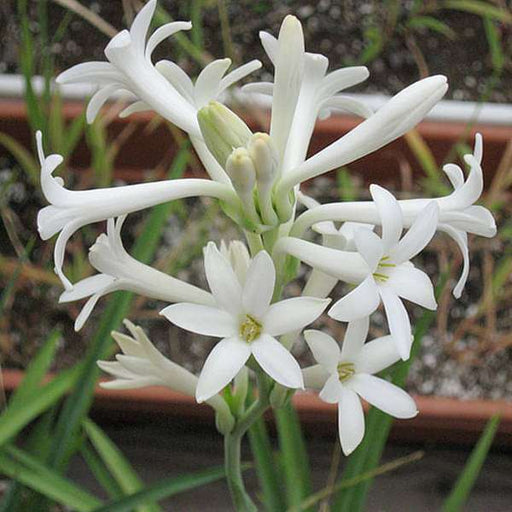
View full detailsRajnigandha, Tuberose - Plant The Rajnigandha, scientifically known as Polianthes tuberosa, is a captivating perennial plant renowned for ...
View full detailsCitronella, Odomas - Plant The Citronella plant, scientifically known as Cymbopogon nardus, is a tropical grass renowned for its aromatic ...
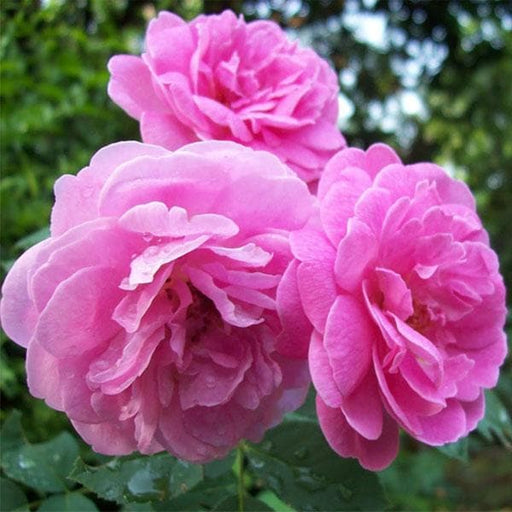
View full detailsDamascus Rose, Scented Rose (Any Color) - Plant The Damascus Rose, also known as Rosa damascena, is a timeless symbol of beauty and romanc...
View full detailsMiniature Rose, Button Rose (Any Color) - Plant The Miniature Rose, also known as the Button Rose, is a charming and compact flowering plant that ...
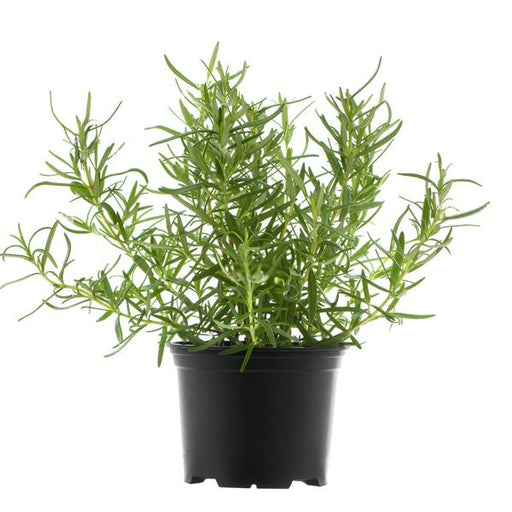
View full detailsRosemary - Plant Rosemary (Rosmarinus officinalis) is a fragrant evergreen herb native to the Mediterranean region. Known for its needle-like leav...
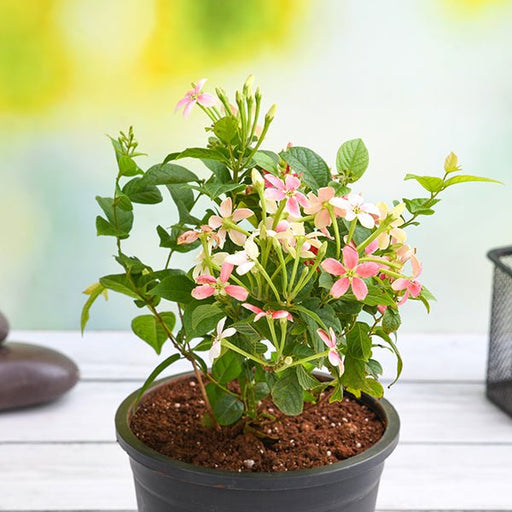
View full detailsMadhumalti Dwarf, Rangoon Creeper - Plant The Madhumalti Dwarf, also known as the Rangoon Creeper (Quisqualis indica), is a stunning perennial vin...
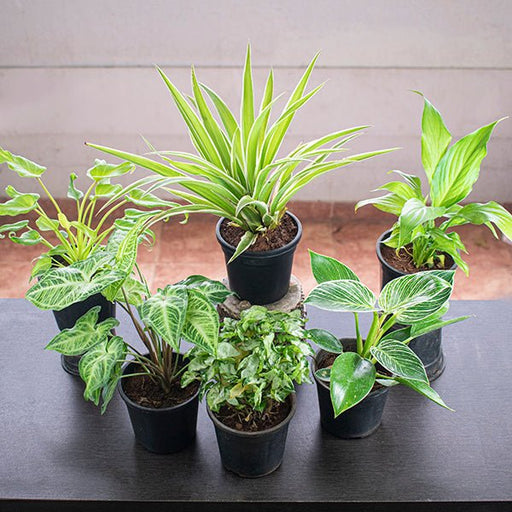
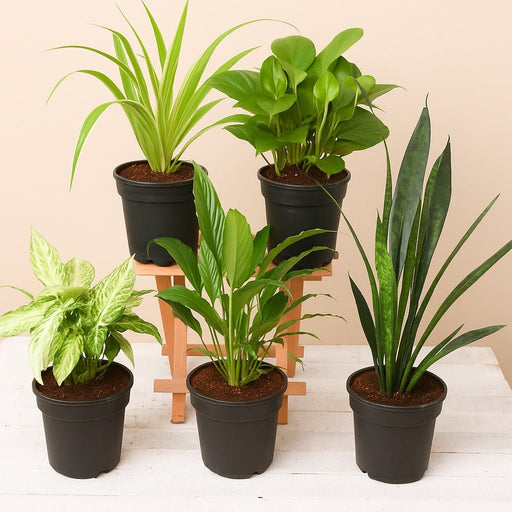
View full detailsBest 6 Plants for Perfect Indoor Garden Transform your living space into a lush oasis with our curated collection of the Best 6 Plants for a...
View full detailsBest 6 Plants for Perfect Indoor Garden Transform your living space into a lush oasis with our curated collection of the Best 6 Plants for a...
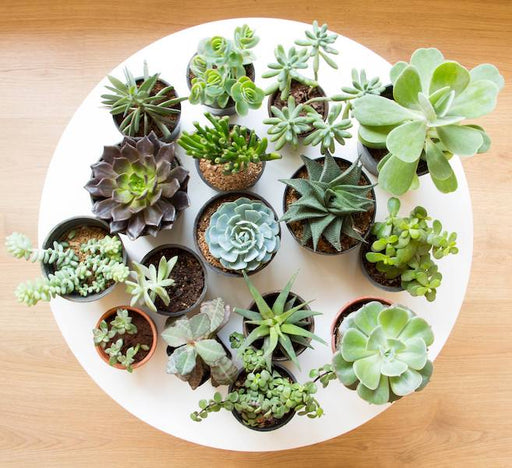
View full detailsMini Succulent Garden Pack Transform your space with our Mini Succulent Garden Pack, featuring a delightful collection of 4 any variety beautiful s...
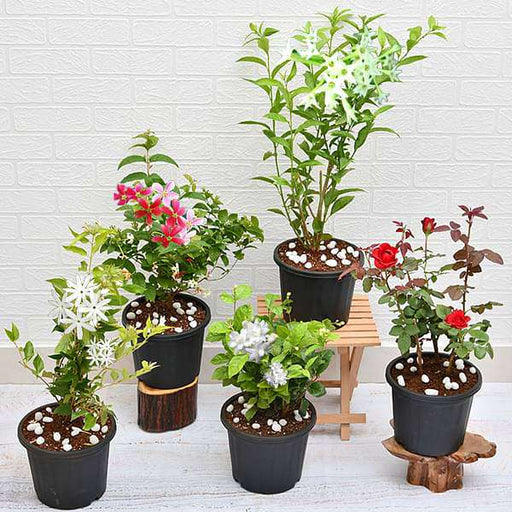
View full details5 Best Fragrant Plants Transform your garden or indoor space into a fragrant paradise with our curated selection of the 5 Best Fragrant Plants. Th...
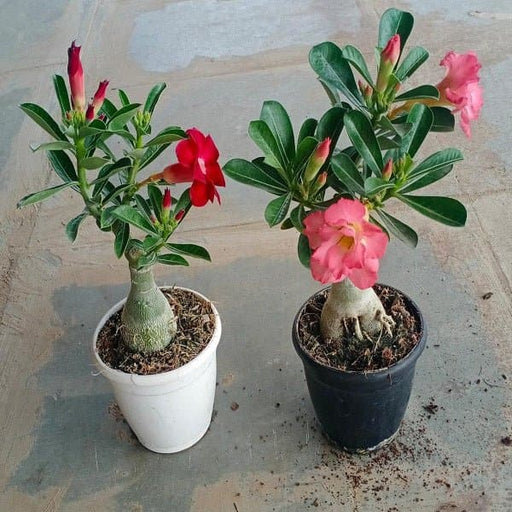
View full detailsSet of 2 Bonsai Looking Grafted Adeniums Transform your indoor or outdoor space with our exquisite Set of 2 Bonsai Looking Grafted Adenium...
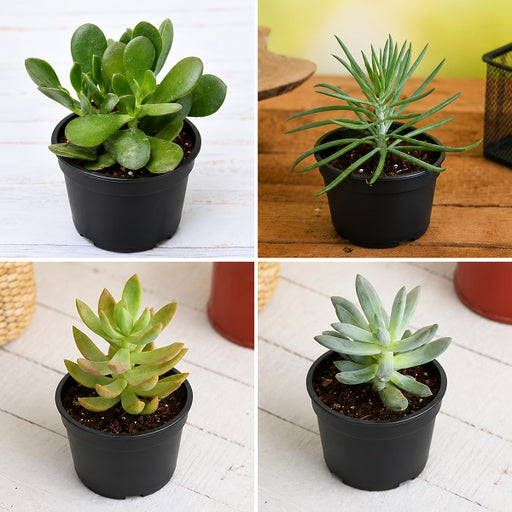
View full detailsTop 4 Die Hard Succulents Pack Note: Plants included in this pack will be delivered in a 3-inch nursery pot (any color). Transform your indoor or ...
View full details5 Best Indoor Plants Pack Transform your living space into a lush oasis with our '5 Best Indoor Plants Pack.' This carefully curated collection fe...
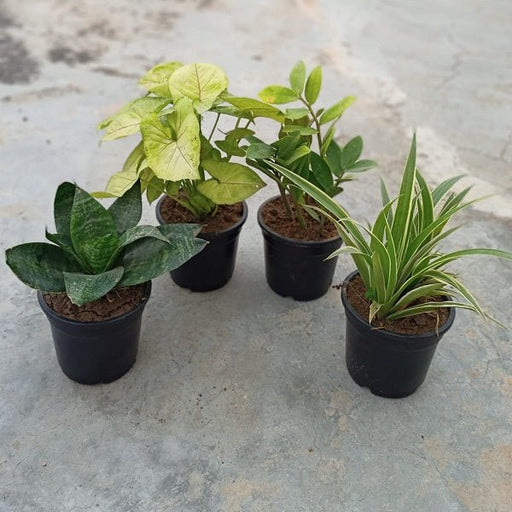
View full detailsSet of 4 Evergreen Air Purifier Plant Pack Transform your indoor space into a lush, green oasis with our Set of 4 Evergreen Air Purifier Pla...
View full detailsTop 5 Pollution Killer Plants Pack Transform your living space into a breath of fresh air with our 'Top 5 Pollution Killer Plants Pack'. This care...
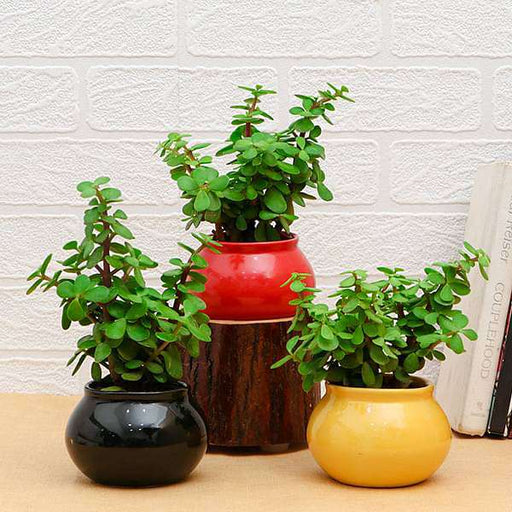
View full detailsPack of 3 Good Luck Jade Plants in Ceramic Pots Bring a touch of nature into your home with our Pack of 3 Good Luck Jade Plants, featuring...
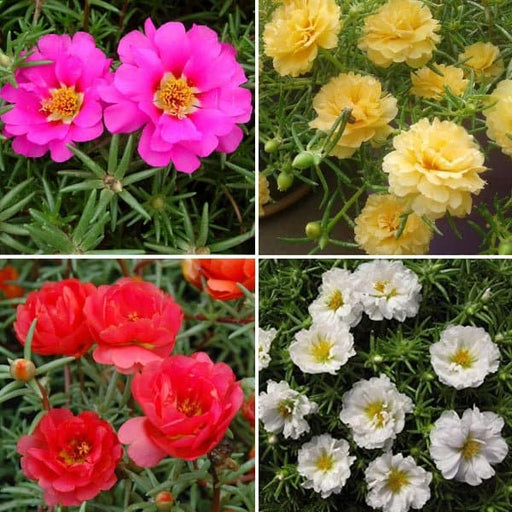
View full detailsPortulaca Garden Pack (4 Plants + 4 Black Pots) Note- You will get any color (Assorted) potted Porulaca plant with this pack. Transform your garde...
View full details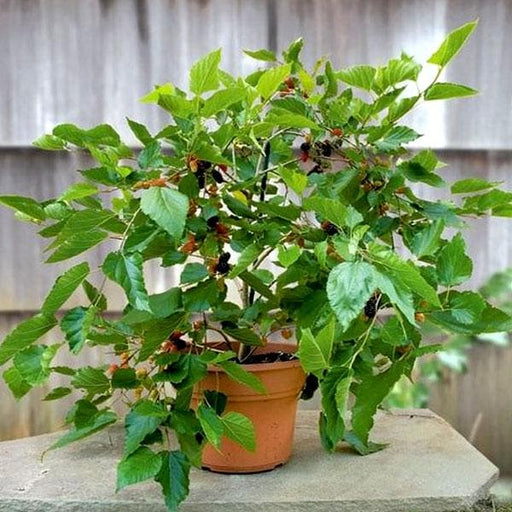






Leave a comment