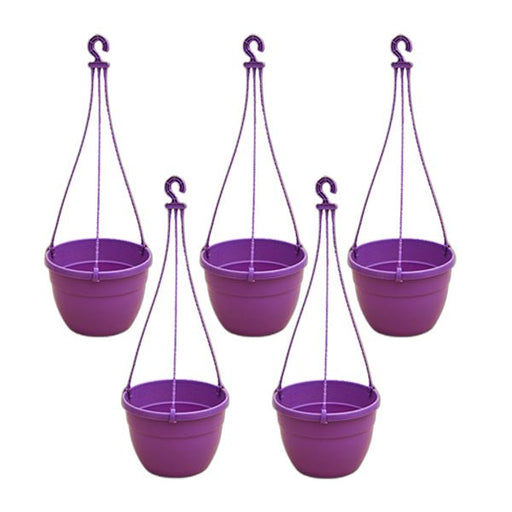
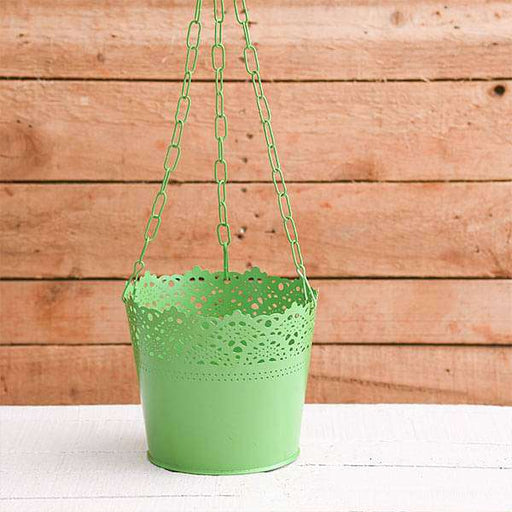
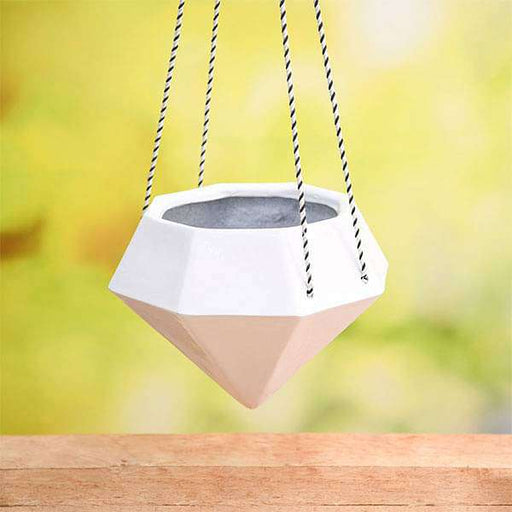
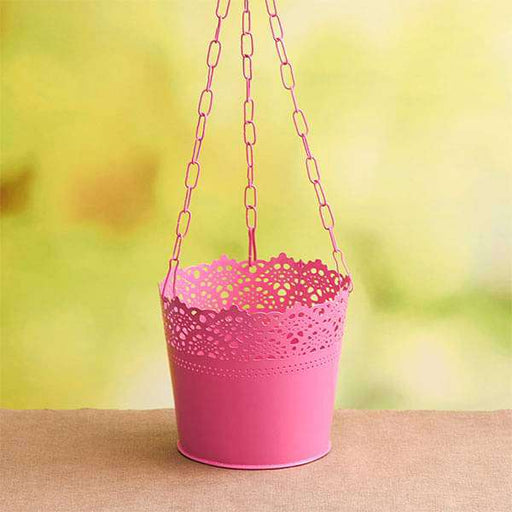
What are Hanging Planters?
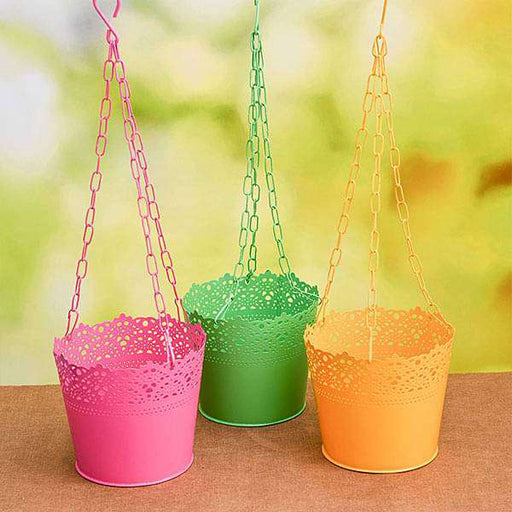
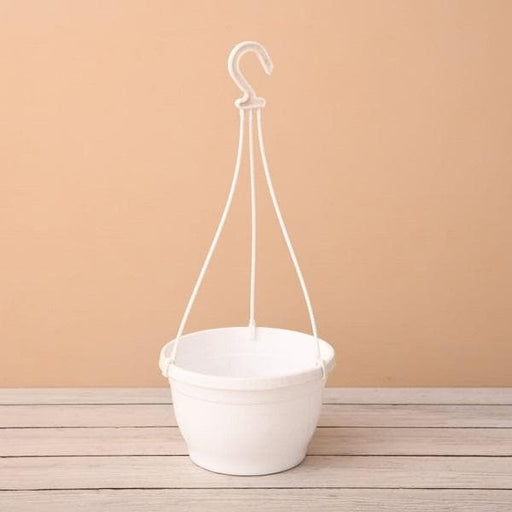
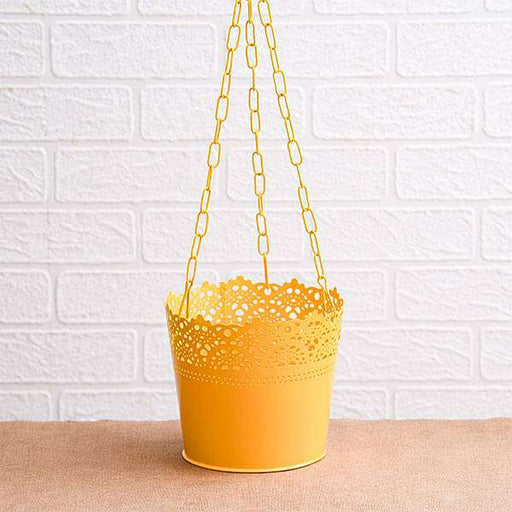
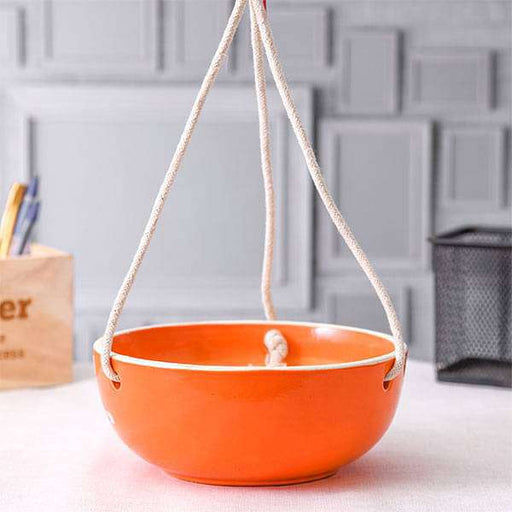
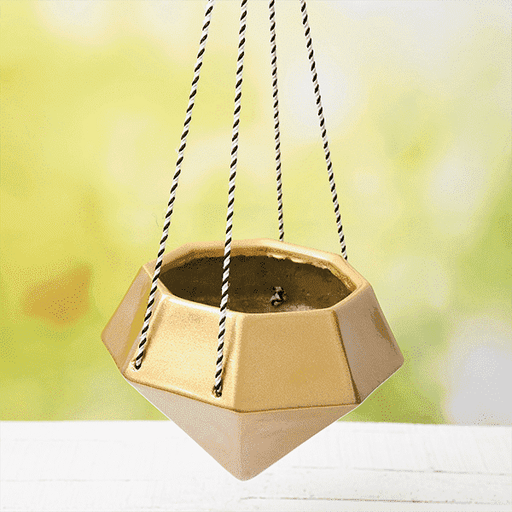
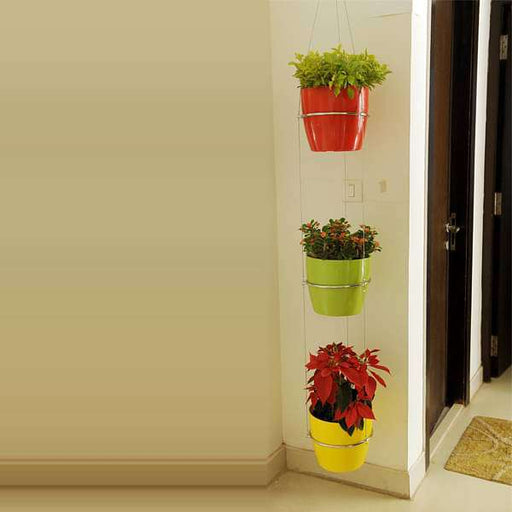
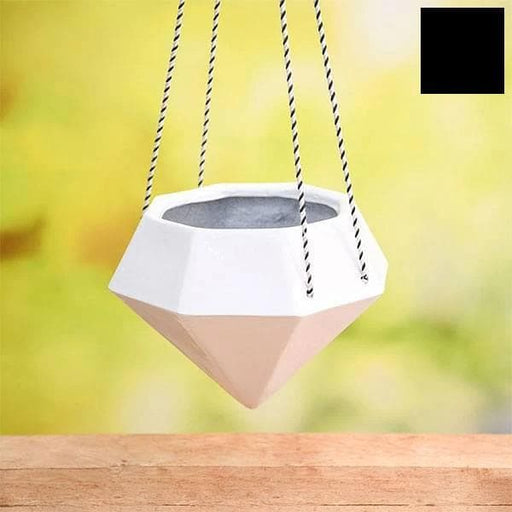
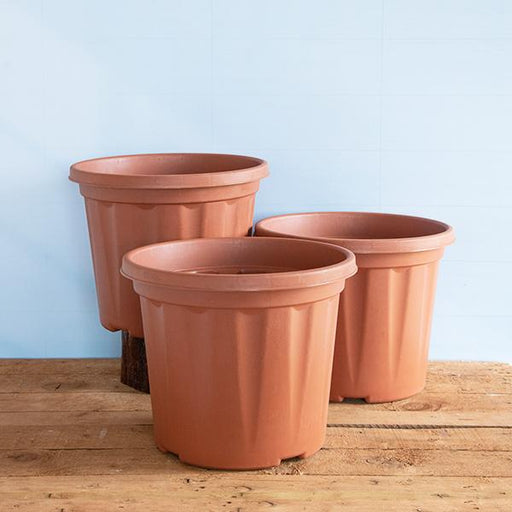
Hanging planters are containers that are designed to hold and display plants from an elevated position, typically suspended from a ceiling or wall. They come in various shapes, sizes, and materials, including plastic, ceramic, metal, and even woven materials like jute and macrame.
What are the benefits of using Hanging Planters?
Hanging planters offer a range of benefits, including conserving space, adding greenery to your home, purifying the air, and improving mood and productivity. They also allow you to grow plants in places that would otherwise be inaccessible or unused, such as on balconies, patios, and walls.
Which plants are suitable for Hanging Planters?
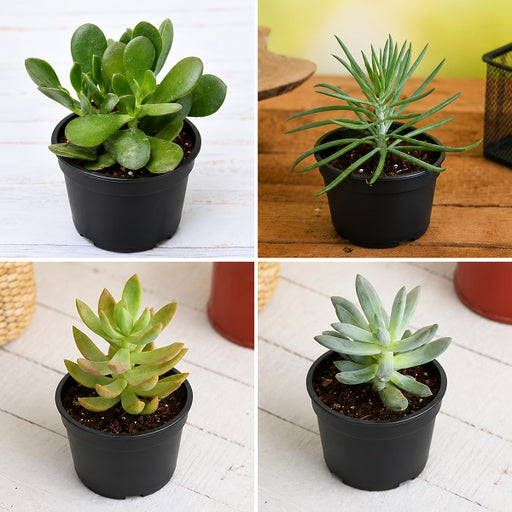
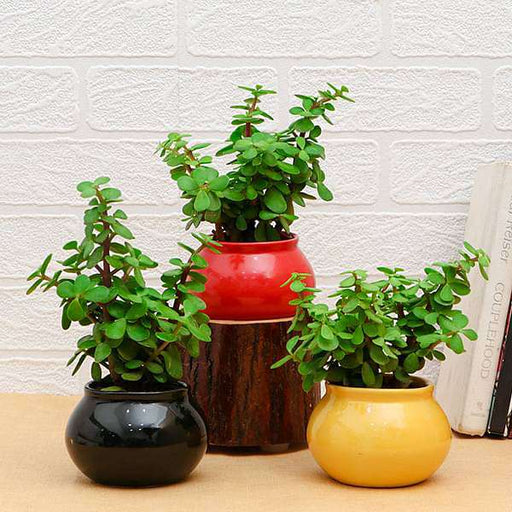
A wide range of plants can thrive in hanging planters, depending on their size and growing conditions. Some popular options include ivy, ferns, succulents, herbs, and trailing plants like spider plants and string of pearls.
What are the different types of Hanging Planters?
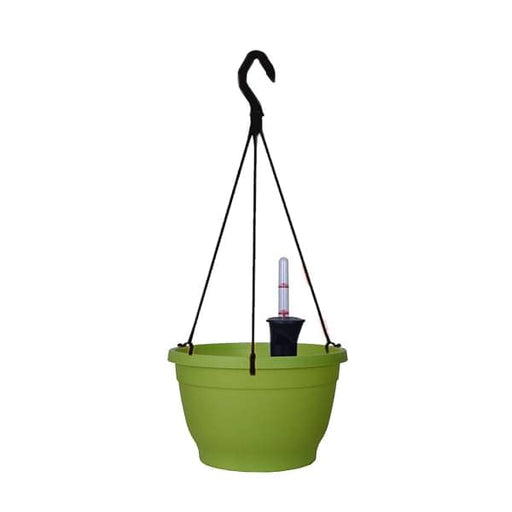
There are various types of hanging planters available, such as basket-style planters, macrame hangers, wall-mounted planters, and even self-watering planters that require less maintenance. Each type offers different advantages and is suitable for different plant species and growing conditions.
How do I choose the right Hanging Planter for my plants?
When selecting a hanging planter, consider the size of the plant, its growth habits, and the type of potting soil it requires. Choose a planter that is large enough to accommodate the plant's root system and has good drainage. Additionally, consider the weight of the planter and its placement, as some materials may be too heavy for certain areas.
How do I install Hanging Planters?
To install a hanging planter, you'll need to choose a sturdy location with sufficient support, such as a ceiling beam or wall stud. Use a drill and screws or hooks to attach the planter hanger to the support structure, then fill the planter with potting soil and your chosen plant.
How often do I need to water Hanging Plants?
The watering frequency for hanging plants depends on the species and growing conditions. As a general rule, check the soil moisture regularly and water the plant when the top inch of soil feels dry. Be careful not to overwater, as this can cause root rot.
How do I fertilize Hanging Plants?
To fertilize hanging plants, use a slow-release fertilizer or a water-soluble fertilizer diluted according to the manufacturer's instructions. Apply the fertilizer during the plant's growing season, typically in the spring and summer months.
How do I prune Hanging Plants?
Pruning is essential for maintaining the health and appearance of hanging plants. Use clean, sharp pruning shears to remove dead or damaged leaves and stems, as well as any growth that is crowding or obstructing the plant's shape.
How do I repot Hanging Plants?
When a hanging plant outgrows its container or shows signs of root-bound, it's time to repot it. Gently remove the plant from its current pot and loosen any tangled roots. Place the plant in a new, slightly larger container with fresh potting soil and water it thoroughly.
How do I prevent pests and diseases in Hanging Plants?
To prevent pests and diseases in hanging plants, maintain good hygiene by removing dead or diseased leaves, sterilizing pruning tools, and avoiding overwatering. Additionally, isolate any infected plants and treat them promptly with organic or chemical treatments as needed.
How do I care for Hanging Plants during winter?
During the winter months, hanging plants may require less water and fertilizer due to lower light levels and cooler temperatures. Reduce watering frequency and withhold fertilizer until the spring. If the plant is sensitive to cold temperatures, move it to a warmer location or provide additional insulation.
How do I propagate Hanging Plants?
Propagation is a way to create new plants from existing ones. Many hanging plants can be propagated by stem cuttings or by dividing the root ball. To propagate a hanging plant, take a stem cutting or divide the root ball, and plant it in a new pot with fresh potting soil. Keep the soil moist and in a warm, bright location until the new plant establishes itself.
Can I use Hanging Planters outdoors?
Yes, hanging planters are an excellent option for outdoor use, especially in areas with limited space. However, it's important to choose a planter made from weather-resistant materials and select plants that are suitable for outdoor conditions.
Can I hang Hanging Planters from trees?
Hanging planters can be hung from trees, but it's important to use caution and not damage the tree in the process. Choose a sturdy branch that can support the weight of the planter and use a hanger or rope that won't cut into the tree bark.
How do I care for Hanging Plants while on vacation?
If you're going on vacation and can't care for your hanging plants, consider asking a friend or neighbor to water them for you. Alternatively, you can use a self-watering planter or a watering spike that slowly releases water into the soil. Make sure to place the plant in a location with adequate light and ventilation.
How do I clean Hanging Planters?
Cleaning hanging planters regularly helps prevent the buildup of debris and pests. Use a soft brush or sponge to gently scrub the inside and outside of the planter with a mild soap solution. Rinse thoroughly and let it dry before refilling with soil and plants.
How do I adjust the height of Hanging Planters?
To adjust the height of a hanging planter, use an adjustable hanger or a hook that can be moved up or down. Alternatively, you can tie a knot in the hanger or rope to shorten its length or add additional length as needed.
How do I remove Hanging Planters for maintenance?
To remove a hanging planter for maintenance, carefully detach it from the hanger or hook and place it on a flat surface. Gently remove the plant and soil, then clean the planter as needed before refilling it and reattaching it to the hanger or hook.
How do I choose the right Hanging Planter for my home decor?
Choosing a hanging planter that complements your home decor is a matter of personal preference. Consider the color, shape, and material of the planter, as well as its size and style. Look for planters that fit with the overall aesthetic of your home and accentuate the beauty of the plants.