What are the best indoor plants for low light?
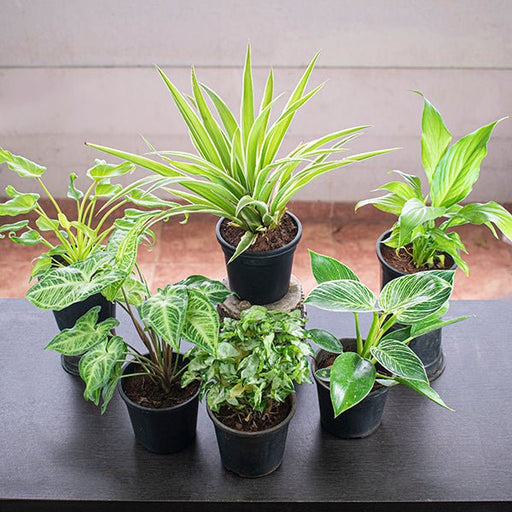
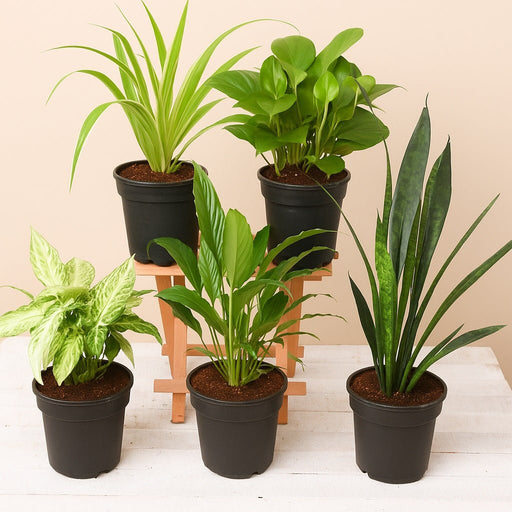
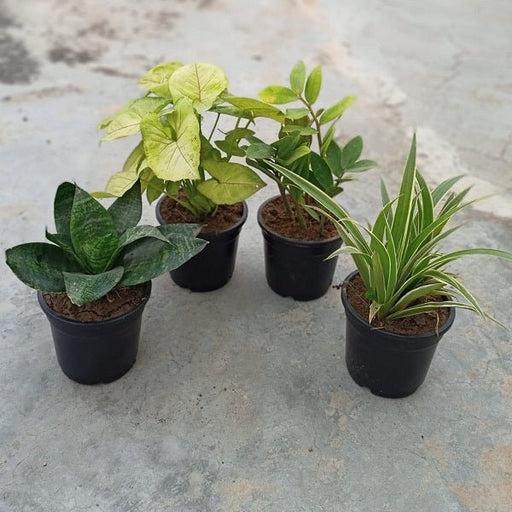
Spider Plant, Snake Plant, Pothos, ZZ Plant, and Peace Lily are some of the best indoor plants for low light conditions. These plants can tolerate and thrive in low light conditions and help purify the air.
What is the difference between annual and perennial plants?
Annual plants complete their life cycle within a year, while perennial plants can live for several years. Annuals need to be replanted every year, while perennials can grow and bloom year after year.
What are the best plants for a beginner gardener?
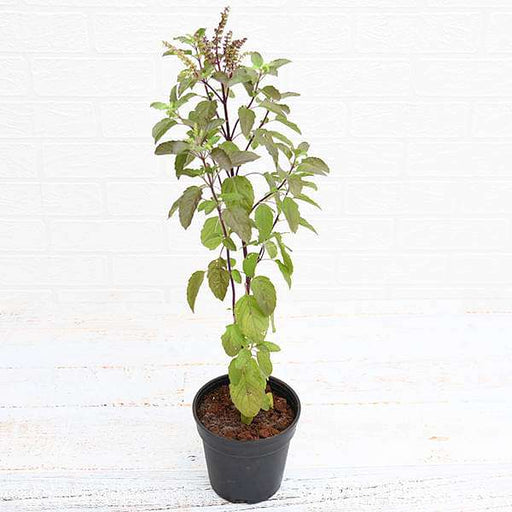
Some of the best plants for beginner gardeners include Marigold, Petunia, Zinnia, Tomatoes, and Basil.
What are the best plants for a balcony garden?
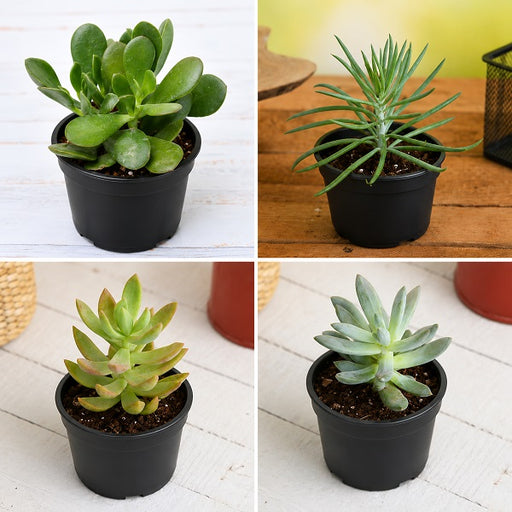
Some of the best plants for a balcony garden include Succulents, Ferns, Herbs, Begonia, and Geraniums.
What are the best plants for a small garden?
Dwarf fruit trees, Small shrubs like Boxwood, Succulents, Herbs, and Annuals are some of the best plants for small gardens.
What are the best plants for a shady area?
Hostas, Ferns, Impatiens, and Astilbe are some of the best plants for shady areas. These plants thrive in low light conditions and provide lush foliage.
How do I take care of my plants during the winter?
During winter, reduce watering frequency, move plants away from cold drafts, and provide adequate light. You can also cover outdoor plants with a frost cloth to protect them from frost.
What are the best plants for a sunny area?
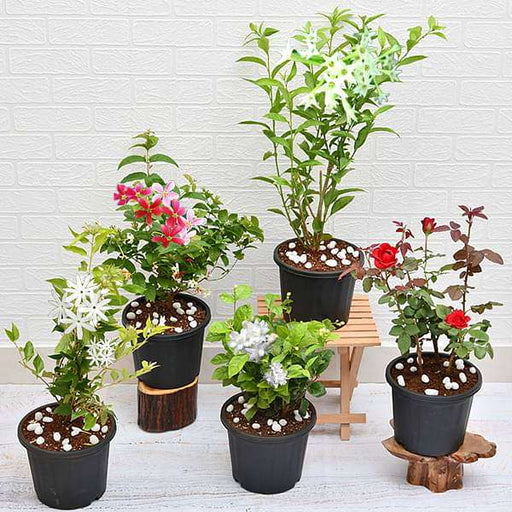
Sun-loving plants include Roses, Lavender, Sunflowers, Marigolds, and Zinnias. These plants need at least 6 hours of direct sunlight.
How do I know when to water my plants?
Check the soil moisture level by inserting a finger or a moisture meter into the soil. If the soil is dry up to the second knuckle or the moisture meter shows a low reading, it's time to water.
What are the best plants for a vertical garden?
Vines like Sweet Potato Vine, Climbing Roses, and Clematis are ideal for vertical gardens. You can also use hanging planters with trailing plants like Ivy or Pothos.
What are the best plants for air purification?
Spider Plant, Snake Plant, Peace Lily, Aloe Vera, and Boston Fern are some of the best plants for air purification. These plants absorb harmful pollutants from the air.
How do I propagate my plants?
Propagation methods include stem cuttings, division, layering, and seeds. The propagation method varies for each plant species.
What are the best herbs to grow at home?
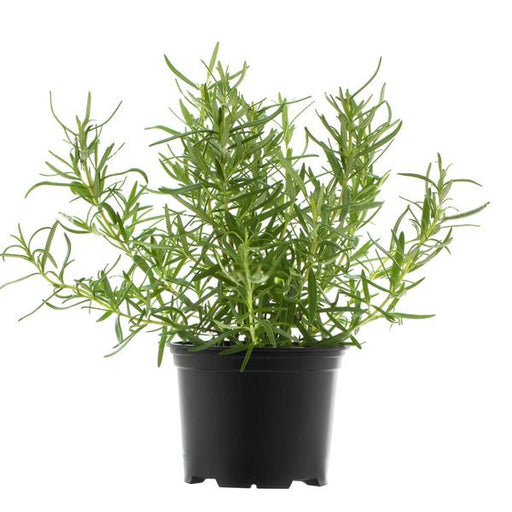
Basil, Rosemary, Thyme, Mint, and Sage are some of the best herbs to grow at home. These herbs are easy to grow and have multiple uses in cooking.
What are the best plants for a hanging basket?
Trailing plants like Ivy, Pothos, and Ferns are ideal for hanging baskets. You can also use flowering plants like Petunia, Geranium, and Fuchsia.
How do I repot my plants?
To repot a plant, gently remove it from the existing pot, loosen the roots, and plant it in a slightly larger pot with fresh potting soil. Make sure to water the plant thoroughly after repotting.
What are the best plants for a herb garden?
Basil, Rosemary, Thyme, Mint, and Sage are some of the best herbs for a herb garden. These herbs are easy to grow and have multiple uses in cooking.
How often should I fertilize my plants?
Fertilizing frequency depends on the plant species and the type of fertilizer. In general, fertilize once a month during the growing season and reduce or stop fertilizing during winter.
What are the best plants for a low-maintenance garden?
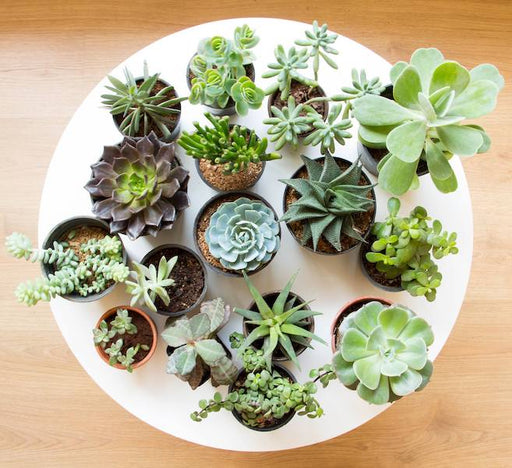
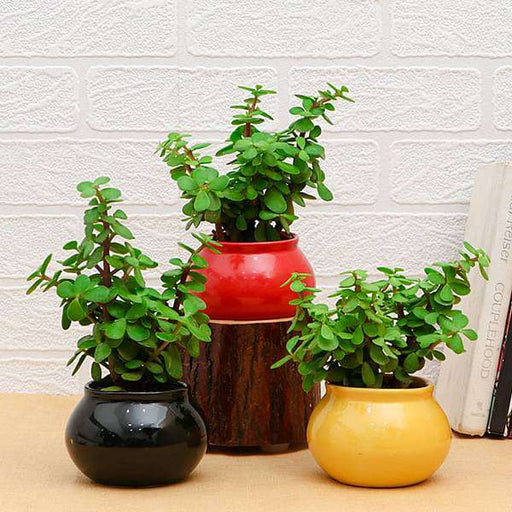
Succulents, Native Plants, and Drought-tolerant plants are the best plants for a low-maintenance garden. These plants require minimal watering and care.
What are the best plants for a butterfly garden?
Milkweed, Coneflower, Butterfly Weed, Black-eyed Susan, and Lantana are some of the best plants for a butterfly garden. These plants provide nectar and host plants for butterflies.
How do I control pests and diseases in my plants?
Use organic pest control methods like neem oil, insecticidal soap, and companion planting to control pests. Use proper watering and avoid over-fertilizing to prevent diseases. You can also consult a plant expert for specific pest and disease problems.