Not recd as per Picture on Website
Available 24/7
Available 24/7
Save up to 15%
Peace Lily, Spathiphyllum - Plant The Peace Lily, scientifically known as Spathiphyllum, is a stunning houseplant celebrated for its elegant white...
View full details
Save 18%
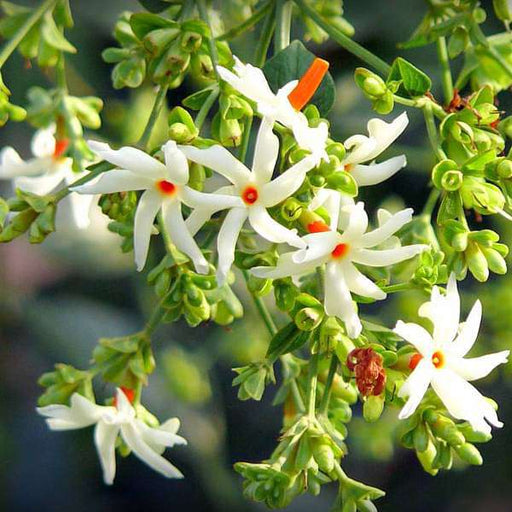
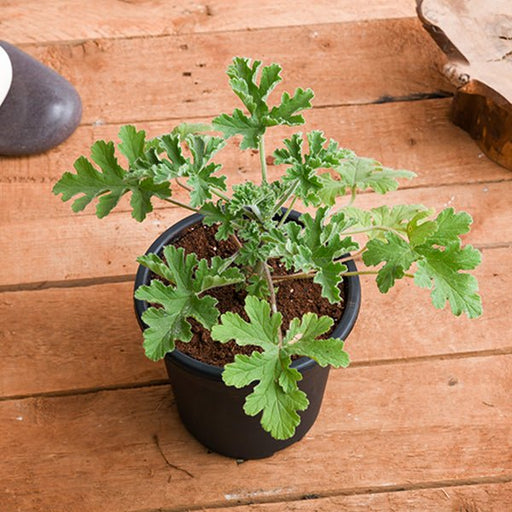
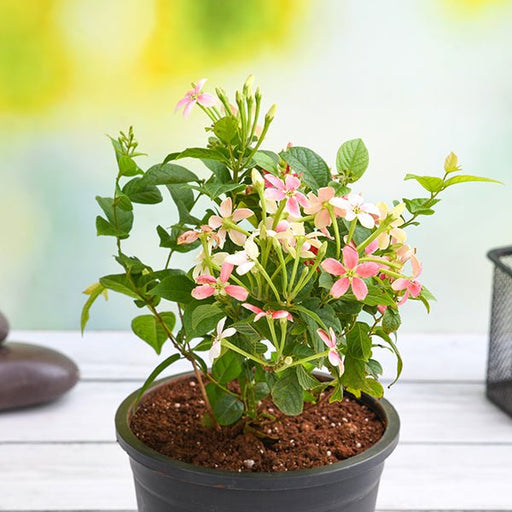
Combo Constituents Includes the Parijat Tree (Night-Flowering Jasmine), a culturally significant plant with fragrant flowers. Description The Pari...
View full details
Save 25%
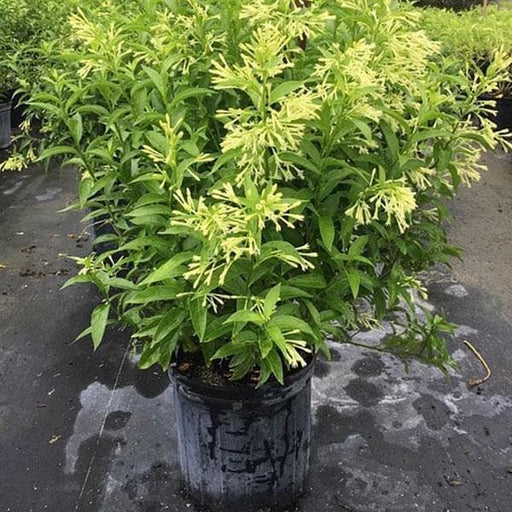
Description Raat Ki Rani (*Cestrum nocturnum*), also known as Night Blooming Jasmine, is a fragrant shrub native to the Caribbean and Central Ameri...
View full details
Save 25%
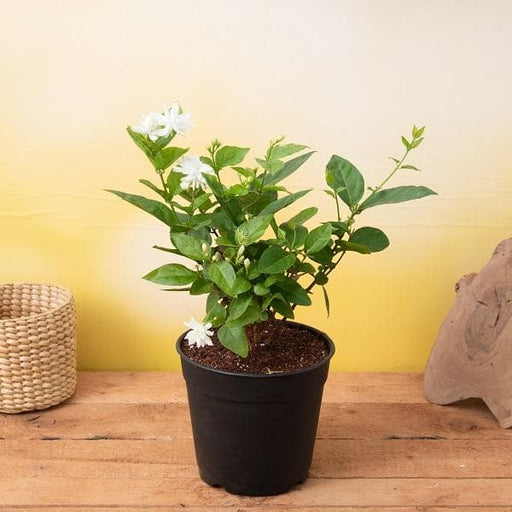
Jasminum sambac, Mogra, Arabian Jasmine - Plant Jasminum sambac, commonly known as Mogra or Arabian Jasmine, is a fragrant flowering plant...
View full details
Save 17%
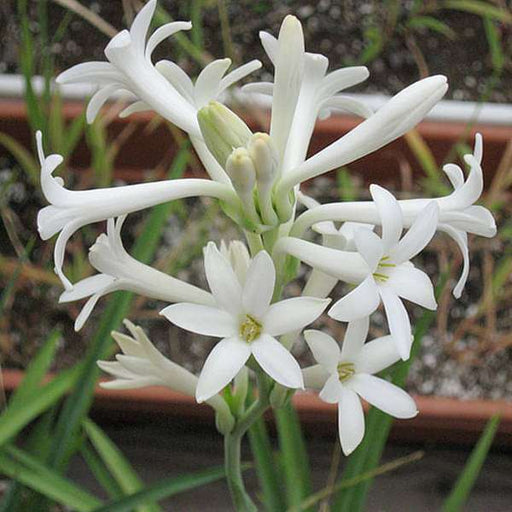
Rajnigandha, Tuberose - Plant The Rajnigandha, scientifically known as Polianthes tuberosa, is a captivating perennial plant renowned for ...
View full details
Sold out
Citronella, Odomas - Plant The Citronella plant, scientifically known as Cymbopogon nardus, is a tropical grass renowned for its aromatic ...
View full details
Save 25%
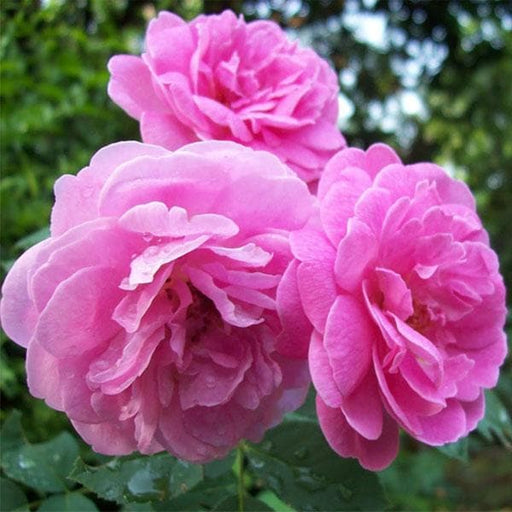
Damascus Rose, Scented Rose (Any Color) - Plant The Damascus Rose, also known as Rosa damascena, is a timeless symbol of beauty and romanc...
View full details
Save 35%
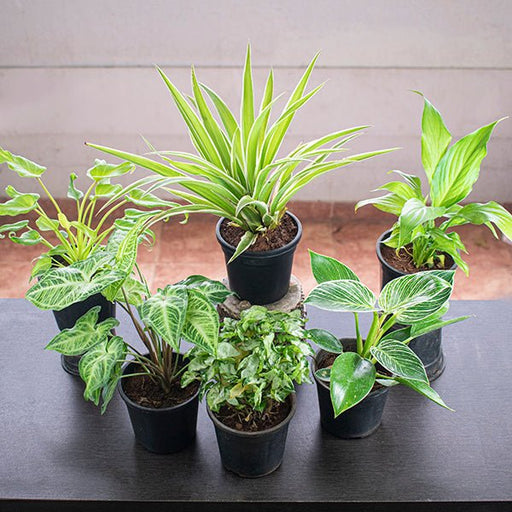
Best 6 Plants for Perfect Indoor Garden Transform your living space into a lush oasis with our curated collection of the Best 6 Plants for a...
View full details
Save up to 50%
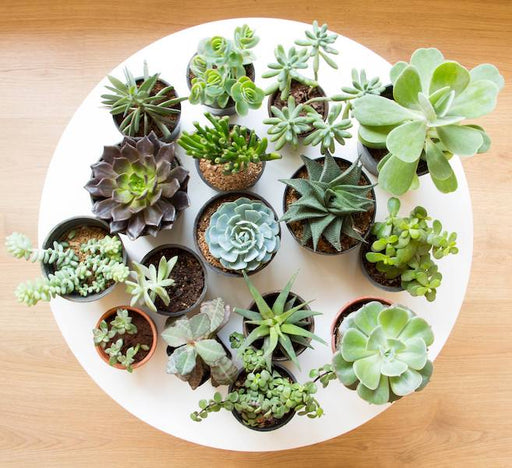
Mini Succulent Garden Pack Transform your space with our Mini Succulent Garden Pack, featuring a delightful collection of 4 any variety beautiful s...
View full details
Save 30%
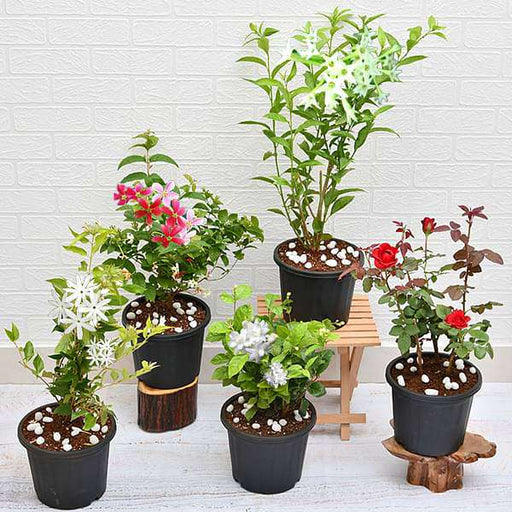
5 Best Fragrant Plants Transform your garden or indoor space into a fragrant paradise with our curated selection of the 5 Best Fragrant Plants. Th...
View full details
Save 24%
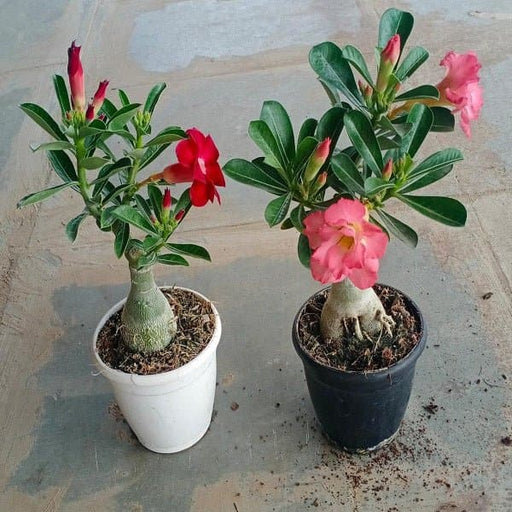
Set of 2 Bonsai Looking Grafted Adeniums Transform your indoor or outdoor space with our exquisite Set of 2 Bonsai Looking Grafted Adenium...
View full details
Save 45%
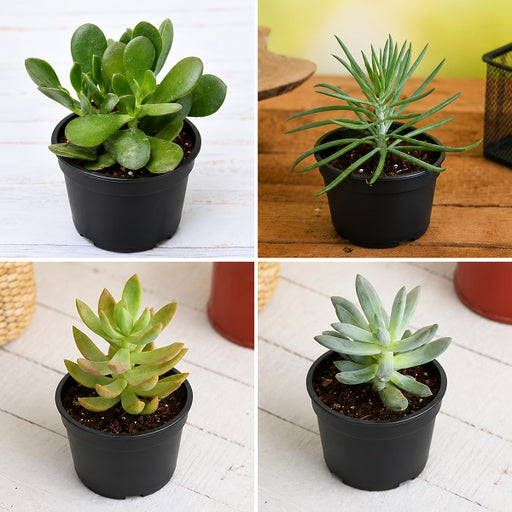
Top 4 Die Hard Succulents Pack Transform your indoor or outdoor space with our Top 4 Die Hard Succulents Pack, featuring a curated selecti...
View full details
Save 30%
5 Best Indoor Plants Pack Transform your living space into a lush oasis with our '5 Best Indoor Plants Pack.' This carefully curated collection fe...
View full details
Save 25%
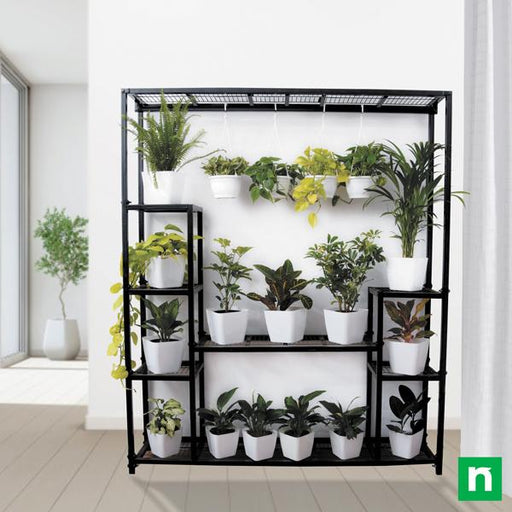
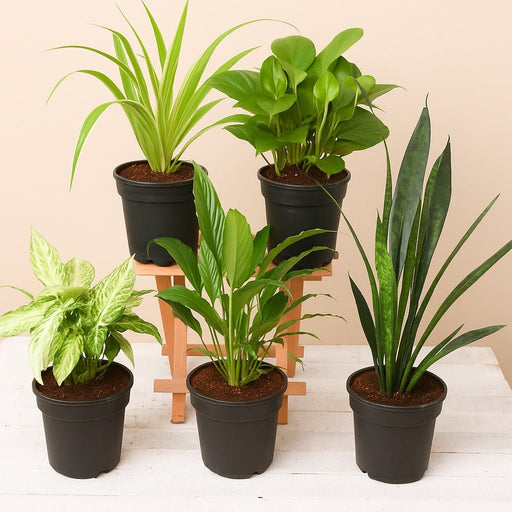
Set of 4 Evergreen Air Purifier Plant Pack Transform your indoor space into a lush, green oasis with our Set of 4 Evergreen Air Purifier Pla...
View full detailsDiscover the beauty and versatility of our Schefflera Plants collection, featuring a variety of stunning species known for their lush foliage and unique growth habits. Commonly referred to as the umbrella tree, these tropical plants are perfect for adding a touch of greenery to any indoor or outdoor space. With their glossy leaves and striking appearance, Schefflera plants are not only visually appealing but also easy to care for, making them a favorite among plant enthusiasts.
What makes Schefflera plants special is their adaptability to different environments. They thrive in a range of lighting conditions, from bright indirect light to low light, making them suitable for various settings. Additionally, their air-purifying qualities contribute to a healthier living space, filtering out toxins and improving indoor air quality. Whether you're a seasoned gardener or a beginner, these plants are sure to enhance your home or office.
Growing Schefflera plants is a rewarding experience. They can be grown as small houseplants or larger specimens in gardens, providing versatility in design. With proper care, these resilient plants can live for many years, becoming a cherished part of your plant collection. Explore our selection today and find the perfect Schefflera to brighten your space!
Scientifically classified under the family Araliaceae, Schefflera plants belong to the genus Schefflera, which includes over 200 species. These plants have been popular in horticulture since the 19th century, often used in homes and offices for their aesthetic appeal and air-purifying properties. Their ability to thrive in various conditions makes them a staple in many households around the world.
Historically, Schefflera plants have been associated with good luck and prosperity in various cultures. Their lush, green leaves symbolize growth and abundance, making them a popular choice for gifting. Environmentally, these plants play a crucial role in improving air quality, absorbing harmful pollutants and releasing oxygen, contributing to a healthier ecosystem both indoors and outdoors.
Schefflera plants are popular houseplants that are known for their beautiful foliage and air-purifying properties. Proper care is essential for their growth and long-term health. From watering to pruning, understanding the basics of schefflera plant care can help you keep your plants healthy and thriving.
Propagating schefflera plants is an excellent way to expand your plant collection and share your love for these beautiful plants with others. Whether you prefer stem cuttings or air layering, learning about the different propagation methods can help you propagate your schefflera plants successfully.
Schefflera plants are susceptible to several diseases, including root rot, leaf spot, and powdery mildew. Understanding the common schefflera plant diseases and their symptoms can help you prevent and treat them before they cause serious damage to your plants.
Pests such as spider mites, mealybugs, and scale insects can damage your schefflera plants and affect their growth and health. Learning about the common schefflera plant pests and their control methods can help you keep your plants pest-free and thriving.
Schefflera plants require adequate watering to thrive, but overwatering or underwatering can be harmful to their growth and health. Learning about the right watering techniques and frequency can help you keep your schefflera plants healthy and happy.
Fertilizing schefflera plants can help promote healthy growth and beautiful foliage. Understanding the right type of fertilizer, timing, and frequency can help you provide the best nutrition for your plants.
Schefflera plants require bright but indirect sunlight to thrive. Understanding their light requirements can help you find the best spot for your plants to grow.
Schefflera plants prefer well-draining soil that is rich in nutrients. Understanding the right soil mix and pH level can help you provide the best growing environment for your plants.
Repotting your schefflera plants is necessary when they outgrow their current container or when their soil becomes depleted. Learning about the right time, method, and soil mix for repotting can help you keep your plants healthy and thriving.
Pruning schefflera plants is necessary to maintain their shape and promote healthy growth. Learning about the right pruning techniques and timing can help you keep your plants looking beautiful and healthy.
Schefflera plants produce small and inconspicuous blooms that are not their main attraction. However, understanding their blooming habits and requirements can help you appreciate their beauty and significance.
Schefflera plants are known for their air purification properties, which can help remove toxins and pollutants from indoor spaces. Learning about their air-purifying abilities and requirements can help you create a healthier living environment for you and your family.
Schefflera plants prefer moderate temperatures and can be sensitive to extreme heat or cold. Understanding their temperature requirements can help you provide the best growing environment for your plants.
Schefflera plants prefer moderate humidity levels and can suffer from low humidity or excessive dryness. Understanding their humidity requirements can help you provide the right growing conditions for your plants.
Schefflera plants come in different varieties, each with unique characteristics and growing requirements. Learning about the different schefflera plant varieties can help you choose the best plant for your home or office.
Schefflera plants are often associated with prosperity, good luck, and positive energy. Learning about their symbolism and cultural significance can add a deeper meaning to your plant collection and enrich your life.
Schefflera plants make great gifts for friends, family, and colleagues. They are easy to care for, have beautiful foliage, and offer several benefits. Learning about the different ways to give schefflera plants as gifts can help you spread joy and positivity to those around you.
Choosing the right placement for your schefflera plants is essential for their growth and health. Understanding their light and temperature requirements can help you find the best spot for your plants to thrive.
Schefflera plants offer several benefits, including air purification, stress reduction, and aesthetic appeal. Understanding their benefits and how they can improve your living environment can help you appreciate and enjoy your schefflera plants even more.
Schefflera plants are often used in DIY projects such as terrariums, wreaths, and indoor gardens. Learning about the different ways to use schefflera plants in DIY projects can help you unleash your creativity and enjoy the beauty of these amazing plants in new and exciting ways.
The Schefflera plant is a popular indoor plant with glossy, green leaves and a tropical appearance. It is also known as the umbrella plant.
Caring for a Schefflera plant involves providing it with bright, indirect light, regular watering, and occasional fertilization. It's also important to protect the plant from cold drafts and to prune it to promote bushier growth.
Schefflera plants can be grown outdoors in warm, tropical climates. However, they also do well as indoor plants in cooler regions.
Propagating a Schefflera plant involves taking stem cuttings or air layering and rooting them in water or potting soil.
Preventing pests and diseases in your Schefflera plant involves proper care and maintenance, including regular watering, fertilizing, and pruning. You can also use organic or chemical treatments to prevent and control pests and diseases.
Common pests include spider mites and mealybugs, while common diseases include root rot and leaf spot.
Pruning a Schefflera plant involves cutting back any overgrown stems and removing any dead or damaged leaves. This helps to promote healthy growth and keeps the plant looking neat and tidy.
Repotting a Schefflera plant involves carefully removing it from its current pot and replanting it in a larger pot with fresh soil. It's important to avoid damaging the plant's roots during the repotting process.
Fertilizing a Schefflera plant involves using a balanced, water-soluble fertilizer every two to three months during the growing season.
When choosing a pot for your Schefflera plant, consider factors such as the size of the plant, the size of the root ball, and the type of potting soil. The pot should have drainage holes to prevent overwatering.
Keeping your Schefflera plant from becoming too leggy involves providing it with adequate light and pruning back any overgrown stems.
Cleaning the leaves of your Schefflera plant involves wiping them down with a damp cloth or misting them with water. This helps to remove dust and debris and keeps the leaves looking shiny and healthy.
You can tell when your Schefflera plant needs water by checking the soil moisture level. If the top inch of soil feels dry, the plant likely needs water.
Preventing your Schefflera plant from dropping leaves involves providing it with proper care and avoiding overwatering or underwatering. Dropping leaves may indicate that the plant is receiving too much or too little water.
You can tell if your Schefflera plant is getting enough light by checking the color and texture of its leaves. Healthy leaves should be green and plump, while leaves that are pale or thin may indicate that the plant is not receiving enough light.
Preventing your Schefflera plant from becoming too dry involves providing it with regular, consistent watering and avoiding overwatering or underwatering.
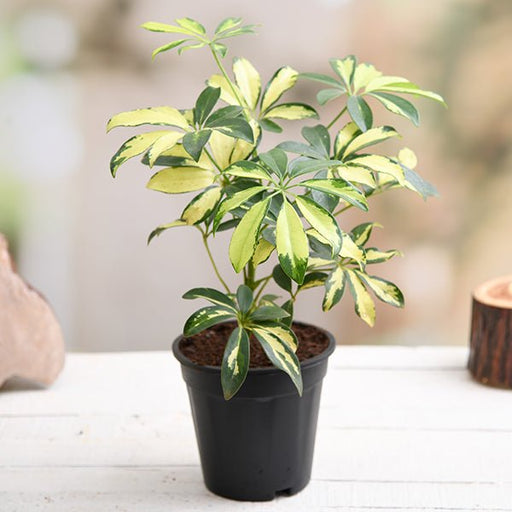
Preventing your Schefflera plant from becoming too tall involves pruning it regularly to promote bushier growth and prevent it from becoming too top-heavy.
Yes, Schefflera plants can be used in landscaping to provide a tropical or exotic look. They work well as understory plants or in mixed plantings.
It's time to repot your Schefflera plant when its roots become overcrowded in the pot or when the soil dries out too quickly.
Preventing your Schefflera plant from developing yellow leaves involves providing it with proper care and avoiding overwatering or underwatering. Yellow leaves may indicate that the plant is receiving too much or too little water.
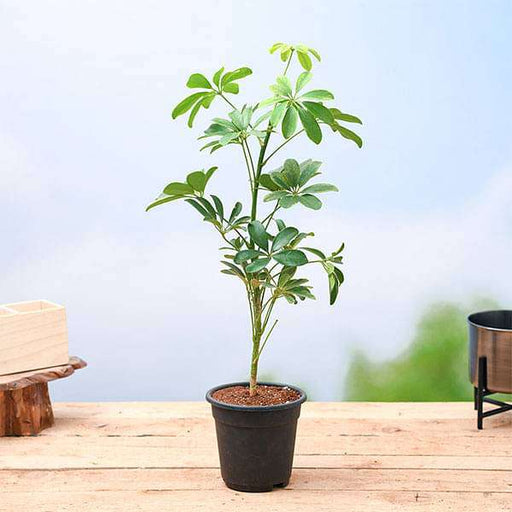
Schefflera plants can be grown from seeds, but it's easier and more common to propagate them from stem cuttings or air layering.
When choosing a location for your Schefflera plant, consider factors such as the amount of light it will receive, the temperature, and the humidity level. They prefer bright, indirect light and moderate temperatures.
Preventing your Schefflera plant from becoming too cold involves protecting it from cold drafts and maintaining a consistent temperature. They prefer temperatures between 18°C to 27°C.
Preventing your Schefflera plant from becoming too hot involves providing it with adequate shade and protection from direct sunlight. They prefer bright, indirect light.
You can tell if your Schefflera plant is too big for its pot by checking if its roots are overcrowded and if the soil dries out too quickly. If so, it's time to repot the plant in a larger pot.
Preventing your Schefflera plant from becoming too root-bound involves repotting it when the roots become overcrowded or the plant outgrows its current pot.
Schefflera plants are commonly used for interior decoration due to their tropical appearance and air-purifying properties. They work well in living rooms, offices, and other indoor spaces.
Preventing your Schefflera plant from becoming too dry during the winter months involves providing it with regular, consistent watering and avoiding overwatering or underwatering. It's also helpful to increase humidity levels around the plant.
Preventing your Schefflera plant from developing brown spots on its leaves involves providing it with proper care and avoiding overwatering or underwatering.