
Expert Support
Available 24/7 via chat
Available 24/7 via chat
Citronella, commonly known as the mosquito plant, is a bestselling aromatic perennial that combines beauty with practical utility for Indian gardeners. This easy-to-grow plant thrives in pots and balconies, making it perfect for homes and apartments across India's varied climates. With minimal care and the right growing conditions, you can enjoy the fragrant foliage year-round while benefiting from its natural mosquito-repelling properties.
Citronella is an aromatic perennial that typically grows to 18 inches (46 cm) in height with a 6-inch (15 cm) spread in its initial stage, reaching a maximum height of 2 to 4 feet as it matures. The plant produces light yellow flowers that bloom from August to September, adding seasonal beauty to your garden or balcony. Its distinctive citrusy fragrance and proven mosquito-repelling qualities have made it a favorite among Indian gardeners seeking natural pest control solutions. Being classified as an easy-to-grow plant, citronella is suitable for both experienced and beginner gardeners alike.
| Care Requirement | Details |
|---|---|
| Light | 3-6 hours of morning sunlight daily; indirect bright light for the rest of the day |
| Water | Water when top 1-2 inches of soil feels dry to touch; use finger or stick test |
| Soil | Well-drained, fertile, organic-rich soil with pH range of 5.5-8.0 |
| Temperature | Ideal range of 27-32°C; thrives in warm Indian climate |
Citronella thrives when exposed to at least 3-6 hours of preferably morning sunlight daily. Morning light is ideal for the plant to grow well, as it promotes strong foliage development and encourages flowering. During the remaining hours of the day, provide natural indirect bright light—this can be achieved by placing the plant near a bright window where sunlight is filtered through glass or curtains, or by positioning it in a spot that receives dappled light from nearby trees or structures. In Indian climates where intense afternoon sun is common, this combination of morning direct light and indirect afternoon brightness helps prevent leaf damage while maintaining optimal growth conditions.
Proper watering is essential for citronella's health, and the best approach is to check soil moisture before watering. Use the simple finger or stick test: poke your finger or a plain small stick about 1-2 inches into the soil. If the top layer feels dry to the touch, it's time to water. This method prevents both overwatering and underwatering, common mistakes that can stress the plant. Water thoroughly until it drains from the pot's base, ensuring even moisture distribution. During India's monsoon season, reduce watering frequency as rainfall will supplement your plant's water needs. Always use well-drained soil to prevent waterlogging, which can lead to root problems.
Citronella performs best in well-drained and fertile soil that is rich in organic content. The ideal soil pH range is 5.5-8.0, which means the plant is relatively adaptable to various soil types commonly found across India. To prepare the perfect growing medium, mix regular garden soil with compost or well-rotted organic matter in equal proportions—this enhances drainage while providing essential nutrients. Good drainage is particularly important in Indian climates where heavy monsoon rains can quickly saturate poorly draining soils. During the main growing season from June to July, feed your plant with organic fertilizer to support robust growth and flowering. Organic options such as neem cake, cow dung compost, or balanced organic fertilizers work well and align with natural gardening practices.
Citronella is well-suited to Indian climates, thriving in the temperature range of 27-32°C. This warm temperature range matches the conditions of most Indian regions during the growing season and even year-round in warmer areas. The plant appreciates the warm, humid conditions typical of India's climate, which naturally support vigorous growth. However, in cooler months or if you live in hill stations where temperatures may drop, ensure the plant is in a warm, sheltered location. Avoid placing it in cold drafts or extremely windy spots, as temperature fluctuations can stress the plant. The plant's preference for warm conditions makes it particularly well-suited for cultivation across India's diverse climate zones.
Citronella can be propagated from cuttings, making it easy to grow new plants from an established parent plant. Take 4-6 inch cuttings from healthy, disease-free stems during the growing season. Remove leaves from the lower half of the cutting and dip the cut end in rooting hormone powder to encourage root development. Insert the cutting into moist, well-draining soil or a propagation medium, and keep it in a warm, bright location away from direct afternoon sun. Maintain consistent moisture without waterlogging until new growth appears, typically within 3-4 weeks, indicating successful root formation. Once established, treat the new plants as mature citronella, following the care guidelines outlined above.
While citronella is generally easy to grow, watch for these common issues:
Citronella is pot and balcony ready, making it perfect for apartment gardeners—use containers with drainage holes and quality potting soil. The aromatic foliage can be lightly brushed or crushed to release its fragrance, enhancing both the sensory experience and the plant's natural repellent properties. Prune the plant occasionally to encourage bushier growth and maintain a compact shape suitable for balcony spaces. In India's intense summer heat, mulch the soil surface to help retain moisture and keep roots cool. Fertilize during the peak growing season (June-July) for best results, but reduce feeding during cooler months. The plant's light yellow flowers in August-September are an added bonus—enjoy them while they last.
Ready to grow your own? Shop Citronella at Nurserylive →
Citronella, Odomas - Plant The Citronella plant, scientifically known as Cymbopogon nardus, is a tropical grass renowned for its aromatic ...
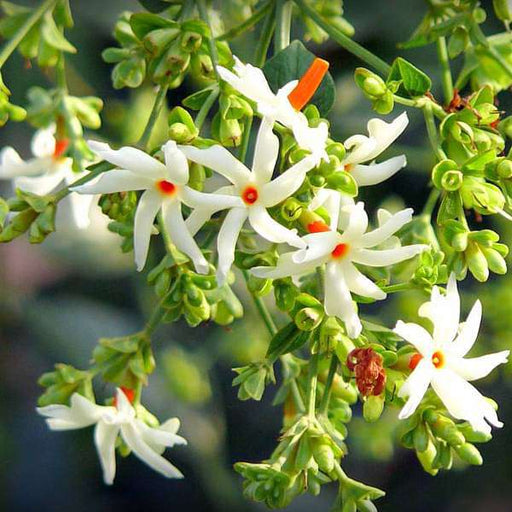
View full detailsCombo Constituents Includes the Parijat Tree (Night-Flowering Jasmine), a culturally significant plant with fragrant flowers. Description The Pari...
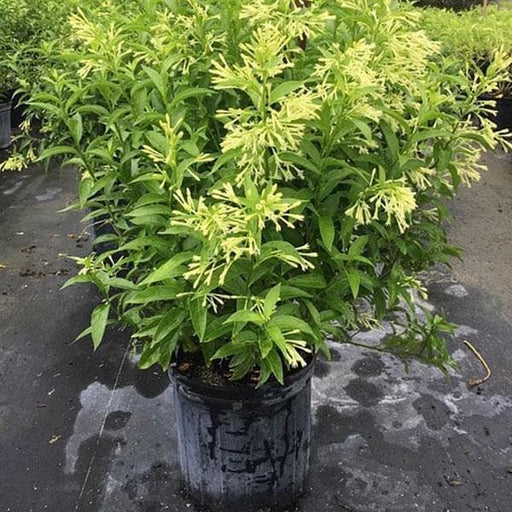
View full detailsDescription Raat Ki Rani (*Cestrum nocturnum*), also known as Night Blooming Jasmine, is a fragrant shrub native to the Caribbean and Central Ameri...
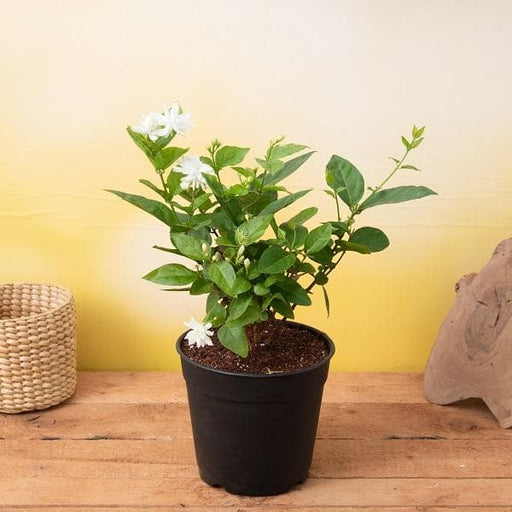
View full detailsJasminum sambac, Mogra, Arabian Jasmine - Plant Jasminum sambac, commonly known as Mogra or Arabian Jasmine, is a fragrant flowering plant...
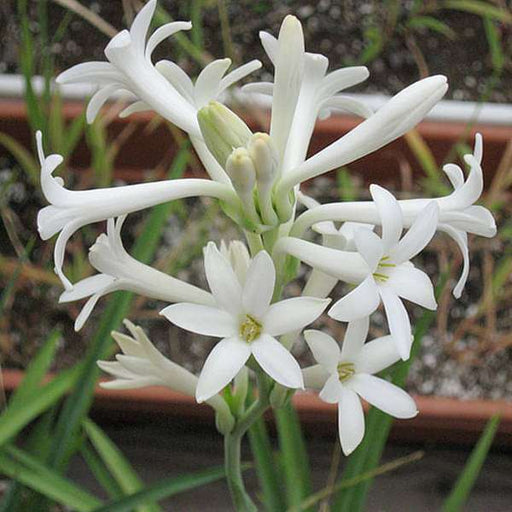
View full detailsRajnigandha, Tuberose - Plant The Rajnigandha, scientifically known as Polianthes tuberosa, is a captivating perennial plant renowned for ...
View full detailsCitronella, Odomas - Plant The Citronella plant, scientifically known as Cymbopogon nardus, is a tropical grass renowned for its aromatic ...
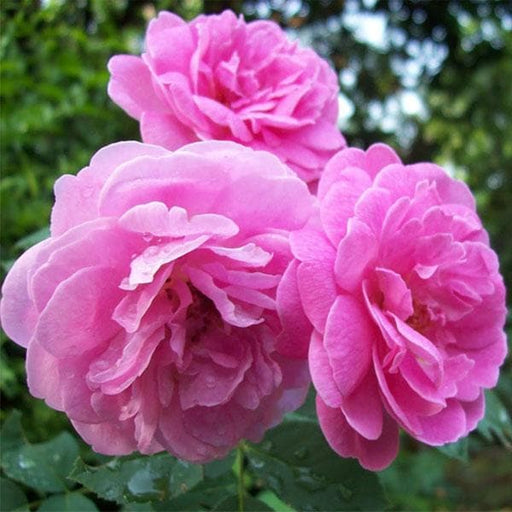
View full detailsDamascus Rose, Scented Rose (Any Color) - Plant The Damascus Rose, also known as Rosa damascena, is a timeless symbol of beauty and romanc...
View full detailsMiniature Rose, Button Rose (Any Color) - Plant The Miniature Rose, also known as the Button Rose, is a charming and compact flowering plant that ...
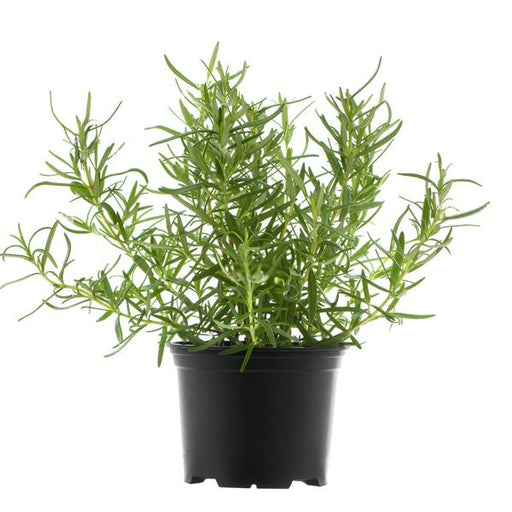
View full detailsRosemary - Plant Rosemary (Rosmarinus officinalis) is a fragrant evergreen herb native to the Mediterranean region. Known for its needle-like leav...
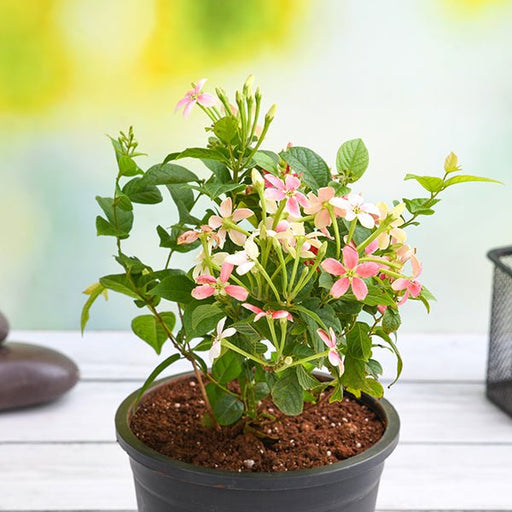
View full detailsMadhumalti Dwarf, Rangoon Creeper - Plant The Madhumalti Dwarf, also known as the Rangoon Creeper (Quisqualis indica), is a stunning perennial vin...
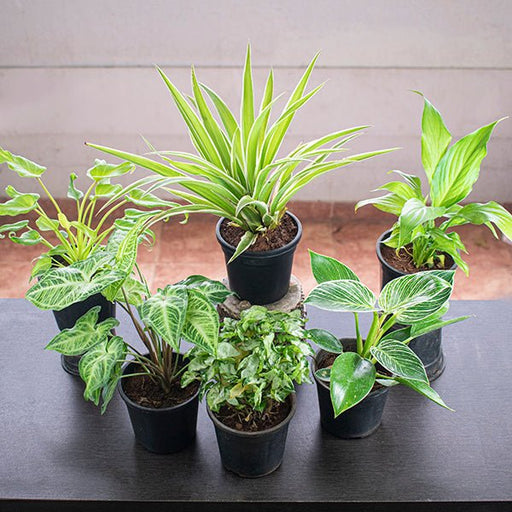
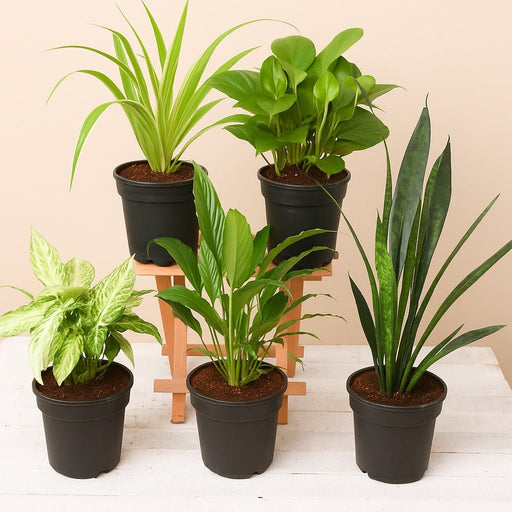
View full detailsBest 6 Plants for Perfect Indoor Garden Transform your living space into a lush oasis with our curated collection of the Best 6 Plants for a...
View full detailsBest 6 Plants for Perfect Indoor Garden Transform your living space into a lush oasis with our curated collection of the Best 6 Plants for a...
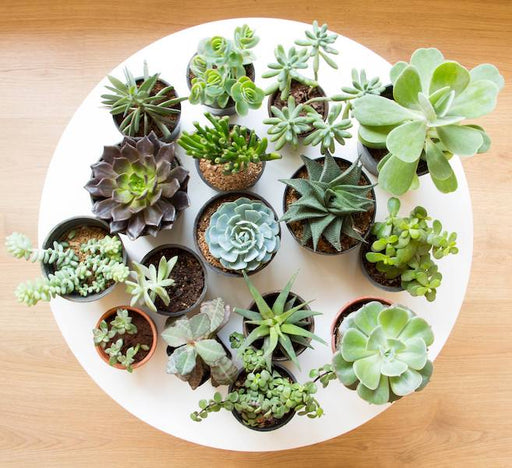
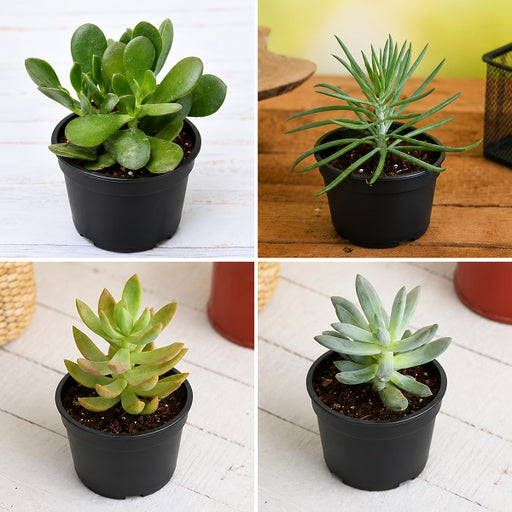
View full detailsMini Succulent Garden Pack Transform your space with our Mini Succulent Garden Pack, featuring a delightful collection of 4 any variety beautiful s...
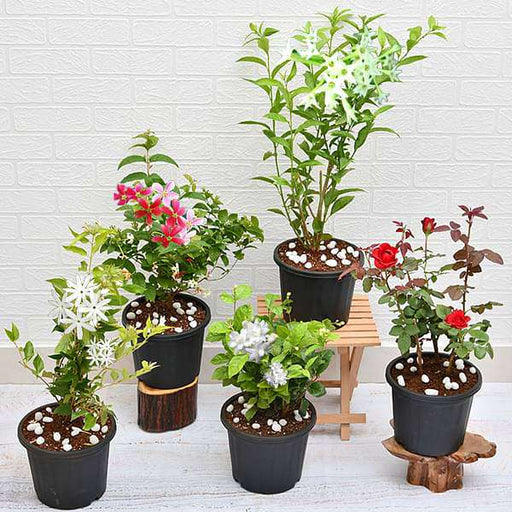
View full details5 Best Fragrant Plants Transform your garden or indoor space into a fragrant paradise with our curated selection of the 5 Best Fragrant Plants. Th...
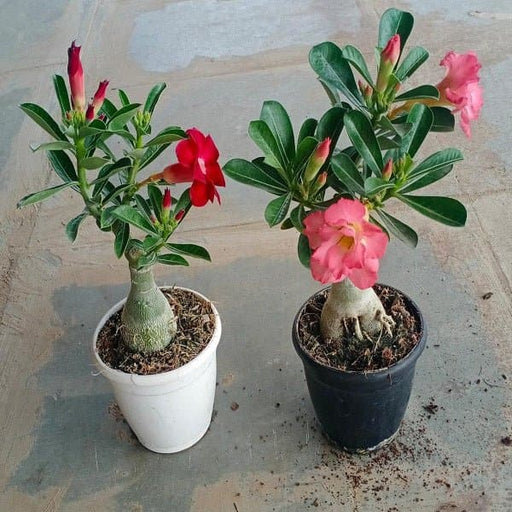
View full detailsSet of 2 Bonsai Looking Grafted Adeniums Transform your indoor or outdoor space with our exquisite Set of 2 Bonsai Looking Grafted Adenium...
View full detailsTop 4 Die Hard Succulents Pack Note: Plants included in this pack will be delivered in a 3-inch nursery pot (any color). Transform your indoor or ...
View full details5 Best Indoor Plants Pack Transform your living space into a lush oasis with our '5 Best Indoor Plants Pack.' This carefully curated collection fe...
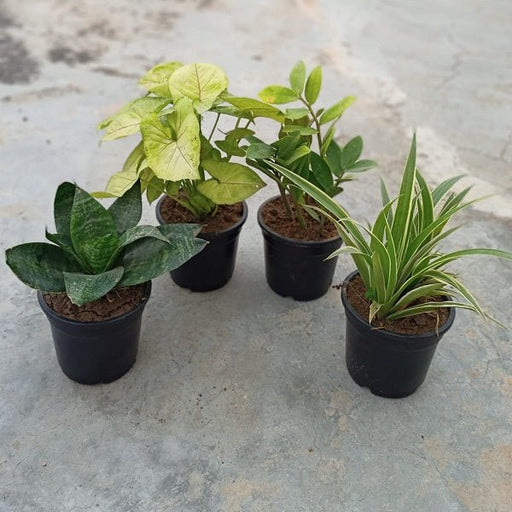
View full detailsSet of 4 Evergreen Air Purifier Plant Pack Transform your indoor space into a lush, green oasis with our Set of 4 Evergreen Air Purifier Pla...
View full detailsTop 5 Pollution Killer Plants Pack Transform your living space into a breath of fresh air with our 'Top 5 Pollution Killer Plants Pack'. This care...
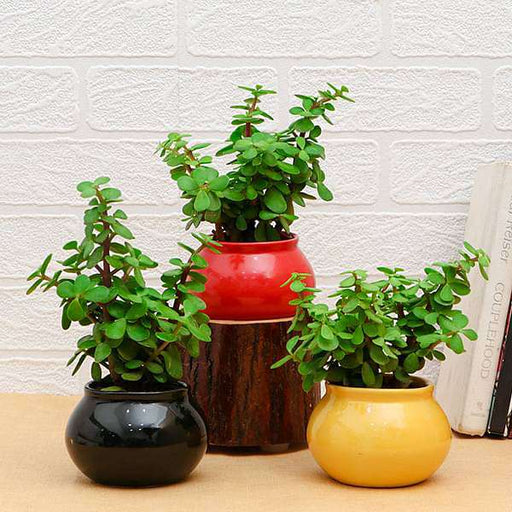
View full detailsPack of 3 Good Luck Jade Plants in Ceramic Pots Bring a touch of nature into your home with our Pack of 3 Good Luck Jade Plants, featuring...
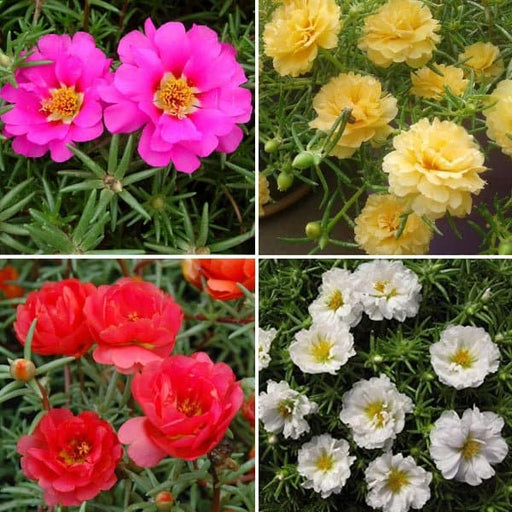
View full detailsPortulaca Garden Pack (4 Plants + 4 Black Pots) Note- You will get any color (Assorted) potted Porulaca plant with this pack. Transform your garde...
View full details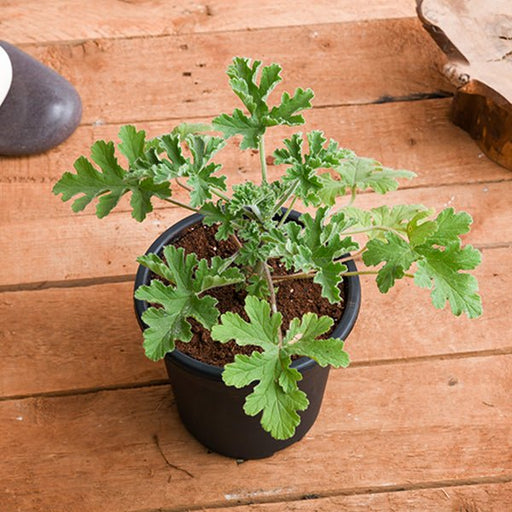






Leave a comment