Skip to content

Begonia Plants

Result: 8 products. Begonia Plants Collection Welcome to our exquisite Begonia Plants Collection, where vibrant colors and unique leaf patterns come together to create a stunning display f . . read more ›
Original price ₹ 349
Original price ₹ 349 - Original price ₹ 349
Original price ₹ 349
Current price ₹ 259
₹ 259 - ₹ 259
Current price ₹ 259

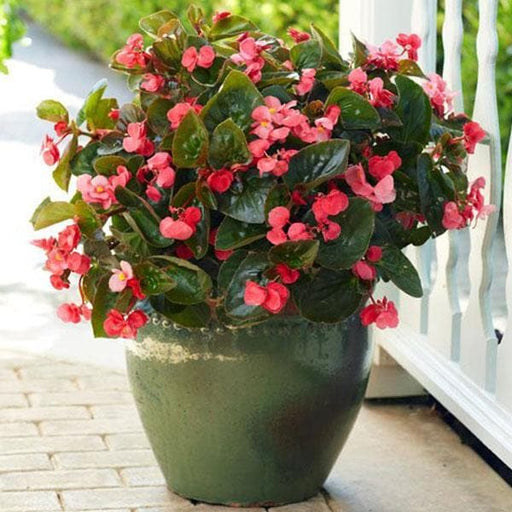
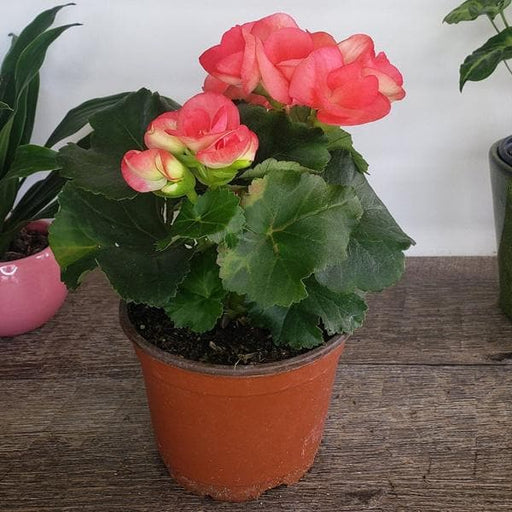
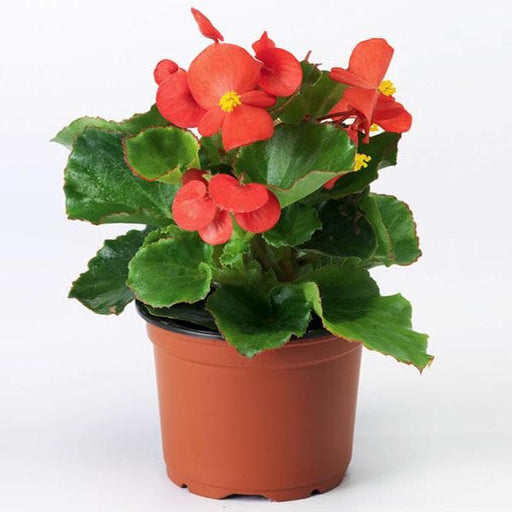
Begonia (Any Color) - Plant

Begonia (Any Color) - Plant The Begonia is a stunning ornamental plant known for its vibrant foliage and exquisite flowers, available in a...

View full details
Original price ₹ 349
Original price ₹ 349 - Original price ₹ 349
Original price ₹ 349
Current price ₹ 259
₹ 259 - ₹ 259
Current price ₹ 259
Save 26% Save %
Original price ₹ 349
Original price ₹ 349 - Original price ₹ 349
Original price ₹ 349
Current price ₹ 259
₹ 259 - ₹ 259
Current price ₹ 259

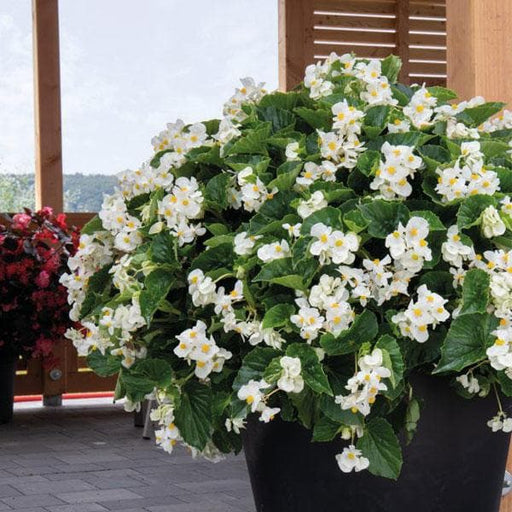
Begonia (White) - Plant

Begonia (White) - Plant The Begonia (White) is a stunning ornamental plant known for its striking white flowers and lush green foliage. Th...

View full details
Original price ₹ 349
Original price ₹ 349 - Original price ₹ 349
Original price ₹ 349
Current price ₹ 259
₹ 259 - ₹ 259
Current price ₹ 259
Sold out
Original price ₹ 399
Original price ₹ 399 - Original price ₹ 399
Original price ₹ 399
Current price ₹ 299
₹ 299 - ₹ 299
Current price ₹ 299

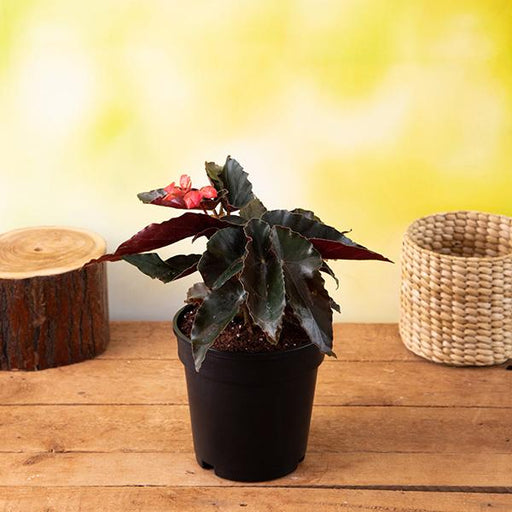
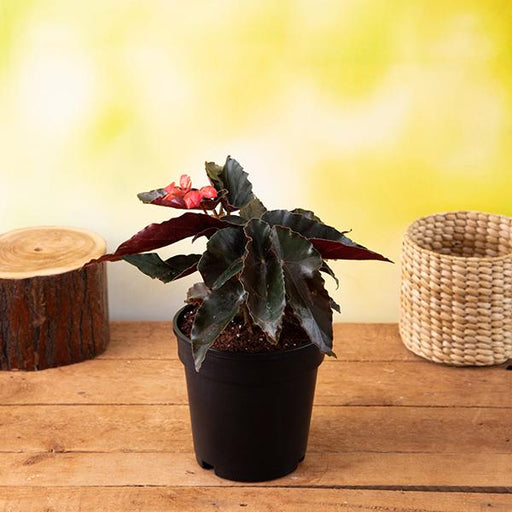
Angel Wing Begonia (Pink) - Plant

Angel Wing Begonia (Pink) - Plant The Angel Wing Begonia (Begonia coccinea) is a stunning houseplant known for its striking pink foliage a...

View full details
Original price ₹ 399
Original price ₹ 399 - Original price ₹ 399
Original price ₹ 399
Current price ₹ 299
₹ 299 - ₹ 299
Current price ₹ 299
Save 25% Save %
Original price ₹ 439
Original price ₹ 439 - Original price ₹ 439
Original price ₹ 439
Current price ₹ 359
₹ 359 - ₹ 359
Current price ₹ 359

Angel Wing Begonia (Any Color) - Plant

Angel Wing Begonia (Any Color) - Plant The Angel Wing Begonia, known scientifically as Begonia coccinea, is a stunning houseplant that cap...

View full details
Original price ₹ 439
Original price ₹ 439 - Original price ₹ 439
Original price ₹ 439
Current price ₹ 359
₹ 359 - ₹ 359
Current price ₹ 359
Save 18% Save %
Original price ₹ 349
Original price ₹ 349 - Original price ₹ 349
Original price ₹ 349
Current price ₹ 259
₹ 259 - ₹ 259
Current price ₹ 259

Begonia (Pink) - Plant

Begonia (Pink) - Plant The Begonia (Pink) is a stunning ornamental plant known for its vibrant pink foliage and delicate flowers. This per...

View full details
Original price ₹ 349
Original price ₹ 349 - Original price ₹ 349
Original price ₹ 349
Current price ₹ 259
₹ 259 - ₹ 259
Current price ₹ 259
Sold out
Original price ₹ 559 - Original price ₹ 559
Original price ₹ 559
₹ 559
₹ 559 - ₹ 559
Current price ₹ 559

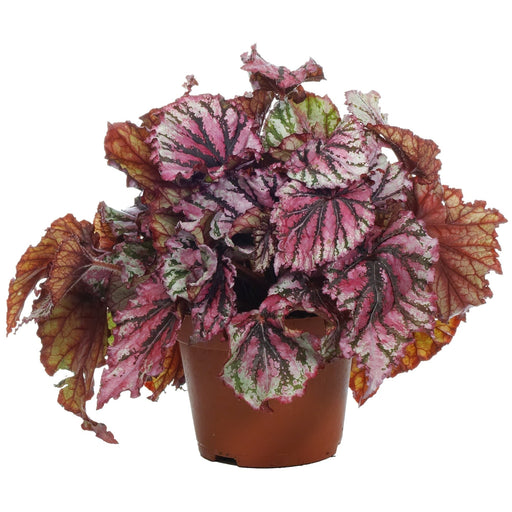
Rex Begonia Fireworks - Plant

Rex Begonia Fireworks - Plant The Rex Begonia Fireworks is a stunning ornamental plant known for its vibrant, multicolored foliage that re...

View full details
Original price ₹ 559 - Original price ₹ 559
Original price ₹ 559
₹ 559
₹ 559 - ₹ 559
Current price ₹ 559
Sold out
Original price ₹ 559 - Original price ₹ 559
Original price ₹ 559
₹ 559
₹ 559 - ₹ 559
Current price ₹ 559

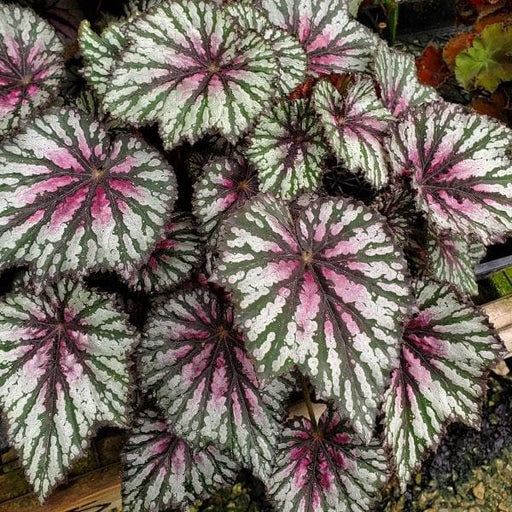
Rex Begonia Wenke Sunbelt - Plant

Rex Begonia Wenke Sunbelt - Plant The Rex Begonia Wenke Sunbelt is a stunning ornamental plant known for its vibrant foliage and unique le...

View full details
Original price ₹ 559 - Original price ₹ 559
Original price ₹ 559
₹ 559
₹ 559 - ₹ 559
Current price ₹ 559
Sold out
Original price ₹ 244 - Original price ₹ 244
Original price ₹ 244
₹ 244
₹ 244 - ₹ 244
Current price ₹ 244

Begonia (Red) - Plant

Begonia (Red) - Plant The Begonia (Red) is a stunning ornamental plant known for its vibrant red foliage and striking blooms. This perenni...

View full details
Original price ₹ 244 - Original price ₹ 244
Original price ₹ 244
₹ 244
₹ 244 - ₹ 244
Current price ₹ 244
Sold out

Begonia Plants Collection

Welcome to our exquisite Begonia Plants Collection, where vibrant colors and unique leaf patterns come together to create a stunning display for any indoor or outdoor space. Known for their ornamental beauty, begonias are a favorite among plant enthusiasts and are perfect for adding a touch of elegance to your home or garden. With a variety of species available, each begonia offers its own distinct charm, making them a delightful addition to your plant collection.

What makes begonias truly special is their versatility. They thrive in various environments, from shaded gardens to bright indoor spaces, and their lush foliage can brighten up any corner. Additionally, begonias are relatively easy to care for, making them an ideal choice for both novice and experienced gardeners. With their ability to bloom year-round, these plants provide continuous beauty and joy.

Growing begonias is a rewarding experience, as they not only enhance your living space but also contribute to improved air quality. These plants are known to filter toxins from the air, making them a healthy choice for your home. Explore our collection today and discover the perfect begonia to elevate your plant game!

Growing Instructions

  • Plant in well-draining soil with a pH of 5.5 to 6.5.
  • Provide indirect sunlight; direct sunlight can scorch the leaves.
  • Water when the top inch of soil feels dry, ensuring not to overwater.

Care Instructions

  • Fertilize every 4-6 weeks during the growing season with a balanced fertilizer.
  • Maintain humidity levels around 50-60% for optimal growth.
  • Prune dead or yellowing leaves to encourage new growth.

Uses

  • Perfect for indoor decoration, patios, and garden beds.
  • Can be used in terrariums or as part of a mixed plant arrangement.
  • Some varieties are edible and can be used in salads or as garnishes.

Fun Facts

  • There are over 1,800 species of begonias worldwide.
  • Begonias were named after Michel Bégon, a French governor of Haiti.
  • Some begonias can grow up to 3 feet tall, making them impressive focal points.

Scientifically, begonias belong to the family Begoniaceae and are native to tropical and subtropical regions. They are known for their unique asymmetrical leaves and beautiful flowers, which can be single or double. The most popular species include Begonia rex, known for its striking foliage, and Begonia semperflorens, which is celebrated for its continuous blooms. These plants play a significant role in biodiversity, providing habitats for various insects and contributing to the ecosystem.

Historically, begonias have been cultivated since the 17th century, with their popularity soaring in Victorian gardens. They have been used in traditional medicine for their anti-inflammatory properties and are often featured in botanical gardens worldwide. Environmentally, begonias help improve air quality and can be grown in urban settings, promoting green spaces and enhancing urban biodiversity.

Trending Collections

Begonia Care

Begonia plants are easy to care for, but still need some attention to thrive. This article will guide you on how to care for your Begonia plant, including watering, fertilizing, and pruning tips.

Begonia Flowers

Begonia plants produce stunning flowers in a range of colors, from white to pink, red, and yellow. This article will delve into the anatomy of the Begonia flower and the symbolism behind its colors.

Begonia Varieties

There are over 1,500 Begonia species, each with unique characteristics. This article will introduce you to some of the most popular Begonia varieties, including the angel wing Begonia, Rex Begonia, and tuberous Begonia.

Begonia Potting

Choosing the right pot and soil for your Begonia plant is crucial to its growth and health. This article will provide tips on how to pot your Begonia plant, including selecting the right pot size, soil type, and drainage.

Begonia Light Requirements

Begonia plants prefer bright, indirect light but can tolerate some shade. This article will discuss the light requirements of Begonia plants and how to ensure they get the right amount of light.

Begonia Watering

Overwatering and underwatering are common mistakes in Begonia care. This article will teach you how to water your Begonia plant properly, including how often to water and how to tell when your plant needs water.

Begonia Fertilizer

Fertilizing your Begonia plant is essential for promoting growth and flowering. This article will cover the different types of fertilizer you can use for Begonia plants and how to apply them.

Begonia Propagation

Propagating Begonia plants can be done through division, cuttings, or seeds. This article will guide you through each method and provide tips on how to propagate your Begonia plant successfully.

Begonia Diseases

Begonia plants can be susceptible to various diseases, including powdery mildew and stem rot. This article will discuss the common diseases that affect Begonia plants and how to prevent and treat them.

Begonia Pests

Pests like spider mites and mealybugs can infest Begonia plants and cause damage. This article will introduce you to the common pests that affect Begonia plants and how to control and prevent them.

Begonia Soil Requirements

Begonia plants prefer well-draining soil that is rich in organic matter. This article will cover the ideal soil requirements for Begonia plants and how to prepare the soil for planting.

Begonia Leaves

Begonia leaves come in different shapes and sizes, from glossy to matte, and can provide clues to the plant's health. This article will discuss the different types of Begonia leaves and what they indicate about the plant's condition.

Begonia Roots

Healthy roots are essential for the growth and survival of Begonia plants. This article will cover the anatomy of Begonia roots and how to ensure they stay healthy and strong.

Begonia Temperature Requirements

Begonia plants prefer warm, humid conditions but can tolerate cooler temperatures. This article will discuss the ideal temperature range for Begonia plants and how to protect them from extreme temperatures.

Begonia Humidity Requirements

Begonia plants thrive in moderate to high humidity environments. This article will cover the ideal humidity requirements for Begonia plants and how to maintain a proper humidity level.

Begonia Blooming

Begonia plants are known for their showy blooms that can last for weeks or even months. This article will discuss the factors that influence Begonia blooming and how to encourage your plant to produce more flowers.

Begonia Toxicity

Begonia plants are non-toxic to humans and pets, making them safe to have around. This article will cover some of the health benefits of Begonia plants and how they can be used in natural medicine.

Begonia Decor

Begonia plants make excellent houseplants and can add a touch of color to any space. This article will provide tips on how to incorporate Begonia plants into your home decor.

Begonia Gift

Begonia plants make thoughtful and long-lasting gifts for any occasion, from birthdays to housewarmings. This article will discuss the benefits of giving Begonia plants as gifts and how to care for them after gifting.

Begonia Art

Begonia plants have inspired many artists and designers, and their unique shapes and colors make them popular subjects for art and decor. This article will showcase some of the creative ways that Begonia plants have been incorporated into art and design.

Save 40% with Gardening Solutions

Growing & care guide

Begonias are shade-loving plants prized for foliage and flowers, preferring consistent moisture and indirect light. They're sensitive to hard water and overwatering, common issues in Indian homes.

Light
Begonias need bright, indirect light—an east or west-facing window is ideal. Direct sun scorches foliage; they're among the few ornamentals that prefer partial shade.
Water
Keep soil evenly moist but not waterlogged. Hard water causes leaf spotting and browning; if possible, use filtered or collected rainwater. Reduce watering in winter dormancy.
Soil & Feeding
Use humus-rich, well-draining soil—add compost or coco-peat to standard potting mix. Feed every 3-4 weeks during active growth with diluted balanced fertilizer.
Temperature & Humidity
Begonias prefer cooler temperatures (15-25°C) and higher humidity. In hot, dry conditions, mist the plant (avoid foliage if using hard water) or place on a humidity tray.
Common Problems
Root rot from overwatering is the leading killer; powdery mildew thrives in humid, stagnant air; leaf spotting indicates hard water or fungal issues. Improve drainage and airflow to prevent these.
Pro Tips
Never wet begonia foliage when watering—apply water at soil level. Pinch growing tips occasionally to encourage bushier plants with more flowers.

Frequently asked questions

What are Begonia plants?
Begonia plants are a genus of flowering plants that are known for their showy flowers and attractive foliage. They are native to tropical and subtropical regions of the world, and are popular for use in indoor and outdoor gardens.
How do I care for my Begonia plant?
Begonia plants require bright, indirect sunlight and well-draining soil. They should be watered regularly, but the soil should be allowed to dry out slightly between waterings. Fertilizer can be applied every 2-3 weeks during the growing season.
What are the different types of Begonia plants?
There are over 1,000 species of Begonia plants, as well as numerous cultivars and hybrids. Common types include Tuberous Begonias, Rex Begonias, and Angel Wing Begonias.
How do I propagate my Begonia plant?
Begonia plants can be propagated through stem cuttings or leaf cuttings. It is important to use clean, sharp scissors and to plant the cuttings in well-draining soil.
How do I prevent my Begonia plant from getting leggy?
To prevent legginess in Begonia plants, it is important to provide them with adequate sunlight and to pinch back the stems regularly.
Can Begonia plants be grown indoors?
Yes, Begonia plants can be grown indoors as long as they are given adequate sunlight and moisture. They can be used to add color and interest to any room.
Are Begonia plants toxic to pets or children?
Begonia plants are not considered toxic to pets or children, but ingestion may cause mild gastrointestinal upset. It is still important to keep them out of reach of children and pets.
Can Begonia plants be grown in hanging baskets?
Yes, Begonia plants can be grown in hanging baskets as long as they are given adequate support and moisture. They can be used to add color and interest to any space.
How do I know if my Begonia plant needs more water?
If the soil around the Begonia plant is dry to the touch, it may need more water. However, it is important not to overwater, as this can lead to root rot.
How do I know if my Begonia plant needs more light?
If the Begonia plant is not blooming or is growing slowly, it may need more light. It is important to provide it with bright, indirect sunlight.
How do I repot my Begonia plant?
To repot a Begonia plant, gently remove it from its current pot and place it in a larger container with fresh, well-draining soil. Water it thoroughly and allow it to settle in its new pot before moving it to its final location.
Can Begonia plants be grown outdoors?
Yes, Begonia plants can be grown outdoors in areas with mild climates. They prefer partial shade and well-draining soil.
What is the best way to display Begonia plants in a bouquet or floral arrangement?
Begonia plants make beautiful additions to bouquets and floral arrangements. To display them, cut the stems at an angle and place them in a vase with fresh water. Keep the vase out of direct sunlight and change the water every few days.
Can Begonia plants be used for medicinal purposes?
While some species of Begonia plants have been used in traditional medicine for their anti-inflammatory and pain-relieving properties, it is important to consult with a healthcare professional before using any plant for medicinal purposes.
What are the most common pests and diseases that affect Begonia plants?
Begonia plants are susceptible to pests such as aphids, spider mites and mealybugs, as well as diseases such as powdery mildew and botrytis. Regular monitoring and proper care can help prevent these issues.
How often should I fertilize my Begonia plant?
Begonia plants can be fertilized every 2-3 weeks during the growing season using a balanced fertilizer.
How do I know if my Begonia plant is getting too much sunlight?
If the Begonia plant's leaves are turning yellow or brown, it may be getting too much sunlight. Move it to a shadier location and monitor its progress.
How do I know if my Begonia plant is getting too little sunlight?
If the Begonia plant is not blooming or is growing slowly, it may be getting too little sunlight. Move it to a brighter location and monitor its progress.
Can I grow Begonia plants from seed?
Yes, Begonia plants can be grown from seed, but it can be difficult and time-consuming. It is often easier to propagate them through stem or leaf cuttings.
Can Begonia plants be grown in terrariums?
Yes, Begonia plants can be grown in terrariums as long as they are given adequate moisture and ventilation. They can add a beautiful touch of greenery to any enclosed space.
Can Begonia plants be grown in water?
While Begonia plants can be propagated in water, they cannot be grown in water long-term as they require well-draining soil for proper growth.
What is the best temperature range for Begonia plants?
Begonia plants prefer temperatures between 60-75°F (15-24°C) and should be protected from temperatures below 50°F (10°C).
How do I control pests and diseases on my Begonia plant?
Regular monitoring and proper care can help prevent pests and diseases on Begonia plants. If an issue arises, it can often be treated with organic methods such as insecticidal soap or neem oil.
Can Begonia plants be grown in hydroponic systems?
Yes, Begonia plants can be grown in hydroponic systems as long as they are given proper nutrients and support.
How long do Begonia plants typically live?
Begonia plants can live for several years with proper care and maintenance.
Can Begonia plants be grown in shade gardens?
Yes, Begonia plants can be grown in shade gardens as they prefer partial shade.
Can Begonia plants be grown in arid climates?
Begonia plants are not typically recommended for arid climates as they require moderate to high humidity for proper growth.
How do I prune my Begonia plant?
To prune a Begonia plant, use clean, sharp scissors to remove any dead or diseased stems or leaves. Pinching back the stems can also help promote bushier growth.
What is the best time of year to plant Begonia plants?
Begonia plants can be planted year-round in areas with mild climates, but it is typically recommended to plant them in the spring or summer.
Can Begonia plants be used in container gardens?
Yes, Begonia plants can be used in container gardens and can add a beautiful touch of color and texture to any space.
Fully-Grown Plants

Nursery-mature, not 4-inch saplings

Next-Day Delivery

At your door tomorrow — not a 4–7 day wait

Nursery-Fresh

Ready to flourish, no growing-in

Lowest Prices

Straight from local growers