
Expert Support
Available 24/7 via chat
Available 24/7 via chat
If you're searching for a low-maintenance succulent that delivers maximum visual impact with minimal fuss, Moon Cactus is your answer. With its distinctive bright yellow grafted crown and compact size, this plant is an excellent choice for Indian gardeners—whether you're a seasoned horticulturist or a complete beginner. Moon Cactus combines striking aesthetics with remarkable ease of care, making it perfect for windowsills, desks, shelves, and sunny corners throughout your home or garden.
Moon Cactus is a grafted succulent composed of two plants: a colorful, spineless crown grafted onto a hardy rootstock. This particular variety features a bright yellow grafted crown that truly lives up to its name, especially when sunlight catches it just right. At purchase, the plant typically stands 7 inches (18 cm) tall with a spread of 3 inches (8 cm), though it can reach a maximum reachable height of 0.5 to 8 inches depending on growing conditions and care.
Moon Cactus is classified as an easy-to-grow plant, making it ideal for newcomers to succulent gardening and experienced gardeners alike. The yellow flowers bloom during spring and summer, adding even more visual interest to your collection during India's most pleasant growing months. As a drought-tolerant succulent, Moon Cactus is forgiving if you occasionally skip a watering—a quality that endears it to many Indian households with busy lifestyles.
| Care Aspect | Requirement |
|---|---|
| Light | Bright indirect sunlight |
| Water | Water thoroughly, then let dry out between waterings |
| Soil | Well-drained soil |
| Temperature | Above 9°C; bring indoors during cold winters |
Moon Cactus thrives in bright indirect sunlight. In the Indian context, this is particularly important during summer when direct afternoon sun can scorch the delicate grafted yellow crown. Position your plant near an east or west-facing window where it receives plenty of bright light without intense midday rays. A north-facing window works well if your home naturally receives bright ambient light. If your plant begins looking pale or developing thin, weak stems (a condition called "leggy" growth), it's signaling that it needs more light—try relocating it to a brighter spot. Conversely, if the yellow color appears faded or the plant looks sun-bleached, reduce its exposure to intense afternoon sun by moving it slightly away from the window or providing afternoon shade.
The fundamental rule for Moon Cactus watering is simple: water the plant thoroughly, then let it dry out completely between waterings. This practice mimics the natural desert conditions these plants evolved to survive in. In India's tropical and subtropical climate, this typically translates to watering once every 2 to 3 weeks during the active growing season (spring and summer), and significantly less frequently during winter when growth naturally slows.
During the monsoon season, dramatically reduce your watering frequency. The high ambient humidity and moisture in the air mean your Moon Cactus requires far less supplemental water than usual. Overwatering is the primary cause of problems in Moon Cactus care, so always err on the side of underwatering. Before watering, always verify that the soil is completely dry throughout the pot. A practical tip: if you're uncertain whether the plant needs water, wait another day or two. A slightly wrinkled or shriveled appearance is actually a normal, healthy sign that the plant is ready for water—this is typical succulent behavior and nothing to worry about.
Well-drained soil is absolutely essential for Moon Cactus success. Regular multipurpose potting soil retains far too much moisture and will inevitably lead to root rot. Always use a specialized cactus or succulent potting mix, or create your own by combining regular potting soil with perlite or coarse sand in a 2:1 ratio to dramatically improve drainage. For gardeners in India's hard water regions, using rainwater or distilled water for irrigation helps prevent mineral salt accumulation in the soil over time.
During the growing season (spring and summer), feed your Moon Cactus with a cactus-specific fertilizer once per month. These specially formulated fertilizers contain lower nitrogen levels than general-purpose plant foods, which naturally promotes flowering rather than excessive leafy growth. If you prefer to be conservative, dilute the fertilizer to half-strength, as cacti and succulents are not heavy feeders and can thrive on minimal nutrition. Completely stop fertilizing in autumn and winter when the plant's growth naturally enters dormancy.
Moon Cactus requires temperatures consistently above 9°C to thrive. The tiny Moon Cactus will not do well in very cold temperatures, so during winter months you should bring it inside to a warm location if you live in cooler parts of India or in regions where winter temperatures approach or drop below this threshold. Most Indian regions maintain temperatures well above this minimum year-round, but northern states can experience winter lows that warrant moving the plant indoors or to a sheltered, protected spot against your home.
Humidity is generally not a concern for Moon Cactus—unlike tropical houseplants, it actually prefers low to moderate humidity levels. In monsoon-prone regions of India, the key is ensuring good air circulation around the plant to prevent fungal issues from developing. A location near a window where gentle air flows freely is ideal for long-term health.
Moon Cactus presents a unique challenge for propagation because it is a grafted plant. The distinctive colored crown cannot be easily separated and propagated on its own as a standalone specimen—it requires specialized grafting expertise that goes beyond typical home gardening. Most gardeners simply enjoy their Moon Cactus as-is and replace the plant when it eventually declines after several years of growth. If you're deeply interested in propagation from seed, you could theoretically grow the green rootstock base from cactus seed, though this requires considerable patience and horticultural knowledge beyond standard home care.
Root rot and stem rot: These issues occur almost exclusively from overwatering or inadequate soil drainage. If you notice soft, mushy spots developing on the base or stems, stop watering immediately and repot the plant into fresh, completely dry, well-draining cactus soil. Using a sterilized knife, carefully remove any visibly rotted or blackened sections. Ensure your new pot has drainage holes and use quality cactus mix to prevent recurrence.
Pest infestations: Mealybugs and spider mites occasionally affect Moon Cactus, particularly in warm, dry conditions. If you spot cotton-like clusters or fine webbing, isolate the affected plant and spray thoroughly with neem oil (widely available in Indian gardening stores) or carefully wipe affected areas with a cotton swab dipped in rubbing alcohol.
Fading or washed-out yellow color: If the bright yellow crown gradually loses its vibrant color, the plant is likely receiving either too much direct sun or insufficient overall light. Experiment with relocating the plant to adjust light exposure until the color returns.
Failure to bloom: If your Moon Cactus hasn't produced flowers during spring or summer, ensure it's receiving bright indirect light, provide cactus fertilizer monthly during the growing season, and allow the plant adequate cool rest during winter months. Excessive nitrogen fertilizer or insufficient light will suppress flowering.
Ready to grow your own? Shop Moon Cactus at Nurserylive →
Moon Cactus (Grafted, Yellow) - Cactus Plant Note: This plant will be delivered in a 3-inch nursery pot (any color). The Moon Cactus, scientifical...
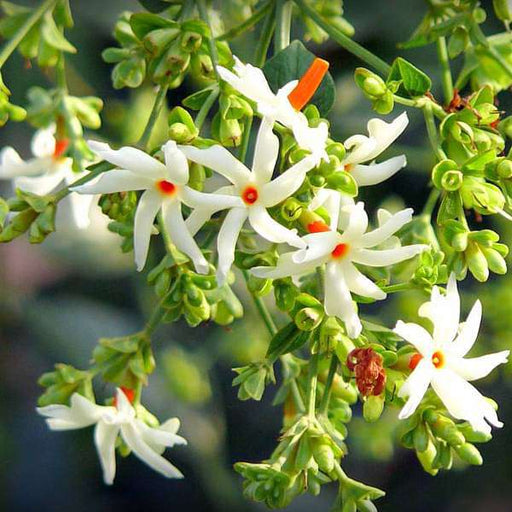
View full detailsCombo Constituents Includes the Parijat Tree (Night-Flowering Jasmine), a culturally significant plant with fragrant flowers. Description The Pari...
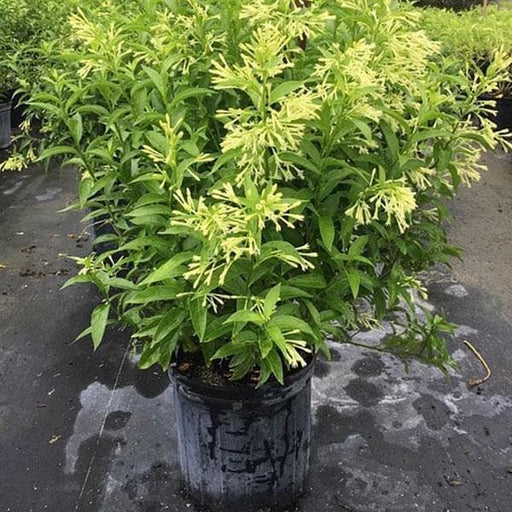
View full detailsDescription Raat Ki Rani (*Cestrum nocturnum*), also known as Night Blooming Jasmine, is a fragrant shrub native to the Caribbean and Central Ameri...
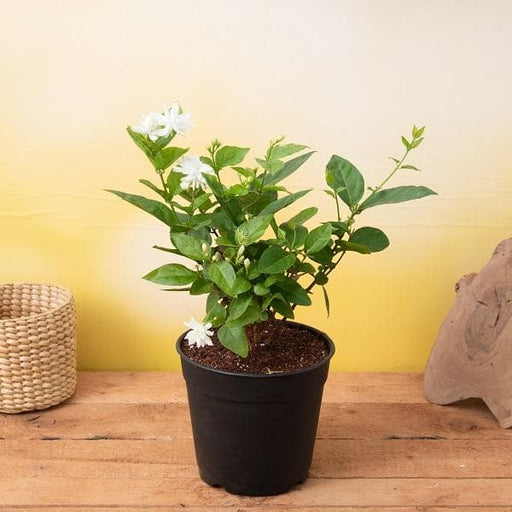
View full detailsJasminum sambac, Mogra, Arabian Jasmine - Plant Jasminum sambac, commonly known as Mogra or Arabian Jasmine, is a fragrant flowering plant...
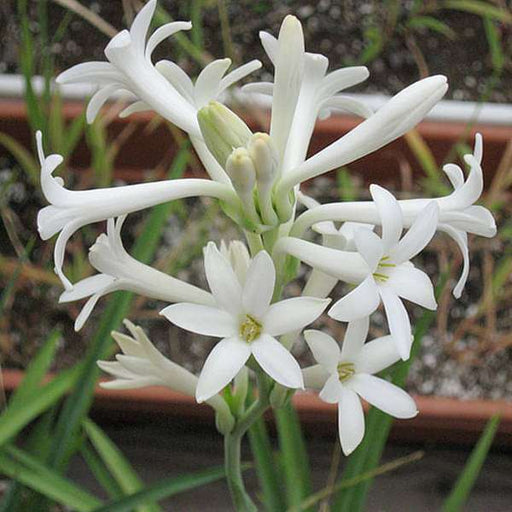
View full detailsRajnigandha, Tuberose - Plant The Rajnigandha, scientifically known as Polianthes tuberosa, is a captivating perennial plant renowned for ...
View full detailsCitronella, Odomas - Plant The Citronella plant, scientifically known as Cymbopogon nardus, is a tropical grass renowned for its aromatic ...
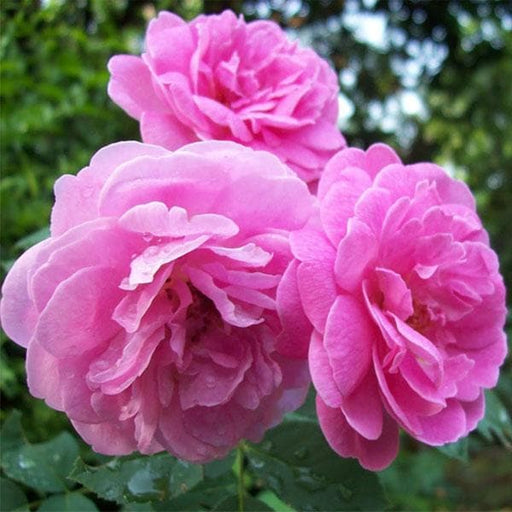
View full detailsDamascus Rose, Scented Rose (Any Color) - Plant The Damascus Rose, also known as Rosa damascena, is a timeless symbol of beauty and romanc...
View full detailsMiniature Rose, Button Rose (Any Color) - Plant The Miniature Rose, also known as the Button Rose, is a charming and compact flowering plant that ...
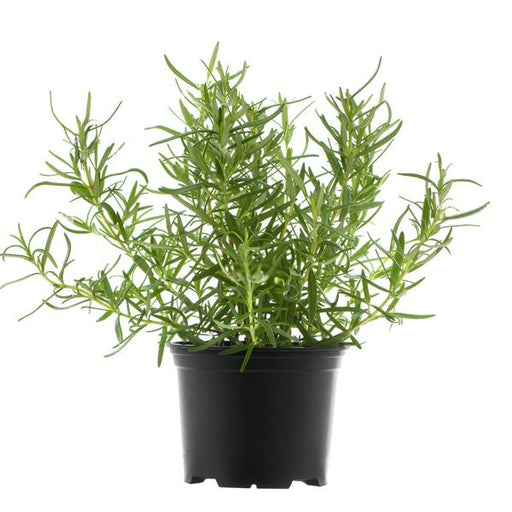
View full detailsRosemary - Plant Rosemary (Rosmarinus officinalis) is a fragrant evergreen herb native to the Mediterranean region. Known for its needle-like leav...
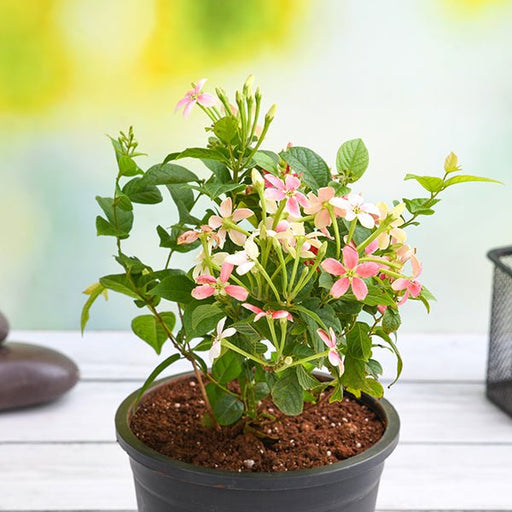
View full detailsMadhumalti Dwarf, Rangoon Creeper - Plant The Madhumalti Dwarf, also known as the Rangoon Creeper (Quisqualis indica), is a stunning perennial vin...
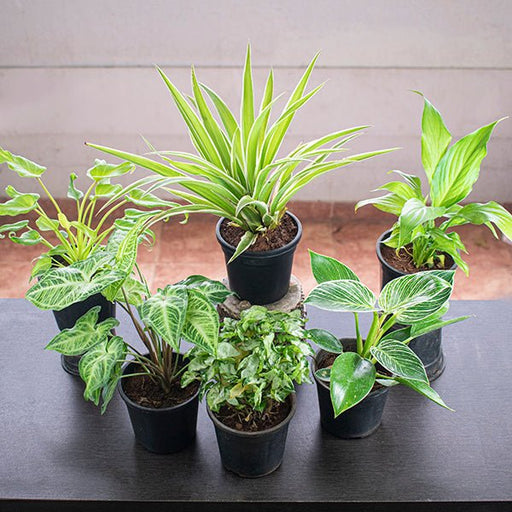
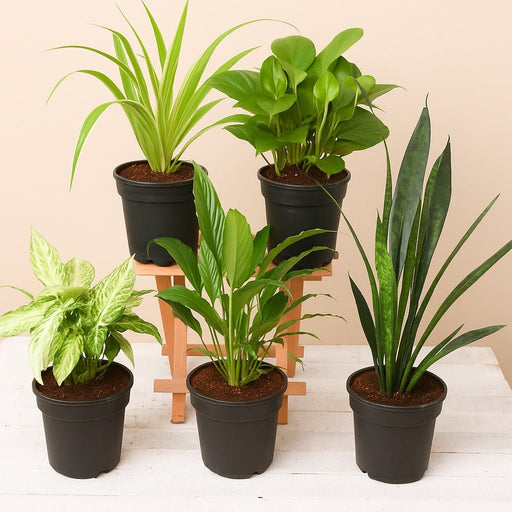
View full detailsBest 6 Plants for Perfect Indoor Garden Transform your living space into a lush oasis with our curated collection of the Best 6 Plants for a...
View full detailsBest 6 Plants for Perfect Indoor Garden Transform your living space into a lush oasis with our curated collection of the Best 6 Plants for a...
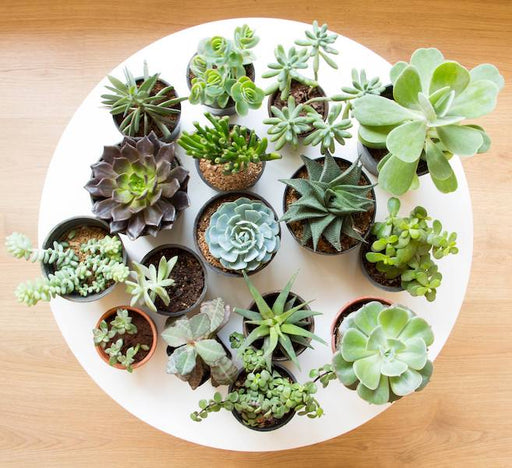
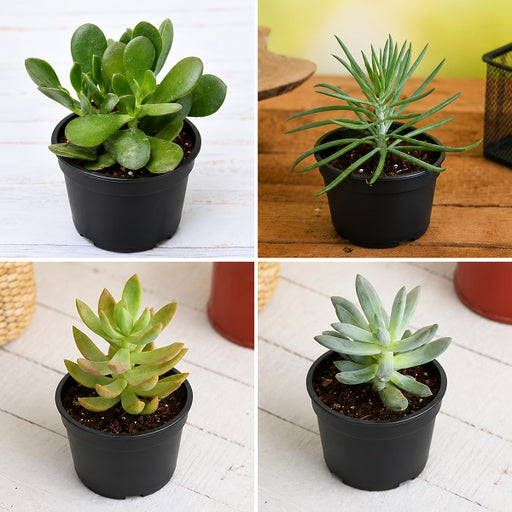
View full detailsMini Succulent Garden Pack Transform your space with our Mini Succulent Garden Pack, featuring a delightful collection of 4 any variety beautiful s...
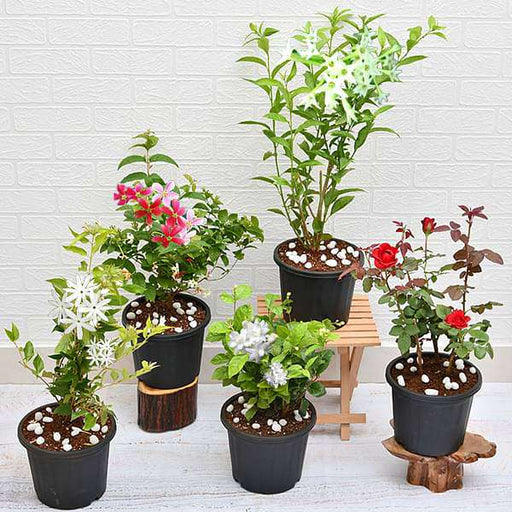
View full details5 Best Fragrant Plants Transform your garden or indoor space into a fragrant paradise with our curated selection of the 5 Best Fragrant Plants. Th...
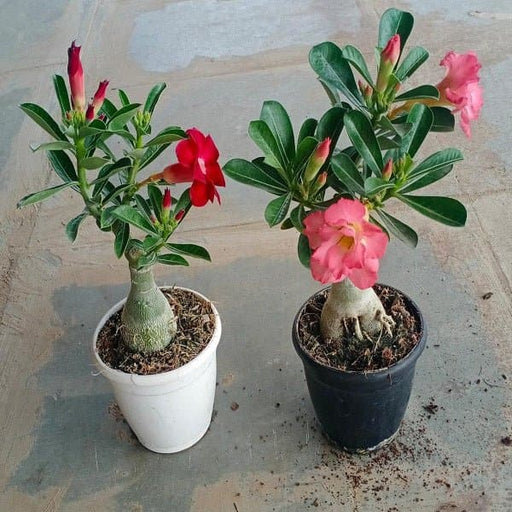
View full detailsSet of 2 Bonsai Looking Grafted Adeniums Transform your indoor or outdoor space with our exquisite Set of 2 Bonsai Looking Grafted Adenium...
View full detailsTop 4 Die Hard Succulents Pack Note: Plants included in this pack will be delivered in a 3-inch nursery pot (any color). Transform your indoor or ...
View full details5 Best Indoor Plants Pack Transform your living space into a lush oasis with our '5 Best Indoor Plants Pack.' This carefully curated collection fe...
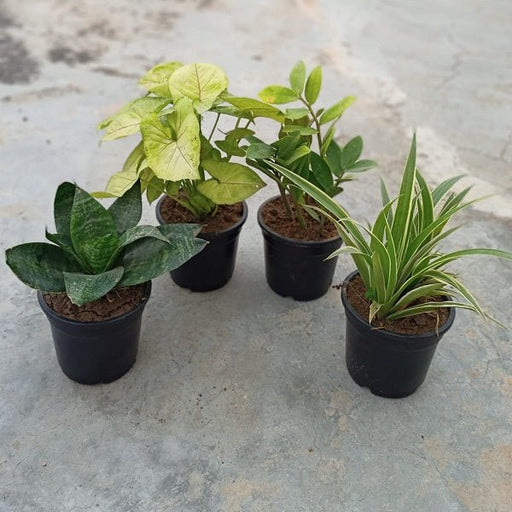
View full detailsSet of 4 Evergreen Air Purifier Plant Pack Transform your indoor space into a lush, green oasis with our Set of 4 Evergreen Air Purifier Pla...
View full detailsTop 5 Pollution Killer Plants Pack Transform your living space into a breath of fresh air with our 'Top 5 Pollution Killer Plants Pack'. This care...
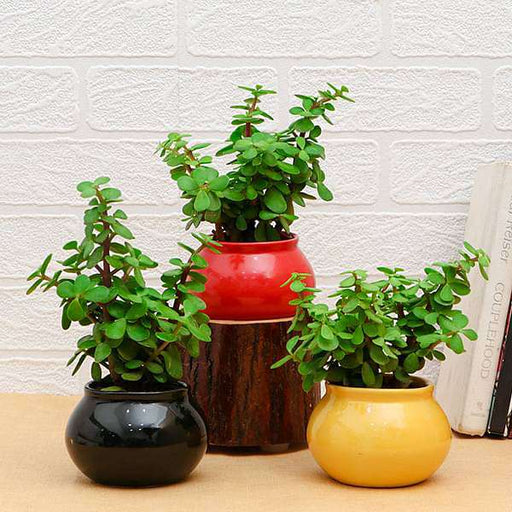
View full detailsPack of 3 Good Luck Jade Plants in Ceramic Pots Bring a touch of nature into your home with our Pack of 3 Good Luck Jade Plants, featuring...
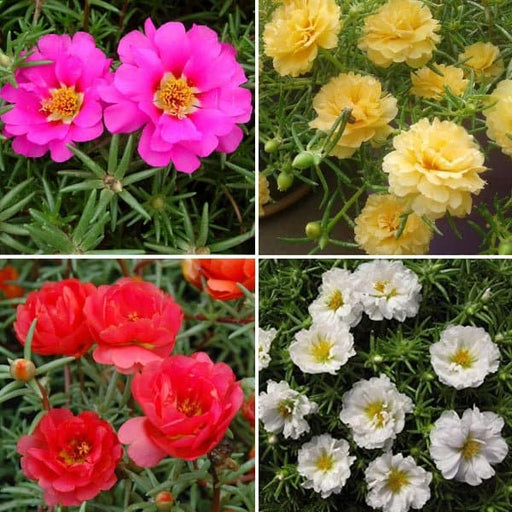
View full detailsPortulaca Garden Pack (4 Plants + 4 Black Pots) Note- You will get any color (Assorted) potted Porulaca plant with this pack. Transform your garde...
View full details






Leave a comment