Not recd as per Picture on Website
Available 24/7
Available 24/7
Save 25%
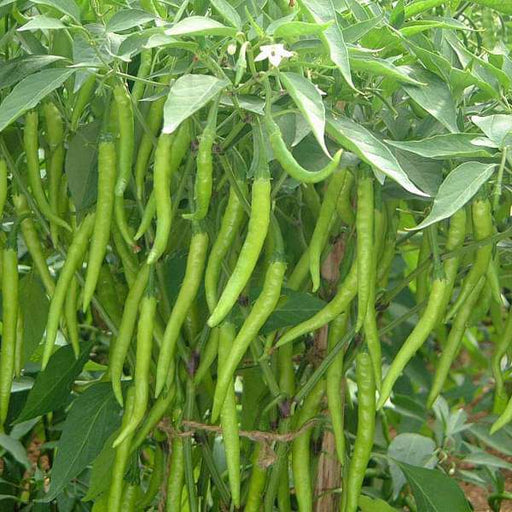
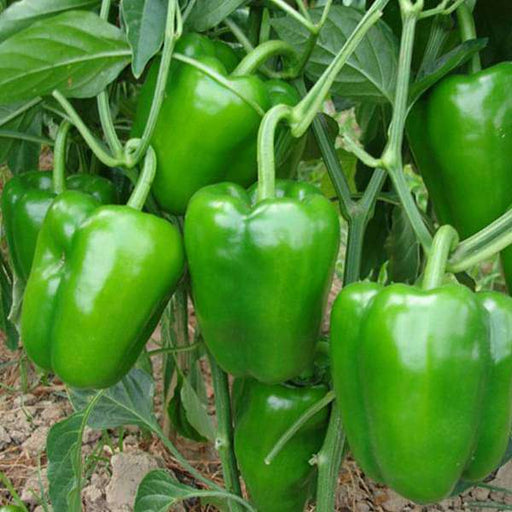
Capsicum Green - Desi Vegetable Seeds Capsicum Green, also known as bell pepper, is a vibrant and nutritious addition to your garden. Thes...
View full details
Save 25%
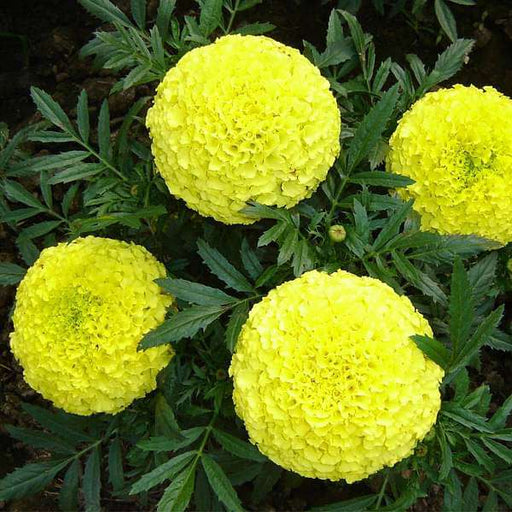
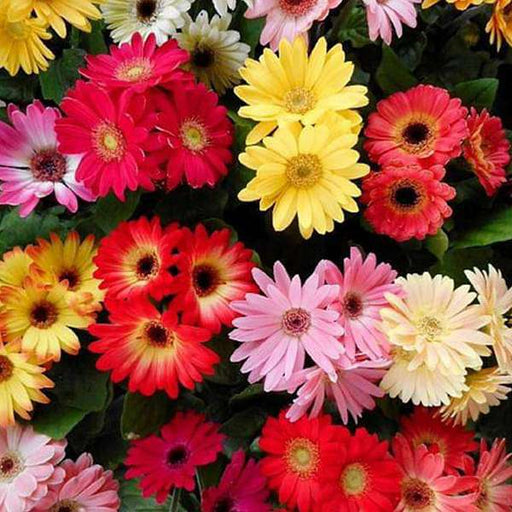
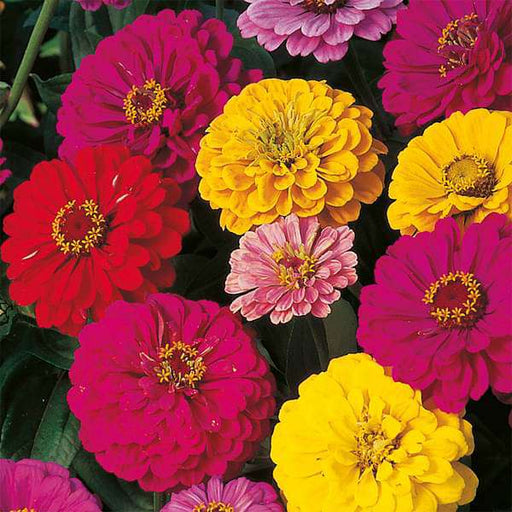
Zinnia Dahlia Mixed Color - Desi Flower Seeds Transform your garden into a vibrant tapestry of colors with our Zinnia Dahlia Mixed Color -...
View full details
Save 25%
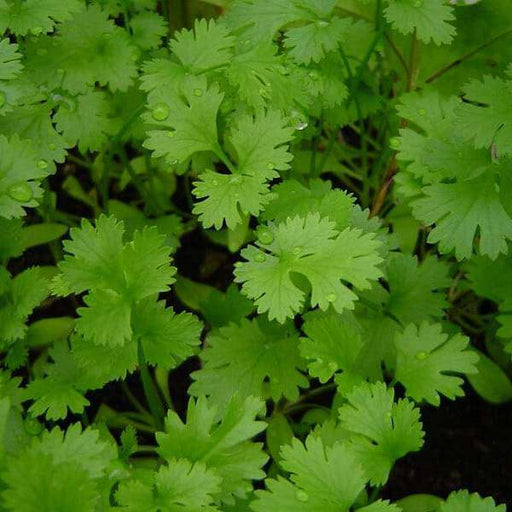
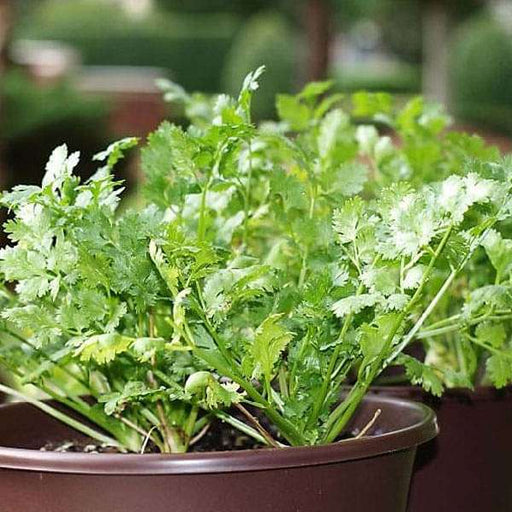
Coriander Panipat - Desi Vegetable Seeds Coriander Panipat is a premium variety of coriander seeds, cherished for its aromatic leaves and ...
View full details
Save 25%
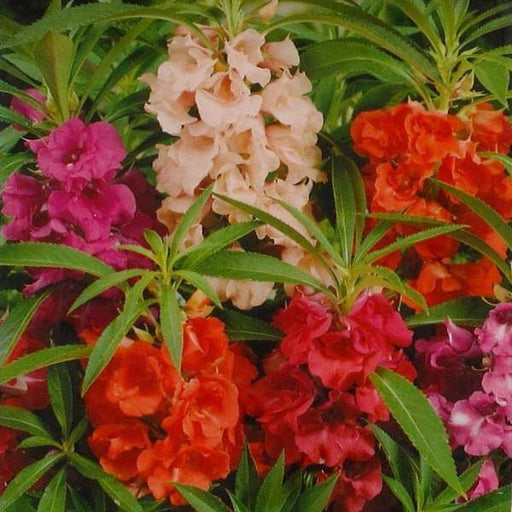
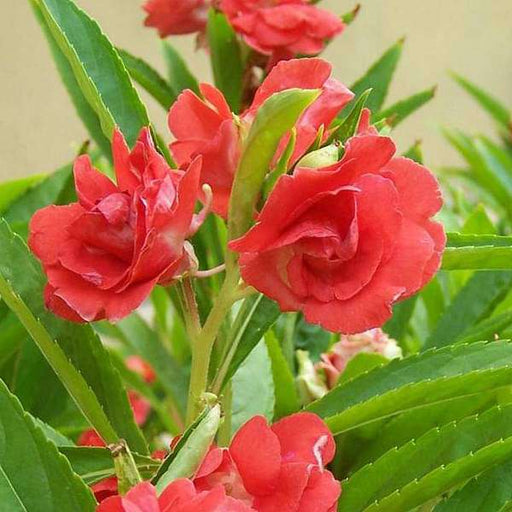
Balsam Double Mixed Color - Desi Flower Seeds Discover the vibrant beauty of Balsam Double Mixed Color - Desi Flower Seeds, a delightful a...
View full details
Save 25%
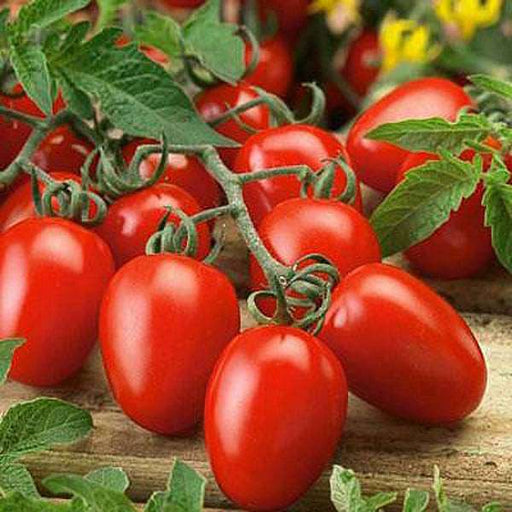
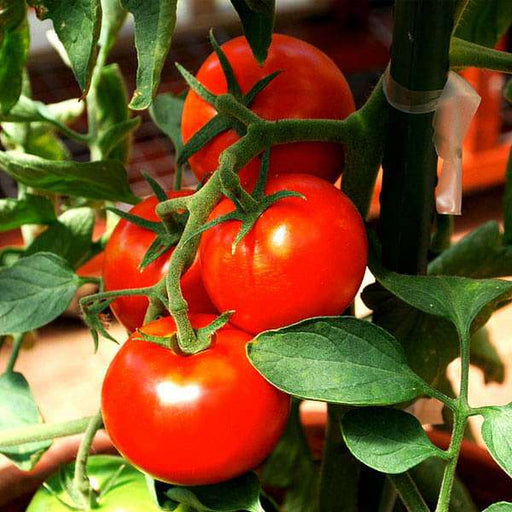
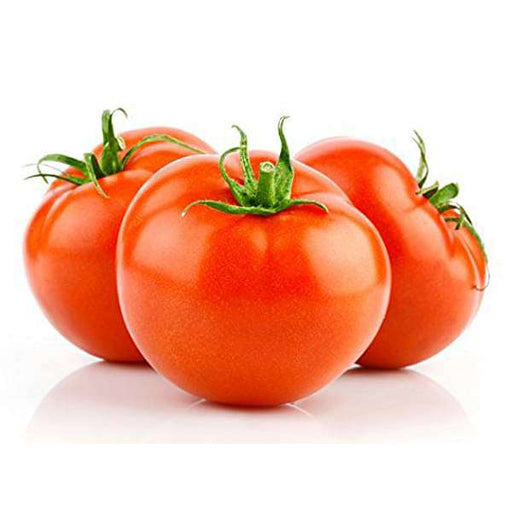
Tomato Pusa Ruby - Desi Vegetable Seeds The Tomato Pusa Ruby is a premium variety of tomato seeds, renowned for its vibrant red color, jui...
View full details
Save 25%
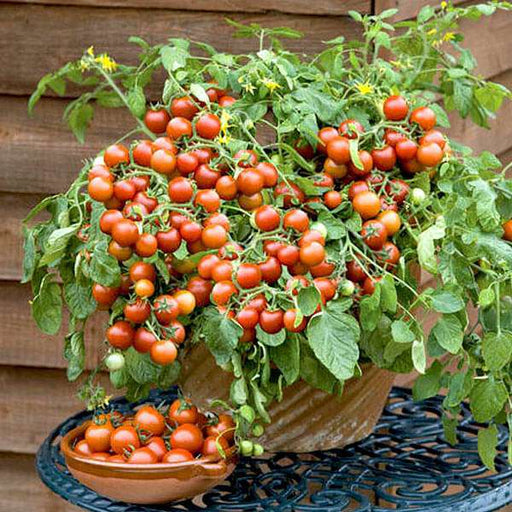
Cherry Tomato, Cherry Tomato Honey - Vegetable Seeds Discover the delightful world of Cherry Tomato Honey seeds, perfect for home gardener...
View full details
Save 25%
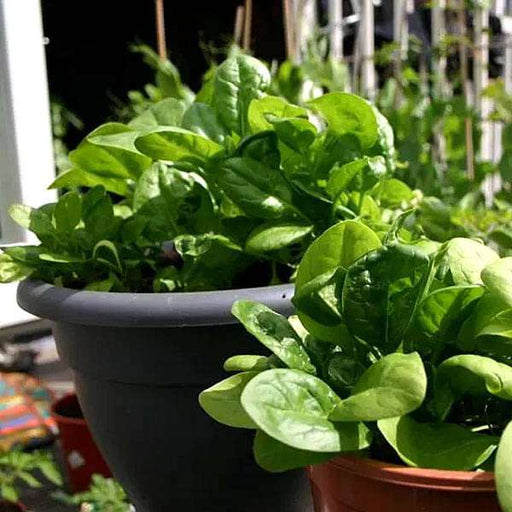
Spinach All Green - Desi Vegetable Seeds Introducing the Spinach All Green - Desi Vegetable Seeds, a premium variety of spinach that thriv...
View full details
Save 35%
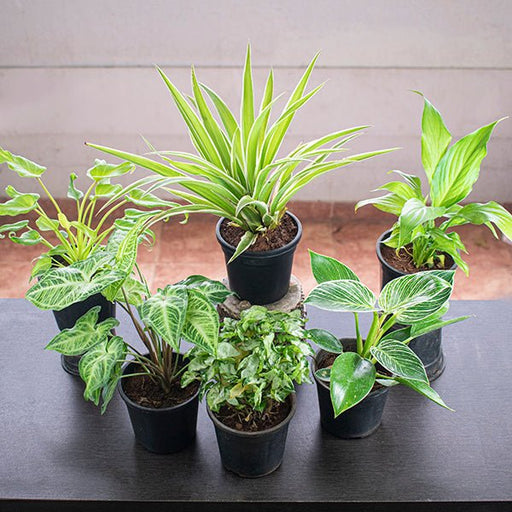
Best 6 Plants for Perfect Indoor Garden Transform your living space into a lush oasis with our curated collection of the Best 6 Plants for a...
View full details
Save up to 50%
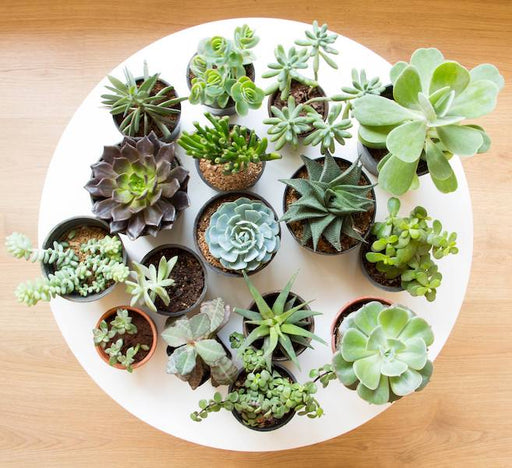
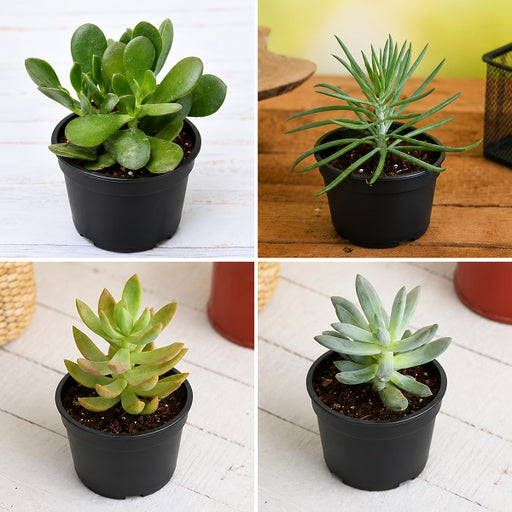
Mini Succulent Garden Pack Transform your space with our Mini Succulent Garden Pack, featuring a delightful collection of 4 any variety beautiful s...
View full details
Save 30%
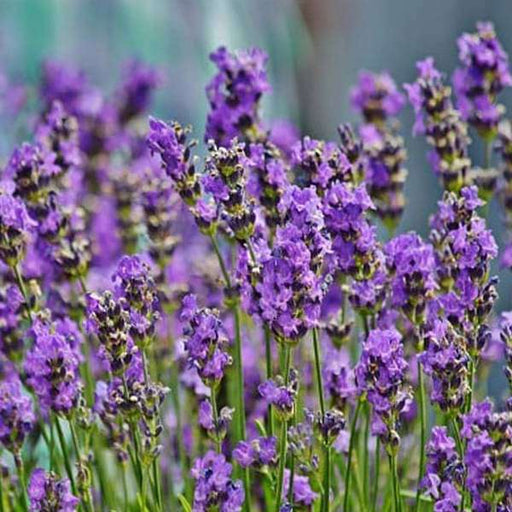
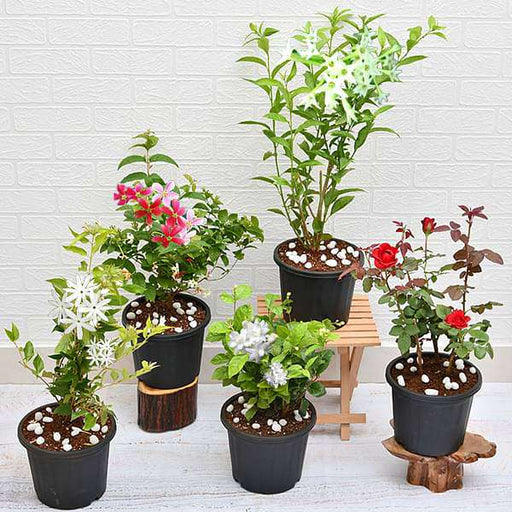
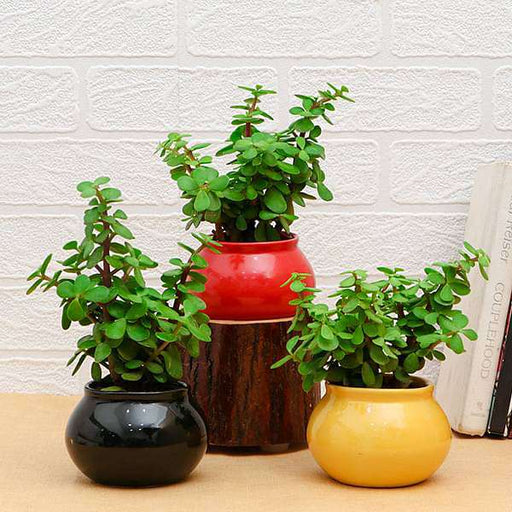
5 Best Fragrant Plants Transform your garden or indoor space into a fragrant paradise with our curated selection of the 5 Best Fragrant Plants. Th...
View full details
Save 24%
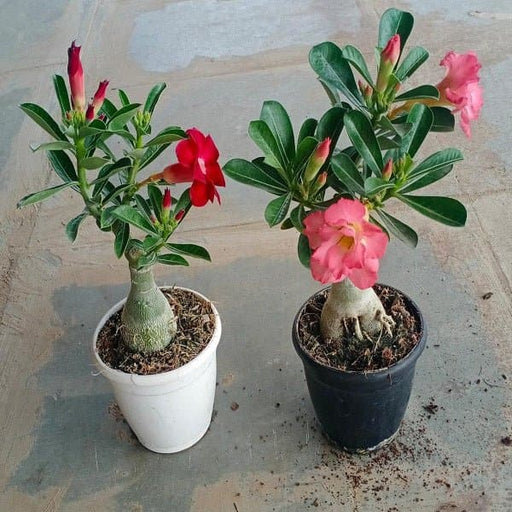
Set of 2 Bonsai Looking Grafted Adeniums Transform your indoor or outdoor space with our exquisite Set of 2 Bonsai Looking Grafted Adenium...
View full details
Save 45%
Top 4 Die Hard Succulents Pack Transform your indoor or outdoor space with our Top 4 Die Hard Succulents Pack, featuring a curated selecti...
View full details
Save 30%
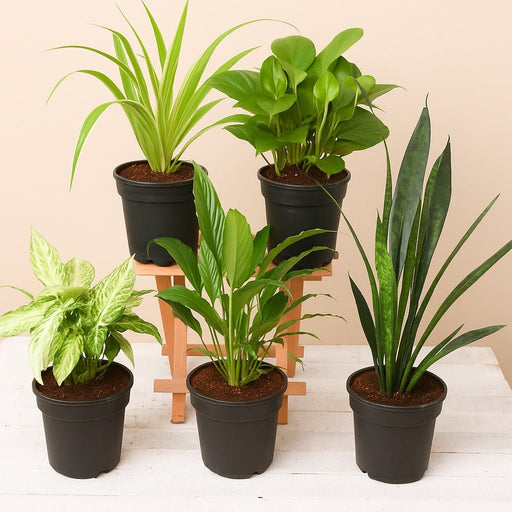
5 Best Indoor Plants Pack Transform your living space into a lush oasis with our '5 Best Indoor Plants Pack.' This carefully curated collection fe...
View full details
Save 25%
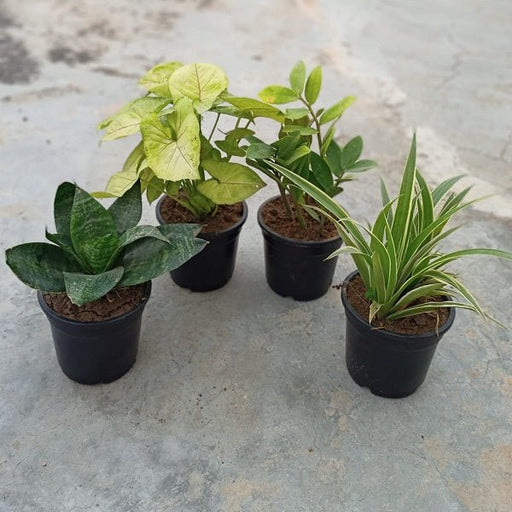
Set of 4 Evergreen Air Purifier Plant Pack Transform your indoor space into a lush, green oasis with our Set of 4 Evergreen Air Purifier Pla...
View full detailsDiscover the joy of gardening year-round with our exclusive collection of 'Seeds to Sow in All Seasons.' This carefully curated selection features a variety of seeds that thrive in every season, ensuring that your garden remains vibrant and productive throughout the year. Whether you're a seasoned gardener or a beginner, these seeds are perfect for creating a lush, sustainable garden that brings beauty and nourishment to your home.
What makes this collection special is its versatility. From hardy winter greens to vibrant summer blooms, each seed variety is chosen for its ability to flourish in diverse climates and conditions. With our 'Seeds to Sow in All Seasons,' you can enjoy fresh produce and stunning flowers no matter the time of year, making it an essential addition to any gardening enthusiast's toolkit.
Growing your own plants not only enhances your outdoor space but also contributes positively to the environment. By sowing these seeds, you can support local ecosystems, promote biodiversity, and reduce your carbon footprint. Join the movement towards sustainable gardening and reap the benefits of homegrown produce while enjoying the therapeutic effects of nurturing plants.
Historically, seeds have played a crucial role in human civilization, with ancient cultures relying on them for sustenance and trade. The domestication of plants began over 10,000 years ago, leading to the agricultural practices we know today. By sowing these seeds, you are participating in a tradition that has nourished humanity for millennia, connecting you to generations of gardeners before you.
From an environmental perspective, planting a diverse range of seeds contributes to soil health and biodiversity. Many of the plants in this collection are known to attract pollinators, which are essential for the ecosystem. By cultivating these seeds, you are not only enhancing your garden but also supporting the planet's health and resilience.
There's no need to wait until spring to enjoy colorful blooms! Winter flowering seeds can be sown in the fall, and they will bloom throughout the winter months. Some popular options include pansies, snapdragons, and calendula.
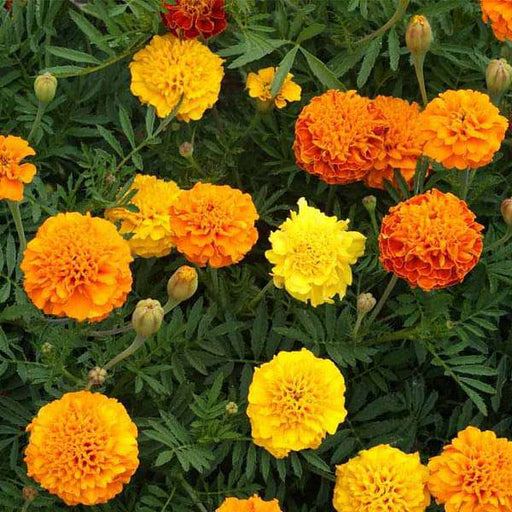
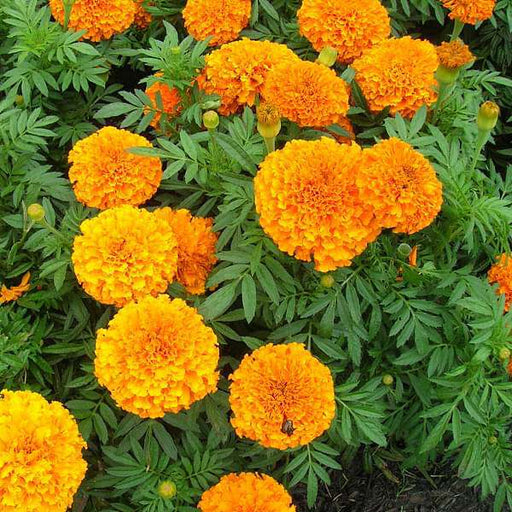
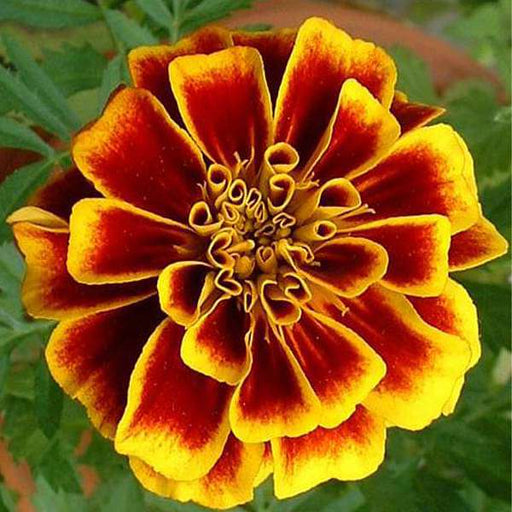
Summer flowering seeds thrive in the warm weather and long daylight hours of the summer months. From sunflowers to marigolds to zinnias, there's a wide variety of seeds to choose from.
Fall is a great time to plant seeds that will bloom in the cooler temperatures of autumn. Asters, mums, and sedum are just a few examples of fall flowering seeds that can add a burst of color to your garden.
For many gardeners, spring is the most exciting time of the year. Spring flowering seeds like tulips, daffodils, and crocuses can be planted in the fall and will bring vibrant colors to your garden as soon as the weather warms up.
Why not grow your own food? Edible seeds like tomatoes, peppers, and herbs can be sown indoors or outdoors, depending on the plant, and can provide a delicious and healthy addition to your meals.
Herbs are a versatile addition to any garden, and many can be grown from seeds. From basil to thyme to cilantro, there are endless options to choose from.
If you have a bit more space, consider growing fruit from seeds! Options include strawberries, watermelon, and even avocados.
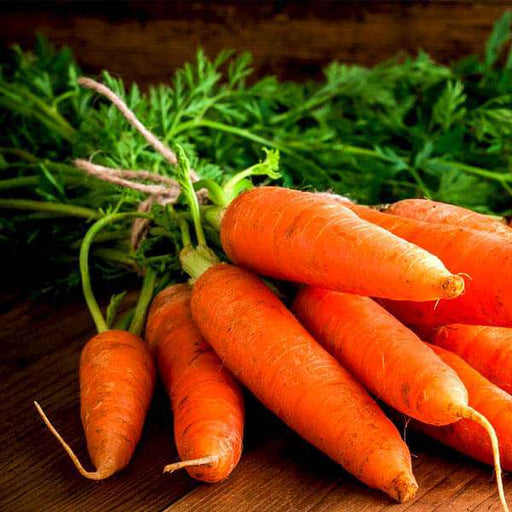
Growing your own vegetables is a great way to save money and eat healthy. Seeds for vegetables like carrots, lettuce, and broccoli can be sown in all seasons, depending on the plant.
If your garden doesn't get a lot of sun, don't worry! There are many seeds that thrive in shady conditions, like impatiens, begonias, and hostas.
On the other hand, if your garden is bathed in sunlight all day, sun-loving seeds like petunias, marigolds, and zinnias are a great choice.
If you live in an area with limited water resources, drought-tolerant seeds like succulents, cacti, and lavender can thrive even in dry conditions.
Conversely, if your garden is prone to flooding or high humidity, moisture-loving seeds like ferns, astilbes, and lilies are a great option.
Annuals complete their life cycle in one growing season, making them a great choice if you want to change up your garden every year. Popular options include cosmos, marigolds, and zinnias.
Perennials come back year after year, making them a great investment for your garden. Options include coneflowers, irises, and daylilies.
If you want to attract pollinators like bees and butterflies to your garden, consider sowing wildflower seeds. These seeds are low-maintenance and can create a beautiful and natural-looking garden.
To attract specific pollinators like butterflies, try planting a butterfly garden with seeds like milkweed, butterfly weed, and black-eyed susans.
Indoor gardening has become a popular trend these days, and for a good reason. With the right set of indoor seeds, you can grow a lush garden inside your home throughout the year. Some of the seeds that are perfect for indoor gardening include herbs like basil, chives, parsley, and thyme, as well as small vegetables like cherry tomatoes, bell peppers, and lettuce. These seeds are easy to grow in small pots or containers and require minimal maintenance.
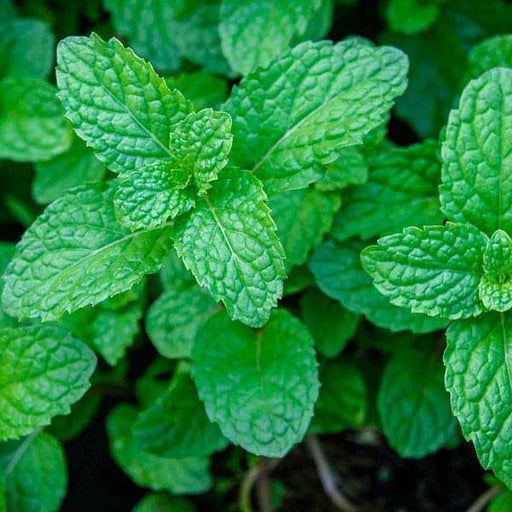
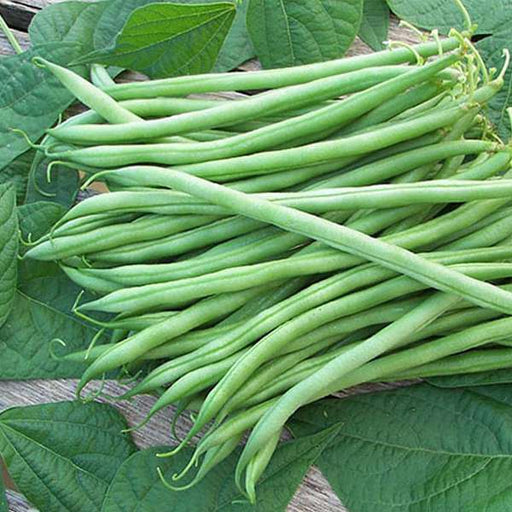
Terrace gardening is an excellent way to utilize your outdoor space and grow your own fresh produce. Seeds that are suitable for terrace gardening include herbs like mint, coriander, and sage, as well as vegetables like cherry tomatoes, cucumber, and beans. These seeds can be sown in containers or grow bags and require regular watering and fertilization.
Hydroponic gardening is a method of growing plants without soil, using only nutrient-rich water. Seeds that are suitable for hydroponic gardening include herbs like basil, mint, and cilantro, as well as vegetables like lettuce, spinach, and kale. These seeds can be grown in hydroponic systems that use water, nutrient solutions, and artificial lighting to mimic the natural environment required for plant growth.
Vertical gardening is a popular way to grow plants in small spaces or on walls. Seeds that are suitable for vertical gardening include strawberries, tomatoes, and beans, as well as trailing plants like ivy and succulents. These seeds can be grown in containers or wall-mounted planters and require regular watering and fertilization.
Answer: Some seeds that can be sown in all seasons in India include lettuce, spinach, radish, coriander, fenugreek, and beetroot. These are relatively easy to grow and can be cultivated in pots or garden beds.
Answer: It's important to choose seeds that are appropriate for the climate and weather conditions in your area. You can consult with local gardening experts or refer to online resources to determine which seeds are best suited for your region.
Answer: Yes, you can sow seeds in the rainy season in India. However, it's important to choose seeds that can withstand heavy rain and humidity, such as spinach, lettuce, and fenugreek.
Answer: Some seeds that can be sown in the summer season in India include cucumber, watermelon, pumpkin, bitter gourd, and bottle gourd. These require plenty of water and can be grown in pots or garden beds.
Answer: Some seeds that can be sown in the winter season in India include carrot, radish, coriander, spinach, and peas. These are cold-tolerant and can be grown in pots or garden beds.
Answer: Yes, you can sow seeds indoors in small containers or seed trays. This is especially useful if you have limited outdoor space or if you want to start seedlings early before transplanting them outdoors.
Answer: The depth at which seeds should be sown depends on the size of the seed. As a general rule, larger seeds should be sown deeper, while smaller seeds should be sown shallower. A good rule of thumb is to plant seeds at a depth that is two to three times their diameter.
Answer: Seeds should be watered regularly to keep the soil moist but not waterlogged. The frequency of watering will depend on the weather conditions and the type of seed you are growing. As a general rule, seeds should be watered once or twice a day, depending on the climate.
Answer: The germination time for seeds varies depending on the type of seed and the conditions in which they are grown. Some seeds can germinate in as little as a few days, while others may take several weeks.
Answer: To improve seed germination, you can soak the seeds in water overnight before planting them. You can also use a seed-starting mix or add compost to the soil to provide nutrients for the seeds.
Answer: To protect your seeds from pests, you can cover them with a thin layer of netting or mesh. You can also use organic pest control methods, such as neem oil or insecticidal soap.
Answer: The timing for seed harvest depends on the type of plant and the type of seed you are growing. As a general rule, you can harvest seeds when the plant has completed its growth cycle and the seeds are fully mature. You can also check the seed pods or fruit for signs of ripeness, such as color change or dryness.
Answer: Yes, you can save seeds from your harvest for the next season. However, it's important to ensure that the seeds are fully mature and that you store them in a cool, dry place to prevent spoilage.
Answer: Seeds should be stored in a cool, dry place, such as a refrigerator or a sealed container. You can also use a desiccant, such as silica gel, to absorb any excess moisture and prevent spoilage.
Answer: The length of time that seeds can be stored depends on the type of seed and the storage conditions. As a general rule, most seeds can be stored for at least a year, while some may last for several years.
Answer: Yes, you can plant seeds from store-bought fruits and vegetables. However, it's important to ensure that the seeds are fully mature and that they have not been treated with any chemicals or pesticides.
Answer: Yes, you can grow seeds in containers, such as pots or seed trays. This is a great option if you have limited outdoor space or if you want to start seedlings early before transplanting them outdoors.
Answer: To transplant seedlings, gently remove them from their container and plant them in a hole that is slightly larger than the root ball. Water the seedling thoroughly and ensure that it receives plenty of sunlight.
Answer: To care for seedlings, water them regularly and ensure that they receive plenty of sunlight. You can also fertilize them with a balanced fertilizer to provide nutrients for growth.
Answer: Yes, you can grow seeds without soil using hydroponics or aeroponics systems. These methods use nutrient-rich water or mist to provide the necessary nutrients for plant growth.