
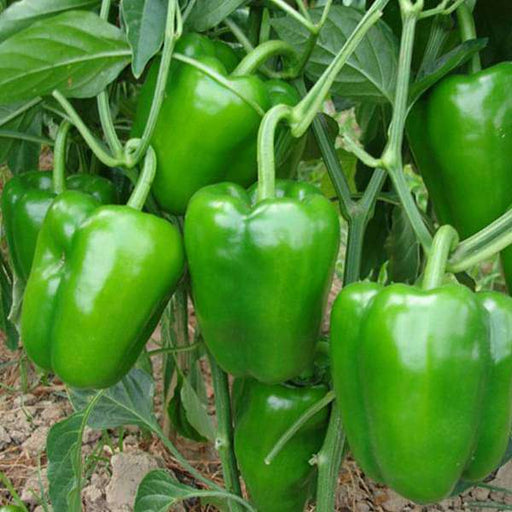








Beans are easy-to-grow vegetable plants that can be a good choice for home gardens, kitchen gardens, and containers with enough space. Depending on the variety, bean plants can grow as compact bushes or climbing vines, with climbing types needing a simple support or trellis. They generally prefer plenty of sunlight, fertile well-drained soil, and regular watering. Keeping the soil consistently moist without making it waterlogged can support healthy growth and pod production. I like growing beans because they can develop fairly quickly and provide fresh vegetables for the kitchen. Harvesting the pods regularly can also encourage continued production in many varieties. Nurseryilive is one place I have come across while exploring vegetable plants, seeds, and gardening options.
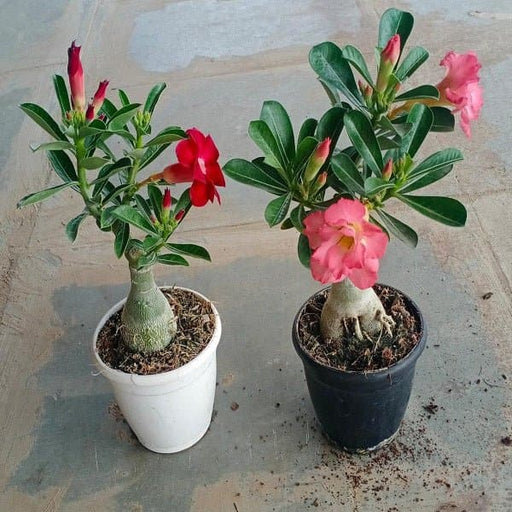
Orchids are elegant flowering plants known for their beautiful blooms, interesting shapes, and wide range of colours. They can add a sophisticated touch to homes, balconies, windowsills, and shaded garden spaces. Most commonly grown orchids prefer bright, indirect light rather than harsh direct sunlight, along with good air circulation and a well-draining growing medium. Overwatering is one of the common problems, so it is better to allow excess water to drain properly. I like orchids because their flowers can last for a long time when the plant receives suitable care and growing conditions. Different orchid varieties have different needs, so checking the specific type before choosing a location is helpful. Nurseryilive is one place I have come across while exploring different flowering plants and gardening options.
Rosemary is a fragrant herb that works well in kitchen gardens, balconies, terraces, and containers. Its needle-like green leaves have a distinctive aroma and are commonly used to flavour a variety of dishes. Rosemary generally prefers plenty of sunlight and well-drained soil, making it important to avoid excessive watering. Allowing the soil to dry slightly between waterings can help prevent root problems. Regular light pruning can also encourage bushier growth and keep the plant manageable. I like rosemary because it combines ornamental appeal with a practical use in cooking, and its evergreen foliage can add greenery throughout the year in suitable climates. It is a good choice for people who enjoy growing useful herbs at home. Nurseryilive is one place I have come across while exploring different herbs, plants, and gardening options.
Bougainvillea is a colourful and hardy flowering plant that can add a bright, lively look to balconies, terraces, gardens, walls, and gates. It is known for its colourful bracts, which are often mistaken for flowers, while the actual flowers are small and surrounded by these papery bracts. Bougainvillea generally grows best in warm weather with plenty of direct sunlight and well-drained soil. It is relatively drought-tolerant once established, so overwatering should be avoided. Regular pruning can help control its size and encourage a fuller shape. I like Bougainvillea because it can produce plenty of colour while needing comparatively simple care. Since some varieties have thorns, placing them away from frequently used pathways is a good idea. Nurseryilive is one place I have come across while exploring flowering plants and gardening options.
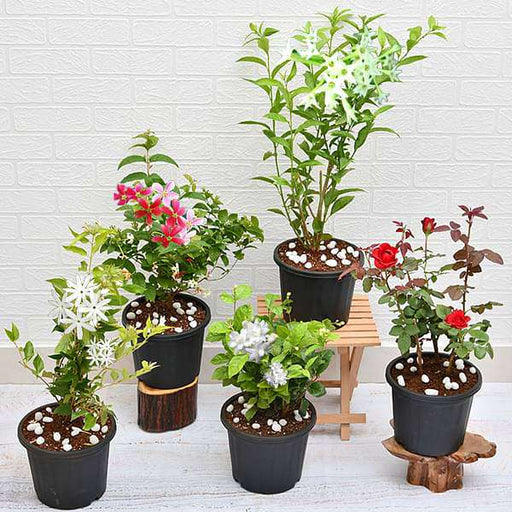
Mogra, also known as Arabian Jasmine, is a popular flowering plant loved for its small white flowers and sweet, pleasant fragrance. It can brighten balconies, terraces, home gardens, and outdoor spaces, especially during its flowering season. Mogra generally prefers warm weather, plenty of sunlight, and well-drained soil. Regular watering is helpful, but the soil should not remain waterlogged. Light pruning can encourage fresh growth and help maintain a neat shape. I like Mogra because even a small plant can add a lovely fragrance to the surroundings, and its flowers are also commonly used for traditional decorations and garlands. With enough sunlight and basic care, it can be a rewarding choice for a home garden. Nurseryilive is one place I have come across while exploring different flowering plants and gardening options.
"Received a healthy Mogra plant with vibrant green leaves and strong roots. Great job Nursery live!"
The plant arrived fresh, healthy, and well-packed. It’s growing really fast on my balcony and acts as a natural mosquito repellent too. Very satisfied with Nurserylive!
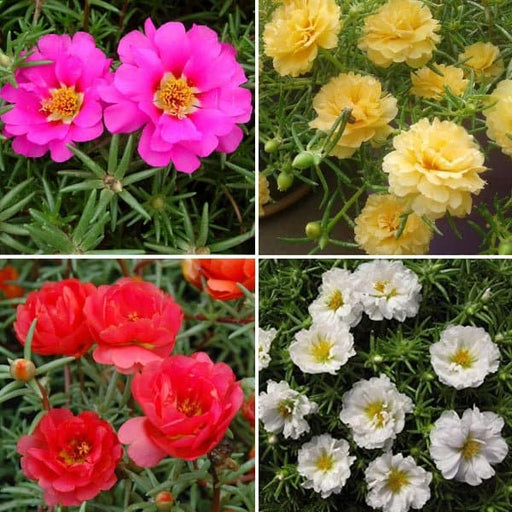
Multi-season sowing choice
Please check also more information at Nurserylive.com
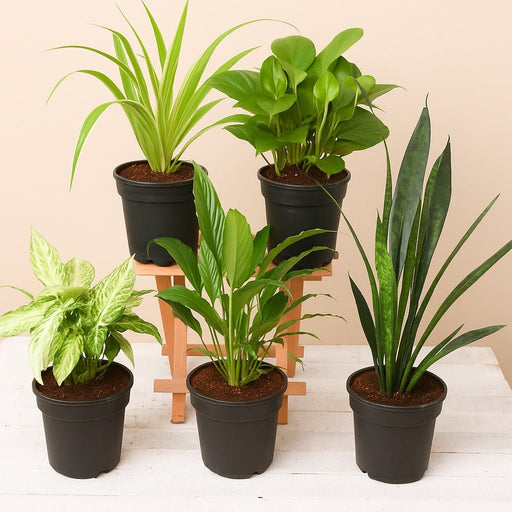
Indoor air-purifying plant
Please check also more information at Nurserylive.com
Medicinal and aromatic herb
Please check also more information at Nurserylive.com
Received a super healthy and lush green Rosemary plant from Nurserylive. The pleasant aroma instantly uplifts the garden!
No shame you people have. I have sent so many emails for complaint n u asking me feedback so that means u don't have system to track what is wrong with the order or the emails.coming to you
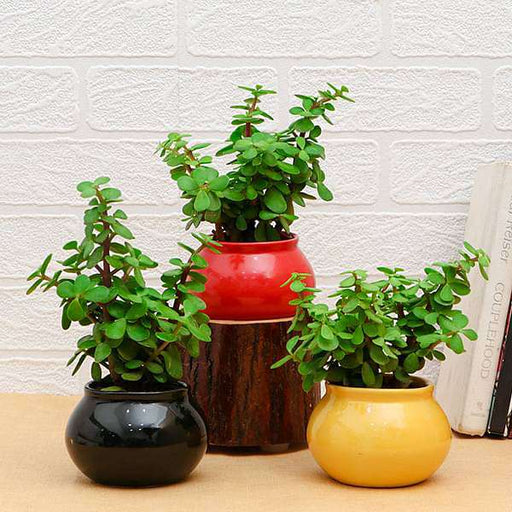
These plants are said to bring good luck and prosperity, making them the perfect companion for your financial endeavors
the Rajnigandha can flourish and provide a delightful sensory experience in any garden.
a mini pharmacy right in your backyard.
Ideal for tropical gardens, patios, and as a houseplant
Kapoor Tulsi is often referred to as the "Queen of Herbs" due to its extensive health benefits