









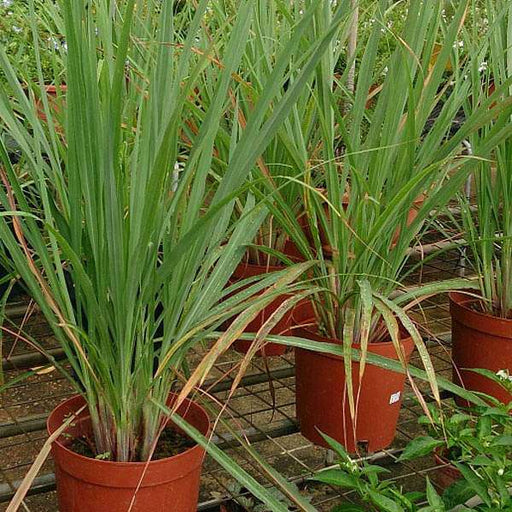

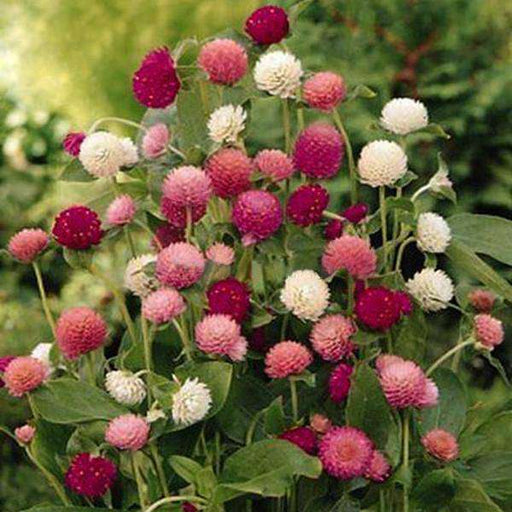












Pleasure to receive healthy, happy Cat Palm the next day of placing the order. Online purchase of plants is rather dicey. Keep up the good work and develop not just buyers but also fellow plant lovers community.
Hi, the plant I received today it was in a planter with lose soil and the porter guy kept it in his backpack thats why it got damaged.
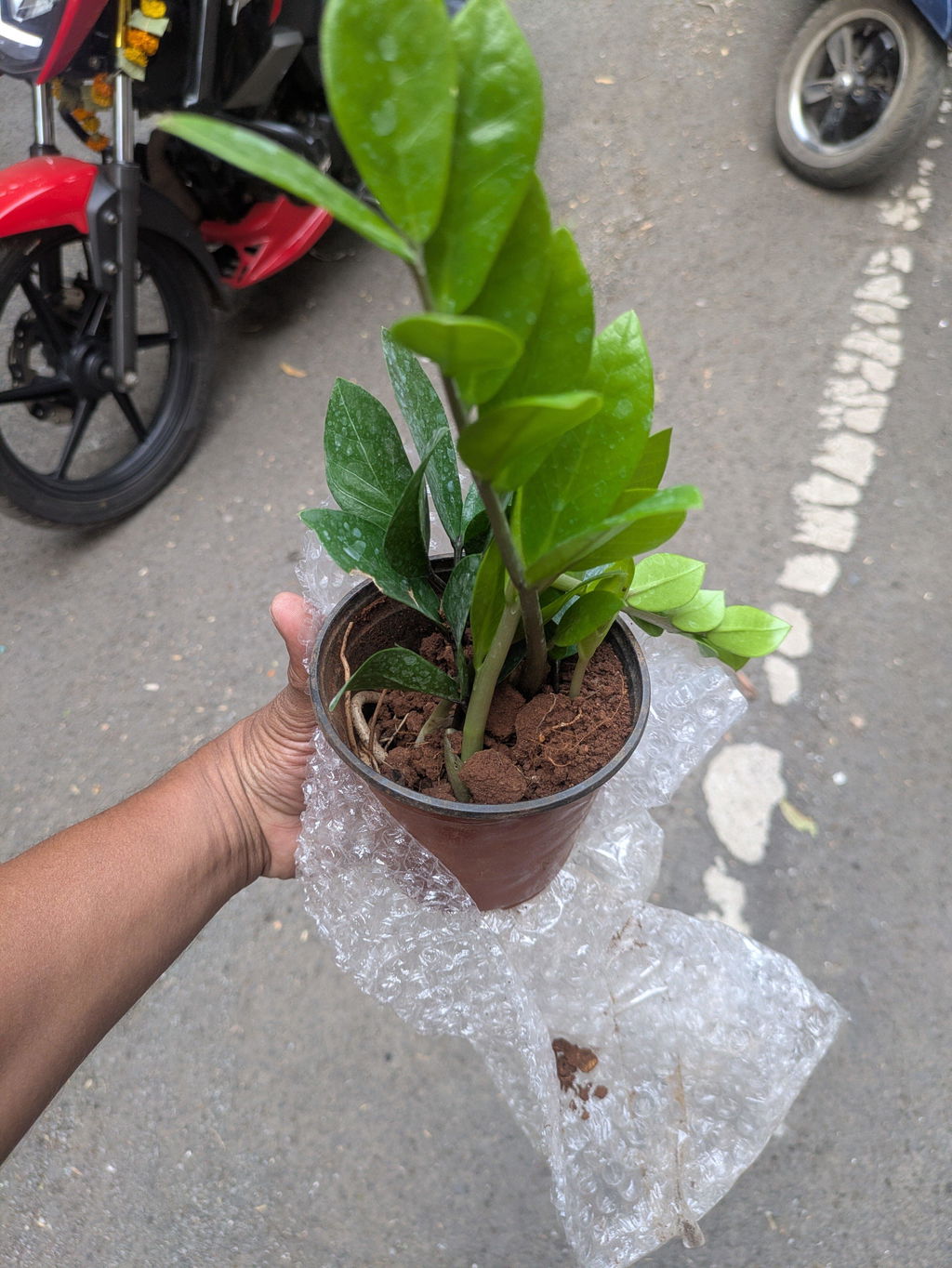
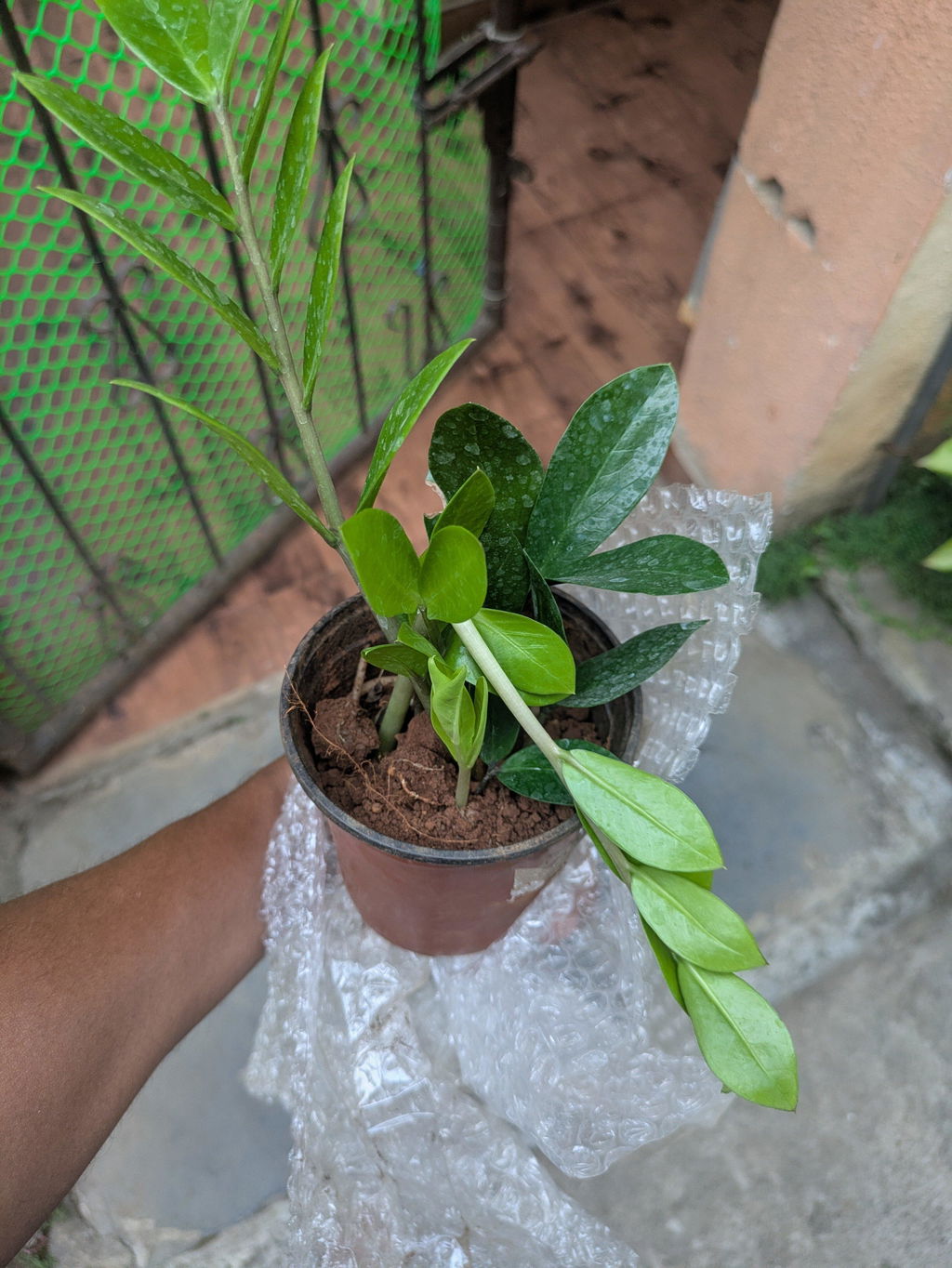
The rose was a good buy. The plant was well potted and is now blooming
The plant came in already a little shriveled and dried up by the third day.
The pants deliverd were gone dead just next day morning. Looks like it was a fresh cutting put in to pot before delivering. This is a worst experiance I had with any online nursery and I will never recommed nurseryLive to anybody.
I received the plant but it was not in best shape, the leaves were drying, so had to add fertilizer to enhance growth. Also tried to use my points but never received free plant and the points were also deducted. Tried to raise it through your website but was not successful.
Paid but not received. Made lots of effort. Don't buy from here.
Asked for two plants. Paid for two plants and got only one plant. The matter is being escalated from one to the other senior manager.
Nurserylive- does not respond to any issues, they sell a product and keep quite. If you complain they send you a mail with a discount coupon. They are unreliable. When you buy a plant you are at their mercy till the plant becomes big and you can identify it properly. If you dont want to waste money do not buy from them.
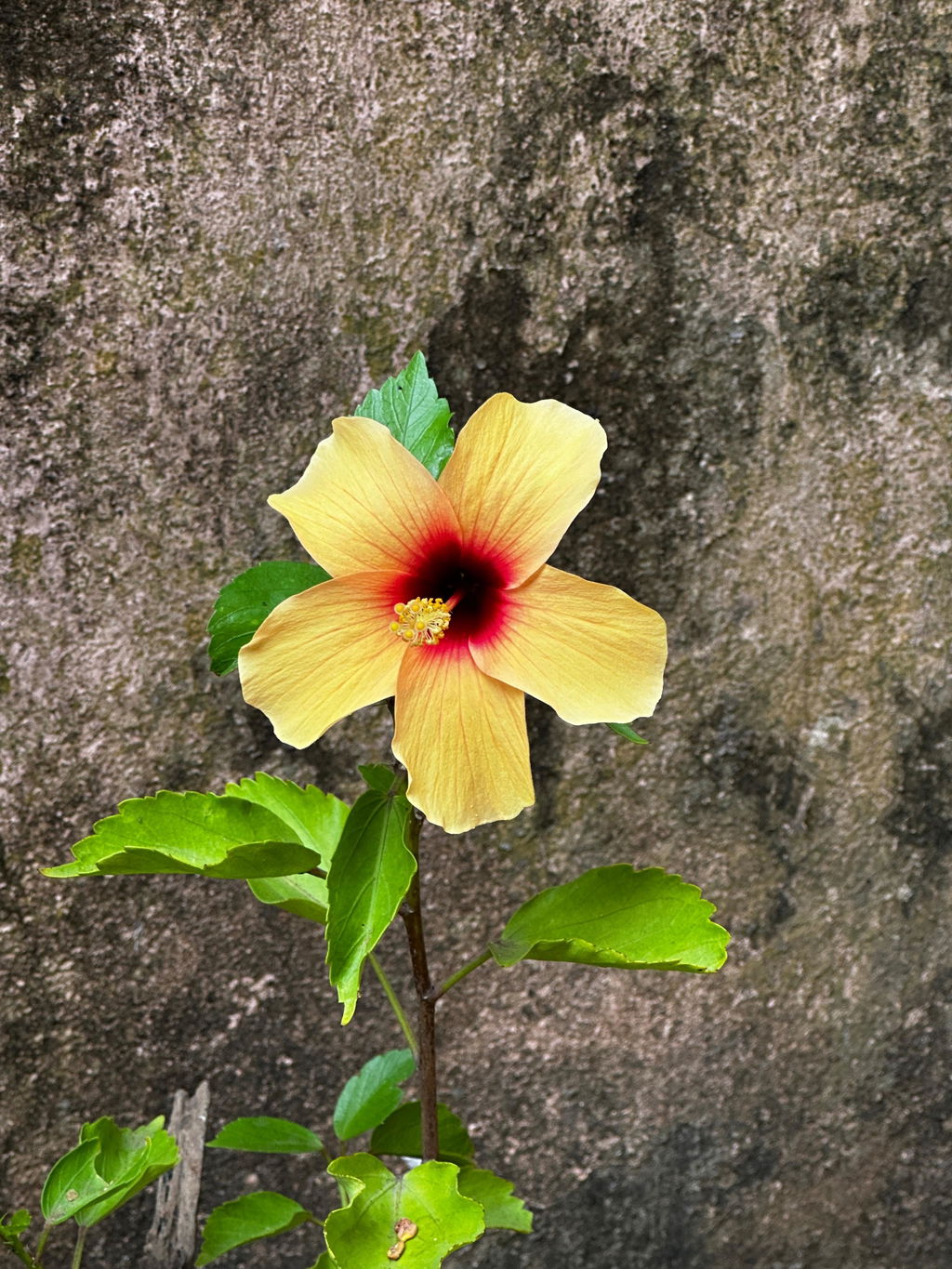
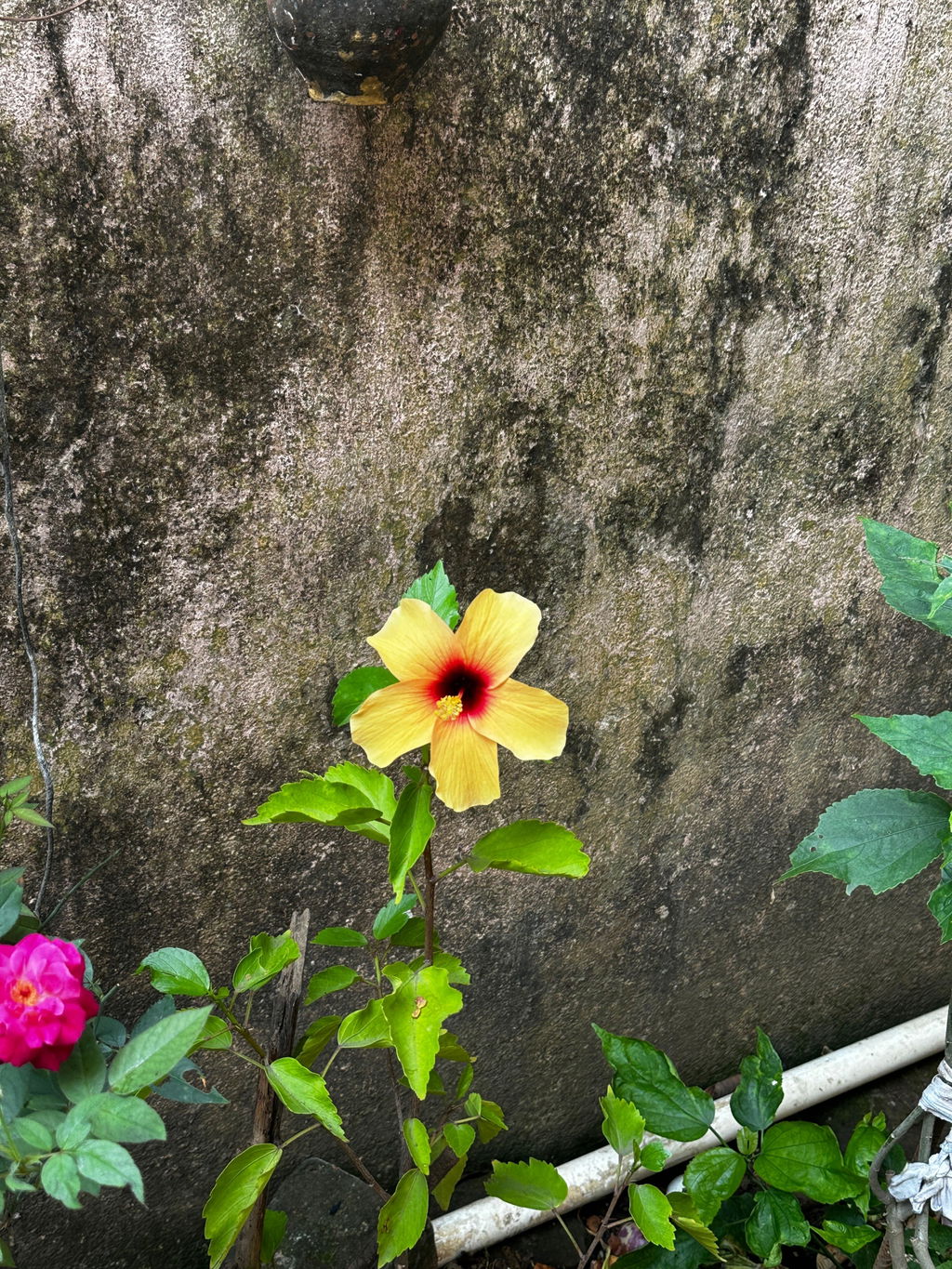
its not the same yellow hibiscus i ordered. I planted it on 12th October that came with a bud and took about 12 days to bloom.
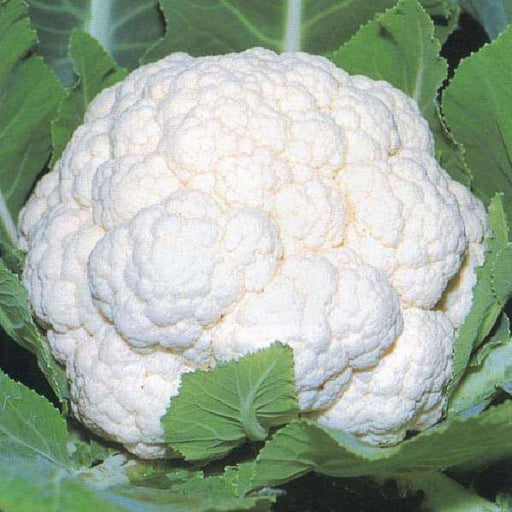
The seeds germinated well but none is cauliflower plant
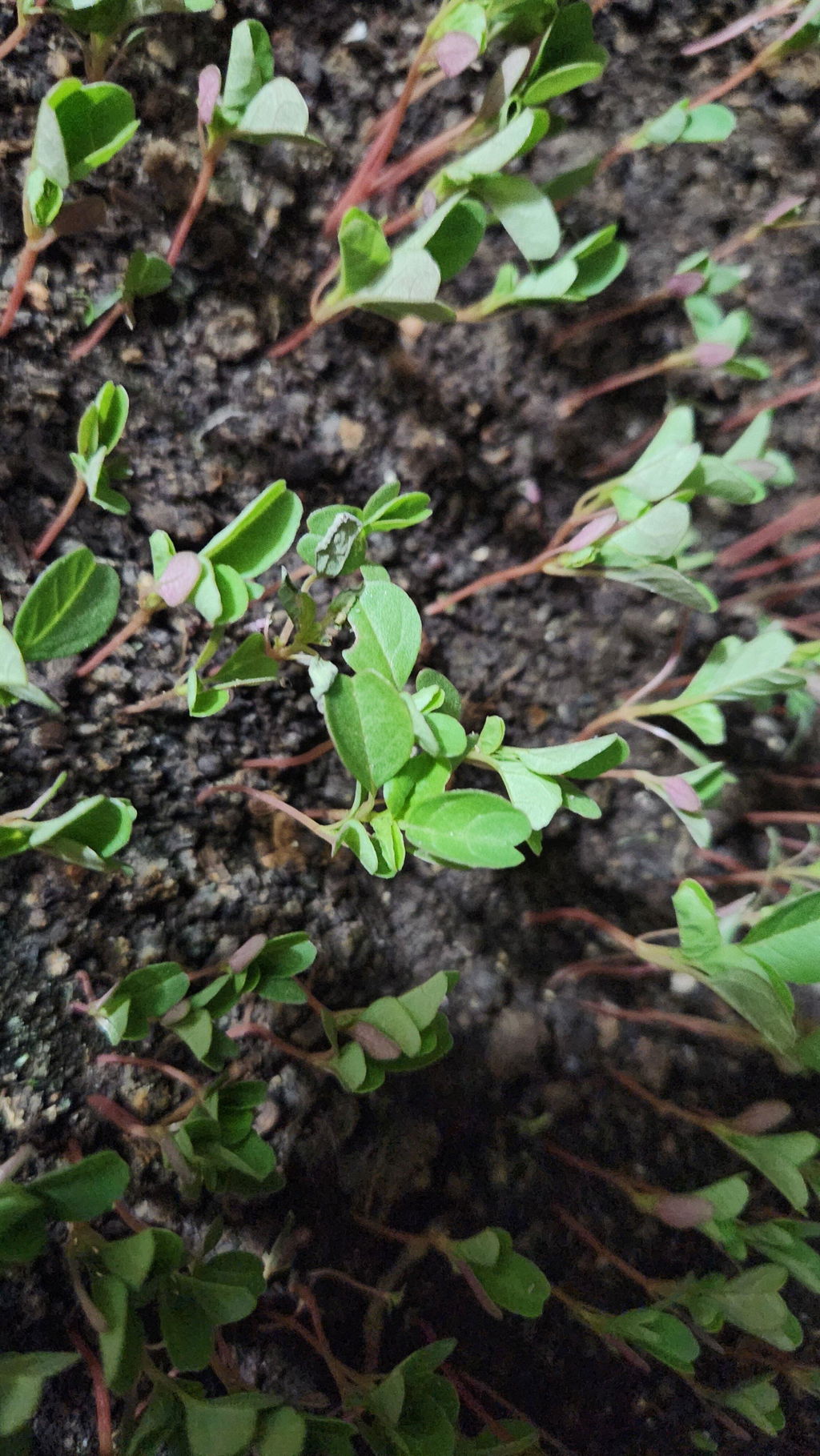
Plant was dried but now it is reviving.
Good quality of plants delivered in good condition
Don't spend your money by this company!!! About a month ago, I placed a large order. I ordered about 35 plants from this website, all sorts of different soils, minerals, and pots. All 35 plants arrived in plastic bags, without any packaging, just stacked on top of each other.All plants are very small, four inches in size, and in very poor health.I tried everything I could to contact the company's customer support team. I kept getting automated responses for the entire month. I was talking to myself, and there was no support whatsoever. I lost my money. Now I just have a bunch of little dying plants that don't make me happy. I lost my money, didn't get any satisfaction, and I'm very disappointed.
Instead of Pink plant in pot received green in polybag. No response from nurserylive even after complaint on received