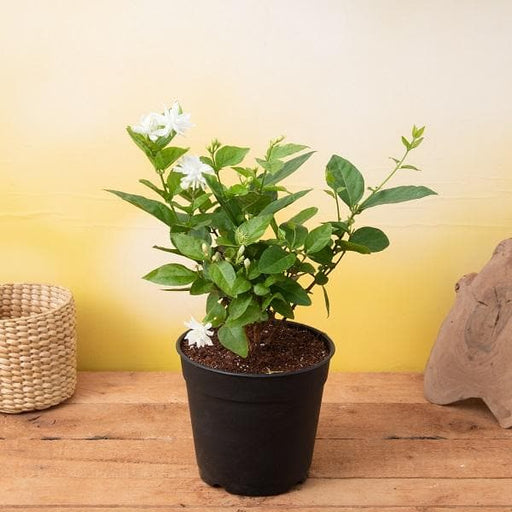
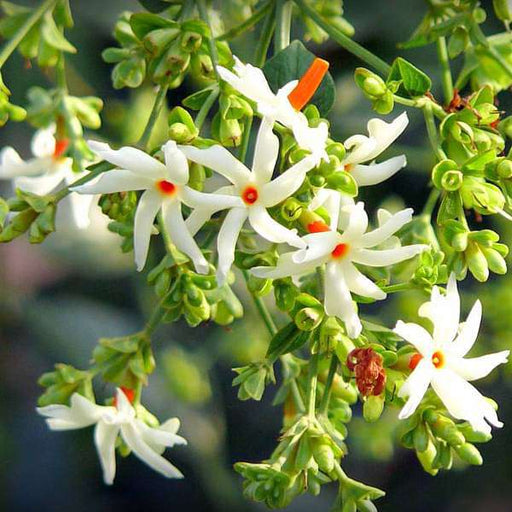
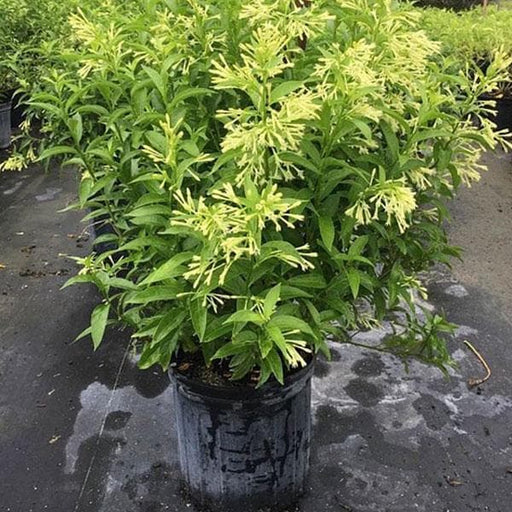
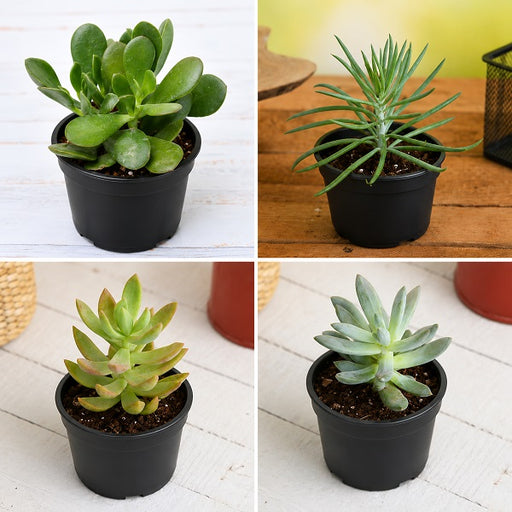
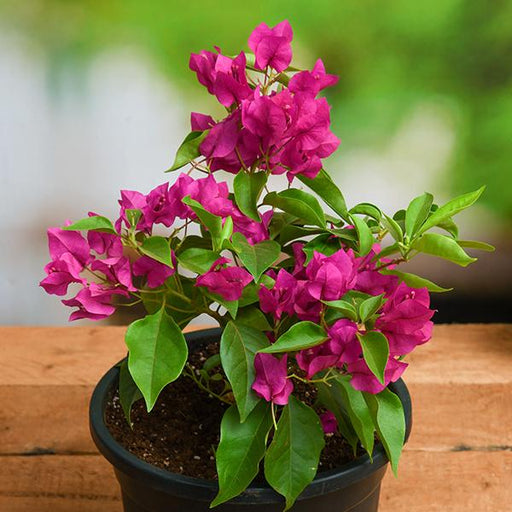
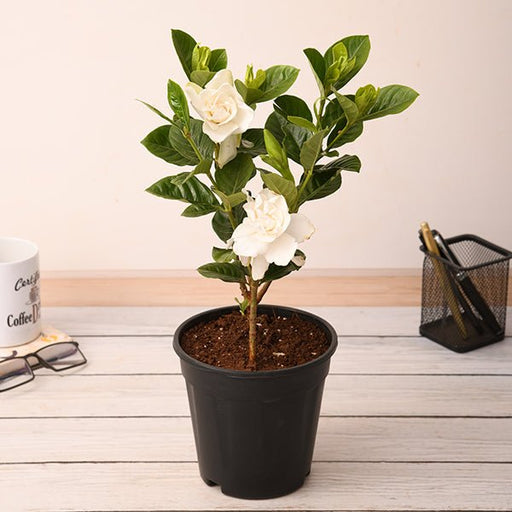
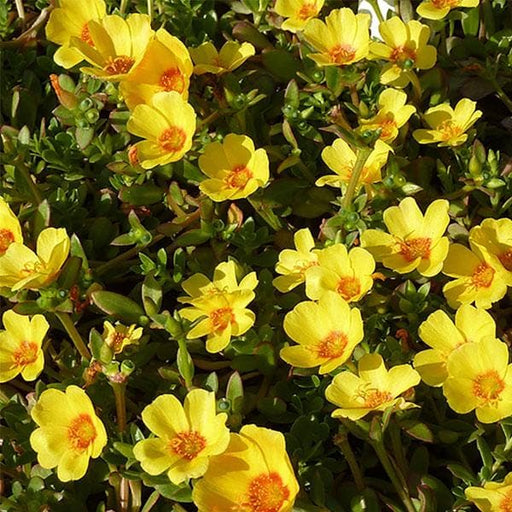
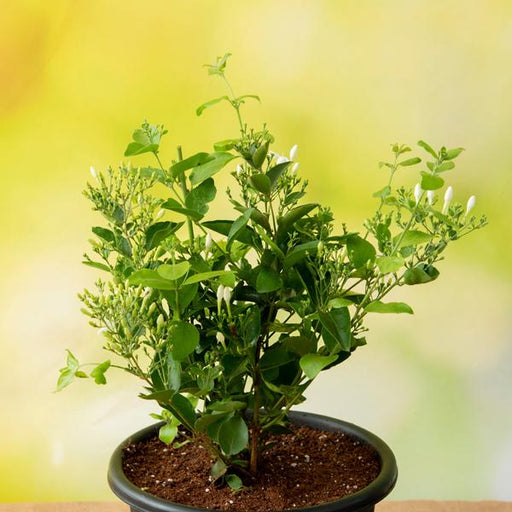
What are hard to kill plants?
Hard to kill plants are plants that require minimal care and can tolerate a range of growing conditions, making them ideal for beginner gardeners or those with busy lifestyles.
What are some popular hard to kill plants in India?
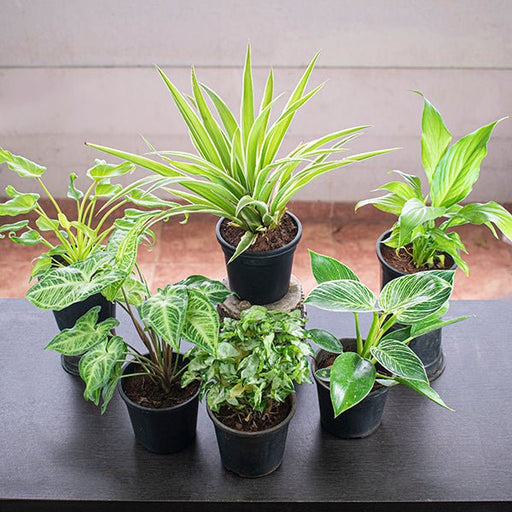
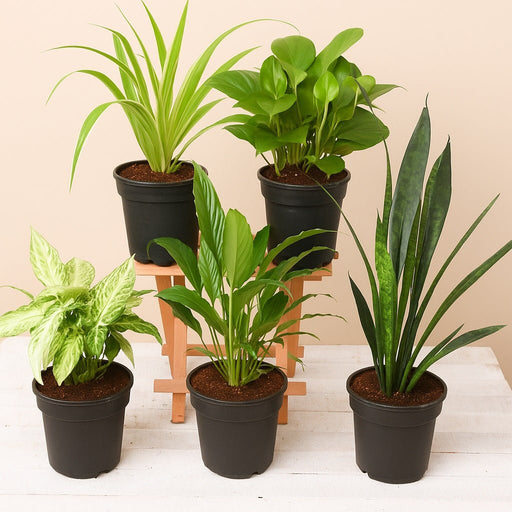
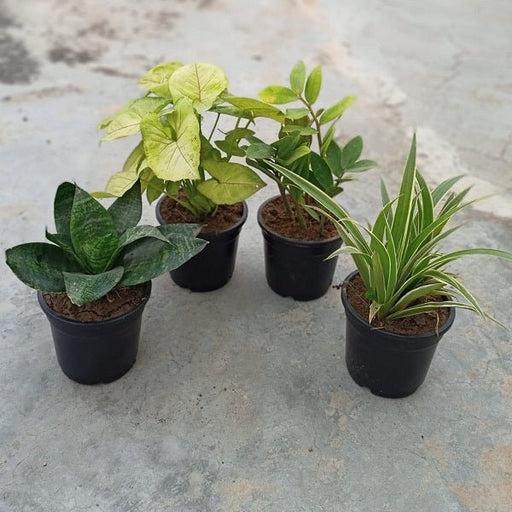
Some popular hard to kill plants in India include snake plants, ZZ plants, pothos, spider plants, and peace lilies.
What are some benefits of growing hard to kill plants?
Growing hard to kill plants can provide a range of benefits, including improving air quality, reducing stress, and enhancing the aesthetic appeal of indoor and outdoor spaces.
How do I care for hard to kill plants?
Caring for hard to kill plants involves providing appropriate light, water, and fertilization. These plants can often tolerate a range of growing conditions, but it is still important to monitor them regularly and adjust care as needed.
How do I select the right hard to kill plants for my home?
Consider factors such as the amount of sunlight, space availability, and personal preferences when selecting hard to kill plants for your home.
How do I propagate hard to kill plants?
Propagate hard to kill plants by taking stem cuttings, dividing the plant, or rooting the plant in water.
Can hard to kill plants be grown indoors?
Yes, many hard to kill plants can be grown indoors, such as snake plants, ZZ plants, and spider plants.
How do I choose the right pot for my hard to kill plant?
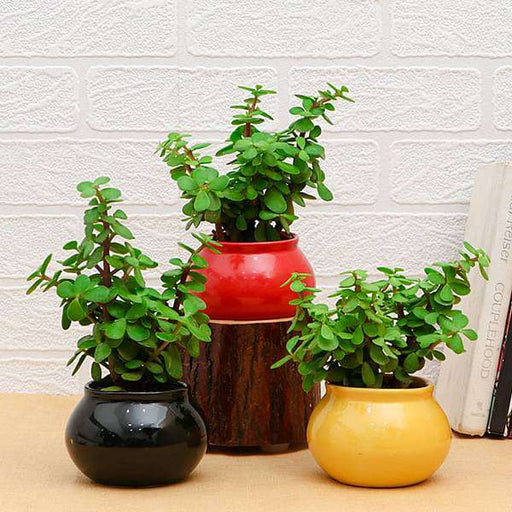
Choose a pot that is appropriate for the size of the plant and provides adequate drainage. The pot should also complement the aesthetic of the plant and its surroundings.
How often do I need to water my hard to kill plant?
The frequency of watering may vary depending on the type of hard to kill plant and its environment. It is important to monitor the soil moisture and adjust watering as needed.
What are some common pests and diseases that affect hard to kill plants?
Common pests and diseases that affect hard to kill plants include spider mites, mealybugs, and root rot.
How do I prevent pests and diseases in my hard to kill plants?
Prevent pests and diseases by providing appropriate care, practicing good hygiene, and monitoring your plants regularly.
How do I fertilize my hard to kill plants?
Fertilize hard to kill plants with a balanced fertilizer that provides essential nutrients for growth and development.
How do I prune my hard to kill plant?
Prune hard to kill plants regularly to maintain their shape and promote healthy growth. Use clean, sharp tools and avoid cutting into the main stem or trunk.
What are some tips for creating a low-maintenance hard to kill garden?
Choose hard to kill plants that require minimal care and use mulch to retain moisture and reduce weed growth.
How do I prevent my hard to kill plants from becoming too big?
Regular pruning can help control the size of your hard to kill plants. Be sure to use appropriate pruning techniques to avoid damaging the plant.
How do I care for my hard to kill plant during extreme weather conditions?
During extreme weather conditions such as heatwaves or heavy rains, provide extra care to your hard to kill plants by ensuring adequate water and protection from strong winds or direct sunlight.
How do I incorporate hard to kill plants into my home decor?
Hard to kill plants can be incorporated into home decor by using them as centerpieces, accent pieces, or by creating a living wall or vertical garden.
How do I prevent my hard to kill plants from wilting?
Prevent your hard to kill plants from wilting by providing adequate water, avoiding over-fertilization, and protecting them from extreme temperatures.
How do I choose the right hard to kill plant for a particular space?
Consider factors such as the amount of sunlight, space availability, and soil type when selecting a hard to kill plant for a particular space.
Can hard to kill plants be used for landscaping?
Yes, hard to kill plants can be used for landscaping to create low-maintenance and visually appealing outdoor spaces.
How do I create a low-maintenance hard to kill garden?
Choose hard to kill plants that require minimal care and use mulch to retain moisture and reduce weed growth. Also, group plants with similar watering and lighting needs together.
What are some benefits of using hard to kill plants in landscaping?
Using hard to kill plants in landscaping can save time, money, and resources, while also providing environmental benefits such as improving air quality and reducing soil erosion.
How do I create a natural-looking hard to kill garden?
Create a natural-looking hard to kill garden by selecting plants that are native to the area and arranging them in a way that mimics natural landscapes.
How do I incorporate hard to kill plants into my balcony or terrace garden?
Incorporate hard to kill plants into your balcony or terrace garden by using hanging planters, vertical gardens, or grouping plants together in pots.
Can hard to kill plants be used for indoor air purification?
Yes, many hard to kill plants such as snake plants and peace lilies are known for their air-purifying properties and can help improve indoor air quality.
How do I create a low-light hard to kill garden?
Choose hard to kill plants that can thrive in low-light conditions, such as snake plants, ZZ plants, and pothos. Also, consider using grow lights to supplement natural light.
How do I create a hard to kill garden on a budget?
Create a hard to kill garden on a budget by propagating plants, using seedlings, or purchasing plants from local nurseries or plant swaps.
How do I care for hard to kill plants in the winter?
During the winter, hard to kill plants may require less frequent watering and may benefit from additional light sources. Be sure to monitor their care needs regularly and adjust as needed.
How do I choose the right hard to kill plant for a beginner gardener?
Choose hard to kill plants that require minimal care and can tolerate a range of growing conditions, such as snake plants, ZZ plants, and spider plants.
How do I create a unique hard to kill garden?
Create a unique hard to kill garden by incorporating unusual plant varieties, using creative containers, or incorporating unique features such as sculptures or water features.