
Expert Support
Available 24/7 via chat
Available 24/7 via chat
In Indian homes—particularly in apartments, kitchens, and office spaces—the five-stalk lucky bamboo has become a cherished symbol of positive energy, prosperity, and good fortune. This delicate yet resilient plant makes an ideal tabletop companion, whether placed on your work desk, kitchen shelf, or living room corner, bringing both aesthetic grace and spiritual significance to any indoor environment.
Lucky bamboo (Dracaena sanderiana) is not a true bamboo, despite its name, but a tropical plant originating from Southeast Asia. The five-stalk arrangement carries special meaning in feng shui: representing the five elements of life—wood, fire, earth, metal, and water—and is traditionally believed to invite harmony, growth, and good fortune into your home. Our five-stalk bundle arrives as healthy, rooted plants, ready to brighten your indoor environment with minimal fuss and maximum positive energy.
| Care Aspect | Guidelines |
|---|---|
| Light | Bright, indirect light; away from direct sun |
| Water | Keep moist; change water weekly if water-rooted; water every 2–3 days if soil-grown |
| Soil | Well-draining potting mix or filtered water |
| Temperature | Room temperature (20–28°C); away from cold AC drafts |
Lucky bamboo thrives in bright, indirect light—the kind you'd find near an east or north-facing window in India, or a few feet away from a south-facing window. Direct midday sun, especially India's intense afternoon heat, can scorch the leaves and fade their vibrant green color to a dull, stressed appearance. If your home is heavily air-conditioned and lacks abundant natural light, the plant tolerates lower light better than many houseplants, though growth will be slower. A bright kitchen corner away from AC vents is an ideal placement.
Lucky bamboo prefers consistently moist soil or water—not waterlogged or soggy. If growing in soil, water when the top inch feels dry to the touch, typically every 2–3 days during India's hot months (April–July), and every 3–4 days during cooler months or monsoon season when soil retains moisture longer. If you prefer water-rooted arrangements for their aesthetic appeal, use filtered or distilled water; Indian tap water's high mineral content and chlorine can stress the plant and cloud the water over time. Change the water completely every 7–10 days and top up with fresh water as it evaporates. The stalks should sit in approximately 1–2 inches of water; never let them dry out completely, as the roots need consistent moisture.
If potted, use a light, well-draining indoor plant mix—avoid dense garden soil that retains too much water. Add perlite or coarse sand to improve drainage and prevent root rot. Feed once monthly during the growing season (April–September) with a diluted, balanced liquid houseplant fertilizer at half strength. During winter and the monsoon months (June–September), reduce watering and stop feeding to match the plant's slower growth cycle. If growing in water, apply a minute amount of liquid fertilizer every 3 weeks; excess fertilizer will cloud the water and invite algae growth.
Lucky bamboo is tropical and dislikes cold exposure. Maintain room temperature between 20–28°C (68–82°F)—the comfortable range for most Indian homes with or without air-conditioning. Keep the plant away from air-conditioning vents, which create sudden temperature swings and rapidly dry the foliage. The plant appreciates moderate to high humidity; during dry seasons or when AC is running, mist the leaves gently with filtered water every 2–3 days. This also helps prevent spider mites and keeps the foliage dust-free, allowing better photosynthesis and a glossier appearance.
Lucky bamboo is straightforward to propagate and a wonderful way to multiply your plants or share them with friends. Healthy stalks naturally grow small root nubs at leaf nodes after several months in water. Simply cut a 4–6 inch segment just below a node using a clean, sharp knife, then place it in filtered water. Roots will develop within 2–4 weeks; change the water every week to keep it fresh and oxygenated. Once roots reach 1–2 inches in length, pot the cutting in moist, well-draining soil or keep it in a permanent water arrangement. Spring and early summer (February–May) are the best seasons for propagation in India, as the plant's growth energy peaks during this time.
Yellowing or browning leaves: Usually caused by hard tap water minerals, inconsistent watering, or insufficient light. Switch to filtered water, ensure consistent moisture (not soggy), and move the plant closer to a bright light source.
Brown leaf tips: Typically a sign of low humidity or exposure to cold AC drafts. Mist the leaves regularly with filtered water and relocate the plant away from direct air-conditioning vents.
Slow or stunted growth: Insufficient light or depleted fertilizer. Move the plant to a brighter spot and feed with fresh fertilizer during the growing season at half strength.
Soft, mushy, or translucent stalks: Overwatering or stagnant water. Allow soil to dry slightly between waterings if potted, and refresh water more frequently (every 5–7 days) if water-rooted.
Ready to grow your own? Shop 5 Lucky Bamboo Stalks at Nurserylive →
5 Lucky Bamboo Stalks (A Symbol of Positive Energy) - Gift Plant Bring home the enchanting 5 Lucky Bamboo Stalks, a symbol of prosperity, ...
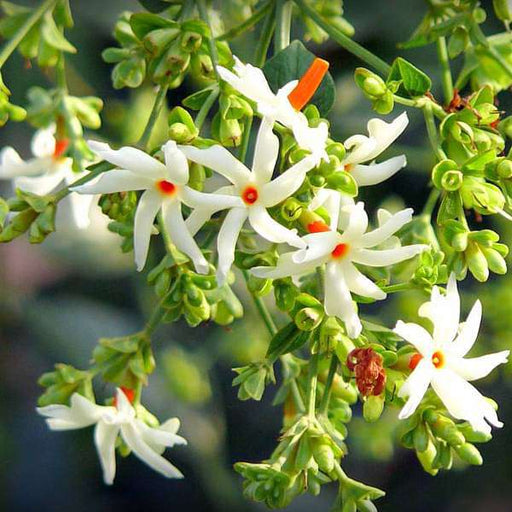
View full detailsCombo Constituents Includes the Parijat Tree (Night-Flowering Jasmine), a culturally significant plant with fragrant flowers. Description The Pari...
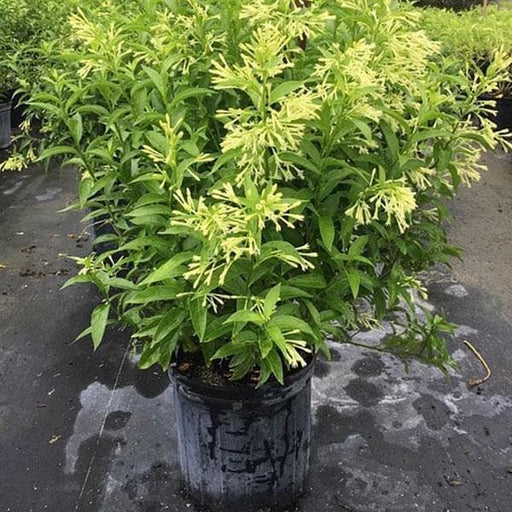
View full detailsDescription Raat Ki Rani (*Cestrum nocturnum*), also known as Night Blooming Jasmine, is a fragrant shrub native to the Caribbean and Central Ameri...
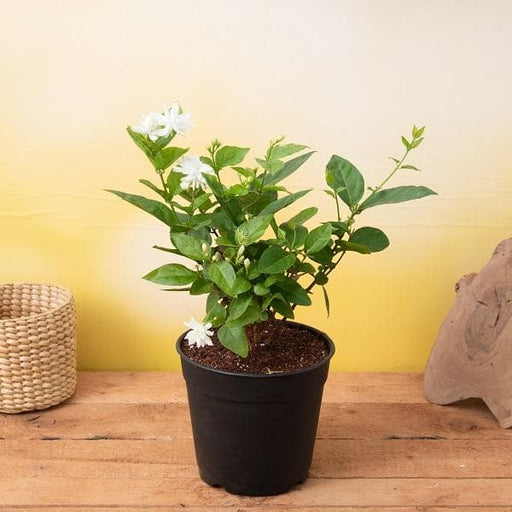
View full detailsJasminum sambac, Mogra, Arabian Jasmine - Plant Jasminum sambac, commonly known as Mogra or Arabian Jasmine, is a fragrant flowering plant...
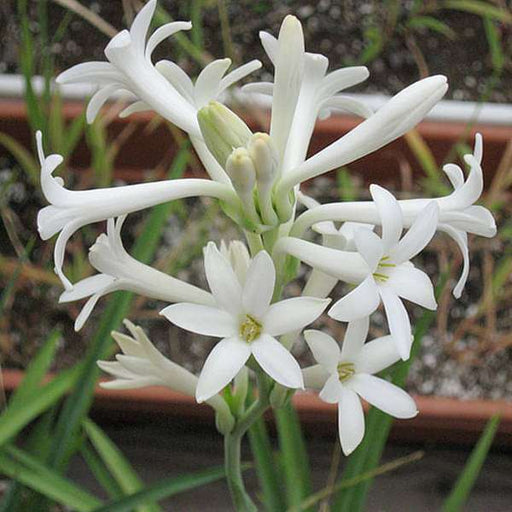
View full detailsRajnigandha, Tuberose - Plant The Rajnigandha, scientifically known as Polianthes tuberosa, is a captivating perennial plant renowned for ...
View full detailsCitronella, Odomas - Plant The Citronella plant, scientifically known as Cymbopogon nardus, is a tropical grass renowned for its aromatic ...
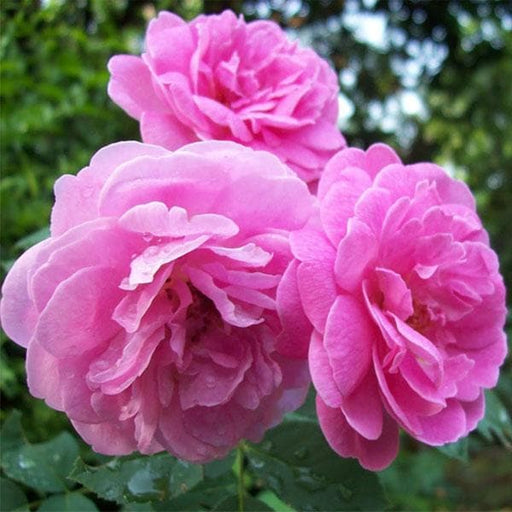
View full detailsDamascus Rose, Scented Rose (Any Color) - Plant The Damascus Rose, also known as Rosa damascena, is a timeless symbol of beauty and romanc...
View full detailsMiniature Rose, Button Rose (Any Color) - Plant The Miniature Rose, also known as the Button Rose, is a charming and compact flowering plant that ...
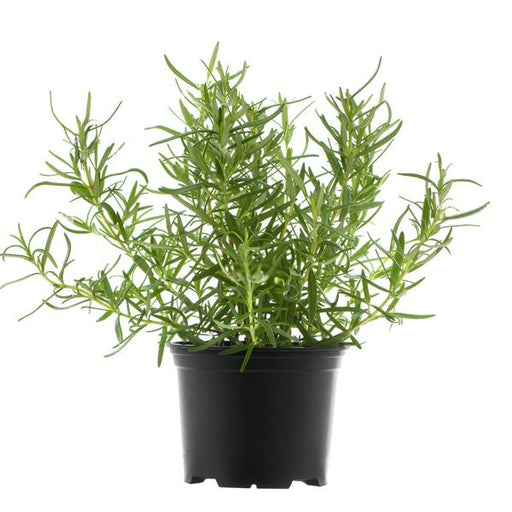
View full detailsRosemary - Plant Rosemary (Rosmarinus officinalis) is a fragrant evergreen herb native to the Mediterranean region. Known for its needle-like leav...
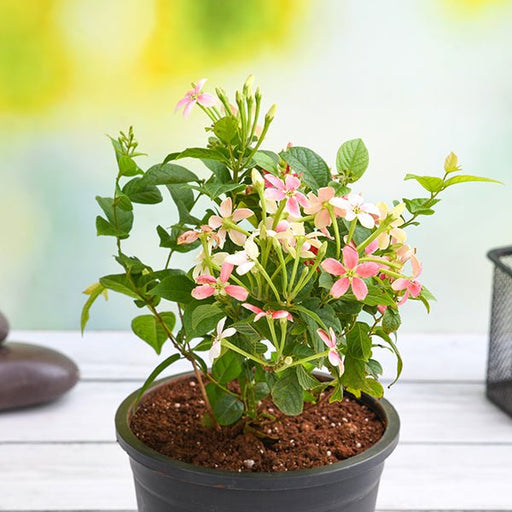
View full detailsMadhumalti Dwarf, Rangoon Creeper - Plant The Madhumalti Dwarf, also known as the Rangoon Creeper (Quisqualis indica), is a stunning perennial vin...
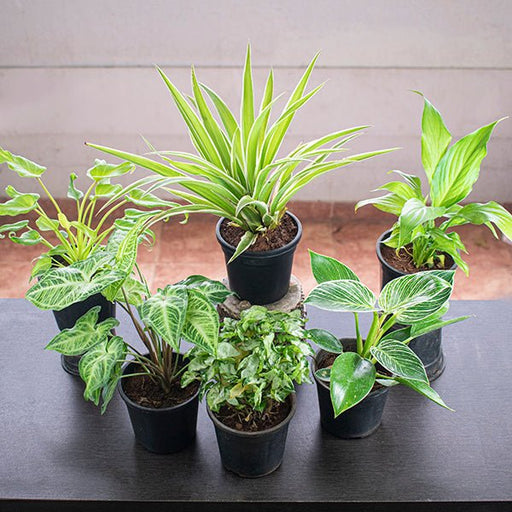
View full detailsBest 6 Plants for Perfect Indoor Garden Transform your living space into a lush oasis with our curated collection of the Best 6 Plants for a...
View full detailsBest 6 Plants for Perfect Indoor Garden Transform your living space into a lush oasis with our curated collection of the Best 6 Plants for a...
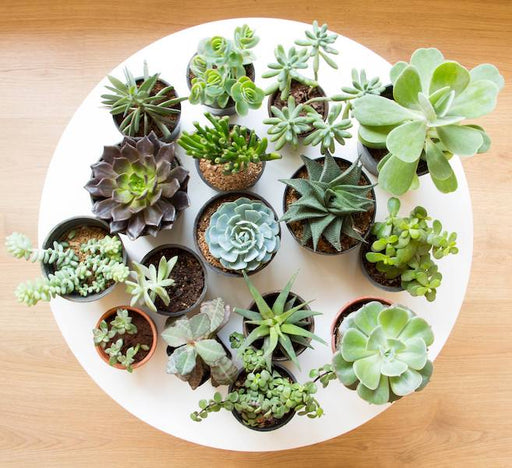
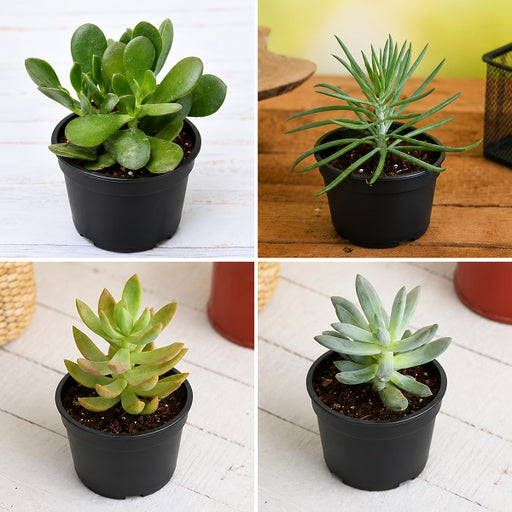
View full detailsMini Succulent Garden Pack Transform your space with our Mini Succulent Garden Pack, featuring a delightful collection of 4 any variety beautiful s...
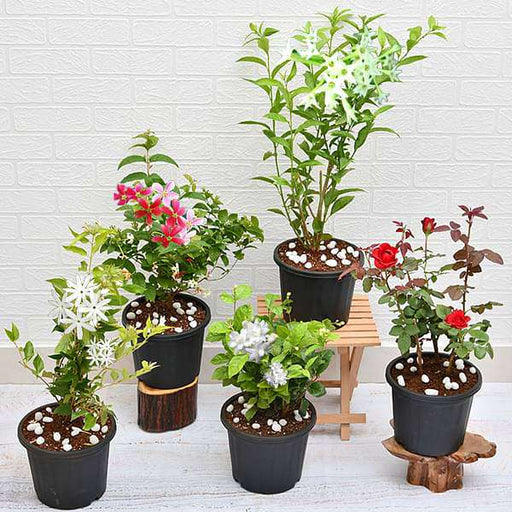
View full details5 Best Fragrant Plants Transform your garden or indoor space into a fragrant paradise with our curated selection of the 5 Best Fragrant Plants. Th...
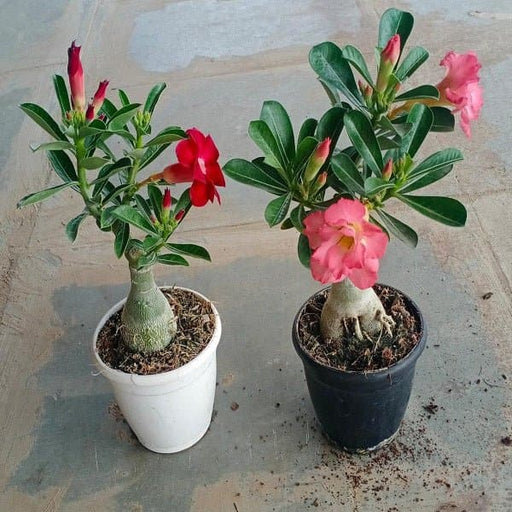
View full detailsSet of 2 Bonsai Looking Grafted Adeniums Transform your indoor or outdoor space with our exquisite Set of 2 Bonsai Looking Grafted Adenium...
View full detailsTop 4 Die Hard Succulents Pack Note: Plants included in this pack will be delivered in a 3-inch nursery pot (any color). Transform your indoor or ...
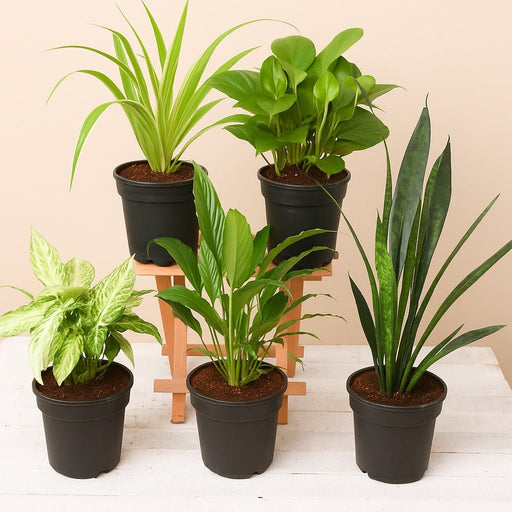
View full details5 Best Indoor Plants Pack Transform your living space into a lush oasis with our '5 Best Indoor Plants Pack.' This carefully curated collection fe...
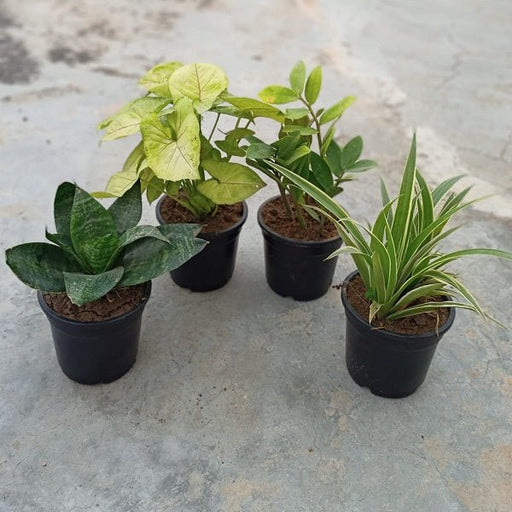
View full detailsSet of 4 Evergreen Air Purifier Plant Pack Transform your indoor space into a lush, green oasis with our Set of 4 Evergreen Air Purifier Pla...
View full detailsTop 5 Pollution Killer Plants Pack Transform your living space into a breath of fresh air with our 'Top 5 Pollution Killer Plants Pack'. This care...
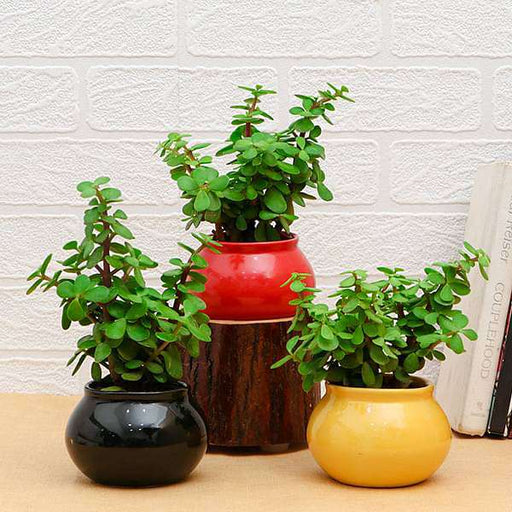
View full detailsPack of 3 Good Luck Jade Plants in Ceramic Pots Bring a touch of nature into your home with our Pack of 3 Good Luck Jade Plants, featuring...
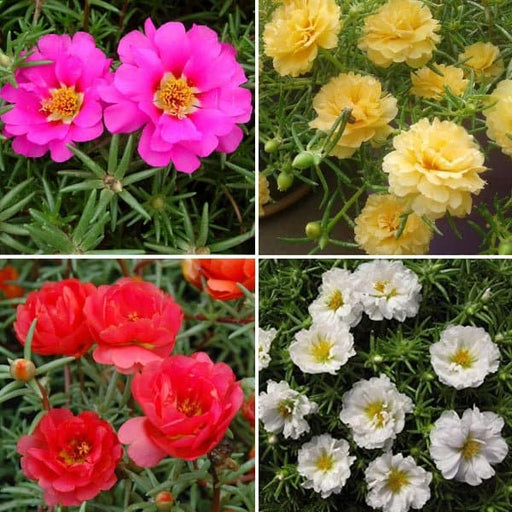
View full detailsPortulaca Garden Pack (4 Plants + 4 Black Pots) Note- You will get any color (Assorted) potted Porulaca plant with this pack. Transform your garde...
View full details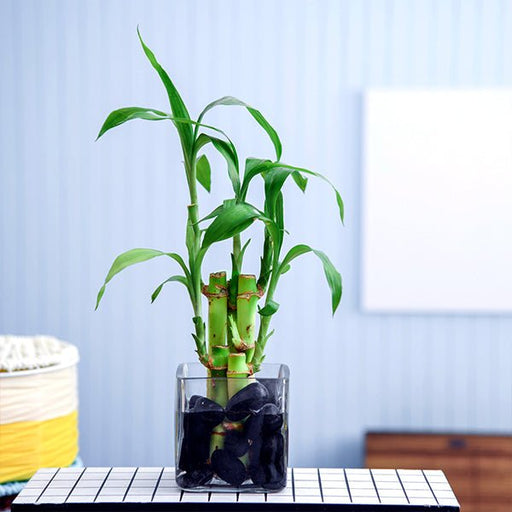






Leave a comment