

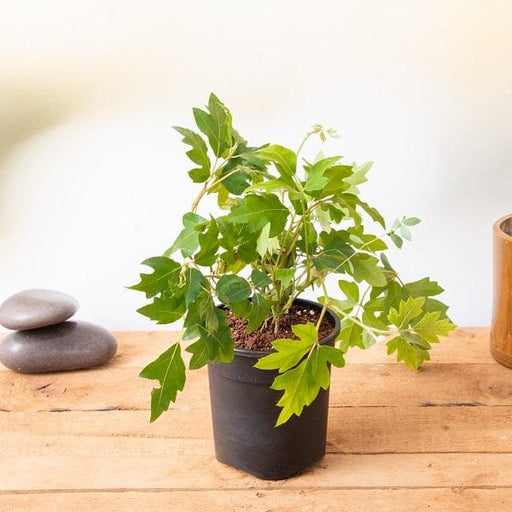








The seeds germinated well but none is cauliflower plant
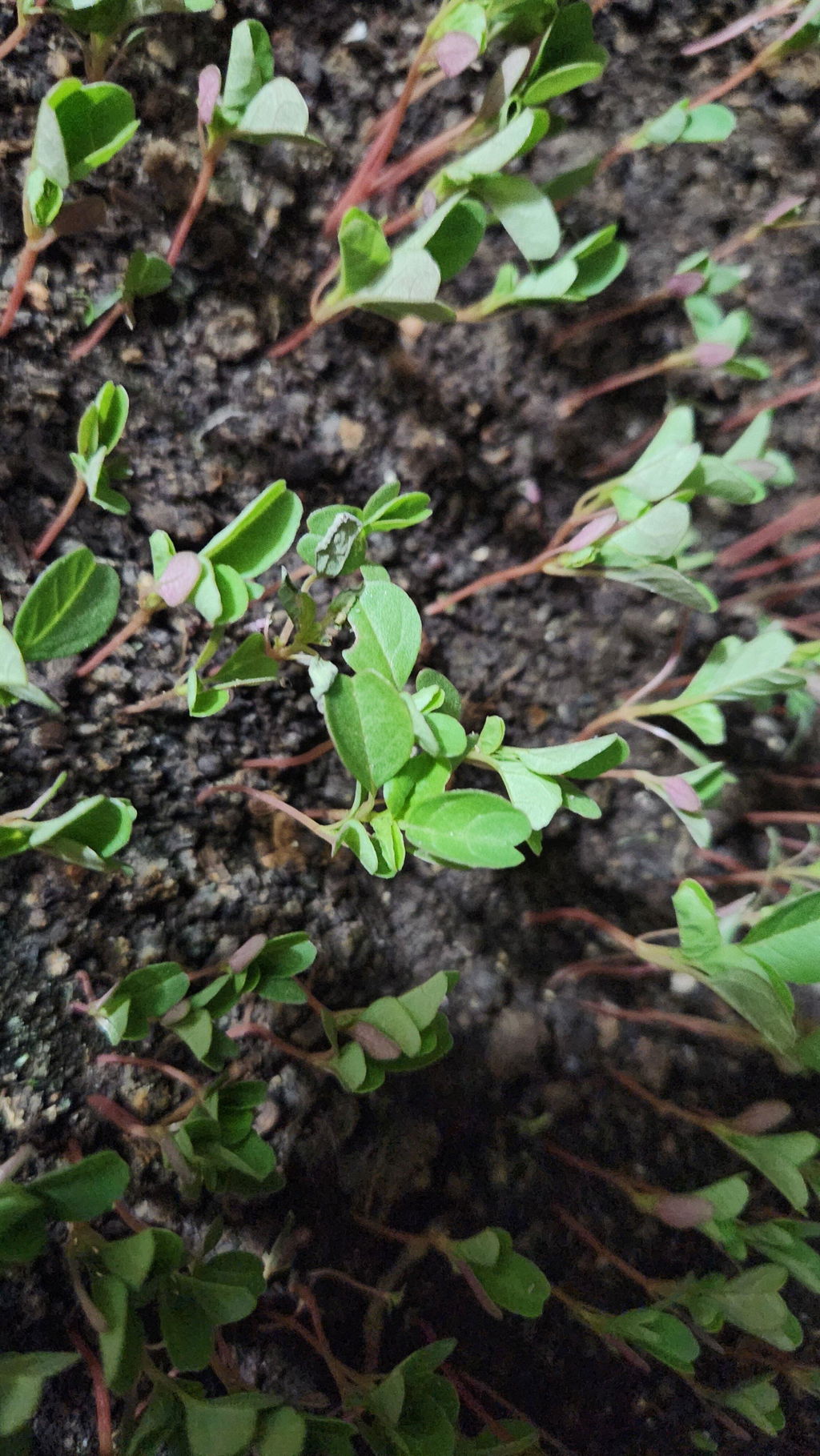
Plant was dried but now it is reviving.
Good quality of plants delivered in good condition
Don't spend your money by this company!!! About a month ago, I placed a large order. I ordered about 35 plants from this website, all sorts of different soils, minerals, and pots. All 35 plants arrived in plastic bags, without any packaging, just stacked on top of each other.All plants are very small, four inches in size, and in very poor health.I tried everything I could to contact the company's customer support team. I kept getting automated responses for the entire month. I was talking to myself, and there was no support whatsoever. I lost my money. Now I just have a bunch of little dying plants that don't make me happy. I lost my money, didn't get any satisfaction, and I'm very disappointed.
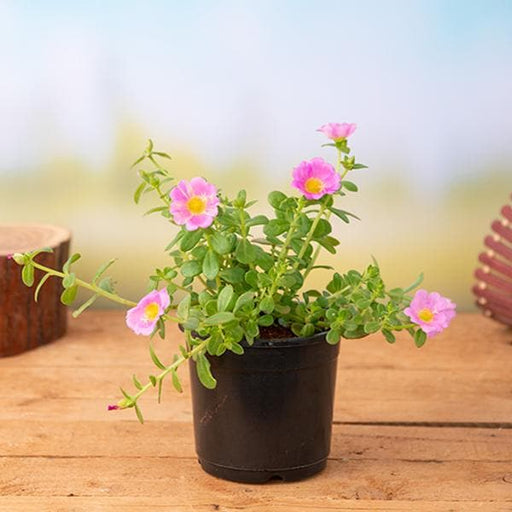
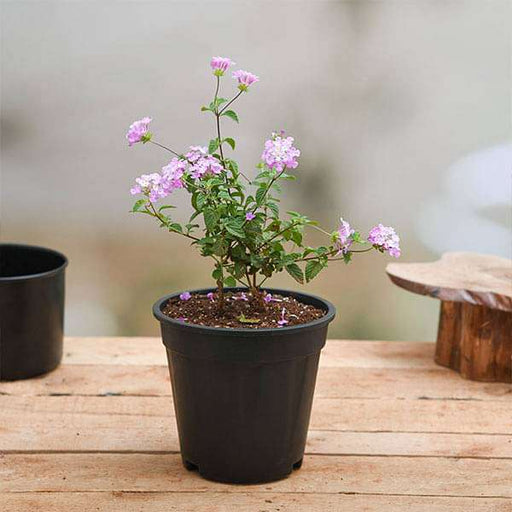
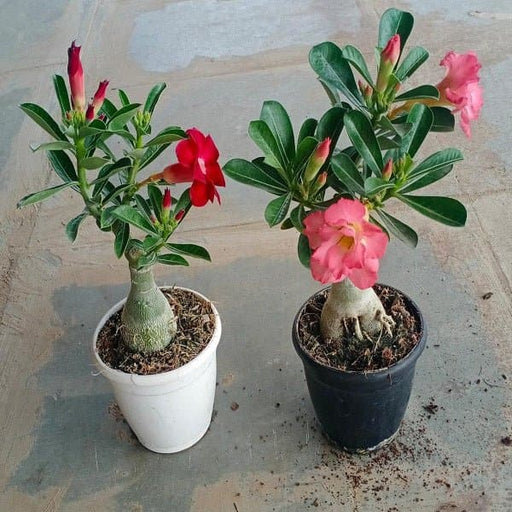
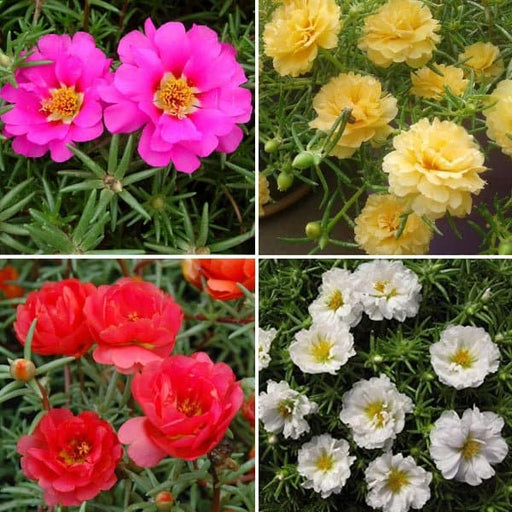
Instead of Pink plant in pot received green in polybag. No response from nurserylive even after complaint on received
Order was for one green and one pink plant in 4/5in pot but two green plants recieved in polybag. No response from nurserylive even on complaint immediately after receiving
Ekdum sada huwa plant diya,ghar aane tk usme ek dandi ke alava kuch nhi tha,I am so angry after to see the plant , don't buy here
Plant came in wilted stated and did not look healthy. No one from customer support is responding.
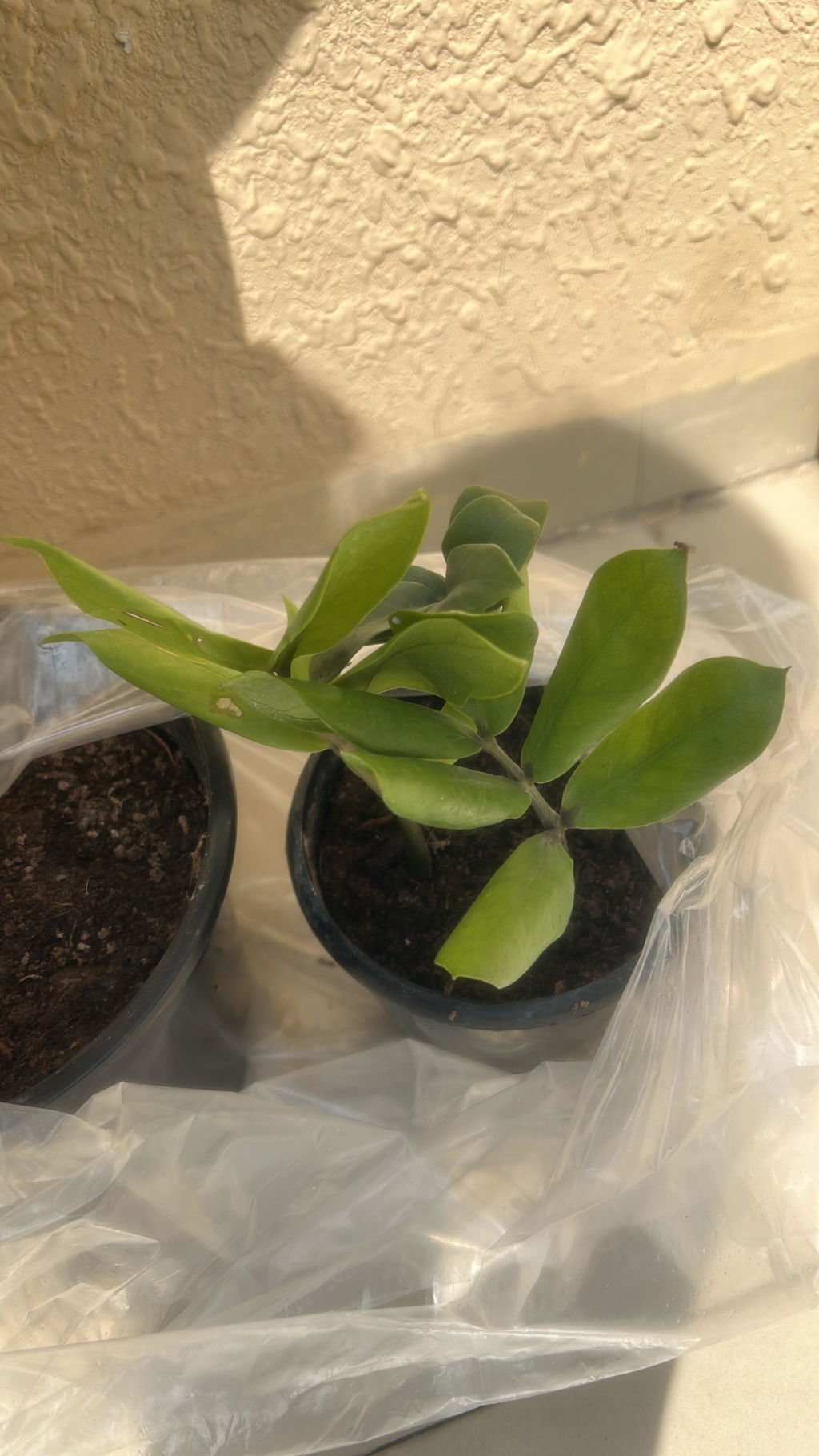
Maine 09/10/2026 ko bermunda grasss order kiya tha pura payment ke sath but abhi tak nahi bheje 15 din ho gya hai, bahut jada bekar service hai, kisi se contact bhi nahi hota jo sahi tarike se bata paye
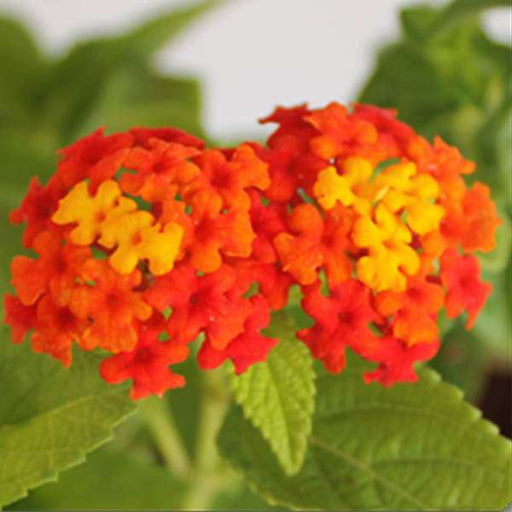
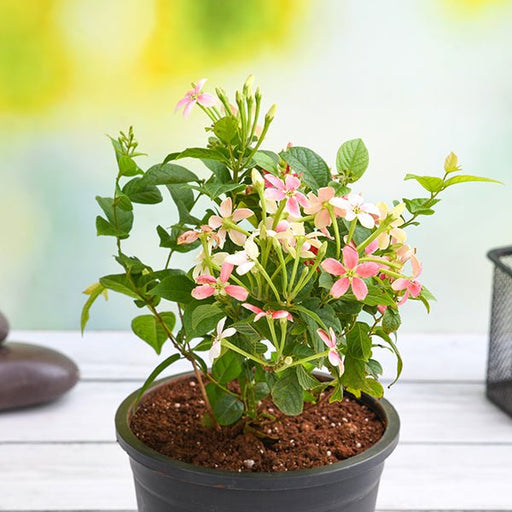
The order and the picture shown on website is complete orange bougainvillea. What I received was sunset orange pink combination. There is no point in choosing color and ordering. Also the website description is misleading.
The plant delivered had no flowers on it. 2 weeks after repotting pink bougainvillea flowers are coming. Doesn’t matter what you order, you will get what they want to send.
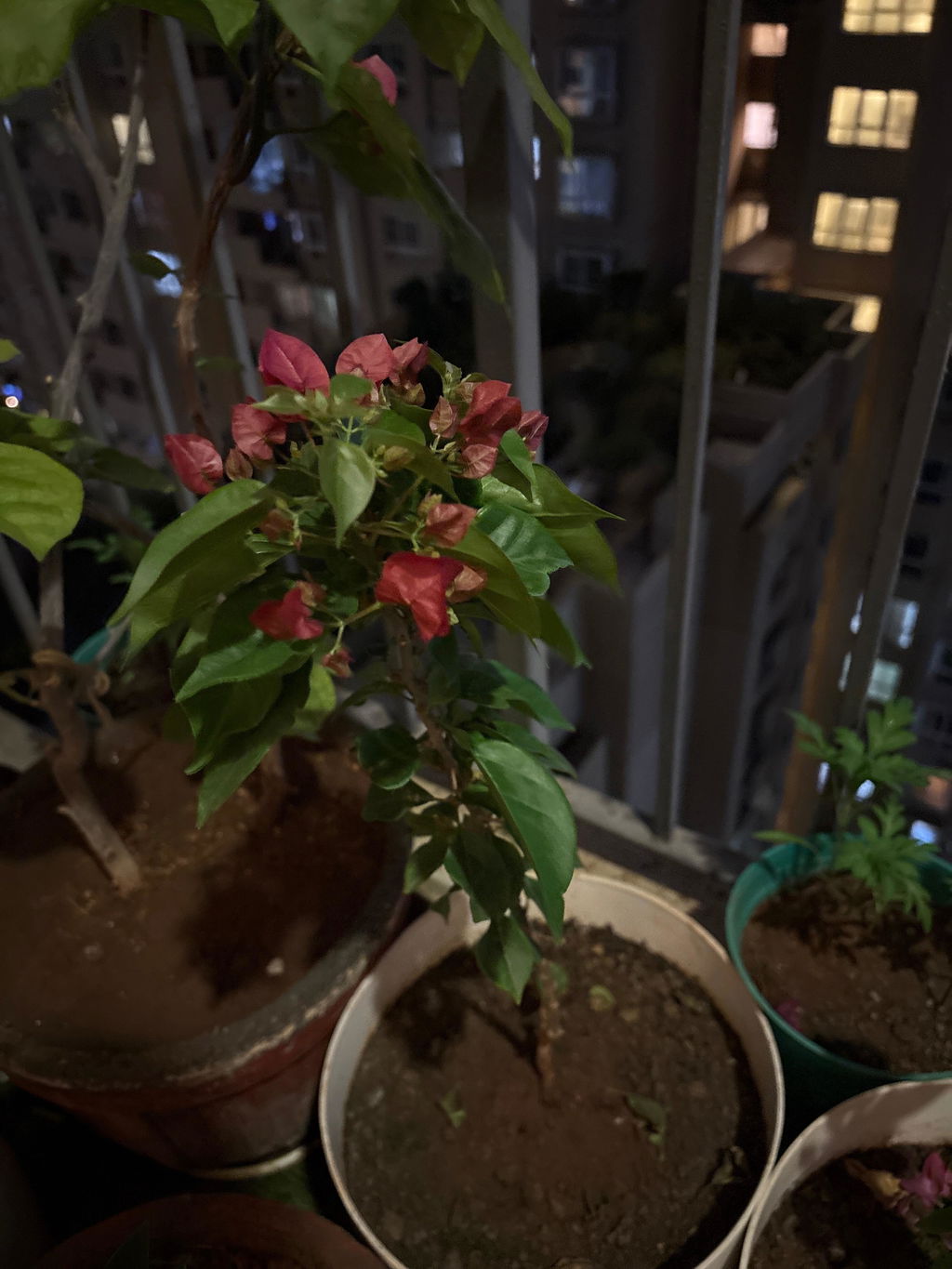
Well packed and and arrived plants in good healthy condition now I am learning how to keep them alive.
Plant was delivered burnt and rotten inside. Money was returned as a Gift card
Healthy pant delivered in good condition 👏 👌
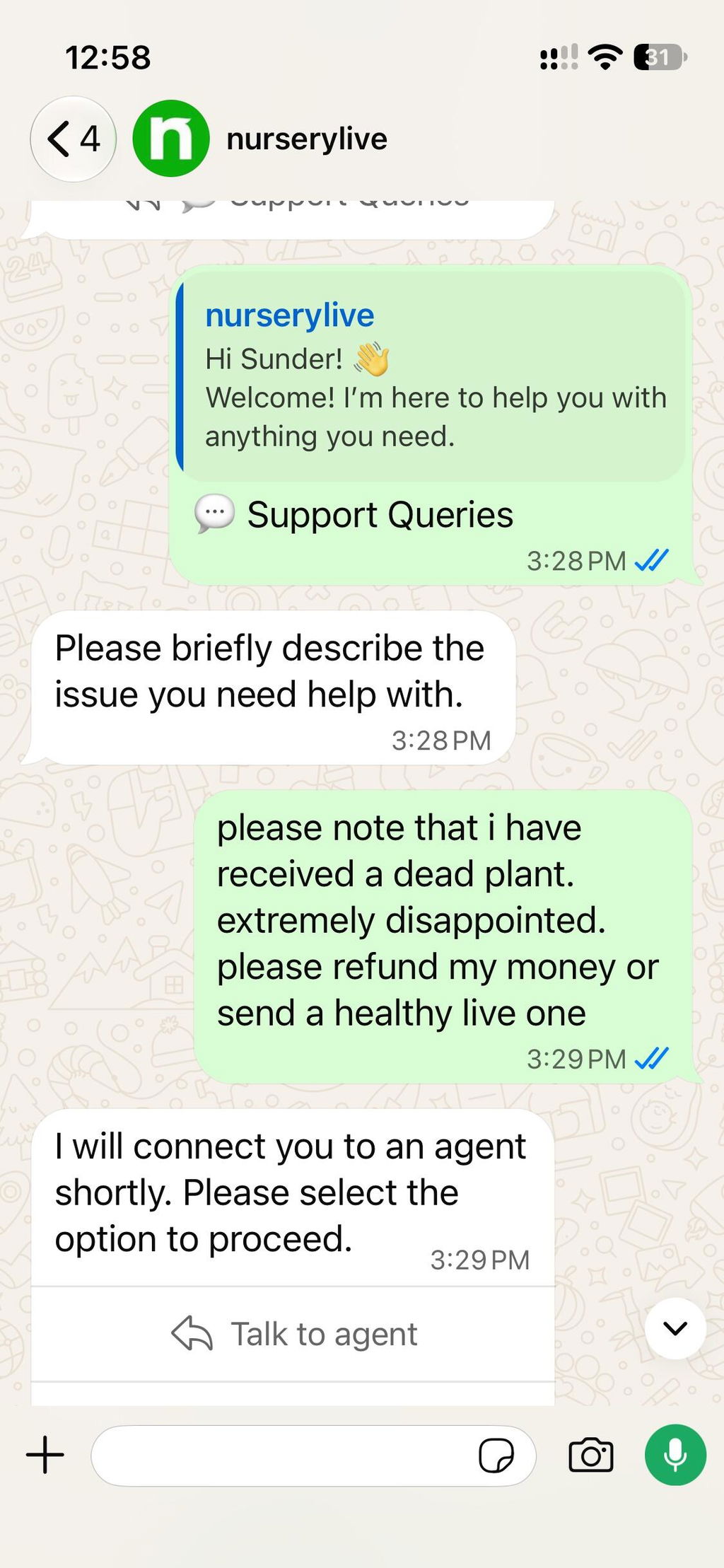
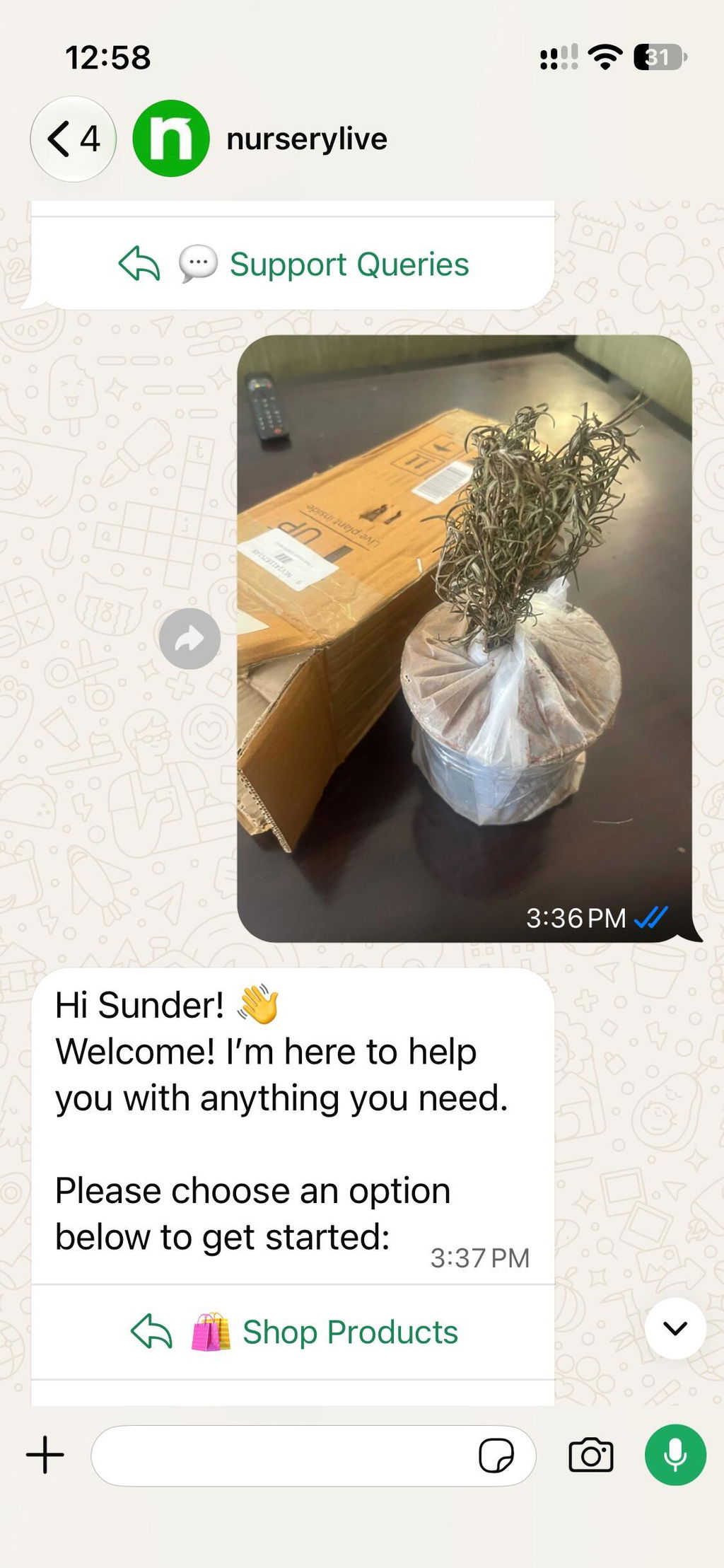
Absolutely horrible experience. Received a dead plant. Tried the customer service WhatsApp, but absolutely no response, apart from an AI response that keeps repeating itself whatever option you choose. No response from any agent or the company. Total scam, complete fraud. Do not buy anything from them.
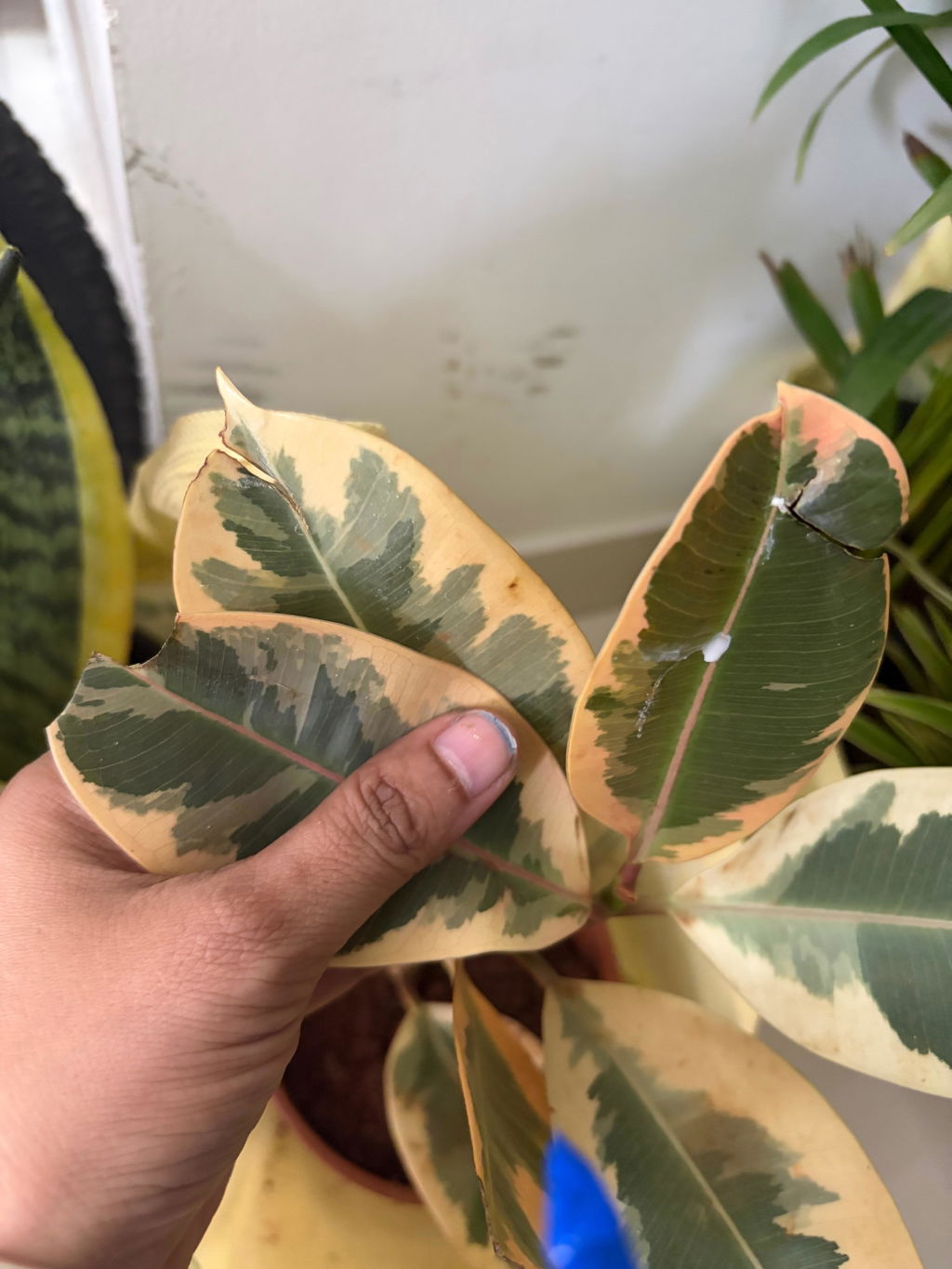
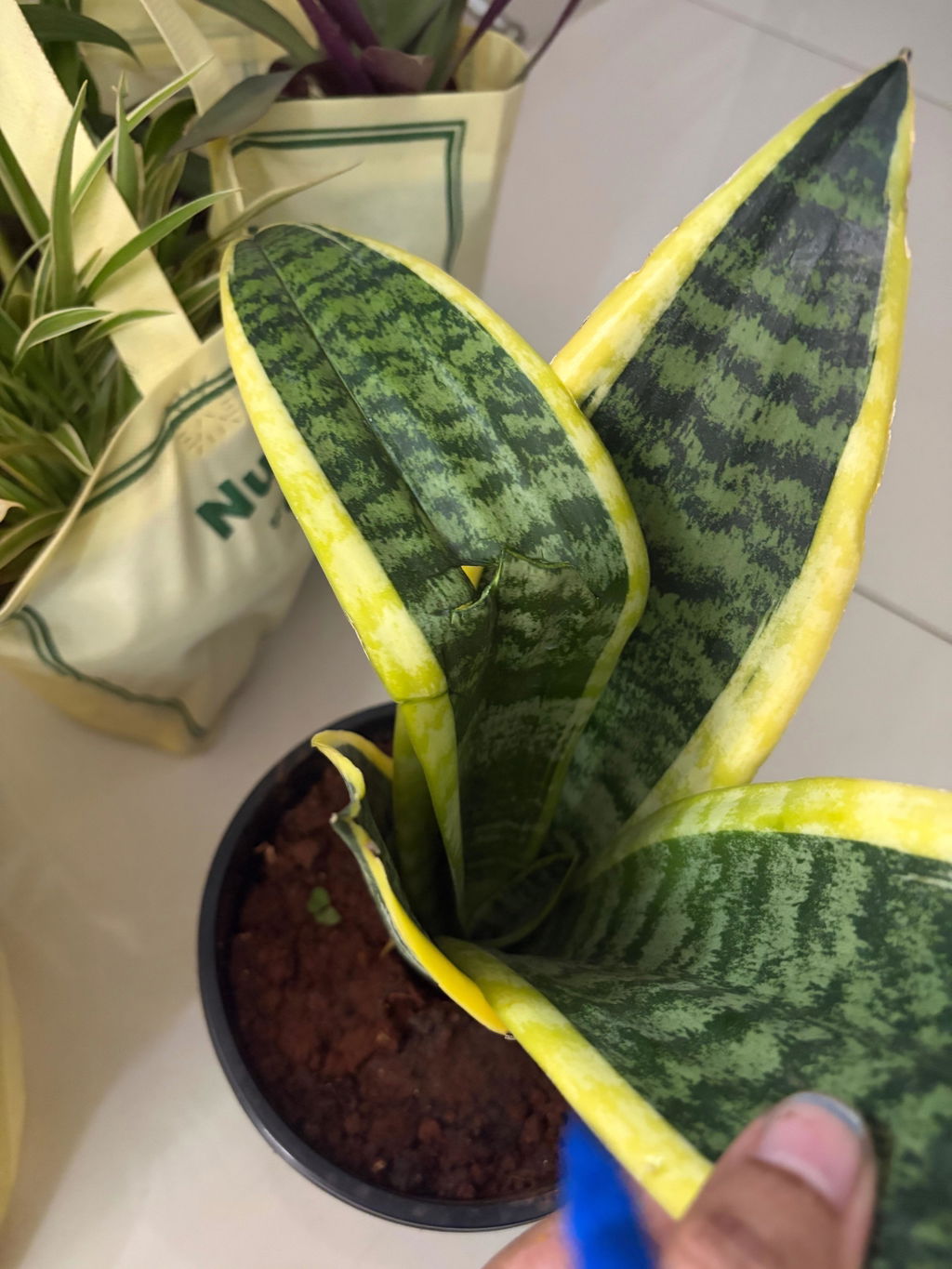
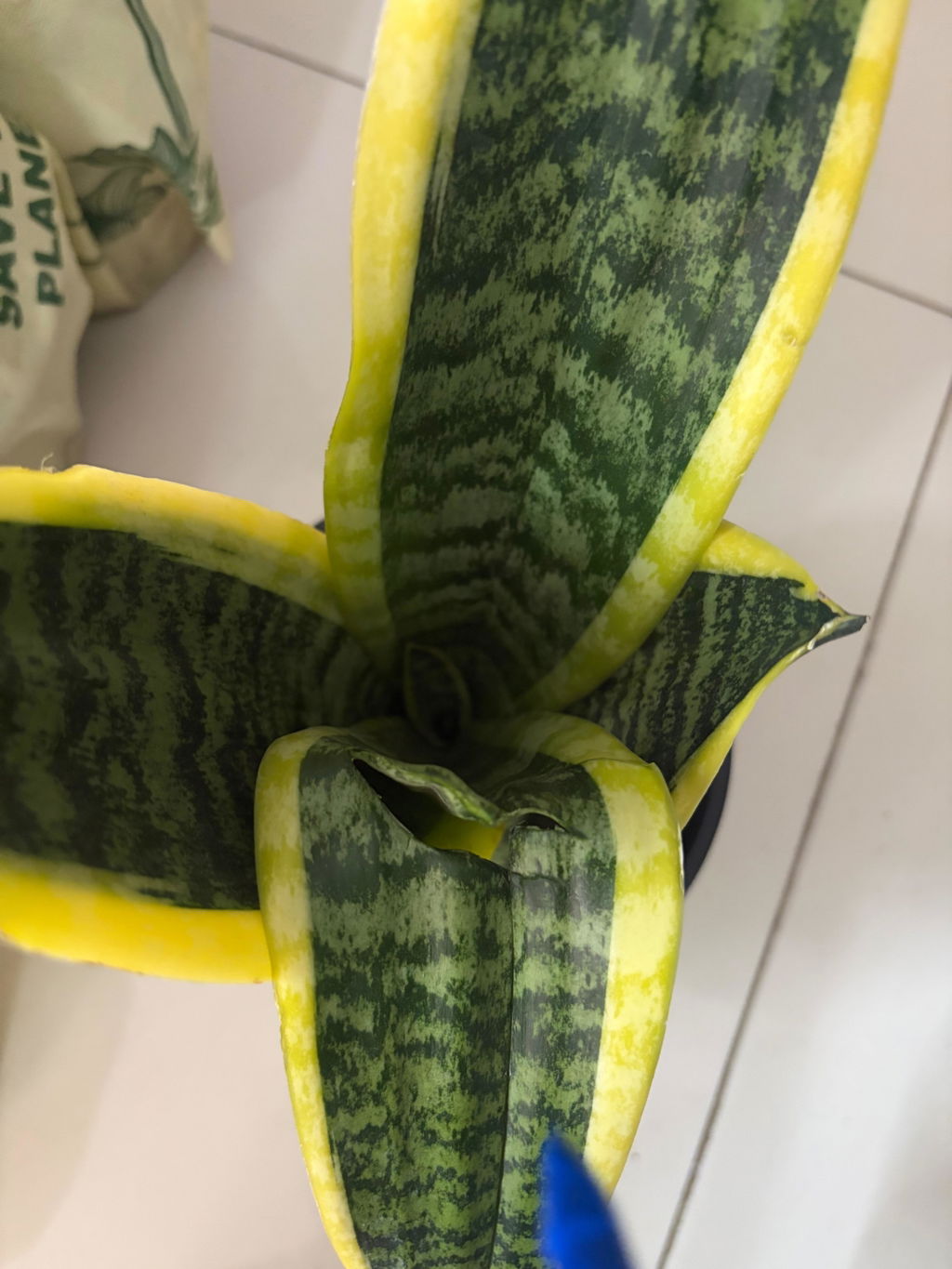
Broken snake plant for which I was charged a hefty amount .
I received tulsi which is green leaves and not krishna tulsi and also plants has brown tips on leaf, it's not in healthy condition
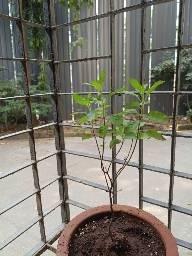
Damaged product received. Ticket has been opened since 2 weeks, there has been no resolution. TKT-2026-892896