
Expert Support
Available 24/7 via chat
Available 24/7 via chat
Yellow Bamboo, scientifically known as Phyllostachys aurea, is one of the most sought-after bamboo varieties for Indian gardens. Also called Golden Bamboo or Yellow groove bamboo, this striking perennial combines easy cultivation with undeniable visual drama. The vibrant yellow canes create a luminous focal point, especially when backlit by the Indian sun, while the plant's easy-to-manage nature makes it ideal for gardeners of all skill levels. Whether you're designing a tropical garden, creating a privacy screen, or adding vertical interest to a balcony, Yellow Bamboo delivers reliable, year-round performance.
Yellow Bamboo is an outdoor perennial that thrives in India's diverse climate zones. When you receive a young plant from Nurserylive, it typically arrives at around 36 inches (91 cm) in height with a spread of 5 inches, but don't let its modest size fool you. This variety has the potential to reach up to 30 feet in ideal conditions, making it an excellent choice if you need significant height for screening or garden architecture. The plant is named for its distinctive golden-yellow canes that intensify in color as they mature, creating a warm, tropical aesthetic year-round.
One of the best features of Yellow Bamboo is its pot-friendly nature—it adapts beautifully to container cultivation, giving Indian gardeners flexibility in placement and management. The plant rarely flowers, which means you won't have to worry about unexpected bloom cycles disrupting the visual consistency of your garden.
| Light | Full Sunlight |
| Watering | Medium |
| Soil | Well-drained soil |
| Temperature | 20–30°C |
Yellow Bamboo performs best in full sunlight, which is fortunate for most of India where intense sun is rarely a limiting factor. Place your plant where it receives direct sunlight for at least 6–8 hours daily. In the scorching summer months of northern and central India, the strong afternoon sun actually enhances the golden coloration of the canes, intensifying their warm hue. If you're growing Yellow Bamboo in a container on a balcony or terrace, position it on the south-facing or west-facing side for maximum luminosity. The more sun your plant receives, the more vibrant and saturated the yellow pigmentation becomes, rewarding you with a truly striking focal point in your garden.
Yellow Bamboo requires medium watering—consistent moisture without waterlogging. During India's hot summer months (March to June), water thoroughly 2–3 times per week, adjusting based on rainfall and your soil's drainage capacity. The monsoon rains will provide natural watering, but ensure that excess water doesn't collect around the root zone; well-drained soil becomes even more critical during this season to prevent fungal issues and root rot. In winter (November to February), reduce watering frequency to once or twice weekly, as the plant's water demands decrease in cooler temperatures. For those dealing with hard water in urban Indian areas, occasional applications of soft water or rainwater can help prevent mineral buildup on the foliage. Container-grown plants dry out faster, so check the soil moisture daily during peak summer and water when the top inch feels dry to the touch.
Well-drained soil is non-negotiable for Yellow Bamboo. If your garden has heavy clay, amend it generously with compost, sand, or cocopeat to improve drainage. Aim for a soil pH between 6.0 and 7.5, which covers most Indian garden soils. Container gardeners should use a high-quality potting mix combined with orchid bark or perlite to enhance aeration and drainage. Apply any organic fertilizer during the growing season (March to September) to support vigorous cane development. Well-rotted cow manure, neem cake, or balanced organic fertilizers work beautifully. A light feeding every 4–6 weeks is sufficient; bamboo doesn't require aggressive fertilization but appreciates consistent, gentle nutrition. Mulching the base with organic material helps retain moisture and regulates soil temperature during India's intense summer heat.
Yellow Bamboo thrives in temperatures between 20–30°C, a range that aligns perfectly with India's warm growing season. The plant is surprisingly resilient to temperature fluctuations, though extended exposure below 20°C may slow growth. In tropical and subtropical regions (most of India), this is rarely a concern. The plant adapts well to the Indian monsoon's humidity spike and can handle both the wet monsoon months and the drier summer periods. However, in regions with very harsh, dry winters (parts of Rajasthan, Punjab), providing some afternoon shade and regular watering during cold snaps helps prevent stress. High humidity is generally beneficial and doesn't cause problems for Yellow Bamboo, making it well-suited to India's climate patterns.
Yellow Bamboo can be propagated through rhizome division, though this requires some care and patience. The best time to divide is during spring (March to April), just as new growth begins. Carefully excavate around the plant to expose the rhizomes—the underground stems from which new shoots emerge. Use a sharp, sterilized knife to cut rhizome sections, ensuring each piece has at least one visible bud or young shoot. Plant divisions immediately in well-drained soil, keeping the rhizome moist but not waterlogged as new roots establish. Another method is layering: bend a young cane to the ground, partially cover it with soil while still attached to the parent plant, and allow roots to form before severing and transplanting. Propagation from seed is possible but far less common and less reliable than vegetative methods.
Yellow Bamboo is easy to grow, but a few issues may arise. Yellowing leaves often indicate overwatering or poor drainage—improve soil aeration and reduce watering frequency. Pest infestations like mites or scale insects can occur in hot, dry conditions; spray with neem oil at the first sign. Sparse growth suggests insufficient light or inadequate feeding; ensure your plant receives full sun and apply organic fertilizer every 4–6 weeks during the growing season. In extremely humid regions, watch for fungal spots on canes; improve air circulation and reduce leaf wetness by watering at the base rather than overhead.
Ready to grow your own? Shop Yellow Bamboo at Nurserylive →
Yellow Bamboo - Plant Yellow Bamboo (Bambusa vulgaris var. vulgaris) is a stunning ornamental plant known for its vibrant yellow stems and...
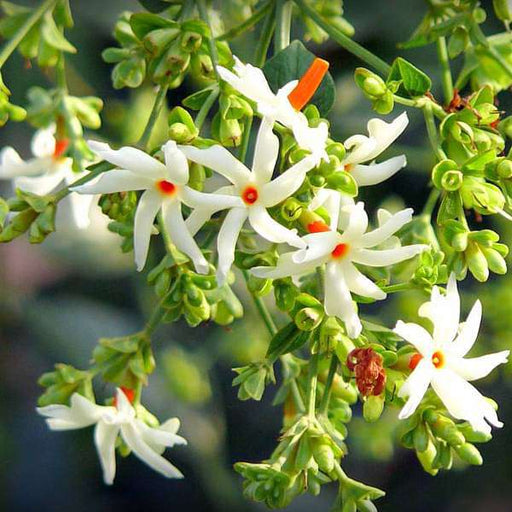
View full detailsCombo Constituents Includes the Parijat Tree (Night-Flowering Jasmine), a culturally significant plant with fragrant flowers. Description The Pari...
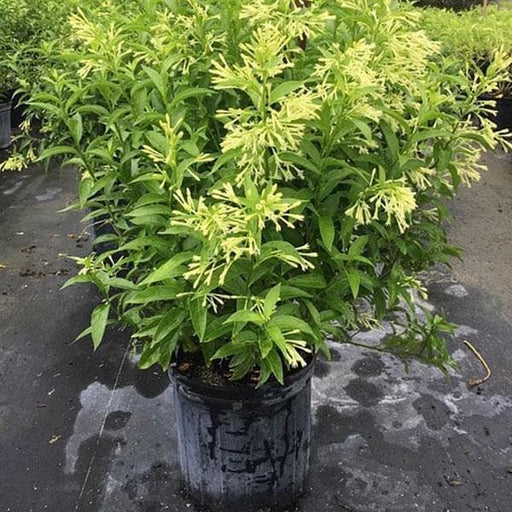
View full detailsDescription Raat Ki Rani (*Cestrum nocturnum*), also known as Night Blooming Jasmine, is a fragrant shrub native to the Caribbean and Central Ameri...
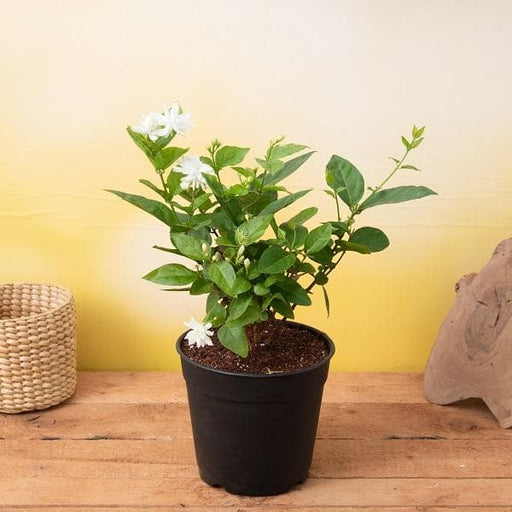
View full detailsJasminum sambac, Mogra, Arabian Jasmine - Plant Jasminum sambac, commonly known as Mogra or Arabian Jasmine, is a fragrant flowering plant...
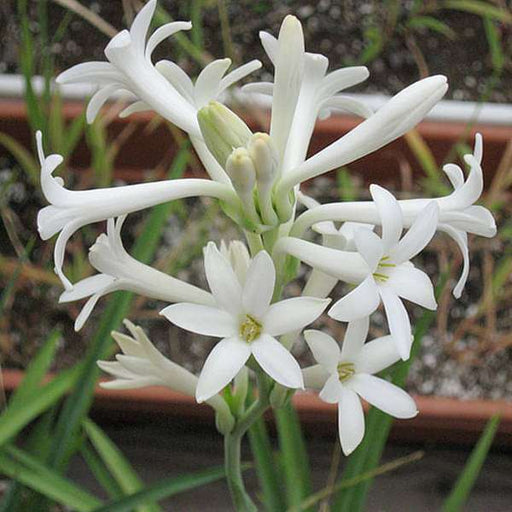
View full detailsRajnigandha, Tuberose - Plant The Rajnigandha, scientifically known as Polianthes tuberosa, is a captivating perennial plant renowned for ...
View full detailsCitronella, Odomas - Plant The Citronella plant, scientifically known as Cymbopogon nardus, is a tropical grass renowned for its aromatic ...
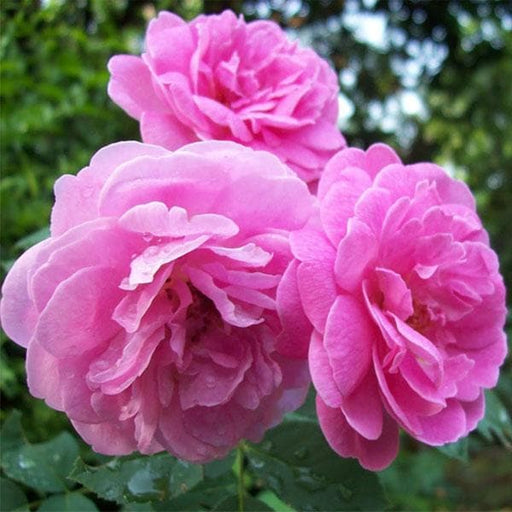
View full detailsDamascus Rose, Scented Rose (Any Color) - Plant The Damascus Rose, also known as Rosa damascena, is a timeless symbol of beauty and romanc...
View full detailsMiniature Rose, Button Rose (Any Color) - Plant The Miniature Rose, also known as the Button Rose, is a charming and compact flowering plant that ...
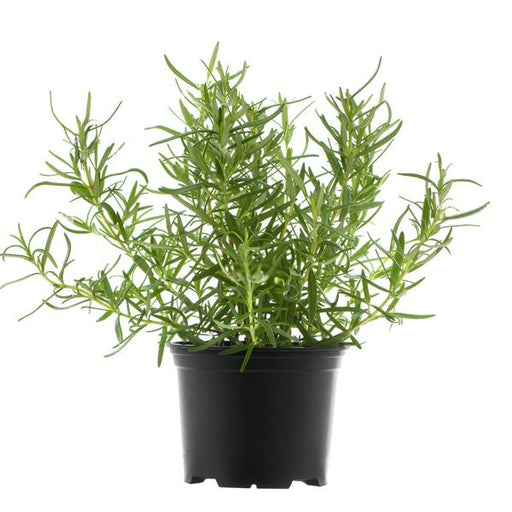
View full detailsRosemary - Plant Rosemary (Rosmarinus officinalis) is a fragrant evergreen herb native to the Mediterranean region. Known for its needle-like leav...
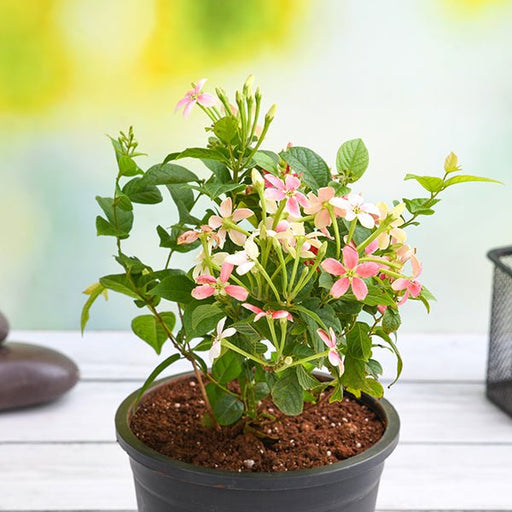
View full detailsMadhumalti Dwarf, Rangoon Creeper - Plant The Madhumalti Dwarf, also known as the Rangoon Creeper (Quisqualis indica), is a stunning perennial vin...
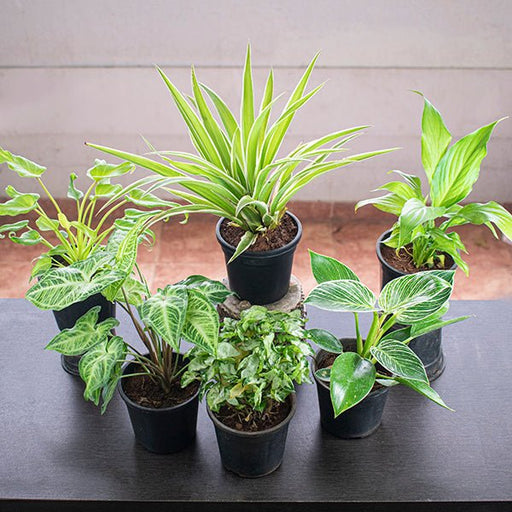
View full detailsBest 6 Plants for Perfect Indoor Garden Transform your living space into a lush oasis with our curated collection of the Best 6 Plants for a...
View full detailsBest 6 Plants for Perfect Indoor Garden Transform your living space into a lush oasis with our curated collection of the Best 6 Plants for a...
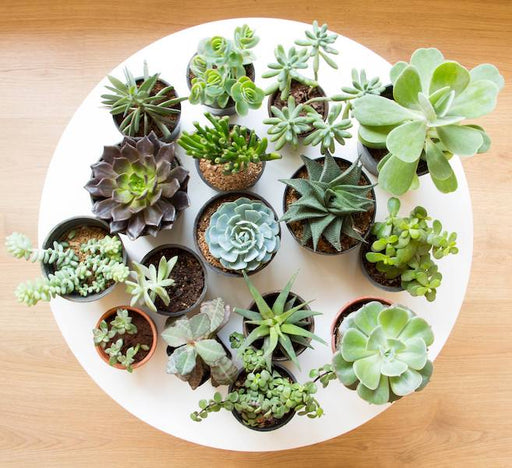
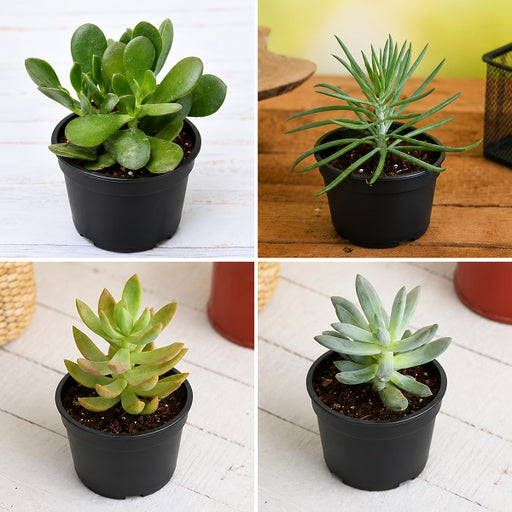
View full detailsMini Succulent Garden Pack Transform your space with our Mini Succulent Garden Pack, featuring a delightful collection of 4 any variety beautiful s...
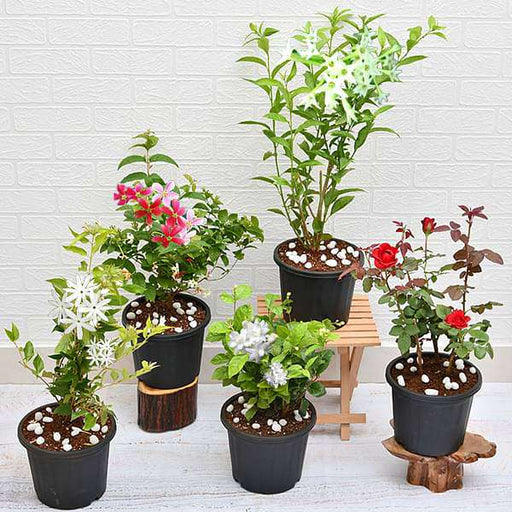
View full details5 Best Fragrant Plants Transform your garden or indoor space into a fragrant paradise with our curated selection of the 5 Best Fragrant Plants. Th...
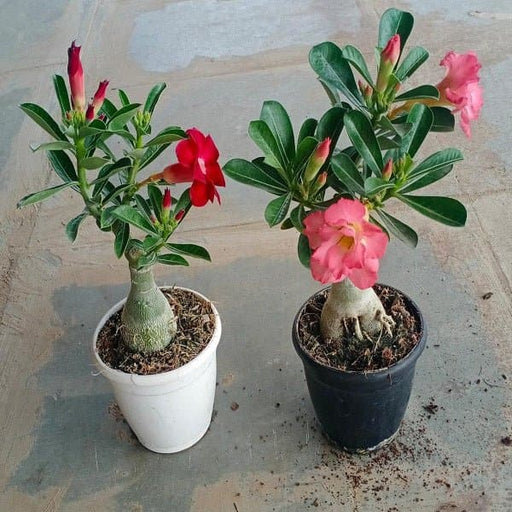
View full detailsSet of 2 Bonsai Looking Grafted Adeniums Transform your indoor or outdoor space with our exquisite Set of 2 Bonsai Looking Grafted Adenium...
View full detailsTop 4 Die Hard Succulents Pack Note: Plants included in this pack will be delivered in a 3-inch nursery pot (any color). Transform your indoor or ...
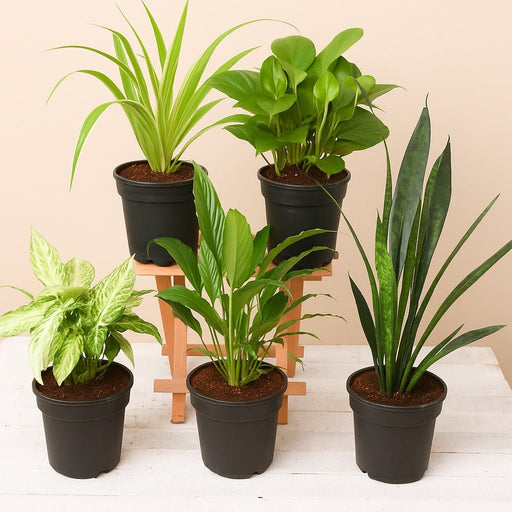
View full details5 Best Indoor Plants Pack Transform your living space into a lush oasis with our '5 Best Indoor Plants Pack.' This carefully curated collection fe...
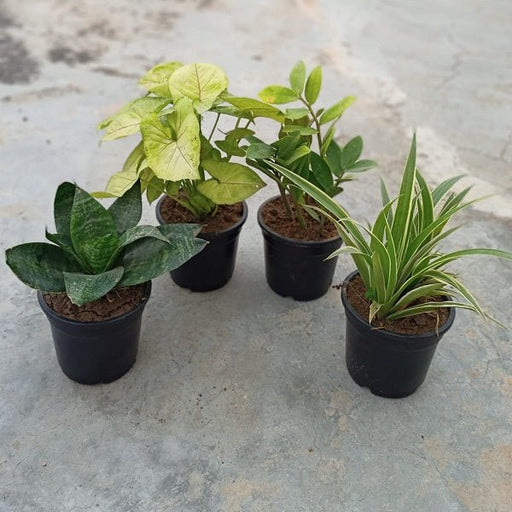
View full detailsSet of 4 Evergreen Air Purifier Plant Pack Transform your indoor space into a lush, green oasis with our Set of 4 Evergreen Air Purifier Pla...
View full detailsTop 5 Pollution Killer Plants Pack Transform your living space into a breath of fresh air with our 'Top 5 Pollution Killer Plants Pack'. This care...
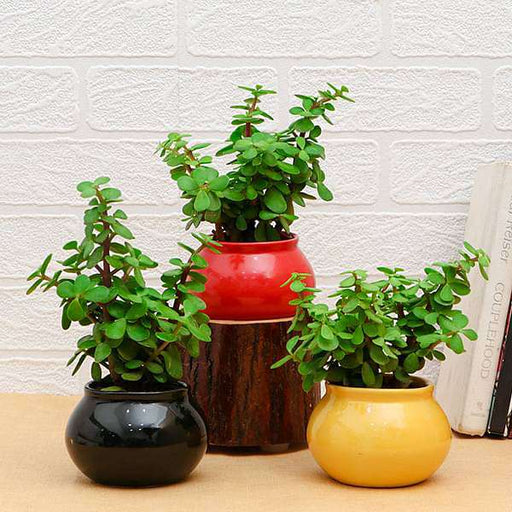
View full detailsPack of 3 Good Luck Jade Plants in Ceramic Pots Bring a touch of nature into your home with our Pack of 3 Good Luck Jade Plants, featuring...
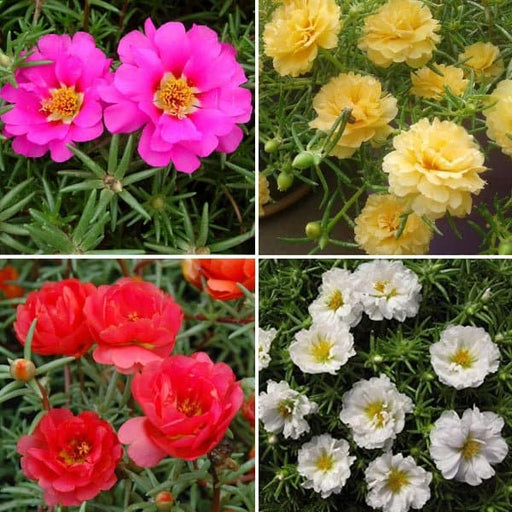
View full detailsPortulaca Garden Pack (4 Plants + 4 Black Pots) Note- You will get any color (Assorted) potted Porulaca plant with this pack. Transform your garde...
View full details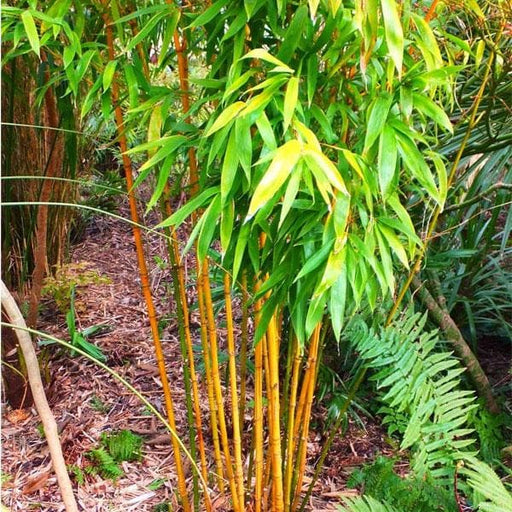






Leave a comment