
Expert Support
Available 24/7 via chat
Available 24/7 via chat
There's nothing quite like the satisfaction of growing your own guavas at home. Known locally as "amrud," this tropical fruit tree (Psidium guajava) has earned the affectionate title "Apple of the Tropics" for its incredible versatility and delicious flavor. The best part? Guava trees are remarkably easy to grow in India's climate, even for beginners. Whether you're planning to cultivate one in a spacious backyard or a compact pot on your balcony, a guava tree will reward you with fragrant white blossoms and sweet fruits throughout the year. Let's explore everything you need to know to keep your guava thriving.
Guava trees are a cornerstone of tropical and subtropical horticulture, and India's warm, humid climate is ideal for their growth. When you receive a guava seedling from Nurserylive, it typically arrives at 24 inches (61 cm) tall, ready to establish itself in your garden or container. Given proper care, your guava will eventually reach heights of up to 10 meters, transforming into a productive fruit-bearing tree. The tree produces delicate white flowers throughout the year, and because it flowers consistently, you can expect a continuous harvest rather than a single seasonal crop. This makes guava a unique fruit tree for Indian homes—fresh fruit almost any time you need it.
The guava's reputation as an "easy-to-grow" fruit tree isn't marketing hype. It thrives in India's temperature range of 25 to 35 degrees Celsius, tolerates heat stress remarkably well, and adapts to various soil types. Whether your region experiences intense summer heat, monsoon moisture, or dry winters, a well-established guava tree handles it all with minimal fuss.
| Care Element | Requirement |
|---|---|
| Light | More than 6 hours of direct sunlight; bright light for the remainder of the day |
| Water | 4 cups (200 ml) when topsoil (1-2 inches) feels dry |
| Soil | Well-draining, fertile, rich in organic content |
| Temperature | 25-35°C ideal range |
Guavas are sun-worshippers. To ensure healthy growth, strong flowering, and consistent fruiting, your guava tree needs more than 6 hours of direct, unobstructed sunlight daily, with naturally bright light for the remainder of the day. In India, this is typically easy to achieve. Position your guava in a south-facing or west-facing location if possible, where it receives maximum solar exposure. If you're growing in a container, place it on a balcony or terrace where it won't be shaded by other plants or structures during peak sunlight hours (9 AM to 4 PM). Inadequate light may result in slower growth, fewer flowers, and reduced fruit production. If your space is limited on natural light, this is the one area where a guava tree might struggle, so prioritize sunny placement.
Guava trees prefer a "soak and dry" approach rather than constant moisture. When the top 1-2 inches of soil feel dry to the touch, water thoroughly with approximately 4 cups (200 ml) of water. For containerized trees, this usually means watering every 2-3 days during hot months, and less frequently during monsoon or winter. The key is to avoid waterlogging, which invites root rot. During the monsoon season in India, reduce supplemental watering significantly—the rainfall usually provides ample moisture. Always ensure your soil drains well; if water pools on the surface, your drainage needs improvement. Hard water, common in many Indian regions, is generally not problematic for guavas, but if your area has extremely alkaline or mineral-heavy water, you may wish to mulch generously with organic matter to help buffer the soil.
Guavas are forgiving about soil types but thrive best in well-draining, fertile soil rich in organic content. When potting or planting, incorporate generous amounts of compost or aged manure into your soil mix to provide nutrients and improve structure. This organic matter also helps retain moisture while maintaining drainage—a critical balance. For established trees, apply organic fertilizer once a month between October and January, the cooler months when the tree responds well to nutrient boosts. This timing avoids feeding during the intense heat of summer, when the tree naturally slows down slightly. Beyond this monthly application, guavas generally need little additional feeding, especially if you're maintaining good organic mulch around the base, which breaks down and enriches the soil over time.
With an ideal temperature range of 25 to 35 degrees Celsius, guava trees are perfectly suited to most of India. They're remarkably heat-tolerant and won't suffer during the hottest months that challenge other fruit trees. The humidity of India's monsoon season—typically the months of June through September—is also favorable. However, guavas can tolerate drier periods as well. If your region experiences a dry winter, ensure you're watering appropriately so the tree doesn't face drought stress. Young, recently planted guavas benefit from light afternoon shade during extreme heat waves, but once established, they handle full sun beautifully. No special humidity measures are needed; ambient outdoor humidity is sufficient.
While your guava seedling from Nurserylive is already on its way to maturity, you may eventually want to propagate additional trees. Guavas grow readily from seeds, which is how our seedlings are produced. Extract seeds from ripe guavas, clean them well, and sow them in moist, seed-starting soil. They typically germinate within 2-4 weeks in warm conditions. Keep the soil consistently moist but not waterlogged. Once seedlings develop true leaves and are a few inches tall, they can be potted individually and grown under bright, indirect light until they're ready for hardening off and outdoor placement. This is a simple, cost-effective way to expand your guava grove.
Guavas are robust, but a few issues may arise. Overwatering or poor drainage can lead to root rot, so err on the side of drier soil. Pest infestations—such as fruit flies or scale insects—can occasionally trouble guavas, especially in warm, humid climates. Regular inspection and organic pest management solutions (like neem oil spray) are effective. Fungal issues may develop in excessively humid conditions without good air circulation; ensure your tree isn't overcrowded with other plants. Nutrient deficiencies occasionally show up as yellowing leaves, but this is rare if you're using organic-rich soil and following the monthly fertilizer schedule from October to January. Most problems are preventable with good cultural practices: proper drainage, adequate sunlight, and appropriate watering.
Ready to grow your own? Shop Guava Tree at Nurserylive →
Guava Tree, Amrud, Psidium guajava (Grown through seeds) - Plant The Guava Tree, scientifically known as Psidium guajava, is a tropical de...
View full detailsCombo Constituents Includes the Parijat Tree (Night-Flowering Jasmine), a culturally significant plant with fragrant flowers. Description The Pari...
View full detailsDescription Raat Ki Rani (*Cestrum nocturnum*), also known as Night Blooming Jasmine, is a fragrant shrub native to the Caribbean and Central Ameri...
View full detailsJasminum sambac, Mogra, Arabian Jasmine - Plant Jasminum sambac, commonly known as Mogra or Arabian Jasmine, is a fragrant flowering plant...
View full detailsRajnigandha, Tuberose - Plant The Rajnigandha, scientifically known as Polianthes tuberosa, is a captivating perennial plant renowned for ...
View full detailsCitronella, Odomas - Plant The Citronella plant, scientifically known as Cymbopogon nardus, is a tropical grass renowned for its aromatic ...
View full detailsDamascus Rose, Scented Rose (Any Color) - Plant The Damascus Rose, also known as Rosa damascena, is a timeless symbol of beauty and romanc...
View full detailsMiniature Rose, Button Rose (Any Color) - Plant The Miniature Rose, also known as the Button Rose, is a charming and compact flowering plant that ...
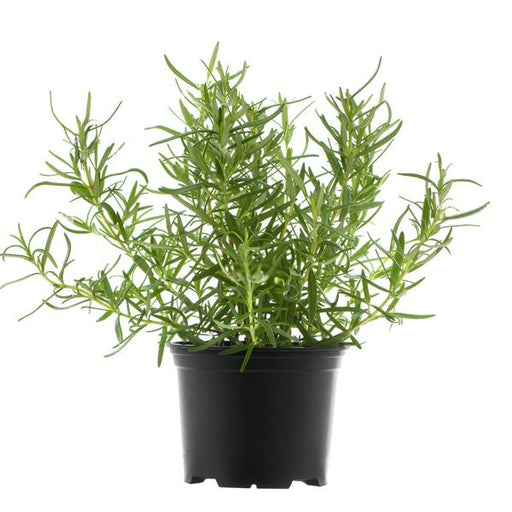
View full detailsRosemary - Plant Rosemary (Rosmarinus officinalis) is a fragrant evergreen herb native to the Mediterranean region. Known for its needle-like leav...
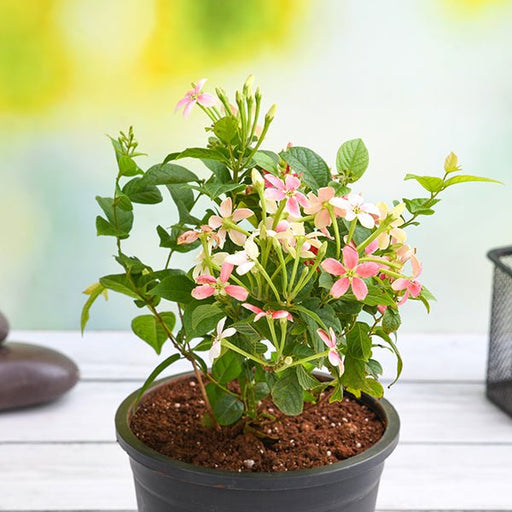
View full detailsMadhumalti Dwarf, Rangoon Creeper - Plant The Madhumalti Dwarf, also known as the Rangoon Creeper (Quisqualis indica), is a stunning perennial vin...
View full detailsBest 6 Plants for Perfect Indoor Garden Transform your living space into a lush oasis with our curated collection of the Best 6 Plants for a...
View full detailsBest 6 Plants for Perfect Indoor Garden Transform your living space into a lush oasis with our curated collection of the Best 6 Plants for a...
View full detailsMini Succulent Garden Pack Transform your space with our Mini Succulent Garden Pack, featuring a delightful collection of 4 any variety beautiful s...
View full details5 Best Fragrant Plants Transform your garden or indoor space into a fragrant paradise with our curated selection of the 5 Best Fragrant Plants. Th...
View full detailsSet of 2 Bonsai Looking Grafted Adeniums Transform your indoor or outdoor space with our exquisite Set of 2 Bonsai Looking Grafted Adenium...
View full detailsTop 4 Die Hard Succulents Pack Note: Plants included in this pack will be delivered in a 3-inch nursery pot (any color). Transform your indoor or ...
View full details5 Best Indoor Plants Pack Transform your living space into a lush oasis with our '5 Best Indoor Plants Pack.' This carefully curated collection fe...
View full detailsSet of 4 Evergreen Air Purifier Plant Pack Transform your indoor space into a lush, green oasis with our Set of 4 Evergreen Air Purifier Pla...
View full detailsTop 5 Pollution Killer Plants Pack Transform your living space into a breath of fresh air with our 'Top 5 Pollution Killer Plants Pack'. This care...
View full detailsPack of 3 Good Luck Jade Plants in Ceramic Pots Bring a touch of nature into your home with our Pack of 3 Good Luck Jade Plants, featuring...
View full detailsPortulaca Garden Pack (4 Plants + 4 Black Pots) Note- You will get any color (Assorted) potted Porulaca plant with this pack. Transform your garde...
View full details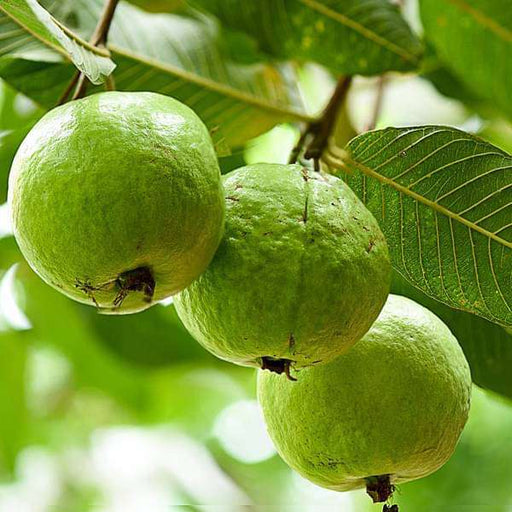





















Leave a comment