
Expert Support
Available 24/7 via chat
Available 24/7 via chat
The Chamaedorea elegans, commonly called the Parlour Palm or Dwelling Palm, is one of the most beginner-friendly indoor palms for Indian plant enthusiasts. Its ability to purify the air makes it an ideal choice for city apartments where indoor air quality is a concern. Unlike flashier ornamental plants, the Parlour Palm works quietly—tolerating the low light of modern interiors, thriving in compact spaces, and remaining completely safe around children and pets. Whether you live in humid coastal regions or the drier interiors of India, this elegant palm adapts gracefully to varied conditions.
The Chamaedorea elegans is a clustering palm native to Central America, but it has earned its place in homes across India due to its remarkable adaptability. Unlike tall, architectural palms that demand space, the Parlour Palm remains compact and bushy, making it perfect for desks, side tables, and living room corners. The plant produces delicate, feathery fronds that add a tropical softness to any room without overwhelming the space. Its ability to purify indoor air by filtering toxins, combined with its tolerance for lower light conditions, makes it especially valuable in Indian homes where natural light is often limited and outdoor air quality can be poor.
| Care Factor | Requirement |
|---|---|
| Light | Bright indirect light; tolerates partial shade |
| Watering | Keep soil consistently moist but not waterlogged; reduce in winter |
| Soil | Well-draining potting mix with organic matter |
| Temperature | 16–28°C (60–82°F); warm, humid conditions preferred |
One of the Parlour Palm's greatest strengths is its ability to tolerate low light—a feature that makes it invaluable for Indian urban homes with small windows or north-facing rooms. However, while it survives in low light, it thrives in bright, indirect light. If you have a spot near an east or north-facing window that receives filtered morning sunlight, your Chamaedorea will grow more vigorously and maintain its vibrant green color. Avoid direct afternoon sunlight, which can scorch the fronds, especially during India's intense summer months from April to June. If your home lacks natural light, the Parlour Palm will still survive—it simply grows more slowly and may appear slightly lighter in color. Rotate the pot every two weeks if possible to encourage even, balanced growth.
Watering is where consistency matters most for Chamaedorea elegans. The soil should remain moist but never waterlogged—the classic mistake is overwatering, which leads to root rot. During India's warm months (April to September), check the soil every 2–3 days. If the top inch feels dry, water thoroughly until it drains from the bottom. During monsoon season, reduce frequency slightly because natural humidity and rainfall mean the soil stays moist longer. In winter (November to February), water less frequently—perhaps once a week or every 10 days, depending on how quickly your soil dries. Always use water that has been left to sit for 24 hours if you're in a hard-water region (common in Northern and Western India), as chlorine evaporates and minerals settle. Hard water can eventually clog the soil, so monthly flushing with distilled or collected rainwater helps maintain soil quality.
The Parlour Palm prefers a light, well-draining potting mix rich in organic matter. A good blend is one part coco peat or coconut husk, one part perlite or coarse sand, and one part well-composted organic matter or aged compost. This mix retains enough moisture while allowing excess water to drain, preventing the root rot that thrives in waterlogged soil. Feed your Chamaedorea once every two weeks during the growing season (March to September) with a balanced, diluted liquid fertilizer or a slow-release palm fertilizer. During monsoon season (June to September), reduce feeding to once a month since growth slows with increased humidity and cloud cover. Stop feeding entirely during winter (October to February). If you notice yellowing older fronds, it may indicate nutrient deficiency—a gentle feeding schedule will help. Always fertilize moist soil to avoid root burn.
Chamaedorea elegans loves warm, humid conditions—exactly what India's climate provides, especially during monsoon. The plant thrives between 16–28°C, which aligns beautifully with most of India's indoor temperatures. However, during peak summer (May–June) when indoor temperatures can spike above 35°C due to heat, provide some relief through indirect ventilation or placement away from south-facing windows. The Parlour Palm genuinely appreciates humidity. In dry regions or during winter when heating systems run, mist the foliage lightly 2–3 times a week using filtered or distilled water to prevent mineral buildup. Alternatively, place the pot on a pebble tray with water, ensuring the pot sits above the waterline. Humidity not only keeps fronds lush but also deters spider mites, a common indoor pest in dry climates. During monsoon season, the natural humidity levels in most Indian homes are ideal—simply ensure good air circulation to prevent fungal issues.
The Parlour Palm naturally clusters as it matures, meaning it produces multiple stems from the base. To propagate, carefully separate these clustered stems when repotting—typically every 18–24 months. Gently tease apart the root ball and divide the clusters so each new segment has at least 2–3 roots. Plant each division in moist, well-draining mix and water lightly. Keep the new plants in a warm, humid spot (ideally 18–24°C) and mist regularly. New growth usually appears within 4–6 weeks. Propagation via seed is also possible but much slower—seeds can take 4–8 weeks to germinate and prefer warmth and high humidity. If you want faster results, division is the recommended method.
Yellowing fronds: Often due to overwatering or nutrient deficiency. Check soil moisture first; if it's soggy, reduce watering and consider repotting into fresh soil. If soil is dry and plant looks pale, increase feeding frequency.
Brown leaf tips: Usually caused by low humidity, hard water, or underwatering. Increase misting, switch to filtered water, and maintain consistent soil moisture.
Spider mites: These tiny pests appear in dry indoor conditions, causing fine webbing on fronds. Spray the plant with water mixed with a few drops of neem oil weekly until mites disappear. Increasing humidity prevents reinfestation.
Slow growth: The Parlour Palm grows at a measured pace, especially in low light. If growth completely stalls, check that the plant has adequate light and is receiving regular feeding during the growing season.
Root rot: Only occurs with serious overwatering or poorly draining soil. If roots smell foul or feel mushy, repot immediately into fresh, dry mix and reduce watering.
Ready to grow your own? Shop Chamaedorea elegans at Nurserylive →
Chamaedorea elegans, Parlour Palm (Small) - Plant The Chamaedorea elegans, commonly known as the Parlour Palm, is a stunning indoor plant ...
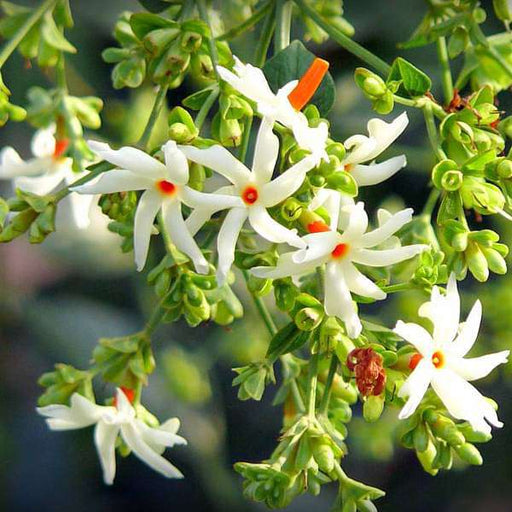
View full detailsCombo Constituents Includes the Parijat Tree (Night-Flowering Jasmine), a culturally significant plant with fragrant flowers. Description The Pari...
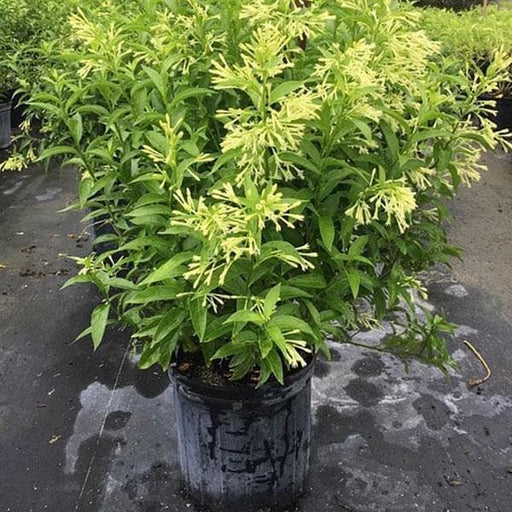
View full detailsDescription Raat Ki Rani (*Cestrum nocturnum*), also known as Night Blooming Jasmine, is a fragrant shrub native to the Caribbean and Central Ameri...
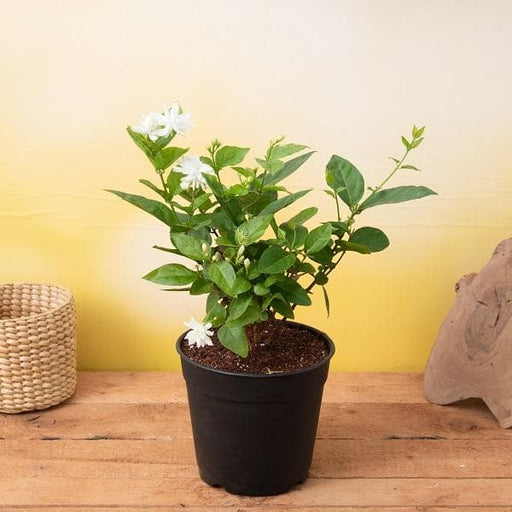
View full detailsJasminum sambac, Mogra, Arabian Jasmine - Plant Jasminum sambac, commonly known as Mogra or Arabian Jasmine, is a fragrant flowering plant...
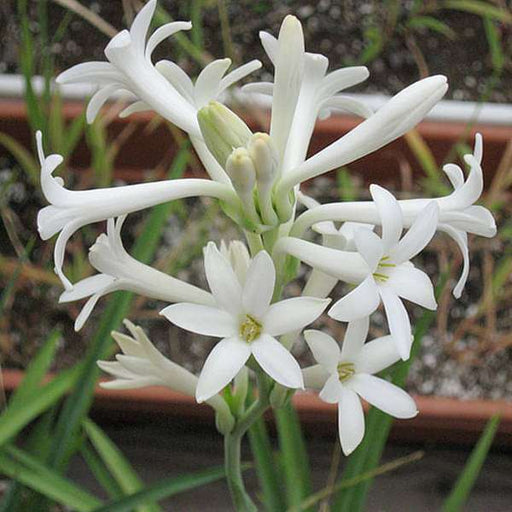
View full detailsRajnigandha, Tuberose - Plant The Rajnigandha, scientifically known as Polianthes tuberosa, is a captivating perennial plant renowned for ...
View full detailsCitronella, Odomas - Plant The Citronella plant, scientifically known as Cymbopogon nardus, is a tropical grass renowned for its aromatic ...
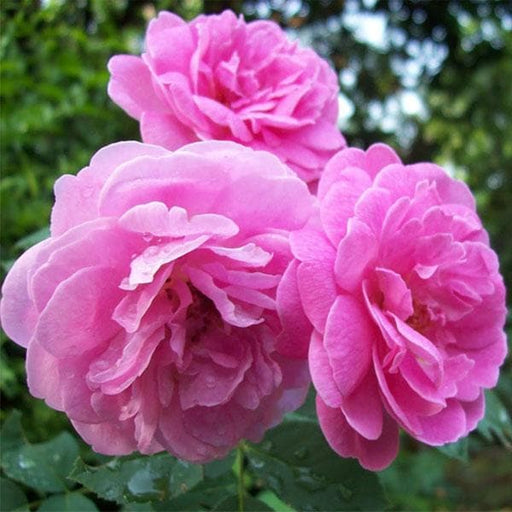
View full detailsDamascus Rose, Scented Rose (Any Color) - Plant The Damascus Rose, also known as Rosa damascena, is a timeless symbol of beauty and romanc...
View full detailsMiniature Rose, Button Rose (Any Color) - Plant The Miniature Rose, also known as the Button Rose, is a charming and compact flowering plant that ...
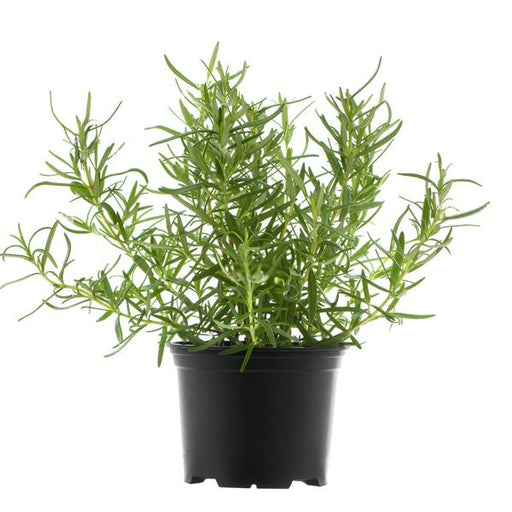
View full detailsRosemary - Plant Rosemary (Rosmarinus officinalis) is a fragrant evergreen herb native to the Mediterranean region. Known for its needle-like leav...
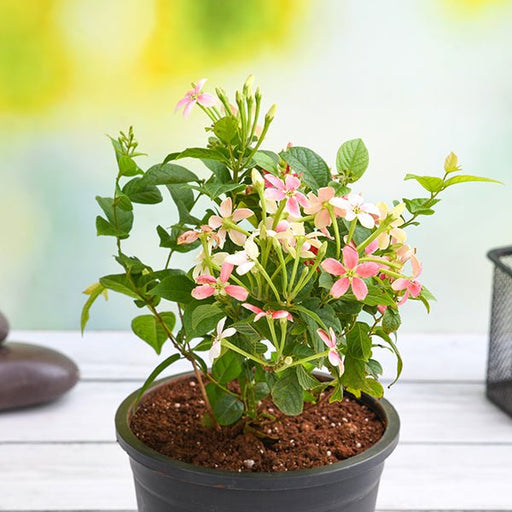
View full detailsMadhumalti Dwarf, Rangoon Creeper - Plant The Madhumalti Dwarf, also known as the Rangoon Creeper (Quisqualis indica), is a stunning perennial vin...
View full detailsBest 6 Plants for Perfect Indoor Garden Transform your living space into a lush oasis with our curated collection of the Best 6 Plants for a...
View full detailsBest 6 Plants for Perfect Indoor Garden Transform your living space into a lush oasis with our curated collection of the Best 6 Plants for a...
View full detailsMini Succulent Garden Pack Transform your space with our Mini Succulent Garden Pack, featuring a delightful collection of 4 any variety beautiful s...
View full details5 Best Fragrant Plants Transform your garden or indoor space into a fragrant paradise with our curated selection of the 5 Best Fragrant Plants. Th...
View full detailsSet of 2 Bonsai Looking Grafted Adeniums Transform your indoor or outdoor space with our exquisite Set of 2 Bonsai Looking Grafted Adenium...
View full detailsTop 4 Die Hard Succulents Pack Note: Plants included in this pack will be delivered in a 3-inch nursery pot (any color). Transform your indoor or ...
View full details5 Best Indoor Plants Pack Transform your living space into a lush oasis with our '5 Best Indoor Plants Pack.' This carefully curated collection fe...
View full detailsSet of 4 Evergreen Air Purifier Plant Pack Transform your indoor space into a lush, green oasis with our Set of 4 Evergreen Air Purifier Pla...
View full detailsTop 5 Pollution Killer Plants Pack Transform your living space into a breath of fresh air with our 'Top 5 Pollution Killer Plants Pack'. This care...
View full detailsPack of 3 Good Luck Jade Plants in Ceramic Pots Bring a touch of nature into your home with our Pack of 3 Good Luck Jade Plants, featuring...
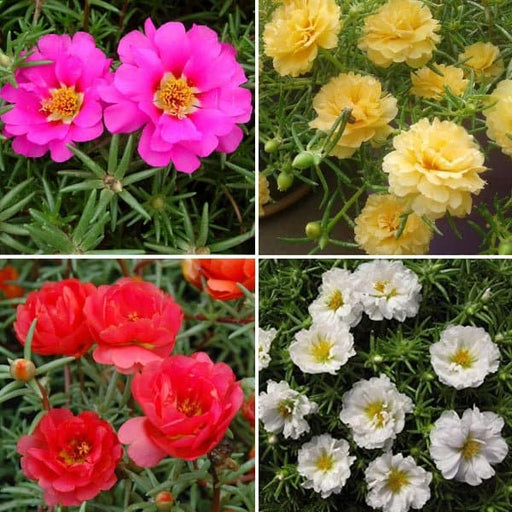
View full detailsPortulaca Garden Pack (4 Plants + 4 Black Pots) Note- You will get any color (Assorted) potted Porulaca plant with this pack. Transform your garde...
View full details














Leave a comment