
Expert Support
Available 24/7 via chat
Available 24/7 via chat
The Rubber Tree (Ficus elastica), also known as the Indian Rubber Bush or India Rubber Tree, is one of the easiest houseplants to grow in India. With its striking glossy leaves and minimal care demands, it's perfect for both beginners and seasoned plant parents. Beyond its beauty, this low-maintenance wonder absorbs CO2 at night, making it an excellent air-purifying companion for your home.
The Rubber Tree is a tropical plant native to India and Southeast Asia, thriving naturally in warm, humid climates. In nature, it can reach heights of 20-40 meters, but when grown indoors in containers, your plant will stay compact and manageable—typically 16 inches (41 cm) tall with a 6-inch (15 cm) spread when young. Known as a lucky plant in Indian households, the Rubber Tree produces inconspicuous flowers that rarely appear indoors, so you'll enjoy it primarily for its beautiful, leathery foliage. Its ability to grow easily in containers and tolerate drought makes it an ideal choice for busy gardeners.
| Aspect | Details |
|---|---|
| Light | Bright, indirect light; avoid direct hot sun |
| Water | Only when soil is completely dry; susceptible to rot |
| Soil | Light, well-drained compost |
| Temperature | 15–18°C at night, 29°C during day |
Your Rubber Tree needs bright light to thrive, but it prefers indirect light that isn't too hot. Place it near an east or west-facing window where it receives bright, filtered sunlight for several hours daily. In Indian summers, avoid direct afternoon sun exposure, which can scorch the leaves and cause stress. If you notice your plant looking pale or struggling to grow, it may need more light—move it closer to a bright window. Conversely, if leaves begin to fade or drop, it might be getting too much direct sun, especially during peak summer months.
This is where many plant parents struggle with the Rubber Tree, as it's highly susceptible to root rot from overwatering. Water deeply only when the soil is completely dry to the touch—typically every 10-14 days during the growing season (spring and summer), and even less frequently during monsoon and winter. Always check the top inch of soil before watering; if it feels moist, wait another few days. In India's humid monsoon season, reduce watering significantly to prevent waterlogging. A pot with drainage holes is essential, as it ensures excess water drains away quickly.
Use a light, well-drained compost that prevents water from sitting around the roots. A mix of regular potting soil with added perlite or coarse sand works beautifully. Between spring and summer, apply a balanced liquid fertilizer monthly to support healthy growth. Avoid overfeeding; once or twice during the growing season is sufficient if you use a slow-release fertilizer. During winter and monsoon, skip fertilization entirely, as the plant's growth slows naturally.
Rubber Trees prefer temperatures between 15–18°C at night and around 29°C during the day, making them well-suited to India's warm climate. They tolerate the heat but struggle below 10°C, so keep them away from cold drafts and air conditioning vents in winter. While they appreciate humidity, they don't require misting if your home is naturally humid (as it often is during monsoon). If your home is very dry, occasional misting helps, but allow the leaves to dry quickly to prevent fungal issues. The plant thrives equally well indoors and outdoors, as long as it's protected from harsh, direct sun and sudden temperature fluctuations.
Propagating a Rubber Tree is straightforward and rewarding. Take 6-8 inch stem cuttings just below a node (the small bump on the stem) using clean scissors. Remove lower leaves, leaving 2-3 leaves at the top. Dip the cut end in rooting hormone (optional but helpful) and place it in moist, well-drained compost. Keep the soil lightly moist and warm, ideally between 20-25°C. Roots typically develop within 4-6 weeks. Once established, transfer the new plant to its own pot and follow regular care guidelines.
Yellowing leaves often indicate overwatering or poor drainage. Check your watering schedule and soil moisture before watering again. Leaf drop can result from sudden temperature changes, cold drafts, or underwatering. Brown leaf tips suggest the air is too dry or there's salt buildup from hard water—filter your water or use distilled water occasionally. Spider mites and mealybugs occasionally appear indoors; spray affected plants with neem oil or insecticidal soap every 7-10 days until pests are gone. These issues are rare if you maintain proper watering and humidity levels.
Wipe the glossy leaves monthly with a soft, damp cloth to remove dust and boost the plant's air-purifying ability. Rotate your plant every 2-3 weeks so all sides receive even light and grow symmetrically. If your plant gets too tall, prune the top to encourage bushier growth—it responds beautifully to pruning. In India's hard-water areas, collect rainwater or boil tap water to reduce mineral deposits on leaves. Remember, the Rubber Tree thrives on neglect; it's better to underwater slightly than to overwater. With minimal effort, you'll enjoy this stunning plant for years.
Ready to grow your own? Shop Rubber Tree at Nurserylive →
Rubber Tree, Rubber Plant, Ficus elastica The Rubber Tree, scientifically known as Ficus elastica, is a stunning indoor plant renowned for...
View full detailsCombo Constituents Includes the Parijat Tree (Night-Flowering Jasmine), a culturally significant plant with fragrant flowers. Description The Pari...
View full detailsDescription Raat Ki Rani (*Cestrum nocturnum*), also known as Night Blooming Jasmine, is a fragrant shrub native to the Caribbean and Central Ameri...
View full detailsJasminum sambac, Mogra, Arabian Jasmine - Plant Jasminum sambac, commonly known as Mogra or Arabian Jasmine, is a fragrant flowering plant...
View full detailsRajnigandha, Tuberose - Plant The Rajnigandha, scientifically known as Polianthes tuberosa, is a captivating perennial plant renowned for ...
View full detailsCitronella, Odomas - Plant The Citronella plant, scientifically known as Cymbopogon nardus, is a tropical grass renowned for its aromatic ...
View full detailsDamascus Rose, Scented Rose (Any Color) - Plant The Damascus Rose, also known as Rosa damascena, is a timeless symbol of beauty and romanc...
View full detailsMiniature Rose, Button Rose (Any Color) - Plant The Miniature Rose, also known as the Button Rose, is a charming and compact flowering plant that ...
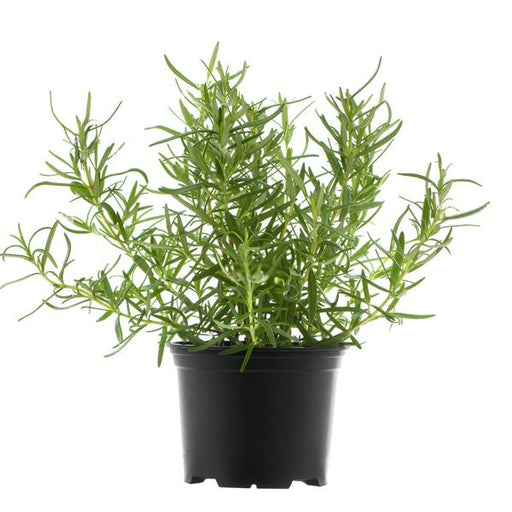
View full detailsRosemary - Plant Rosemary (Rosmarinus officinalis) is a fragrant evergreen herb native to the Mediterranean region. Known for its needle-like leav...
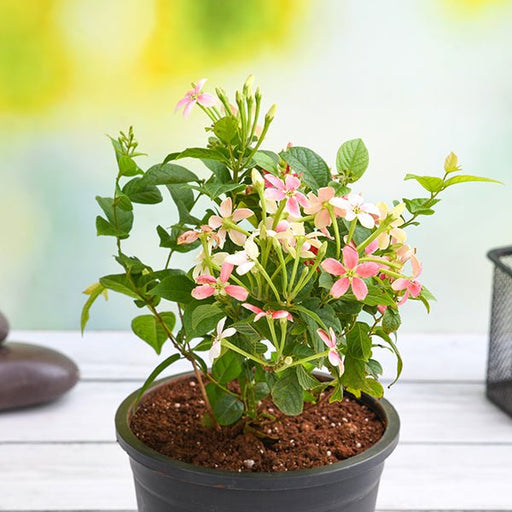
View full detailsMadhumalti Dwarf, Rangoon Creeper - Plant The Madhumalti Dwarf, also known as the Rangoon Creeper (Quisqualis indica), is a stunning perennial vin...
View full detailsBest 6 Plants for Perfect Indoor Garden Transform your living space into a lush oasis with our curated collection of the Best 6 Plants for a...
View full detailsBest 6 Plants for Perfect Indoor Garden Transform your living space into a lush oasis with our curated collection of the Best 6 Plants for a...
View full detailsMini Succulent Garden Pack Transform your space with our Mini Succulent Garden Pack, featuring a delightful collection of 4 any variety beautiful s...
View full details5 Best Fragrant Plants Transform your garden or indoor space into a fragrant paradise with our curated selection of the 5 Best Fragrant Plants. Th...
View full detailsSet of 2 Bonsai Looking Grafted Adeniums Transform your indoor or outdoor space with our exquisite Set of 2 Bonsai Looking Grafted Adenium...
View full detailsTop 4 Die Hard Succulents Pack Note: Plants included in this pack will be delivered in a 3-inch nursery pot (any color). Transform your indoor or ...
View full details5 Best Indoor Plants Pack Transform your living space into a lush oasis with our '5 Best Indoor Plants Pack.' This carefully curated collection fe...
View full detailsSet of 4 Evergreen Air Purifier Plant Pack Transform your indoor space into a lush, green oasis with our Set of 4 Evergreen Air Purifier Pla...
View full detailsTop 5 Pollution Killer Plants Pack Transform your living space into a breath of fresh air with our 'Top 5 Pollution Killer Plants Pack'. This care...
View full detailsPack of 3 Good Luck Jade Plants in Ceramic Pots Bring a touch of nature into your home with our Pack of 3 Good Luck Jade Plants, featuring...
View full detailsPortulaca Garden Pack (4 Plants + 4 Black Pots) Note- You will get any color (Assorted) potted Porulaca plant with this pack. Transform your garde...
View full details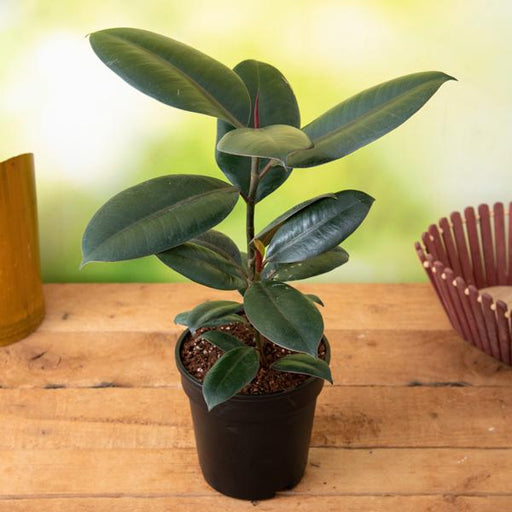




















Leave a comment