
Expert Support
Available 24/7 via chat
Available 24/7 via chat
The Ficus Bonsai, also known locally as the Banyan Bonsai or Indian laurel, is one of the most forgiving miniature trees for Indian gardeners. Whether you're a bonsai enthusiast or a beginner looking to add a touch of elegance to your desk or living room, the Ficus Bonsai rewards you with minimal effort. Compact at just 8 inches wide and up to 35 cm tall, this air-purifying plant fits perfectly on a windowsill, shelf, or table. With moderate watering needs and the ability to thrive in bright indirect light, the Ficus Bonsai is your gateway into the ancient art of bonsai cultivation, adapted for modern Indian homes.
The Ficus species has deep roots in Indian culture and spirituality—the sacred Banyan tree has been revered for centuries. The Ficus Bonsai brings this timeless elegance into a tabletop form, combining tradition with contemporary indoor gardening. The tree's small, delicate leaves and naturally compact growth make it ideal for miniaturization without aggressive pruning. In India, the Curtain fig variety (another regional name) is particularly popular for its graceful appearance and resilience through humid monsoons and warm summers. The Ficus Bonsai is classified as easy to grow, making it perfect for beginners and seasoned gardeners alike.
| Care Aspect | Details |
|---|---|
| Light | Full to partial sunlight; bright indirect light preferred |
| Water | Moderate watering; allow soil to dry slightly between waterings |
| Soil | Well-drained potting soil |
| Temperature | Optimal range: 20–30°C |
Ficus Bonsai thrives in full to partial sunlight and bright indirect light. Ideally, place your plant near a north or east-facing window in India where it receives 3–4 hours of indirect light daily. During Indian summers, protect the plant from harsh afternoon sun (especially between 1 PM and 4 PM) as intense heat can scorch the delicate leaves.
If you're keeping your Ficus Bonsai in an interior room with limited natural light, consider supplementing with a grow light placed 30 cm above the plant for 6–8 hours daily. The tree will adapt to indoor lighting but will grow more slowly than in brighter conditions. Rotate the plant every two weeks to ensure even growth on all sides.
Moderate watering is the golden rule for Ficus Bonsai. Check the top inch of soil with your finger—if it feels dry, water thoroughly until it drains from the bottom. During warm months (March to September), this might mean watering every 4–5 days. In cooler months, reduce frequency to every 7–10 days.
During the Indian monsoon, be particularly cautious of overwatering. The high humidity and irregular rainfall can saturate the soil quickly. Reduce watering frequency and ensure your pot has adequate drainage holes. If your area has hard water (common in many parts of India), filter or collect rainwater when possible, as mineral buildup can clog the soil and roots over time.
Always water at the soil level, not the leaves. Wet foliage in warm, humid weather invites fungal infections. A clear sign of overwatering is yellowing leaves and soft stems—if this happens, withhold water and allow the soil to dry out.
Use a well-drained potting soil as your base. You can improve drainage by mixing your potting soil with 20–30% perlite or coarse sand. This combination prevents water from sitting around the roots, which is critical in humid Indian climates where fungal issues are common.
Feed your Ficus Bonsai with liquid fertilizer during the growing season (March to October). Apply a balanced, water-soluble fertilizer diluted to half strength every two weeks. In winter, reduce feeding to once a month or skip it entirely, as the plant's growth slows. Never fertilize a dry plant—always water first, then fertilize, to avoid root burn.
The optimal temperature range for Ficus Bonsai is 20–30°C, which aligns well with most Indian climates year-round. However, during peak summer months in northern and central India, temperatures often exceed 35°C. During these periods, place your plant in a cooler spot (perhaps indoors with air conditioning) and increase misting to keep the foliage hydrated.
Humidity is generally not a problem during the monsoon months, but in dry winters or air-conditioned rooms, mist the leaves with water 2–3 times weekly. This mimics the plant's natural forest environment and helps prevent dust accumulation on the leaves. Avoid cold drafts and sudden temperature fluctuations—they can cause leaf drop.
Propagating Ficus Bonsai allows you to create new plants from an existing one. The easiest methods for home gardeners are stem cuttings and air-layering.
Stem Cuttings: Take 4–6 inch cuttings from new, healthy growth in spring or early monsoon. Remove the lower leaves and dip the cut end in rooting hormone powder. Place the cutting in a small pot with moist, well-drained soil or a rooting medium of peat and perlite. Cover loosely with a plastic bag to retain moisture and place in bright, indirect light. Roots typically develop in 3–4 weeks.
Air-Layering: This traditional bonsai technique involves selecting a branch, making a shallow cut, wrapping it with moist sphagnum moss, and covering it with plastic wrap. Keep the moss moist for 4–6 weeks until roots form. Once roots are visible, cut the branch below the air layer and pot it up. This method is slower but has a higher success rate.
Leaf Drop: Sudden leaf drop is usually caused by overwatering, cold drafts, or stress from repotting. Ensure soil dries slightly between waterings and avoid placing the plant near air conditioners or open windows during winter.
Yellowing Leaves: Yellowing typically indicates overwatering or poor drainage. Check your soil—if it's soggy, repot into fresh, well-drained soil. If yellowing starts with older leaves, it may be normal shedding.
Pests: Indoor Ficus Bonsai can occasionally attract spider mites or mealybugs, especially in dry indoor environments. Spray affected foliage with a diluted neem oil solution (1 tablespoon per liter of water) every 10 days until the infestation clears.
Brown Leaf Tips: This is often caused by hard water minerals or low humidity. Use filtered water and mist the foliage regularly to improve humidity.
Ready to grow your own? Shop Ficus Bonsai at Nurserylive →
Ficus Bonsai - Plant The Ficus Bonsai is a captivating miniature tree that brings a touch of nature's elegance into your home or office. K...
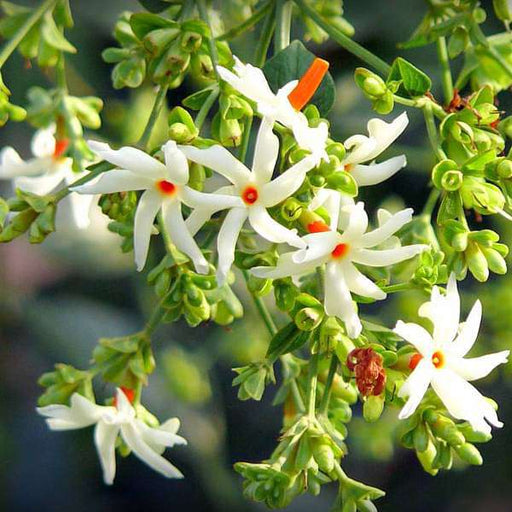
View full detailsCombo Constituents Includes the Parijat Tree (Night-Flowering Jasmine), a culturally significant plant with fragrant flowers. Description The Pari...
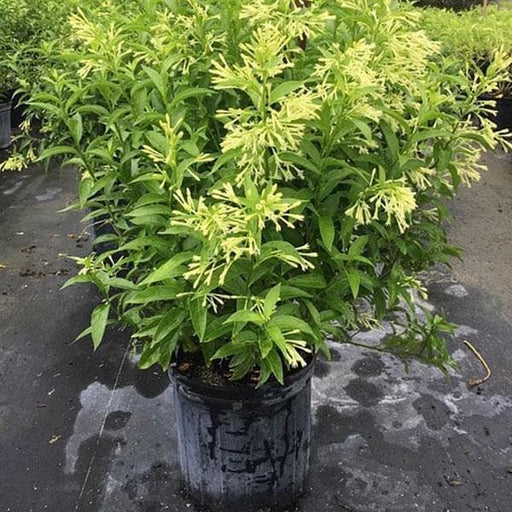
View full detailsDescription Raat Ki Rani (*Cestrum nocturnum*), also known as Night Blooming Jasmine, is a fragrant shrub native to the Caribbean and Central Ameri...
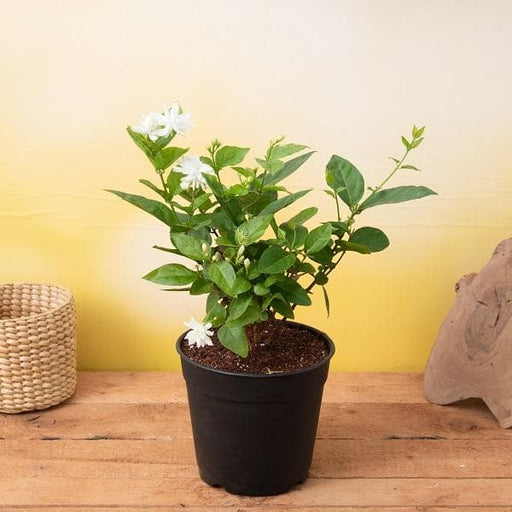
View full detailsJasminum sambac, Mogra, Arabian Jasmine - Plant Jasminum sambac, commonly known as Mogra or Arabian Jasmine, is a fragrant flowering plant...
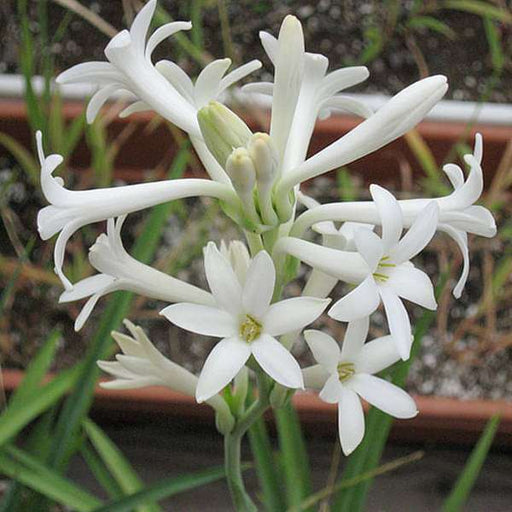
View full detailsRajnigandha, Tuberose - Plant The Rajnigandha, scientifically known as Polianthes tuberosa, is a captivating perennial plant renowned for ...
View full detailsCitronella, Odomas - Plant The Citronella plant, scientifically known as Cymbopogon nardus, is a tropical grass renowned for its aromatic ...
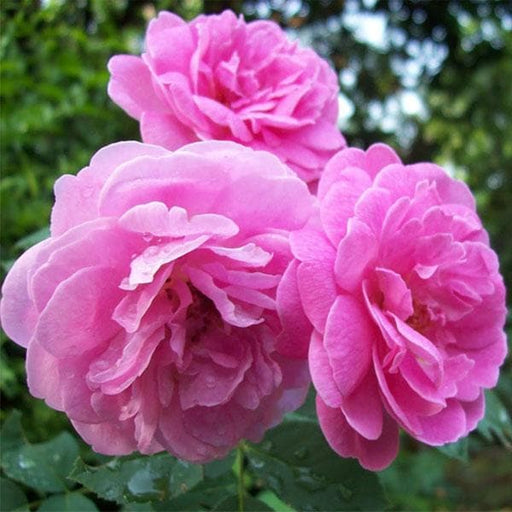
View full detailsDamascus Rose, Scented Rose (Any Color) - Plant The Damascus Rose, also known as Rosa damascena, is a timeless symbol of beauty and romanc...
View full detailsMiniature Rose, Button Rose (Any Color) - Plant The Miniature Rose, also known as the Button Rose, is a charming and compact flowering plant that ...
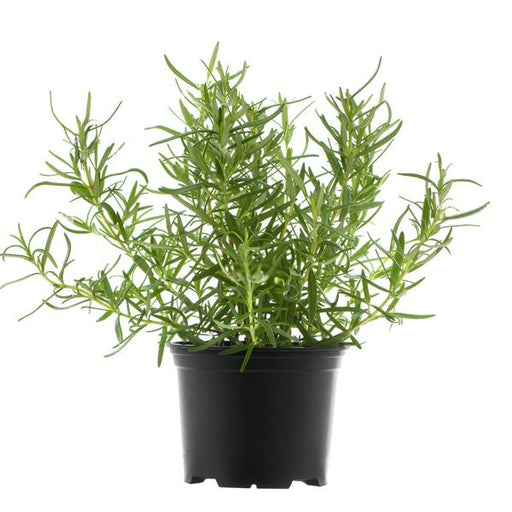
View full detailsRosemary - Plant Rosemary (Rosmarinus officinalis) is a fragrant evergreen herb native to the Mediterranean region. Known for its needle-like leav...
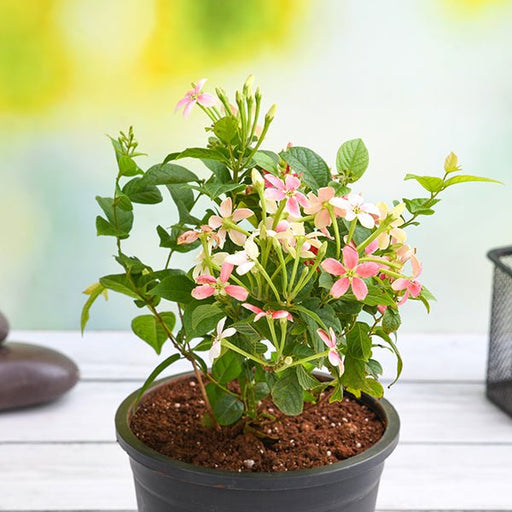
View full detailsMadhumalti Dwarf, Rangoon Creeper - Plant The Madhumalti Dwarf, also known as the Rangoon Creeper (Quisqualis indica), is a stunning perennial vin...
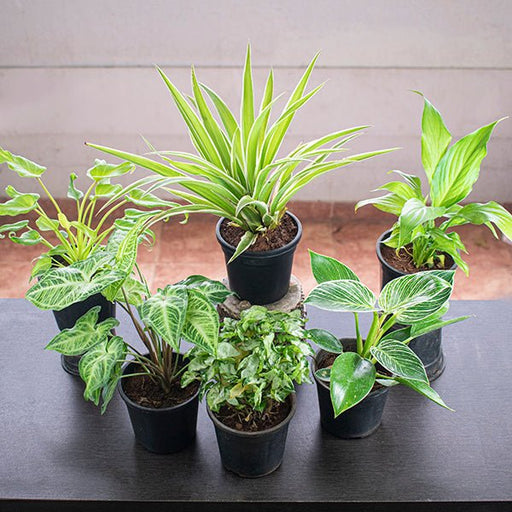
View full detailsBest 6 Plants for Perfect Indoor Garden Transform your living space into a lush oasis with our curated collection of the Best 6 Plants for a...
View full detailsBest 6 Plants for Perfect Indoor Garden Transform your living space into a lush oasis with our curated collection of the Best 6 Plants for a...
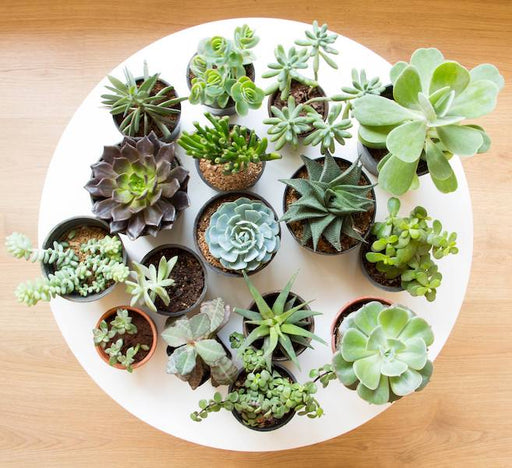
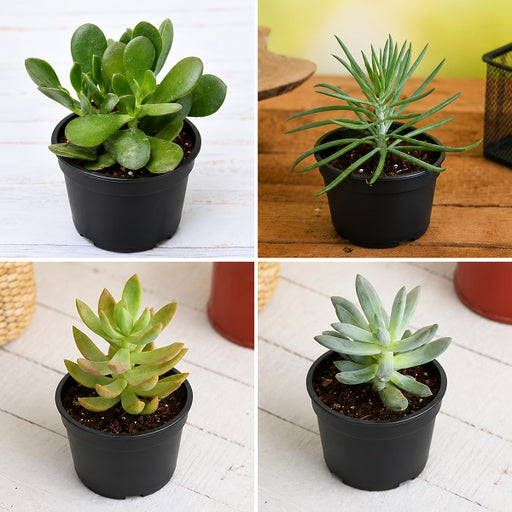
View full detailsMini Succulent Garden Pack Transform your space with our Mini Succulent Garden Pack, featuring a delightful collection of 4 any variety beautiful s...
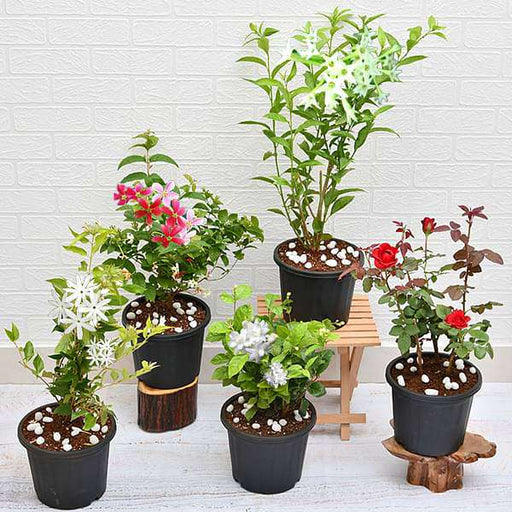
View full details5 Best Fragrant Plants Transform your garden or indoor space into a fragrant paradise with our curated selection of the 5 Best Fragrant Plants. Th...
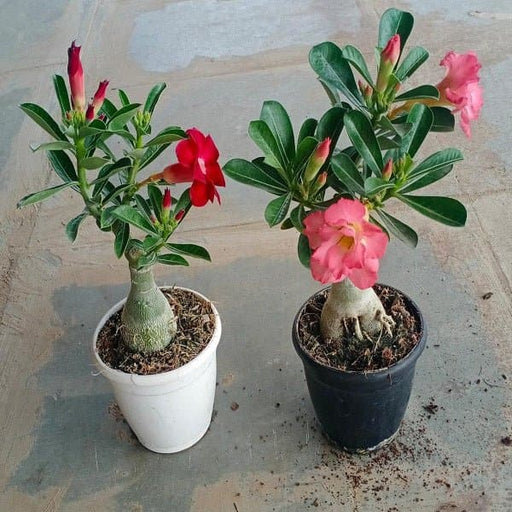
View full detailsSet of 2 Bonsai Looking Grafted Adeniums Transform your indoor or outdoor space with our exquisite Set of 2 Bonsai Looking Grafted Adenium...
View full detailsTop 4 Die Hard Succulents Pack Note: Plants included in this pack will be delivered in a 3-inch nursery pot (any color). Transform your indoor or ...
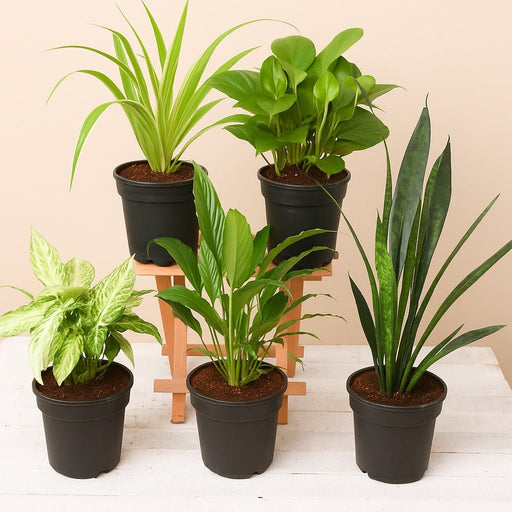
View full details5 Best Indoor Plants Pack Transform your living space into a lush oasis with our '5 Best Indoor Plants Pack.' This carefully curated collection fe...
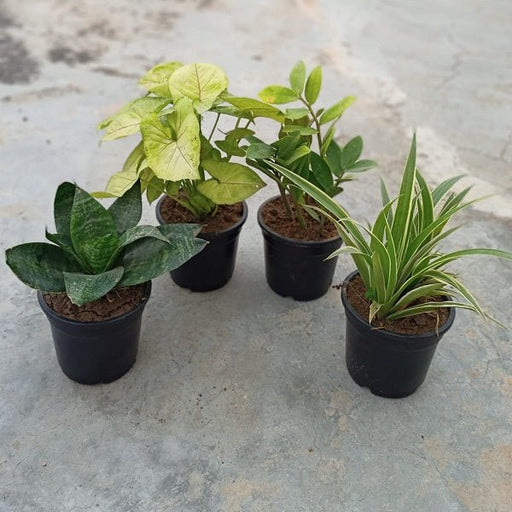
View full detailsSet of 4 Evergreen Air Purifier Plant Pack Transform your indoor space into a lush, green oasis with our Set of 4 Evergreen Air Purifier Pla...
View full detailsTop 5 Pollution Killer Plants Pack Transform your living space into a breath of fresh air with our 'Top 5 Pollution Killer Plants Pack'. This care...
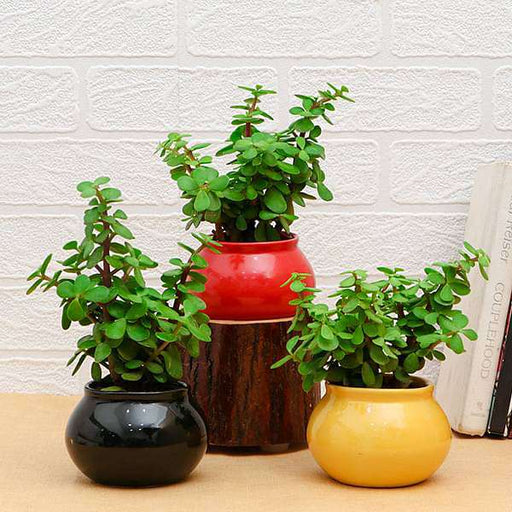
View full detailsPack of 3 Good Luck Jade Plants in Ceramic Pots Bring a touch of nature into your home with our Pack of 3 Good Luck Jade Plants, featuring...
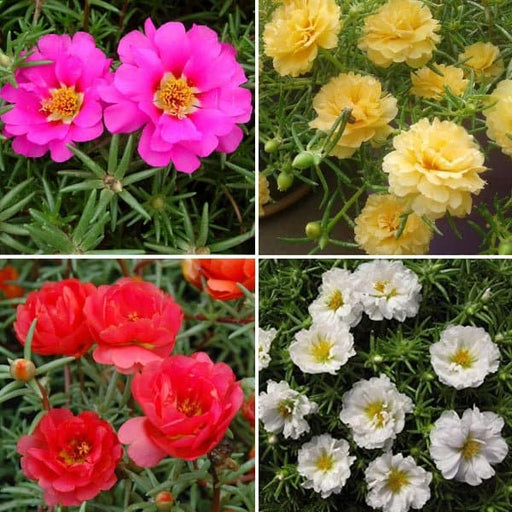
View full detailsPortulaca Garden Pack (4 Plants + 4 Black Pots) Note- You will get any color (Assorted) potted Porulaca plant with this pack. Transform your garde...
View full details






Leave a comment