
Expert Support
Available 24/7 via chat
Available 24/7 via chat
Bleeding Heart Vine, scientifically known as Clerodendrum thomsoniae, is one of India's most rewarding ornamental climbers. With its striking crimson-and-white heart-shaped flowers and graceful climbing habit, this tropical vine brings vibrant color to gardens and balconies from late spring through summer. At a compact 15 inches in height with an 8-inch spread, it's perfect for containers, small gardens, and even indoor trellises. Best of all, it requires minimal fussing—making it ideal for both seasoned gardeners and beginners.
Bleeding Heart Vine earns its poetic common name from the distinctive appearance of its flowers: deep red, heart-shaped calyxes with pure white petals that seem to "bleed" from within. This tropical woody climber thrives in warm climates and rewards consistent care with continuous blooms throughout the warm season. In India's climate, it's a reliable performer that grows vigorously in the right conditions.
The plant is perennial, meaning it will return year after year, producing abundant flowers with minimal intervention. Its container-friendly nature makes it versatile—grow it in pots on patios, balconies, or as a small indoor specimen with bright indirect light. For best results, provide a sturdy trellis or support structure to encourage its natural climbing tendency.
| Care Factor | Requirement |
|---|---|
| Light | Bright, indirect light; partial shade in extreme heat |
| Water | Keep soil consistently moist but not waterlogged |
| Soil | Well-draining, fertile, organic-rich potting mix |
| Temperature | 18–28°C; protect from frost and temperatures below 10°C |
Bleeding Heart Vine loves light and performs best in bright, indirect sunlight. A location with 4–6 hours of filtered morning or evening sun is ideal. East or west-facing windows work well, as do bright balconies with dappled shade. In India's intense summer heat (especially in regions experiencing temperatures above 35°C), afternoon shade is beneficial—direct, harsh midday sun can scorch leaves and stress the plant, particularly in containers where roots warm up quickly. If growing indoors near a window, ensure the glass filters the strongest rays. Low light will result in fewer flowers and leggy, weak growth, so prioritize brightness.
Consistent moisture is key, but "consistent" does not mean waterlogged. Water thoroughly when the top inch of soil feels dry to the touch. During the growing season (spring and summer), this may mean watering every 2–3 days in warm weather, less frequently in cooler months. In India's monsoon season, reduce watering frequency—soil retains moisture longer, and excess water can cause root rot. Allow soil to dry slightly between waterings during monsoon. Ensure pots have drainage holes; standing water is the primary enemy. Tap water with high mineral content (common in many Indian cities) is tolerable, but if your water is very hard, occasional watering with collected rainwater can help prevent mineral buildup on leaves.
Use a well-draining potting mix rich in organic matter. A mix of peat or coir, perlite, and compost works well—aim for something light and fluffy that doesn't compact over time. Bleeding Heart Vine is a moderate feeder. During the growing season (March to September), feed with a balanced, water-soluble fertilizer (like 20-20-20 or similar NPK ratio) every two weeks. Alternatively, use an organic fertilizer or a slow-release fertilizer applied once at the start of the season. Avoid over-feeding, which can lead to excessive foliage at the expense of flowers. In winter (October to February), reduce feeding to once a month or suspend it entirely, as growth slows. Annual refreshing of potting mix (top 2–3 inches) helps replenish nutrients and maintain soil structure.
This tropical vine thrives in warmth. The ideal temperature range is 18–28°C, with growth fastest in the warmer end. Temperatures below 10°C severely stress the plant and can cause leaf drop; frost is fatal. In India's climate, this is rarely a concern except in higher-altitude regions during winter. High humidity (50–70%) is beneficial and encourages healthy foliage and blooming. In dry climates or during winter heating season, mist leaves occasionally or place the pot on a humidity tray (a saucer of pebbles and water). During the monsoon, humidity is typically ample, so misting is unnecessary. Ensure good air circulation to prevent fungal issues, especially in humid conditions.
Bleeding Heart Vine is easy to propagate from softwood cuttings, making it simple to create new plants for gifting or expanding your collection. Take 4–6 inch cuttings from fresh, green growth during spring or early summer. Remove lower leaves, leaving 2–3 leaves at the tip. Dip the cut end in rooting hormone powder (optional but helpful). Insert cuttings into moist potting mix or a mix of sand and peat, covering the lower third of the cutting. Keep the medium consistently moist and warm (ideally 20–25°C). Cover the pot with a clear plastic bag or place in a propagator to maintain humidity. Roots typically develop within 3–4 weeks. Once rooted, gradually acclimate to normal conditions and pot up into individual containers. Cuttings can also be rooted in water, then transferred to soil once a root system develops.
Whiteflies and spider mites: These sap-sucking pests thrive on Bleeding Heart Vine, especially in warm, dry conditions. Check the undersides of leaves regularly. Spray with neem oil or insecticidal soap every 7–10 days until controlled.
Powdery mildew: A white, powdery coating on leaves signals fungal infection, common in humid conditions with poor air circulation. Improve ventilation, reduce humidity slightly, and treat with a sulfur-based fungicide or baking soda solution (1 tablespoon per liter of water with a few drops of dish soap).
Yellowing leaves: Often caused by overwatering or poor drainage. Check soil moisture and ensure pots have drainage holes. If the plant is in standing water, repot immediately into fresh, dry mix.
Few or no flowers: Insufficient light is the most common culprit. Move the plant to a brighter location. Low temperatures and over-feeding with nitrogen can also reduce flowering; adjust feeding and ensure warm conditions during the growing season.
Leaf drop: Sudden leaf loss indicates cold stress, dramatic temperature swings, or severe underwatering. Move the plant away from cold drafts and maintain consistent watering.
Ready to grow your own? Shop Bleeding Heart Vine at Nurserylive →
Bleeding Heart Vine, Clerodendrum thomsoniae - Plant The Bleeding Heart Vine, scientifically known as Clerodendrum thomsoniae, is a stunni...
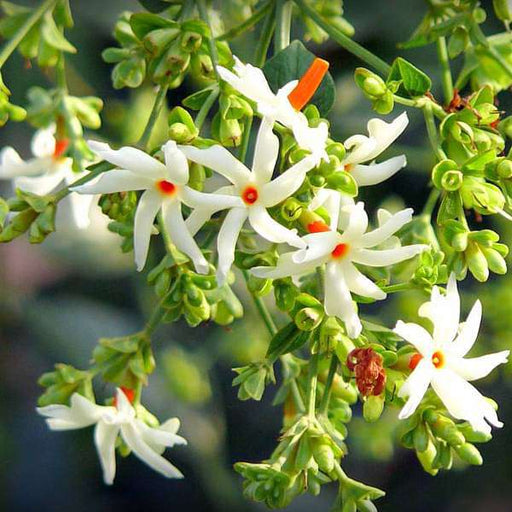
View full detailsCombo Constituents Includes the Parijat Tree (Night-Flowering Jasmine), a culturally significant plant with fragrant flowers. Description The Pari...
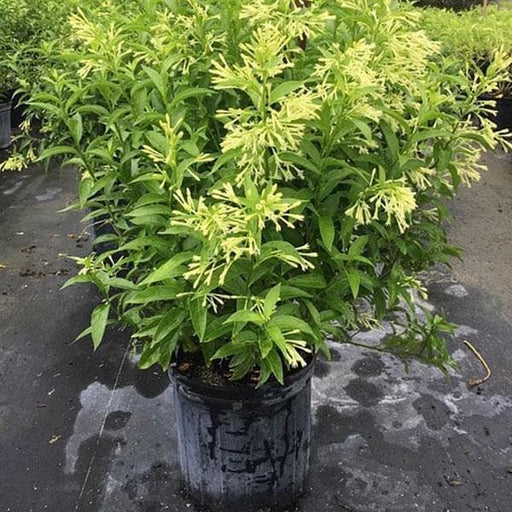
View full detailsDescription Raat Ki Rani (*Cestrum nocturnum*), also known as Night Blooming Jasmine, is a fragrant shrub native to the Caribbean and Central Ameri...
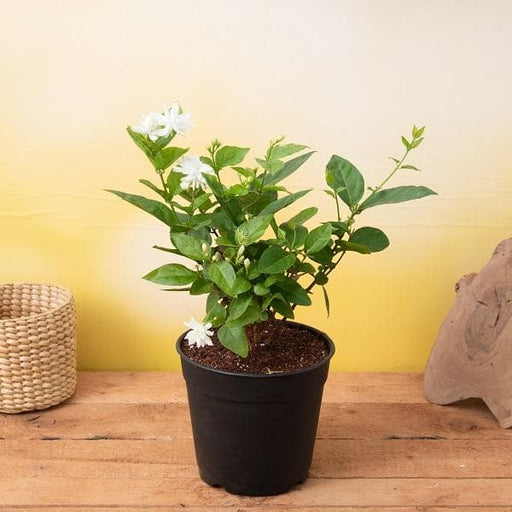
View full detailsJasminum sambac, Mogra, Arabian Jasmine - Plant Jasminum sambac, commonly known as Mogra or Arabian Jasmine, is a fragrant flowering plant...
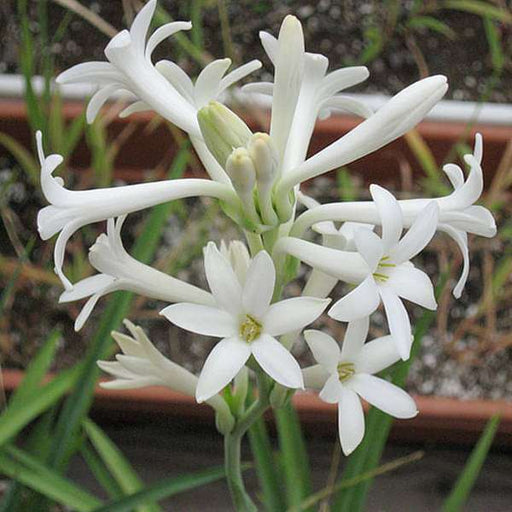
View full detailsRajnigandha, Tuberose - Plant The Rajnigandha, scientifically known as Polianthes tuberosa, is a captivating perennial plant renowned for ...
View full detailsCitronella, Odomas - Plant The Citronella plant, scientifically known as Cymbopogon nardus, is a tropical grass renowned for its aromatic ...
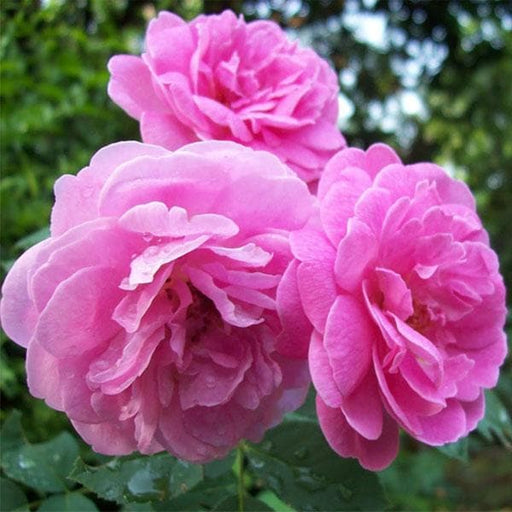
View full detailsDamascus Rose, Scented Rose (Any Color) - Plant The Damascus Rose, also known as Rosa damascena, is a timeless symbol of beauty and romanc...
View full detailsMiniature Rose, Button Rose (Any Color) - Plant The Miniature Rose, also known as the Button Rose, is a charming and compact flowering plant that ...
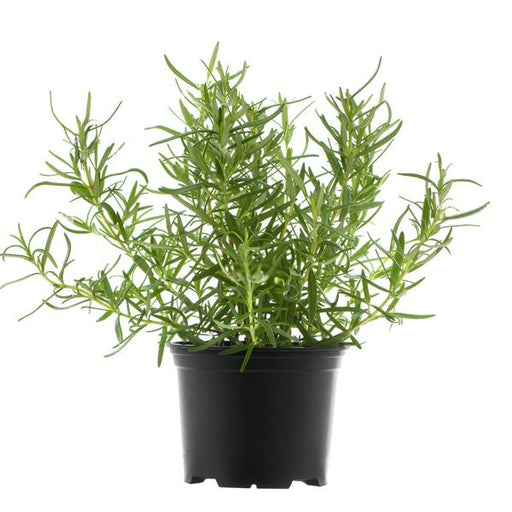
View full detailsRosemary - Plant Rosemary (Rosmarinus officinalis) is a fragrant evergreen herb native to the Mediterranean region. Known for its needle-like leav...
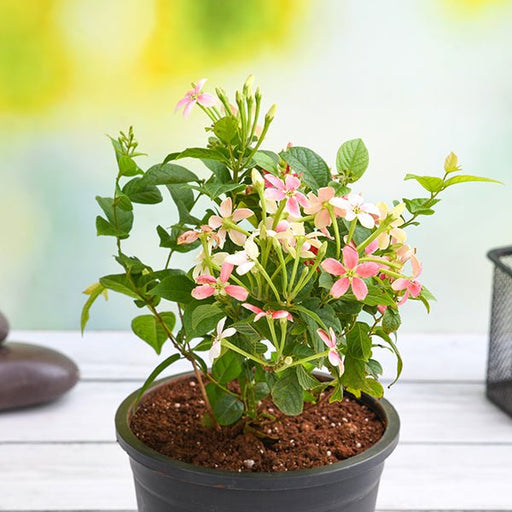
View full detailsMadhumalti Dwarf, Rangoon Creeper - Plant The Madhumalti Dwarf, also known as the Rangoon Creeper (Quisqualis indica), is a stunning perennial vin...
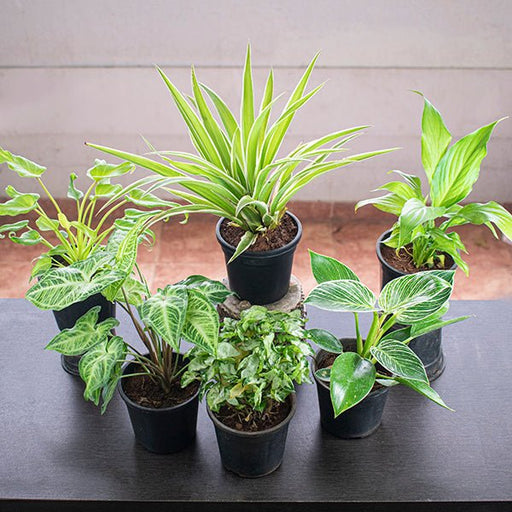
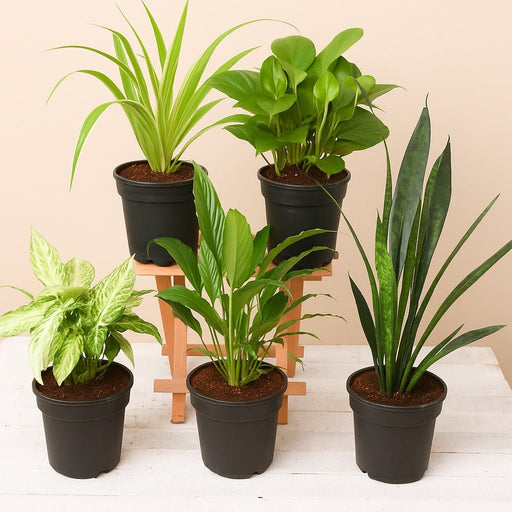
View full detailsBest 6 Plants for Perfect Indoor Garden Transform your living space into a lush oasis with our curated collection of the Best 6 Plants for a...
View full detailsBest 6 Plants for Perfect Indoor Garden Transform your living space into a lush oasis with our curated collection of the Best 6 Plants for a...
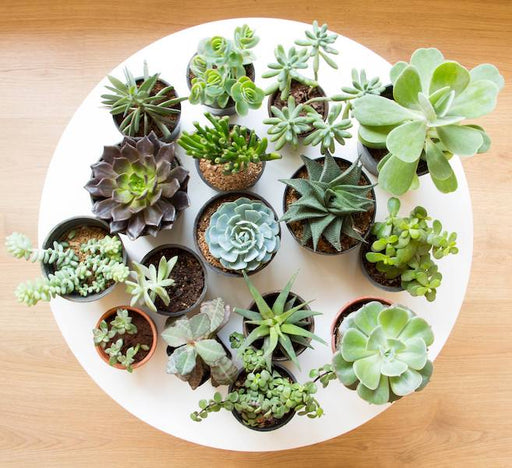
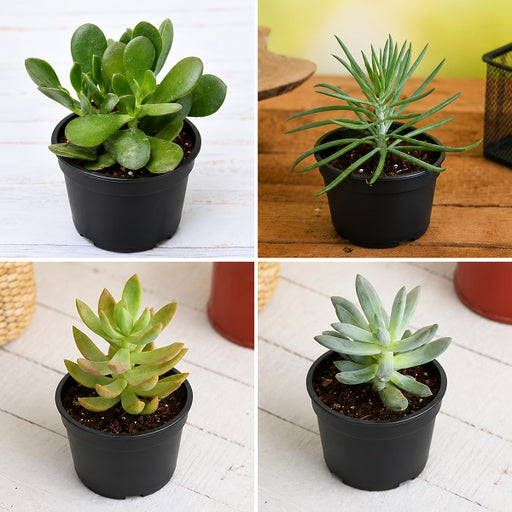
View full detailsMini Succulent Garden Pack Transform your space with our Mini Succulent Garden Pack, featuring a delightful collection of 4 any variety beautiful s...
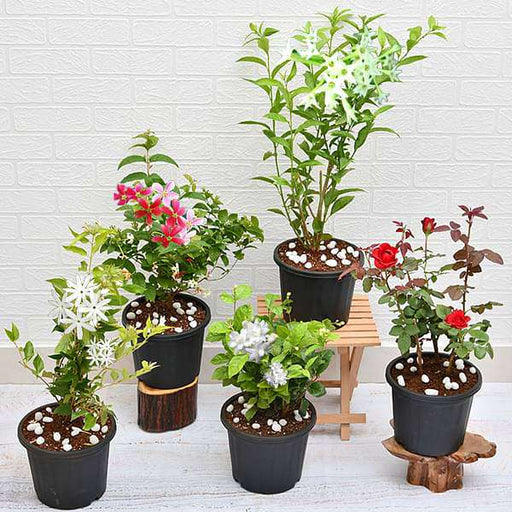
View full details5 Best Fragrant Plants Transform your garden or indoor space into a fragrant paradise with our curated selection of the 5 Best Fragrant Plants. Th...
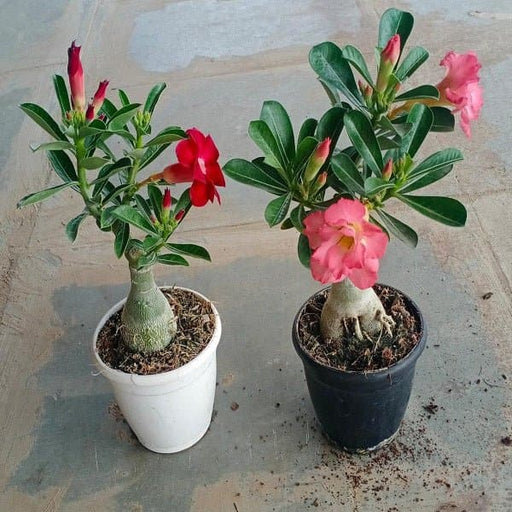
View full detailsSet of 2 Bonsai Looking Grafted Adeniums Transform your indoor or outdoor space with our exquisite Set of 2 Bonsai Looking Grafted Adenium...
View full detailsTop 4 Die Hard Succulents Pack Note: Plants included in this pack will be delivered in a 3-inch nursery pot (any color). Transform your indoor or ...
View full details5 Best Indoor Plants Pack Transform your living space into a lush oasis with our '5 Best Indoor Plants Pack.' This carefully curated collection fe...
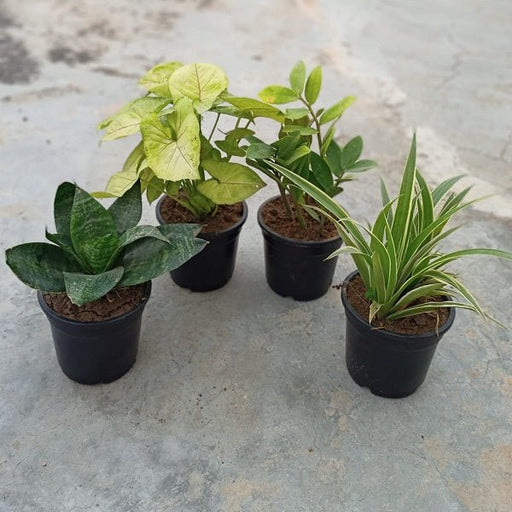
View full detailsSet of 4 Evergreen Air Purifier Plant Pack Transform your indoor space into a lush, green oasis with our Set of 4 Evergreen Air Purifier Pla...
View full detailsTop 5 Pollution Killer Plants Pack Transform your living space into a breath of fresh air with our 'Top 5 Pollution Killer Plants Pack'. This care...
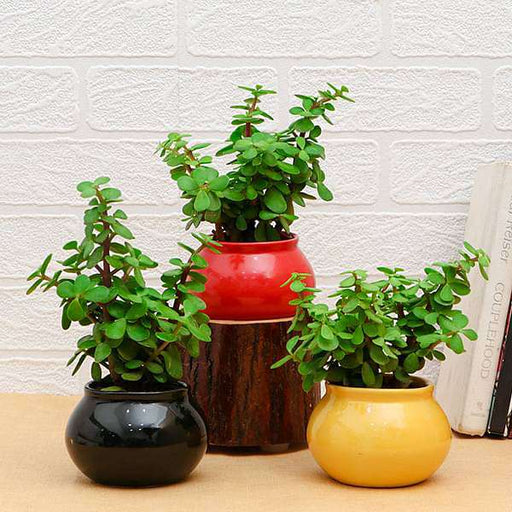
View full detailsPack of 3 Good Luck Jade Plants in Ceramic Pots Bring a touch of nature into your home with our Pack of 3 Good Luck Jade Plants, featuring...
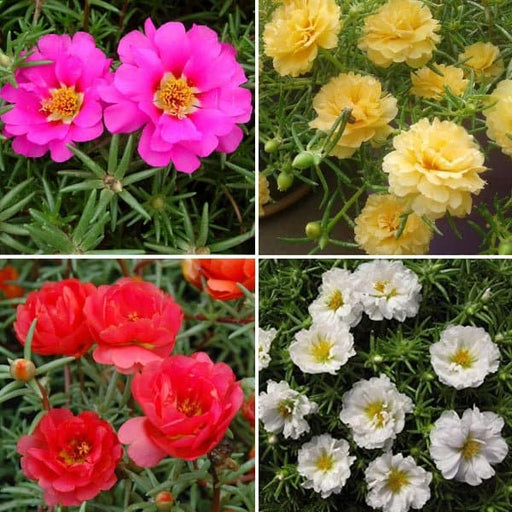
View full detailsPortulaca Garden Pack (4 Plants + 4 Black Pots) Note- You will get any color (Assorted) potted Porulaca plant with this pack. Transform your garde...
View full details






Leave a comment