
Expert Support
Available 24/7 via chat
Available 24/7 via chat
The red passion flower—known locally as Krishna Kamal—is a showstopping vine that transforms terraces, walls, and gardens with its intricate, exotic crimson blooms. If you've admired these stunning flowers and wondered whether you can grow them in India, the answer is a resounding yes. Passion flowers are remarkably easy to grow, forgiving of beginner mistakes, and perfectly suited to Indian climate conditions. Whether you're gardening on a terrace in Mumbai, a balcony in Delhi, or a garden in Bangalore, this vigorous climber will reward your efforts with months of continuous flowering.
Passiflora vitifolia, commonly called the perfumed passion flower or grape-leaved passion fruit, is a tropical climbing vine that grows vigorously, reaching up to 5 meters in height. What sets this variety apart is its stunning deep red flowers—petals and dramatic corona filaments that look like intricate crown-like structures—which bloom prolifically from spring through fall in Indian gardens.
The vine is ideal for covering walls, trellises, pergolas, or creating living screens on terraces. The "passion" in the name comes from Christian symbolism, but for gardeners, the real passion is in watching these exotic beauties unfold on your own walls. After flowering, the vine also produces ornamental fruits, though the flowers remain the main spectacle.
What makes passion flower truly special for Indian gardeners is its combination of ease and drama. It thrives in containers on terraces, adapts well to pot culture, and tolerates the heat and humidity that challenge many other ornamental climbers. Whether you're a beginner or an experienced gardener, this vine is forgiving and reliable.
| Aspect | Care Details |
|---|---|
| Light | Full sun; tolerates light shade for short periods |
| Water | Average water; keep soil consistently moist but not waterlogged |
| Soil | Well-drained, fertile soil with organic matter |
| Temperature | Moderately hardy; protect from hard freezes and prolonged frost |
Passion flowers are sun-lovers and perform best with at least 6 to 8 hours of direct sunlight daily. Full sun exposure encourages vigorous growth and abundant flowering. In Indian gardens, especially in southern regions or during peak summer, the plant will also tolerate light shade for part of the day without significant loss of flowering.
If you're growing passion flower on a west-facing terrace, the intense afternoon sun in June and July won't harm the established vine. However, young plants and freshly propagated cuttings benefit from afternoon shade during the hottest months. Once established, the vine becomes heat-loving and thrives in full exposure.
For balcony or terrace gardens, position your trellis or support structure to capture morning sun. A south or east-facing wall is ideal in most of India. Insufficient light is the most common reason for sparse flowering, so prioritize sun when choosing your location.
Passion flowers need average water—consistent moisture without waterlogging. During the growing season (spring and summer), water regularly so the soil stays evenly moist. The key is "evenly moist," not "soggy." In the intense Indian heat, you may need to water every other day or even daily during peak summer.
During monsoon (June to September), be cautious of overwatering. If your terrace garden receives heavy rainfall, reduce supplementary watering significantly. The combination of monsoon moisture and poor drainage leads to root rot, the most common problem for passion flowers in Indian gardens. Ensure pots and raised beds have drainage holes and inspect the base regularly for water pooling.
In winter (November to February), when growth slows, reduce watering frequency. Water only when the top inch of soil feels dry to the touch. Container-grown plants dry out faster than in-ground vines, so check soil moisture every few days. If you live in areas with hard water (common in northern India), occasional watering with collected rainwater or filtered water helps prevent mineral salt accumulation in the soil.
Use well-drained, fertile soil rich in organic matter. A good mix for container-grown passion flowers is 50% high-quality potting soil, 30% coconut coir or peat moss, and 20% perlite or coarse sand. For terrace gardens in pots, this composition ensures moisture retention while preventing waterlogging—critical in India's monsoon climate.
At planting time, mix in aged compost or well-rotted organic matter to boost fertility. Passion flowers are moderate feeders and benefit from regular nutrition during their active growing period.
Apply time-release fertilizer granules in early spring (February-March) as new growth begins, and again in early summer (May-June). This two-application approach provides steady nutrition without the need for frequent liquid feeding. Alternatively, apply a balanced, dilute liquid fertilizer every 2 to 3 weeks during the growing season. Avoid over-feeding, as excessive nitrogen promotes leaf growth at the expense of flowers. A balanced NPK ratio (10:10:10 or similar) is ideal.
Passion flowers are moderately hardy and thrive in India's tropical and subtropical climates. They prefer warm conditions and actively grow when temperatures are between 20°C and 30°C. The plant will tolerate higher temperatures—common in Indian summers—without stress.
However, hard freezing temperatures or prolonged frosts will kill back the vine. Extreme cold can damage or kill the plant entirely. If you're in a region with winter frost (northern India, high-altitude gardens), protect the plant by mulching the base heavily and covering the vine during frost warnings. In most of India, winter is mild enough that the plant remains evergreen or semi-evergreen, losing few or no leaves.
High humidity is beneficial. Indian monsoons provide natural humidity that passion flowers appreciate. In drier climates or during dry seasons, misting the foliage occasionally helps, though it's not essential if watering is adequate.
Passion flowers are easy to propagate from semi-hardwood cuttings, making it simple to expand your collection or share plants with friends.
Root Rot: The most common issue in Indian gardens, especially during and after monsoon. Cause: waterlogging from poor drainage or overwatering. Solution: Ensure pots have drainage holes, use well-draining soil, and reduce watering during the monsoon. If root rot is suspected, remove the plant from its pot, trim black or mushy roots, repot in fresh, dry soil, and hold off watering for a week.
Leaf Yellowing: Usually indicates overwatering or poor drainage. Check soil moisture and adjust watering accordingly. Yellow lower leaves are normal as the plant matures; remove them to keep the plant tidy.
Sparse Flowering: Caused by insufficient light or excessive nitrogen fertilizer. Move the plant to a sunnier location or reduce nitrogen-rich feeds. Passion flowers need full sun—at least 6 to 8 hours daily—to flower prolifically.
Pest Issues: Passion flowers attract passionvine butterflies and some caterpillars, which munch on foliage. This is generally harmless and even desirable if you want to support butterfly populations. Spider mites may appear in very dry conditions; mist regularly to discourage them.
Leaf Drop in Winter: Passion flowers may lose leaves when exposed to cold (below 10°C) or as a natural response to reduced light and shorter days. This is normal; the plant regrows vigorously in spring.
Ready to grow your own? Shop Passion Flower at Nurserylive →
Passion Flower, Krishna Kamal, Passiflora Vitifolia - Plant The Passion Flower, also known as Krishna Kamal or Passiflora Vitifolia, is a ...
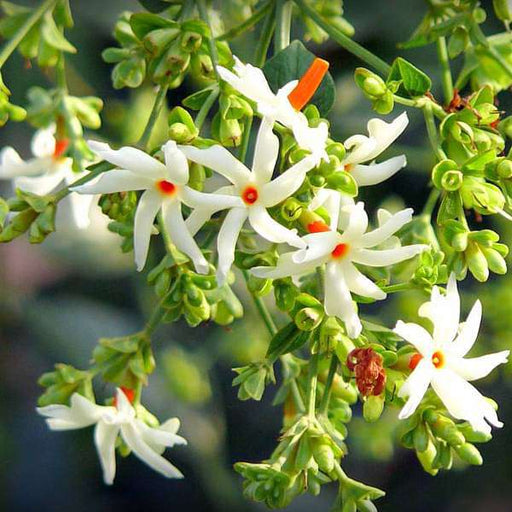
View full detailsCombo Constituents Includes the Parijat Tree (Night-Flowering Jasmine), a culturally significant plant with fragrant flowers. Description The Pari...
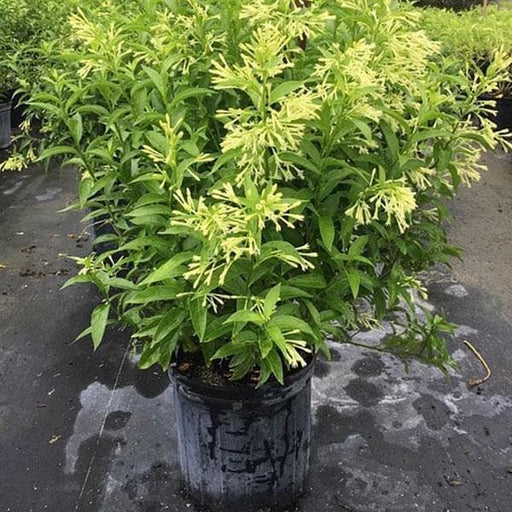
View full detailsDescription Raat Ki Rani (*Cestrum nocturnum*), also known as Night Blooming Jasmine, is a fragrant shrub native to the Caribbean and Central Ameri...
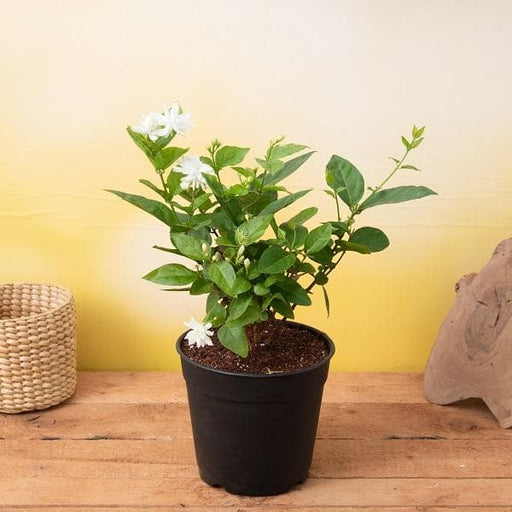
View full detailsJasminum sambac, Mogra, Arabian Jasmine - Plant Jasminum sambac, commonly known as Mogra or Arabian Jasmine, is a fragrant flowering plant...
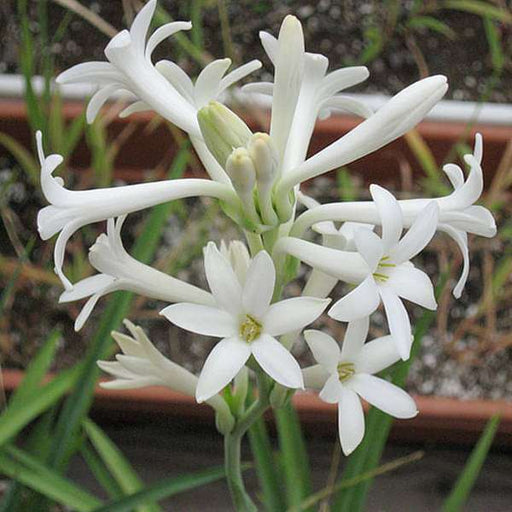
View full detailsRajnigandha, Tuberose - Plant The Rajnigandha, scientifically known as Polianthes tuberosa, is a captivating perennial plant renowned for ...
View full detailsCitronella, Odomas - Plant The Citronella plant, scientifically known as Cymbopogon nardus, is a tropical grass renowned for its aromatic ...
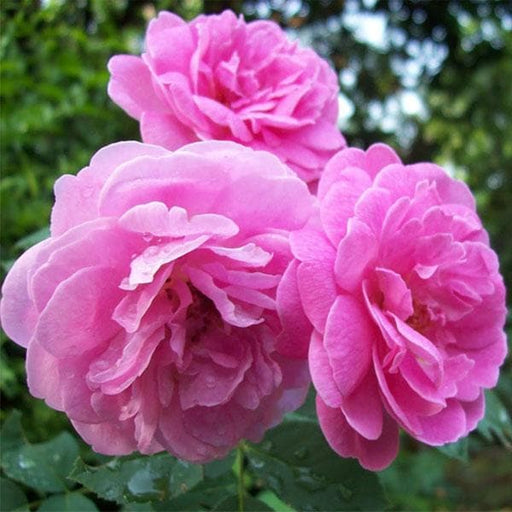
View full detailsDamascus Rose, Scented Rose (Any Color) - Plant The Damascus Rose, also known as Rosa damascena, is a timeless symbol of beauty and romanc...
View full detailsMiniature Rose, Button Rose (Any Color) - Plant The Miniature Rose, also known as the Button Rose, is a charming and compact flowering plant that ...
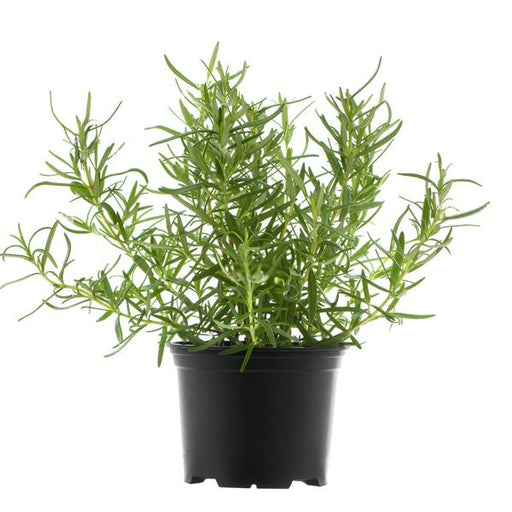
View full detailsRosemary - Plant Rosemary (Rosmarinus officinalis) is a fragrant evergreen herb native to the Mediterranean region. Known for its needle-like leav...
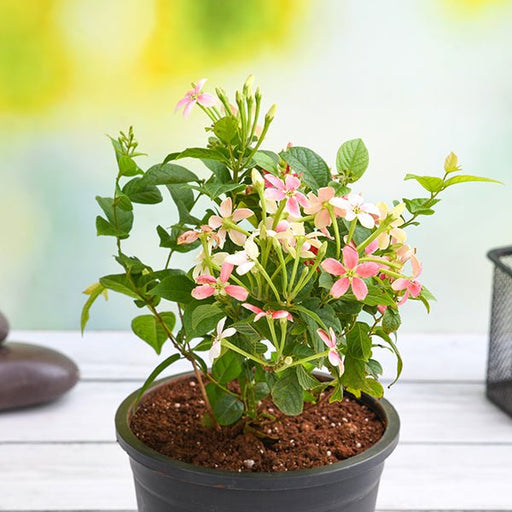
View full detailsMadhumalti Dwarf, Rangoon Creeper - Plant The Madhumalti Dwarf, also known as the Rangoon Creeper (Quisqualis indica), is a stunning perennial vin...
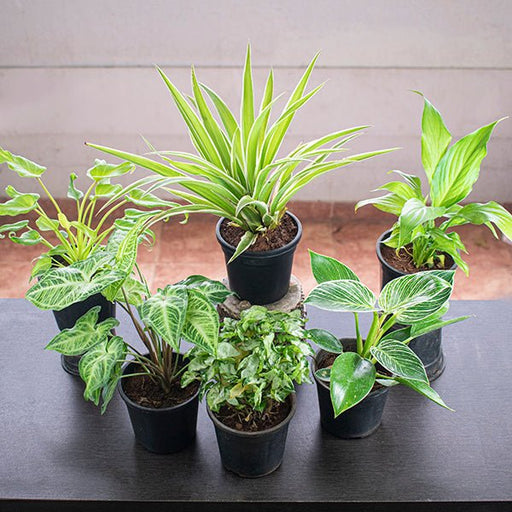
View full detailsBest 6 Plants for Perfect Indoor Garden Transform your living space into a lush oasis with our curated collection of the Best 6 Plants for a...
View full detailsBest 6 Plants for Perfect Indoor Garden Transform your living space into a lush oasis with our curated collection of the Best 6 Plants for a...
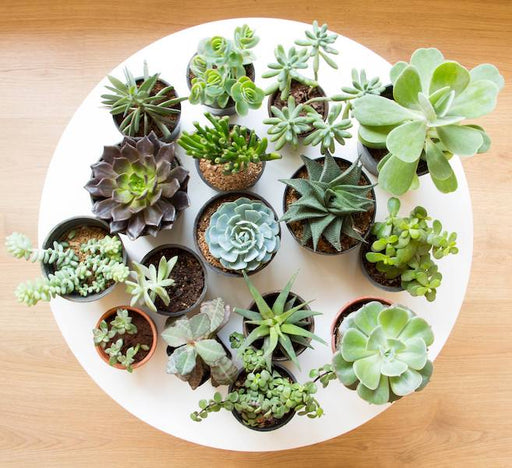
View full detailsMini Succulent Garden Pack Transform your space with our Mini Succulent Garden Pack, featuring a delightful collection of 4 any variety beautiful s...
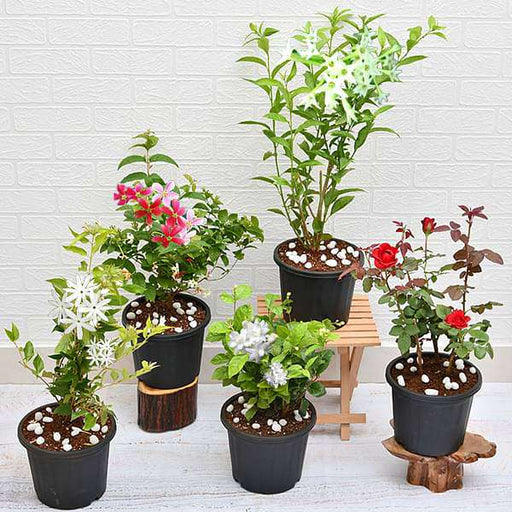
View full details5 Best Fragrant Plants Transform your garden or indoor space into a fragrant paradise with our curated selection of the 5 Best Fragrant Plants. Th...
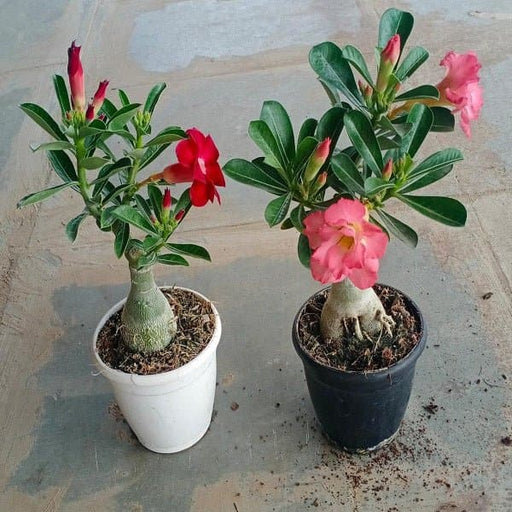
View full detailsSet of 2 Bonsai Looking Grafted Adeniums Transform your indoor or outdoor space with our exquisite Set of 2 Bonsai Looking Grafted Adenium...
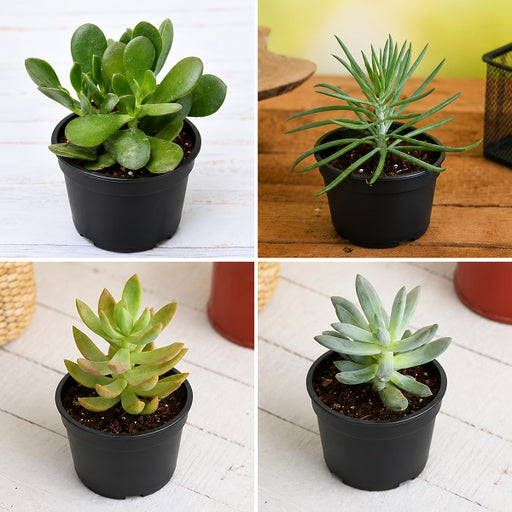
View full detailsTop 4 Die Hard Succulents Pack Note: Plants included in this pack will be delivered in a 3-inch nursery pot (any color). Transform your indoor or ...
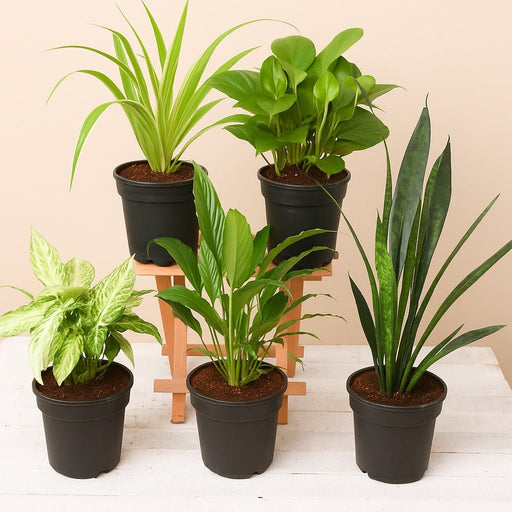
View full details5 Best Indoor Plants Pack Transform your living space into a lush oasis with our '5 Best Indoor Plants Pack.' This carefully curated collection fe...
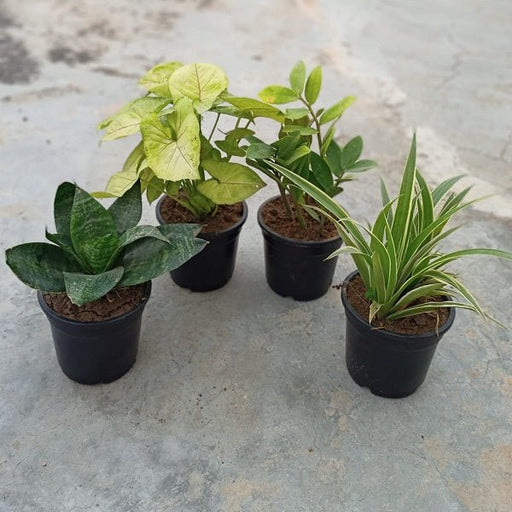
View full detailsSet of 4 Evergreen Air Purifier Plant Pack Transform your indoor space into a lush, green oasis with our Set of 4 Evergreen Air Purifier Pla...
View full detailsTop 5 Pollution Killer Plants Pack Transform your living space into a breath of fresh air with our 'Top 5 Pollution Killer Plants Pack'. This care...
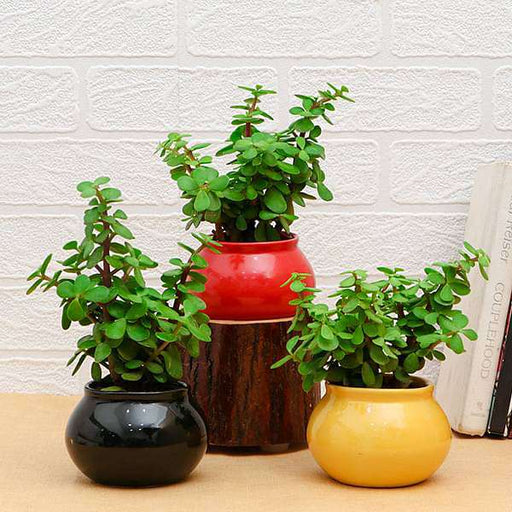
View full detailsPack of 3 Good Luck Jade Plants in Ceramic Pots Bring a touch of nature into your home with our Pack of 3 Good Luck Jade Plants, featuring...
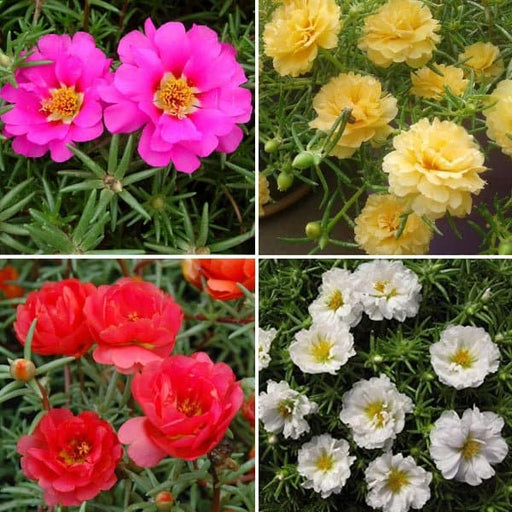
View full detailsPortulaca Garden Pack (4 Plants + 4 Black Pots) Note- You will get any color (Assorted) potted Porulaca plant with this pack. Transform your garde...
View full details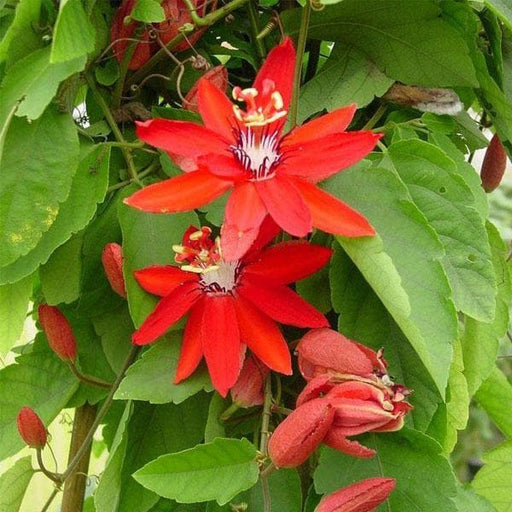





Leave a comment