
Expert Support
Available 24/7 via chat
Available 24/7 via chat
Carnations, scientifically known as Dianthus caryophyllus and fondly called Divine flowers in India, are among the most rewarding flowering plants to grow in Indian gardens and homes. With their elegant blooms, subtle clove-like fragrance, and remarkable hardiness, carnations have earned a place in traditional Indian gardening for centuries. Whether you're gardening on a Mumbai balcony, a Delhi rooftop, or a Bangalore terrace, these perennial wonders adapt beautifully to container growing and reward consistent care with year-round flowers. If you've hesitated to grow carnations because you thought they were difficult, think again—this guide proves just how straightforward they are to nurture.
Carnations are perennial flowering plants that belong to the Dianthus family. In India, they're treasured for their ability to bloom steadily through spring and summer, and with proper care, even extend flowering into milder months. The typical plant sold by nurseries reaches about 23 cm (9 inches) in initial height but can grow up to 60 cm with maturity. Each flower comes in a stunning range of colors—from deep reds and pinks to whites, peaches, and bi-colors—making them perfect for mixed borders, balcony displays, or as cut flowers for your dining table. Their ability to thrive in pots makes carnations ideal for apartment gardeners and small-space enthusiasts across India's diverse climate zones.
| Light | Natural indirect bright light |
| Water | When topsoil (1–2 inches) feels dry |
| Soil | Well-drained, fertile, organic-rich |
| Temperature | 10–20°C (provide shade in summer heat) |
Carnations love bright, indirect light and are among the few flowering plants that don't demand full sun in India. This is a major advantage in our climate, where intense midday sun can scorch flowers and stress plants during peak summer. Place your carnations in a location that receives 3–4 hours of bright, filtered light daily—an east or north-facing balcony is ideal. During Indian summers (April–June), provide 30–50% shade cloth if temperatures consistently exceed 30°C. In winter months (November–February), expose plants to as much bright light as possible; they'll repay you with abundant, fuller blooms. Avoid deep shade, as this encourages weak growth and fewer flowers.
Carnations prefer consistently moist (not waterlogged) soil. The best way to check watering needs is simple: poke your finger or a small stick into the soil to a depth of 1–2 inches. If the soil feels dry to the touch, it's time to water. Water thoroughly, ensuring moisture reaches the root zone, then allow the pot to drain completely. This deep but infrequent watering approach prevents root rot and encourages strong root development. In India's hot months, you may need to water every 1–2 days, while in winter, watering once every 3–4 days is typically sufficient.
One critical note for Indian gardeners: if you have hard water (common in Delhi, Bangalore, and parts of Gujarat), let it sit overnight in a container before watering to allow chlorine to evaporate. Hard water minerals can accumulate in soil over time, so consider flushing the pot with distilled water once monthly.
Carnations thrive in well-draining, fertile soil rich in organic matter. A blend of garden soil, compost, and coarse sand (3:2:1 ratio) works beautifully. Good drainage is non-negotiable—waterlogged soil quickly causes root rot, the most common killer of carnations in humid Indian climates, especially during monsoon. If you're growing in pots, ensure pots have adequate drainage holes. Feed with any organic fertilizer—well-composted manure, kitchen compost, or neem cake—every 3–4 weeks during the active growing season (spring and summer). Reduce feeding in monsoon and winter. Fresh compost or mulch (2 cm layer) around the base also improves soil quality and retains moisture without waterlogging.
Carnations prefer cool conditions (10–20°C), which means they naturally thrive during Indian autumn, winter, and early spring. This is when they produce their most abundant, longest-lasting flowers. High heat (above 30°C) stresses carnations and can cause buds to drop. During peak summer, employ shade strategies and ensure excellent air circulation around plants—a gentle breeze prevents fungal issues common in stagnant, humid air.
India's monsoon brings moisture that carnations love, but poor drainage combined with high humidity invites powdery mildew and leaf spots. To combat this, space plants to allow airflow, avoid wetting foliage when watering, and remove any diseased leaves promptly. In cooler regions (Himachal Pradesh, higher elevations), carnations can be grown more freely; in hot coastal areas (Kerala, parts of Tamil Nadu), focus on the cooler seasons and provide substantial shade during summer.
Carnations are remarkably easy to propagate from cuttings. In late winter or early spring, select healthy stems free from flowers or buds. Cut 4–5 inch segments just below a leaf node using clean, sharp scissors. Remove lower leaves, leaving 2–3 sets of leaves at the top. Dip the cutting's base in rooting powder (optional but helpful) and insert into moist, well-draining potting soil. Place in bright, indirect light and maintain consistent moisture for 2–3 weeks until roots develop. Once new growth appears, treat the rooted cutting as a mature plant. Many Indian gardeners also find that carnations self-seed readily in garden soil, especially after flowering; seedlings can be transplanted in early monsoon.
Ready to grow your own? Shop Carnation at Nurserylive →
Carnation (Any Color) - Plant Carnations, scientifically known as Dianthus caryophyllus, are beloved for their ruffled petals and delightf...
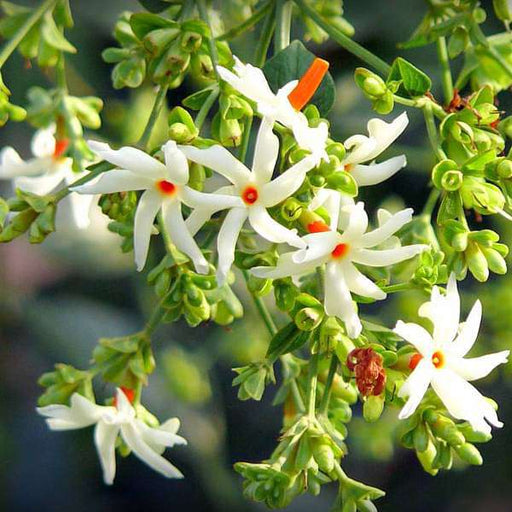
View full detailsCombo Constituents Includes the Parijat Tree (Night-Flowering Jasmine), a culturally significant plant with fragrant flowers. Description The Pari...
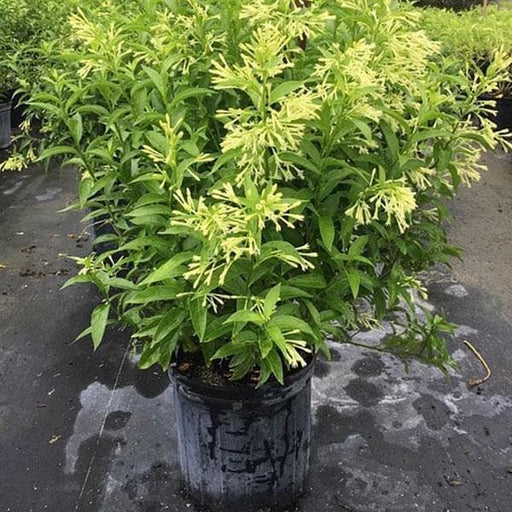
View full detailsDescription Raat Ki Rani (*Cestrum nocturnum*), also known as Night Blooming Jasmine, is a fragrant shrub native to the Caribbean and Central Ameri...
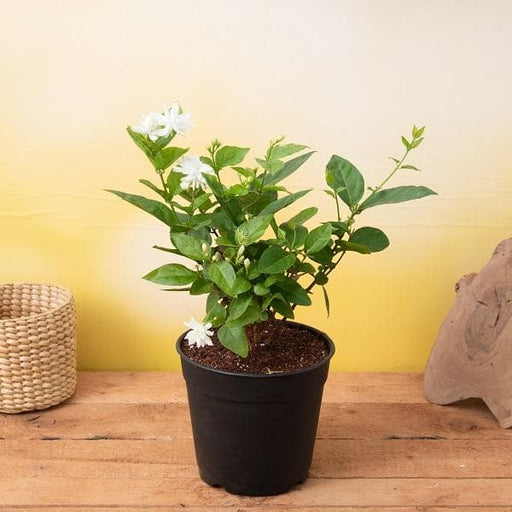
View full detailsJasminum sambac, Mogra, Arabian Jasmine - Plant Jasminum sambac, commonly known as Mogra or Arabian Jasmine, is a fragrant flowering plant...
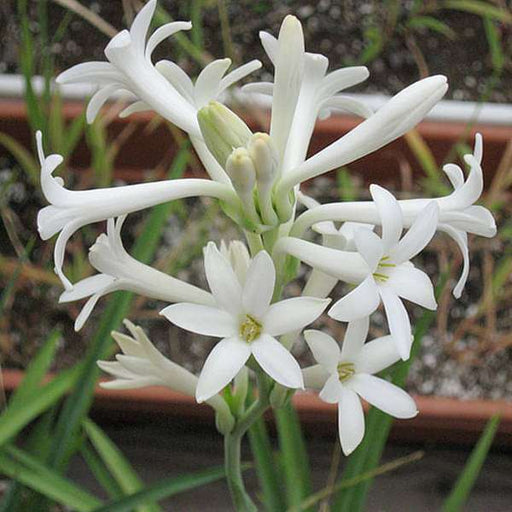
View full detailsRajnigandha, Tuberose - Plant The Rajnigandha, scientifically known as Polianthes tuberosa, is a captivating perennial plant renowned for ...
View full detailsCitronella, Odomas - Plant The Citronella plant, scientifically known as Cymbopogon nardus, is a tropical grass renowned for its aromatic ...
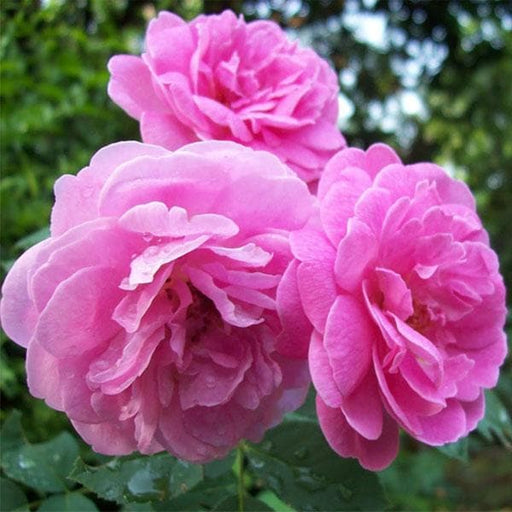
View full detailsDamascus Rose, Scented Rose (Any Color) - Plant The Damascus Rose, also known as Rosa damascena, is a timeless symbol of beauty and romanc...
View full detailsMiniature Rose, Button Rose (Any Color) - Plant The Miniature Rose, also known as the Button Rose, is a charming and compact flowering plant that ...
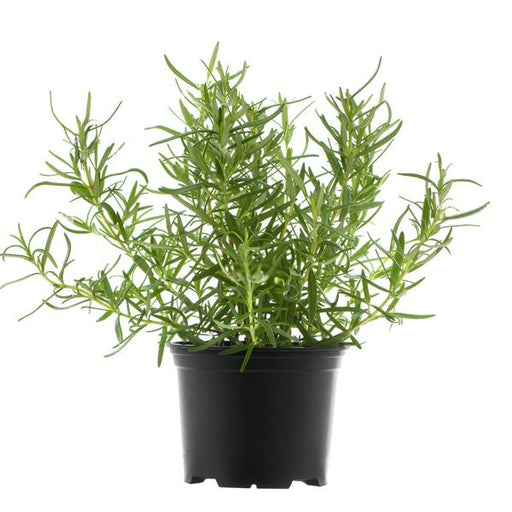
View full detailsRosemary - Plant Rosemary (Rosmarinus officinalis) is a fragrant evergreen herb native to the Mediterranean region. Known for its needle-like leav...
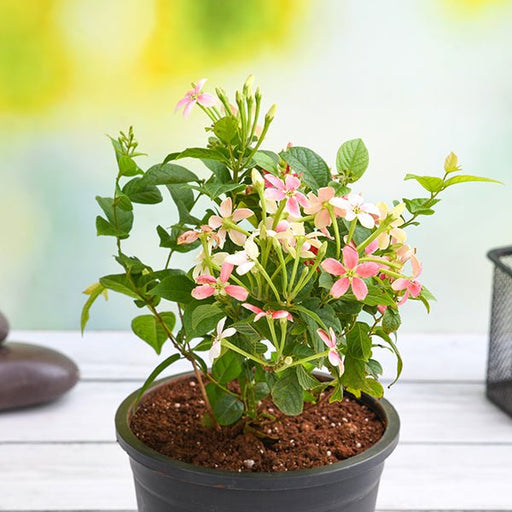
View full detailsMadhumalti Dwarf, Rangoon Creeper - Plant The Madhumalti Dwarf, also known as the Rangoon Creeper (Quisqualis indica), is a stunning perennial vin...
View full detailsBest 6 Plants for Perfect Indoor Garden Transform your living space into a lush oasis with our curated collection of the Best 6 Plants for a...
View full detailsBest 6 Plants for Perfect Indoor Garden Transform your living space into a lush oasis with our curated collection of the Best 6 Plants for a...
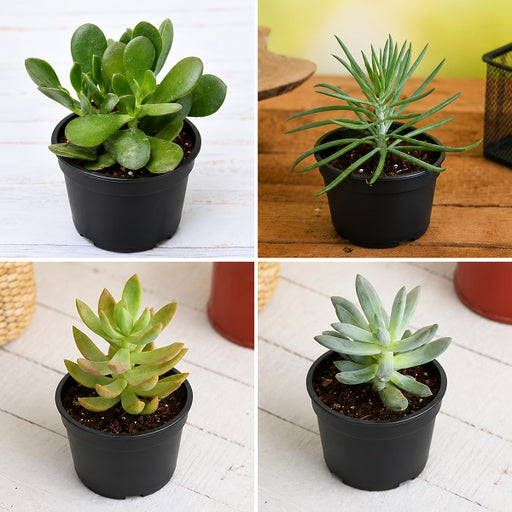
View full detailsMini Succulent Garden Pack Transform your space with our Mini Succulent Garden Pack, featuring a delightful collection of 4 any variety beautiful s...
View full details5 Best Fragrant Plants Transform your garden or indoor space into a fragrant paradise with our curated selection of the 5 Best Fragrant Plants. Th...
View full detailsSet of 2 Bonsai Looking Grafted Adeniums Transform your indoor or outdoor space with our exquisite Set of 2 Bonsai Looking Grafted Adenium...
View full detailsTop 4 Die Hard Succulents Pack Note: Plants included in this pack will be delivered in a 3-inch nursery pot (any color). Transform your indoor or ...
View full details5 Best Indoor Plants Pack Transform your living space into a lush oasis with our '5 Best Indoor Plants Pack.' This carefully curated collection fe...
View full detailsSet of 4 Evergreen Air Purifier Plant Pack Transform your indoor space into a lush, green oasis with our Set of 4 Evergreen Air Purifier Pla...
View full detailsTop 5 Pollution Killer Plants Pack Transform your living space into a breath of fresh air with our 'Top 5 Pollution Killer Plants Pack'. This care...
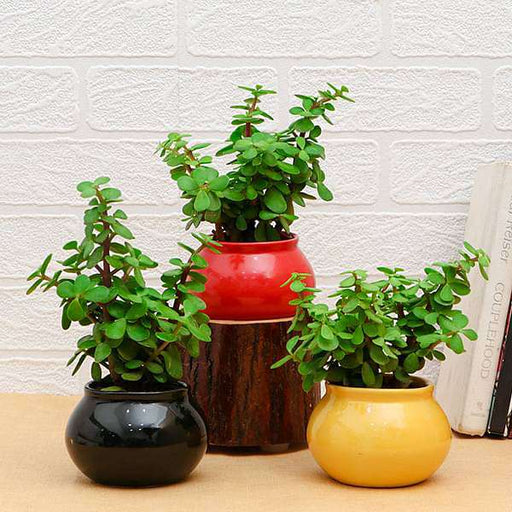
View full detailsPack of 3 Good Luck Jade Plants in Ceramic Pots Bring a touch of nature into your home with our Pack of 3 Good Luck Jade Plants, featuring...
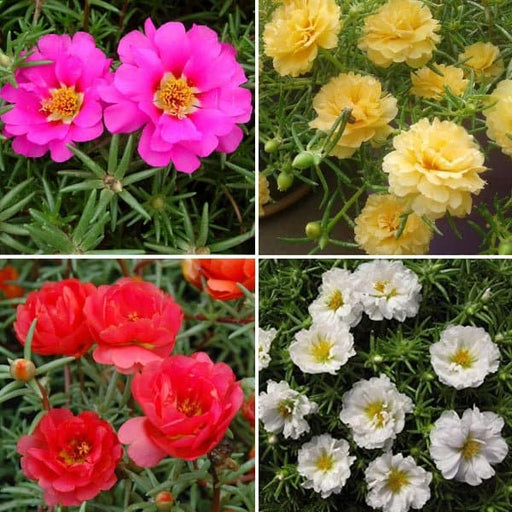
View full detailsPortulaca Garden Pack (4 Plants + 4 Black Pots) Note- You will get any color (Assorted) potted Porulaca plant with this pack. Transform your garde...
View full details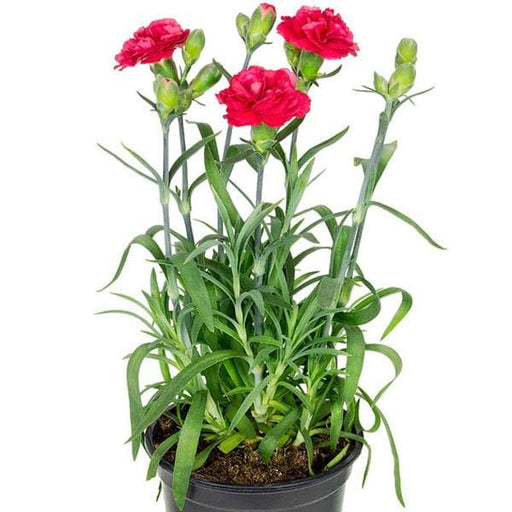











Leave a comment