
Expert Support
Available 24/7 via chat
Available 24/7 via chat
Growing your own apple tree (known locally as Seb) is no longer a fantasy reserved for Himalayan foothills. Thanks to grafted dwarf varieties, Indian gardeners in plains, plateaus, and hills can now cultivate these beloved fruit trees right at home. Whether you're in a bustling city apartment with a balcony or a sprawling country estate, a well-chosen grafted apple tree can deliver years of fragrant spring blossoms and homegrown fruit. This guide walks you through everything you need to know to grow apples successfully in India's diverse climate.
Apple trees are among the most rewarding fruit trees to cultivate, and grafted specimens (the type we recommend) skip years of waiting—they begin flowering and fruiting within 1–2 years of planting. Grafting fuses a productive fruiting variety onto a hardy rootstock, giving you the best of both worlds: proven productivity and adapted vigor. The typical grafted dwarf apple grows to 6 meters maximum, though container-grown dwarfs stay much smaller, making them ideal for balconies and small gardens. The tree produces elegant white flowers with a pale pink tinge in spring, and the foliage remains green year-round in India's milder zones.
| Parameter | Requirement |
|---|---|
| Light | Full sunlight (minimum 6–8 hours daily) |
| Watering | Moderate; reduce in monsoon |
| Soil | Sandy loam, well-drained |
| Temperature | 15–25°C optimal; chill hours required |
| Humidity | Moderate; improve drainage in high humidity |
| Fertilizer | Organic (farmyard manure, compost) |
Apple trees are sun-worshippers. They need full, unobstructed sunlight for at least 6–8 hours each day to flower prolifically and develop sweet fruit. Morning sunlight is especially valuable because it dries overnight dew, reducing fungal diseases—a critical benefit during India's humid monsoon season.
Position your tree where it receives direct sun from dawn until early afternoon. If you're growing in a container on a balcony, rotate it every 10–14 days to ensure even light exposure on all sides. Insufficient light leads to sparse flowering, fewer fruits, and weak branch growth.
Apple trees prefer moderate, consistent watering rather than waterlogged soil. Water deeply but infrequently—typically once every 5–7 days during the growing season, depending on rainfall and temperature.
Apple trees thrive in sandy loam soil that drains quickly. Poorly draining soil—clay-heavy, compacted, or waterlogged—is the primary killer of apple trees in India. If your garden soil is heavy clay, amend it generously with river sand, coarse perlite, and well-rotted organic matter.
Soil preparation (at planting): Dig a hole 60 cm wide and 60 cm deep. Mix the excavated soil with 4–5 kg of aged farmyard manure, 1 kg of coir pith (for aeration), and 500 grams of bone meal. Fill the hole and water thoroughly before planting.
Ongoing feeding: Apply organic fertilizers only—chemical high-nitrogen formulations encourage excessive vegetative growth at the expense of flowering and fruiting. Every spring (February–March), apply 3–4 kg of well-composted farmyard manure around the base, keeping it 15 cm away from the trunk. In autumn (September–October), add 1–2 kg of leaf compost or vermicompost to build soil organic matter for winter.
The optimal temperature range for apple growth is 15–25°C, and this is where the Indian apple paradox emerges: most of India gets hot, and many regions don't get the "chill hours" apples need to produce fruit. Apple trees require 400–800 hours below 10°C during winter to set flowers properly. This means:
Humidity is moderately high during the monsoon and in coastal regions. This environment encourages powdery mildew and other fungal infections. Combat this by ensuring excellent air circulation (prune interior branches), maintaining dry foliage (water at soil level only, not overhead), and spacing trees or pots away from walls.
Grafted apple trees are not propagated by the home gardener. Your grafted specimen is a finished product—the union of a fruiting scion (top) and rootstock (roots) has already been expertly created in the nursery. If you want a second apple tree, purchase another grafted specimen.
What you can do is help your tree reproduce by encouraging pollination. Many apple varieties are partially self-fertile, but cross-pollination (via bees or other insects) improves fruit set significantly. Plant flowers nearby (marigolds, zinnias) to attract pollinators, and avoid spraying insecticides during flowering (March–April).
Ready to grow your own? Shop Apple Tree at Nurserylive →
Apple Tree (Grafted) - Plant The Grafted Apple Tree is a remarkable addition to any garden, offering not only beautiful blossoms in spring...
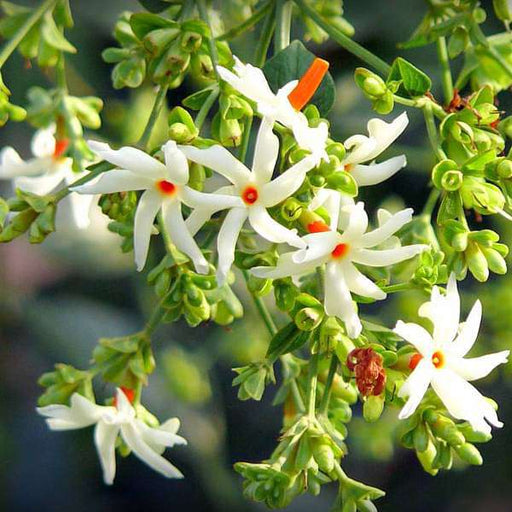
View full detailsCombo Constituents Includes the Parijat Tree (Night-Flowering Jasmine), a culturally significant plant with fragrant flowers. Description The Pari...
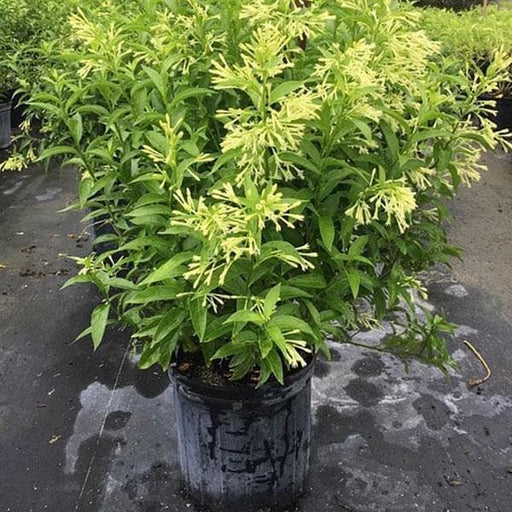
View full detailsDescription Raat Ki Rani (*Cestrum nocturnum*), also known as Night Blooming Jasmine, is a fragrant shrub native to the Caribbean and Central Ameri...
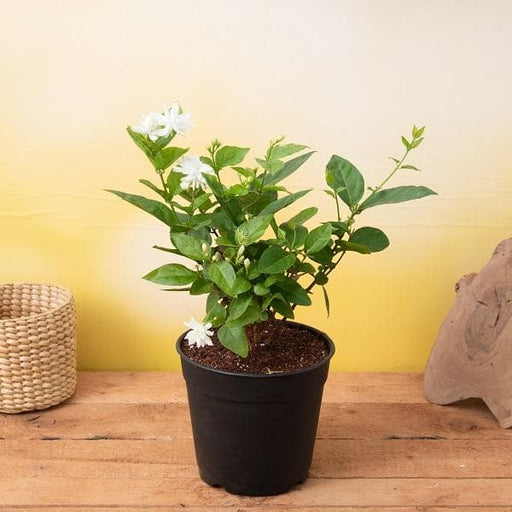
View full detailsJasminum sambac, Mogra, Arabian Jasmine - Plant Jasminum sambac, commonly known as Mogra or Arabian Jasmine, is a fragrant flowering plant...
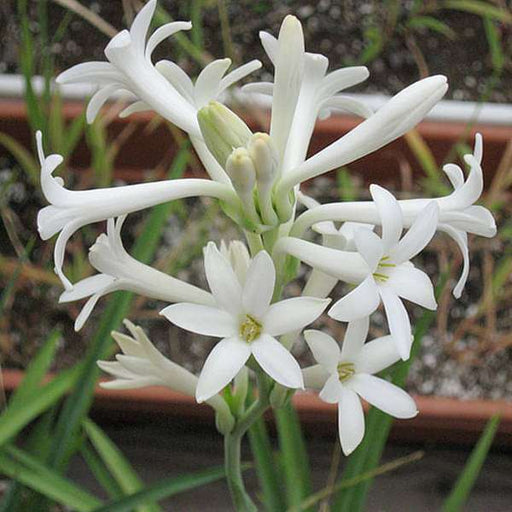
View full detailsRajnigandha, Tuberose - Plant The Rajnigandha, scientifically known as Polianthes tuberosa, is a captivating perennial plant renowned for ...
View full detailsCitronella, Odomas - Plant The Citronella plant, scientifically known as Cymbopogon nardus, is a tropical grass renowned for its aromatic ...
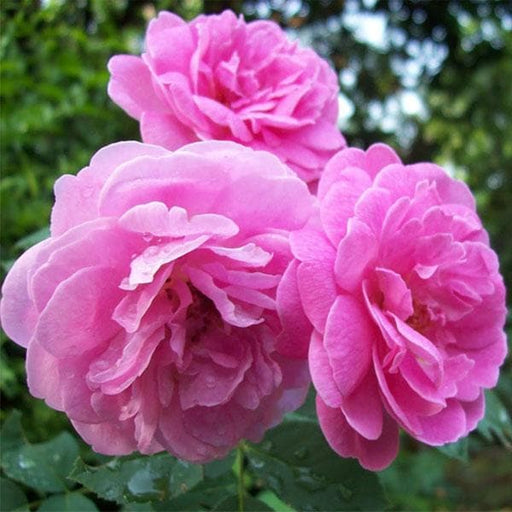
View full detailsDamascus Rose, Scented Rose (Any Color) - Plant The Damascus Rose, also known as Rosa damascena, is a timeless symbol of beauty and romanc...
View full detailsMiniature Rose, Button Rose (Any Color) - Plant The Miniature Rose, also known as the Button Rose, is a charming and compact flowering plant that ...
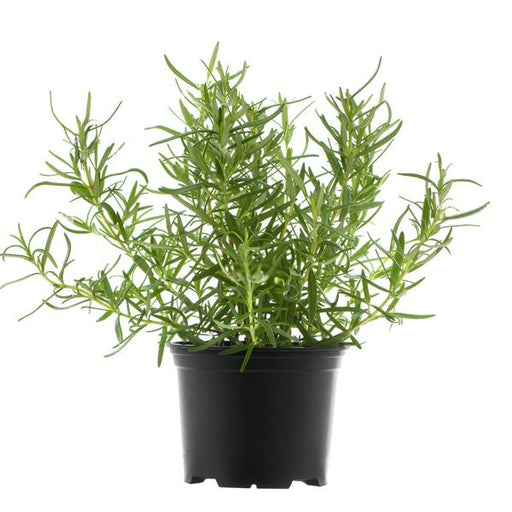
View full detailsRosemary - Plant Rosemary (Rosmarinus officinalis) is a fragrant evergreen herb native to the Mediterranean region. Known for its needle-like leav...
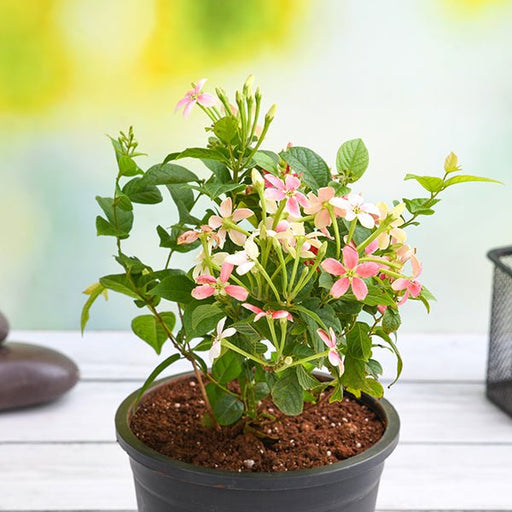
View full detailsMadhumalti Dwarf, Rangoon Creeper - Plant The Madhumalti Dwarf, also known as the Rangoon Creeper (Quisqualis indica), is a stunning perennial vin...
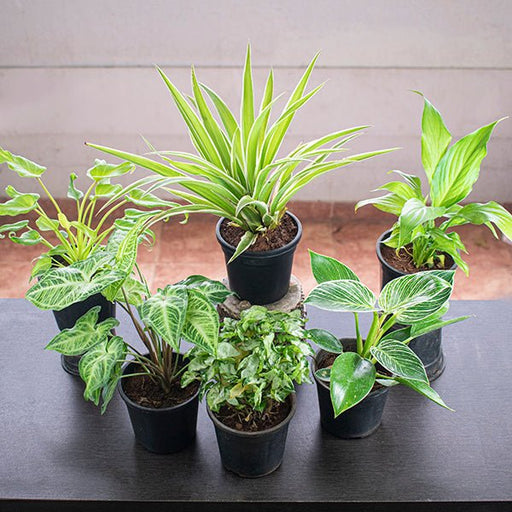
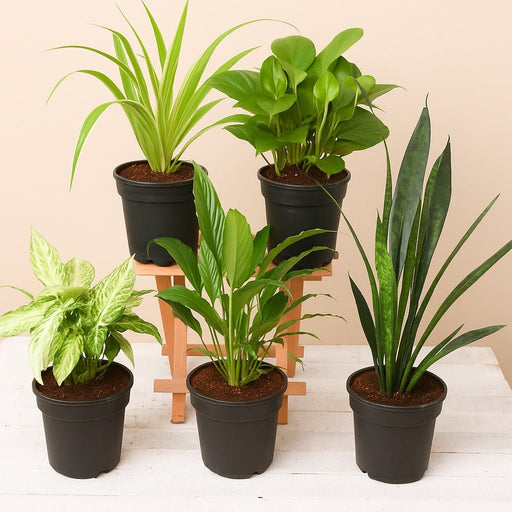
View full detailsBest 6 Plants for Perfect Indoor Garden Transform your living space into a lush oasis with our curated collection of the Best 6 Plants for a...
View full detailsBest 6 Plants for Perfect Indoor Garden Transform your living space into a lush oasis with our curated collection of the Best 6 Plants for a...
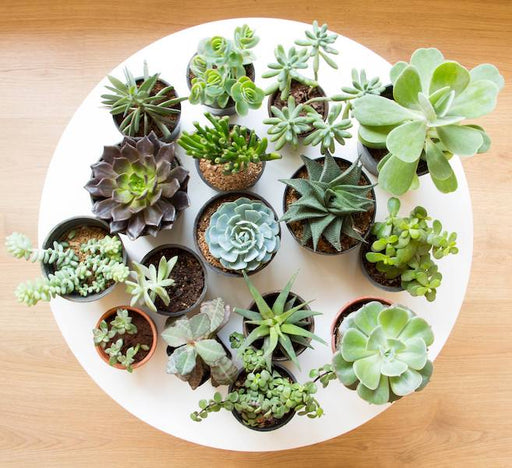
View full detailsMini Succulent Garden Pack Transform your space with our Mini Succulent Garden Pack, featuring a delightful collection of 4 any variety beautiful s...
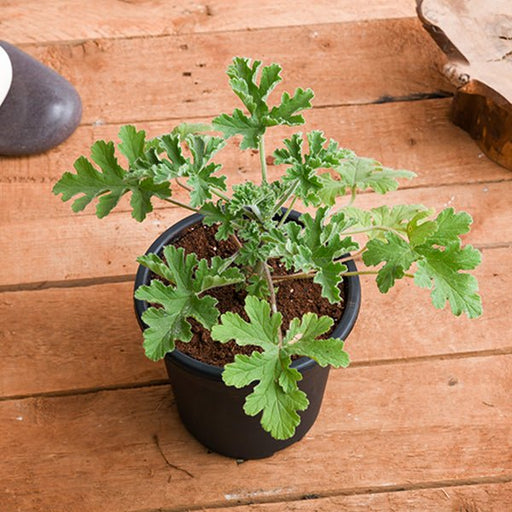
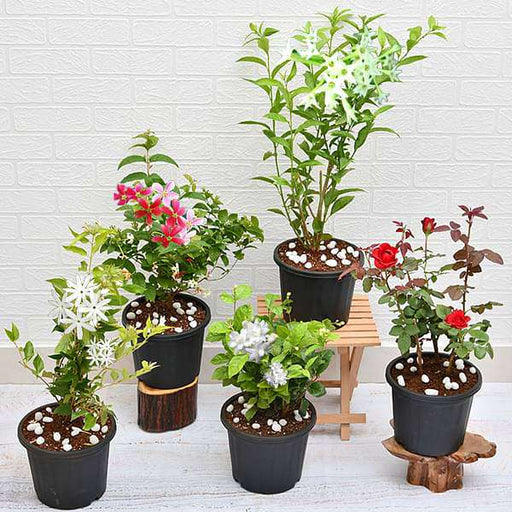
View full details5 Best Fragrant Plants Transform your garden or indoor space into a fragrant paradise with our curated selection of the 5 Best Fragrant Plants. Th...
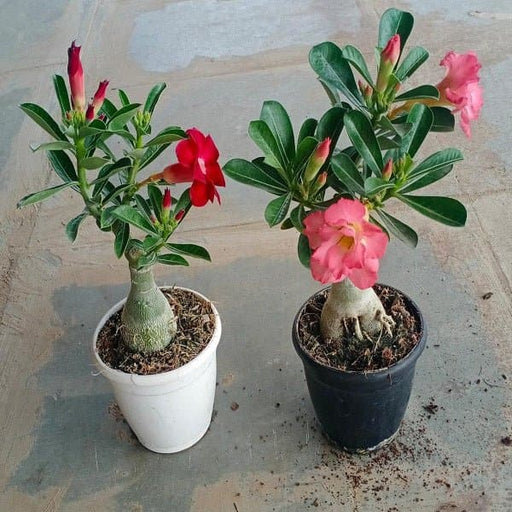
View full detailsSet of 2 Bonsai Looking Grafted Adeniums Transform your indoor or outdoor space with our exquisite Set of 2 Bonsai Looking Grafted Adenium...
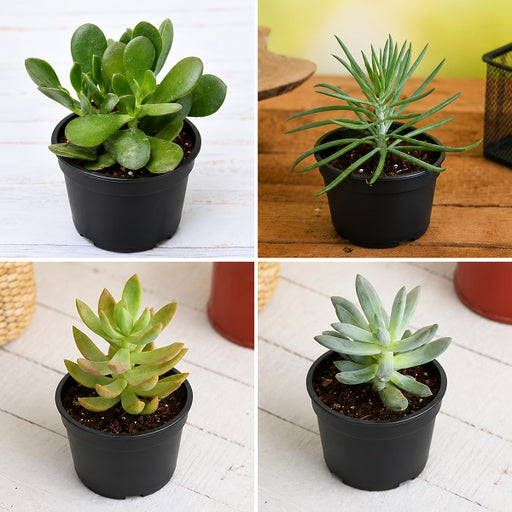
View full detailsTop 4 Die Hard Succulents Pack Note: Plants included in this pack will be delivered in a 3-inch nursery pot (any color). Transform your indoor or ...
View full details5 Best Indoor Plants Pack Transform your living space into a lush oasis with our '5 Best Indoor Plants Pack.' This carefully curated collection fe...
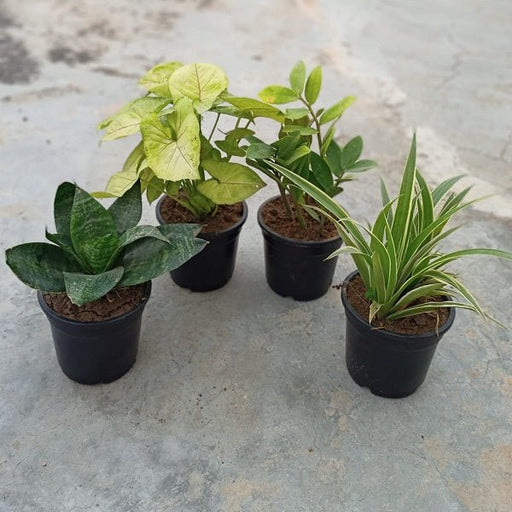
View full detailsSet of 4 Evergreen Air Purifier Plant Pack Transform your indoor space into a lush, green oasis with our Set of 4 Evergreen Air Purifier Pla...
View full detailsTop 5 Pollution Killer Plants Pack Transform your living space into a breath of fresh air with our 'Top 5 Pollution Killer Plants Pack'. This care...
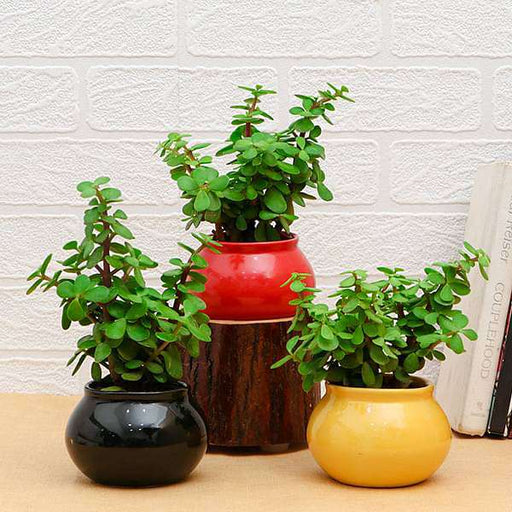
View full detailsPack of 3 Good Luck Jade Plants in Ceramic Pots Bring a touch of nature into your home with our Pack of 3 Good Luck Jade Plants, featuring...
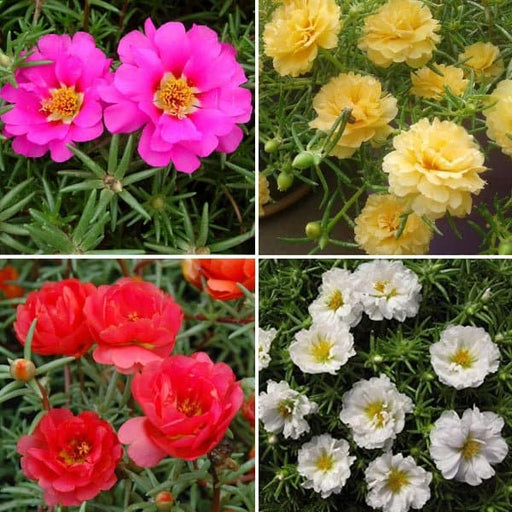
View full detailsPortulaca Garden Pack (4 Plants + 4 Black Pots) Note- You will get any color (Assorted) potted Porulaca plant with this pack. Transform your garde...
View full details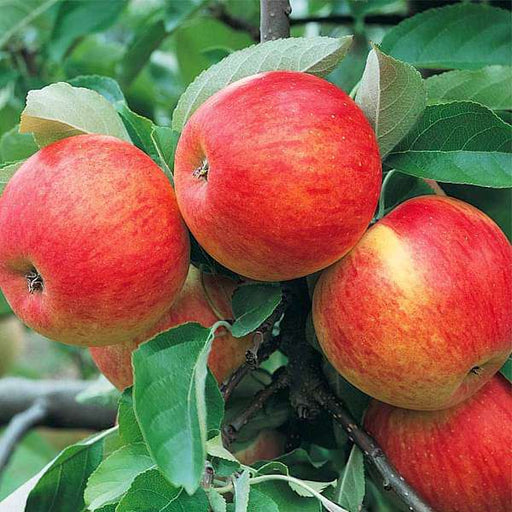






Leave a comment