
Expert Support
Available 24/7 via chat
Available 24/7 via chat
If you're looking for an ornamental plant that rewards you with edible fruit, the Ornamental Orange Fruit—also known as Calamansi, Calamondin Orange, or Citrus mitis—is your answer. Native to Southeast Asia but remarkably well-suited to Indian climates, this dwarf citrus shrub is one of the most beginner-friendly fruit-bearing plants you can grow. It combines the allure of bright orange fruits with glossy green foliage, delivering both aesthetic appeal and practical harvests. Whether you're gardening on a sprawling terrace or a compact balcony, this plant adapts beautifully to containers while maintaining its perennial charm year after year.
The Ornamental Orange Fruit is a compact citrus variety that grows as a dense shrub, reaching a maximum height of up to 3.65 meters over many years, though most gardeners keep it trimmed to manageable sizes for easier harvesting and maintenance. Supplied at around 18 inches (46 cm) tall with a spread of 7 inches (18 cm), this plant quickly establishes itself and begins flowering and fruiting within its first year in most Indian gardens. The variety blooms in April, producing fragrant white flowers that transform into small, bright orange fruits—typically the size of a golf ball—which persist on the plant for months, extending the ornamental appeal well beyond the harvest season. In Indian gardening contexts, you'll find it called Calamansi in many regions, and its small, tangy fruits are prized for cooking, beverages, and traditional medicines, making it both decorative and functional.
| Care Aspect | Requirement |
|---|---|
| Light | 4–6 hours of morning sunlight + bright indirect light |
| Watering | When top 1–2 inches of soil feel dry to touch |
| Soil | Well-drained, fertile, organic-rich; pH 5.5–7 |
| Temperature | 12.7–30°C (optimal range) |
Ornamental Orange Fruit thrives with at least 4–6 hours of preferably morning sunlight daily, supplemented by bright indirect light for the remainder of the day. In India's intense summer, morning exposure is ideal because it provides the warmth and light the plant needs while avoiding the harsh afternoon sun that can scorch leaves and stress young plants. If you're gardening in regions with extremely hot summers—such as Delhi, Rajasthan, or Gujarat—positioning your plant where it receives gentle morning rays and dappled afternoon shade will keep it healthy and productive. Conversely, inadequate light reduces flowering and fruiting; a plant receiving fewer than 4 hours of sunlight daily will produce fewer blooms and smaller harvests. If growing indoors or on a north-facing balcony, supplement with a bright-light location near a window, or consider a grow light during winter months when daylight hours are shortest.
Successful watering hinges on a simple but crucial practice: always check soil moisture before watering. Poke your finger or a small stick into the soil to a depth of 1–2 inches; if it feels dry to the touch, water thoroughly until it drains from the pot's base. If the soil still feels moist, wait another day or two. This approach prevents overwatering, the most common cause of root rot in Indian gardens where monsoon humidity can already keep soil saturated. During the monsoon season (June–September), reduce watering frequency significantly—often the plant receives sufficient moisture from rainfall, and additional watering can lead to waterlogging. In contrast, during hot, dry months (April–May, October–November), check soil more frequently, as container-grown plants dry faster. Always use water at room temperature; cold water shocks tropical plants. If your region has hard water (common in much of India), letting tap water sit overnight in an open container allows some mineral settling and lets chlorine evaporate, benefiting the plant over time.
The soil must be well-drained and fertile, rich in organic matter, with a pH range of 5.5 to 7. A blend of garden soil (40%), coco peat or peat moss (30%), coarse sand or perlite (20%), and compost or vermicompost (10%) creates an ideal growing medium that retains adequate moisture without waterlogging. This composition is particularly important in India, where heavy clay soils are common and can suffocate plant roots; the added sand and peat ensure porosity. During the main growing season—January through December—feed the plant with organic fertilizer every month. Well-rotted cow manure, neem cake, or liquid seaweed extract provide slow-release nutrients that support both foliage and fruit production without chemical buildup. Every three months, add a spoonful of bone meal or a diluted organic liquid fertilizer rich in phosphorus and potassium to encourage robust flowering and fruit set. Avoid high-nitrogen fertilizers, which promote leafy growth at the expense of fruit.
The Ornamental Orange Fruit flourishes between 12.7°C and 30°C, a range that suits most of India's climatic zones outside extreme high-altitude regions. The plant tolerates the warm, humid conditions of tropical and subtropical India well; it actually benefits from the monsoon humidity that many other plants struggle with. However, exposure to frost or temperatures below 10°C can damage leaves and halt growth, so gardeners in cooler hill stations should protect the plant during winter nights or bring potted specimens indoors. During India's extremely hot periods (May–June, when temperatures regularly exceed 35°C), provide afternoon shade cloth or position the plant where it receives dappled sunlight; this protects fruits and leaves from sun scald while maintaining adequate photosynthesis. High humidity during monsoon can encourage fungal issues; ensure good air circulation by pruning dense growth and avoiding dense nearby plantings. A light breeze, whether natural or from a ceiling fan in greenhouse setups, helps prevent fungal infections without drying the plant excessively.
Ornamental Orange Fruit can be propagated through seeds or semi-hardwood cuttings. For seeds: extract fresh seeds from ripe fruits, rinse them, and sow directly into a seedling mix of coconut coir and sand (1:1). Keep moisture consistent but not waterlogged, and expect germination within 2–3 weeks in warm Indian conditions. Seed-grown plants may take 2–3 years to flower. For cuttings: in late winter or early spring, select healthy green stems about 4–6 inches long, cut just below a node, dip the base in organic rooting hormone, and insert into a moist coco-peat mix. Cover loosely with a plastic bag or humidity dome and place in bright, indirect light. Roots typically develop within 3–4 weeks. Once rooted, gradually acclimate the cutting to normal conditions before potting into individual containers. Cutting-grown plants flower earlier than seed-grown ones, often within 1–2 years, making them the preferred method for gardeners eager to see results.
Despite its hardy nature, Ornamental Orange Fruit can face several challenges in Indian gardens. Scale insects and whiteflies are common; spray affected plants with a dilute neem oil solution (5% neem oil) every 10 days until pests disappear, or release ladybugs if managing organically. Root rot occurs when drainage is poor or watering is excessive, especially during monsoon; repot into fresh, well-draining soil and reduce watering frequency immediately. Nutrient deficiencies manifest as yellowing leaves; this often occurs in hard-water regions where soil pH rises above 7; maintain pH within the ideal 5.5–7 range by adding sulfur-based acidifiers if needed, and apply chelated micronutrients via foliar spray. Poor flowering usually results from insufficient light or overfertilizing with nitrogen; prune the plant lightly to increase light penetration and shift to phosphorus-rich feeding. Leaf drop in winter is normal in cooler regions; maintain warmth and ensure the plant isn't exposed to drafts or sudden temperature swings.
Ready to grow your own? Shop Ornamental Orange Fruit at Nurserylive →
Ornamental Orange Fruit (Green Leaves) - Plant The Ornamental Orange Fruit plant, known scientifically as Citrus reticulata, is a stunning...
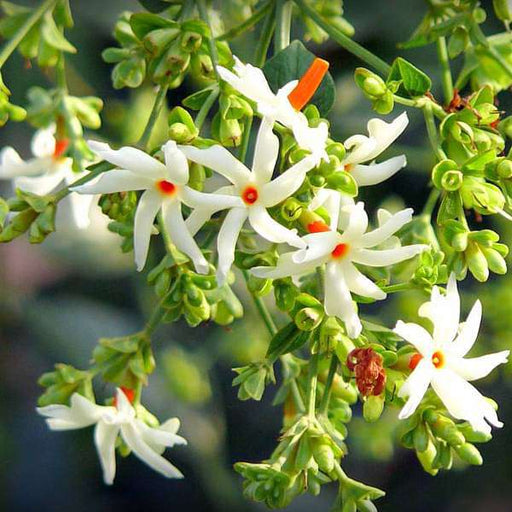
View full detailsCombo Constituents Includes the Parijat Tree (Night-Flowering Jasmine), a culturally significant plant with fragrant flowers. Description The Pari...
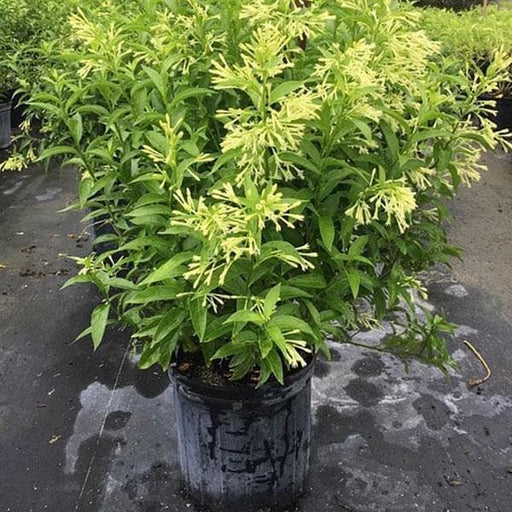
View full detailsDescription Raat Ki Rani (*Cestrum nocturnum*), also known as Night Blooming Jasmine, is a fragrant shrub native to the Caribbean and Central Ameri...
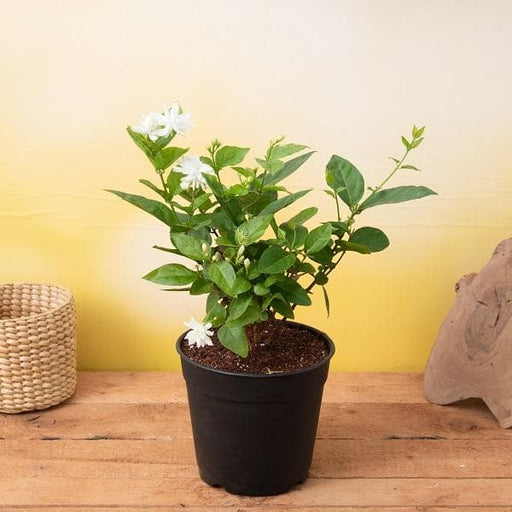
View full detailsJasminum sambac, Mogra, Arabian Jasmine - Plant Jasminum sambac, commonly known as Mogra or Arabian Jasmine, is a fragrant flowering plant...
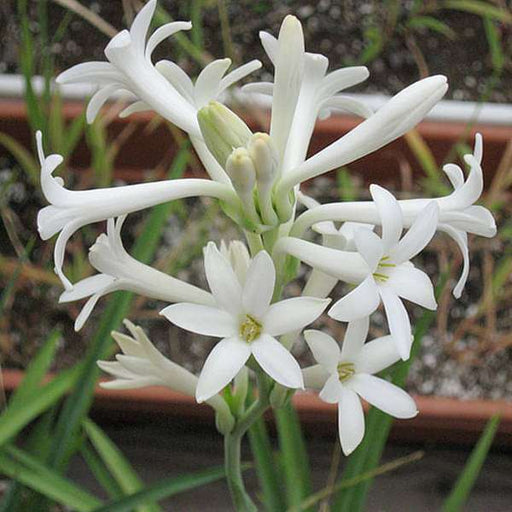
View full detailsRajnigandha, Tuberose - Plant The Rajnigandha, scientifically known as Polianthes tuberosa, is a captivating perennial plant renowned for ...
View full detailsCitronella, Odomas - Plant The Citronella plant, scientifically known as Cymbopogon nardus, is a tropical grass renowned for its aromatic ...
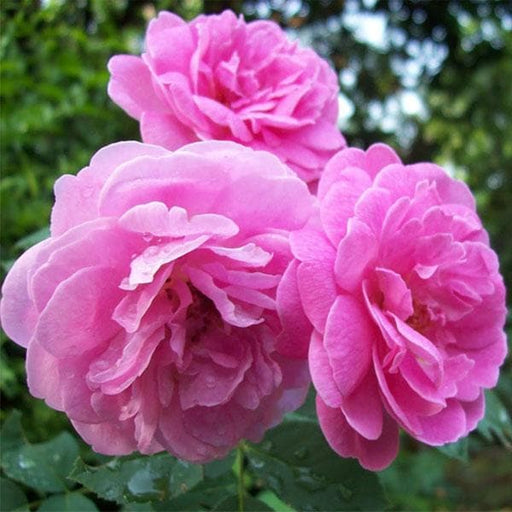
View full detailsDamascus Rose, Scented Rose (Any Color) - Plant The Damascus Rose, also known as Rosa damascena, is a timeless symbol of beauty and romanc...
View full detailsMiniature Rose, Button Rose (Any Color) - Plant The Miniature Rose, also known as the Button Rose, is a charming and compact flowering plant that ...
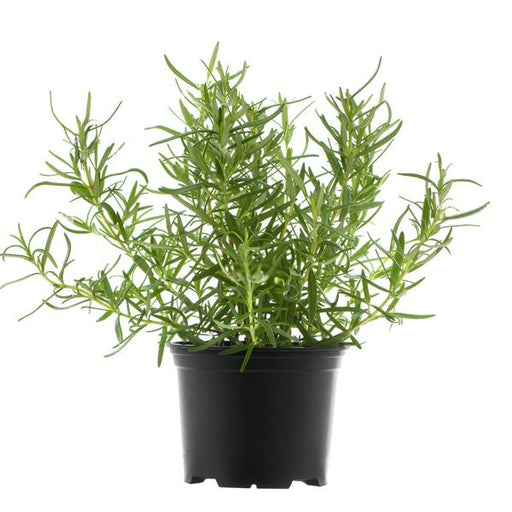
View full detailsRosemary - Plant Rosemary (Rosmarinus officinalis) is a fragrant evergreen herb native to the Mediterranean region. Known for its needle-like leav...
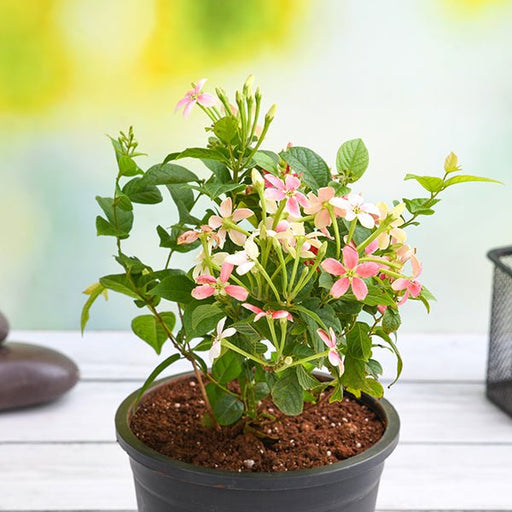
View full detailsMadhumalti Dwarf, Rangoon Creeper - Plant The Madhumalti Dwarf, also known as the Rangoon Creeper (Quisqualis indica), is a stunning perennial vin...
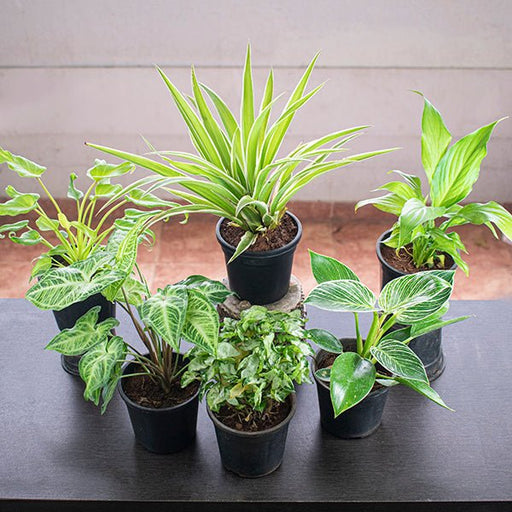
View full detailsBest 6 Plants for Perfect Indoor Garden Transform your living space into a lush oasis with our curated collection of the Best 6 Plants for a...
View full detailsBest 6 Plants for Perfect Indoor Garden Transform your living space into a lush oasis with our curated collection of the Best 6 Plants for a...
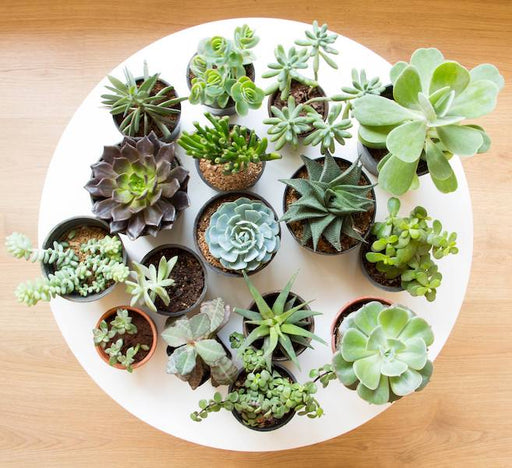
View full detailsMini Succulent Garden Pack Transform your space with our Mini Succulent Garden Pack, featuring a delightful collection of 4 any variety beautiful s...
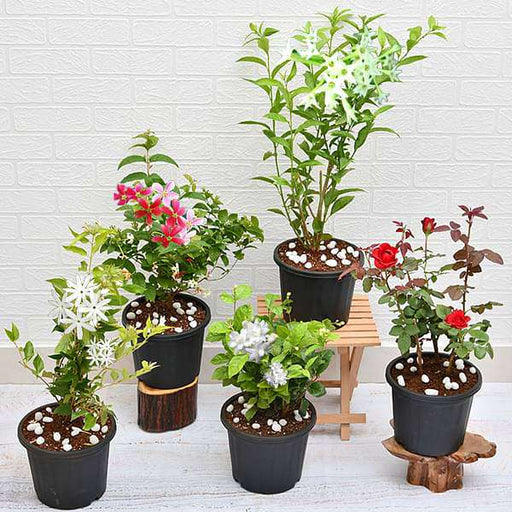
View full details5 Best Fragrant Plants Transform your garden or indoor space into a fragrant paradise with our curated selection of the 5 Best Fragrant Plants. Th...
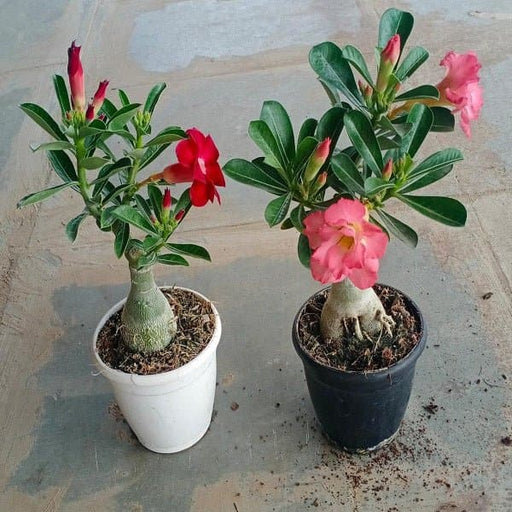
View full detailsSet of 2 Bonsai Looking Grafted Adeniums Transform your indoor or outdoor space with our exquisite Set of 2 Bonsai Looking Grafted Adenium...
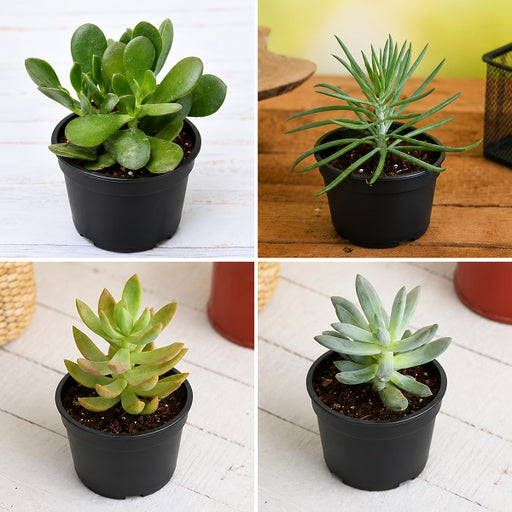
View full detailsTop 4 Die Hard Succulents Pack Note: Plants included in this pack will be delivered in a 3-inch nursery pot (any color). Transform your indoor or ...
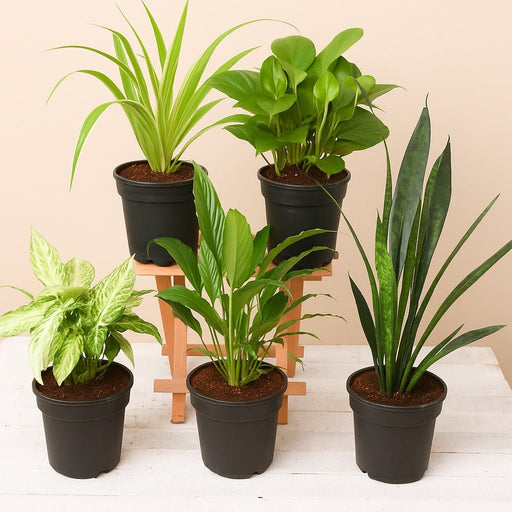
View full details5 Best Indoor Plants Pack Transform your living space into a lush oasis with our '5 Best Indoor Plants Pack.' This carefully curated collection fe...
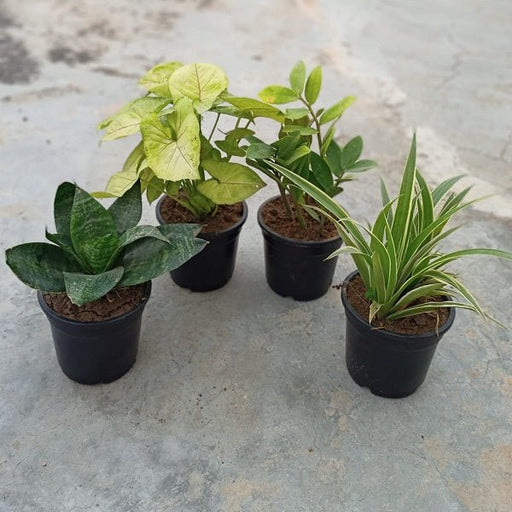
View full detailsSet of 4 Evergreen Air Purifier Plant Pack Transform your indoor space into a lush, green oasis with our Set of 4 Evergreen Air Purifier Pla...
View full detailsTop 5 Pollution Killer Plants Pack Transform your living space into a breath of fresh air with our 'Top 5 Pollution Killer Plants Pack'. This care...
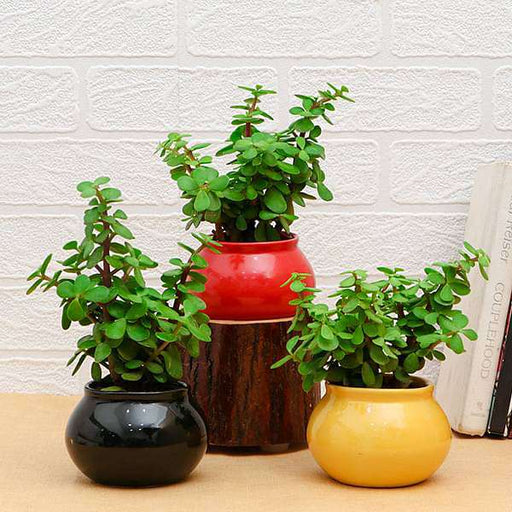
View full detailsPack of 3 Good Luck Jade Plants in Ceramic Pots Bring a touch of nature into your home with our Pack of 3 Good Luck Jade Plants, featuring...
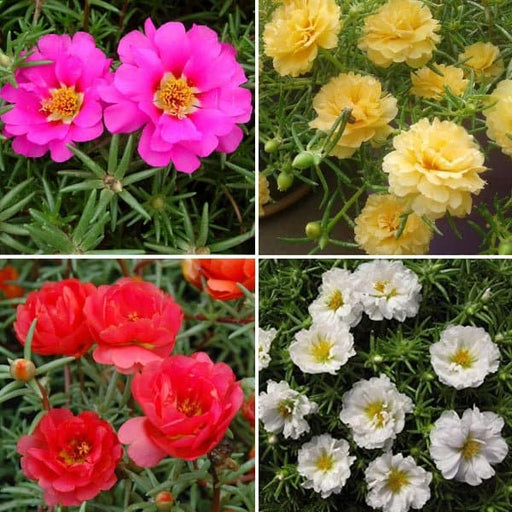
View full detailsPortulaca Garden Pack (4 Plants + 4 Black Pots) Note- You will get any color (Assorted) potted Porulaca plant with this pack. Transform your garde...
View full details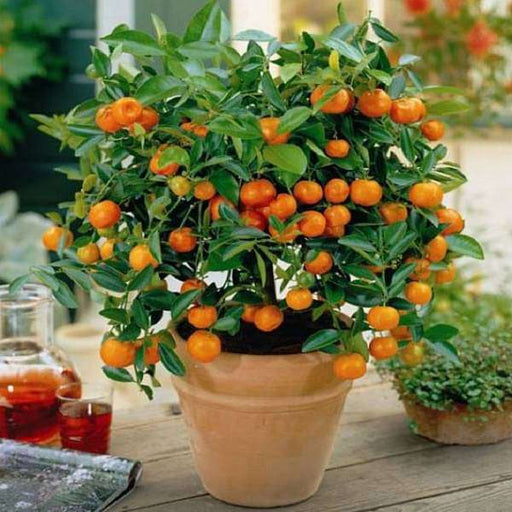






Leave a comment