
Expert Support
Available 24/7 via chat
Available 24/7 via chat
Avocado, affectionately called Makhanphal (butter fruit) in India, has quietly become a garden favorite among Indian growers. With its creamy, nutrient-dense fruits and relatively low maintenance needs, avocado is an excellent choice for both experienced gardeners and beginners. Whether you're growing it in a sprawling garden or a container on your balcony, this guide will help you cultivate healthy, productive avocado trees tailored to Indian growing conditions.
The avocado (Persea americana) is a subtropical to tropical fruit tree native to Mexico, but it thrives remarkably well across India's diverse climates. Known locally as Makhanphal or butter fruit, the avocado produces smooth, creamy fruits rich in healthy fats, fiber, and vitamins. A mature avocado tree can reach up to 30 feet in height, though container-grown plants remain more compact and manageable at 25 inches initially, making them perfect for Indian homes with space constraints.
What makes avocado particularly appealing for Indian gardeners is its perennial nature—once established, a healthy tree produces fruit year after year, typically from November through February when the market price peaks. The tree's small brown flowers bloom between July and August, followed by fruit development. The beauty of growing avocado from seeds (as our plants are propagated) is that you're creating a unique tree adapted to your specific microclimate.
| Care Aspect | Requirement |
|---|---|
| Light | Full Sun (6–8 hours daily) |
| Watering | Medium (regular, well-drained soil) |
| Soil | Well-drained, fertile soil |
| Temperature | 20–30°C (68–86°F) |
| Fertilizer | Organic fertilizer, regular applications |
| Harvest Season | November to February |
Avocado is a sun-loving plant that thrives with full sun exposure. Ideally, your tree should receive 6 to 8 hours of direct sunlight daily. In India, where summers can be intense, morning sun is particularly beneficial—it energizes the tree without the harshest afternoon rays that may stress younger plants in extreme heat zones.
If you're growing avocado in a container, place it in a south or west-facing location where it receives ample morning light. During peak summer in regions like Delhi or Rajasthan, some afternoon shade (particularly between 2 PM and 4 PM) can prevent leaf scorch, but the tree should still receive a minimum of 6 hours of uninterrupted sunlight. In coastal regions or areas with moderate temperatures, full all-day sun is ideal.
Medium watering is the golden rule for avocados. The key is consistency and drainage—avocado roots despise waterlogging, which can lead to root rot, a common problem in India's monsoon season.
During the growing season (March to October), water your avocado when the top 1–2 inches of soil feel dry. In container-grown plants, this typically means watering every 2–3 days during hot weather, and every 5–7 days during cooler months. During the monsoon, significantly reduce watering frequency. If your region receives heavy rainfall, you may not need to water at all during June to September—nature provides. Instead, ensure water drains away from the tree's base.
Indian water hardness can affect plant health over time. If your tap water is high in minerals (common in North India), consider collecting rainwater for occasional watering. This reduces salt accumulation in the soil and keeps your tree healthier long-term.
Well-drained soil is non-negotiable for avocado success. Whether in the ground or containers, amend your soil with coconut coir, compost, and perlite or sand to ensure excellent drainage. A slightly acidic to neutral pH (6.0–7.0) is ideal, though avocados are fairly adaptable.
Feed your avocado with organic fertilizer—neem cake, compost, vermicompost, or balanced organic fertilizers (5:5:5)—every 4–6 weeks during the active growing season (March to October). Once the tree enters the flowering and fruiting phase (July onwards), reduce nitrogen and increase potassium-rich organic inputs like wood ash to support fruit quality.
Mulching is highly beneficial in Indian gardens. Apply a 2–3 inch layer of organic mulch (dried leaves, grass, or coconut husk) around the base, keeping it 4–6 inches away from the trunk. This regulates soil temperature during scorching summers and retains moisture during dry spells.
Avocado thrives in the temperature range of 20–30°C (68–86°F). India's tropical and subtropical regions are naturally suited to this crop. Most of India's growing zones fall comfortably within this range, though extreme heat above 35°C can stress the tree, particularly young plants.
In hot zones (Delhi, Mumbai summers, Rajasthan), provide temporary shade cloth during peak summer (May–June) for young trees. Mature trees are more heat-tolerant. Conversely, in cooler regions like Himalayan foothills or high-altitude gardens, avocados still perform well as long as frost is not prolonged or severe.
Humidity is less critical than drainage. Avocado tolerates India's varying humidity levels, though during very dry periods (like winter in North India), occasional misting can prevent leaf dryness. Ensure good air circulation around the tree to prevent fungal issues during the humid monsoon season.
Your Nurserylive avocado plant is grown from seed, which is the simplest propagation method for home gardeners. Seed-grown trees are genetically unique and develop strong root systems adapted to your local climate. From seed, an avocado can take 3–5 years to bear fruit, but the wait is worthwhile for a custom-adapted, long-lived tree.
To propagate your own avocado from seed: Extract the large pit from a ripe avocado, rinse thoroughly, and allow to dry for 2–3 days. You can either pot it directly (broad end down, narrow end slightly exposed) in moist potting soil, or grow it in a water-rooting station (suspended in water with toothpicks) until roots emerge. Keep warm (20–25°C), maintain moisture, and transplant to soil once roots are 1–2 inches long.
Root rot: The most serious threat in Indian gardens, especially during monsoon. Prevent by ensuring perfect drainage and avoiding overwatering. If roots are already affected, repot in fresh, dry soil and reduce watering immediately.
Brown leaf tips: Often caused by hard tap water or low humidity. Use collected rainwater occasionally and mist foliage during dry seasons.
Pests: Scale insects and spider mites can appear in dry weather. Spray with neem oil (2–3% dilution) every 7–10 days until clear. These are easily manageable with organic methods.
Leaf yellowing: Typically indicates nutrient deficiency or waterlogging. Check drainage first, then apply a balanced organic fertilizer.
No flowering: Young trees take time. Additionally, avocados may need a chilling period (relatively cooler nights) to trigger flowering. In warmer regions, this naturally occurs during winter months (November–January).
Ready to grow your own? Shop Avocado at Nurserylive →
Avocado, Butter Fruit, Makhanphal (Grown through Seeds) - Plant The Avocado, also known as Butter Fruit or Makhanphal, is a nutrient-dense...
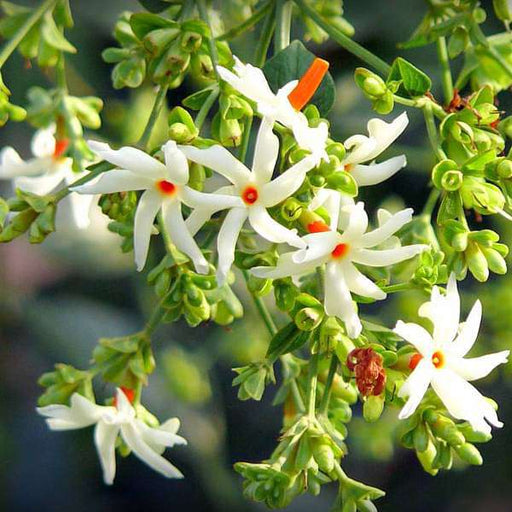
View full detailsCombo Constituents Includes the Parijat Tree (Night-Flowering Jasmine), a culturally significant plant with fragrant flowers. Description The Pari...
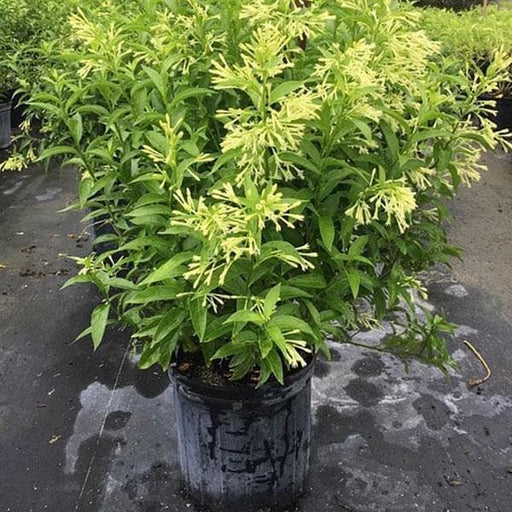
View full detailsDescription Raat Ki Rani (*Cestrum nocturnum*), also known as Night Blooming Jasmine, is a fragrant shrub native to the Caribbean and Central Ameri...
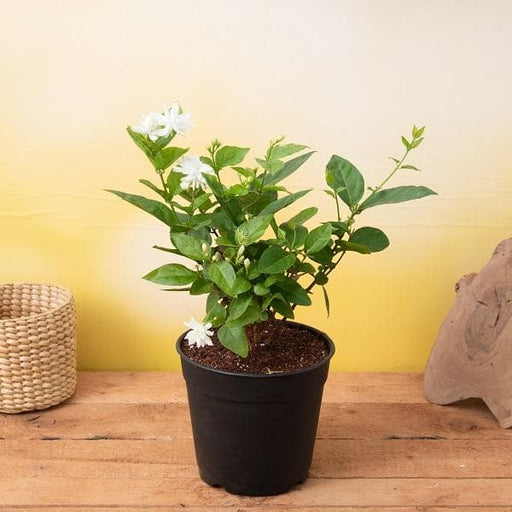
View full detailsJasminum sambac, Mogra, Arabian Jasmine - Plant Jasminum sambac, commonly known as Mogra or Arabian Jasmine, is a fragrant flowering plant...
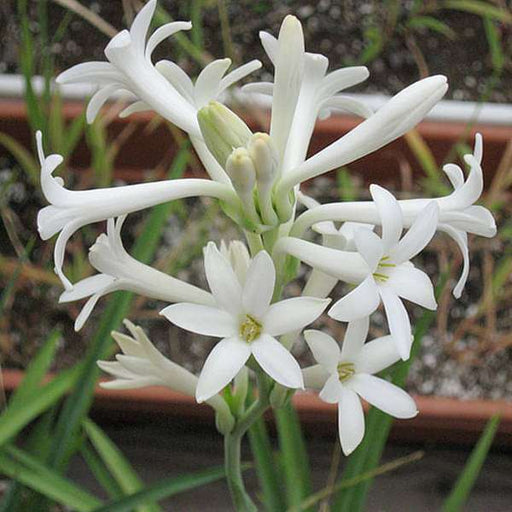
View full detailsRajnigandha, Tuberose - Plant The Rajnigandha, scientifically known as Polianthes tuberosa, is a captivating perennial plant renowned for ...
View full detailsCitronella, Odomas - Plant The Citronella plant, scientifically known as Cymbopogon nardus, is a tropical grass renowned for its aromatic ...
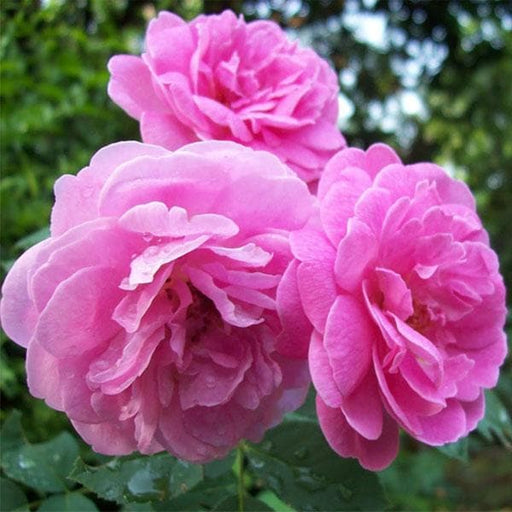
View full detailsDamascus Rose, Scented Rose (Any Color) - Plant The Damascus Rose, also known as Rosa damascena, is a timeless symbol of beauty and romanc...
View full detailsMiniature Rose, Button Rose (Any Color) - Plant The Miniature Rose, also known as the Button Rose, is a charming and compact flowering plant that ...
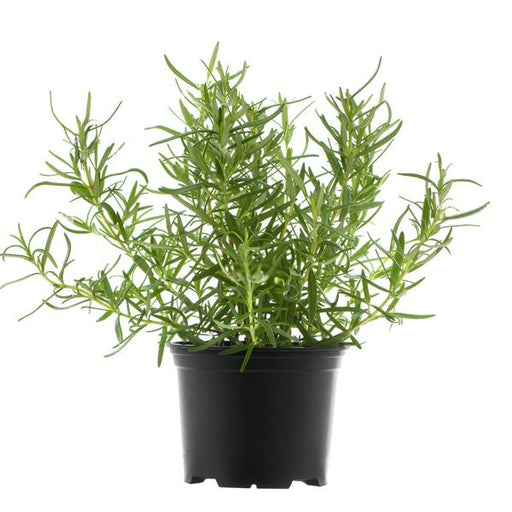
View full detailsRosemary - Plant Rosemary (Rosmarinus officinalis) is a fragrant evergreen herb native to the Mediterranean region. Known for its needle-like leav...
View full detailsMadhumalti Dwarf, Rangoon Creeper - Plant The Madhumalti Dwarf, also known as the Rangoon Creeper (Quisqualis indica), is a stunning perennial vin...
View full detailsBest 6 Plants for Perfect Indoor Garden Transform your living space into a lush oasis with our curated collection of the Best 6 Plants for a...
View full detailsBest 6 Plants for Perfect Indoor Garden Transform your living space into a lush oasis with our curated collection of the Best 6 Plants for a...
View full detailsMini Succulent Garden Pack Transform your space with our Mini Succulent Garden Pack, featuring a delightful collection of 4 any variety beautiful s...
View full details5 Best Fragrant Plants Transform your garden or indoor space into a fragrant paradise with our curated selection of the 5 Best Fragrant Plants. Th...
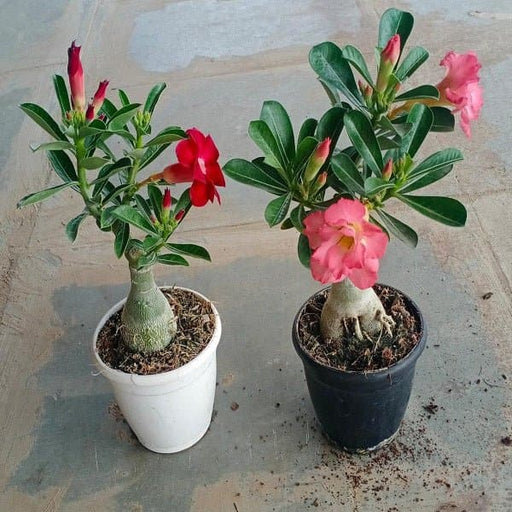
View full detailsSet of 2 Bonsai Looking Grafted Adeniums Transform your indoor or outdoor space with our exquisite Set of 2 Bonsai Looking Grafted Adenium...
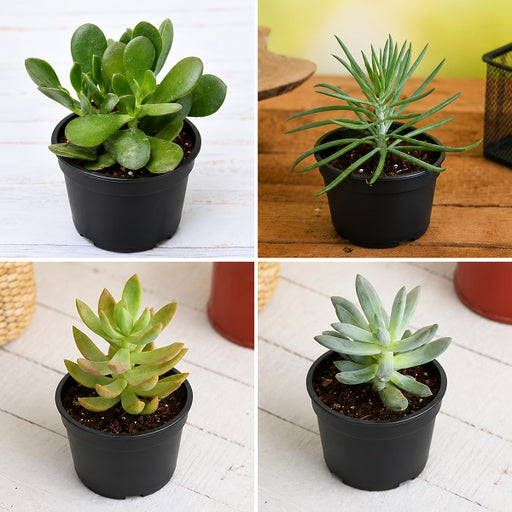
View full detailsTop 4 Die Hard Succulents Pack Note: Plants included in this pack will be delivered in a 3-inch nursery pot (any color). Transform your indoor or ...
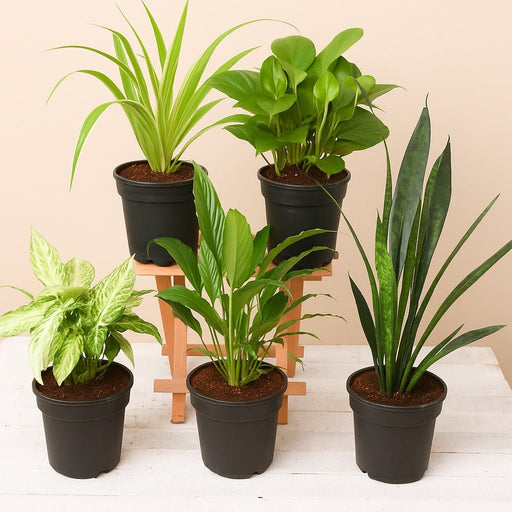
View full details5 Best Indoor Plants Pack Transform your living space into a lush oasis with our '5 Best Indoor Plants Pack.' This carefully curated collection fe...
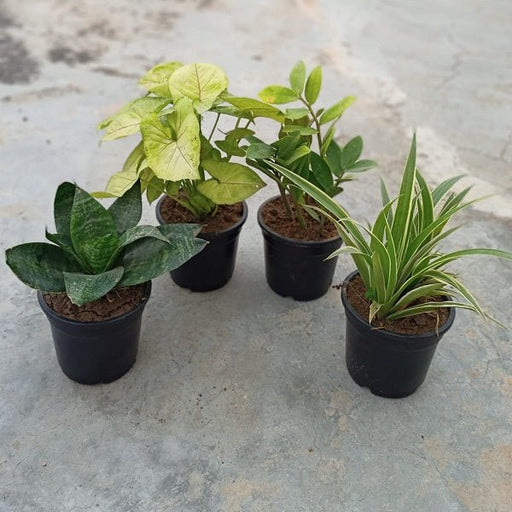
View full detailsSet of 4 Evergreen Air Purifier Plant Pack Transform your indoor space into a lush, green oasis with our Set of 4 Evergreen Air Purifier Pla...
View full detailsTop 5 Pollution Killer Plants Pack Transform your living space into a breath of fresh air with our 'Top 5 Pollution Killer Plants Pack'. This care...
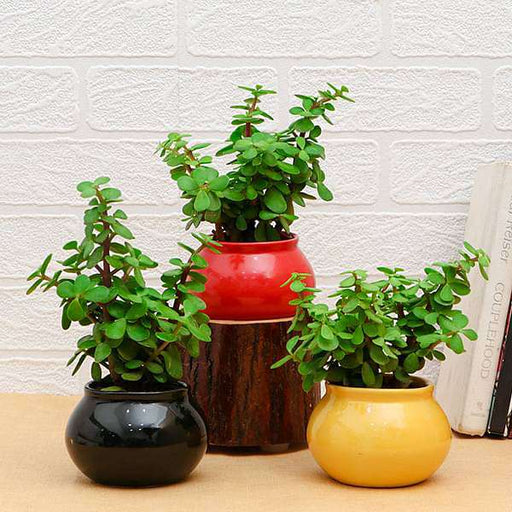
View full detailsPack of 3 Good Luck Jade Plants in Ceramic Pots Bring a touch of nature into your home with our Pack of 3 Good Luck Jade Plants, featuring...
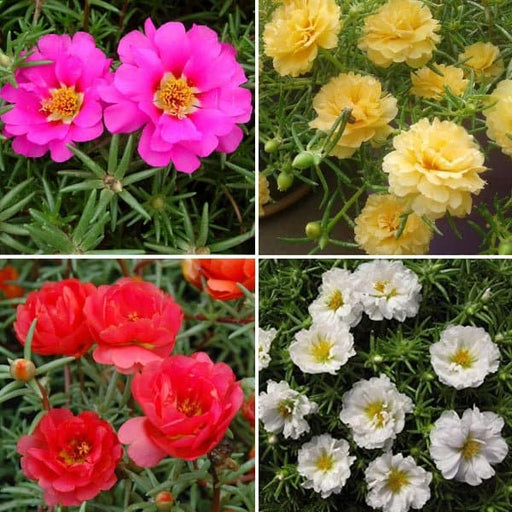
View full detailsPortulaca Garden Pack (4 Plants + 4 Black Pots) Note- You will get any color (Assorted) potted Porulaca plant with this pack. Transform your garde...
View full details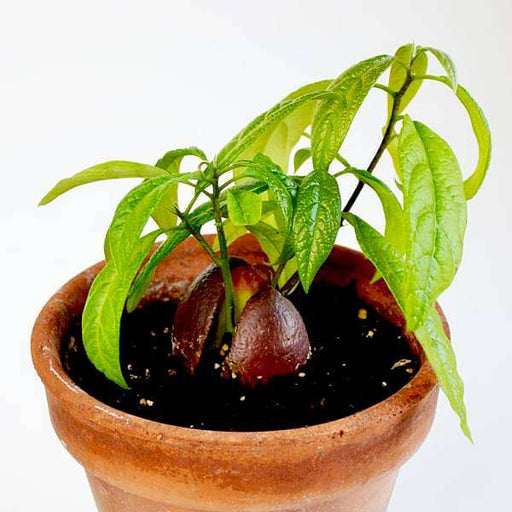






Leave a comment