
Expert Support
Available 24/7 via chat
Available 24/7 via chat
If you're looking for a plant that delivers continuous red blooms without fussy demands, Abuli is your answer. This petite shrub earns its common name "Firecracker Flower" from its vibrant red tubular flowers that seem to explode from the foliage. Native to warm climates and well-suited to India's varied regions, Abuli thrives in flower beds, borders, and containers—making it perfect whether you garden in Delhi's dry heat, Bangalore's mild climate, or Mumbai's humid monsoon.
Abuli is a compact, bushy shrub that typically grows 2–3 feet tall, making it ideal for front borders and small garden spaces. The plant produces fine, dark green foliage crowned with tubular red flowers that appear in successive flushes from spring through winter. What sets Abuli apart is its ability to bloom continuously in India's warm season—and even through milder winters in southern and coastal regions. Gardeners across the country value it for attracting butterflies, birds, and pollinators, turning your garden into a vibrant ecosystem. The easy-care nature means even beginners can succeed with this plant.
| Care Aspect | Requirement |
|---|---|
| Light | 6–8 hours of direct sunlight daily |
| Water | Keep soil moist; reduce in winter |
| Soil | Well-draining, slightly acidic loam |
| Temperature | 15–35°C; protect below 10°C |
Abuli is a sun-lover and performs best with at least 6–8 hours of direct sunlight daily. In most of India, this means morning to midday sun exposure. If you're in a hot region like Rajasthan, Madhya Pradesh, or inland parts of the Deccan, afternoon partial shade during peak summer (April–June) prevents leaf scorch and stress. In cooler regions like Himachal Pradesh or northern plains, aim for unobstructed sunlight year-round. Insufficient light leads to leggy, weak growth and fewer blooms—so prioritize a bright spot when placing your plant.
Abuli prefers consistently moist (not waterlogged) soil. During the growing season—March through October—water deeply when the top inch of soil dries out. In the hot, dry pre-monsoon period, you may need to water every 1–2 days for containerized plants. Once monsoon rains arrive, reduce frequency to avoid root rot, especially in regions like the Western Ghats or Northeast India where rainfall is heavy. In winter and dormant periods, cut back watering; the plant needs less moisture but should never completely dry out. A practical tip: use filtered or collected rainwater if possible, as Abuli is sensitive to hard water and chlorine common in tap supplies. If using tap water, let it sit for 24 hours before watering.
Abuli thrives in well-draining, slightly acidic to neutral soil. A mix of garden loam, coconut coir, and perlite or coarse sand (in ratio 2:1:1) works well for containers. If planting in the ground, ensure the bed drains freely—waterlogging is the quickest way to kill this plant. In regions with hard water and alkaline soils (common in North India), add sulfur to lower pH slightly, aiming for a pH around 6.0–6.8.
Feeding is light but steady. During the growing season (March–September), apply a balanced liquid fertilizer every 2–3 weeks, or use a slow-release fertilizer once in spring. A 1:1:1 ratio (like 19-19-19) supports both foliage and flowering. Stop feeding by October; dormancy doesn't require fertilizer. Overfed plants often produce lush leaves but few flowers, so restraint pays off.
Abuli is a heat-lover and grows vigorously in temperatures between 20–32°C. It tolerates India's hot summers well, though wilting may occur on extremely scorching days above 40°C—mulch around the base and increase watering frequency. The plant struggles below 10°C and will drop leaves or die if exposed to frost. In colder regions (northern plains, hill stations), protect it during December–February with a frost cloth or move potted plants indoors. Humidity is not critical—Abuli adapts to dry air in inland regions and to monsoon dampness alike, though moderate humidity (40–60%) is ideal.
Propagate Abuli from semi-hardwood cuttings taken in late spring or early monsoon (May–July). Select healthy stems 4–6 inches long, remove lower leaves, and dip in rooting hormone powder. Insert into a moist mix of perlite and peat or coconut coir, keep warm (20–25°C) and humid under a clear plastic bag or propagation dome. Roots typically develop in 3–4 weeks. Once rooted, transfer to individual pots with potting mix and grow for 4–6 weeks before planting out. Propagation is straightforward, making it easy to expand your collection or share with fellow gardeners.
Leaf Drop: Usually caused by cold (below 10°C), waterlogging, or sudden environmental change. Move to a warmer spot, reduce watering, and ensure good drainage.
Spider Mites & Thrips: Dry conditions invite spider mites; increase humidity and spray leaves with neem oil. Thrips damage flowers; use insecticidal soap weekly until controlled.
Powdery Mildew: In humid, poorly ventilated spots, white powder appears on leaves. Improve air circulation, reduce overhead watering, and spray with sulfur or a fungicide.
Few or No Flowers: Insufficient light or excess nitrogen fertilizer. Move to a brighter location and switch to a phosphorus-rich fertilizer (like 10-52-10) during the bloom season.
Ready to grow your own? Shop Abuli at Nurserylive →
Abuli, Firecracker Flower Plant in 6 inch (16 cm) Pot The Abuli, commonly known as the Firecracker Flower Plant, is a stunning addition to...
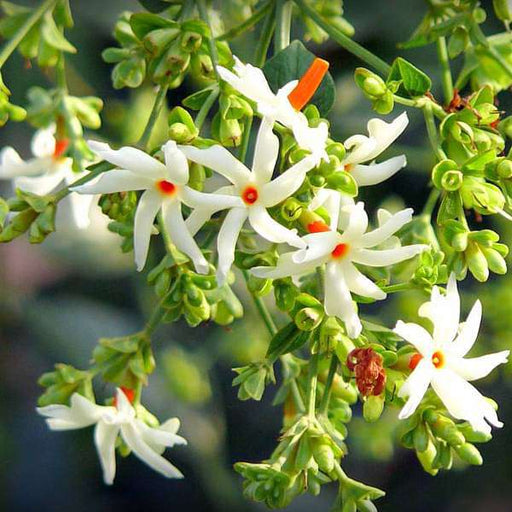
View full detailsCombo Constituents Includes the Parijat Tree (Night-Flowering Jasmine), a culturally significant plant with fragrant flowers. Description The Pari...
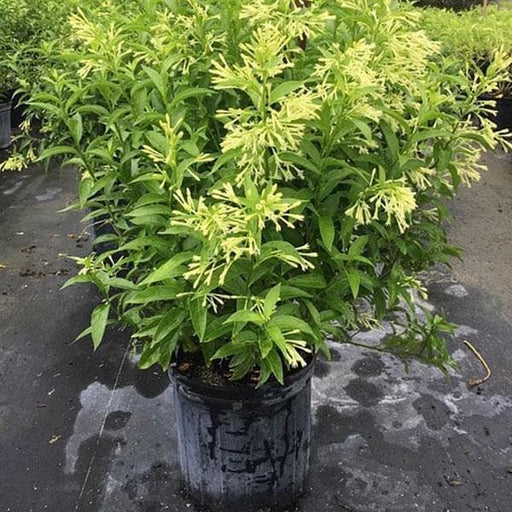
View full detailsDescription Raat Ki Rani (*Cestrum nocturnum*), also known as Night Blooming Jasmine, is a fragrant shrub native to the Caribbean and Central Ameri...
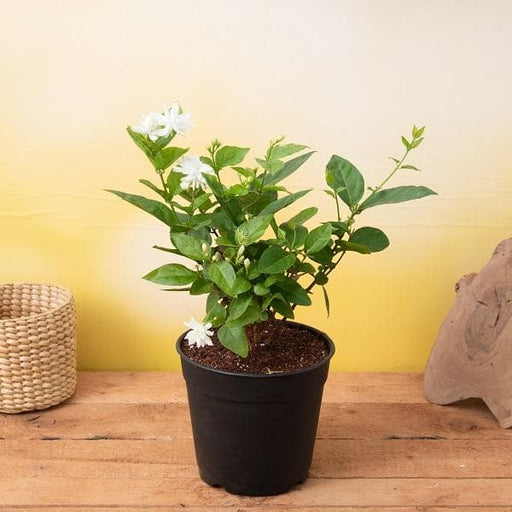
View full detailsJasminum sambac, Mogra, Arabian Jasmine - Plant Jasminum sambac, commonly known as Mogra or Arabian Jasmine, is a fragrant flowering plant...
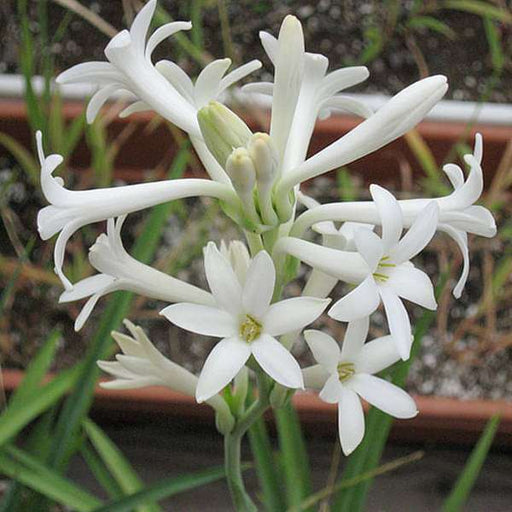
View full detailsRajnigandha, Tuberose - Plant The Rajnigandha, scientifically known as Polianthes tuberosa, is a captivating perennial plant renowned for ...
View full detailsCitronella, Odomas - Plant The Citronella plant, scientifically known as Cymbopogon nardus, is a tropical grass renowned for its aromatic ...
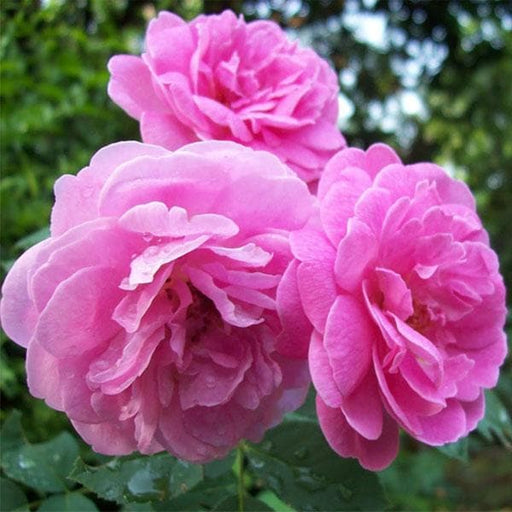
View full detailsDamascus Rose, Scented Rose (Any Color) - Plant The Damascus Rose, also known as Rosa damascena, is a timeless symbol of beauty and romanc...
View full detailsMiniature Rose, Button Rose (Any Color) - Plant The Miniature Rose, also known as the Button Rose, is a charming and compact flowering plant that ...
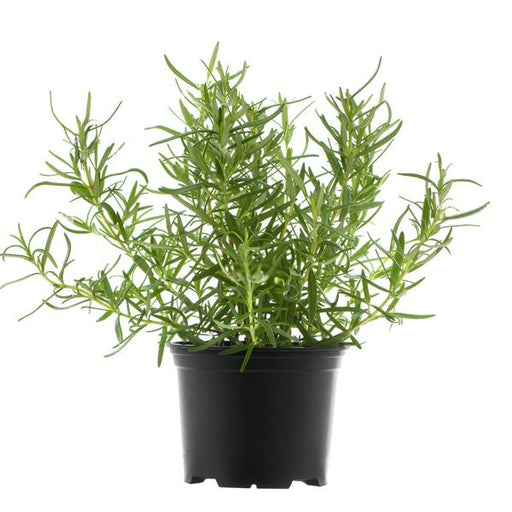
View full detailsRosemary - Plant Rosemary (Rosmarinus officinalis) is a fragrant evergreen herb native to the Mediterranean region. Known for its needle-like leav...
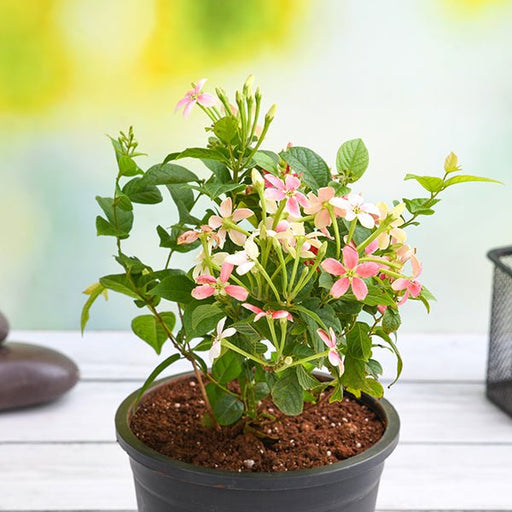
View full detailsMadhumalti Dwarf, Rangoon Creeper - Plant The Madhumalti Dwarf, also known as the Rangoon Creeper (Quisqualis indica), is a stunning perennial vin...
View full detailsBest 6 Plants for Perfect Indoor Garden Transform your living space into a lush oasis with our curated collection of the Best 6 Plants for a...
View full detailsBest 6 Plants for Perfect Indoor Garden Transform your living space into a lush oasis with our curated collection of the Best 6 Plants for a...
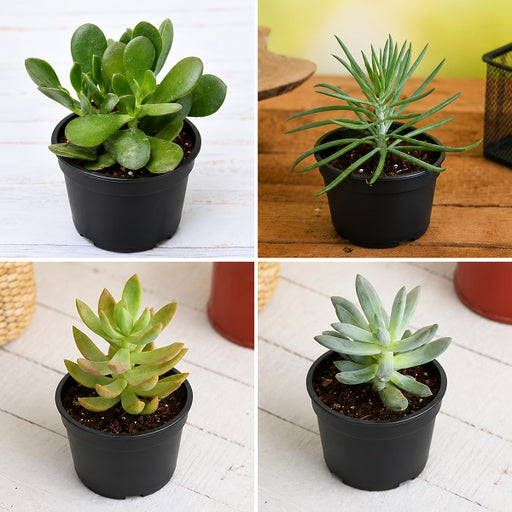
View full detailsMini Succulent Garden Pack Transform your space with our Mini Succulent Garden Pack, featuring a delightful collection of 4 any variety beautiful s...
View full details5 Best Fragrant Plants Transform your garden or indoor space into a fragrant paradise with our curated selection of the 5 Best Fragrant Plants. Th...
View full detailsSet of 2 Bonsai Looking Grafted Adeniums Transform your indoor or outdoor space with our exquisite Set of 2 Bonsai Looking Grafted Adenium...
View full detailsTop 4 Die Hard Succulents Pack Note: Plants included in this pack will be delivered in a 3-inch nursery pot (any color). Transform your indoor or ...
View full details5 Best Indoor Plants Pack Transform your living space into a lush oasis with our '5 Best Indoor Plants Pack.' This carefully curated collection fe...
View full detailsSet of 4 Evergreen Air Purifier Plant Pack Transform your indoor space into a lush, green oasis with our Set of 4 Evergreen Air Purifier Pla...
View full detailsTop 5 Pollution Killer Plants Pack Transform your living space into a breath of fresh air with our 'Top 5 Pollution Killer Plants Pack'. This care...
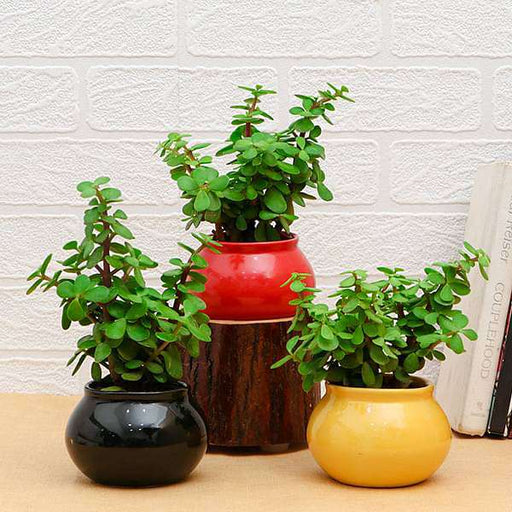
View full detailsPack of 3 Good Luck Jade Plants in Ceramic Pots Bring a touch of nature into your home with our Pack of 3 Good Luck Jade Plants, featuring...
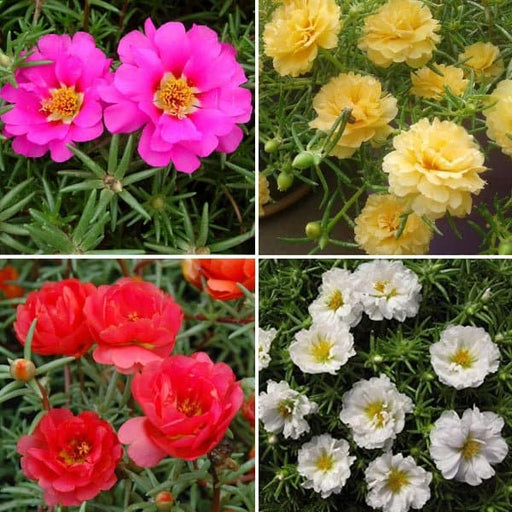
View full detailsPortulaca Garden Pack (4 Plants + 4 Black Pots) Note- You will get any color (Assorted) potted Porulaca plant with this pack. Transform your garde...
View full details












Leave a comment