
Expert Support
Available 24/7 via chat
Available 24/7 via chat
The neem tree, or Azadirachta indica, stands as one of India's most versatile and valued medicinal plants. Known affectionately as the "nimtree" or "Indian Lilac," it has served Indian households for centuries—from traditional medicine cabinets to organic pest management. Whether you live in a sprawling villa or a compact city apartment, growing a neem tree is remarkably straightforward, and its presence brings both practical benefits and spiritual value to your garden.
The neem tree is a tall, fast-growing tropical deciduous tree that can reach heights of up to 30 metres in ideal conditions. However, you can cultivate and manage it beautifully in containers—our young specimen arrives at 18 inches in height, making it perfect for home gardens. It produces delicate white or pale yellow flowers seasonally, and is prized not just for its ornamental appeal but for its remarkable medicinal properties. Neem absorbs CO₂ both during the day and night, making it an excellent air-purifying choice. In Hindu tradition, the neem tree is also considered highly auspicious and is often planted in homes for both practical and spiritual reasons (Vastu-recommended).
Quick Care Guide
| Aspect | Requirement |
|---|---|
| Light | 6+ hours morning sunlight daily; indirect bright light for the rest |
| Water | When top 1–2 inches of soil feels dry to touch |
| Soil | Well-drained, fertile, rich in organic matter |
| Temperature | 25–35°C (ideal growing range) |
Neem trees are sun-loving plants and thrive best with more than 6 hours of direct sunlight daily, with morning sun being particularly beneficial. In India's intense afternoon heat, morning sunlight prevents leaf scorch while providing the energy the tree needs to grow vigorously. If you're growing neem indoors or in a semi-shaded location, ensure it receives natural indirect bright light for the remaining hours. Young plants in containers should be placed on south- or west-facing balconies and windowsills. As the tree matures, it becomes increasingly drought-tolerant and can handle variable light conditions, but consistent sunlight always produces stronger, healthier growth.
One of neem's greatest advantages is that it's highly drought-tolerant, making it ideal for India's water-scarce regions and unpredictable monsoons. Water only when the top 1–2 inches of soil feel dry to the touch—use the finger-poke test before watering. This is crucial: overwatering is the most common reason neem plants suffer root rot, especially during the monsoon or in humid coastal areas. During the hot dry season (March–May), you may water more frequently. In monsoon months (June–September), reduce watering significantly and allow the soil to dry between waterings. Even if you forget to water for a week or two, a mature neem tree will often recover gracefully. Well-drained soil is your best defence against waterlogging.
Use well-drained, fertile soil rich in organic content—a mix of garden soil, compost, and coarse sand works excellently. If you're using hard water (common in many Indian cities), ensure good drainage to prevent salt accumulation. Neem doesn't demand frequent feeding, but during the main growing season (February–June), apply an organic fertilizer to encourage robust growth and flowering. Avoid synthetic chemical fertilizers if possible; neem's medicinal properties are best preserved through organic cultivation. A single annual application of well-rotted compost or vermicompost around the base of the tree is often sufficient for established plants.
Neem thrives in the temperature range of 25–35°C, which aligns perfectly with most of India's warm climate zones. The tree tolerates both dry and humid conditions, though it prefers well-ventilated spaces. During harsh summer heat waves, mulching around the base helps retain moisture and regulate soil temperature. In cooler regions (above 1,500 metres elevation), neem growth slows considerably, but it will still survive. The tree's resilience to both extremes—heat and the occasional cold snap—makes it an excellent choice for Indian gardeners navigating diverse microclimates.
Neem is easily propagated from fresh seeds. Collect seeds from mature berries, remove the flesh, and sow them in moist seed-starting mix. Seeds typically germinate within 10–14 days in warm, humid conditions. Keep the medium consistently moist but not waterlogged. Once seedlings develop 2–3 true leaves, transplant them into small pots. You can also propagate neem from semi-hardwood cuttings using rooting hormone, though seed propagation is more reliable and faster. Young plants grow remarkably quickly under good light and warm temperatures.
Healthy neem trees are rarely troubled by serious pests or diseases, especially if grown organically without synthetic chemicals. However, watch for mealybugs and scale insects in dry indoor conditions—spray with neem oil or insecticidal soap if needed. Yellowing leaves usually indicate overwatering or poor drainage; check your soil moisture before adding more water. Leaf drop during extreme heat or cold is normal and temporary. Spider mites may appear in very hot, dry conditions; increase humidity with regular misting.
Ready to grow your own? Shop Neem Tree at Nurserylive →
Neem Tree, Azadirachta indica - Plant The Neem Tree, scientifically known as Azadirachta indica, is a remarkable evergreen tree native to ...
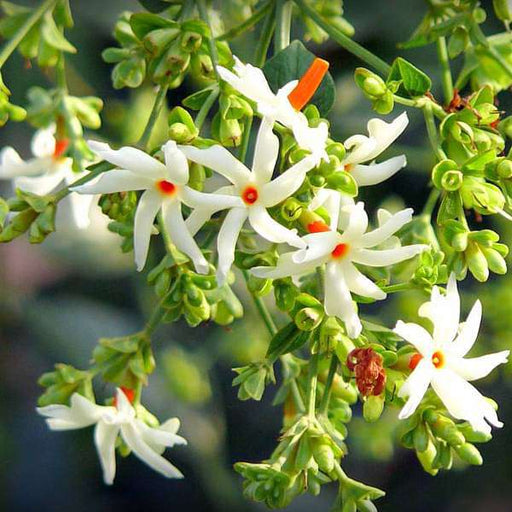
View full detailsCombo Constituents Includes the Parijat Tree (Night-Flowering Jasmine), a culturally significant plant with fragrant flowers. Description The Pari...
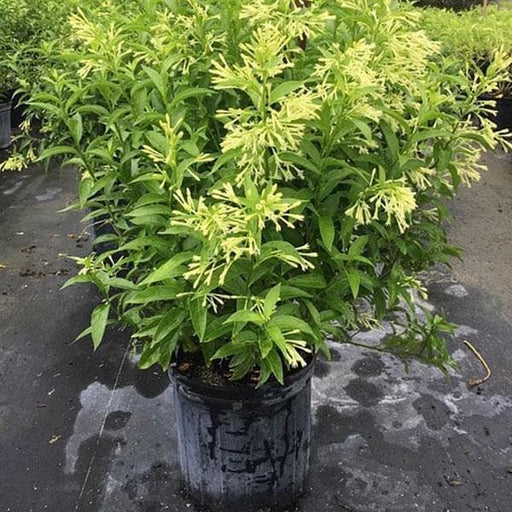
View full detailsDescription Raat Ki Rani (*Cestrum nocturnum*), also known as Night Blooming Jasmine, is a fragrant shrub native to the Caribbean and Central Ameri...
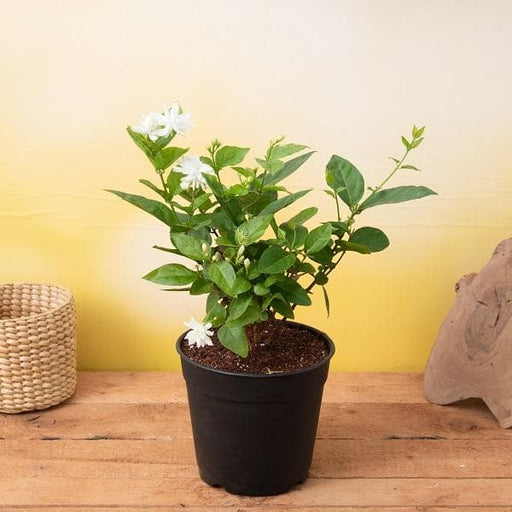
View full detailsJasminum sambac, Mogra, Arabian Jasmine - Plant Jasminum sambac, commonly known as Mogra or Arabian Jasmine, is a fragrant flowering plant...
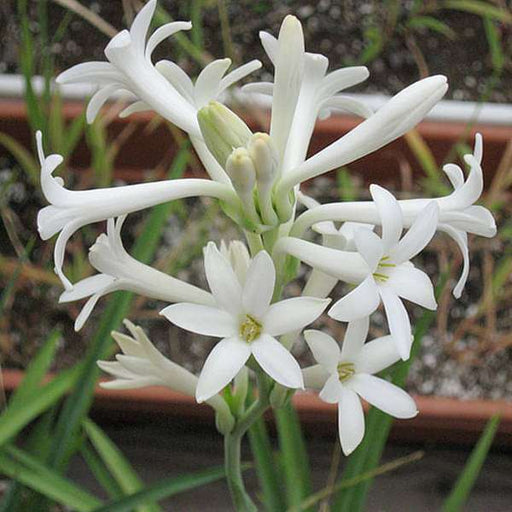
View full detailsRajnigandha, Tuberose - Plant The Rajnigandha, scientifically known as Polianthes tuberosa, is a captivating perennial plant renowned for ...
View full detailsCitronella, Odomas - Plant The Citronella plant, scientifically known as Cymbopogon nardus, is a tropical grass renowned for its aromatic ...
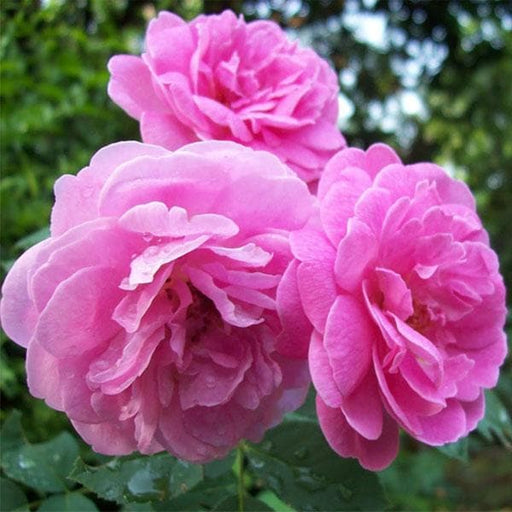
View full detailsDamascus Rose, Scented Rose (Any Color) - Plant The Damascus Rose, also known as Rosa damascena, is a timeless symbol of beauty and romanc...
View full detailsMiniature Rose, Button Rose (Any Color) - Plant The Miniature Rose, also known as the Button Rose, is a charming and compact flowering plant that ...
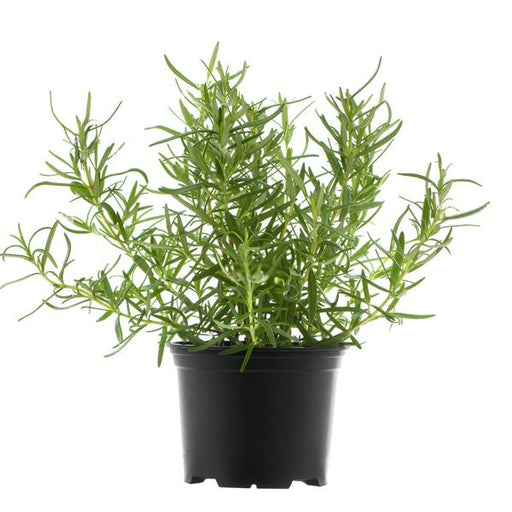
View full detailsRosemary - Plant Rosemary (Rosmarinus officinalis) is a fragrant evergreen herb native to the Mediterranean region. Known for its needle-like leav...
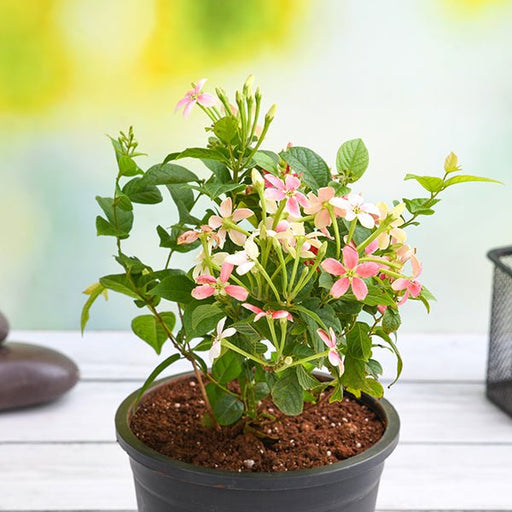
View full detailsMadhumalti Dwarf, Rangoon Creeper - Plant The Madhumalti Dwarf, also known as the Rangoon Creeper (Quisqualis indica), is a stunning perennial vin...
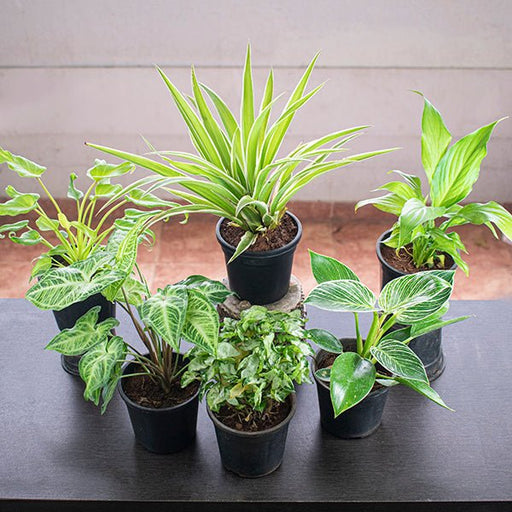
View full detailsBest 6 Plants for Perfect Indoor Garden Transform your living space into a lush oasis with our curated collection of the Best 6 Plants for a...
View full detailsBest 6 Plants for Perfect Indoor Garden Transform your living space into a lush oasis with our curated collection of the Best 6 Plants for a...
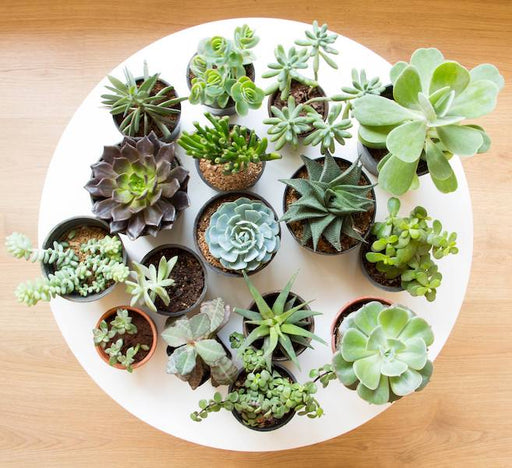
View full detailsMini Succulent Garden Pack Transform your space with our Mini Succulent Garden Pack, featuring a delightful collection of 4 any variety beautiful s...
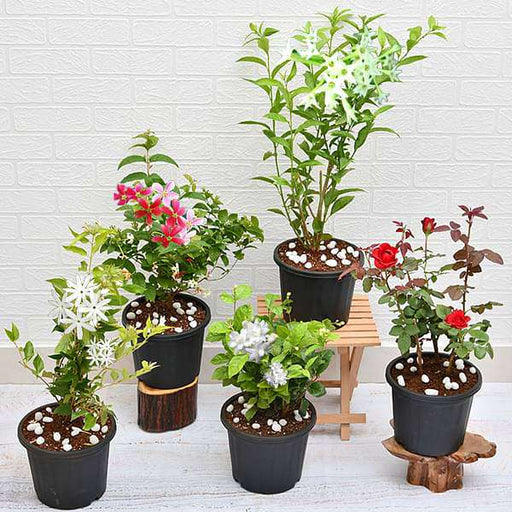
View full details5 Best Fragrant Plants Transform your garden or indoor space into a fragrant paradise with our curated selection of the 5 Best Fragrant Plants. Th...
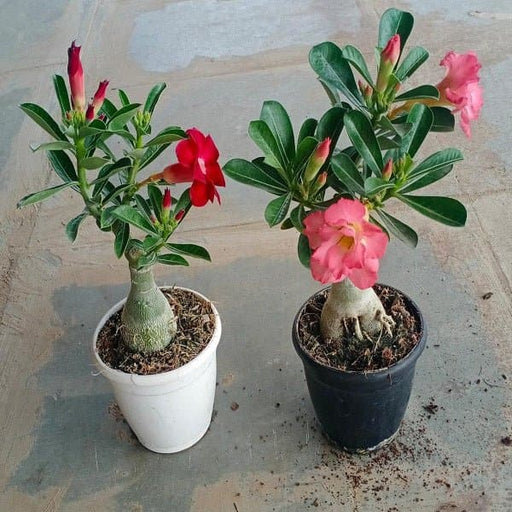
View full detailsSet of 2 Bonsai Looking Grafted Adeniums Transform your indoor or outdoor space with our exquisite Set of 2 Bonsai Looking Grafted Adenium...
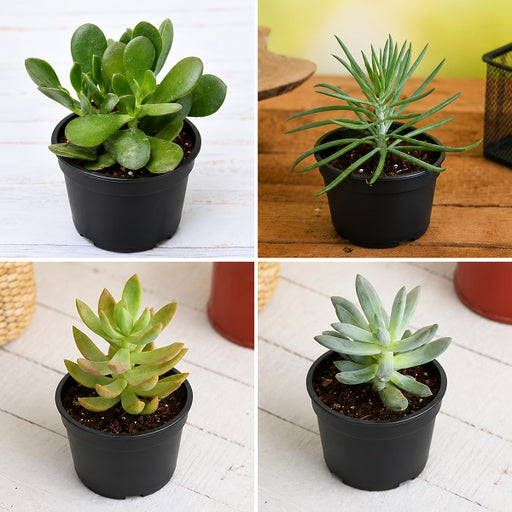
View full detailsTop 4 Die Hard Succulents Pack Note: Plants included in this pack will be delivered in a 3-inch nursery pot (any color). Transform your indoor or ...
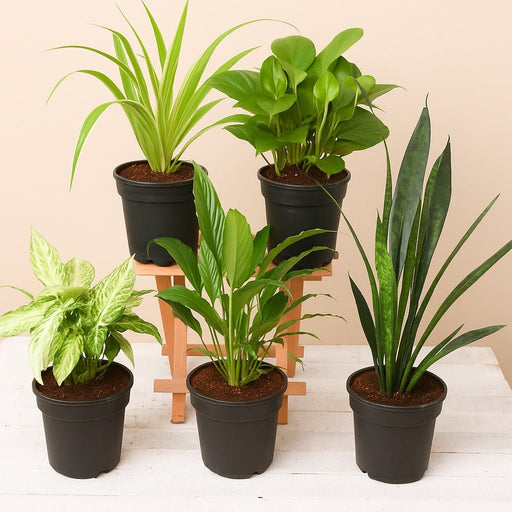
View full details5 Best Indoor Plants Pack Transform your living space into a lush oasis with our '5 Best Indoor Plants Pack.' This carefully curated collection fe...
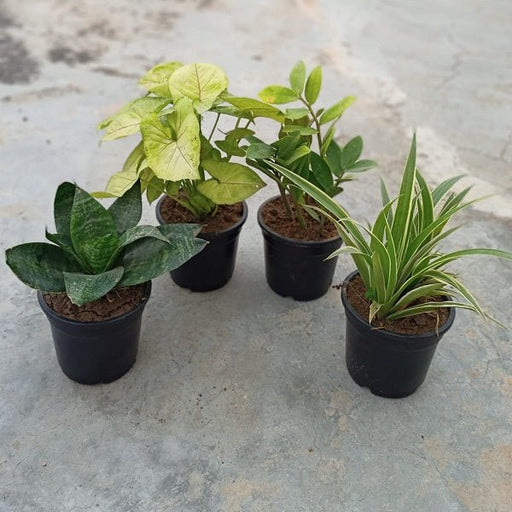
View full detailsSet of 4 Evergreen Air Purifier Plant Pack Transform your indoor space into a lush, green oasis with our Set of 4 Evergreen Air Purifier Pla...
View full detailsTop 5 Pollution Killer Plants Pack Transform your living space into a breath of fresh air with our 'Top 5 Pollution Killer Plants Pack'. This care...
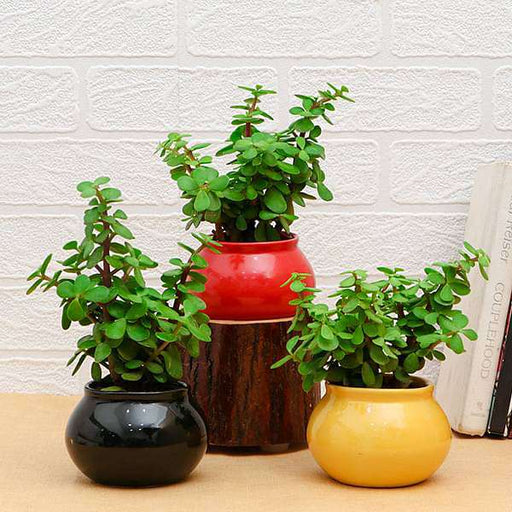
View full detailsPack of 3 Good Luck Jade Plants in Ceramic Pots Bring a touch of nature into your home with our Pack of 3 Good Luck Jade Plants, featuring...
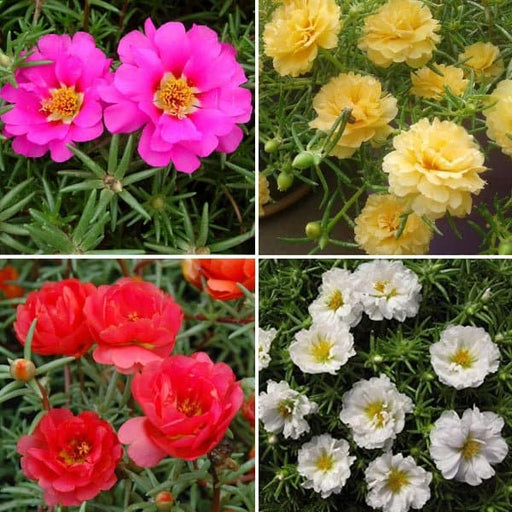
View full detailsPortulaca Garden Pack (4 Plants + 4 Black Pots) Note- You will get any color (Assorted) potted Porulaca plant with this pack. Transform your garde...
View full details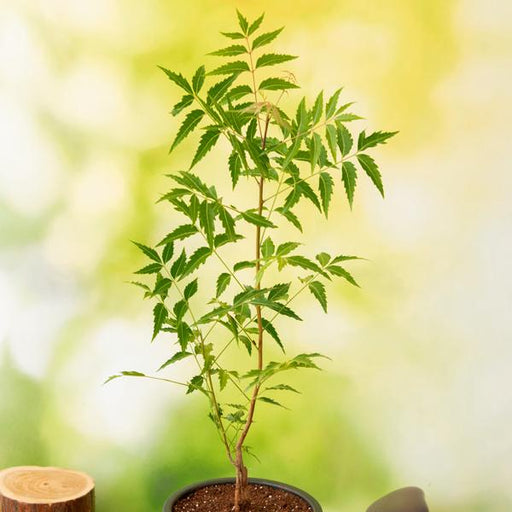






Leave a comment