
Expert Support
Available 24/7 via chat
Available 24/7 via chat
Bananas are one of India's most beloved fruits, but many gardeners assume they need sprawling orchard space to grow them. The truth is simpler: a single banana plant in a pot can deliver edible fruit in about 90 days from flowering, and the G9 variety—a high-yield, Japanese type—thrives in containers on your balcony or small garden. Whether you're a seasoned gardener or picking up your first plant, banana is classified as an easy-difficulty plant, and this guide will walk you through every step to ensure prolific harvests in your Indian home.
The banana plant (Kela in Hindi) is not technically a tree but a giant herb, which is why it grows so fast and produces fruit so readily. The G9 variety is prized for high yields and container suitability—it ships at 19 inches tall with a 7-inch spread, but will eventually reach 2 to 4 meters when mature. This is a seasonal bloomer; when conditions align, you'll see flower clusters emerge in shades of green, yellow, red, purple, or brown, depending on the variety maturity. The Japanese banana is also considered auspicious in Vastu, making it a culturally favoured choice across Indian homes. Most importantly, a single plant can produce substantial fruit harvests, making it a genuinely productive addition to any kitchen garden.
| Care Factor | Requirement |
|---|---|
| Light | Natural bright light with morning sunlight; minimum 6 hours daily |
| Water | 4 cups (~200ml) when top 1-2 inches of soil feel dry |
| Soil | Well-drained, fertile, and nutrient-rich mix |
| Temperature | 20–27°C (ideal); protect from extremes |
Banana plants are sun-hungry and need natural bright light with at least 6 hours of direct morning sunlight daily. In India, morning sun is gentler and more suitable than harsh afternoon rays—aim to position your plant where it catches sunrise and early morning light, particularly in summer months when the sun is intense. A south-facing or east-facing balcony or window is ideal. If you're growing indoors or in a heavily shaded area, the plant will survive but may flower less frequently and produce smaller fruit clusters. If afternoon temperatures routinely exceed 35°C in your region (as they do in much of India during summer), consider providing afternoon shade during the peak months of May and June; the plant will still receive ample morning light while being protected from leaf scorch.
The banana plant's watering rhythm is straightforward: water when the top 1 to 2 inches of soil feel dry to the touch. A practical measure is 4 cups (approximately 200ml) per watering session. Stick your finger into the soil—if it feels moist, wait another day or two. If it feels dry, water thoroughly until it drains from the pot's bottom. During India's monsoon season (June–September), reduce watering frequency since natural rainfall will supplement your plant's needs; overwatering during monsoon can cause root rot, a common problem in humid regions. In winter (October–March), water less often as the plant's growth slows. The key is consistent moisture without waterlogging; bananas dislike soggy roots.
Banana plants demand well-drained, fertile, and nutrient-rich soil. Use a potting mix that combines garden soil, compost, and perlite or sand in a 2:2:1 ratio to ensure water drains quickly while retaining moisture and nutrients. Add coconut coir for additional water retention and microbial health. Feed your banana plant with organic fertilizer once per month during the growing season (March–September); options include neem cake, compost tea, or a balanced organic granular fertilizer. Avoid synthetic fertilizers if possible, as bananas thrive with organic nutrients and will fruit more consistently. In Indian hard-water regions, occasional foliar sprays of diluted compost tea help counteract mineral buildup on leaves.
The ideal temperature range for banana growth is 20 to 27°C, which is moderate compared to most of India's tropical climate. This means your banana will thrive most vigorously during India's cooler seasons: October through March in most regions, and year-round in hill stations or cooler areas. During summer peaks (April–June), when temperatures exceed 30°C, the plant will still grow but may slow its flowering. During winter lows in northern India (December–January), if temperatures drop below 15°C for extended periods, protect the plant with frost cloth or move potted plants indoors to a bright spot. Banana enjoys humidity; mist the leaves every few days, especially during dry seasons, to mimic tropical conditions and reduce pest pressure.
The banana plant naturally produces "pups" or suckers from the base of the main stem. Once your main stem has flowered and set fruit, these pups will emerge around the plant's base. To propagate, allow a pup to grow to 12–18 inches tall (typically 2–3 months), then carefully detach it with a sharp knife, ensuring it has some root tissue attached. Plant the pup in a separate pot with fresh, well-draining soil and water gently. Keep it in bright, indirect light for the first 3–4 weeks until it establishes. A new pup usually flowers within 6–9 months, so you can stagger plantings to ensure continuous fruit production year-round.
Leaf spotting and yellowing: Often caused by overwatering or poor drainage. Ensure soil dries slightly between waterings and repot if necessary into a well-draining mix. Spider mites and mealybugs: Common in dry, warm weather across India. Spray affected leaves with neem oil every 7–10 days until pests clear. Poor flowering: Usually due to insufficient light (less than 6 hours) or temperatures consistently below 20°C or above 35°C. Adjust location and use shade cloth during peak summer if needed. Curled or torn leaves: Often wind damage. Stake the plant securely and avoid placing it in high-wind areas like exposed balcony edges.
Ready to grow your own? Shop Banana at Nurserylive →
Banana - G9, Kela - Plant The G9 Banana, also known as Kela, is a popular variety of banana plant renowned for its sweet, creamy fruit and...
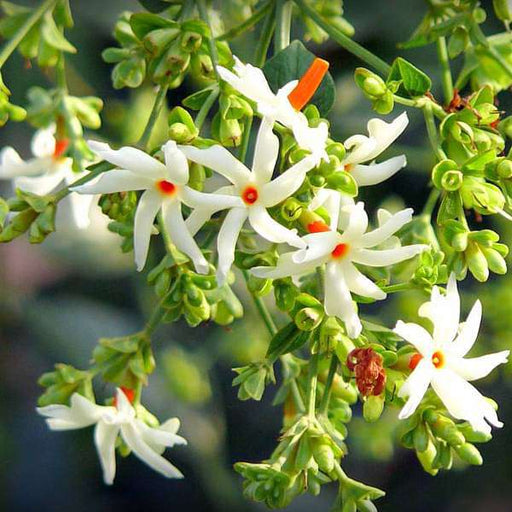
View full detailsCombo Constituents Includes the Parijat Tree (Night-Flowering Jasmine), a culturally significant plant with fragrant flowers. Description The Pari...
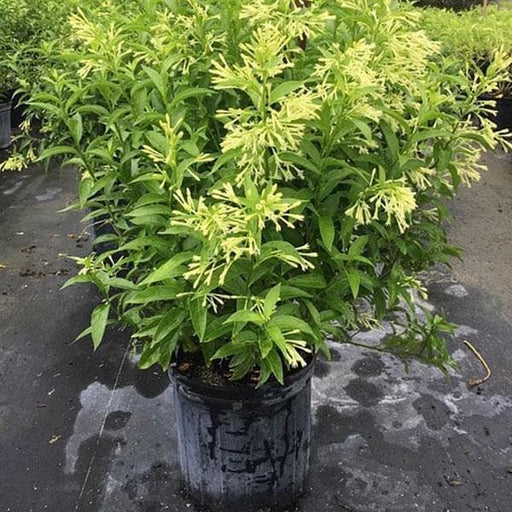
View full detailsDescription Raat Ki Rani (*Cestrum nocturnum*), also known as Night Blooming Jasmine, is a fragrant shrub native to the Caribbean and Central Ameri...
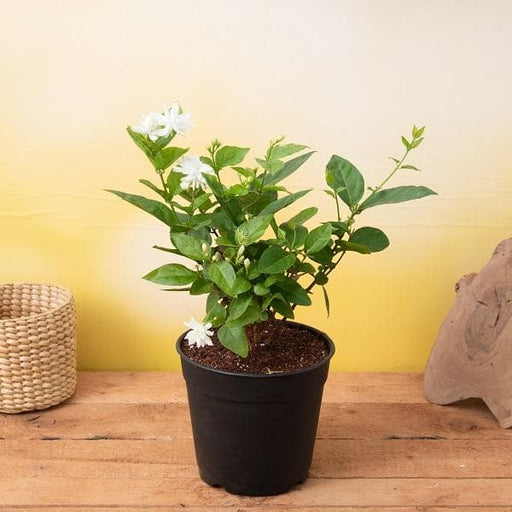
View full detailsJasminum sambac, Mogra, Arabian Jasmine - Plant Jasminum sambac, commonly known as Mogra or Arabian Jasmine, is a fragrant flowering plant...
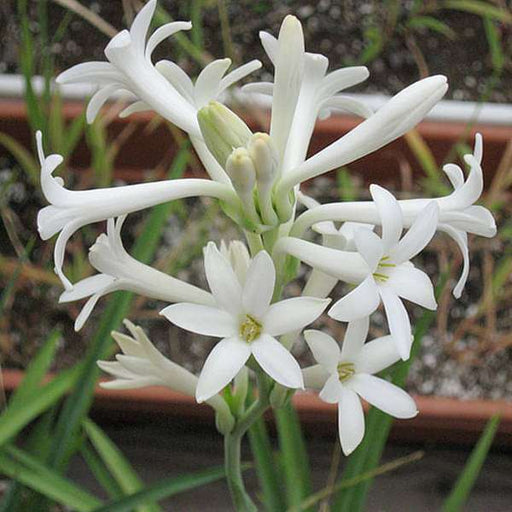
View full detailsRajnigandha, Tuberose - Plant The Rajnigandha, scientifically known as Polianthes tuberosa, is a captivating perennial plant renowned for ...
View full detailsCitronella, Odomas - Plant The Citronella plant, scientifically known as Cymbopogon nardus, is a tropical grass renowned for its aromatic ...
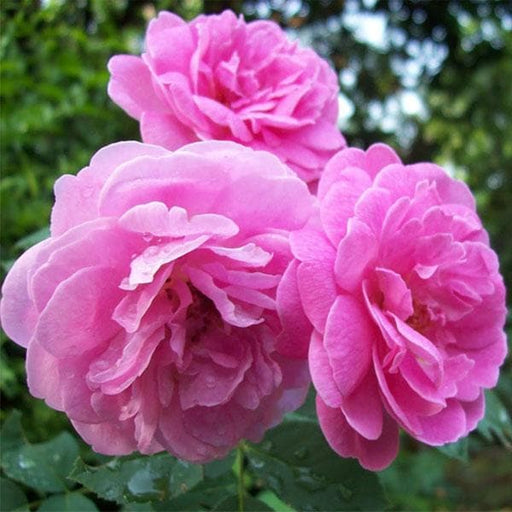
View full detailsDamascus Rose, Scented Rose (Any Color) - Plant The Damascus Rose, also known as Rosa damascena, is a timeless symbol of beauty and romanc...
View full detailsMiniature Rose, Button Rose (Any Color) - Plant The Miniature Rose, also known as the Button Rose, is a charming and compact flowering plant that ...
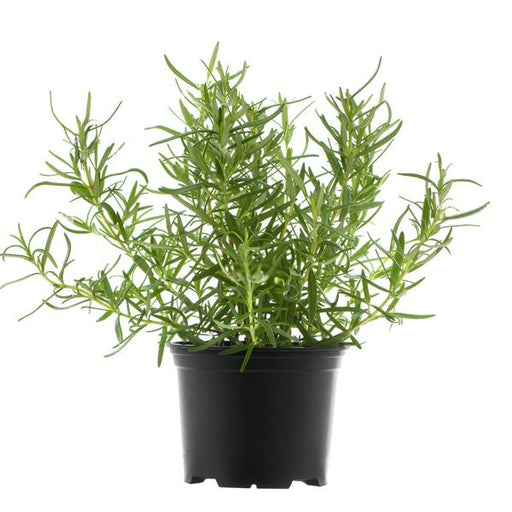
View full detailsRosemary - Plant Rosemary (Rosmarinus officinalis) is a fragrant evergreen herb native to the Mediterranean region. Known for its needle-like leav...
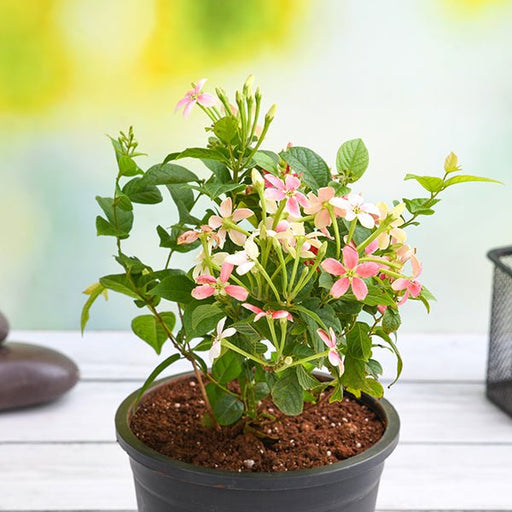
View full detailsMadhumalti Dwarf, Rangoon Creeper - Plant The Madhumalti Dwarf, also known as the Rangoon Creeper (Quisqualis indica), is a stunning perennial vin...
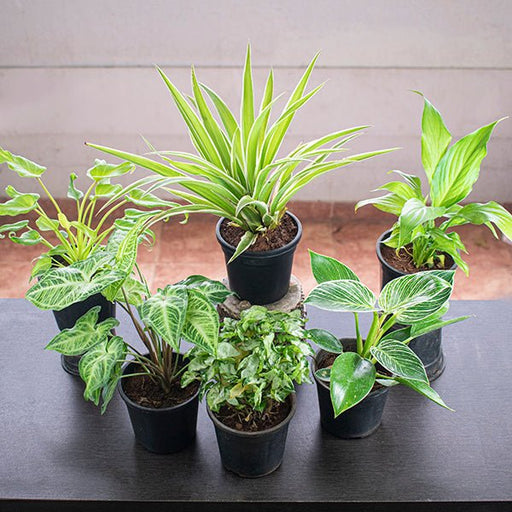
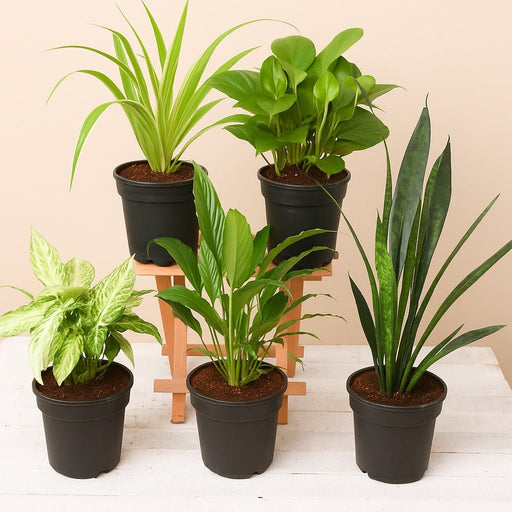
View full detailsBest 6 Plants for Perfect Indoor Garden Transform your living space into a lush oasis with our curated collection of the Best 6 Plants for a...
View full detailsBest 6 Plants for Perfect Indoor Garden Transform your living space into a lush oasis with our curated collection of the Best 6 Plants for a...
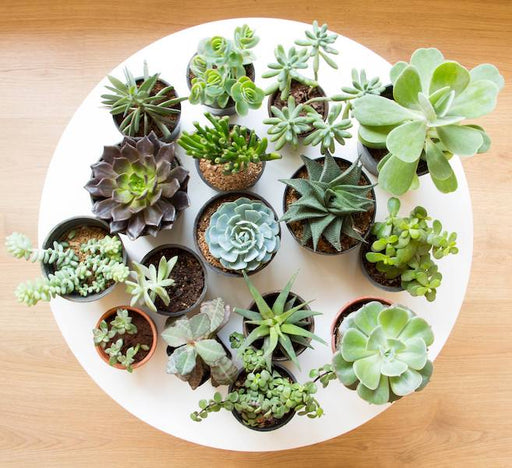
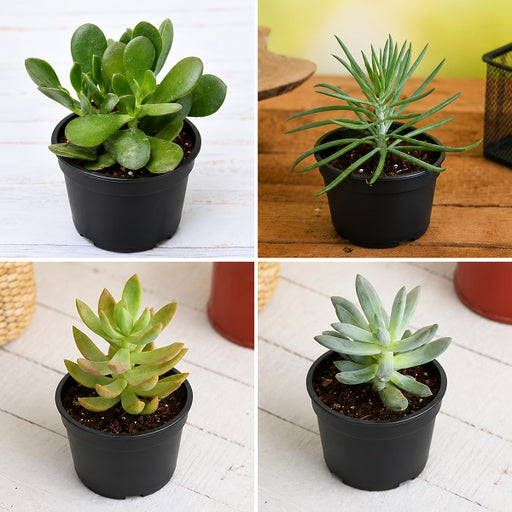
View full detailsMini Succulent Garden Pack Transform your space with our Mini Succulent Garden Pack, featuring a delightful collection of 4 any variety beautiful s...
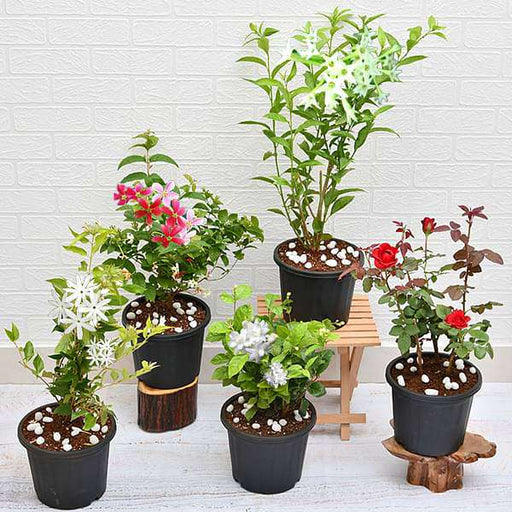
View full details5 Best Fragrant Plants Transform your garden or indoor space into a fragrant paradise with our curated selection of the 5 Best Fragrant Plants. Th...
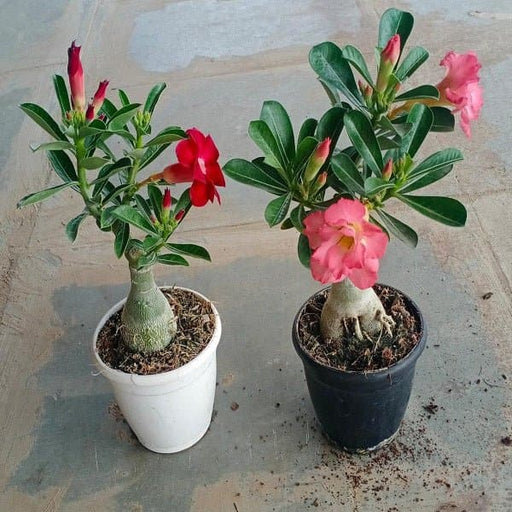
View full detailsSet of 2 Bonsai Looking Grafted Adeniums Transform your indoor or outdoor space with our exquisite Set of 2 Bonsai Looking Grafted Adenium...
View full detailsTop 4 Die Hard Succulents Pack Note: Plants included in this pack will be delivered in a 3-inch nursery pot (any color). Transform your indoor or ...
View full details5 Best Indoor Plants Pack Transform your living space into a lush oasis with our '5 Best Indoor Plants Pack.' This carefully curated collection fe...
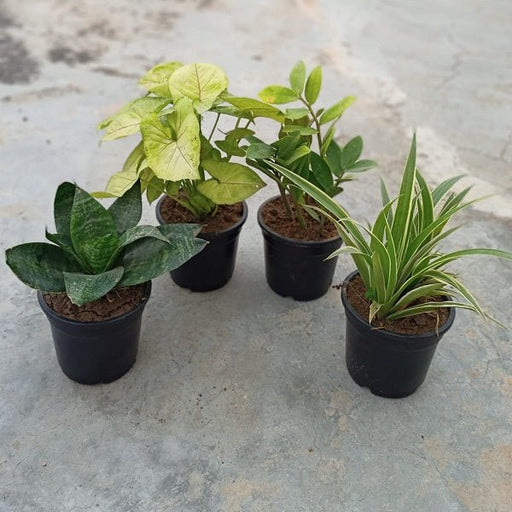
View full detailsSet of 4 Evergreen Air Purifier Plant Pack Transform your indoor space into a lush, green oasis with our Set of 4 Evergreen Air Purifier Pla...
View full detailsTop 5 Pollution Killer Plants Pack Transform your living space into a breath of fresh air with our 'Top 5 Pollution Killer Plants Pack'. This care...
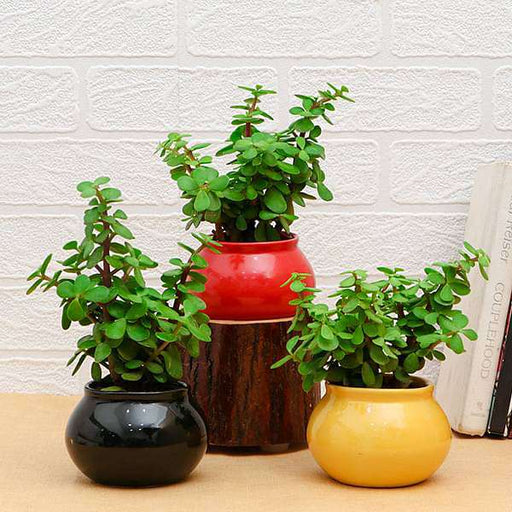
View full detailsPack of 3 Good Luck Jade Plants in Ceramic Pots Bring a touch of nature into your home with our Pack of 3 Good Luck Jade Plants, featuring...
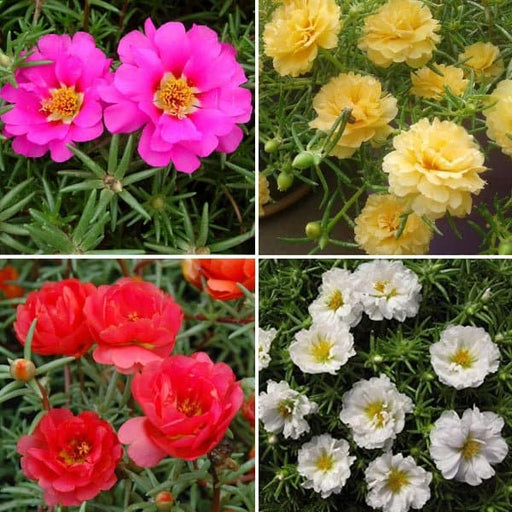
View full detailsPortulaca Garden Pack (4 Plants + 4 Black Pots) Note- You will get any color (Assorted) potted Porulaca plant with this pack. Transform your garde...
View full details






Leave a comment