
Expert Support
Available 24/7 via chat
Available 24/7 via chat
If you've ever seen a shower of violet-blue flowers cascading down a tree in early spring, you've likely witnessed the magic of a Neel Mohar. This stunning ornamental is one of India's most beloved flowering trees, celebrated for its cloud-like purple-blue blooms and effortless elegance. Whether you're planting it as a stately avenue tree or a spectacular specimen in your garden, Neel Mohar rewards even beginner gardeners with reliable, breathtaking spring displays.
Neel Mohar (Jacaranda Mimosifolia), also known as blue jacaranda, black poui, or fern tree, is a deciduous flowering tree that thrives in tropical and subtropical climates. In Indian gardens, it has earned a treasured place for its ability to flourish in warm conditions and produce spectacular spring blooms. The tree is remarkably easy to grow, making it an excellent choice for both seasoned gardeners and beginners. When mature, Neel Mohar can reach impressive heights of 5 to 15 meters, making it ideal for larger garden spaces, avenue plantings, or as a striking focal point in a landscape. The tree you receive from the nursery—typically around 42 inches tall with a 7-inch spread—will develop into a mature specimen over several years with proper care.
| Aspect | Details |
|---|---|
| Light | Full sun (6+ hours daily) |
| Water | Medium; drought-tolerant once established |
| Soil | Well-drained soil; tolerates various types |
| Temperature | 20–30°C (optimal growth range) |
Neel Mohar is a sun-lover and thrives in full sun exposure. For the most abundant violet spring blooms, ensure your tree receives at least 6 hours of direct sunlight daily. In India's tropical climate, this is usually easy to achieve, though trees planted in heavily shaded areas may grow slower and produce fewer flowers. If you're growing Neel Mohar in a pot or container initially, place it in the brightest spot in your garden or on a south-facing balcony. Once established in the ground, its deep root system makes it naturally sun-seeking, and it will grow toward available light. Trees planted in partial shade will survive but may not flower as reliably.
Neel Mohar requires medium watering, which translates to consistent moisture during establishment and moderate watering once mature. Young, newly planted trees need regular hydration to develop a strong root system—water 2–3 times weekly during the first 2–3 months, particularly during the hot pre-monsoon months of March to May. Once established after 6–8 months, the tree becomes remarkably drought-tolerant and can tolerate longer dry spells between waterings. During the monsoon season, reduce watering frequency significantly, as natural rainfall usually provides ample moisture. In the dry season (November to February), water moderately when the soil feels dry to the touch. Avoid waterlogging, as this causes root rot—a key failure point for neglected specimens. In areas with hard water (common across India), occasional mulching helps reduce water evaporation and keeps the soil cool and stable.
Neel Mohar is adaptable to various soil types but grows best in well-drained soil. Before planting, amend the planting hole generously with organic matter such as aged compost or well-rotted farmyard manure. This improves soil structure, enhances water retention during dry periods, and supports beneficial microbial activity. The tree tolerates alkaline conditions (relevant for gardeners dealing with hard water or chalky soils common in many Indian regions). Apply organic fertilizer once during early spring—typically February to March—to support vigorous growth and abundant flowering. A balanced, slow-release organic fertilizer works well; avoid over-fertilizing, as excessive nitrogen promotes leafy growth at the expense of flowers. Mulching around the base with 2–3 inches of aged compost helps maintain soil fertility, reduces water loss during hot months, and moderates soil temperature.
Neel Mohar thrives in the optimal temperature range of 20–30°C, which aligns perfectly with much of India's climate during spring and winter months. The tree is deciduous and naturally sheds its fern-like foliage during cooler months (December to February)—this is a healthy, expected response to seasonal change and not a sign of stress or disease. Humidity is not a limiting factor in most Indian regions, particularly during the monsoon when the tree benefits from increased atmospheric moisture. In very dry regions (parts of Rajasthan or Gujarat), consistent supplemental watering helps compensate for naturally low humidity. The tree handles India's intense summer heat (35°C and above) remarkably well, especially once established, though regular watering during the hottest months prevents undue stress and supports continuous flowering.
Neel Mohar can be propagated from seeds or semi-hardwood cuttings, though both methods require patience. Seeds are the easier route for home gardeners: collect seed pods in late summer after flowers fade, extract the distinctive papery-winged seeds, and sow them in well-draining seed-starting mix. Keep the medium moist and maintain warmth (20–25°C); germination typically occurs within 2–4 weeks. Semi-hardwood cuttings taken in early summer can be rooted with the aid of rooting hormone, though success rates are typically lower than seeds. Both methods yield slow-growing young plants that eventually develop into strong, flowering specimens. For faster results and guaranteed flowering genetics, purchasing a nursery-grown specimen like the 42-inch plants commonly available is a practical alternative.
Neel Mohar is remarkably disease-resistant, but several issues can occasionally arise. Leaf-cutter bees or beetles may notch the leaves cosmetically; this causes no real harm to overall health. Overwatering or poor drainage can cause root rot—the most serious threat—so ensure soil drains freely and allow it to dry slightly between waterings. In very humid, enclosed spaces, fungal issues may develop on foliage; improve air circulation by pruning lower branches and thinning the canopy. Scale insects occasionally appear in very dry conditions; treat with a horticultural oil spray if needed. The tree's natural leaf drop in winter is normal and expected, not a disease symptom. Finally, young trees growing in dense shade may produce few or no flowers; if this occurs, prune surrounding vegetation or relocate the tree to a sunnier position.
Ready to grow your own? Shop Neel Mohar at Nurserylive →
Neel Mohar, Jacaranda Mimosifolia - Plant The Neel Mohar, scientifically known as Jacaranda Mimosifolia, is a stunning ornamental tree ren...
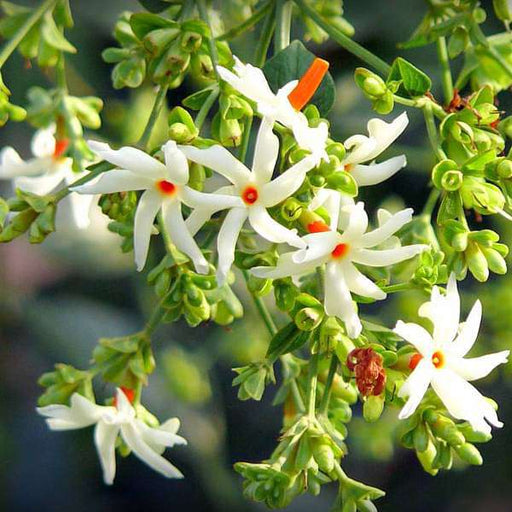
View full detailsCombo Constituents Includes the Parijat Tree (Night-Flowering Jasmine), a culturally significant plant with fragrant flowers. Description The Pari...
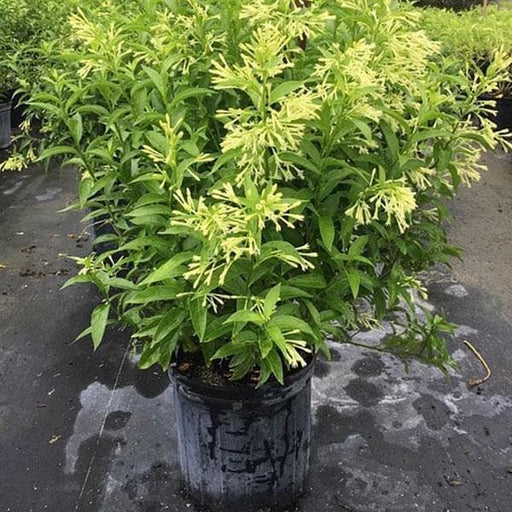
View full detailsDescription Raat Ki Rani (*Cestrum nocturnum*), also known as Night Blooming Jasmine, is a fragrant shrub native to the Caribbean and Central Ameri...
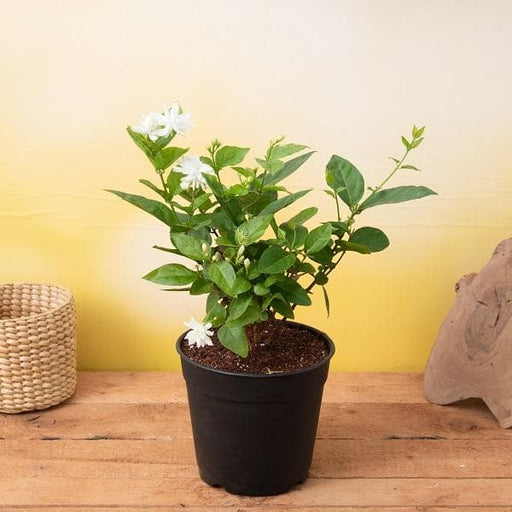
View full detailsJasminum sambac, Mogra, Arabian Jasmine - Plant Jasminum sambac, commonly known as Mogra or Arabian Jasmine, is a fragrant flowering plant...
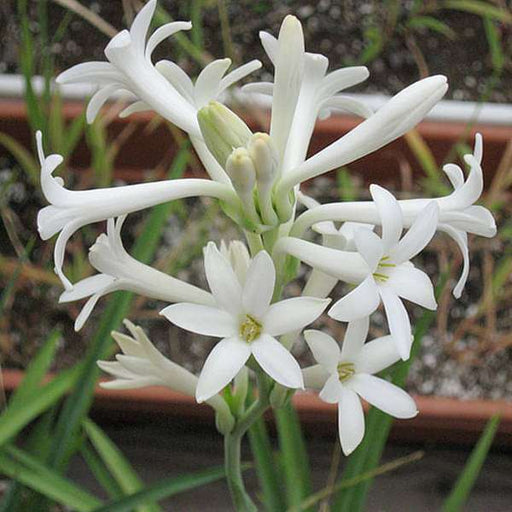
View full detailsRajnigandha, Tuberose - Plant The Rajnigandha, scientifically known as Polianthes tuberosa, is a captivating perennial plant renowned for ...
View full detailsCitronella, Odomas - Plant The Citronella plant, scientifically known as Cymbopogon nardus, is a tropical grass renowned for its aromatic ...
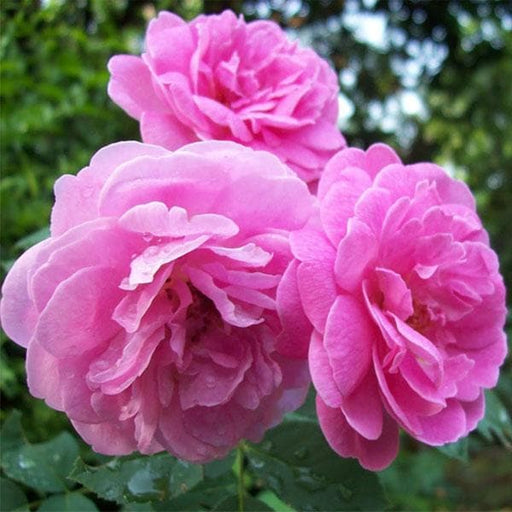
View full detailsDamascus Rose, Scented Rose (Any Color) - Plant The Damascus Rose, also known as Rosa damascena, is a timeless symbol of beauty and romanc...
View full detailsMiniature Rose, Button Rose (Any Color) - Plant The Miniature Rose, also known as the Button Rose, is a charming and compact flowering plant that ...
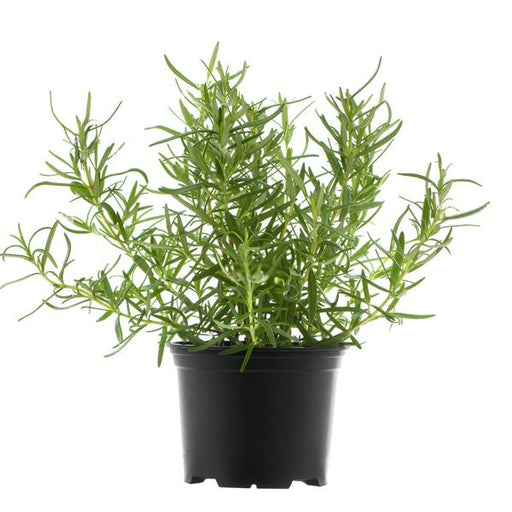
View full detailsRosemary - Plant Rosemary (Rosmarinus officinalis) is a fragrant evergreen herb native to the Mediterranean region. Known for its needle-like leav...
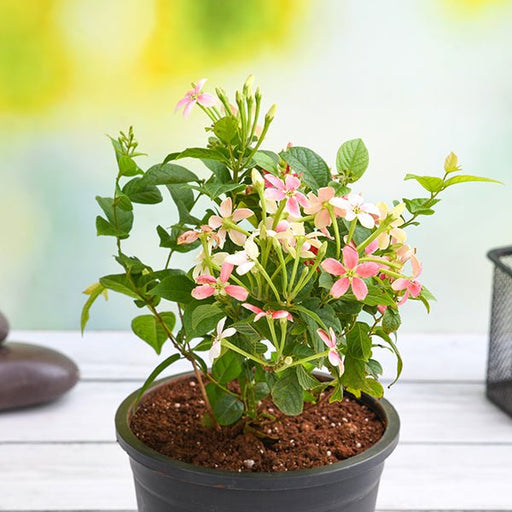
View full detailsMadhumalti Dwarf, Rangoon Creeper - Plant The Madhumalti Dwarf, also known as the Rangoon Creeper (Quisqualis indica), is a stunning perennial vin...
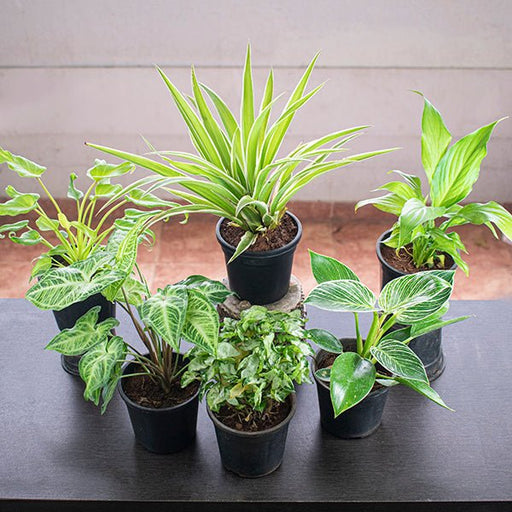
View full detailsBest 6 Plants for Perfect Indoor Garden Transform your living space into a lush oasis with our curated collection of the Best 6 Plants for a...
View full detailsBest 6 Plants for Perfect Indoor Garden Transform your living space into a lush oasis with our curated collection of the Best 6 Plants for a...
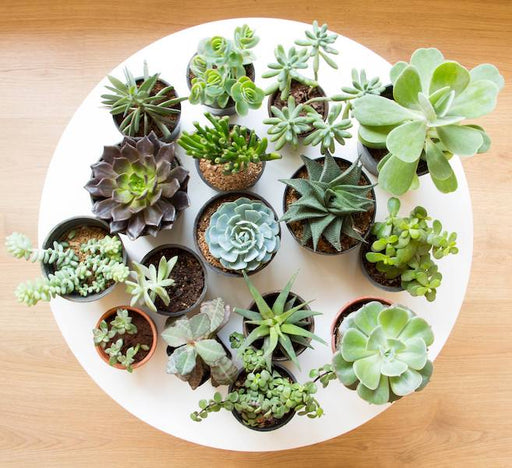
View full detailsMini Succulent Garden Pack Transform your space with our Mini Succulent Garden Pack, featuring a delightful collection of 4 any variety beautiful s...
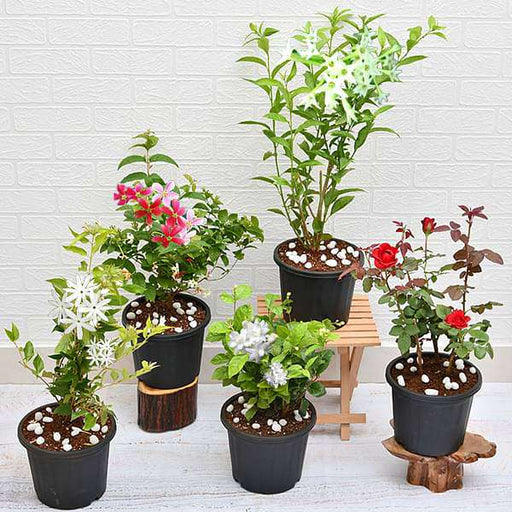
View full details5 Best Fragrant Plants Transform your garden or indoor space into a fragrant paradise with our curated selection of the 5 Best Fragrant Plants. Th...
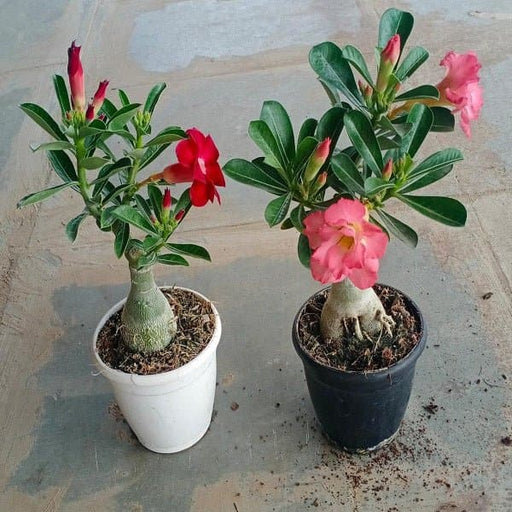
View full detailsSet of 2 Bonsai Looking Grafted Adeniums Transform your indoor or outdoor space with our exquisite Set of 2 Bonsai Looking Grafted Adenium...
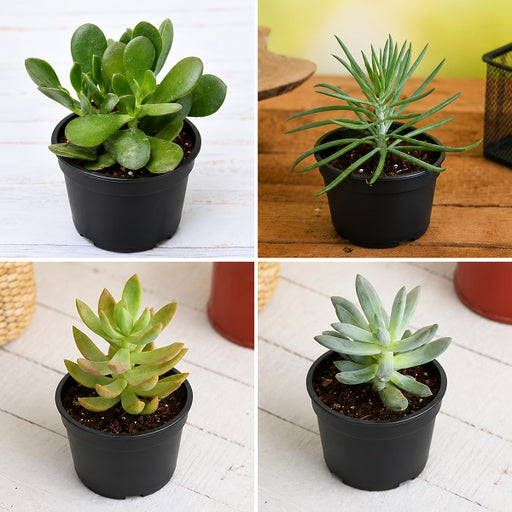
View full detailsTop 4 Die Hard Succulents Pack Note: Plants included in this pack will be delivered in a 3-inch nursery pot (any color). Transform your indoor or ...
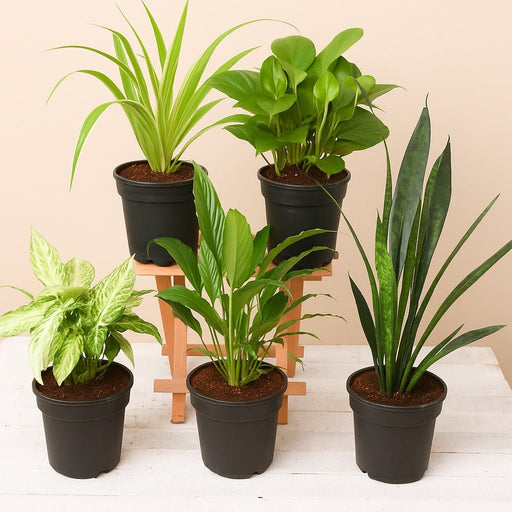
View full details5 Best Indoor Plants Pack Transform your living space into a lush oasis with our '5 Best Indoor Plants Pack.' This carefully curated collection fe...
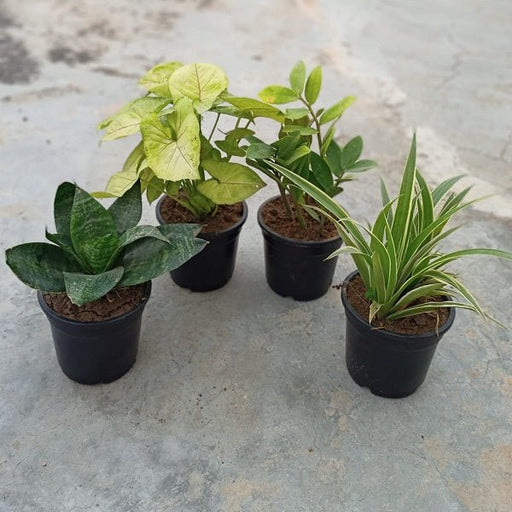
View full detailsSet of 4 Evergreen Air Purifier Plant Pack Transform your indoor space into a lush, green oasis with our Set of 4 Evergreen Air Purifier Pla...
View full detailsTop 5 Pollution Killer Plants Pack Transform your living space into a breath of fresh air with our 'Top 5 Pollution Killer Plants Pack'. This care...
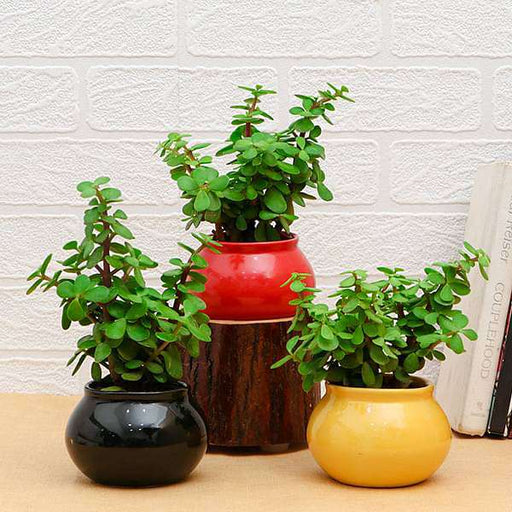
View full detailsPack of 3 Good Luck Jade Plants in Ceramic Pots Bring a touch of nature into your home with our Pack of 3 Good Luck Jade Plants, featuring...
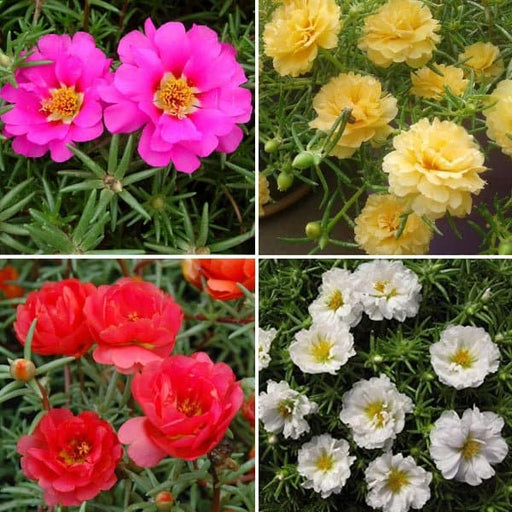
View full detailsPortulaca Garden Pack (4 Plants + 4 Black Pots) Note- You will get any color (Assorted) potted Porulaca plant with this pack. Transform your garde...
View full details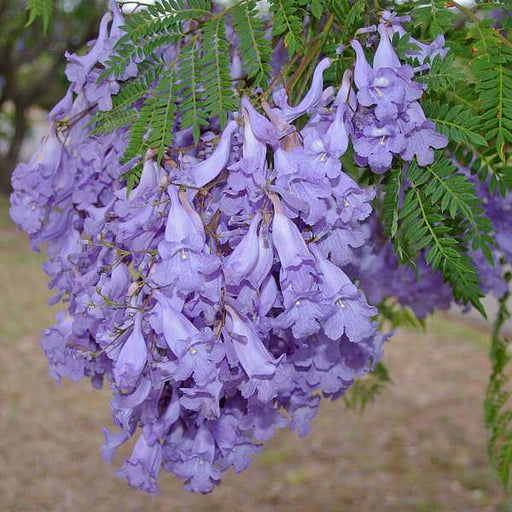






Leave a comment