
Expert Support
Available 24/7 via chat
Available 24/7 via chat
The Monstera deliciosa—known locally as the Swiss cheese plant or Hurricane plant—is the ultimate statement-making houseplant for Indian homes. With its iconic deeply lobed leaves and effortless growing habit, it's earned a permanent place on shelves across India's gardens and living rooms. The best part? It's genuinely easy to grow, even if you've never kept a houseplant before.
Monstera deliciosa is a tropical climbing plant native to Central America, though it's adapted beautifully to Indian homes. The plant gets its common names from its distinctive characteristics: the Swiss cheese plant because of the holes (fenestration) that appear in its mature leaves, and Hurricane plant for its wind-resistant, sturdy build. You'll also hear it called Split-leaf Philodendron, though it's botanically distinct.
The plant produces whitish-green flowers with a white spathe, though flowering indoors is rare and requires patience and ideal growing conditions. Instead, most Indian gardeners appreciate Monstera for its dramatic foliage, which becomes more deeply lobed and fenestrated as the plant matures. The contrast between the glossy green leaves and the plant's architectural growth habit makes it a bold design statement in any space.
| Care Aspect | Requirement |
|---|---|
| Light | Morning sunlight or bright indirect light |
| Watering | Moderate (allow soil to dry between waterings) |
| Soil | Well-drained soil with organic matter |
| Temperature | 20–30°C (ideal for Indian climate) |
Monstera deliciosa thrives in bright, indirect light—the sweet spot for Indian homes. Place your plant near an east or west-facing window where it receives morning sunlight without harsh afternoon rays. This mimics the plant's natural habitat under jungle canopies. During India's intense summers, afternoon shade is essential to prevent leaf scorch; morning sunlight is gentler and meets the plant's needs perfectly.
The plant adapts well to medium light conditions, making it excellent for offices and living rooms with gentle illumination. However, avoid deep shade or locations far from windows—growth will slow, and the characteristic leaf splits may not develop fully. If leaves become smaller or the plant stretches toward light, it's signaling a need for brighter conditions.
Water your Monstera moderately—the key to preventing root rot, the most common problem. Rather than following a fixed schedule, check the soil first. Stick your finger 1–2 inches into the soil; if it feels dry, water thoroughly until water drains from the pot. If soil is still moist, wait a few days. In India's warm climate, this typically means watering every 7–10 days during growing seasons, though frequency depends on pot size, soil composition, and humidity.
During monsoon season, reduce watering frequency—high ambient humidity and rainfall mean soil stays moist longer. Winter (November–February) requires even less water as growth slows. Use room-temperature water. If your area has hard water (common in many Indian cities), collect rainwater or boil and cool tap water to prevent mineral buildup on leaves, which affects plant health over time.
Monstera requires well-drained soil to prevent waterlogging and root rot. Prepare a mix using potting soil, coconut coir, and perlite or orchid bark in equal parts. This ensures water doesn't pool around roots while retaining enough moisture for the plant during dry spells. Coconut coir is particularly beneficial in India's heat, as it retains moisture without compacting.
Feed your Monstera with organic fertilizer during the growing season (March–September). Apply diluted, balanced organic fertilizer every 4–6 weeks. Neem cake, seaweed extract, or kitchen compost work wonderfully and align with sustainable gardening principles. Reduce feeding in winter when growth slows. Overfertilizing causes salt accumulation—especially problematic with hard water—so organic fertilizers are ideal, providing steady nutrients without risk.
The ideal temperature range for Monstera deliciosa is 20–30°C, which perfectly aligns with India's tropical and subtropical climate. The plant thrives in typical Indian home temperatures and actually prefers the warmth. Avoid extended exposure to temperatures below 15°C; cold stress causes leaf damage and dramatically slows growth.
Monstera loves humidity, and India's monsoon season is ideal. However, in dry months or air-conditioned rooms, increase humidity by misting leaves every 2–3 days with room-temperature water, or place the pot on a tray with water and pebbles. These practices improve humidity and allow more efficient photosynthesis. During winter's drier weather, regular misting becomes even more important for plant health.
Monstera propagates easily, making it simple to expand your collection or share with fellow gardeners. The best time to propagate is during the growing season (April–August) when the plant actively produces new growth.
To propagate: Select a healthy stem with at least one leaf node (the small bump where roots develop). Cut just below the node using clean scissors or a knife. You can propagate in water or soil. For water propagation, place the cutting in a glass, changing water every 3–4 days; roots appear within 2–3 weeks. For soil propagation, plant the cutting directly in moist, well-drained soil, keeping it consistently moist (not waterlogged) for 2–3 weeks until roots establish. Once roots reach 1 inch long, treat the new plant as a mature Monstera.
Root Rot: The most frequent issue, caused by overwatering or poor drainage. Always check soil before watering, ensure your pot has drainage holes, and use a well-drained soil mix.
Brown Leaf Tips: Usually caused by hard water minerals or low humidity. Mist regularly and filter or boil water before use. This is especially common in Indian cities with mineral-heavy tap water.
Yellow Leaves: Often indicates overwatering or nutrient deficiency. Check soil moisture and adjust watering frequency. If leaves appear uniformly pale, add organic fertilizer.
Pests: Spider mites and mealybugs occasionally appear, especially in dry conditions. Spray affected leaves with diluted neem oil spray every 7 days until pests disappear.
Ready to grow your own? Shop Monstera deliciosa at Nurserylive →
Monstera Deliciosa - The Swiss Cheese Plant The Monstera deliciosa, commonly known as the Swiss Cheese Plant, is a tropical perennial nati...
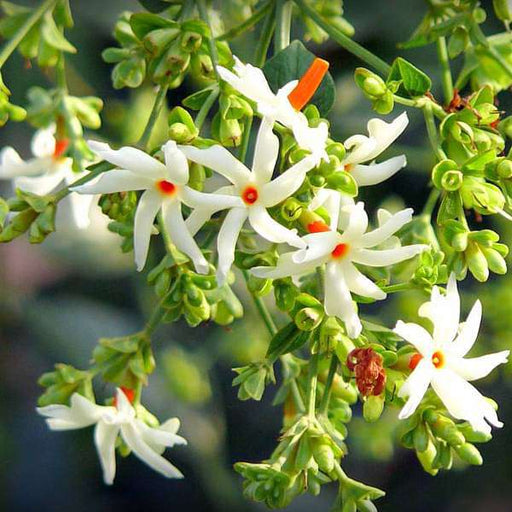
View full detailsCombo Constituents Includes the Parijat Tree (Night-Flowering Jasmine), a culturally significant plant with fragrant flowers. Description The Pari...
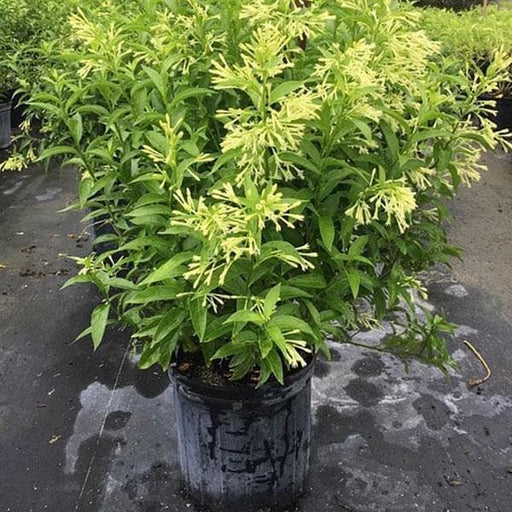
View full detailsDescription Raat Ki Rani (*Cestrum nocturnum*), also known as Night Blooming Jasmine, is a fragrant shrub native to the Caribbean and Central Ameri...
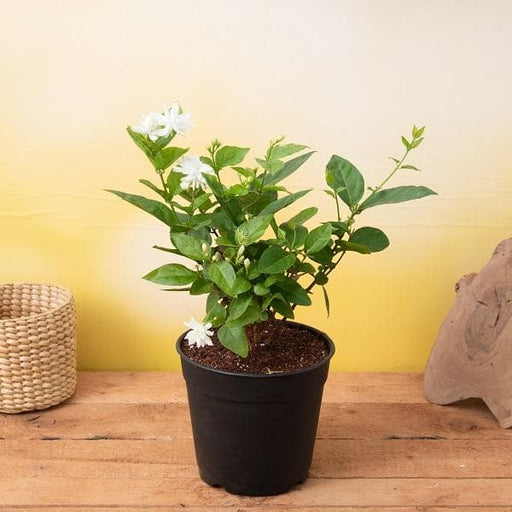
View full detailsJasminum sambac, Mogra, Arabian Jasmine - Plant Jasminum sambac, commonly known as Mogra or Arabian Jasmine, is a fragrant flowering plant...
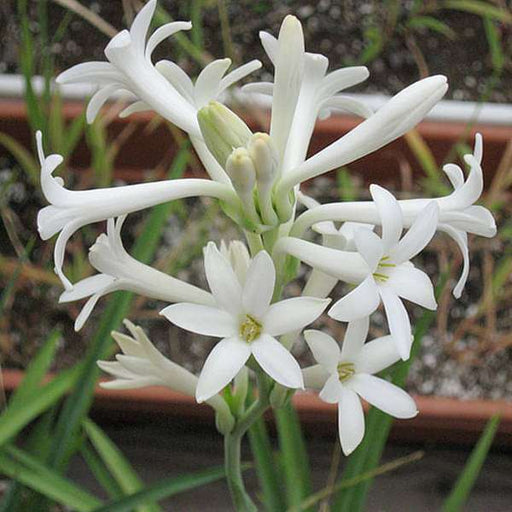
View full detailsRajnigandha, Tuberose - Plant The Rajnigandha, scientifically known as Polianthes tuberosa, is a captivating perennial plant renowned for ...
View full detailsCitronella, Odomas - Plant The Citronella plant, scientifically known as Cymbopogon nardus, is a tropical grass renowned for its aromatic ...
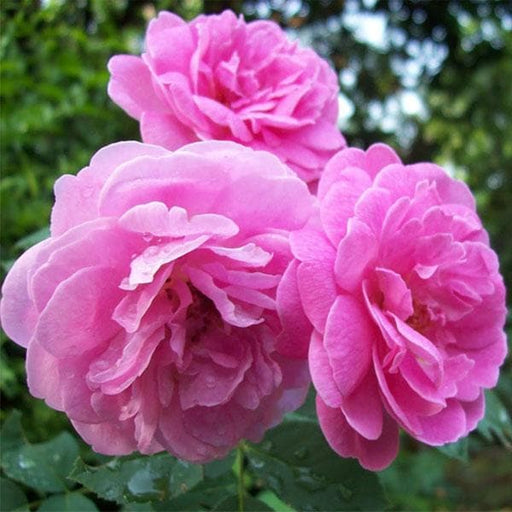
View full detailsDamascus Rose, Scented Rose (Any Color) - Plant The Damascus Rose, also known as Rosa damascena, is a timeless symbol of beauty and romanc...
View full detailsMiniature Rose, Button Rose (Any Color) - Plant The Miniature Rose, also known as the Button Rose, is a charming and compact flowering plant that ...
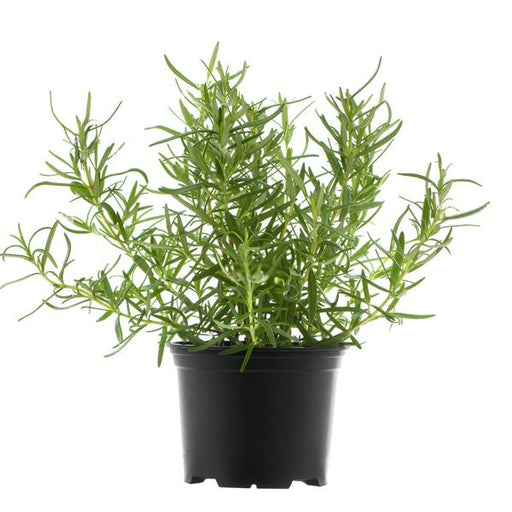
View full detailsRosemary - Plant Rosemary (Rosmarinus officinalis) is a fragrant evergreen herb native to the Mediterranean region. Known for its needle-like leav...
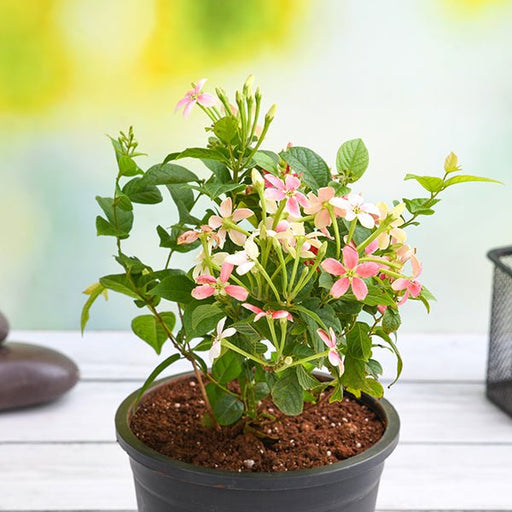
View full detailsMadhumalti Dwarf, Rangoon Creeper - Plant The Madhumalti Dwarf, also known as the Rangoon Creeper (Quisqualis indica), is a stunning perennial vin...
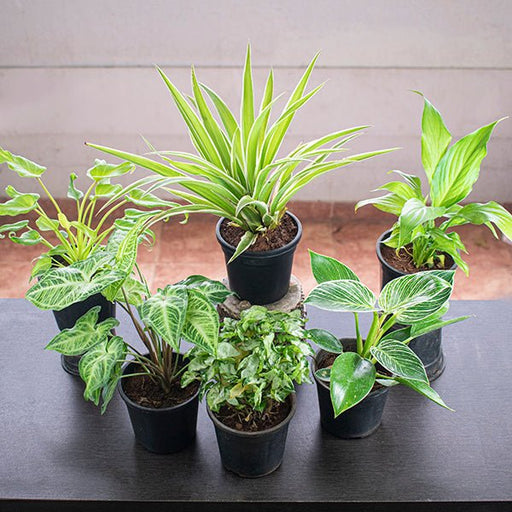
View full detailsBest 6 Plants for Perfect Indoor Garden Transform your living space into a lush oasis with our curated collection of the Best 6 Plants for a...
View full detailsBest 6 Plants for Perfect Indoor Garden Transform your living space into a lush oasis with our curated collection of the Best 6 Plants for a...
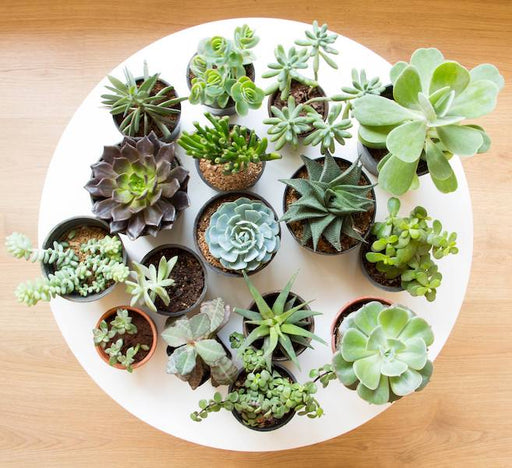
View full detailsMini Succulent Garden Pack Transform your space with our Mini Succulent Garden Pack, featuring a delightful collection of 4 any variety beautiful s...
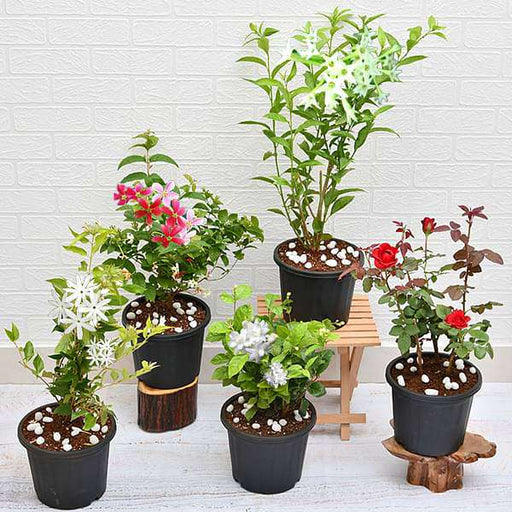
View full details5 Best Fragrant Plants Transform your garden or indoor space into a fragrant paradise with our curated selection of the 5 Best Fragrant Plants. Th...
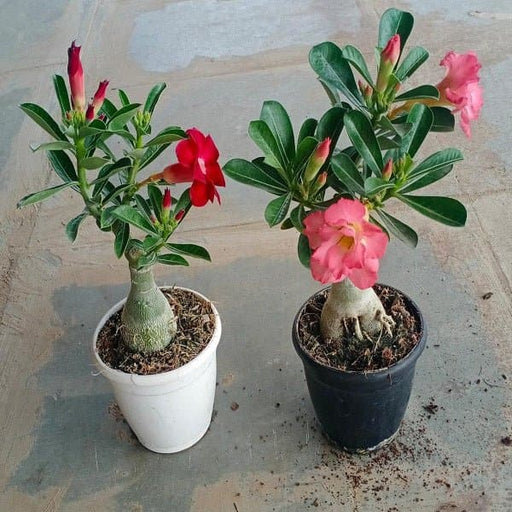
View full detailsSet of 2 Bonsai Looking Grafted Adeniums Transform your indoor or outdoor space with our exquisite Set of 2 Bonsai Looking Grafted Adenium...
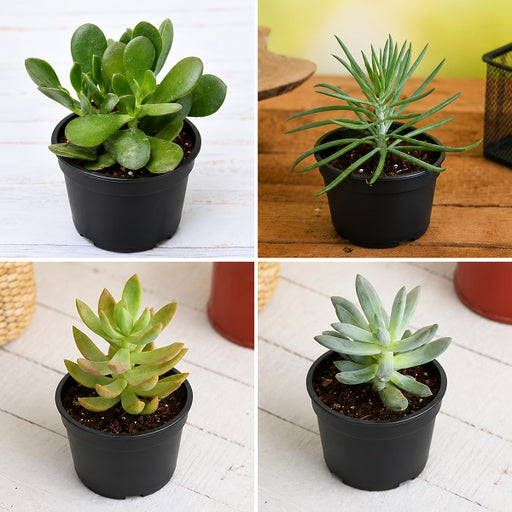
View full detailsTop 4 Die Hard Succulents Pack Note: Plants included in this pack will be delivered in a 3-inch nursery pot (any color). Transform your indoor or ...
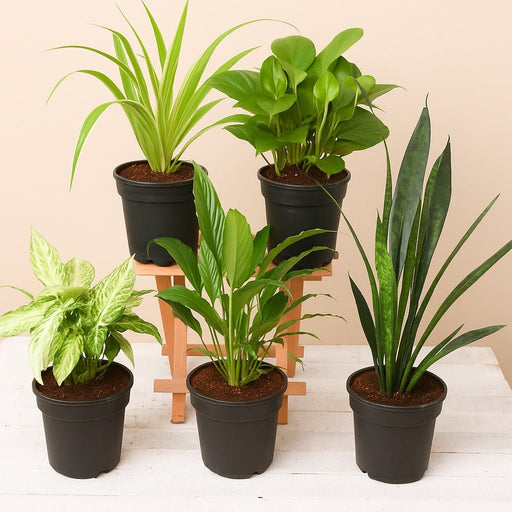
View full details5 Best Indoor Plants Pack Transform your living space into a lush oasis with our '5 Best Indoor Plants Pack.' This carefully curated collection fe...
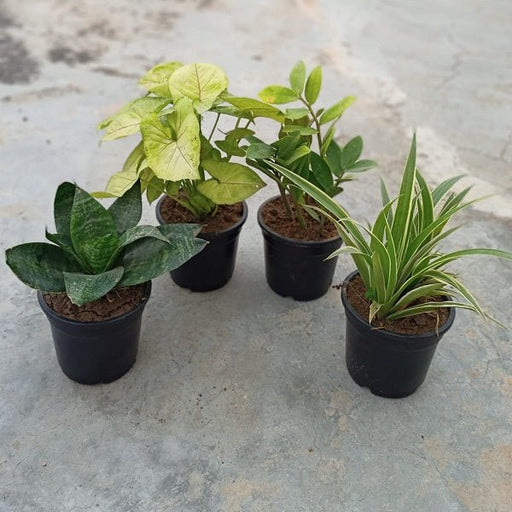
View full detailsSet of 4 Evergreen Air Purifier Plant Pack Transform your indoor space into a lush, green oasis with our Set of 4 Evergreen Air Purifier Pla...
View full detailsTop 5 Pollution Killer Plants Pack Transform your living space into a breath of fresh air with our 'Top 5 Pollution Killer Plants Pack'. This care...
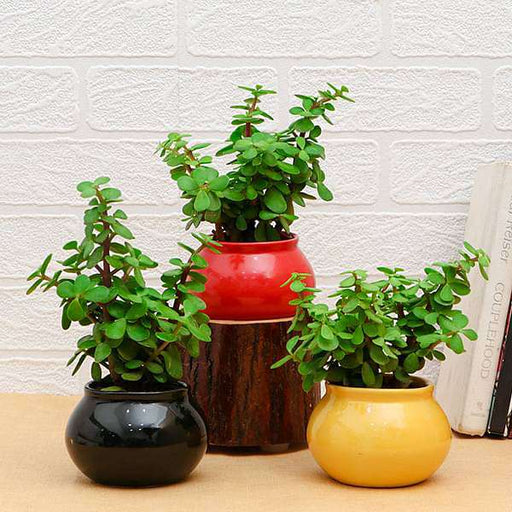
View full detailsPack of 3 Good Luck Jade Plants in Ceramic Pots Bring a touch of nature into your home with our Pack of 3 Good Luck Jade Plants, featuring...
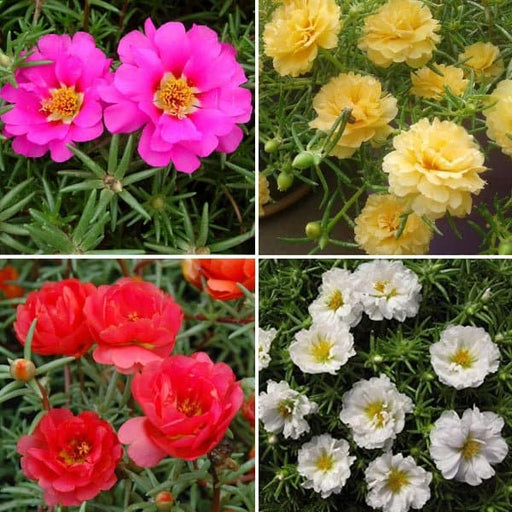
View full detailsPortulaca Garden Pack (4 Plants + 4 Black Pots) Transform your garden into a vibrant oasis with our Portulaca Garden Pack, featuring four ...
View full details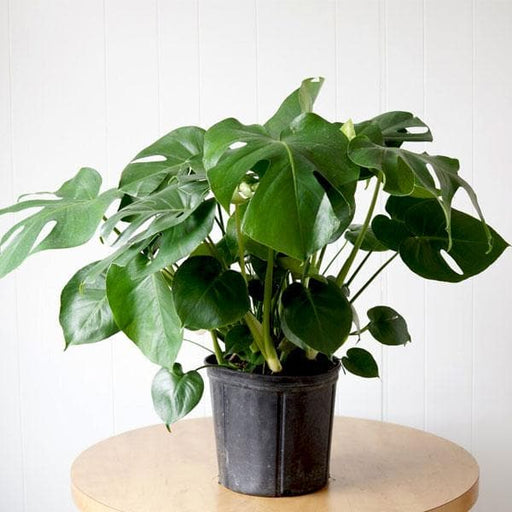





Leave a comment