
Expert Support
Available 24/7 via chat
Available 24/7 via chat
Mosambi—known locally as Indian sweet lime, mausammi, or simply sweet lime—is a beloved citrus that delivers refreshing, juicy fruits with natural sweetness. Whether you're a seasoned gardener or starting your first fruit plant, mosambi is forgiving, productive, and deeply rewarding. The grafted varieties now available (like our 36-inch starter plant) reach maturity faster than seedlings, often fruiting within 1–2 years. This guide covers everything you need to know to grow a thriving mosambi plant outdoors in India's varied climate zones.
Mosambi (Citrus limetta) is a sweet lime native to South Asia, and it thrives across India. Known by several names—sweet limetta, sweet lemon, Persian lime, and sweet orange—mosambi is prized for its thin, easy-to-peel skin and seedless, refreshing juice packed with vitamin C. The fruit also carries traditional medicinal value, believed to aid digestion and boost immunity.
The grafted plants we offer start at 36 inches (91 cm) tall with a compact initial spread of 6 inches (15 cm). With proper care, your mosambi will reach 4–5 meters in height, producing dozens of fragrant white flowers in late summer and fall, followed by abundant fruit. Grafted plants skip the long juvenile phase, enabling fruiting much sooner than grown-from-seed trees. Their easy-to-grow nature makes them ideal for balcony pots, home orchards, or garden beds across India's tropical and subtropical zones.
| Care Aspect | Requirement |
|---|---|
| Light | Natural bright light; 6–8 hours direct sunlight daily |
| Water | When topsoil (1–2 inches) feels dry; check with finger or stick |
| Soil | Well-drained, fertile, rich in organic content |
| Temperature | 20–35°C; thrives in India's warm seasons |
Mosambi demands natural bright light to thrive and fruit generously. Position your plant in a spot that receives 6–8 hours of direct sunlight daily. In India's intense summer sun, this is rarely a problem; in fact, the more light your mosambi receives, the sweeter and more abundant your fruit harvest will be. If growing in a pot on a balcony or terrace, ensure it's not shaded by walls or other plants. During monsoon season, when cloud cover increases, place the plant in the brightest available location to compensate for reduced daylight. Insufficient light will slow growth, reduce flowering, and result in lower fruit yield.
Correct watering is crucial—citrus trees dislike waterlogged roots, which cause fungal issues and root rot. Use the finger test: poke your finger or a small stick 1–2 inches into the soil. If the topsoil feels dry to the touch, water thoroughly until water drains from the pot's base (or until the soil around the plant is moist to a depth of 6–8 inches). If the soil still feels moist, wait another day or two before watering.
In India's hot season (March–May), mosambi may need watering every 2–3 days. During monsoon, reduce frequency significantly—often once weekly or less, depending on rainfall. In cooler months, water every 4–7 days. Always water early morning or late evening to minimize evaporation and stress. If using tap water in hard-water regions (common in North India), leave it in a bucket overnight to allow some mineral settling. Rainwater is ideal; consider collecting it during the monsoon.
Mosambi thrives in well-drained, fertile soil rich in organic matter. If planting in the ground, amend native soil with compost or aged manure—aim for a soil mix that is 40–50% organic material. For potted plants, use a citrus-specific potting mix or a blend of coconut coir, perlite, and compost (2:1:1 ratio) to ensure drainage while retaining nutrients.
Apply organic fertilizer regularly during the growing season (March–September). Use well-decomposed cow manure, neem cake, or fruit-tree organic fertilizers as per package directions—typically every 4–6 weeks. During fruiting season, potassium-rich fertilizers (bone meal, wood ash) support larger, sweeter fruit. Reduce feeding in winter (October–February). Mulch around the base with 2–3 inches of dried leaves or coconut husk to retain moisture, regulate soil temperature, and add organic matter as it decomposes.
Mosambi thrives in the 20–35°C temperature range, which aligns perfectly with India's warm season and pre-monsoon weather. The plant is remarkably heat-tolerant, making it ideal for south-facing gardens and sunlit terraces. In extreme heat waves (above 38°C), provide afternoon shade or increase watering frequency to prevent stress and fruit drop.
Mosambi tolerates dry air and does not require artificial humidity. However, during dry months, misting foliage once or twice weekly helps reduce dust and spider mites. Ensure good air circulation around the plant to prevent fungal diseases; space potted plants apart and prune lower branches to allow airflow. In regions with intense monsoon humidity, monitor for fungal leaf spots and treat early with neem oil if needed.
While seeds can be sown (though seedlings take 5–7 years to fruit), the grafted plants offered are your fastest path to fruit. Grafted mosambi are propagated by air-layering or grafting onto hardy rootstocks, ensuring disease resistance and early fruiting. If you wish to propagate from a mature tree, air-layering in spring (March–April) is the most reliable method: select a young branch, wrap moist sphagnum moss around a stripped section, cover with plastic, and roots will develop within 6–8 weeks. Once roots form, cut below and pot in fertile, moist soil, keeping it warm and humid until established.
Mosambi is generally hardy, but watch for: Root rot (from overwatering)—reduce watering frequency and repot into fresh, drained soil. Leaf yellowing often signals poor drainage or nutrient deficiency; improve drainage, apply iron-rich fertilizer, and ensure organic matter in soil. Mites and scale insects appear in dry spells; spray neem oil fortnightly. Citrus canker (bacterial spots on leaves and fruit) is rare but serious in monsoon-heavy areas; remove infected leaves, avoid overhead watering, and ensure airflow. Fruit drop can occur during stress (heat, drought, or temperature shock); consistent care prevents it.
Ready to grow your own? Shop Mosambi at Nurserylive →
Mosambi, Sweet Lime (Grafted) - Plant The Mosambi, or Sweet Lime, is a delightful citrus fruit known for its refreshing taste and numerous...
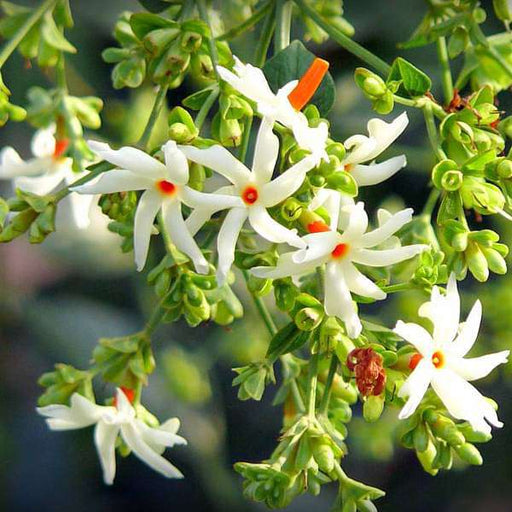
View full detailsCombo Constituents Includes the Parijat Tree (Night-Flowering Jasmine), a culturally significant plant with fragrant flowers. Description The Pari...
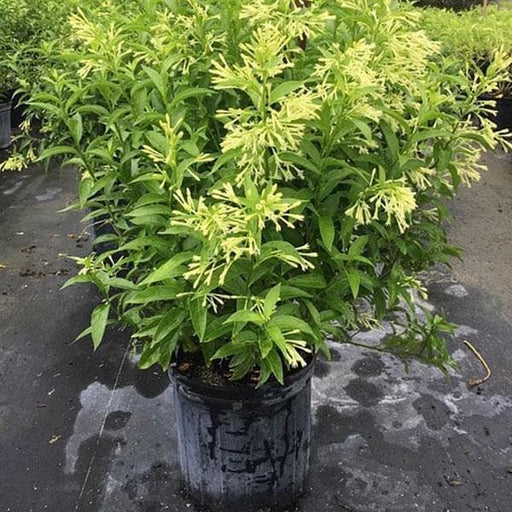
View full detailsDescription Raat Ki Rani (*Cestrum nocturnum*), also known as Night Blooming Jasmine, is a fragrant shrub native to the Caribbean and Central Ameri...
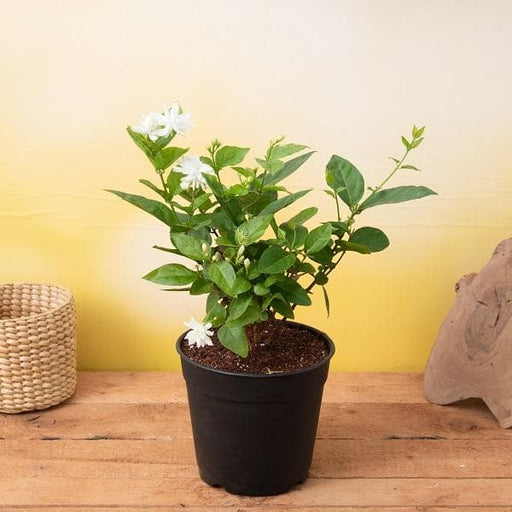
View full detailsJasminum sambac, Mogra, Arabian Jasmine - Plant Jasminum sambac, commonly known as Mogra or Arabian Jasmine, is a fragrant flowering plant...
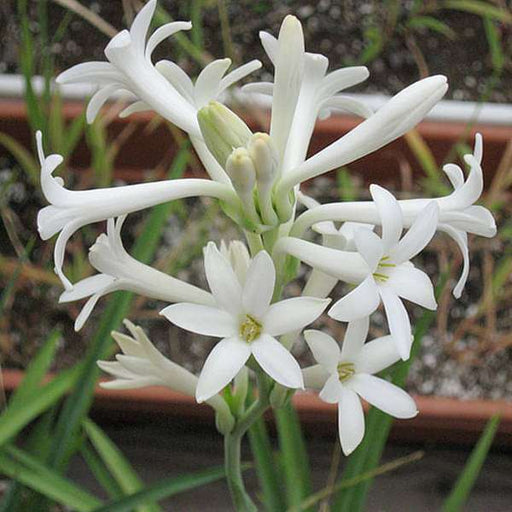
View full detailsRajnigandha, Tuberose - Plant The Rajnigandha, scientifically known as Polianthes tuberosa, is a captivating perennial plant renowned for ...
View full detailsCitronella, Odomas - Plant The Citronella plant, scientifically known as Cymbopogon nardus, is a tropical grass renowned for its aromatic ...
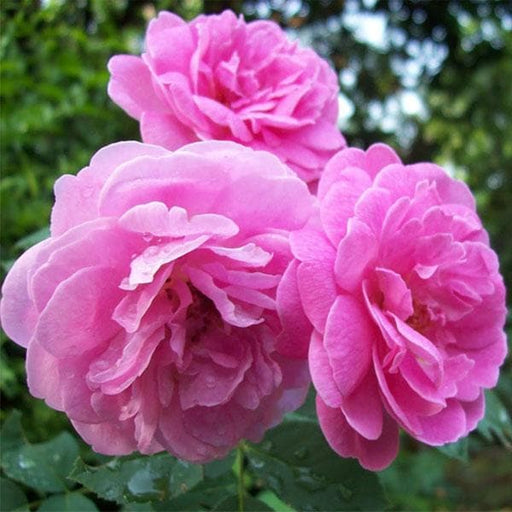
View full detailsDamascus Rose, Scented Rose (Any Color) - Plant The Damascus Rose, also known as Rosa damascena, is a timeless symbol of beauty and romanc...
View full detailsMiniature Rose, Button Rose (Any Color) - Plant The Miniature Rose, also known as the Button Rose, is a charming and compact flowering plant that ...
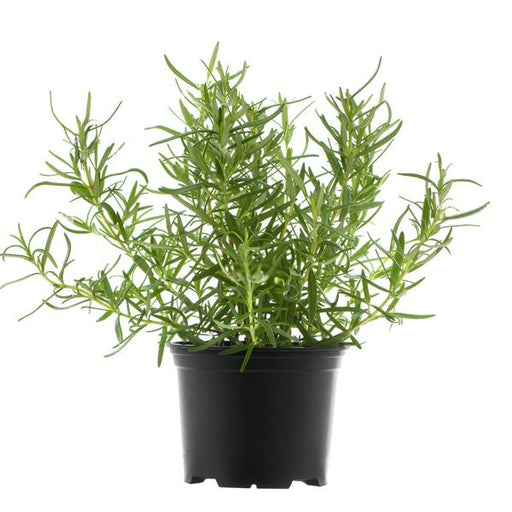
View full detailsRosemary - Plant Rosemary (Rosmarinus officinalis) is a fragrant evergreen herb native to the Mediterranean region. Known for its needle-like leav...
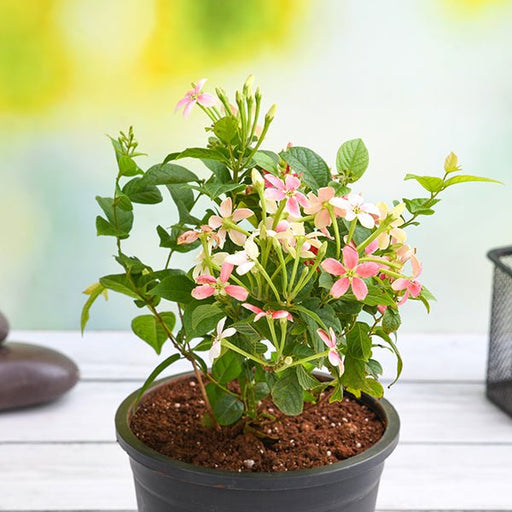
View full detailsMadhumalti Dwarf, Rangoon Creeper - Plant The Madhumalti Dwarf, also known as the Rangoon Creeper (Quisqualis indica), is a stunning perennial vin...
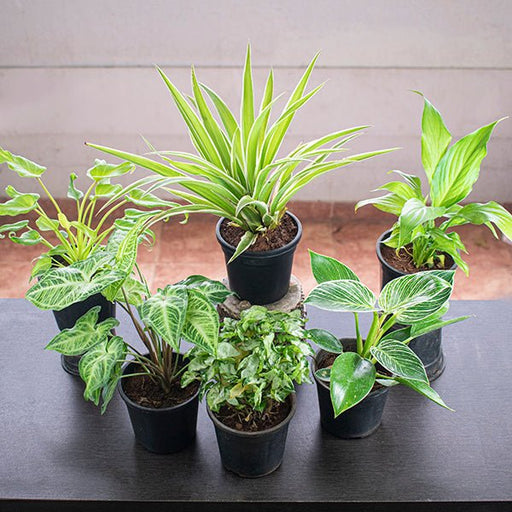
View full detailsBest 6 Plants for Perfect Indoor Garden Transform your living space into a lush oasis with our curated collection of the Best 6 Plants for a...
View full detailsBest 6 Plants for Perfect Indoor Garden Transform your living space into a lush oasis with our curated collection of the Best 6 Plants for a...
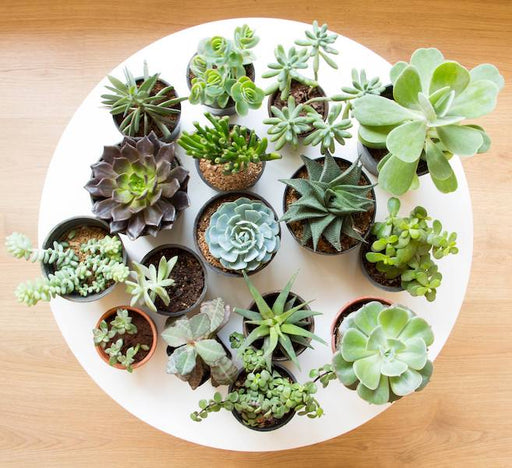
View full detailsMini Succulent Garden Pack Transform your space with our Mini Succulent Garden Pack, featuring a delightful collection of 4 any variety beautiful s...
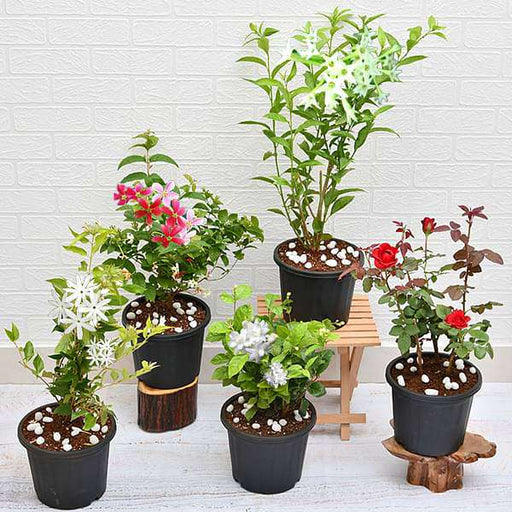
View full details5 Best Fragrant Plants Transform your garden or indoor space into a fragrant paradise with our curated selection of the 5 Best Fragrant Plants. Th...
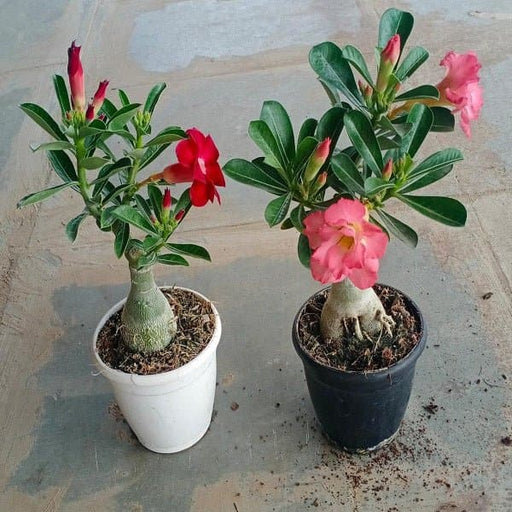
View full detailsSet of 2 Bonsai Looking Grafted Adeniums Transform your indoor or outdoor space with our exquisite Set of 2 Bonsai Looking Grafted Adenium...
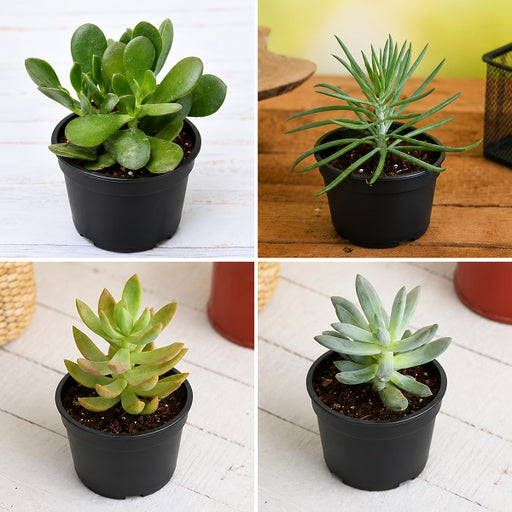
View full detailsTop 4 Die Hard Succulents Pack Note: Plants included in this pack will be delivered in a 3-inch nursery pot (any color). Transform your indoor or ...
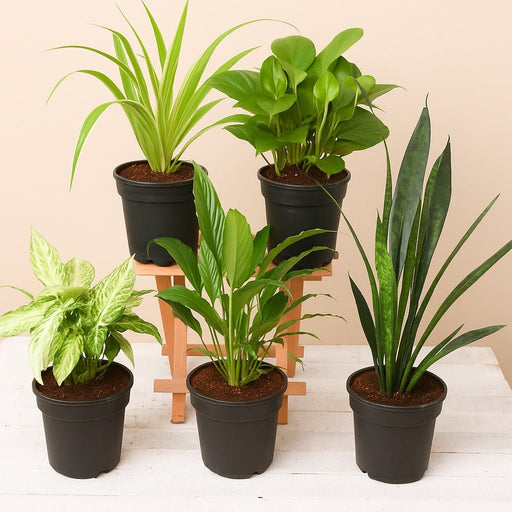
View full details5 Best Indoor Plants Pack Transform your living space into a lush oasis with our '5 Best Indoor Plants Pack.' This carefully curated collection fe...
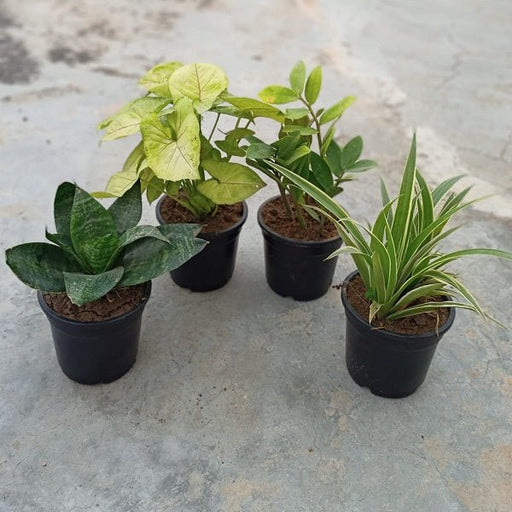
View full detailsSet of 4 Evergreen Air Purifier Plant Pack Transform your indoor space into a lush, green oasis with our Set of 4 Evergreen Air Purifier Pla...
View full detailsTop 5 Pollution Killer Plants Pack Transform your living space into a breath of fresh air with our 'Top 5 Pollution Killer Plants Pack'. This care...
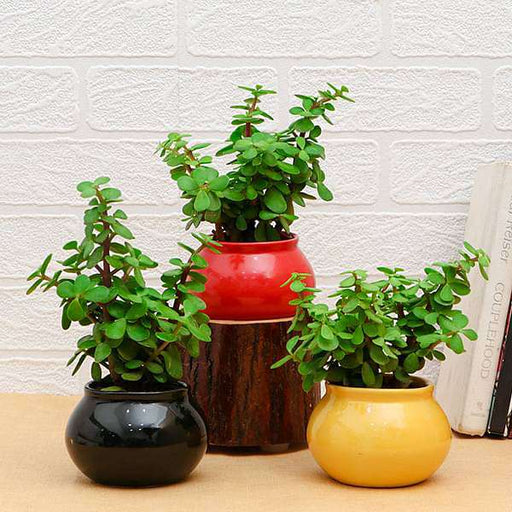
View full detailsPack of 3 Good Luck Jade Plants in Ceramic Pots Bring a touch of nature into your home with our Pack of 3 Good Luck Jade Plants, featuring...
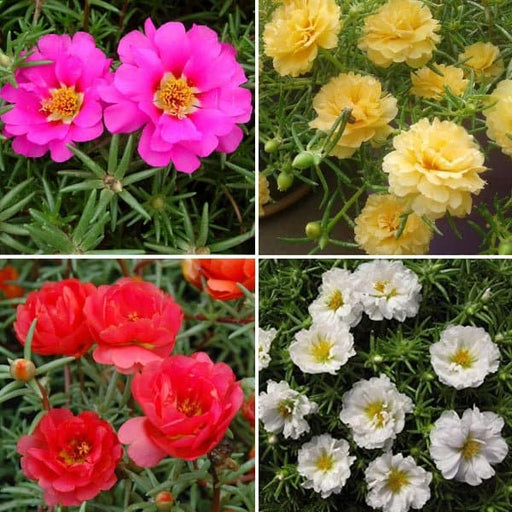
View full detailsPortulaca Garden Pack (4 Plants + 4 Black Pots) Note- You will get any color (Assorted) potted Porulaca plant with this pack. Transform your garde...
View full details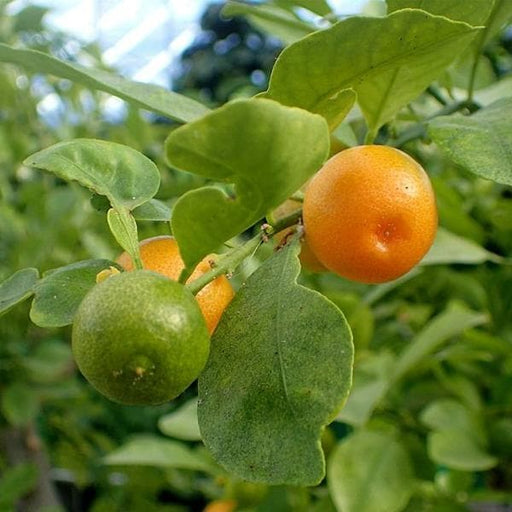






Leave a comment